
高性能计算

Search documents
晶圆代工,增长17%
半导体芯闻· 2025-07-29 10:29
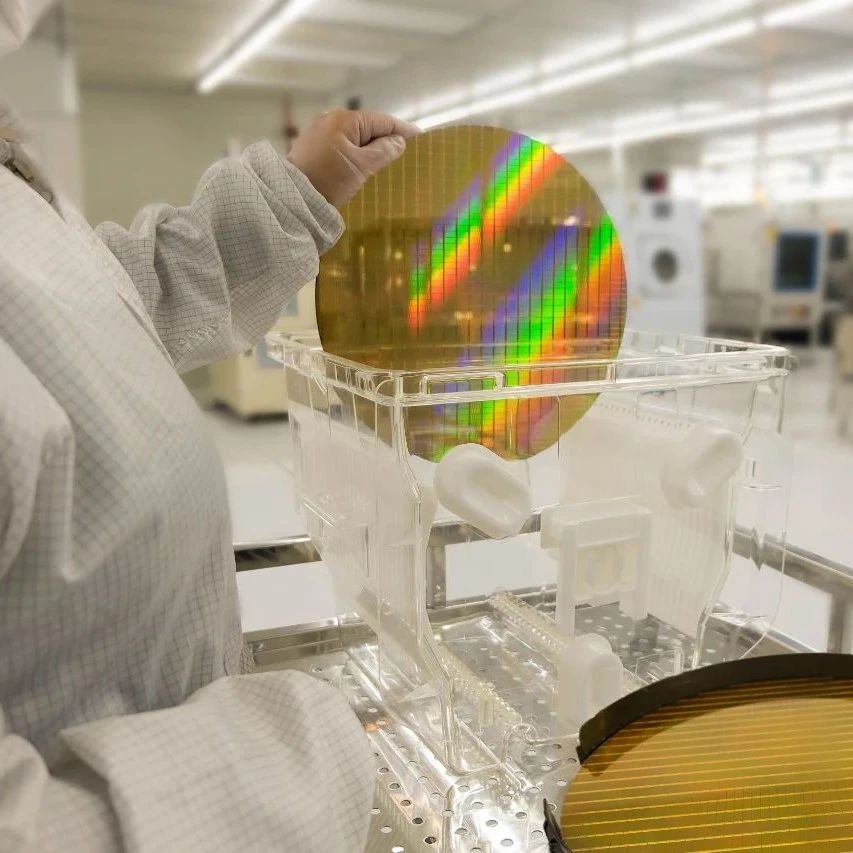
Group 1 - The global pure semiconductor foundry industry revenue is expected to grow by 17% year-on-year in 2025, exceeding $165 billion, up from $105 billion in 2021, with a compound annual growth rate (CAGR) of 12% from 2021 to 2025 [1][4] - Advanced nodes such as 3nm and 5/4nm are key drivers of revenue growth, with 3nm node revenue projected to increase by over 600% to around $30 billion by 2025, while 5/4nm node revenue is expected to exceed $40 billion [1][4] - Advanced nodes, including 7nm, are anticipated to contribute over half of the total revenue for pure foundries by 2025, highlighting the industry's focus on cutting-edge technology to support high-end AI smartphones and HPC solutions [1][4] Group 2 - The 2nm process is expected to account for only 1% of total revenue in 2025, but with TSMC's new capacity in Taiwan, it is projected to expand rapidly, potentially exceeding 10% of total revenue by 2027 [3] - The 20-12nm range is expected to remain stable, contributing 7% to total revenue, as some chip applications migrate from mature nodes to advanced nodes [4] - The share of mature nodes, such as 28nm and above, is projected to decline from 54% in 2021 to 36% in 2025, indicating a gradual phase-out of traditional technologies, although revenue is expected to remain stable [4]


清华系HPC-AI企业是石科技:以高性能计算赋能大模型时代
Cai Fu Zai Xian· 2025-07-29 09:02
Core Insights - A young Tsinghua University-affiliated startup, Shike Technology, has emerged as a key player in the AI computing landscape, leveraging its strong high-performance computing (HPC) technology to provide efficient and cost-effective computing services to leading AI companies and research teams [1][2]. Group 1: Technology Foundation - The core team of Shike Technology originated from the development of the "Sunway TaihuLight" supercomputer, successfully adapting computational fluid dynamics algorithms for domestic chips, demonstrating the practical capabilities of domestic computing power [2]. - The company focuses on two main objectives: enhancing computational efficiency and reducing costs, having built a unified computing platform that manages over 10,000 PFlops of computing power and developed a scheduling optimization framework that supports heterogeneous CPU/GPU computing [2]. Group 2: Service to AI Models - During the 2023 "Hundred Models War," while many companies rushed to accumulate computing power, Shike Technology opted for technical optimization to meet demand, believing that idle computing power will be an inevitable trend in the future [3]. - The company has helped clients reduce computing costs by over 30% in areas such as video generation and financial risk control through deep optimization of algorithms and hardware adaptation, facilitating rapid model deployment for leading firms [3]. Group 3: Long-term Vision - Shike Technology advocates for a specialized, scenario-based development of computing power, emphasizing that "the more optimized the technology, the less universal it becomes" [4]. - The company has launched industry-specific expert model services covering high-end manufacturing and biomedicine, and collaborates with universities to develop vertical solutions like financial risk warning systems [4]. - Currently, Shike Technology is advancing a new round of financing and plans to release standardized products, showcasing a rational approach to industry enthusiasm and highlighting the foundational role of high-performance computing in the digital economy [4].
狂拿大模型明星订单,一家清华系HPC-AI Infra公司浮出水面
量子位· 2025-07-29 05:05
Core Viewpoint - The article discusses the strategic approach of a technology company, Shi Shi Technology, led by a young founder, Yan Bowen, who has chosen not to hoard computing power despite the industry's trend towards it. Instead, the company focuses on optimizing computing resources and providing tailored services to meet the growing demand for AI computing [1][4][5][16]. Group 1: Company Background and Strategy - Shi Shi Technology was founded in 2021 by Yan Bowen, a PhD from Tsinghua University, and has a team with a strong background in high-performance computing [6][11]. - The company has won the Gordon Bell Prize three times, highlighting its expertise in parallel optimization and high-performance computing [12][11]. - The core business of Shi Shi Technology includes Infrastructure as a Service (IaaS) and expert model services, focusing on parallel computing and optimizing the deployment of algorithms on hardware [20][22]. Group 2: Market Context and Demand - The demand for pre-trained models has surged in 2023, leading to a competitive landscape in AI computing, referred to as the "model war" [2][15]. - The company has established partnerships with major players like Baidu and leading firms in video generation, indicating its strong market position [5][27]. - Shi Shi Technology's revenue from AI computing has surpassed 50%, with a notable increase in large orders, while scientific computing remains a significant part of its business [30][31]. Group 3: Operational Insights - The company manages over 10 intelligent computing centers and two national supercomputing centers, with a total computing power exceeding 10,000 PFlops [24]. - Shi Shi Technology emphasizes the importance of optimizing computing efficiency and reducing costs, which is critical in the rapidly evolving AI landscape [25][30]. - The company has developed a unified computing platform, HAI, which supports various CPU and GPU models and integrates training and inference capabilities [29]. Group 4: Future Outlook and Challenges - The founder believes that the computing industry will evolve from general-purpose computing to scenario-specific computing, which will enhance resource utilization [50]. - Shi Shi Technology aims to balance efficiency, replicability, and rapid customization in its offerings, addressing the industry's challenges [51]. - The company is preparing for a new round of financing and the release of standardized products, indicating its readiness for future growth [53].

台积电(TSM.US)业绩强劲难掩危机,正被“高估”与“追兵”双重包围
Zhi Tong Cai Jing· 2025-07-28 08:02
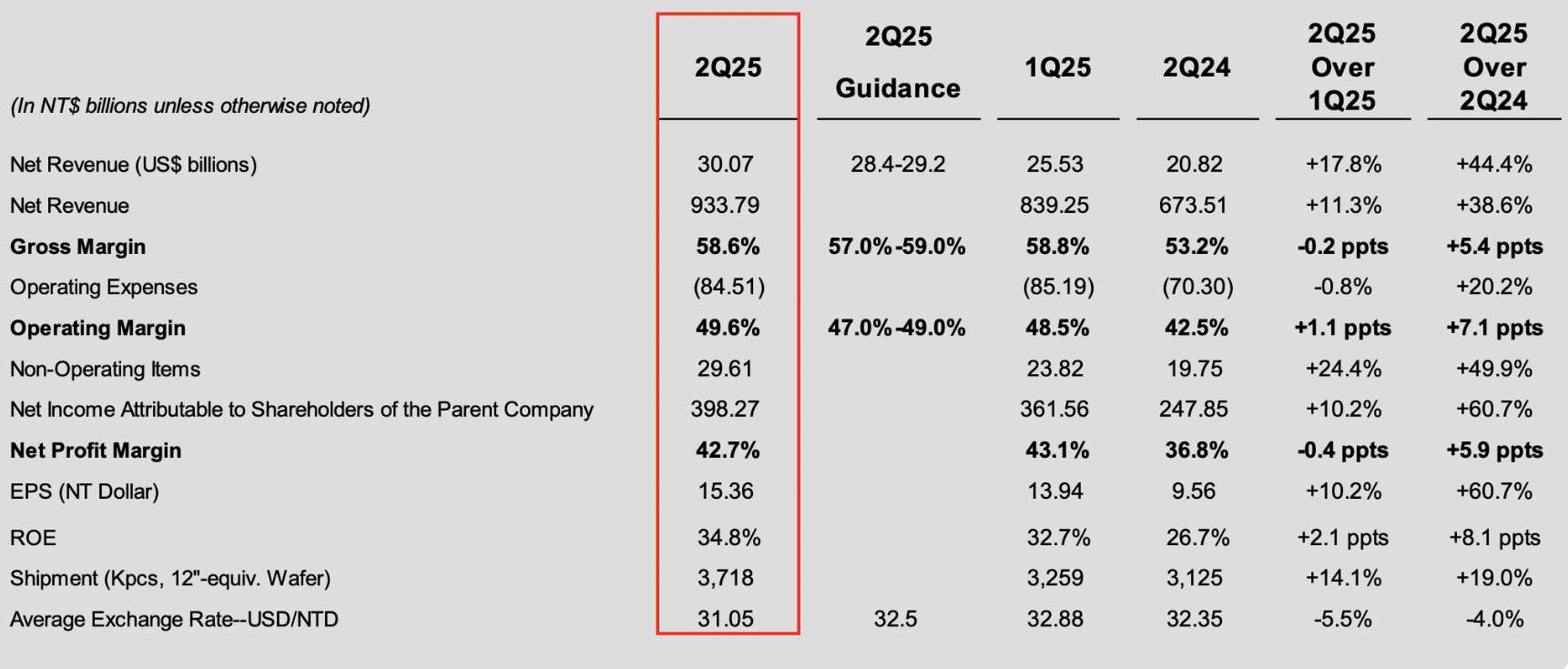
Core Viewpoint - TSMC has become the world's largest foundry with a valuation exceeding $1 trillion, significantly ahead of competitors like Samsung and Intel, despite previous concerns about increasing competition [1] Financial Performance - TSMC reported consolidated revenue of approximately NT$933.79 billion (about RMB 228.03 billion) and a net profit of NT$398.27 billion (about RMB 97.26 billion), with earnings per share at NT$15.36 [2][3] - Revenue growth exceeded 40% year-on-year, with gross margin increasing over 5 percentage points, indicating enhanced pricing power; however, there are signs of demand slowing down in the quarter [3][4] Business Segmentation - TSMC's revenue from advanced processes includes 24% from 3nm technology and 36% from 5nm technology, while 7nm technology's revenue remains stable despite a declining percentage [4] - High-performance computing (HPC) remains a core pillar, accounting for over 60% of revenue with double-digit growth year-on-year, but there are concerns about the sustainability of AI demand [6] Cash Flow Situation - Operating cash flow for the quarter reached NT$500 billion (approximately $16 billion), with a dividend yield of only 1.2%, sufficient to cover dividends but facing high capital expenditures of $9.4 billion [8] - Projected capital expenditures for 2025 are expected to reach $40 billion, leading to an estimated annual free cash flow of about $25 billion, resulting in a free cash flow yield of less than 3% [8][9] Competitive Landscape - Intel is advancing its 18A process node and plans to expand capacity, while Samsung is accelerating its 2nm process development, posing potential threats to TSMC's market position [10] - The U.S. market's shift towards domestic manufacturing and protectionist policies may challenge TSMC's competitive edge, especially if Samsung establishes 2nm capacity in the U.S. [10] Conclusion - TSMC faces two core risks: high valuation combined with low free cash flow yield, and significant investments by Intel and Samsung aiming for key process breakthroughs that could compress profit margins [12]
面板级封装的兴起
半导体行业观察· 2025-07-26 01:17
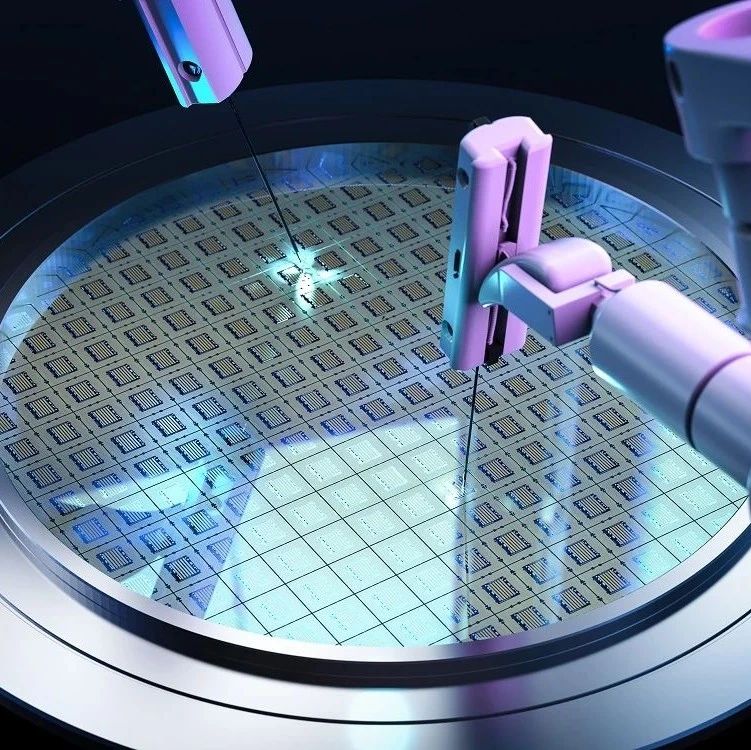
Core Insights - The demand for logic-to-memory integration driven by AI and high-performance computing is propelling advancements in panel-level packaging (PLP), with expectations that PLP will approach 10 times the maximum reticle size in the coming years [2][3] - Fan-out panel-level packaging (FOPLP) is emerging as a cost-effective solution, replacing silicon interposers with organic interposers, which is crucial for accommodating larger chip sizes and higher I/O counts [2][3][20] - The panel-level packaging market is projected to grow significantly, from $160 million in 2024 to $650 million, and nearly tripling to approximately $2.2 billion by 2030 [4] Panel-Level Packaging Developments - The integration of organic interposers and glass substrates is advancing, with companies like TSMC transitioning from wafer-based to panel-based processes for advanced packaging [3][4] - The choice of panel size varies based on application needs, with sizes ranging from 310 x 310 mm to 700 x 700 mm, influenced by existing manufacturing capabilities [5][6] - The utilization efficiency of panel-level packaging improves with larger interposer sizes, significantly reducing waste compared to wafer-level processes [6][10] Manufacturing Techniques and Challenges - Various manufacturing processes are being implemented in fan-out packaging, including chip-first, RDL-first, and mold-first methods, each with its own advantages and challenges [12][14] - Warpage remains a critical issue in fan-out packaging, exacerbated by differences in thermal expansion coefficients between materials, necessitating new materials and process controls to mitigate this risk [16][18][20] - Laser direct imaging and step-and-repeat lithography are both utilized for RDL patterning, with step-and-repeat lithography being more suitable for high throughput [10][20] Future Outlook - The future of panel-level packaging is promising, particularly for AI and HPC devices, as manufacturers seek to achieve yield rates comparable to current fan-out wafer-level packaging processes [20] - The development of new interlayer dielectric materials and molding materials with thermal expansion coefficients closer to silicon will enhance control over chip displacement and warpage [20]
创达新材北交所IPO,专注复合材料,应收款项余额较大
Ge Long Hui· 2025-07-25 06:44
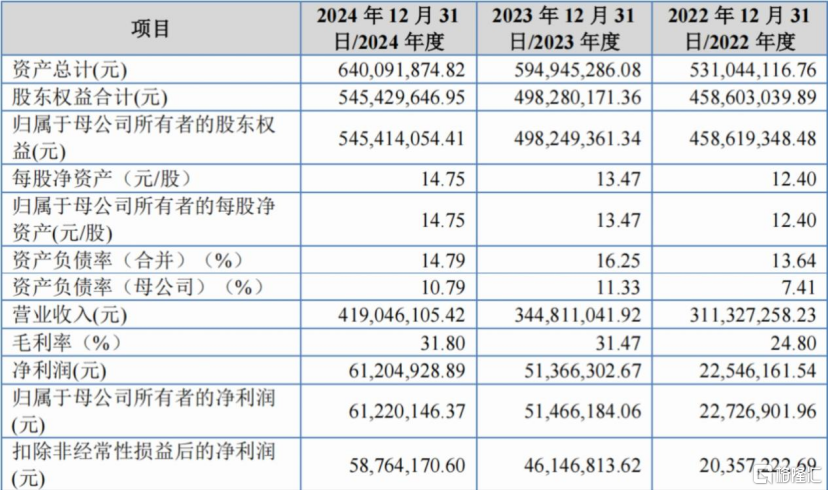
Company Overview - Wuxi Chuangda New Materials Co., Ltd. (Chuangda New Materials) has submitted a prospectus for an IPO on the Beijing Stock Exchange, with Shenwan Hongyuan Securities as the lead underwriter [1] - The company is based in Wuxi, Jiangsu Province, and is controlled by Zhang Jun and Lu Nanping, who hold a combined 51.87% of the shares [1] Industry Insights - The global semiconductor materials market is projected to reach $67.5 billion in 2024, with a year-on-year growth of 3.8%, driven by the recovery of the semiconductor market and increased demand for advanced materials in high-performance computing [1] - In 2024, the semiconductor materials sales in mainland China are expected to be $13.5 billion, representing a 5.3% increase and accounting for approximately 20% of the global market [1] Financial Performance - Chuangda New Materials reported revenues of approximately 311 million yuan, 345 million yuan, and 419 million yuan for the years 2022, 2023, and 2024, respectively [2] - The net profits for the same years were approximately 22.55 million yuan, 51.37 million yuan, and 61.20 million yuan, with gross margins of 24.80%, 31.47%, and 31.80% [2] - For Q1 2025, the company achieved revenues of about 10 million yuan, reflecting a year-on-year growth of 21.68%, and a net profit of approximately 1.6 million yuan, up 37.83% [3] Financial Metrics - Total assets as of December 31, 2024, were approximately 640 million yuan, with total equity of about 545 million yuan [3] - The company's debt-to-asset ratio was 14.79% for the consolidated entity and 10.79% for the parent company as of December 31, 2024 [3] - The earnings per share (EPS) for the parent company was 14.75 yuan as of December 31, 2024 [3] Investment Plans - Chuangda New Materials plans to raise 300 million yuan through the IPO, which will be allocated to the construction of a production line for semiconductor packaging materials, a research and development center, and to supplement working capital [5][6] - The production line project has a total investment of 236 million yuan, with 200 million yuan to be funded from the IPO proceeds [6]
势银研究 | 半导体设备市场整体发展趋势
势银芯链· 2025-07-23 02:38
Core Viewpoints - The report from TrendBank titled "2025 Semiconductor Equipment Market Research" provides insights into global semiconductor market trends, including wafer fabrication, packaging, and testing equipment market dynamics [2][6]. Group 1: Semiconductor Capacity and Production - In 2024, China's effective wafer capacity is projected to reach 7.5 million pieces per month (equivalent to 8-inch), representing a year-on-year growth of 14%, with advanced process capacity accounting for only 13% [3]. - Advanced process capacity is expected to reach 1 million pieces per month, with a forecasted increase to 17% by 2029 [5]. Group 2: Capital Expenditure Trends - Global wafer fab capital expenditure is expected to remain flat at $166.7 billion in 2024, slightly lower than in 2023, with a projected 4% growth in 2025 due to recovering demand in consumer electronics and industrial equipment, alongside the booming AI and high-performance computing markets [4]. Group 3: Semiconductor Equipment Market Size - The global semiconductor equipment market is anticipated to reach $116.1 billion in 2024, marking a 9% year-on-year increase, with China's demand share expected to be 36.7%, significantly outpacing other countries [6]. Group 4: Testing Equipment Market - The global semiconductor testing equipment market is projected to exceed $7.7 billion in 2024, with testing machines holding a major market share. Local companies like Changchuan Technology have established competitive positions in the semiconductor testing machine and sorting machine sectors, although further advancements are needed in the probe station area for analog and digital chips [9].

全球首颗光子处理器
半导体行业观察· 2025-07-23 00:53
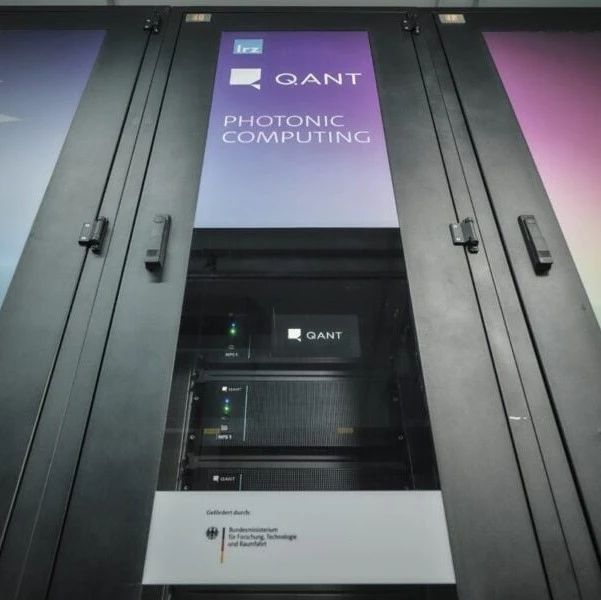
Core Viewpoint - The article discusses the significant advancements in photonic processors by Q.ANT, highlighting their integration into high-performance computing (HPC) environments and the potential for energy-efficient AI applications. Group 1: Q.ANT's Technological Advancements - Q.ANT has delivered its native processing server (NPS) to the Leibniz Supercomputing Centre (LRZ), marking the first integration of photonic processors into an operational HPC environment [2] - The deployment aims to evaluate AI and simulation workloads with significantly reduced energy consumption, establishing new benchmarks for applications like climate modeling and real-time medical imaging [2][3] - The NPS units can reduce power consumption by up to 90 times due to the absence of heat generation, allowing for faster and more efficient complex computations [3] Group 2: Funding and Production Expansion - Q.ANT raised €62 million in a Series A funding round, the largest in the European photonic processor sector, to expand production and develop 32-bit optical processors [4] - The photonic processor, developed from lithium niobate thin films, boasts a 30-fold increase in power efficiency and a 50-fold performance improvement without complex cooling systems [4][6] Group 3: Market Position and Future Outlook - The article emphasizes the need for Europe to prioritize self-developed technologies and manufacturing to maintain competitiveness in the semiconductor market [7] - Q.ANT's approach contrasts with traditional CMOS processors, which are nearing their physical limits, by leveraging light instead of electricity for processing [5][7] - The company aims to redefine the semiconductor market landscape for data centers, with the potential to significantly lower operational costs while enhancing performance for next-generation AI and HPC [7]
黄仁勋:总觉得公司快倒闭了
3 6 Ke· 2025-07-21 23:32
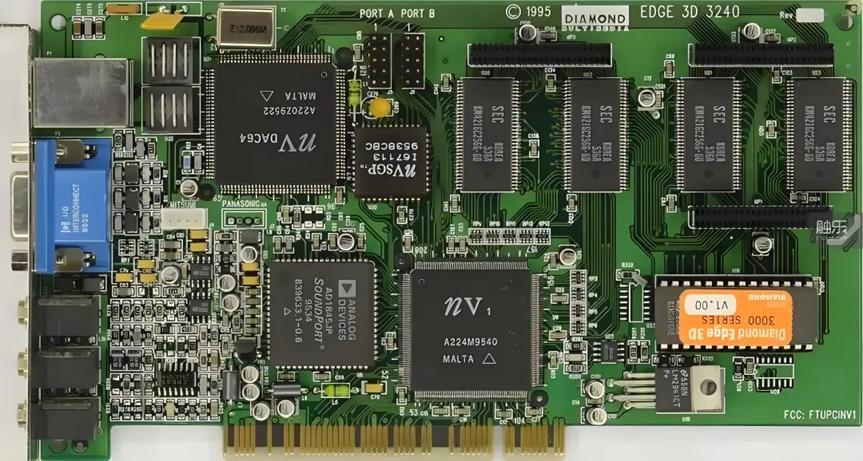
Group 1 - Huang Renxun has been actively promoting AI technology and Chinese tech companies during his recent visit to Beijing, gaining significant media attention [2][4] - Nvidia plans to resume sales of H20 chips to the Chinese market, indicating a renewed focus on this key market [2][6] - Nvidia's market capitalization reached $4.21 trillion, surpassing Japan's projected GDP for 2024, highlighting the company's immense financial strength [6] Group 2 - Huang Renxun's net worth is reported at $143 billion, ranking him ninth among global billionaires, surpassing Warren Buffett [7] - The article explores Huang Renxun's entrepreneurial journey and management philosophy, emphasizing the importance of learning and adaptability in leadership [8] Group 3 - Nvidia's early struggles included the failure of its NV1 product due to high costs and incompatibility with industry standards, which led to a critical partnership with Sega for funding [13][15] - The company rebounded with the successful launch of the Riva128, which supported Microsoft's Direct3D standard and significantly outperformed competitors [17][18] - The introduction of the GeForce 256 marked the beginning of the GPU era, transforming the gaming and graphics processing landscape [19][20] Group 4 - Huang Renxun's strategic vision led to the development of CUDA, enabling GPUs to handle general computing tasks, which was pivotal for the rise of AI applications [21][36] - The partnership with Intel to develop CUDA was a significant turning point for Nvidia, allowing it to expand into new markets and applications [22][36] Group 5 - Huang Renxun's management philosophy emphasizes a flat organizational structure and transparency, fostering a culture of independence and collaboration among employees [41][44] - The company employs unique management methods, such as the "Five Key Items Email" and "Whiteboard Meetings," to enhance communication and problem-solving [55][58] Group 6 - Huang Renxun advocates for a mission-driven approach, where decisions prioritize customer interests over internal politics, promoting efficiency and agility within the organization [51][53] - The "Captain Management" approach assigns clear responsibility for projects, enhancing accountability and motivation among team leaders [67][69]

电子行业周报:英伟达H20恢复对华供应,台积电中期业绩超预期-20250721
Donghai Securities· 2025-07-21 15:22
Investment Rating - The report suggests a positive outlook for the electronics sector, indicating a gradual recovery in demand and price stabilization, with a recommendation to gradually accumulate positions in the market [6][7]. Core Insights - Nvidia has announced the resumption of sales for its H20 chip to China, alongside AMD's MI308, which is expected to alleviate the domestic market's computing power shortage in the short term. The long-term trend remains focused on the acceleration of domestic AI chip self-sufficiency [6][12]. - TSMC reported a Q2 2025 revenue of approximately $30.07 billion, a year-on-year increase of 44.4%, with a net profit surge of 60.7%. The revenue from 7nm and below process nodes accounted for 74% of total revenue, driven primarily by AI and high-performance computing demand [6][12]. - Global smartphone shipments grew by 1% year-on-year in Q2 2025, while shipments in China declined by 4%, marking the end of a six-quarter growth streak. The growth in the global market is attributed to innovations in AI technology and new product launches [6][14]. Summary by Sections Industry Overview - The electronics sector is experiencing a mild recovery in demand, with a focus on four main investment themes: AIOT, AI-driven technologies, equipment materials, and consumer electronics [6][7]. Company Performance - Nvidia's H20 and AMD's MI308 chips are set to resume sales to China, indicating a potential easing of geopolitical tensions and a boost for domestic AI chip development [6][12]. - TSMC's Q2 2025 financial results exceeded expectations, with significant contributions from AI and HPC-related demands, projecting a nearly 30% revenue growth for the full year [6][12]. Market Trends - The report highlights a 1% year-on-year increase in global smartphone shipments, with a notable decline in the Chinese market, reflecting a shift in consumer demand and market dynamics [6][14]. - The electronics industry outperformed the broader market, with the semiconductor sector showing positive growth, particularly in electronic components and consumer electronics [21][23].