供给侧结构性改革

Search documents
A股常态化退市机制持续显效
Jin Rong Shi Bao· 2025-08-08 02:29
Core Viewpoint - The A-share market is experiencing an accelerated pace of delisting, with a significant increase in companies being warned or forced to delist due to various regulatory standards and stricter enforcement of delisting policies [1][2][3][4]. Group 1: Delisting Risks and Statistics - *ST Tianmao issued its fourth risk warning regarding potential delisting due to failure to disclose its 2024 annual report and 2025 quarterly report within the stipulated timeframe [1]. - As of August 7, 2023, 23 A-share companies have been delisted this year, with 8 due to trading-related delisting (e.g., stock price below par), 7 for compliance issues, and 3 for voluntary delisting [1][2]. - The number of delisted companies has significantly increased since 2019, with 212 companies delisted from 2019 to the present, surpassing the total from the previous 20 years [2]. Group 2: Regulatory Changes and Impact - The introduction of the "New National Nine Articles" in April 2022 has led to stricter enforcement of delisting standards, particularly for companies involved in serious violations [3][4]. - The revised stock listing rules have raised the revenue threshold for financial delisting from 1 billion to 3 billion yuan, indicating a tightening of financial health requirements for listed companies [4]. - As of now, 107 companies are under delisting risk warnings due to financial issues, and 118 companies face compliance-related delisting risks [4][5]. Group 3: Market Dynamics and Future Outlook - The trend towards a normalized delisting mechanism is expected to continue, with a focus on improving investor protection and eliminating the expectation of "shell value" [1][4]. - The new regulations are anticipated to accelerate the exit of loss-making companies from the capital market, thereby promoting structural reforms in the supply side of the economy [5].


塔牌集团2025年上半年业绩显著提升,盈利能力增强
Zheng Quan Zhi Xing· 2025-08-07 22:07
Core Viewpoint - Tower Group (002233) reported significant performance growth in the first half of 2025, with notable increases in revenue and net profit [2][8]. Financial Performance Overview - The total operating revenue reached 2.056 billion, a year-on-year increase of 4.05% - The net profit attributable to shareholders was 435 million, up 92.47% year-on-year - The net profit excluding non-recurring items was 242 million, an increase of 31.73% year-on-year - In Q2, operating revenue was 1.137 billion, a 15.64% increase year-on-year - Q2 net profit was 270 million, up 249.46% year-on-year - Q2 net profit excluding non-recurring items was 151 million, a 128.2% increase year-on-year [2]. Profitability Analysis - The gross margin was 24.26%, an increase of 0.76% year-on-year - The net margin was 21.4%, up 80.16% year-on-year - Earnings per share were 0.37, a 94.74% increase year-on-year - Operating cash flow per share was 0.11, an increase of 311.57% year-on-year [3]. Cost and Expense Control - Total operating expenses (selling, administrative, and financial expenses) amounted to 190 million, accounting for 9.26% of revenue, a decrease of 7.09% year-on-year - Administrative expenses decreased by 17.63% year-on-year - Financial expenses increased by 46.39% year-on-year, primarily due to a decline in interest income from bank deposits [4]. Main Business Analysis - The main business revenue primarily comes from cement sales, accounting for 90.95% of total revenue, with a revenue of 1.87 billion and a gross margin of 23.74% - Environmental disposal business revenue was 53.76 million, with a gross margin of 51.53% - Other businesses, including ready-mixed concrete, clinker, limestone, waste residue, and photovoltaic power generation, also contributed to revenue and profit [5]. Asset and Liability Status - Cash and cash equivalents were 1.157 billion, a decrease of 29.35% year-on-year - Accounts receivable were 38.34 million, down 43.03% year-on-year - Interest-bearing liabilities were 2.155 million, a decrease of 51.03% year-on-year, indicating effective fund management and debt control [6]. Cash Flow Analysis - Net cash flow from operating activities increased by 311.57% year-on-year, driven by improved profitability - Net cash flow from investing activities decreased by 97.5% year-on-year due to increased amounts in entrusted financial products - Net cash flow from financing activities increased by 9.56% year-on-year, mainly due to a decrease in distributed cash dividends [7]. Development Prospects - As a regional cement leader in East Guangdong, the company has a complete industrial chain and a high market share - The company is consolidating its market position through supply-side structural reforms, optimizing industrial structure, and enhancing product quality and service levels - With steady development in infrastructure construction and the real estate sector, the company is expected to maintain a positive operational trend in the future [8].

遏制行业恶性竞争 中国光伏行业协会征集《价格法修正草案》意见
Zheng Quan Ri Bao Wang· 2025-08-07 12:59
8月6日晚间,中国光伏行业协会发布消息称,国家发展改革委、市场监管总局研究起草了《价格法修正 草案(征求意见稿)》(以下简称"《草案》"),并于近期面向社会公开征求意见。为充分反映光伏行 业企业诉求,中国光伏行业协会向各单位公开征集对《草案》的意见和建议,请他们重点从价格行为规 范、价格调控机制、价格监督检查、法律责任及其他等方面,提出对《草案》的修改意见、建议及理 由。 该消息的发布受到了市场诸多关注。北京止于至善投资管理有限公司总经理何理在接受《证券日报》记 者采访时表示:"'反内卷'的重要程度持续提升,从行业自律逐渐上升到了法律层面,后续有望有更多 的政策出台。在政策等多方面有利因素的驱动下,光伏行业的落后产能有望陆续退出,产业链价格预计 逐步向好,具备成本优势的企业有望从亏损状态转向盈利,行业估值中枢有望抬升。" 有望遏制行业恶性竞争现象 2025年以来,光伏等行业的"反内卷"进展受到诸多关注和期待。 根据《草案》的起草说明,此次修正草案共10条,主要涉及三方面内容,其中包括"进一步明确不正当 价格行为认定标准",具体来看,包括完善低价倾销的认定标准,规范市场价格秩序,治理"内卷式"竞 争等内容。 光 ...

“反内卷”持续升温 市场端期待重塑产业新生态
Zhong Guo Jing Ying Bao· 2025-08-06 13:58
中经记者 何莎莎 北京报道 "反内卷"政策仍然在持续升温。 近期结束的中央政治局会议部署了一系列重要改革举措,包括"纵深推进全国统一大市场建设,推动市 场竞争秩序持续优化""依法依规治理企业无序竞争"等,凸显了国家已对这一现象予以充分重视。 在7月15日国新办发布会上,国家统计局回应了"反内卷"话题,表示"有关部门正在制定相关措施,进一 步加大市场秩序的规范治理"。7月1日中央财经委员会召开会议明确提出,要纵深推进全国统一大市场 建设,聚焦重点难点,依法依规治理企业低价无序竞争,引导企业提升产品品质,推动落后产能有序退 出。 从中央层面到部委层面政策加码的同时,多个行业也纷纷跟进"反内卷"。产业端,汽车、光伏、钢铁、 水泥等行业集中出台措施;金融行业,多地银行业、保险业协会发布"反内卷"自律公约。 与此同时,A股也掀起了"反内卷"主题行情。不少机构认为,这一主题有望成为接下来一段时间的主 线。"反内卷"行情背后的政策背景是什么?这一行情未来将如何发展?围绕一系列问题,《中国经营 报》触角"零观财经"与北京大学政府管理学院教授马亮、远东资信首席宏观研究员张林进行了访谈。 内卷现象冲击多个行业 内卷现象的愈演愈烈 ...
硅料价格回升见顶,仍待传闻“收储方案”落地
Jing Ji Guan Cha Wang· 2025-08-06 12:52
Core Viewpoint - After a month of continuous recovery, the price of silicon materials has stabilized, with current prices ranging from 45,000 to 49,000 yuan per ton, following a previous increase from approximately 30,000 to 36,000 yuan per ton [1] Price Trends - The price of polysilicon futures surged to 54,705 yuan per ton on July 30 but has since dropped to around 50,000 yuan per ton, slightly above the spot price [1] - The increase in polysilicon prices is linked to regulatory efforts aimed at curbing low-price competition and guiding companies towards rational pricing [1][2] Industry Dynamics - Currently, most silicon material companies are achieving breakeven at the current price levels, contrasting with previous losses [3] - The price recovery in the photovoltaic industry depends on supply-side structural reforms in polysilicon and the price transmission effect to downstream components [3] Downstream Impact - The downstream component sector has struggled to raise prices in line with silicon material increases, with current component prices around 0.665 to 0.707 yuan per watt, reflecting only a minor increase since July [2][3] - Each watt of component requires approximately 2 grams of silicon material, meaning a 10,000 yuan per ton increase in silicon price raises component costs by about 0.1 yuan per watt [3] Regulatory Environment - The decline in investment returns for photovoltaic power stations is a significant factor limiting component price increases, as outlined in the "136 Document" issued by the National Development and Reform Commission [4][5] - New regulations set a mechanism price of 0.4155 yuan per kilowatt-hour for projects connected to the grid before June 1, 2025, impacting the financial viability of new installations [6] Production Capacity and Storage Plans - Despite price stabilization, polysilicon production capacity is increasing, particularly in regions with low energy costs [7][8] - A proposed storage plan aims to establish a storage capacity of 1.2 to 1.3 million tons, with a target to maintain around 70% operational capacity to meet market demand [8]


"反内卷"提振大宗商品市场 政策驱动行业从"价格战"转向价值重估
Zhong Guo Jing Ji Wang· 2025-08-06 02:17
Group 1: Policy and Market Response - The Central Financial Committee's recent meeting emphasized the need to regulate low-price disorderly competition among enterprises and promote product quality improvement [1] - In response to the "anti-involution" policy, industries such as photovoltaic, cement, steel, and coke have begun to reduce production and increase prices [1][4] - The National Development and Reform Commission and the State Administration for Market Regulation have proposed amendments to the Price Law to standardize market pricing and address "involution-style" competition [1][4] Group 2: Commodity Market Trends - Major commodity futures, including coking coal, coke, polysilicon, industrial silicon, glass, and soda ash, have seen significant price increases, with polysilicon rising by 50% in July and reaching a record high of 53,000 yuan/ton [1][4] - The market is experiencing a shift from "anti-involution driven" to "stock replenishment driven," with expectations of further price increases as downstream demand rises [4][5] - Analysts predict that most commodity futures will experience a comprehensive rebound in the third quarter, driven by policy support and improved market conditions [5] Group 3: Industry Challenges and Opportunities - The chemical industry is facing a cycle of low-price competition, which undermines profitability and restricts R&D investment, leading to a lack of product value enhancement [2] - The Ministry of Industry and Information Technology is set to introduce plans to stabilize growth in key industries, focusing on structural adjustments and the elimination of outdated production capacity [2][3] - The "anti-involution" policy aims to enhance market order and promote industry upgrades, directing resources towards high-efficiency sectors and improving global competitiveness [6]
劳动经济学视角观中国经济:劳动价值是保障分配合理、促进消费的关键
Xiangcai Securities· 2025-08-05 12:47
Group 1: Economic Transformation - China's economic development is heavily reliant on population dividends, with a significant amount of previously underutilized labor being mobilized post-reform, leading to substantial productivity gains[2] - The traditional mindset of prioritizing investment over consumption has resulted in production surplus and insufficient consumption, necessitating a shift towards demand-side reforms to stimulate domestic consumption[2][22] Group 2: Labor Value and Distribution - Labor value is crucial for ensuring fair distribution and promoting consumption, with initial distribution being the most fundamental aspect influenced by market forces[3][28] - The current labor market dynamics indicate a need to stabilize and enhance labor value, which is determined by the balance of power between labor and capital, influenced by supply and demand in the labor market[3][10] Group 3: Demand and Supply Dynamics - Labor demand is influenced by total demand, which includes both domestic and foreign components, with domestic demand being significantly affected by income distribution[4][34] - The reduction in labor supply is a prevailing trend, with a shrinking labor population and extended working hours contributing to a challenging employment landscape[6][43] Group 4: Policy Recommendations - Recent policies, such as the "Special Action Plan to Boost Consumption," aim to address the root causes of low consumption, emphasizing income growth and service sector development to enhance employment and consumption[9][65] - There is a pressing need for labor protection laws to mitigate excessive working hours, which exacerbate employment pressures and hinder job creation[8][64]
不只是当下,不急于当下:反内卷的定性定量理解
Huachuang Securities· 2025-08-05 07:45
Group 1: Overview of Anti-Overcompetition - The report emphasizes that the current "anti-overcompetition" framework is still being refined and may require further input from industry associations and relevant departments, indicating a dynamic and evolving policy landscape[1] - The anti-overcompetition initiative aims to serve the unified market and high-quality development, addressing both improper competitive practices and supporting new products, technologies, and services[1] - The report outlines a three-phase approach to address "overcompetition," focusing initially on behavior regulation and market capacity governance, with potential administrative interventions if necessary[1] Group 2: Historical Context and Future Outlook - The first positioning of anti-overcompetition is to enhance industrial competitiveness and align supply and demand, focusing on improving supply quality and efficiency to avoid waste of resources[2] - The second positioning is to facilitate a unified market, with past initiatives including the issuance of market access guidelines and the elimination of 4,218 regulations that hinder fair competition[3] - The report suggests that the anti-overcompetition initiative is not urgent compared to the supply-side reforms initiated in 2016, due to differences in objectives, employment constraints, and micro-profit pressures[4][21] Group 3: Industry Involvement and Phased Implementation - The initiative may impact various sectors, including new energy vehicles, photovoltaics, lithium batteries, and e-commerce, as identified by official statements and industry performance metrics[27] - The implementation is expected to occur in three stages: 1. Regulating enterprise and government behavior to maintain fair competition[32] 2. Market-driven capacity governance through mergers and restructuring[34] 3. Establishing clear "hard targets" to resolve supply-demand conflicts if previous phases are ineffective[37] Group 4: Key Measures and Risks - Key measures include enhancing legal frameworks, promoting product quality, and initiating a new round of growth actions in ten major industries, such as steel and automotive[40] - Risks highlighted include the potential for policy execution to exceed expectations, which could lead to unintended consequences in the market[8]
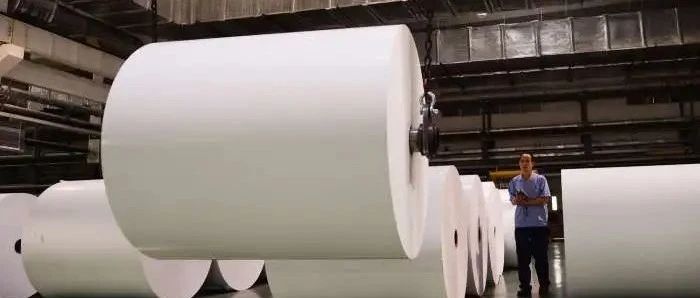
纸企集体涨价,有公司一个月涨6次
2 1 Shi Ji Jing Ji Bao Dao· 2025-08-04 14:41
Group 1: Price Increases in the Paper Industry - The price of corrugated paper and recycled kraft paper has been raised by 30 yuan/ton, with all weights of recycled paper, corrugated paper, and tube paper uniformly increased by 50 yuan/ton starting from August [1] - Since early July, major paper companies like Nine Dragons Paper have announced multiple price hikes due to supply constraints caused by unusual weather affecting waste paper collection [1][4] - The average price of waste yellow board paper reached 1482 yuan/ton in late July, reflecting a year-on-year increase of 2.75% [1] Group 2: Industry Challenges and Responses - The paper industry is facing a significant imbalance between supply and demand, with new production capacity expected to exceed 10 million tons in 2024, while consumption growth is only projected at 1.5% [5][6] - The Guangdong Provincial Paper Industry Association has issued a "反内卷" (anti-involution) initiative to combat low-price competition and promote rational business practices [2][8] - The industry is experiencing historical low profit margins, with an overall profit of only 520 billion yuan projected for 2024, translating to a profit margin of 3%-5% [6] Group 3: Strategic Shifts and Future Outlook - Major companies are focusing on strategic transformations, such as Sun Paper's integrated "forest-pulp-paper" model and Xianhe's significant investments in raw materials [10] - The industry is encouraged to shift from price competition to quality, service, and innovation competition to enhance competitiveness [10] - There is a need for clearer policy frameworks to address overcapacity and promote sustainable practices within the industry [10]


纸企集体涨价,有公司一个月涨6次
21世纪经济报道· 2025-08-04 14:25
Core Viewpoint - The recent price increases in the packaging paper market are driven by rising costs and supply constraints, with major paper companies like Nine Dragons Paper and Shanying International implementing multiple price hikes in a short period. The industry is facing a "low-price competition" dilemma, leading to a need for price recovery to restore profit margins and stimulate downstream inventory replenishment [1][3][6]. Group 1: Price Increases and Market Dynamics - Since early July, multiple price increase notices have been issued, with prices for corrugated paper and recycled cardboard rising by 30 yuan/ton and 50 yuan/ton respectively [1]. - The average price of waste yellow board paper reached 1482 yuan/ton in late July, a year-on-year increase of 2.75% [1]. - The price hikes aim to address the high inventory levels of paper manufacturers and stimulate downstream demand for replenishment as the industry transitions from a low season to a peak season [3][4]. Group 2: Industry Challenges and Responses - The core issue of oversupply in the industry is attributed to weak downstream demand, continuous capacity expansion, and intensified inter-regional competition [4][5]. - The China Paper Association reported that in 2024, the industry is expected to generate revenue of 1.46 trillion yuan, with profits only reaching 52 billion yuan, resulting in a profit margin of 3% to 5% [5]. - The industry is calling for a "反内卷" (anti-involution) movement to resist low-price competition and promote rational business practices [2][6]. Group 3: Strategic Shifts and Future Outlook - Major companies are pursuing strategic transformations, such as Sun Paper's integrated "forest-pulp-paper" model and Xianhe's significant investments in raw material projects [8]. - The industry is facing challenges in establishing a clear policy framework for the anti-involution movement, with suggestions to shift focus from price competition to service, quality, and innovation [9]. - The need for industry self-discipline and fair trading practices is emphasized to ensure the health of the supply chain and avoid detrimental low-price competition [9].