
投资于人

Search documents
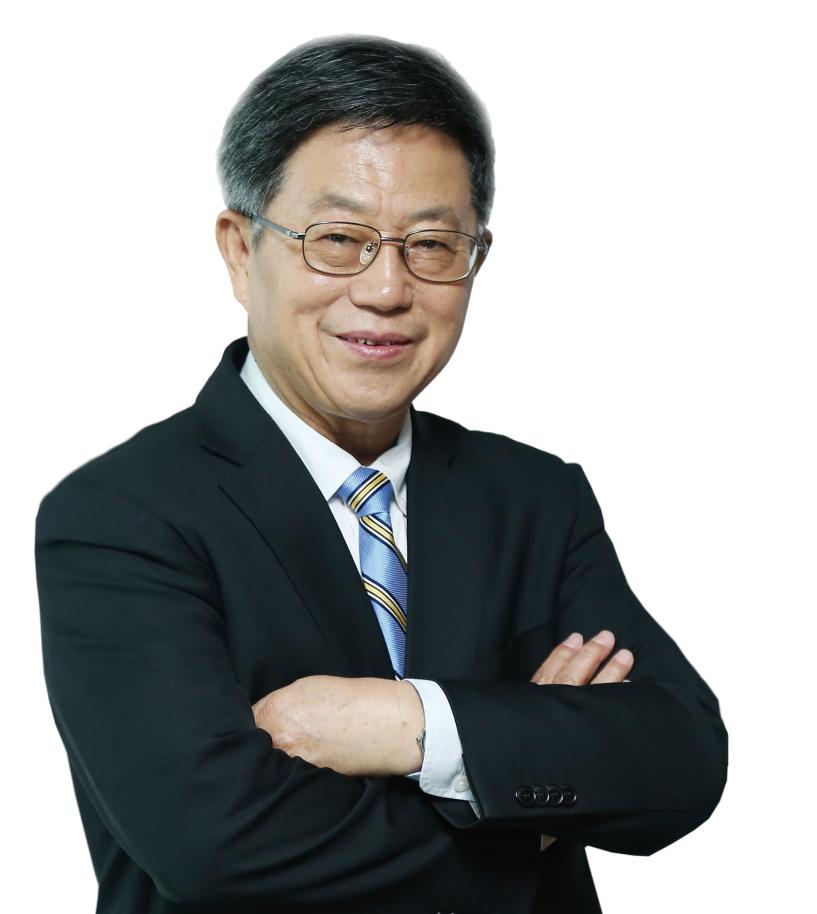
专访迟福林:拉动内需,全面“投资于人”是关键
3 6 Ke· 2025-10-31 10:40
Core Viewpoint - The current focus of China's economic development is to boost consumption, creating a model driven by domestic demand and endogenous growth, with "investment in people" being crucial for enhancing consumer capacity, confidence, and expectations [1][2]. Group 1: Investment in People - "Investment in people" is essential for addressing uncertainties and establishing new development advantages, serving as a foundation for stable economic growth over the next decade [4]. - Enhancing public services and social security through "investment in people" can fundamentally resolve issues of insufficient consumer willingness and weakened confidence, unlocking the consumption potential of over 1.4 billion people [4][5]. - The combination of "China manufacturing" and "China consumption" is vital for a strong domestic market, with high-quality development requiring both a modern industrial system and a service-oriented consumption system [4]. Group 2: Economic Projections - If China's final consumption reaches the same global share as its manufacturing, it could create an additional consumption market of no less than $10 trillion, positioning consumption as a key driver of economic growth over the next decade [5]. - In 2023, China's economic output accounted for approximately 17% of the global total, with projections indicating that by 2024, its share in global manufacturing will rise to 28% [4]. Group 3: Focus Areas for Investment - "Investment in people" should concentrate on key areas that enhance human capital and ensure social equity, particularly in sectors like education, healthcare, elderly care, and community development, which are closely linked to improving quality of life [6]. - Recommendations include reforming the fiscal system to prioritize effective investment in education, healthcare, and social security, while removing barriers to labor and talent mobility across regions and ownership types [6]. - The role of state-owned capital should be emphasized as a strategic leader and resource provider in "investment in people," facilitating broader societal benefits from capital appreciation [6].

党的二十届四中全会精神权威学习辅导材料:将对人的投资纳入统计核算范围 调动全社会各方面的积极性主动性创造性
Zheng Quan Shi Bao Wang· 2025-10-31 08:08
Group 1 - The article emphasizes the importance of combining investments in physical assets and human capital, which is a significant enhancement of China's investment philosophy and direction, crucial for boosting development momentum and expanding domestic demand [1] - Investment in physical assets has played a vital role in China's rapid economic development, including infrastructure, housing, and machinery, which have strengthened the material and technical foundation for economic and social development [1][2] - The article highlights that while investment in physical assets has been effective, there remains substantial potential for further investment, particularly in key industries and technological advancements [2] Group 2 - The urgency of investing in human capital is increasingly recognized, focusing on enhancing capabilities and potential across the entire population and life cycle, including education, healthcare, and skills training [3] - The article notes that the return on investment in physical assets has been declining, necessitating a shift towards human capital investment to drive economic growth and innovation [3] - Key directions for human capital investment include improving income distribution systems, promoting equal access to public services, and increasing government investment in areas such as education and healthcare [4]
人民城市里的“投资于人”(现场评论)
Ren Min Ri Bao· 2025-10-30 22:31
Core Insights - The article emphasizes that the true measure of a city's development lies not only in its economic metrics and architectural achievements but also in its responsiveness to the everyday needs of its citizens [1][3] Group 1: Urban Governance and Community Involvement - The shift from a government-led approach to a multi-stakeholder governance model reflects a significant transformation in urban development philosophy, focusing on both hard and soft infrastructure [2][3] - The concept of "one household, one plan" signifies a move towards precision in urban governance, enhancing the quality of life for residents through tailored solutions [2][3] Group 2: Historical Context and Modernization - The article highlights the historical context of the "carrying toilet" issue in Shanghai, which symbolizes broader urban governance challenges faced by large cities [1][3] - The resolution of the "carrying toilet" problem is presented as a benchmark for urban civilization, indicating a city's commitment to improving the living conditions of its residents [3] Group 3: Social Impact and Future Directions - The article discusses the importance of investing in human capital as part of urban development, suggesting that cities should prioritize the well-being of their inhabitants [2][3] - The narrative of urban modernization is framed as a continuous journey, with the disappearance of outdated practices like the "carrying toilet" marking a step towards a more humane and responsive urban environment [3]
经济发展新优势何在?如何投资于人?王一鸣解读未来5年风向
Sou Hu Cai Jing· 2025-10-30 11:13
Core Insights - The "14th Five-Year Plan" aims for an average annual GDP growth of 5.4% and sets a target for per capita GDP to reach the level of moderately developed countries by 2035 [5][6] Group 1: Economic Transition - China's manufacturing sector is transitioning from a cost advantage to a comprehensive competitive advantage, supported by a super-large market, complete industrial chain, and rich talent resources [4] - The future economic development model will shift towards "domestic demand-led, consumption-driven, and endogenous growth," with increased public service and livelihood investment to enhance consumer spending [10][11] Group 2: Market Advantages - China has over 1.4 billion people, with more than 400 million in the middle-income group, making it the second-largest consumer market globally and the largest online retail market [4] - The complete industrial chain advantage provides strong industrial support and economies of scale, while the rich talent pool, with more engineering graduates than developed countries, enhances industrial competitiveness [4] Group 3: Challenges and Solutions - The construction of a unified national market faces challenges such as "involutionary competition," distorted local investment policies, and market segmentation, which hinder the free flow of production factors [9] - To address these issues, it is essential to improve institutional uniformity, connectivity of facilities, consistency of rules, and coordination of execution [9] Group 4: Consumer Spending - The current consumer spending rate in China is significantly lower than in developed countries, with a long-term average around 35%-40%, compared to 68% in the U.S. and 55% in Japan [11] - The plan emphasizes increasing investment in public services and social welfare to boost consumer spending and enhance residents' income [11]
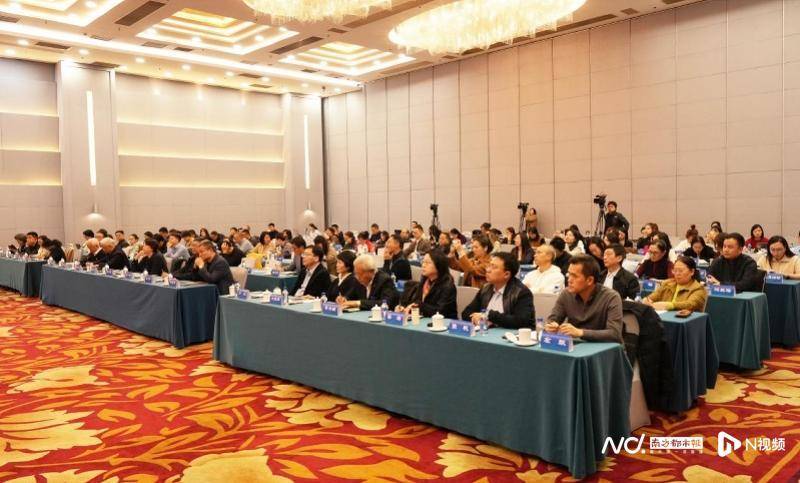
“十五五”投资:“投资于人”成为主线,“投资于物”布局未来
2 1 Shi Ji Jing Ji Bao Dao· 2025-10-30 00:12
Group 1 - The core idea of the article emphasizes the importance of "investing in people" as a key focus in China's 14th Five-Year Plan, highlighting the need to combine investments in material and human capital to enhance people's livelihoods and promote consumption [1][3][4] - Fixed asset investment in China has reached 50 trillion yuan, with a shift from physical capital to human capital investment being deemed necessary due to declining returns on traditional investments [3][4] - The article outlines specific measures to enhance human capital, including improving population quality through education and healthcare investments, and implementing supportive policies for population growth [3][4][6] Group 2 - The article discusses the strategic emphasis on "investing in material" to layout future industries, with a focus on emerging sectors such as new energy, aerospace, and advanced manufacturing, which are expected to create trillion-yuan markets [5][6] - It highlights the role of technological innovation in driving new industries and enhancing productivity, with a call for deeper integration of technology and industry to support high-quality development [6][7] - The article notes that while fixed asset investment growth has slowed, there is a trend towards optimizing the industrial structure, with significant growth in high-tech sectors [7][8] Group 3 - Effective investment is defined as directing funds towards areas with positive returns and consumer willingness, with a focus on enhancing living standards and fostering new industries [8] - The relationship between central and local government investments is discussed, emphasizing the need for government investments to create a conducive environment for private sector participation and enhance overall investment effectiveness [8]
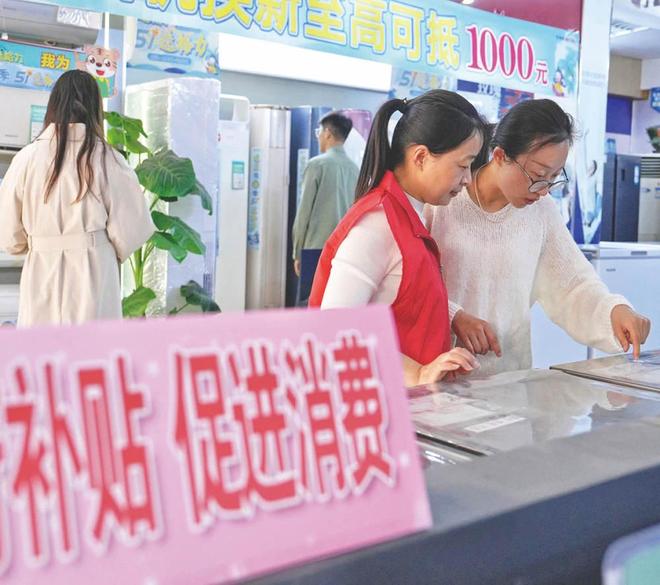
一财社论:用有温度的治理驱动经济发展
Di Yi Cai Jing· 2025-10-29 14:02
Core Insights - The central theme emphasizes the importance of overcoming insufficient effective demand and building a strong domestic market as strategic priorities for China's economic development [1][5] - The "14th Five-Year Plan" highlights the need to boost consumption and accelerate high-level technological self-reliance as key strategies [1][2] Group 1: Domestic Demand and Consumption - Domestic demand is identified as the strategic foundation for China's modernization, with a focus on enhancing final consumption as a prominent strategic basis in the "14th Five-Year Plan" [1][2] - The plan addresses the deep-rooted issues of insufficient effective demand, particularly in the areas of livelihood and investment in people, which have been long-standing deficiencies [2][3] Group 2: Investment in People - Investment in people is highlighted as a significant aspect of the "14th Five-Year Plan," emphasizing that individuals are the most dynamic economic factor and should be the focal point of economic activities [2][3] - The plan advocates for more resources to be allocated to public services that provide individuals with a sense of security, achievement, and freedom in economic transactions [2][3] Group 3: Economic Structure and Market Dynamics - The construction of a modern industrial system and high-level technological self-reliance is fundamentally linked to consumer demand, as the market's capacity to absorb consumption is crucial for economic growth [2][3] - The plan suggests that effective demand issues stem from two main problems: lack of purchasing power and high institutional transaction costs [3][4] Group 4: Policy Recommendations - To address the lack of purchasing power, reforms in income distribution and social security systems are necessary to enhance individuals' sense of gain and reduce precautionary savings [3][4] - The establishment of a rule-of-law-based consumer market is recommended to lower unnecessary transaction costs, facilitating smoother economic interactions [4]
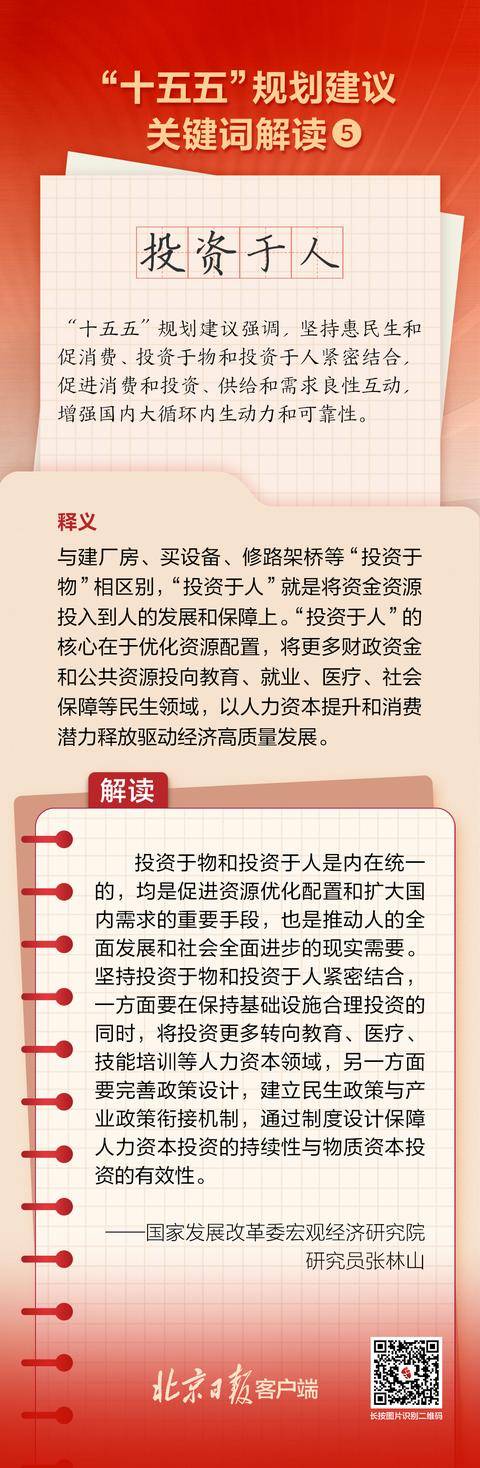
“十五五”规划建议关键词解读 | 投资于人
Sou Hu Cai Jing· 2025-10-29 06:42
Core Insights - The "14th Five-Year Plan" emphasizes the integration of investments in both material and human resources to enhance domestic circulation and reliability [1][2]. Group 1: Investment Focus - The plan distinguishes between "investment in material," such as infrastructure, and "investment in people," which focuses on human development and welfare [2]. - "Investment in people" aims to optimize resource allocation by directing more public funds towards education, employment, healthcare, and social security, thereby driving high-quality economic development through human capital enhancement and consumption potential release [2][3]. Group 2: Resource Optimization - Both "investment in material" and "investment in people" are essential for optimizing resource allocation and expanding domestic demand, addressing the need for comprehensive human development and societal progress [3]. - The plan advocates for a balanced approach, maintaining reasonable investment in infrastructure while increasing funding for education and healthcare [3].
“十五五”规划建议更重视投资于人
Sou Hu Cai Jing· 2025-10-28 13:42
投资,正在发生重要变化。 28日发布的《中共中央关于制定国民经济和社会发展第十五个五年规划的建议》提到,"坚持惠民生和 促消费、投资于物和投资于人紧密结合"。 这一表述延续了2025年政府工作报告首次提出的 "投资于人"理念,意味着宏观政策更加重视民生导 向,成为"十五五"规划一大主线。 苏剑表示,投资于人是形成人力资本的关键,对经济具有供需双侧拉动作用。在需求端,教育、医疗、 康养、在职培训等相关支出可拉动经济增长;在供给端,这些投入能提升人的生产能力,从而促进就业 和居民增收,释放消费潜力,形成经济发展和民生改善的良性循环。 目前,中国人工智能、生物科技、新能源等新兴行业发展如火如荼,核心竞争力正从规模优势转向创新 优势。通过投资于人,优化教育结构、强化产教融合、建立人才培养体系,有助于释放人才红利,为培 育新质生产力提供源源不断的智力活水。 中国固定资产投资年度规模已达到50万亿元。在电站、房屋、铁路等"物"的积累达到相应水平后,将更 多资源投向人成为共识。 在近日举行的中共中央新闻发布会上,国家发展改革委表态,必须把钱特别是政府资金更好地用在发展 紧要处,花在群众生活上。商务部表示,"十五五"时期既重 ...
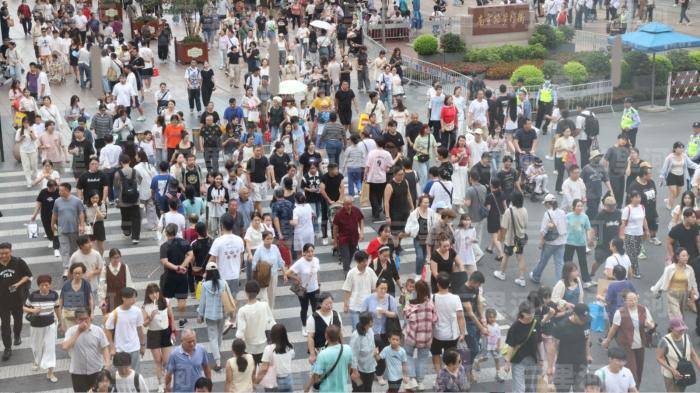
“十五五”,中国经济怎么干?你的生活将有哪些改变?
21世纪经济报道· 2025-10-28 12:28
Group 1 - The core viewpoint of the article emphasizes the upcoming "14th Five-Year Plan" and its implications for improving the livelihoods of ordinary people, focusing on income, employment, education, and healthcare [1][2] - The plan aims to achieve common prosperity by increasing the GDP per capita to $25,000 by 2035, which indicates a significant rise in income and a doubling of the middle-income group [1] - Income distribution reform will be a key focus during the "14th Five-Year Plan," with measures to enhance tax regulation, increase the proportion of middle-income earners, and expand channels for residents' property income [1][2] Group 2 - Fiscal spending will increasingly target the livelihood sector, reflecting a goal of "investing in people," with a shift away from relying on real estate and infrastructure for economic growth [2] - Key areas for investment include the silver economy, childbirth subsidies, elderly care services, grassroots healthcare, and social security systems, which are expected to undergo significant changes [2] - Technological innovation will play a crucial role in everyday life, with a focus on seizing high ground and strengthening original innovation, particularly in sectors like semiconductors, renewable energy, artificial intelligence, robotics, commercial aerospace, and biomedicine [2] Group 3 - The plan also aims to build a unified national market and address "involution" in industries, which can lower overall industry profits, particularly in sectors like photovoltaics, lithium batteries, and new energy vehicles [2] - By reducing excessive competition, the plan seeks to enhance corporate profitability, ultimately benefiting consumers and encouraging increased spending [2] - Ordinary individuals are encouraged to align their career choices with the national priorities outlined in the plan, focusing on sectors that will create substantial employment opportunities [3]

“十五五”,中国经济怎么干?你的生活将有哪些改变?
2 1 Shi Ji Jing Ji Bao Dao· 2025-10-28 09:51
Group 1 - The "14th Five-Year Plan" emphasizes the importance of improving people's livelihoods and achieving common prosperity, with a focus on income distribution reform and increasing the proportion of the middle-income group [2][3] - The goal for 2035 is to elevate per capita GDP to $25,000, which indicates a significant increase in income and a doubling of the middle-income population [2] - Fiscal spending will shift towards areas that directly impact people's lives, such as elderly care, maternity subsidies, basic healthcare, and social security systems, moving away from reliance on real estate and infrastructure [3] Group 2 - Technological innovation will play a crucial role in everyday life, with a focus on original innovation and seizing high ground in sectors like semiconductors, new energy, artificial intelligence, and biotechnology [3] - The plan aims to build a unified national market and address "involution" in industries like photovoltaics and new energy vehicles to enhance profitability and ensure that development benefits ordinary people [3] - Individuals are encouraged to align their career choices with national priorities, particularly in emerging sectors such as new energy, marine economy, and health industries, which are expected to create numerous job opportunities [4]