
消费升级

Search documents
提振消费,如何增强供需适配性?
Xin Lang Cai Jing· 2026-01-30 11:27
Group 1: Market Trends and Consumer Behavior - Innovative products such as travel photography, seafood, and trendy sparkling water are gaining popularity among consumers [1] - The shift from basic needs to quality, experience, and self-fulfillment in consumption is evident, with services like ethnic costume photography reflecting this trend [2] - The demand for personalized, diverse, and refined consumption experiences is increasing, particularly among younger generations [3] Group 2: Economic Insights and Policy Recommendations - The "14th Five-Year Plan" emphasizes the importance of aligning supply with consumer demand to enhance domestic economic circulation [1] - China's per capita GDP has surpassed $13,000, indicating a transition from material to service-oriented consumption [2] - The integration of financial technology in traditional industries, such as geographic indication products, is driving economic growth and enhancing market reach [4][5] Group 3: Supply and Demand Dynamics - The production supply side must adapt to changing consumer trends, focusing on quality, structure, and utility to meet diverse demands [5] - The rise of geographic indication products is linked to rural revitalization and consumer demand for high-quality, culturally rich goods [5] - Continuous innovation in production capabilities is essential to meet the evolving needs of consumers, driven by technological advancements [5]
消费升级从 “买” 到 “享”
Xin Lang Cai Jing· 2026-01-30 11:27
Core Viewpoint - The State Council's recent issuance of the "Work Plan for Accelerating the Cultivation of New Growth Points in Service Consumption" aims to optimize and expand service supply, enhance service consumption quality, and stimulate domestic demand through 12 targeted policy measures [1][5]. Group 1: Key Policy Measures - The 12 policy measures focus on invigorating key sectors, nurturing potential areas, and strengthening support systems to activate domestic demand and inject strong momentum into high-quality development [1][5]. - Policies include transforming transportation lines into cultural and industrial corridors, enhancing tourism through railway integration, and facilitating visa processes to convert inbound traffic into consumption growth [3][4]. Group 2: Service Consumption Trends - The vibrant consumption landscape during the Spring Festival reflects China's consumption structure transformation, with service retail sales growing by 5.5% year-on-year in 2025, and per capita service consumption expenditure reaching 46.1% [3]. - Emerging trends in service consumption include significant growth in cultural, recreational, and travel sectors, driven by new business models and local IP popularity [3][4]. Group 3: Forward-looking and Inclusive Policies - The policies demonstrate foresight and inclusivity by addressing new consumer demands in performances, sports events, and experiential services, allowing for regulatory flexibility and support for new business models [4]. - Measures include enabling eligible performance groups to transition to public welfare units and incorporating experiential service professions into national classifications, fostering a conducive environment for new consumption demands [4]. Group 4: Comprehensive Support Framework - The policies aim to establish a comprehensive support network through improved standards, credit systems, and financial backing, addressing industry challenges related to service quality and consumer rights [4][5]. - This dual approach of optimizing supply and providing institutional support is designed to encourage consumer confidence and stimulate market activity, aligning consumer needs with industrial upgrades [4][5].

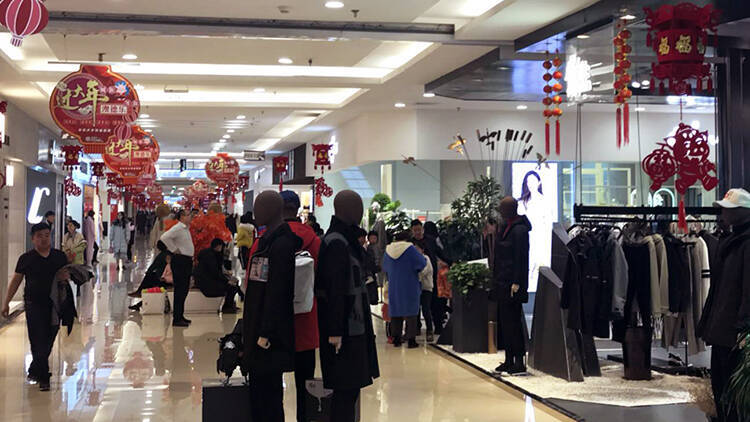
我国千亿县已超70个,县域消费加快崛起
Di Yi Cai Jing· 2026-01-30 08:56
Group 1 - The county market in China is becoming a new growth point for consumption, driven by a large population and significant consumption potential [1] - By 2025, retail sales of consumer goods in rural areas are expected to grow by 4.1%, outpacing urban growth by 0.5 percentage points [1] - The county market's share of total retail sales is projected to reach 38.7% by 2025, indicating a stable release of consumption potential [1] Group 2 - Sam's Club is expanding into lower-tier markets, opening its fourth store in Suzhou, targeting economically strong county-level cities [2] - The county tourism sector is rapidly growing, attracting tourists with unique natural scenery and cultural experiences, leading to increased demand for high-quality accommodations [2] - The consumption structure in counties is shifting from necessity-based to development-oriented, with a notable increase in service consumption [2] Group 3 - Domestic travel among rural residents is experiencing rapid growth, with 15.26 billion trips in 2025, a 22.6% increase year-on-year [3] - Total domestic travel expenditure is projected to reach 6.30 trillion yuan in 2025, with rural residents contributing 1.00 trillion yuan, reflecting a 21.4% increase [3] - The rise in rural travel is attributed to increased income and the implementation of rural revitalization strategies [3]
消费“新”图景|“新国补”点燃新热潮 智慧生活“加速跑”
Xin Hua Wang· 2026-01-30 07:35
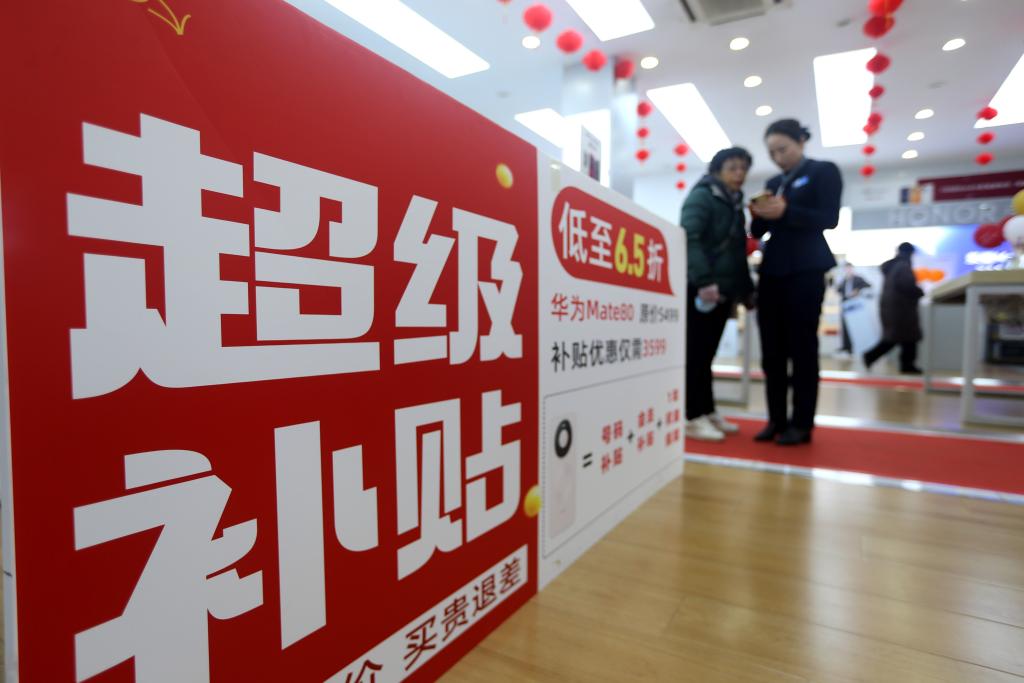
Group 1 - The core viewpoint of the articles highlights the launch of the "New National Subsidy" policy, which aims to rejuvenate the consumer market by promoting the trade-in of old consumer goods for new ones, aligning with the needs of the public and trends in consumption upgrades [1] - The subsidy program extends to digital and smart products, including smart glasses and smart home devices, with consumers eligible for a 15% subsidy on the purchase price of certain products, capped at 500 yuan per item [1] - The smart glasses market is projected to experience explosive growth, with forecasts indicating that by 2026, the shipment volume in China will reach 4.5 million units, representing a year-on-year increase of 77% [2] Group 2 - The "New National Subsidy" policy is expected to drive a new wave of consumer interest in smart wearable devices, particularly smart glasses and smartwatches, contributing to a significant shift in consumer behavior [2] - The initiative reflects a dual approach of industrial upgrading and enhancing the quality of life for consumers, creating a new landscape for consumption [6]
展现中国智造、消费新机遇:深市8公司亮相香港路演
2 1 Shi Ji Jing Ji Bao Dao· 2026-01-30 06:59
Group 1: Event Overview - The Shenzhen Stock Exchange held a special roadshow in Hong Kong titled "Investing in New Opportunities in China," featuring eight listed companies from the Shenzhen market [1] - The event aimed to showcase the investment value of high-quality assets in Shenzhen and the industrial upgrades of these companies to overseas asset management institutions [1] - Since 2023, the Shenzhen Stock Exchange has organized overseas roadshows covering 14 countries and regions, connecting over 2,000 foreign institutional investors [1] Group 2: Company Highlights - Juxing Technology operates 23 production bases globally, with over 95% of its revenue coming from overseas, making it a major supplier for top global retailers [7] - Yilian Network maintains a global market share of over 95% in SIP phones and ranks among the top five in video conferencing systems, benefiting from a dynamic order allocation mechanism [7] - Changying Precision is expanding its production bases in Vietnam and Mexico to meet the diversified supply chain needs of major clients like Apple and CATL [7] - Shenghong Technology is leading the market with advanced materials and technologies, focusing on AI-related products and sustainable development strategies [7][8] Group 3: Consumer Sector Insights - Yunnan Baiyao is projected to exceed 40 billion yuan in revenue in 2024, with a net profit of 4.75 billion yuan, showcasing a strong dividend policy and brand strength [8] - Salted Fish has established a closed-loop system for product development, achieving a rapid iteration cycle and a return on equity of 40.9%, attracting significant foreign investor interest [8] Group 4: Investor Sentiment and Future Outlook - Foreign investors remain optimistic about the Chinese stock market, anticipating a sustainable growth cycle driven by improving fundamentals and long-term growth potential [9] - The "14th Five-Year Plan" emphasizes increasing domestic consumption and technological self-reliance, which may lead to new growth opportunities in the consumer sector and for companies with strong R&D capabilities [9] - The Shenzhen Stock Exchange plans to enhance services for overseas investors and facilitate cross-border investment activities to support domestic and international economic circulation [9]

三餐四季|一颗“国民坚果”的进化——花生“生花”
Ren Min Ri Bao· 2026-01-30 06:49
Core Insights - The peanut industry in China is evolving from a traditional crop to a high-tech sector, focusing on innovations such as high oleic peanuts and plant-based products, which are gaining popularity among consumers [1][2][4] - The average annual planting area for peanuts in China remains stable at over 70 million acres, with a total production exceeding 19 million tons, making it the only oilseed crop that achieves self-sufficiency [1][3] - The industry is experiencing a transformation driven by seed innovation, processing advancements, and consumption upgrades, positioning peanuts as a key player in food security and health [1][5] Seed Innovation - High oleic peanuts, with an oil content exceeding 75%, are being promoted for their health benefits, including lowering bad cholesterol levels [2][3] - The "Yuhua 37" variety has become the most widely planted peanut variety in China, with an annual promotion area exceeding 3.65 million acres [4] - Genetic breakthroughs have reduced the breeding cycle for high oleic peanuts from 10 years to 5 years, enhancing their market competitiveness [3][4] Processing Advancements - The peanut processing sector is shifting from traditional oil extraction to value-added products, with a focus on utilizing by-products like peanut meal, which has a protein content of over 50% [5][6] - Innovative techniques such as high moisture extrusion are being used to create plant-based meat alternatives from peanut protein, potentially generating over 50 billion yuan in value [5][6] - The quality of peanut oil is improving, with the non-compliance rate for aflatoxin B1 decreasing significantly from 3.33% in 2021 to 0.76% in 2025 [5][6] Consumption Trends - The consumption of peanuts is diversifying, with snack foods now accounting for approximately 40% of total peanut consumption, driven by new flavors and health-oriented products [8][9] - E-commerce platforms are seeing a surge in innovative peanut products, with companies leveraging data analytics to cater to younger consumers [8][9] - The peanut industry is expanding its boundaries, integrating cultural tourism and experiential marketing, which is attracting significant visitor numbers [9] Future Outlook - The peanut planting area in China is projected to increase to 80 million acres by the end of the 14th Five-Year Plan, with total production expected to reach 22 million tons [9]
GDP漂亮有用?2025年中国经济这三组数据,真正改写命运的密码?
Sou Hu Cai Jing· 2026-01-30 05:37
Group 1 - The core of the structural transformation in China's economy is shifting from reliance on traditional industrial growth to a new development model driven by technological innovation and consumer vitality [2][4] - By 2025, the service sector's contribution to GDP has reached 57.7%, indicating a significant shift where services and consumption have replaced traditional industrial investment as the main drivers of economic growth [4][15] - The industrial sector, particularly manufacturing, remains a solid foundation, with the proportion of industrial output at 35.6%, comparable to levels in developed economies, thus avoiding risks of "hollowing out" [6][7] Group 2 - The growth of high-tech and equipment manufacturing is accelerating, with both sectors experiencing increases in value-added output exceeding 9%, indicating a transition to high-end manufacturing and technological upgrades [7][8] - In terms of consumption, final consumption expenditure contributed 52% to economic growth in 2025, marking a shift from reliance on investment and external markets to a more balanced model driven by domestic consumption [9] - The retail sales growth rate of 3.7% reflects a cautious consumer sentiment, highlighting the need for improved income expectations and social security systems to bolster consumer confidence [11][13] Group 3 - Investment is shifting from traditional infrastructure projects to advanced equipment purchases and digital infrastructure, indicating a focus on long-term benefits [16] - The current economic challenges include a significant adjustment in the real estate market and weak price levels, which are impacting corporate profit margins and consumer sentiment [13] - The transition from the old economic model to the new one is ongoing, with the next phase being crucial for ensuring stability and growth in the new economic landscape [16]

见证统一大市场的成长性——透过数据看潜能
Sou Hu Cai Jing· 2026-01-30 03:32
Group 1: Market Growth and Foreign Investment - The Chinese market is attracting foreign investment due to its strong growth potential, with cargo imports expected to reach 18.5 trillion yuan by 2025 [1] - Over 70% of surveyed American companies in China are optimistic about market growth and do not plan to relocate their operations, with nearly 60% intending to increase investments in China [1] Group 2: Consumer Demand and Economic Contribution - The growth is driven by new consumer demands, with policies like the trade-in program benefiting over 360 million people and generating sales exceeding 2.6 trillion yuan [2] - By 2025, domestic demand is projected to contribute over 67% to economic growth, with consumption accounting for 52%, an increase of 5 percentage points from the previous year [2] Group 3: Industrial Structure and Innovation - The optimization of industrial structure is fostering innovation, with significant growth in high-tech manufacturing and equipment sectors, where the added value of high-tech manufacturing reached 17.1% of total industrial output [2] - The production of civil drones and industrial robots increased by 37.3% and 28% respectively compared to the previous year [2] Group 4: Private Sector and Economic Vitality - The private sector is a key driver of high-quality economic development, with private enterprises accounting for 57.3% of total import and export value, growing by 7.1% to 26.04 trillion yuan [4] - Policies supporting private enterprises and improving the business environment are expected to enhance economic vitality and competitiveness [4] Group 5: Global Trade Relations - China is expanding its global trade relations, engaging with 249 countries and regions, and becoming a major trading partner for over 160 countries [5] - More than 90% of surveyed multinational companies plan to continue investing in China, reflecting confidence in the Chinese economy [5]
服务消费迎来“国家级”增长图谱,六大重点领域撬动内需新支点
Jin Rong Jie· 2026-01-30 03:25
Core Viewpoint - The release of the "Work Plan for Accelerating the Cultivation of New Growth Points in Service Consumption" marks a strategic shift in China's economic vitality, focusing on optimizing supply, nurturing potential, and strengthening guarantees for service consumption growth [1][2]. Policy Background - Service consumption is becoming a key engine for China's economic transformation, with its contribution to consumption growth reaching significant levels. The Ministry of Commerce reported that service consumption's contribution rate has been notably increasing [2]. - In September 2025, the government introduced measures to expand service consumption, laying a solid foundation for the current work plan [2]. Key Areas - The work plan emphasizes six key areas: transportation services, housekeeping services, online audio-visual services, travel and accommodation services, automotive aftermarket services, and inbound consumption. Each area targets specific industry upgrades and innovative consumption scenarios [3]. - In transportation services, the plan proposes developing special policies for the integration of railways and tourism, promoting the transformation of train stations and trains into tourism-oriented experiences [3]. - Inbound consumption is identified as a significant growth point, with plans to expand visa-free policies and optimize international payment environments [3]. Potential Areas - The plan identifies three potential areas for future growth: performance services, sports event services, and emotional experience services, aiming to cultivate long-term development momentum [4]. - For performance services, the plan suggests establishing long-term mechanisms and regulating the ticketing market to combat scalping [4]. - Emotional and experiential services are recognized as emerging sectors, receiving support for inclusion in the national occupational classification system [4]. Implementation Path - The work plan outlines a clear implementation path characterized by "internal liberalization and external openness." This includes removing unreasonable restrictions that hinder consumption upgrades and enhancing high-level openness in the service industry [5]. - Specific pilot programs will be launched in select cities to explore graded management of automotive modifications and to stimulate market vitality [5]. Support System - A robust support system is essential for the effectiveness of the policy, focusing on standards, credit, and finance. The plan aims to guide financial institutions to increase credit investments and innovate financial products [6][7]. - The credit system will concentrate on key consumption areas such as elderly care, housekeeping, and tourism, enhancing information collection and public disclosure [7]. Local Implementation - The effectiveness of the policy will depend on local innovative implementation, with a requirement for regions to design specific support policies. A nationwide pilot program for new consumption formats is already underway [8]. Market Opportunities - The release of the work plan signifies a transition from spontaneous growth to a policy-driven phase for service consumption, presenting clear structural opportunities for various enterprises in the industry [9]. - Companies in housekeeping, online audio-visual content, cultural tourism, and automotive modification sectors are expected to benefit from a more favorable regulatory environment and expanded market space [9].
2026年中国花洒进入壁垒、产业链及供需现状洞悉:行业从价格竞争转向价值竞争[图]
Chan Ye Xin Xi Wang· 2026-01-30 01:58
Industry Overview - The showerhead, also known as a lotus head, is a common bathroom fixture that connects to water pipes and features multiple holes for water flow. It is a core category in the bathroom industry, combining practicality and widespread use [1][3] - The main types of showerheads currently available include handheld, overhead, and side spray options, catering to various showering needs [1][3] - By 2025, China's showerhead production is projected to reach 22,765 million units, with a total demand of 13,751 million units. The demand for showerheads that accompany shower systems is estimated at 8,056 million units, while standalone showerheads will account for 5,695 million units. The former represents approximately 58.6% of total demand, and the latter about 41.4% [10][11] Market Dynamics - The overall market supply and demand structure is relatively stable, with a slight differentiation in demand reflecting various consumer scenarios [10][11] - The market size for showerheads is influenced by factors such as consumption upgrades, policies for renovating old kitchens and bathrooms, and the implementation of water-saving product standards [12][13] - The market size is expected to reach 4.237 billion yuan by 2025, a decrease of 5.6% compared to 2024 [12][13] Industry Barriers - The entry barriers in China's showerhead industry are primarily related to technology research and development, supply chain integration, and quality compliance. Companies must master core technologies such as water-saving and temperature control, establish stable supply chains, and achieve various safety certifications [4][5] - The domestic bathroom consumption market heavily relies on brand recognition and established distribution channels, making it challenging for new brands to gain market trust and establish partnerships [4][5] Industry Chain - The upstream of the showerhead industry consists of suppliers of various raw materials such as aluminum, steel, plastics, rubber, and ceramics, providing essential materials for production [8][9] - The midstream includes well-known manufacturers like Jiumu, Hansgrohe, Kohler, and Arrow, responsible for the design and manufacturing of showerhead products [8][9] - The downstream encompasses channels such as home decoration and renovation, facilitating market delivery and end-user consumption of showerhead products [8][9] Competitive Landscape - The leading companies in the showerhead industry include both international brands and domestic leaders, with market power derived from brand premium, technology development, and channel layout [15][16] - International brands like Kohler maintain a strong position in the high-end market through technological advantages and global marketing systems, while domestic leaders like Arrow and Jiumu leverage local advantages to penetrate the mid-to-high-end market [15][16] Development Trends - Consumer upgrades and high expectations for bathroom experiences are driving continuous product upgrades in the showerhead market. Companies are increasing R&D investments to integrate water-saving technologies, smart features, and antibacterial materials into their products [18][19] - The market share of mid-to-high-end products is gradually increasing, leading to a stable rise in industry average prices. Technological iteration and scenario-based innovation are becoming core competitive advantages [18][19] - Leading domestic showerhead companies are transitioning from OEM models to developing their own brands for international markets, enhancing their global presence and industry influence [19]
