电动化转型

Search documents
丰田在转型上“假努力”,在老本儿上“真躺平”?
3 6 Ke· 2025-09-19 08:48
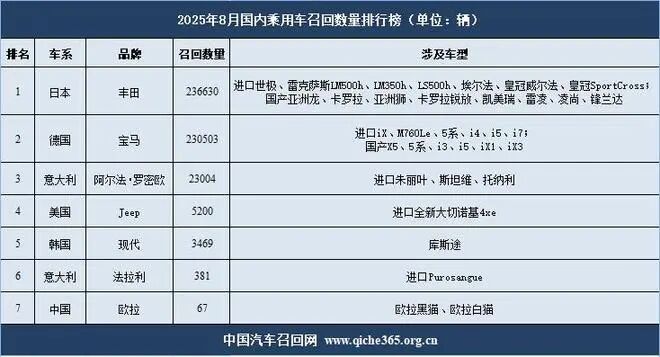
Core Viewpoint - The once-reliable brand image of Toyota, known for its durability, is fading due to a significant recall event, with 236,630 vehicles recalled in August, accounting for nearly half of the total recalls in China for that month [1][2]. Group 1: Recall and Quality Issues - In August, Toyota's recalls were primarily due to insufficient strength in front suspension coil springs and issues with the vehicle's instrument panel [1][2]. - Consumers express doubts about Toyota's quality, questioning the reliability of its vehicles amid the recall crisis [2]. Group 2: Electric Vehicle Transition Challenges - Toyota's struggles in the electric vehicle (EV) market are evident, with a significant decline in sales from 1.94 million units in 2021 to an expected 1.78 million in 2024 [3][6]. - The bZ4X, Toyota's first mass-produced electric model, has seen poor sales, with only 6,045 units sold from January 2024 to August 2025 [6][8]. - Subsequent models like the bZ3 and bZ5 have also underperformed, with bZ3 sales down 55% year-on-year and bZ5 selling only 1,409 units in its first month [8][10]. Group 3: Financial Performance and Profitability - Toyota's net profit for April to June 2023 was 841.3 billion yen, a 37% decline year-on-year, prompting a downward revision of its annual profit forecast by 44% to 2.66 trillion yen [13][15]. - The company has been reliant on its traditional fuel vehicle sales, which provide stable cash flow but hinder its transition to electric vehicles [15][22]. Group 4: Market Position and Consumer Sentiment - The market share of traditional fuel vehicles in China has dropped significantly, with a decrease of over 37 percentage points compared to 2021 [22]. - Consumers are increasingly favoring electric vehicles for their advanced features and experiences, leading to a decline in Toyota's brand premium [29][30]. Group 5: Strategic Responses - In response to the challenges, Toyota has initiated the construction of a new factory in Shanghai for electric vehicles, expected to produce 100,000 units annually starting in 2027 [30][33]. - The company is also shifting decision-making authority for China-specific models to local teams and collaborating with Chinese tech firms for smart features [30][33].


奥迪 E5 Sportback 上市,豪华品牌电动化转型驶上“快车道”
Zhong Guo Jin Rong Xin Xi Wang· 2025-09-19 01:37
Core Insights - Audi's E5 Sportback marks the brand's first strategic model under the new AUDI brand, officially launched with a starting price of 235,900 yuan, which can effectively drop to 220,000 yuan with insurance cash benefits, attracting significant market attention [1][11] - The launch signifies Audi's commitment to accelerating its electrification process and represents a key step in the brand's transformation towards electric and intelligent vehicles [3][11] Brand Transformation - Audi and SAIC Group's collaboration aims to penetrate the luxury electric vehicle market, with a new brand identity that symbolizes a strategic shift towards innovation and technology [3] - The new AUDI brand logo reflects a commitment to modernity while maintaining the brand's historical essence, focusing on the core message of "Breakthrough Technology, Inspire the Future" [3][4] Product Features - The E5 Sportback integrates AI-powered smart cockpit and advanced driving assistance systems, emphasizing Audi's commitment to luxury, safety, and driving experience [4][5] - The vehicle's design incorporates user feedback to align with Chinese consumer aesthetics, featuring a blend of natural materials and advanced technology [5] Driving Technology - Audi has partnered with Momenta to develop a comprehensive driving assistance solution, enhancing the vehicle's capabilities in urban, highway, and parking scenarios [7] - The E5 Sportback features a dual-motor system delivering 787 horsepower and 800 Nm of torque, achieving 0-100 km/h in just 3.4 seconds, showcasing Audi's performance heritage in the electric era [7] Manufacturing and Quality Assurance - The AUDI manufacturing base in China adheres to Audi's global standards, with a production capacity of 360,000 units per year, ensuring high-quality output [8][10] - Rigorous testing protocols, including seasonal tests and performance certifications from Audi's headquarters, underline the brand's commitment to quality and safety [10] Service and Customer Experience - Audi is enhancing its customer service experience by updating nearly 200 showrooms to reflect the new AUDI brand elements and expanding its service network to 240 locations by year-end [10][11] - The focus on service quality complements the technological advancements in the E5 Sportback, aiming to provide a holistic luxury experience for customers [10]


东风集团股份拟与襄阳控股等成立合资公司。注册资本达84.7亿元
Ju Chao Zi Xun· 2025-09-18 02:37
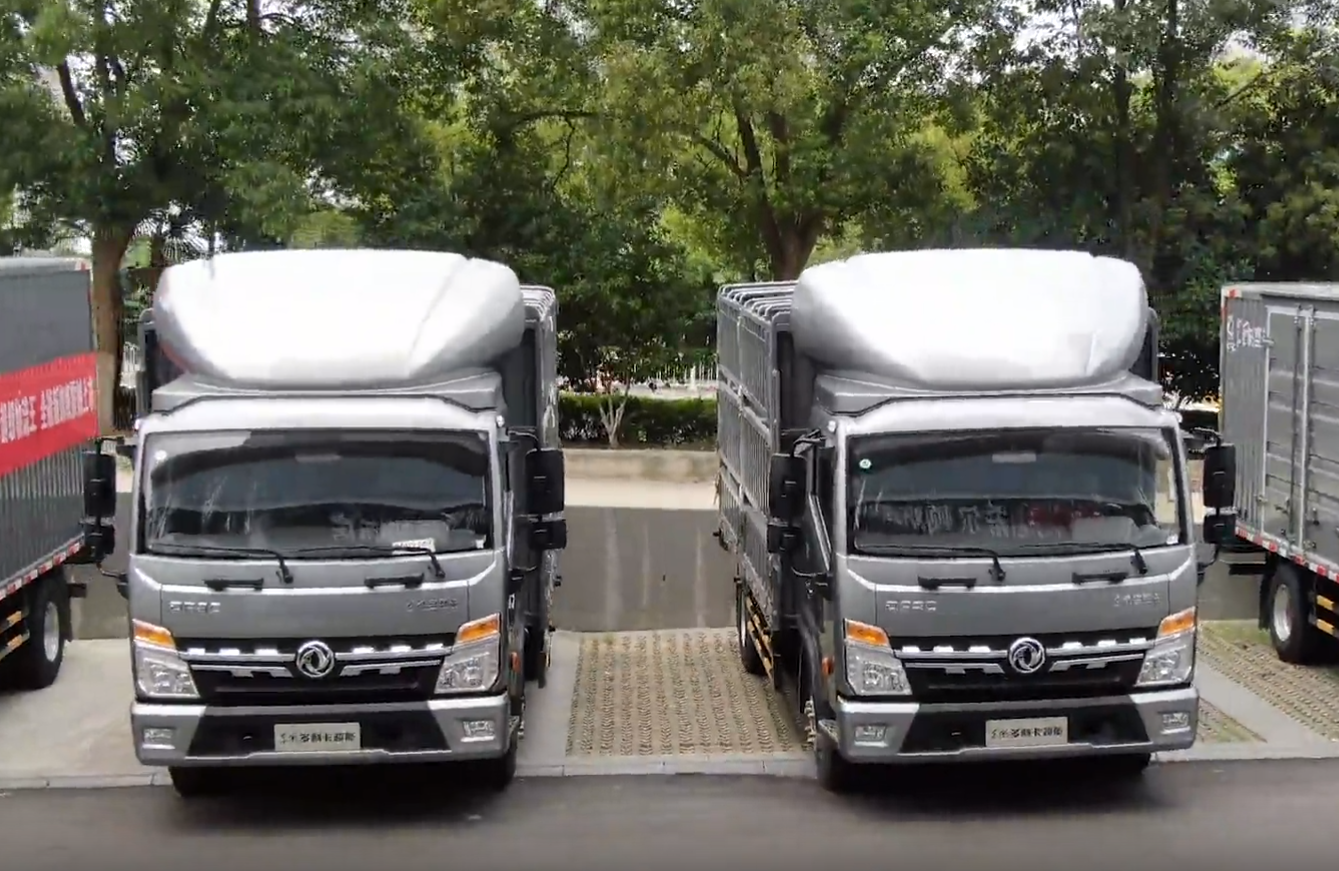
Group 1 - Dongfeng Group announced the establishment of a joint venture with a registered capital of RMB 8.47 billion to develop and sell smart off-road vehicles [2] - The joint venture will focus on manufacturing and selling smart off-road vehicles, with an operational period of 20 years [2] - Dongfeng Group will contribute RMB 3.55 billion in intangible asset usage rights, while Dongfeng Motor Company will contribute RMB 920 million in physical assets [2] Group 2 - The investment amounts were determined based on an asset valuation report from an independent appraiser, using methods such as income, cost, and market approaches [3] - The establishment of the joint venture is a strategic move for Dongfeng Group in the context of the automotive industry's shift towards intelligence and electrification [3] - The joint venture aims to enhance market competitiveness by integrating technological research and development, manufacturing, and market channels [3]

专访|中国市场与供应链助力奥迪电动化转型——访奥迪全球首席执行官格诺特·德尔纳
Xin Hua She· 2025-09-16 08:08
Core Insights - Audi's CEO emphasizes the importance of the Chinese market and supply chain in the company's electrification and digital transformation strategy [1][2] - The global economic changes and intensified international competition pose significant challenges to the automotive industry, prompting companies to optimize product portfolios and strengthen strategic layouts in key markets like China and North America [1] - Audi is undergoing a large-scale transformation, with the Chinese market serving as a key driver and a model for global markets [1] Group 1 - Audi collaborates closely with Chinese partners such as SAIC Group and Huawei, enhancing cooperation in research and development and smart technology [2] - The company has established a research and development center in Beijing and plans to further integrate global technological advantages with local Chinese innovation capabilities [2] - Audi has made substantial R&D investments in China and aims to deepen collaborations with more Chinese partners, expressing optimism about the market's continued vibrancy and innovation [2]
别克亮剑新势力
Hua Er Jie Jian Wen· 2025-09-16 07:51
Core Viewpoint - Buick is launching the Electra L7, a mid-large sedan aimed at the competitive price range of 200,000 to 300,000 yuan, marking a significant shift in its strategy to reclaim market presence in the electric vehicle sector [2][3]. Group 1: Product Development and Technology - The Electra L7 is built on the fully self-developed "Xiaoyao" architecture by the Pan-Asia Automotive Technology Center, allowing for a comprehensive approach to product development [3][6]. - The vehicle features a "super range extender" system, addressing range anxiety for consumers and filling a gap in the sedan market where such technology is currently lacking [3][9]. - The collaboration with Momenta has led to the introduction of the R6 flying model for intelligent driving, enhancing the vehicle's competitive edge in smart technology [3][10]. Group 2: Market Positioning and Strategy - Buick aims to redefine its image from being perceived as a "mixed-brand electric vehicle" to a leader in the electric vehicle market, providing a model for the transformation of joint venture brands [2][4]. - The company acknowledges the challenges in the 200,000 to 300,000 yuan market, which is highly competitive, but believes that the Electra L7 can meet consumer needs effectively [4][11]. - The focus on a high-end electric sub-brand reflects Buick's commitment to delivering quality products that leverage its historical strengths in automotive manufacturing [18][22]. Group 3: Organizational Changes and Trust - There has been a significant shift in the organizational structure, with increased autonomy for the Chinese team in product development, which has fostered trust from the American side [3][22]. - The successful execution of the Electra L7 project is seen as a case study for General Motors, showcasing the capabilities of the Pan-Asia team and enhancing confidence in the Chinese market [23][22]. - The collaboration between the American and Chinese teams has improved communication and alignment, leading to better product outcomes and market performance [7][22].
中国市场与供应链助力奥迪电动化转型——访奥迪全球首席执行官格诺特·德尔纳
Xin Hua She· 2025-09-16 05:49
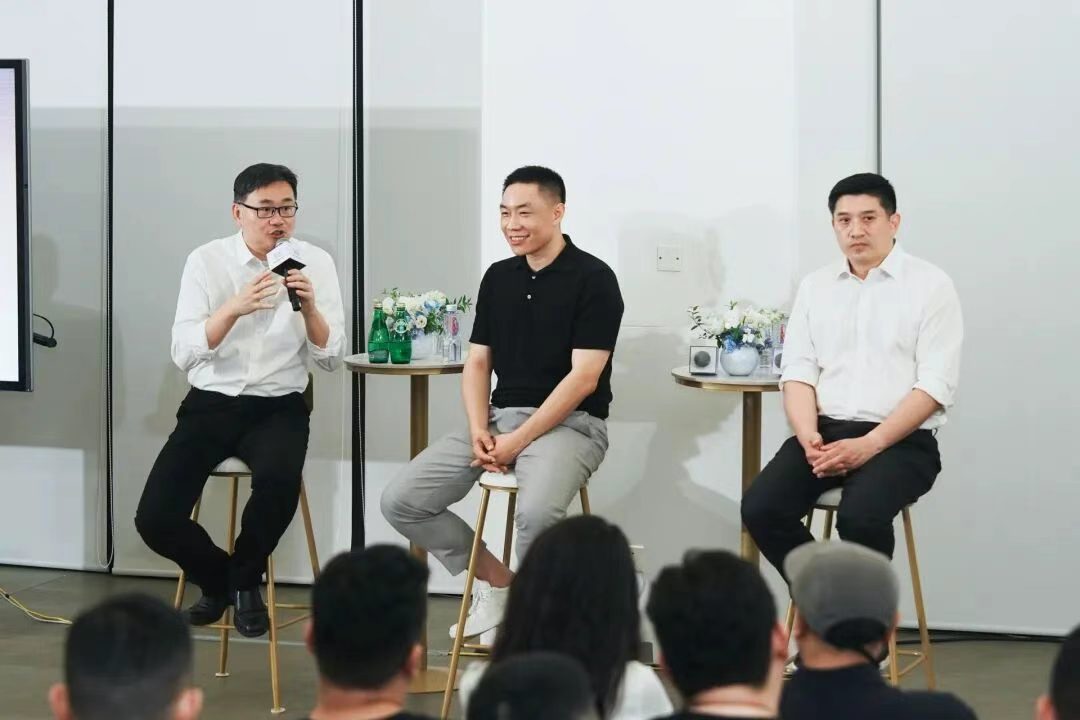
Core Viewpoint - Audi's strategic focus on electrification and intelligence will increasingly leverage the advantages of the Chinese market, aiming to integrate global leading technologies while meeting unique local demands [1][2]. Group 1: Strategic Partnerships and Collaborations - Audi is deepening collaborations with Chinese partners such as SAIC Group and Huawei in research and development, particularly in the field of intelligence [1][2]. - The company maintains long-term close cooperation with China FAW Group and SAIC Group, and has established technical partnerships with several Chinese tech companies [2]. Group 2: Market Insights and Future Plans - The CEO emphasizes the dynamic and innovative spirit of the Chinese market, viewing it as a key driver for Audi's transformation and a model for global markets [1]. - Audi has made significant R&D investments in China and plans to engage in deeper collaborations with more local partners, expressing optimism about the market's continued vitality and innovation [2].
德系主场慕尼黑刮起“中国风”
Huan Qiu Wang· 2025-09-16 03:19
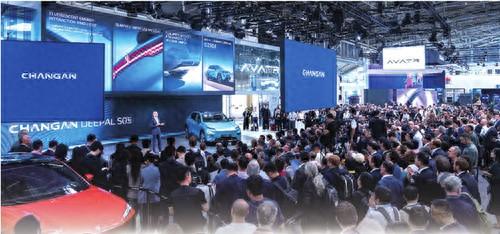
Group 1: Event Overview - The 2025 Munich Motor Show (IAA Mobility) commenced on September 8, 2025, with a public opening from September 9 to 14, focusing on mobility, sustainability, and technological innovation [2] - Major German automakers such as Volkswagen Group, BMW, and Mercedes-Benz showcased their latest models, alongside international companies like Opel, Hyundai, and Lucid [2][3] - The number of Chinese exhibitors increased significantly, with 116 companies participating, up from 70 in 2023, making them the largest group after German firms [2] Group 2: Electric Vehicle Highlights - BMW unveiled the new generation iX3, featuring advanced technologies and set for large-scale sales in Europe starting March 2026 [3] - Mercedes-Benz launched the all-new electric GLC, boasting significant design changes and a maximum WLTP range of 713 kilometers [3] - Volkswagen introduced the ID.Polo, an electric successor to the classic Polo, expected to debut in May 2026 [4] Group 3: International Participation - Hyundai presented the IONIQ 3 concept car, with the production version anticipated in Q3 2026 [5] - Lucid showcased the new electric SUV Gravity, which is available for pre-order in Europe and expected to deliver in early 2026 [5] - Stellantis expressed concerns over European emissions regulations, warning that the targets for 2030 and 2035 may not be achievable without policy support [5][6] Group 4: Chinese Automakers' Expansion - Chinese brands like BYD, Xpeng, and Leap Motor showcased multiple new models, indicating strong ambitions in the European market [7][8] - BYD announced plans to open over 1,000 stores in Europe by the end of 2023 and aims to launch 3-4 new plug-in hybrid models in the next six months [8] - Changan presented its global strategic models S05 and S07, with the S05 officially launching in Europe [9] Group 5: Component Suppliers and Technology - A large contingent of Chinese component suppliers participated, including battery manufacturers like CATL and technology firms focusing on autonomous driving [11][12] - Companies like Momenta and Horizon showcased their latest advancements in autonomous driving technology, with Momenta announcing partnerships with over 20 global automakers [12] - The trend of "ecological export" was highlighted, with Chinese firms moving from single vehicle exports to comprehensive ecosystem solutions [11][14] Group 6: Competitive Dynamics - The competition between Chinese and European automakers is intensifying, with Chinese brands capturing 9.9% of the European electric vehicle market as of July 2023 [14] - Executives from BMW and Mercedes-Benz acknowledged the fierce competition in the Chinese market and emphasized the importance of collaboration with local partners [15][16] - The evolving "co-opetition" model is reshaping the global automotive landscape, driving technological advancements and market sharing [17][18]
专访丨中国市场与供应链助力奥迪电动化转型——访奥迪全球首席执行官格诺特·德尔纳
Xin Hua Wang· 2025-09-16 02:25
Core Insights - Audi's CEO emphasizes the importance of the Chinese market and supply chain in the company's electrification and digitalization strategy [1][2] - The global economic changes and intensified international competition pose significant challenges to the automotive industry [1] - Audi is undergoing a large-scale transformation, with the Chinese market serving as a key driver and a model for global markets [1] Group 1: Strategic Partnerships - Audi collaborates closely with Chinese companies such as SAIC Group and Huawei to enhance R&D and smart technology [1][2] - The company has established a research and development center in Beijing and plans to strengthen its strategic layout by combining global technological advantages with local innovation capabilities [2] Group 2: Market Outlook - Audi has made substantial R&D investments in China and aims to deepen cooperation with more local partners [2] - The company expresses optimism about the Chinese market, viewing it as a vibrant and innovative space for future growth [2]
“猛士老曹”回归东风本田 合资巨头加速推动电动化、智能化转型
Zhong Guo Jing Ying Bao· 2025-09-16 01:41
Core Viewpoint - Dongfeng Honda is undergoing a leadership change aimed at optimizing its management system and enhancing strategic implementation, as part of a normal personnel rotation within Dongfeng Motor Corporation [1][3]. Group 1: Leadership Changes - Cao Dongjie, former CEO of Dongfeng Warriors Technology, has been appointed as a director and recommended as the executive vice president of Dongfeng Honda [1]. - Pan Jianxin, previously a director and executive vice president, has been reassigned as the party secretary and candidate for the labor union chairman of Dongfeng Honda [1]. - Wang Binbin has been appointed as a senior executive but will no longer serve as the party secretary or labor union chairman [1]. Group 2: Strategic Focus - Dongfeng Honda aims to leverage the resources and policy advantages of both shareholders to drive the development of the joint venture [3]. - The company is accelerating its transition to electric vehicles, having launched pure electric models e:NS1 and e:NS2, as well as a plug-in hybrid model [2]. - The leadership emphasizes the need to focus on product and marketing transformation to meet customer demands in the Chinese market [3]. Group 3: Industry Context - The domestic passenger car market is rapidly evolving, with significant growth in the new energy vehicle sector, compelling traditional fuel vehicle companies to accelerate their transition to electric vehicles [2]. - Dongfeng Honda's previous leadership under Pan Jianxin played a crucial role in product layout, digital transformation, and stabilizing the company's operational foundation amid a competitive market environment [2].
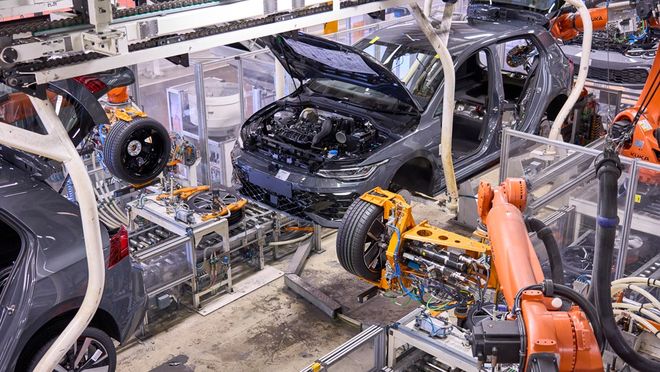
预算限制+战略变革,大众电动高尔夫上市计划或延迟9个月
Guan Cha Zhe Wang· 2025-09-16 00:27
Core Viewpoint - Volkswagen's electric version of the Golf (ID.Golf) is facing a potential delay of up to 9 months due to budget constraints and production challenges at its Wolfsburg plant [1][3]. Group 1: Production Challenges - The transformation plan for the Wolfsburg plant, aimed at producing the next generation of electric vehicles, has stalled due to budget limitations [3]. - The planned relocation of the production of the conventional Golf to Mexico has also been delayed, impacting the launch timeline of the electric T-Roc [3]. - The Wolfsburg plant is experiencing frequent technical and equipment failures, leading to production line stoppages and increasing dissatisfaction among workers [6]. Group 2: Financial Implications - Volkswagen's restructuring agreement aims to save approximately €4 billion (around 33.49 billion RMB) annually by moving Golf production to Mexico and increasing electric vehicle production at the Wolfsburg plant [3]. - A budget plan for 2026-2030 is being drafted, which includes a total estimated budget of €160 billion (approximately 1.3 trillion RMB), with a portion potentially allocated to address technical issues at the Wolfsburg plant [6]. Group 3: Market Position and Strategy - Volkswagen is focusing on maintaining its MEB platform for electric vehicles, with new models like the ID.Polo and ID.CROSS being showcased at the Munich Auto Show [4][6]. - The starting price for these new models is set at €25,000 (approximately 209,000 RMB), indicating a strategy to reduce costs while leveraging existing technology platforms [6]. - The company faces significant competition in the European market, particularly from Chinese automakers and those closely tied to the Chinese electric vehicle supply chain [4].