
下沉市场

Search documents
沪上阿姨年售107亿,近万家门店齐绽放,茶饮界新巨头港股上市!
Sou Hu Cai Jing· 2025-05-08 07:03
Core Viewpoint - The successful listing of "沪上阿姨" on the Hong Kong Stock Exchange marks it as the fourth new tea beverage company to go public this year, reflecting strong investor interest and market potential in the tea beverage sector [1] Company Overview - "沪上阿姨" specializes in "freshly brewed five-grain tea" and opened at a price of 172.4 HKD per share, achieving a market capitalization of 18.075 billion HKD on its first trading day [1] - The company has over 9,000 stores, with 99.7% operated by franchisees, covering all four direct-controlled municipalities and over 300 cities in China [1][2] - The company plans to use the funds raised from its IPO for digital upgrades, product development, and supply chain enhancement, aiming to deepen its existing market presence and expand into more third-tier and below cities [1] Financial Performance - Revenue projections for "沪上阿姨" from 2022 to 2024 are 2.199 billion RMB, 3.348 billion RMB, and 3.285 billion RMB, respectively, with adjusted net profits of 154 million RMB, 416 million RMB, and 418 million RMB [1][4] - The company is one of the fastest-growing brands in the Chinese freshly brewed tea market, with significant revenue growth anticipated, particularly in lower-tier cities [1][4] Market Strategy - The company's expansion strategy focuses on northern markets, avoiding high competition areas in southern cities, and over 50% of its stores are located in third-tier and below cities, which have a population of nearly 900 million and significant growth potential [2] - "沪上阿姨" has adopted a multi-pronged approach to combat industry challenges, including launching a coffee brand "沪咖" to broaden its market reach [2][3] Industry Context - The tea beverage industry is experiencing intense competition, but the lower-tier cities remain a core growth area, with "沪上阿姨" leveraging its experience and franchise model to capture market share [3][4] - The listing of "沪上阿姨" is seen as a revitalizing force for the new tea beverage industry, providing valuable insights for other brands in terms of differentiation and innovation [4]

200亿,山东夫妻在上海干出一个奶茶IPO
3 6 Ke· 2025-05-08 04:16
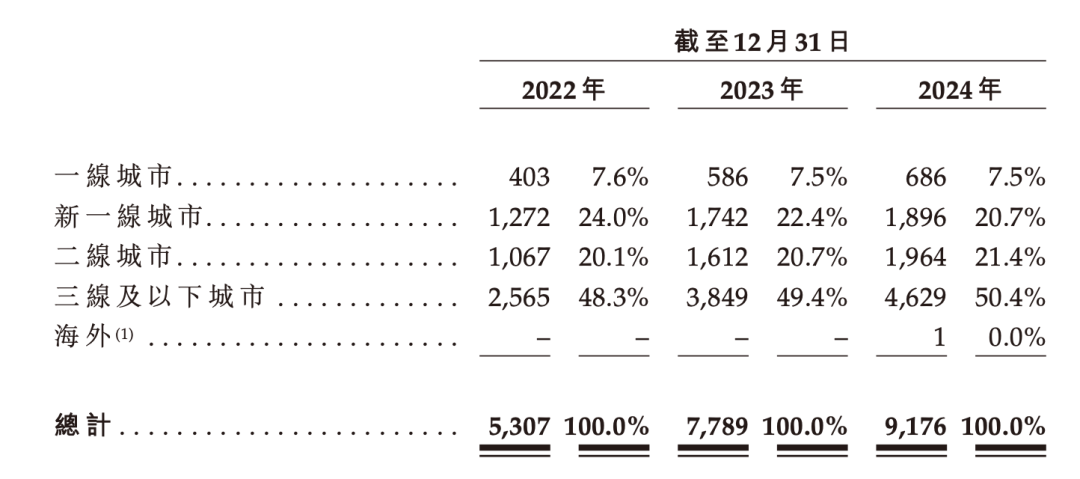
Group 1: Company Overview - Hu Shang A Yi successfully listed on the Hong Kong Stock Exchange on May 8, with an opening price of 190.6 HKD, significantly above the initial price range of 95.57-113.12 HKD, resulting in a market capitalization of approximately 20 billion HKD [1] - The company has expanded rapidly since its inception, growing from a single store in Shanghai to 9,176 stores nationwide, with a year-on-year increase of 46.8% in store count [6][7] - Hu Shang A Yi's product pricing ranges from 7 to 16 RMB, targeting the mid-range tea drink market and focusing on high cost-performance to capture the vast lower-tier market [7] Group 2: Market Position and Strategy - The company has positioned itself strategically in the lower-tier market, leveraging its experience in store operations and consumer preferences to effectively enter these markets [7] - Hu Shang A Yi has undergone significant brand upgrades, including the introduction of fruit tea products, which have become popular among consumers, leading to a monthly sales volume exceeding 1 million cups in 2021 [6][8] - The tea drink market in China is projected to grow from 4.748 trillion RMB in 2019 to 8.189 trillion RMB by 2024, with a compound annual growth rate (CAGR) of 11.5%, indicating a robust growth environment for Hu Shang A Yi [9] Group 3: Investment and Financial Backing - Prior to its IPO, Hu Shang A Yi attracted significant investment from notable firms such as Jia Yu Capital and Zhi Yi Investment, which have supported its growth through multiple funding rounds since 2020 [1][8] - The company has successfully integrated capital from cornerstone investors, including Yingfeng Holdings and Huabao Co., which also supplies its key product ingredients [1] - The investment community views Hu Shang A Yi as a leading player in the tea drink sector, with strong product innovation and competitive pricing strategies that align with current consumer demands [8][11] Group 4: Competitive Landscape - The current landscape for ready-to-drink tea is competitive, with a notable increase in both new entrants and closures among existing brands, indicating a challenging environment for market players [10] - The number of closures among tea drink brands has risen significantly, with over 20,000 closures reported in 2024, highlighting the intense competition within the sector [10] - As the market matures, brands are increasingly looking to expand internationally, with Hu Shang A Yi opening its first overseas store in Kuala Lumpur, Malaysia, in February 2024 [10]
沪上阿姨登陆港交所:高增长背后的隐忧与下沉市场的突围战
Xin Lang Zheng Quan· 2025-05-08 03:32
Core Viewpoint - Hu Shang A Yi officially listed on the Hong Kong Stock Exchange on May 8, 2025, becoming the sixth new tea beverage company to go public, following brands like Nayuki and Mi Xue Bing Cheng. The stock price surged significantly on its debut, reflecting strong market enthusiasm, but underlying financial data and competitive dynamics reveal multiple concerns regarding its high growth potential [1][6]. Group 1: Market Position and Growth Strategy - Hu Shang A Yi's core competitive advantage lies in its rapid penetration of lower-tier markets, with a total of 9,176 stores by the end of 2024, a 73% increase from 2022, and 50.4% of stores located in tier-three cities and below [2]. - The company differentiates itself from competitors like Mi Xue Bing Cheng by targeting the mid-range price segment (10-18 HKD), while the latter focuses on extreme low pricing (5-10 HKD) [2]. - The gross merchandise volume (GMV) growth in China's lower-tier market for ready-to-drink tea reached 20.9% in 2023, significantly outpacing the 12.5% growth in first-tier cities [2]. Group 2: Financial Performance and Risks - Despite an increase in overall GMV from 6.068 billion HKD in 2022 to 10.736 billion HKD in 2024, the average daily GMV per store declined from 1,917 HKD in 2023 to 1,717 HKD in 2024, indicating intensified competition and insufficient consumer spending power in lower-tier markets [4]. - The company's revenue for 2024 decreased by 1.9% to 3.285 billion HKD, with net profit dropping by 15.2% to 329 million HKD, highlighting vulnerabilities in profitability [4]. - 99.7% of Hu Shang A Yi's stores are franchise-operated, with a closure rate of 6% in the first half of 2024, exceeding the industry average of 4.5%, raising concerns about franchisee management and profitability [4]. Group 3: Product Diversification and Market Share - The company launched over 100 new products annually, including fresh fruit tea and coffee, and has expanded its brand portfolio with sub-brands like "Hu Coffee" and "Tea Waterfall" to tap into niche markets [3]. - In 2023, Hu Shang A Yi held a market share of only 4.6%, ranking fifth, trailing behind competitors like Mi Xue Bing Cheng (15.2%) and Gu Ming (8.7%) [5]. Group 4: Future Outlook and Strategic Initiatives - The company plans to allocate 25% of its IPO funds for digital upgrades, 20% for supply chain improvements, and 15% for store expansion, aiming to enhance operational efficiency and reduce costs [7]. - To navigate the competitive landscape, Hu Shang A Yi needs to strengthen its market presence in northern regions, expand its product offerings in line with consumer trends, and explore partnerships for differentiated marketing [7]. - The tea beverage industry is currently in a phase of stock competition, with a net closure of 17,800 tea shops nationwide in 2024, necessitating strategic adaptations for Hu Shang A Yi to maintain its market position [7].
新一轮低价之战,京东胜算几何?
雪豹财经社· 2025-05-07 13:36
Core Viewpoint - The article discusses the strategic initiatives of JD's subsidiary, Jingxi, focusing on its efforts to penetrate the lower-tier market and capitalize on the "200 billion opportunity" through various plans and partnerships aimed at enhancing user experience and expanding its user base [2][5][11]. Group 1: Jingxi's Market Strategy - Jingxi, originally JD's discount shopping platform, aims to cater to price-sensitive consumers in lower-tier markets by providing high-cost performance products [2][3]. - The "200 billion export-to-domestic sales plan" launched by JD in April 2023 has significantly boosted Jingxi's self-operated business, enabling it to collaborate with factories for product selection and rapid sales [5][11]. - Jingxi's "Factory Goods Hundred Supplement" plan will invest 10 billion annually to enhance user experience, logistics services, and factory efficiency, targeting the creation of 1,000 million-unit and 10,000 hundred-thousand-unit popular products [3][16]. Group 2: Competitive Landscape - Since 2018, competition for quality merchants in industrial belts has intensified among major e-commerce platforms, including Alibaba, Pinduoduo, and Douyin, all seeking to tap into these markets [8]. - Jingxi's full-trust model allows small and medium-sized factories to focus on production while Jingxi manages selection, operations, customer service, and logistics, providing a cost advantage [8][16]. - Despite the advantages of Jingxi's model, challenges remain as other platforms also pursue foreign trade businesses transitioning to domestic sales, indicating a competitive environment [17]. Group 3: User Acquisition and Retention - Jingxi's goal is to acquire 150 million new users annually while also focusing on user retention and repeat purchases, reflecting a shift from merely attracting new users to ensuring their ongoing engagement [11][14]. - As of December 2024, JD's monthly active users reached 550 million, with Jingxi's cumulative user count hitting 260 million, indicating significant growth potential in the lower-tier market [11][13]. - Jingxi's self-operated products are positioned to meet the needs of both lower-tier and higher-tier consumers, aiming to balance quality and low prices [13][14]. Group 4: Future Plans and Challenges - Jingxi plans to support 100,000 foreign trade factories in successfully transitioning to domestic sales by 2025, leveraging the current trend of export-to-domestic sales [5][16]. - The "Factory Goods Hundred Supplement" initiative aims to create a cycle of high quality and low prices, but achieving this requires effective supply chain management and product quality control [17]. - The competitive landscape remains challenging, as other platforms are also enhancing their support for foreign trade businesses, indicating that Jingxi must continue to innovate and adapt to maintain its market position [17].


五一回乡,我看到了县城生活的另一面
Hu Xiu· 2025-05-07 05:18
五一假期回老家乡镇待了几天,那地方本来快要荒废了,不过这几年我们那一带也在搞旅游,搞的有声 有色,本来已经逃离的那些人这两年每到节假日也经常回去,一些本来已经搬到县城的五六十岁的人夏 天也会镇上避暑,这次就见到不少人,聊天过程中发现不少有意思的事,跟大家聊聊。 1 我小时候镇上人是很多的,从小学到初中都有,现在回去已经没小孩了,主力是老人,年轻人几乎都是 带编的,在乡政府上班,国家电网在那边有个电力枢纽,那里边的工作人员也在镇上活动。 甚至已经没有小镇青年了,只有中年和老年。某音在老家那边已经接近基础设施的存在,很多中老年人 几乎只要是醒来,就开着直播,他们在那里瞎唠嗑的时候,直播也在继续,一方面解闷,另一方面他们 要抢福袋。 啥是福袋我也不太了解,大概就是免费领小礼品。但在线时间久了,老乡们本来只想领福袋,但看到划 算的东西也管不住自己的手,慢慢家里到处都是在直播间买的东西,从纸巾到绿植再到菜刀碗筷,都从 上边买,而且都巨便宜。 可能有小伙伴纳闷,他们的流量够? 运营商在村里有比较特别的套餐,他们流量费超级便宜,每个月百八十,流量几乎无限。 而且他们现在极度熟练,意识很强,可能是对钱敏感的缘故,去县城饭店都 ...
闭店率超30%,商场的餐饮生意越来越难做了?
虎嗅APP· 2025-05-06 09:30
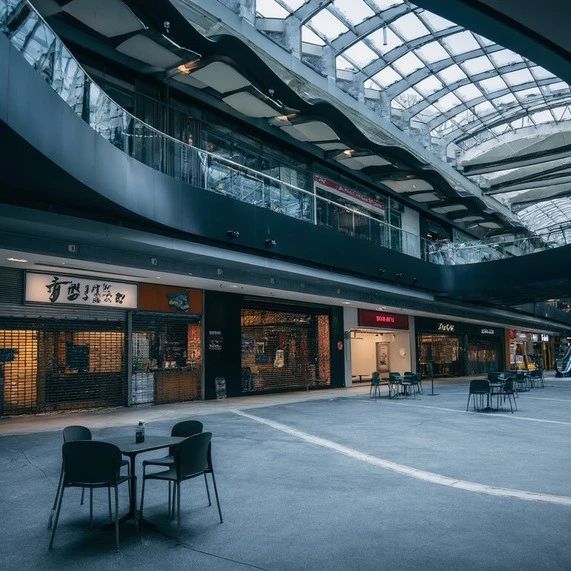
Core Viewpoint - A significant number of restaurants are rapidly exiting shopping malls due to declining foot traffic, high rents, and increasing operational challenges, with a closure rate exceeding 30% in some areas [3][11][15]. Group 1: Current Trends in Restaurant Closures - Many restaurant owners report that despite substantial investments, they are forced to close their businesses within a year due to poor performance in malls [3]. - The trend of restaurant closures is expected to continue for at least two more years, indicating a prolonged period of adjustment for both malls and restaurants [4][6]. - A report indicates that by 2024, 34.9% of shopping centers will see more closures than new openings, leading to increased vacancy rates [5]. Group 2: Factors Contributing to Declining Foot Traffic - The overall number of shopping malls has increased, leading to diluted foot traffic and making it less viable for restaurants to operate profitably [9][10]. - A specific shopping mall in Hunan reported a nearly 40% decline in foot traffic compared to the previous year, contributing to the high closure rates of restaurants [11]. - Many malls are outdated and fail to attract customers, particularly in higher floors where restaurants are located, further exacerbating the issue [11]. Group 3: Economic Pressures on Restaurants - High rental costs combined with declining customer numbers make it increasingly unprofitable for restaurants to operate in shopping malls [17]. - For instance, a restaurant in Shanghai faces an annual rent of approximately 2.2 million, necessitating a daily revenue of at least 12,200 to break even [19]. - The average rent for shopping mall spaces is projected to remain relatively stable, with only a slight decrease of 0.06% year-on-year, despite rising vacancy rates [16]. Group 4: Opportunities in the Market - The concept of "downward expansion" is emerging, where restaurants are increasingly looking to open in lower levels of shopping malls, which tend to have lower rents and stable foot traffic [22]. - There is a growing interest in county-level markets, where shopping centers are less saturated and consumer spending is on the rise, presenting new opportunities for restaurant brands [23][24]. - The potential for growth in these underdeveloped markets is significant, as they are still undergoing commercial upgrades and have a demand for quality dining experiences [24].
被90% CEO误读的学习能力
Sou Hu Cai Jing· 2025-05-06 05:55
Core Insights - The article emphasizes the critical importance of learning ability for CEOs in navigating the rapidly changing market landscape, particularly in China, which is characterized by diverse cultures and demands [3][4] - It highlights the necessity for CEOs to gather information from seemingly unrelated fields to enhance their strategic thinking and decision-making [3] - The narrative includes examples of CEOs who successfully pivoted their business strategies based on insights gained from broader market understanding [3] Group 1: Learning Ability and Market Adaptation - CEOs must develop strong learning capabilities to adapt to significant market changes expected in the next few years [3] - The article illustrates that many CEOs initially overlook the relevance of information from different sectors, which can lead to innovative ideas and new directions for their businesses [3] - The case of a CEO who shifted focus from pediatric to adult medicine in response to declining birth rates exemplifies the need for agility in business strategy [3] Group 2: Broader Knowledge and Experience - The article suggests that knowledge from history, geography, and military strategy can provide valuable insights for business leaders [3] - The author shares personal experiences of engaging with various societal roles, which enriches the understanding of market dynamics and consumer behavior [3] - The concept of "regional influence" on entrepreneurial characteristics is discussed, highlighting the historical significance of certain areas in producing successful leaders [3] Group 3: Future Directions and Support - The company plans to continue its "strict selection" process to identify and support promising CEOs for long-term growth [4] - There is an invitation for further engagement and discussion for those interested in expanding their horizons and exploring new opportunities [4]

龙头业绩韧性凸显,餐饮板块何时等来估值拐点?
智通财经网· 2025-05-06 03:02
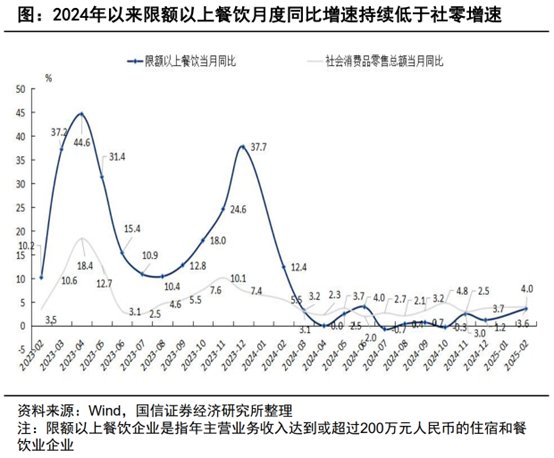
Core Viewpoint - The Chinese restaurant industry is experiencing a notable recovery driven by a shift in policy focus towards expanding domestic demand, with significant growth in consumer confidence and spending observed in the first quarter of 2024 [1][2]. Group 1: Market Performance - The Hong Kong restaurant index has rebounded over 20% since April 22, reaching around 787 points, with several restaurant companies like Xiaobai Xiaobai and Jiumaojiu showing positive performance [1]. - In Q1 2024, the offline consumption heat index increased by 14.2% year-on-year, with the dining sector growing by 14.5% [1]. - The overall revenue of the domestic restaurant industry in 2024 is projected to reach 55,718 billion yuan, marking a 5.3% increase compared to the previous year [2]. Group 2: Revenue and Profit Growth - The restaurant sector has shown double-digit growth in both revenue and profit, with 17 listed restaurant companies reporting an 11% increase in revenue and a 10% increase in profit for 2024 [5][6]. - The coffee and tea segment leads in revenue growth at 22.5%, while traditional Chinese dining (excluding hot pot) and fast food show growth rates of 6.3% and 5.6%, respectively [7]. Group 3: Store Expansion and Market Dynamics - The total number of restaurant stores increased by 20% in 2024, reaching 133,549, with coffee and tea stores growing by 24% [9][11]. - The closure rate of restaurants has risen to 61.2%, indicating a significant industry reshuffle [5]. - The trend of down-market expansion is evident, with 52% of restaurant stores located in third-tier cities and below [13]. Group 4: Strategic Adjustments and Innovations - Companies like Haidilao are adopting franchise models to penetrate lower-tier markets, with over 70% of franchise applications coming from these areas [14]. - New business models are being explored, such as Kudi Coffee's convenience store concept and Guoquan's community kitchen strategy [15]. - The restaurant sector is expected to stabilize in Q2 2025, with a potential recovery in valuation and fundamentals as seasonal demand increases [16].

盒马握紧拳头,挥向山姆的下一个阵地
FBIF食品饮料创新· 2025-05-06 00:31
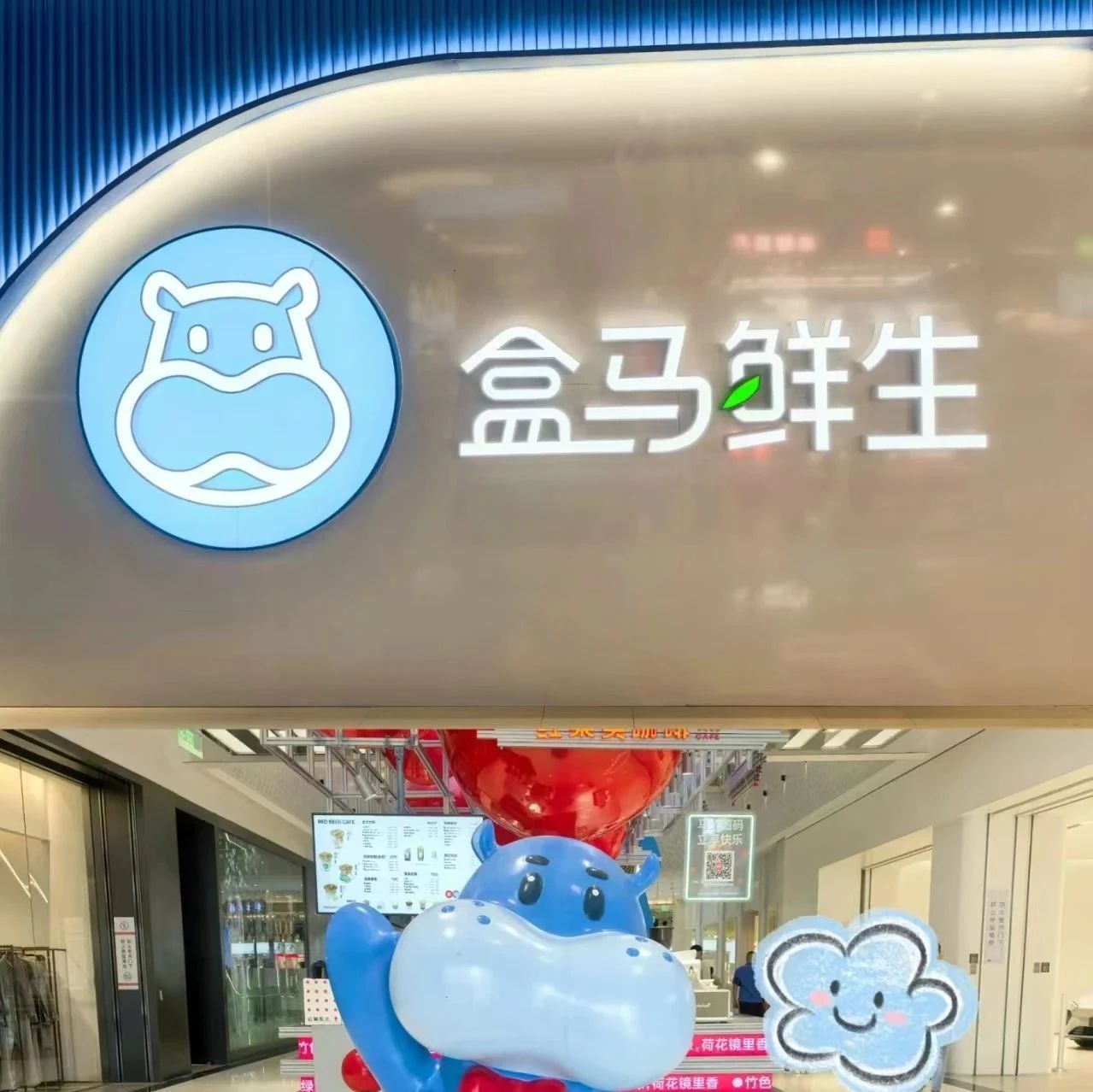
以下文章来源于雪豹财经社 ,作者高越 雪豹财经社 . faster , deeper and wiser 盒马创始人侯毅花9年没能完成的目标,新任CEO严筱磊用9个月时间实现了。 卖身危机被化解的盒马,准备大干一场。 一家公司的成长历程往往呈现扩张探索与资源聚焦的交替循环,松开拳头是寻找新的方向,当明确了下 一阶段的业务重点时,就会握紧拳头。 如今的盒马,到了重新握紧拳头的时刻。 严筱磊上任后,盒马只聚焦于盒马鲜生和盒马NB两种店型,其他店型都进行了精简和调整。 去年一年,盒马新开门店有三分之一开在二三线城市和县城,很多新店成了当地的"排队王"。 今年盒马计划再开100家店,但在低线市场,它将面临与多个新零售品牌的竞争。 2024年最后一天,盒马在一封全员信中披露,公司连续9个月整体盈利,且增长幅度达双位数,顾客数 量增长超50%。 图片来源:小红书@annezang 从去年3月前的上市计划搁浅、被传卖身,到今年以来大刀阔斧地开店,短短一年间,盒马命运逆转。2 月中旬,马云现身盒马长沙门店,阿里巴巴又在财报业绩会上明确表示,当前没有出售盒马的计划。 图片来源:《2024盒区房报告》 盒马NB则更倾向于对价格更 ...
记者直击豫东庙会经济:烟火气里燃商机 县乡消费“沸腾”进行时|五一促消费观察
Hua Xia Shi Bao· 2025-05-05 14:52
Core Insights - The article highlights the vibrant consumption pulse in lower-tier markets, particularly during traditional events like temple fairs, which serve as a unique window into the economic vitality of county-level areas [1][2] - The growth of the food and beverage sector in these markets is driven by a large population base, increasing consumer spending power, and relatively low operating costs, attracting numerous brands to expand their presence [1][3] Group 1: Market Dynamics - The temple fair in Shangqiu City, Henan Province, exemplifies the lively consumer atmosphere, drawing residents from surrounding towns and significantly boosting sales for local vendors [2][3] - The retail sales of consumer goods in county and rural areas accounted for 40.2% of the total social retail sales in the first quarter of this year, reflecting a 0.1 percentage point increase from the previous year [3] Group 2: Brand Strategies - Major food brands like Haidilao and Xibei are increasingly focusing on lower-tier markets, with over 70% of franchise applications coming from third-tier cities and below, indicating strong demand [5] - New tea beverage brands, including Mixue Ice City and others, are aggressively targeting lower-tier markets, with Mixue establishing over 30,000 stores, positioning itself as a leader in this segment [5][6] Group 3: Challenges and Competition - Despite the opportunities, brands face challenges in penetrating lower-tier markets, as evidenced by the struggles of mid-to-high-end noodle chains that have not seen significant success despite attempts to lower prices and open franchises [6] - The competitive landscape is tough, with established players like Mixue creating significant barriers to entry for new brands, necessitating a clear understanding of target demographics and innovative product offerings to succeed [6]