城市更新

Search documents
各地进入“两会时间”锁定三大关键词
Mei Ri Jing Ji Xin Wen· 2026-01-27 16:07
Core Viewpoint - The focus on stabilizing the real estate market is a key theme in the recent government work reports from various provinces, indicating a concerted effort to address housing issues and promote urban renewal initiatives across China [1][2][3][4]. Group 1: Government Initiatives - Guangdong Province aims to stabilize the real estate market by implementing city-specific policies to control supply, reduce inventory, and enhance supply quality, while also promoting the revitalization of idle commercial properties and strengthening affordable housing construction [1][3]. - Beijing's government report emphasizes the need to stabilize the real estate market, develop the housing rental market, and improve living conditions for urban service personnel, with a focus on increasing the supply of various housing types [2][4]. - The Henan Province government plans to complete the "guarantee housing" task by 2025 and aims to stabilize the real estate market in 2026 by acquiring existing properties for affordable housing and other uses [4]. Group 2: Urban Renewal Focus - Urban renewal is highlighted as a critical strategy for accelerating urban development and enhancing governance, with various local governments planning to implement policies to support this initiative [4][5]. - The city of Beijing plans to advance urban renewal regulations, improve policy incentives, and support the renovation of old neighborhoods and buildings, including the installation of elevators in older residential areas [4][5]. - Experts suggest that urban renewal initiatives can significantly contribute to stabilizing the real estate market by optimizing land value and enhancing market confidence through effective policy narratives and social expectations [5][6]. Group 3: Market Outlook - The real estate sector is projected to maintain a transaction volume of 800 to 900 million square meters from 2026 to 2030, with expectations for the industry to find a bottom in 2026 [6]. - The industry is advised to focus on four key certainties: policy, housing prices, product offerings, and supply, while companies should strategically choose cities for investment and adapt their management models to meet evolving market demands [6].
华源晨会精粹20260127-20260127
Hua Yuan Zheng Quan· 2026-01-27 13:56
Group 1: Fund Market Analysis - The total scale of public funds remained relatively stable in Q4 2025, but there was a significant shift among different fund categories, with funds flowing from high-volatility active equity funds (down by 182.3 billion) and low-risk pure bond funds (down by 86.8 billion) to medium-low risk convertible bond funds (up by 239.8 billion) [5][6] - Active equity funds showed a notable decrease in allocation to Hong Kong stocks, dropping from 20.44% in Q2 2025 to 16.47% in Q4 2025, while the allocation to the ChiNext increased from 13.46% to 20.85% [6] - The mixed-asset funds reduced their equity positions, with the median equity position falling from 25.34% to 23.86%, and increased their allocation to the ChiNext from 10.92% to 17.71% [7] Group 2: Real Estate Market Overview - The real estate sector saw a 5.2% increase in the week, with second-hand housing transactions showing signs of recovery, while new housing transactions in 42 key cities decreased by 6.0% [13][14] - In 2025, real estate development investment decreased by 17.2% year-on-year, with new housing starts down by 20.4% and completed housing down by 18.1% [15] - Three trends are expected in 2026: the end of the real estate adjustment phase, structural opportunities for "good houses," and the continued recovery of the Hong Kong property market [17]
各地陆续进入“两会时间” “稳楼市、好房子、城市更新”成关键词
Mei Ri Jing Ji Xin Wen· 2026-01-27 13:16
Group 1 - The core focus of local government work reports is on stabilizing the real estate market, with specific strategies tailored to different cities [1][5][6] - In Guangdong, the government plans to control supply, reduce inventory, and enhance the supply of housing, while also revitalizing idle commercial properties [1][5] - Beijing's government report emphasizes the development of the housing rental market and the construction of quality housing to alleviate housing difficulties for young people [3][4] Group 2 - The real estate sector remains a pillar of the national economy, contributing 12% to GDP, with expectations of market stabilization by 2026 [3][12] - Various local governments are focusing on urban renewal as a key strategy for transforming urban development and improving governance [9][10] - Experts suggest that urban renewal initiatives can stimulate the real estate market by optimizing policies and enhancing market confidence [11][12]

锦和商管荣膺双项行业大奖:以卓越运营实力,引领产城融合新未来
Xin Lang Cai Jing· 2026-01-27 12:25
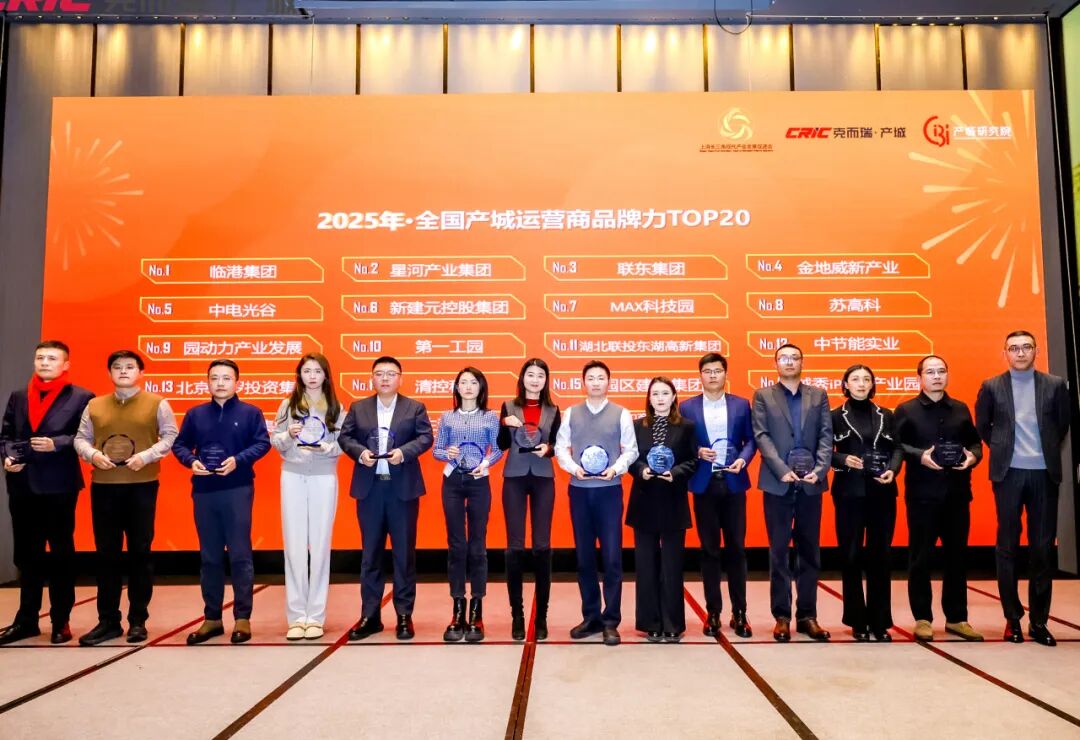
Core Insights - The event "2025 Smart City Integration · Digital Leading Future" was held in Shanghai, where the company Jinhe Commercial Management was awarded "Top 10 Excellent Operators of Industrial Parks in the Yangtze River Delta" and "Top 20 National Brand Power of Urban-Rural Integration Operators" [1][8][10] Group 1: Company Achievements - Jinhe Commercial Management received recognition for its comprehensive operational strength and industry influence, highlighting its capabilities in asset renewal, industrial ecosystem cultivation, and sustainable operational management [1][8] - The awards signify authoritative acknowledgment of the company's professional abilities and brand value [1][8] Group 2: Urban Renewal Focus - The company is at the forefront of urban renewal, focusing on repositioning, upgrading, and professional operation of inefficient existing buildings to create high-quality spaces that meet modern industrial development needs [5][12] - Each project renewal not only transforms physical spaces but also deeply reshapes regional functions, industrial vitality, and urban context, injecting commercial vitality and cultural warmth into cities [5][12] Group 3: Industrial Ecosystem Development - As an operational service provider connecting space, industry, and people, the company aims to create an "industrial symbiosis" ecosystem platform that promotes interaction, collaboration, and innovation among enterprises within its parks [6][13] - The parks operated by Jinhe are evolving into accelerators for enterprise growth and important carriers for regional industrial upgrades [6][13] Group 4: Long-term Commitment - The company adheres to a "long-termism" philosophy, integrating refined, standardized, and digital management throughout the entire project lifecycle, ensuring a balance between social benefits and market value [6][13] - The team is committed to enhancing asset value and sustainable development through professional and meticulous management practices [6][13] Group 5: Future Outlook - Looking ahead, the company will continue to uphold its mission of "updating cities and improving lives," enhancing asset operation and industrial service capabilities while exploring more possibilities for urban-rural integration [8][14] - Jinhe aims to contribute more "Jinhe strength" to the high-quality development of cities and better living standards [8][14]

金螳螂:公司曾参与保障性租赁住房的装修与改造
Zheng Quan Ri Bao Zhi Sheng· 2026-01-27 11:46
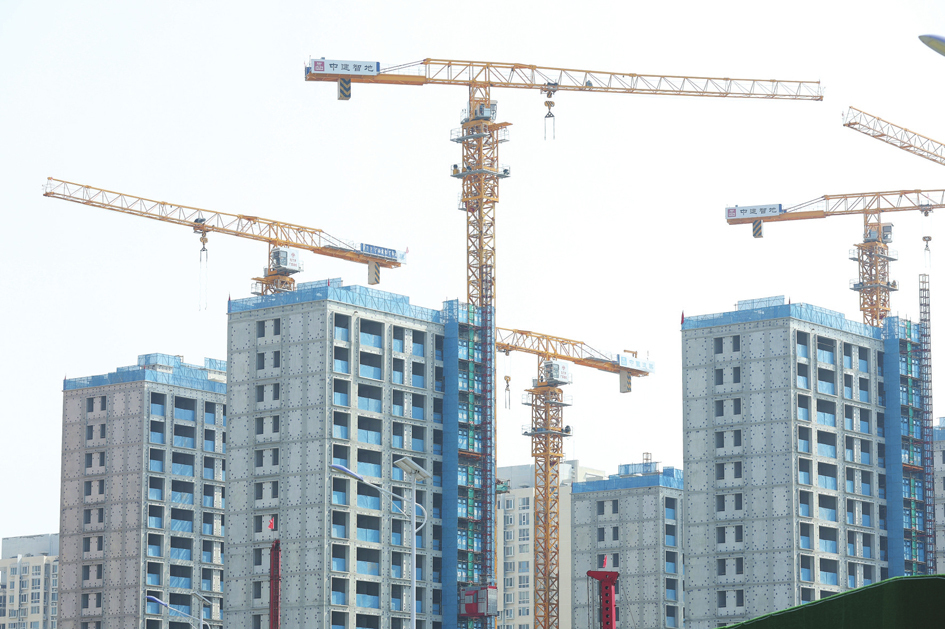
Core Viewpoint - The company, Jin Tanglong, is actively involved in the renovation and transformation of affordable rental housing and has relevant project experience in urban village redevelopment [1] Group 1: Company Activities - The company has participated in various projects related to the renovation of affordable rental housing, including specific projects in Shanghai, Jinan, and Xi'an [1] - The current business focus of the company is on public building decoration [1] - The company is strategically positioning itself in urban renewal by engaging in multiple segments such as public building revitalization, historical district activation, hotel upgrades, and the renovation of old residential communities [1] Group 2: Business Strategy - The company is continuously promoting its business towards high value-added sectors [1]

超半数装修建材股下跌 亚士创能股价下跌4.43%
Bei Jing Shang Bao· 2026-01-27 10:43
Core Viewpoint - The renovation and building materials sector experienced a slight decline, closing at 17,983.59 points with a drop of 0.13%, impacting individual stocks within the sector [1] Group 1: Stock Performance - Yashi Chuangneng closed at 6.69 CNY per share, leading the decline with a drop of 4.43% [1] - Meike Home closed at 2.83 CNY per share, with a decrease of 4.07%, ranking second in the decline [1] - *ST Songfa closed at 82.39 CNY per share, down by 3.07%, ranking third in the decline [1] - Youbang Diao Ding led the gains, closing at 75.60 CNY per share with an increase of 7.54% [1] - Songlin Technology closed at 41.29 CNY per share, up by 6.72%, ranking second in gains [1] - Kangxin New Materials closed at 4.30 CNY per share, with an increase of 5.13%, ranking third in gains [1] Group 2: Market Insights - China Galaxy's report indicates that year-end rush work has driven a month-on-month increase in retail, supporting demand for building materials in a stagnant market [1] - As temperatures drop, demand in the home decoration market is expected to decrease further, with anticipation for recovery post-Spring Festival, which may gradually release demand for building materials [1] - In the medium to long term, renovation of existing homes, old renovations, and urban renewal are expected to be the main drivers of demand for building materials [1] - Urban renewal is expected to stimulate demand in the old renovation and repair market, while consumption upgrades will enhance the demand for high-quality green building materials [1] - Leading companies with channel layout advantages and brand strengths are likely to continue consolidating their market positions [1]


两会三人行|探寻更有温度、更有智慧的城市更新之法
Bei Jing Shang Bao· 2026-01-27 10:36
Group 1: Urban Renewal in Beijing - Urban renewal is a key component for transforming development momentum and improving people's livelihoods, with Beijing being the first mega-city in China to achieve reduction-oriented development [3] - In 2025, Beijing plans to complete the renovation of 1,225 old residential communities and improve the environment in 20 key areas, including significant upgrades to public spaces [3] - The focus is shifting from large-scale expansion to enhancing existing urban spaces, emphasizing the importance of precise planning and comprehensive collaboration [4][5] Group 2: Smart City Development - The construction of a "smart city" is essential for transitioning urban renewal from physical transformation to digital governance, aiming for efficient, green, and human-centered development [5] - Key layers of smart city development include establishing a comprehensive urban sensing system, achieving data interoperability, and utilizing big data and AI for practical solutions in various urban scenarios [5] - Safety and resilience must be integrated into urban renewal processes, addressing potential safety hazards proactively [5] Group 3: Grassroots Governance and Community Engagement - The development of urban sub-centers is crucial for modernizing governance systems and enhancing community engagement, moving from a focus on speed and scale to quality and service [7][9] - The integration of community governance elements into urban planning is essential to ensure that physical upgrades align with social governance improvements [7][8] - A collaborative governance model involving government, market, social organizations, and residents is necessary for effective urban management [9][10] Group 4: Green Development and Ecological Restoration - Green industries are central to urban renewal, providing sustainable economic momentum and transforming ecological value into economic and social benefits [11] - Key components of Beijing's green development strategy include seed innovation, smart forestry, and integrating cultural and educational elements into the green economy [12][13] - The focus should be on innovative models rather than large-scale production, leveraging technology to create a replicable and scalable green development model [13]

市场周报 | 两部委进一步支持城市更新,住建部长表示将加快构建房地产发展新模式(1.19-1.25)
克而瑞地产研究· 2026-01-27 09:23
Core Viewpoint - The article emphasizes the importance of urban renewal and the construction of quality housing as key strategies for driving the real estate market and supporting economic development in 2026 [1][2]. Group 1: Government Policies - The Ministry of Natural Resources and the Ministry of Housing and Urban-Rural Development issued a statement supporting urban renewal and encouraging the use of existing land and housing resources to develop state-supported industries [1]. - The Minister of Housing highlighted two main focuses for 2026: orderly promotion of "good housing" construction and accelerating the establishment of a new model for real estate development, including foundational systems for development, financing, and sales [1][2]. - Fourteen provinces and cities introduced market stabilization policies, with "urban renewal" and "affordable housing" being key themes [2]. Group 2: Urban Renewal Initiatives - Cities like Shanghai, Suzhou, and Zhuhai released planning suggestions for high-quality urban renewal, emphasizing the importance of market-oriented resource allocation [2]. - Dalian announced a city renewal plan for 2026, targeting over 1 million square meters for renovation and promoting self-renewal of old housing [2]. - Guangzhou's government report stated that it will optimize the affordable housing supply system and aims to build 30,000 affordable housing units in 2026 [2][3]. Group 3: Real Estate Market Performance - In the third week of January 2026, new residential sales across various city tiers saw a significant decline, with first-tier cities experiencing a 38% drop in sales volume [5]. - The total sales area for new residential properties in 30 cities was approximately 630,000 square meters, reflecting a 17% decrease from the previous week and a 51% year-on-year decline [7]. - Cumulatively, the sales area for January 2026 was 2.32 million square meters, down 42% compared to the same period last year [7]. Group 4: Land Market Trends - The land supply and demand remained low, with a total land supply of 3.21 million square meters and a transaction area of 1.91 million square meters, marking a 24% decrease in transactions [11]. - The average premium rate for land transactions was 0.7%, indicating a low level of competitive bidding, primarily due to the nature of the land parcels being sold [11]. - A notable transaction occurred in Yuhuan City, where a residential land parcel was sold for 304 million yuan, achieving a premium rate of 13.43% [11][12].
江西累计实施城市更新项目1.5万余个 完成投资近1.4万亿元
Zhong Guo Xin Wen Wang· 2026-01-27 08:04
Core Insights - Jiangxi Province has implemented over 15,000 urban renewal projects with nearly 1.4 trillion yuan invested, creating 286 complete communities at national, provincial, and municipal levels, and ranking second in the country for urban greening coverage and green space ratio [1][3] Group 1: Urban Renewal Initiatives - Jiangxi has adopted a "three-in-one" long-term working mechanism focusing on urban health assessments, urban renewal, and quality enhancement, supported by the newly implemented Urban Renewal Regulations [3] - Key cities like Nanchang, Jingdezhen, and Ganzhou have been selected as national urban health assessment pilot cities, with Nanchang being among the first cities to receive central government support for urban renewal actions [3] Group 2: Housing and Community Improvements - The province aims to enhance the quality of existing housing, particularly focusing on over 200,000 buildings constructed before 1995 that may pose safety risks, with over 13,000 units already undergoing renovation [3][4] - Jiangxi has renovated 6,577 old urban communities, benefiting 1.938 million residents by addressing issues such as difficult access to buildings, parking shortages, and outdated utilities [4] Group 3: Infrastructure and Safety Enhancements - The province is committed to "good district" construction, focusing on urban safety and infrastructure upgrades, including water supply, drainage, gas, bridges, and utility tunnels to mitigate urban flooding and aging pipeline issues [5] - Plans include the creation of more high-quality parks and public spaces while preserving historical districts and buildings to enhance urban safety and livability [5]
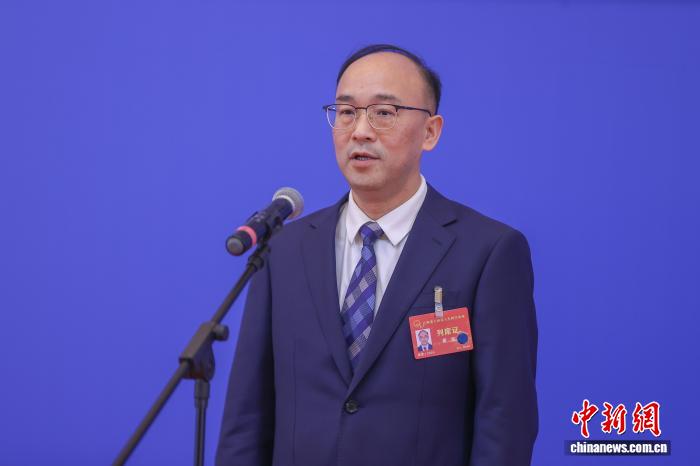
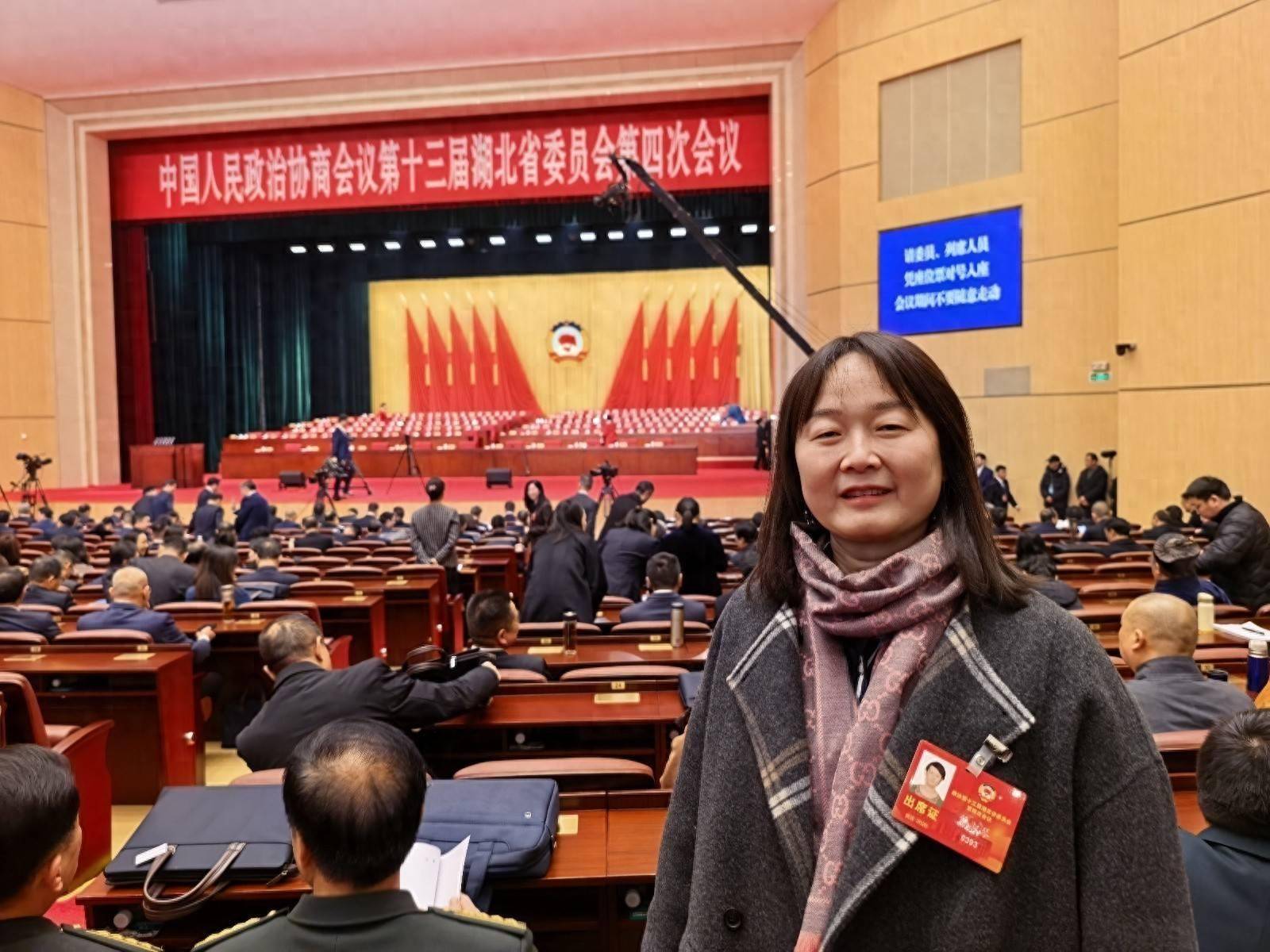
省政协委员曾淑琴:构建便民生活消费新场景,让老社区“长”出新幸福
Sou Hu Cai Jing· 2026-01-27 07:12
Core Viewpoint - Community commerce is likened to the "capillaries" of a city, serving the "last mile" and enhancing quality of life while fostering neighborhood connections [1] Group 1: Community Commerce Development - The development of community commerce is crucial, especially for older communities with insufficient functions and amenities, which can be revitalized through "small-scale, micro-renovation, and gradual" updates [3] - Community commercial centers and integrated service facilities like "parking + neighborhood centers" should be encouraged to enhance service functions and asset value through diversified channels [3][4] - The integration of commercial and social experiences is essential, with examples including multi-functional stores that combine fresh food, convenience items, and social spaces to foster community interaction [3] Group 2: Technological Integration - The use of the internet and big data to create an "Internet + convenient life service platform" is recommended to provide one-stop services and enhance merchant collaboration through community business mini-programs [4] - AI can be utilized to analyze consumer habits for smart restocking and targeted promotions, contributing to the development of community service brands [4] Group 3: Policy and Support - The introduction of demonstration projects supported by rewards and policies can lead to innovation in business models, management, and services [5] - Addressing challenges such as funding, land, personnel, and procedures is necessary, with calls for local governments to create specialized work plans to streamline resource allocation and project approvals [5]