
新能源转型

Search documents
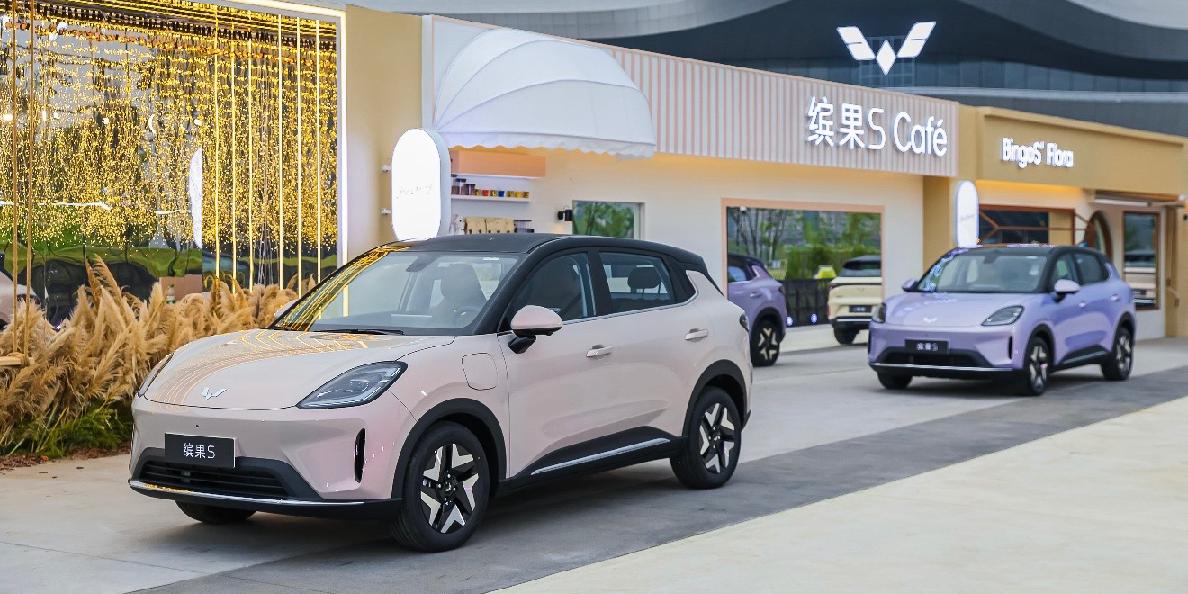
为女性打造的缤果S上市,五菱冲击A0级电动车市场
Jing Ji Guan Cha Wang· 2025-10-04 01:00
Core Insights - SAIC-GM-Wuling officially launched the Bingguo S on September 27, with a price range of 66,800 to 79,800 yuan, and a discounted price of 63,800 to 76,800 yuan under trade-in policies [2] - The Bingguo S aims to target female consumers, featuring design elements like a lipstick slot and a central makeup cabinet [2] - The vehicle has received over 50,000 pre-sale orders and 6,600 units have been delivered ahead of schedule [2] - The Bingguo S offers two battery range options of 325 km and 430 km, powered by a 75 kW efficient oil-cooled flat wire electric drive system, with a top speed of 150 km/h [2] - SAIC-GM-Wuling's sales of new energy vehicles surpassed 100,000 units for the first time this year, reaching 100,500 units as of September 2025 [2] - The company faces increasing competition and must avoid internal competition among its own models, which include Bingguo, Bingguo S, and Bingguo PLUS [2][3] Market Dynamics - The small car market is a niche segment where SAIC-GM-Wuling must defend its market share against competitors while also exploring new market demands [3]

广汽加速产品攻势:“强自主”前,不忘“稳合资”
2 1 Shi Ji Jing Ji Bao Dao· 2025-10-03 05:05
Group 1: Sales Performance - GAC Aion achieved a record high sales of 29,113 vehicles in September, while GAC Toyota sold 71,220 units, totaling 567,515 units for the first nine months, showing positive year-on-year growth [1] - GAC Trumpchi has not yet released September sales figures, but reported 26,648 units sold in August, reflecting a month-on-month increase of 14.15% [2] Group 2: Product Launches and Innovations - GAC Aion's new model, the "Bawanglong Family Edition," delivered over 6,000 units in its first month, highlighting strong product capabilities and competitive pricing [1] - GAC Trumpchi launched the Trumpchi Xiangwang S9 and S7 Pro+ series in September, with the S9 priced from 229,900 yuan and the S7 starting at 159,800 yuan, featuring advanced technology and attractive financing options [2] Group 3: Strategic Initiatives - GAC Group's chairman announced the "Panyu Action" plan, aiming for self-owned brands to account for 60% of total sales by 2027, with a target of 2 million annual sales [1] - GAC Aion introduced the "安心交付" policy with various incentives to enhance customer confidence and boost sales [1] Group 4: Market Trends and Insights - The automotive industry is witnessing a coexistence of fuel and electric vehicles, with traditional fuel vehicle sales showing resilience despite the rise of new energy vehicles [4][5] - In August, traditional fuel vehicle sales reached 902,000 units, a year-on-year increase of 107,000 units, indicating a 13.5% growth [4]

2025H1全球储能锂电池出货量TOP25排行榜
起点锂电· 2025-10-02 06:56
Core Viewpoint - The solid-state battery industry is experiencing significant growth, with global lithium battery shipments expected to exceed 750 GWh in 2025, driven by emerging markets and increased overseas orders from Chinese companies [2][3][4]. Group 1: Industry Overview - In the first half of 2025, global energy storage lithium battery shipments reached 315.8 GWh, a year-on-year increase of 98% [2]. - The CR5 for global energy storage batteries was 51.5%, a decrease of 2 percentage points compared to 2024, while the CR10 was 73.9%, down 3.5 percentage points [2]. - The Middle East region saw over 200% growth in new installations, becoming one of the fastest-growing areas globally [4]. Group 2: Market Performance - Europe is expected to add 28.7 GWh of new installations in 2025, a 28% year-on-year increase, with the UK and Italy as major growth points [3]. - The Australian energy storage market tripled in size year-on-year, driven by government policies and incentives [3]. Group 3: Company Performance - CATL (宁德时代) ranked first in global energy storage battery shipments in the first half of 2025, with a revenue of 28.4 billion yuan, a slight decrease of 1.47% year-on-year [15][12]. - EVE Energy (亿纬锂能) shipped 28.71 GWh of energy storage batteries, a year-on-year increase of 37.02%, with revenues of 10.29 billion yuan, up 32.47% [19][20]. - Hithium (海辰储能) achieved a shipment of 35.1 GWh in 2024, with a revenue of 7.96 billion yuan, showing a slight increase [23]. Group 4: Revenue and Cost Analysis - CATL's gross margin for energy storage systems was 25.52%, down 1.11% year-on-year [15]. - EVE Energy's gross margin was 12.03%, a decrease of 2.32% year-on-year [20]. - Hithium's energy storage system revenue was 4.67 billion yuan, a significant increase of 136.7% [23]. Group 5: Emerging Technologies - Companies are focusing on innovations in battery technology, including sodium-ion batteries and advanced energy management systems, to enhance performance and safety [18][40]. - The introduction of large-capacity energy storage systems, such as 6.25 MWh solutions, is becoming a trend among leading manufacturers [45].





奇瑞汽车(09973.HK):自主车企领头羊之一新能源转型+高端化+出海带动新增长
Ge Long Hui· 2025-10-01 17:24
Core Insights - Chery Automobile has undergone significant transformation since its establishment in 1997, evolving through four distinct phases: rapid rise (2001-2010), strategic missteps (2011-2013), difficult progress (2014-2019), and resurgence (2020-present) [1] - The company has developed a clear brand matrix consisting of five brands: Chery, Jetour, Exeed, iCAR, and Zhijie, with a focus on various market segments including SUVs, sedans, and new energy vehicles [1] - Chery has achieved a strong market position in the 5-20W price segment, ranking second in wholesale sales, with significant growth projected for 2024 [2] Sales Performance - In the 5-20W price segment, the wholesale sales of passenger vehicles reached 9.266 million units in H1 2025, reflecting a year-on-year growth of 16%, with Chery's sales expected to increase from 1.75 million units in 2023 to 2.375 million units in 2024 [2] - The main brand's sales are projected to grow from 879,000 units in 2022 to 1.643 million units in 2024, with a compound annual growth rate (CAGR) of 36.7% [3] - Jetour's sales are expected to rise from 180,000 units in 2022 to 568,000 units in 2024, achieving a remarkable CAGR of 77.7% [3] Export and Market Strategy - By 2024, Chery's export ratio is anticipated to reach 54.4% for its main brand, 30.6% for Jetour, and 36.2% for Exeed, indicating a strong focus on international markets [3] - The overall penetration rate of new energy vehicles in the market has reached 44.9%, with Chery's market share in the self-owned brand segment at 76.0% [2] Financial Projections - The company forecasts revenues of 315 billion, 394.3 billion, and 485.6 billion yuan for 2025, 2026, and 2027 respectively, with net profits projected at 16.22 billion, 21.36 billion, and 27.19 billion yuan [3]
欧盟赌输了,解散并不是假设,我方派人建厂,暴露出欧洲的最大痛点
Sou Hu Cai Jing· 2025-10-01 11:36
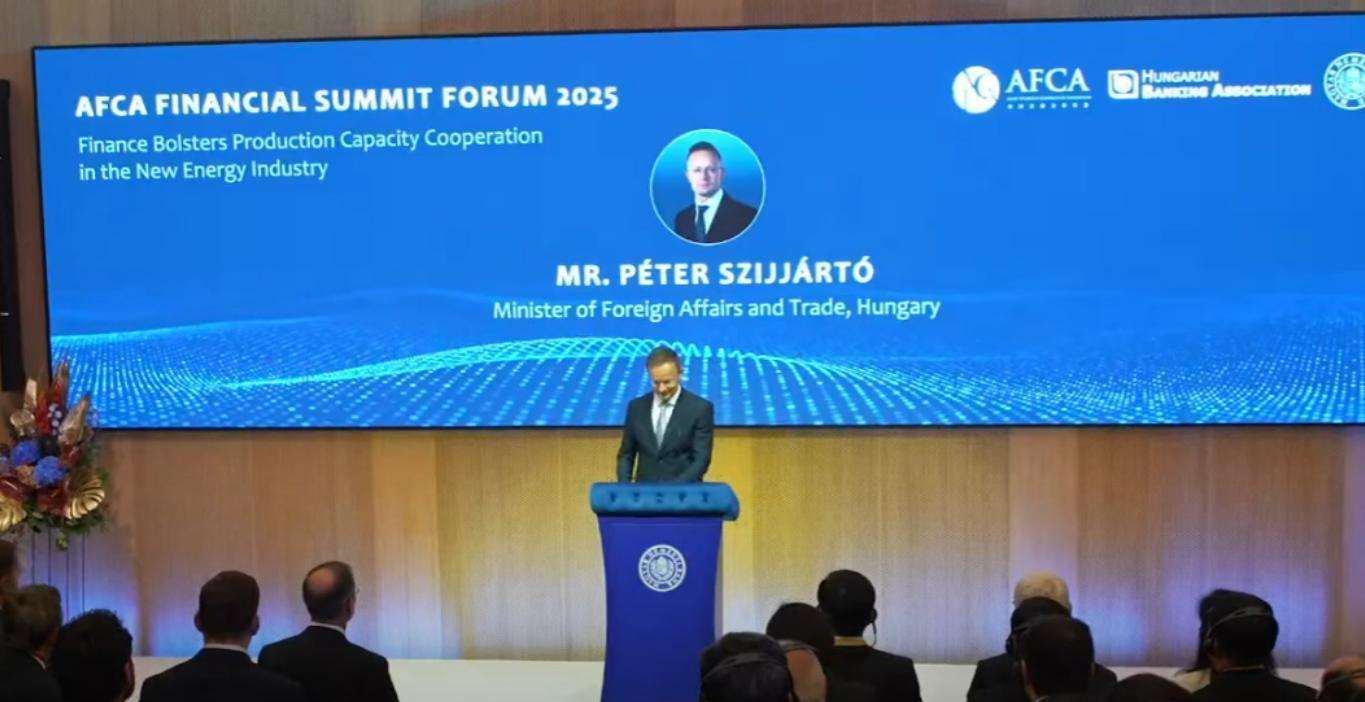
Core Insights - Chinese companies are sending a large number of workers to Europe for high-end battery factory construction, with CATL planning to send 2,000 workers, highlighting Europe's shortcomings in this sector [2] - The automotive industry is a pillar of the EU economy, with four of the world's ten most profitable car companies based in Europe, yet traditional automakers face immense pressure in the transition to electric vehicles due to late entry and insufficient investment [3] - There is a significant reliance on China for core electric vehicle technologies, which could be dangerous if Europe continues to resist cooperation with Chinese firms and follows a confrontational strategy against China [3] - The EU has made several strategic missteps in recent years, including over-reliance on the US regarding the Ukraine issue and a lack of clear judgment in its China policy, which has hindered cooperation and worsened economic prospects [3][5] - Internal reflection within the EU is occurring, with leaders like Hungary's Prime Minister criticizing past policies and advocating for stronger cooperation with China as a necessary choice for the EU's future [5] - The EU is now striving to strengthen ties with Chinese companies to attract investment and technology, aiming to address industrial development gaps and regain direction in the competition for energy transition [6]
“我是股东”东方证券走进招商轮船:解码150多年历史的航运龙头高质量发展路径
Quan Jing Wang· 2025-09-30 07:35
Core Viewpoint - The event "I am a Shareholder" organized by the Shanghai Stock Exchange and other institutions aims to enhance communication between listed companies and investors, promoting rational, value, and long-term investment in the market [1] Group 1: Company Overview - China Merchants Energy Transportation Company (招商轮船, 601872) was established in 1872, making it the first national industrial enterprise in modern China, with a mission to revitalize national shipping rights [2][3] - The company was listed on the A-share market in 2006, symbolizing a new starting point for its century-old shipping legacy [2] Group 2: Recent Performance - For the first half of 2025, the company achieved a revenue of 12.585 billion yuan and a net profit of 2.125 billion yuan, reflecting a commitment to high-quality growth [5] - The company plans to distribute a cash dividend of 0.70 yuan per 10 shares, amounting to approximately 565 million yuan, which represents 41.22% of the net profit attributable to shareholders [5] Group 3: Fleet and Operations - By the end of 2024, the company will operate and manage 349 vessels with a total deadweight of 49.49 million tons, ranking second among non-financial shipowners globally [6] - The company has the largest fleet of Very Large Crude Carriers (VLCC) and Very Large Ore Carriers (VLOC) in the world, with its dry bulk and LNG fleets also ranking among the top globally [6] Group 4: ESG and Future Strategy - The company emphasizes its commitment to ESG (Environmental, Social, and Governance) initiatives, aiming to become a growth-oriented shipping platform while adopting advanced energy-saving technologies and exploring alternative materials for energy transition [7] - The management highlighted the importance of AI technology and large models in enhancing operational efficiency and smart capabilities in shipping [7]



走进中国长安汽车 解锁“新央企·新长安”高质量发展密码
Yang Shi Wang· 2025-09-30 07:31
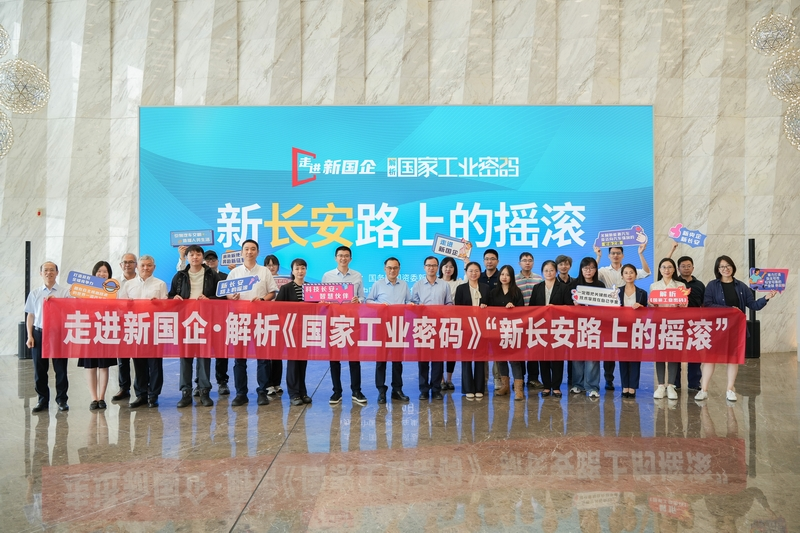
Core Insights - China Changan Automobile Group Co., Ltd. has officially established itself as a central enterprise directly managed by the State-owned Assets Supervision and Administration Commission (SASAC), marking the first level-one central enterprise headquartered in Chongqing [1] - The company showcased its transformation journey during the "New Changan Road Rock" brand event, emphasizing its commitment to technological innovation and high-quality development [2][5] - The leadership highlighted three key challenges faced by Changan: transitioning to new energy, competing against rapidly growing private enterprises, and maintaining a long-term development philosophy [2][3] Company Overview - Changan's development philosophy is encapsulated in a 16-character spirit that emphasizes innovation, openness, scientific rationality, and resilience [3] - The company aims to provide differentiated value to consumers, focusing on emotional, functional, and cost differences [3] Technological Advancements - Changan's collision safety laboratory is the first in China to integrate active and passive safety testing capabilities, achieving over 20 C-NCAP five-star models and 10 C-IASI GOOD models [5] - The smart factory, developed in collaboration with Huawei and China Unicom, represents a leading level of flexible manufacturing and has received multiple awards for its energy efficiency and innovation [5] Research and Development - The Tian Shu Intelligent Testing Center, set to be fully operational by October 2024, will focus on intelligent network testing and has received high recognition from government and industry bodies [6] - Changan's global R&D center has ranked first in the national enterprise technology center evaluation for 14 consecutive years, indicating its strong R&D capabilities [6] Testing Facilities - The Western Automobile Testing Ground in Chongqing spans 3,500 acres, equivalent to 5,555 standard basketball courts, and features 14 specialized test roads and over 70 types of unique surfaces [7] - The testing ground conducts over 20 million kilometers of testing annually, showcasing Changan's commitment to product quality and reliability [7]

奇瑞汽车(09973):系列深度报告:自主车企领头羊之一新能源转型+高端化+出海带动新增长
NORTHEAST SECURITIES· 2025-09-30 03:17
Investment Rating - The report initiates coverage with a "Buy" rating for Chery Automobile [6][3]. Core Insights - Chery Automobile is positioned as a leading player among domestic car manufacturers, focusing on the transition to new energy vehicles, high-end market penetration, and international expansion to drive new growth [1][18]. - The company has established a clear brand matrix consisting of five brands: Chery, Jetour, Exeed, iCAR, and Zhijie, which cater to various market segments from mainstream to high-end and from fuel to new energy vehicles [1][18][21]. - Chery's sales are projected to grow significantly, with a compound annual growth rate (CAGR) of 36.7% for its main brand from 2022 to 2024, and a notable increase in export sales [2][3]. Financial Summary - Revenue forecasts for Chery Automobile are as follows: 2025 at 315 billion CNY, 2026 at 394.3 billion CNY, and 2027 at 485.6 billion CNY, with corresponding net profits of 16.22 billion CNY, 21.36 billion CNY, and 27.19 billion CNY [3][4]. - The company is expected to maintain a strong net profit margin, with a projected price-to-earnings (PE) ratio of 10.40 for 2025, decreasing to 6.20 by 2027 [3][4]. Sales and Market Position - In the 5-20W price segment, Chery ranks second in wholesale sales, with a significant increase in sales from 1.75 million units in 2023 to 2.375 million units in 2024, driven by its strong performance in the new energy vehicle sector [2][3]. - The overall penetration rate of new energy vehicles in the market is 44.9%, with Chery's brands showing robust growth across all segments [2][3]. Brand Performance - The main brand Chery is expected to achieve sales of 1.643 million units in 2024, while Jetour, Exeed, iCAR, and Zhijie are also projected to see substantial sales increases, reflecting the effectiveness of the company's diversified brand strategy [2][21]. - The Jetour brand is particularly noteworthy, with a projected CAGR of 77.7% from 2022 to 2024, indicating strong market demand for its offerings [2][3]. Technological Advancements - Chery has made significant investments in technology, focusing on five key areas: Mars architecture, Kunpeng power, Lion smart cockpit, Falcon intelligent driving, and Galaxy ecosystem, which are expected to enhance its competitive edge in the automotive industry [1][64].
市值登顶又回落,宁德时代能否冲击2万亿?
3 6 Ke· 2025-09-30 00:47
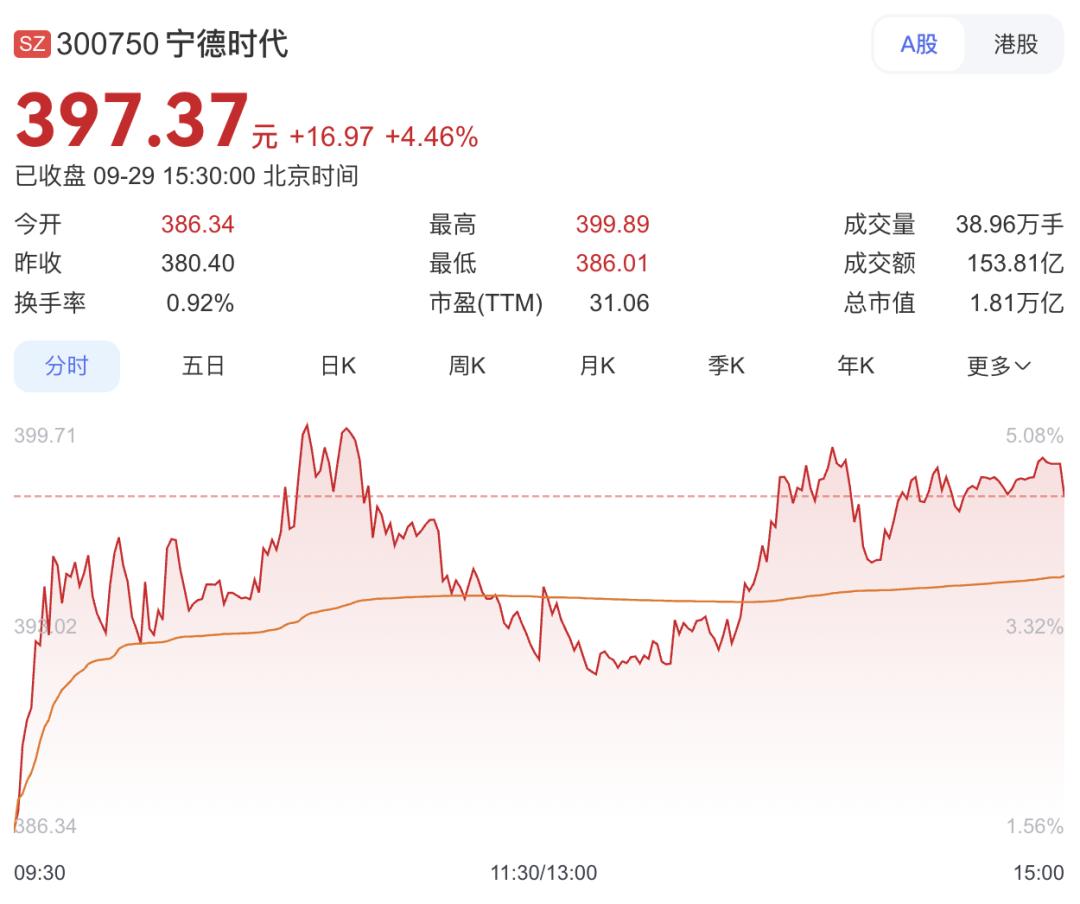
Core Insights - CATL's stock price reached a historical peak with a market capitalization of 1.92 trillion yuan, but subsequently experienced a decline, raising concerns about its ability to maintain this valuation [1][3][4] Group 1: Stock Performance and Market Capitalization - On September 25, 2025, CATL's stock price hit 399 yuan per share, with a total market capitalization of 1.92 trillion yuan, marking a 30% increase [1] - Following a 3.17% drop the next day, the stock price fell to 380.4 yuan per share, bringing the market cap down to 1.74 trillion yuan, below Kweichow Moutai [1][4] - By September 29, 2025, CATL's stock price rebounded to 397.37 yuan per share [1] Group 2: Business Performance and Financials - CATL maintained its leading position in the global power battery market, with a market share of 37.9% as of 2025, although it slightly decreased from 38.1% at the beginning of the year [9] - In Q3 2024, CATL reported a net profit of 13.136 billion yuan, a year-on-year increase of 25.97%, driven by new products and technology premiums despite revenue pressures from declining battery sales [4][12] - For the first half of 2025, CATL's total revenue was 178.886 billion yuan, a 7.27% year-on-year increase, with a net profit of 30.485 billion yuan, reflecting a 33.33% growth [12][15] Group 3: Industry Trends and Competitive Landscape - The Chinese government issued guidelines to prevent excessive competition in the lithium battery industry, promoting a shift from price wars to value-based competition [5] - CATL faces increasing competition from domestic players like BYD and other second-tier companies, leading to a decline in its domestic market share, which fell to 41.7% by Q3 2025 [9][10] - The global battery market is evolving towards a more competitive landscape, with CATL needing to maintain its market share to sustain its high valuation [8][9] Group 4: Technological Advancements and R&D - CATL's ongoing investment in R&D, with expenditures reaching 10.095 billion yuan in the first half of 2025, is crucial for maintaining its competitive edge [15] - The company is focusing on new technologies such as sodium-ion batteries and solid-state batteries, which are essential for future growth and market share retention [15][16] - The introduction of new products like the "Shenxing Pro" lithium iron phosphate battery is aimed at expanding CATL's presence in the European market [7]
东方日升成功入选中国电建3GW组件集采 光伏组件年产能达到40GW
Quan Jing Wang· 2025-09-29 06:21
Core Viewpoint - The recent procurement results from China Electric Power Construction Group highlight the selection of Dongfang Risen Energy Co., Ltd. for a significant 3000MWp N-type photovoltaic module project, showcasing the company's technological strength and product quality [1] Group 1: Company Achievements - Dongfang Risen has been recognized in the 2025 Global Top 500 New Energy Enterprises list, reflecting its long-term commitment to technology research, product innovation, and market expansion [2] - The company has achieved a major breakthrough with its Vuxi Pro module, reaching an average mass production power of 740Wp and a certified battery conversion efficiency of 26.61%, setting a new industry efficiency record [2] Group 2: Product and Market Expansion - In 2025, Dongfang Risen is expanding its product ecosystem by entering the inverter market and launching integrated energy storage solutions for various scenarios, which have received industry recognition [3] - The company has actively engaged in global market expansion, with projects in Europe, America, and Asia-Pacific, demonstrating the efficiency of its products through successful installations and partnerships [4]

