体验式消费

Search documents
申城岁末消费“卷”出新花样:火锅“逛”着吃,商场“玩”着买,冰场“造”进CBD
Sou Hu Cai Jing· 2025-12-28 09:08
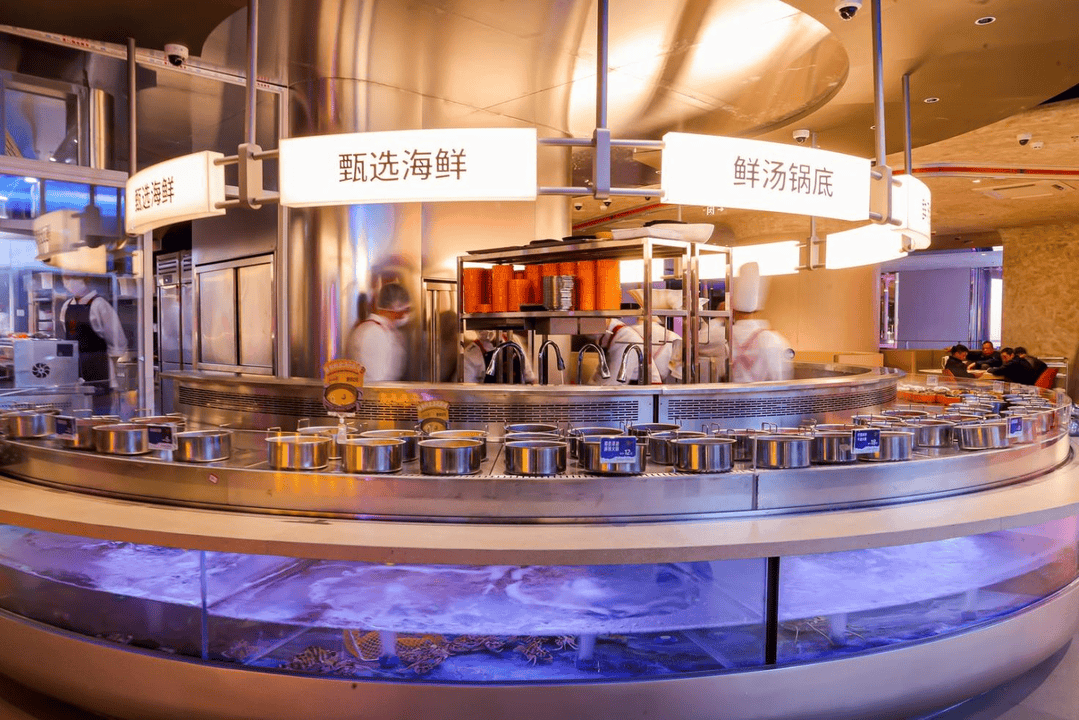
Group 1: Core Insights - Shanghai's commercial landmarks are enhancing consumer experiences with innovative and engaging consumption scenarios as 2026 approaches [1] - Haidilao opened its first "Dapaidang Hotpot" store in Huangpu District, offering a unique dining experience where customers can select fresh ingredients like in a market [2][3] - The new Haidilao store features a seafood pool, various food zones, and a pricing model based on the quantity of food selected, emphasizing freshness and visibility in food preparation [5][7] Group 2: Event Highlights - The opening of the "Super Anta" flagship store at Shanghai Universal Port was celebrated with the presence of three Olympic gymnastics champions, attracting significant public attention [8][9] - The event showcased a "micro-exhibition" model, integrating product launches, fashion shows, and interactive games to create an immersive brand experience [11] - L+Mall in Lujiazui launched a "Snow Country Carnival" and "Riding Carnival" to celebrate its seventh anniversary, transforming the mall into a whimsical winter wonderland [12][13] Group 3: Consumer Engagement and Trends - The L+Mall features a 1,000 square meter snow scene and a 500 square meter ice rink, becoming a popular destination for winter activities [14] - The mall's sales increased by 16% year-on-year in 2025, with a 24% rise in foot traffic, indicating a successful strategy in attracting consumers [15]



70万杯免费咖啡!Suning Max店“体验式消费”火了
Sou Hu Cai Jing· 2025-12-24 14:14
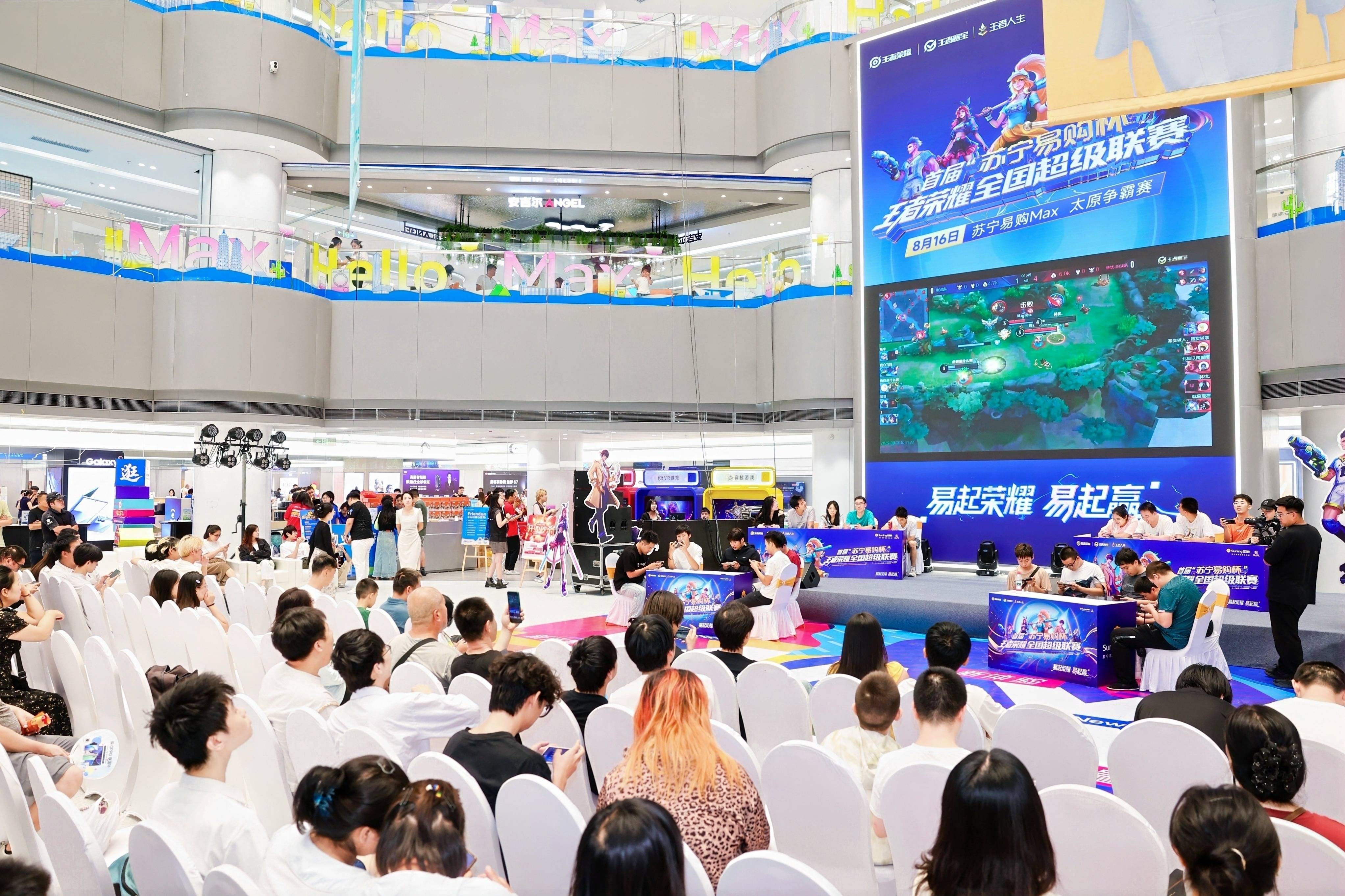
Core Insights - The retail industry is shifting from a "price-driven" model to an "experience-driven" model, as highlighted by the Deputy Minister of Commerce, Sheng Qiuping, at the recent National Retail Innovation Development Conference [1] - Suning.com is accelerating retail innovation by upgrading store scenarios and creating experience-oriented consumption spaces, exemplified by the Suning Max stores [1] Group 1: Store Innovations - As of December this year, Suning.com has established over 150 Suning Max and Suning Pro stores nationwide, with nearly 20 Suning Max stores located in major cities such as Nanjing, Beijing, and Shanghai [1] - The Suning Max stores replicate home living scenarios, integrating home appliances and home decoration with actual usage environments, enhancing consumer trust and purchase intent through immersive experiences [1] Group 2: Sales Performance - The Suning Max store in Beijing saw 35.3% of orders exceeding 50,000 yuan within two days of opening, while the Nanchang store experienced a 20% increase in average sales per customer compared to local stores [2] - The introduction of the "Private Home" renovation area in stores has led to a 22% year-on-year increase in orders for renovation services [2] Group 3: Engagement and Events - Suning.com plans to host over 1,000 product launch events and introduce more than 1,000 new home appliances and 3C products by 2025, enhancing consumer engagement [2] - The company has organized over 500 esports events targeting young consumers, attracting over 100,000 participants and resulting in a 27% year-on-year increase in sales of 3C digital products [2] Group 4: Diverse Experiences - Suning Max stores are enhancing their offerings by hosting over 1,000 culinary competitions and food tasting events, leading to a 50% increase in sales of integrated cooking machines [5] - The stores have also organized 500 large-screen viewing events, resulting in a 153% year-on-year increase in sales of large-screen televisions [5] Group 5: Community and Social Engagement - The establishment of the "Suning Friend" area in stores aims to create an open space with experiential and social attributes, enhancing community engagement [6] - The Friend area has distributed nearly 700,000 free cups of coffee and provided free laundry services for over 500,000 items, contributing to a 110% year-on-year increase in coffee machine sales and a 53% increase in laundry set sales [6] Group 6: Industry Perspective - The experience economy is driving the evolution of offline retail spaces towards a composite form characterized by content, emotion, and co-creation [9] - Suning.com’s exploration of store formats like Suning Max integrates product sales, experiential scenarios, and user services, providing a practical reference for retail transformation [9]

资本巨头大手笔押注中国消费
Zhong Guo Zheng Quan Bao· 2025-12-21 20:13
Group 1 - In 2025, China's consumer market is experiencing a surge in investment led by capital giants, indicating strong confidence in the market [1] - A series of significant transactions are emerging, showcasing deep integration of "capital + industry," with global consumer brands seeking strategic partnerships with local Chinese capital [1][3] - The logic of consumer mergers and acquisitions is undergoing profound changes, leading to more "controlling-led" investment transactions [1][3] Group 2 - Recently, major international consumer brands have been divesting their Chinese operations, with firms like Starbucks and Burger King engaging in strategic partnerships with local capital [2] - Starbucks has entered a partnership with Boyu Capital, granting the latter 60% control of its Chinese joint venture, while retaining 40% and continuing to receive brand licensing fees [2] - The partnership aims to leverage local resources for accelerated market penetration, reflecting a trend where foreign brands reassess their strategies in China [2] Group 3 - The entry of capital is accelerating the consolidation and reshaping of China's consumer industry, with a shift from opportunity-driven to strategically-driven mergers and acquisitions [3] - The focus of mergers is increasingly on industry consolidation, enhancing market concentration, and nurturing leading enterprises [3] - Consumer preferences are shifting towards quality and experience, with a notable increase in the "leisurely" consumer segment from 24% to 31% year-on-year [3][4] Group 4 - The consumer mindset is evolving from a pursuit of "more and better" to "less and finer," indicating a transition from ownership to experience-based consumption [4] - There is a growing trend of consumers investing in self-improvement, with a focus on personal relevance becoming a core driver of market behavior [4] - The rising purchasing power in lower-tier markets is prompting major brands to focus on product quality and cost-effectiveness, indicating a clear trend towards growth opportunities in these markets [4]

2025年第49周:服装行业周度市场观察
艾瑞咨询· 2025-12-15 00:06
Group 1: Luxury Goods Market - The Italian luxury goods association reports that the "crisis peak" in the Chinese market has passed, with a projected global luxury market growth of 5% by 2026, driven by recovering consumer confidence in China [3][4] - The report highlights significant market differentiation, with China expected to grow by 4%, while North America and the Middle East are projected to grow by 4.5% and 6%, respectively [3][4] - Key challenges for the industry include price dynamics, geopolitical factors, and sustainability [4] Group 2: Children's Clothing Market - The children's clothing market is experiencing accelerated concentration, with the top 10 brands expected to reach a CR10 of 31% by 2025, driven by leading brands like Balabala and Jinfa Labi [6][8] - Despite declining birth rates, the market is shifting towards a "consumption dividend," with Gen Z parents prioritizing brand, technology, and sustainability [5][8] - The market is projected to reach 473.8 billion yuan by 2025, attracting various players due to high profit margins [5] Group 3: Underwear Industry - The domestic underwear industry is showing signs of "weak recovery and strong differentiation," with major brands reporting varied revenue performance in Q3 2025 [7] - Aimer's revenue increased slightly by 0.16%, but it faced net losses due to weak mid-to-high-end demand [7] - Brands like Langsha and Huijie are experiencing growth through differentiated strategies, while others like Yimin Group's Gujin brand are struggling with revenue declines [7] Group 4: Eyewear Industry - The global eyewear market is expected to exceed $330 billion by 2030, with a CAGR of 8.6%, driven by increased screen time and aging populations [6] - The Asia-Pacific region is projected to become the fastest-growing market due to population growth and urbanization [6] Group 5: Fashion and Apparel Trends - Decathlon is attempting to reshape its brand image by collaborating with the French space agency to launch a space suit, aiming to shift consumer perception from "affordable" to "high-end" [9][10] - The rise of self-media IPs has enabled brands like Yingshijifeng to achieve significant sales in the apparel e-commerce sector, although reliance on IP poses risks [11] - ANTA's recent financial performance indicates a strong focus on high-end sports apparel, with a notable increase in revenue and profit margins [12][20] Group 6: Market Dynamics and Challenges - The luxury goods market in China is expected to contract by 3%-5% this year, with a shift towards experiential consumption and a focus on health and interpersonal connections [6] - Traditional brands like Diana have struggled to adapt to changing consumer preferences, leading to their exit from the Chinese market [17] - The competitive landscape is intensifying, with brands needing to innovate and enhance operational efficiency to thrive [19][20]


双双入选!天津乐堤港、天津生态城未来广场获评2025年度“商业风云项目”
Xin Lang Cai Jing· 2025-12-08 03:03
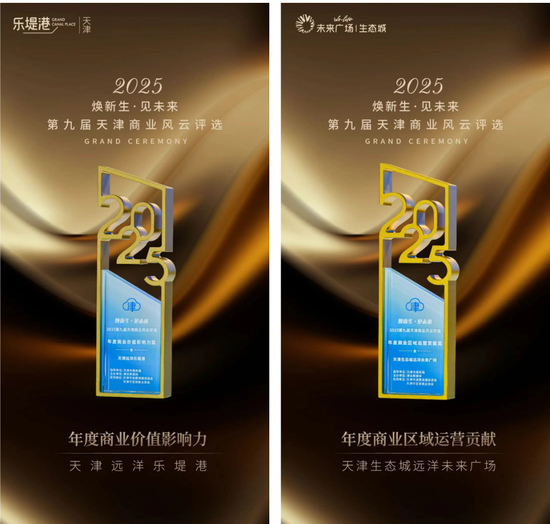
Core Viewpoint - The "Tianjin Commercial Wind and Cloud Selection" awards ceremony recognized Tianjin's Ocean Group's commercial projects, Tianjin Ocean Letipark and Tianjin Eco-City Ocean Future Plaza, as "Commercial Wind and Cloud Projects" for 2025 [1][5]. Group 1: Project Upgrades and Trends - Both Tianjin Letipark and Tianjin Eco-City Future Plaza have undergone brand upgrades this year, aligning with current commercial trends focused on "first-store economy, experiential consumption, and scene innovation," thereby enhancing regional consumer vitality [3][7]. - Tianjin Letipark, located in the core business district of Tianjin Jinyin Avenue, leverages the "first-store economy" to introduce multiple regional and city-level first-time brands, covering areas such as fashion, creative dining, and cutting-edge technology experiences [3][7]. - The project features the region's first 20-meter VLED giant screen cinema (SFC Shangying Cinema), setting a new benchmark for high-end audiovisual experiences, and has introduced various first stores, including a large family sports park and a pet-friendly brand [3][7]. Group 2: Consumer Experience and Engagement - During the National Day holiday, Letipark showcased the first exhibition of the national IP "Wang Wang Mountain Little Monster" in Tianjin, creating emotional scenes to attract foot traffic and reinforcing the project's unique commercial appeal of "first-store + first-exhibition" [3][7]. - The upcoming launch of a new trend sports-themed street on the first floor aims to provide consumers with emotional value, enhancing the warmth of the commercial space [3][7]. Group 3: Future Plaza Features and Strategy - Tianjin Eco-City Future Plaza, positioned as a "one-stop lifestyle energy station," focuses on creating a consumer hub for families and young customers within a 10-kilometer radius [4][8]. - The project spans approximately 100,000 square meters and includes a 6,000-square-meter boutique supermarket, a nearly 4,000-square-meter giant cinema, a 1,500-square-meter indoor children's amusement center, and several trendy restaurants, significantly increasing the proportion of experiential formats [4][8]. - By breaking the "heavy retail, light experience" model, the plaza encourages consumers to transition from "shopping" to "enjoying life," thereby enhancing shopping center operational capabilities and brand value [4][8].
地摊上百的古戒网店9.9包邮!手作孤品全是话术,溢价骗哭年轻人
Sou Hu Cai Jing· 2025-12-04 21:08
Core Viewpoint - The rise of creative markets has become a premium stage for Yiwu goods, driven by young consumers seeking unique experiences and emotional value in their purchases [1][2]. Group 1: Market Trends - Creative and retro markets are emerging as new landmarks for nighttime consumption, with over half of the 345 national-level nighttime cultural and tourism consumption clusters featuring market formats [1]. - Young consumers are not merely shopping but are pursuing a composite experience of emotional value, social currency, and self-expression, reflecting an upgrade from experiential consumption to meaningful consumption [2]. - The popularity of markets is attributed to young people's pursuit of "shared aesthetics," which provides a public space for emotional connections and alleviates the pressures of urban life [5]. Group 2: Consumer Behavior - A significant portion of young participants in offline markets, particularly those born after 1995 and 2000, accounts for over 70% of attendees, indicating a strong youth engagement in this trend [5]. - The immersive atmosphere of markets compensates for the shortcomings of e-commerce, such as waiting for deliveries, and serves as a new engine for driving offline consumption [7]. Group 3: Issues and Challenges - The market is facing challenges with rampant false advertising, where products labeled as "original," "handmade," or "vintage" are often just wholesale items marked up significantly [9]. - Consumers have reported instances of purchasing items at inflated prices, only to find them available at much lower prices on wholesale platforms, raising concerns about deceptive practices [11]. - The market's growth is squeezing out genuine creators, as many artisans struggle to meet demand while mass-produced goods easily fill market slots, leading to a "bad money drives out good" scenario [13]. Group 4: Regulatory and Industry Response - To combat the issue of false advertising, regulatory bodies are beginning to take action, with the State Administration for Market Regulation planning to introduce guidelines that prohibit false advertising and enforce platform responsibilities [15]. - Some regions have established standards for "original handmade" products, requiring complete craftsmanship processes and unique styles, which will help consumers make informed choices [17]. - The industry is encouraged to implement better screening and certification mechanisms, with successful examples from markets that require proof of design and production processes from vendors [17]. Group 5: Consumer Awareness - Consumers are advised to be vigilant against inflated prices and to verify claims of originality by asking for production evidence and using price comparison tools [19]. - It is recommended that consumers prioritize reputable markets and avoid impulsive purchases driven by the atmosphere [19].
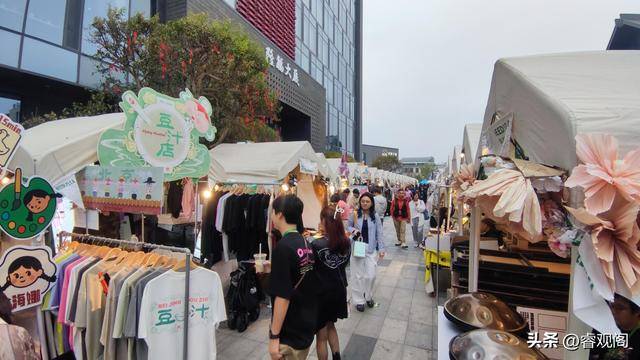
安徽广德正在努力接住泼天流量
第一财经· 2025-12-03 14:04
Core Insights - The article highlights the rising popularity of the "Guangde Three-Piece Set" consisting of Guangde stewed pot, Kawan Kawa milk tea, and Zhanji peach crisp, which has gained significant attention on social media with over 1.15 billion views [3][4] - Guangde has become a popular short-trip destination in the Yangtze River Delta, attracting tourists from various regions due to its geographical advantages and improved transportation infrastructure [4][5] Summary by Sections Popularity and Impact - The "Guangde Three-Piece Set" has led to a surge in local tourism, with long queues at restaurants and rapid sales growth, such as a 150% increase in sales for Zhanji peach crisp [3][4] - Guangde's location at the intersection of Jiangsu, Zhejiang, and Anhui provinces makes it a key node in the Yangtze River Delta, enhancing its appeal as a travel destination [4][5] Transportation and Accessibility - The completion of the commercial railway and the G50 highway has significantly reduced travel time to Guangde, making it accessible within 2 hours from major cities like Shanghai, Hangzhou, and Nanjing [3][4] Economic and Cultural Development - The local government is actively working to capitalize on the increased attention, focusing on sustainable tourism and enhancing the city's image to support economic growth [5][6] - The shift in consumer behavior towards experiential and emotional consumption is noted, with a growing demand for unique local experiences rather than just sightseeing [5][6] Future Prospects - The article emphasizes the importance of maintaining the momentum gained from the "Three-Piece Set" phenomenon to boost local economy, tourism, and cultural development [5][6]

年轻人为何“重回”实体店?
Sou Hu Cai Jing· 2025-12-03 11:26
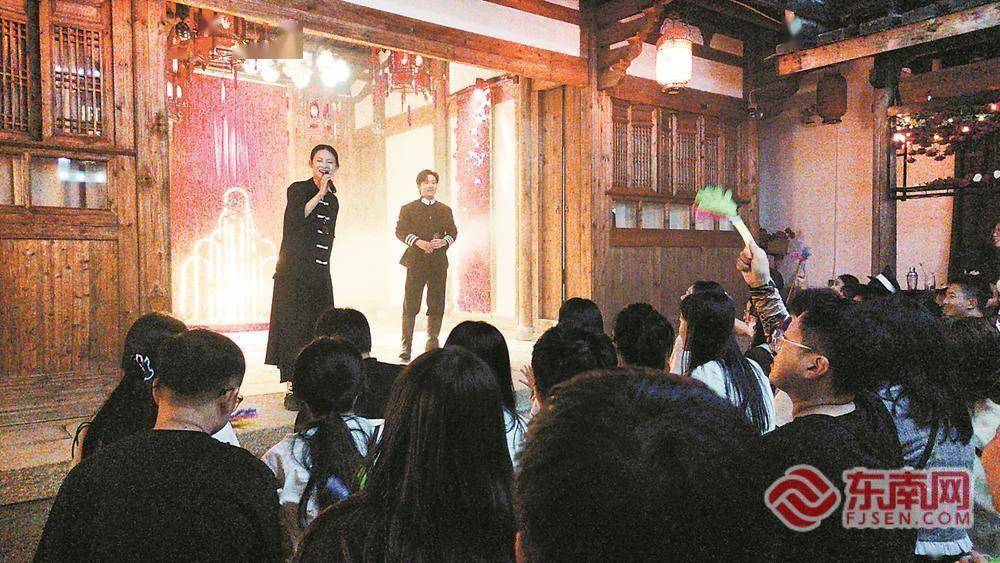
Core Insights - The article discusses the transformation of traditional shopping districts in Fuzhou, attracting the younger generation back to offline shopping through innovative experiences and cultural integration [2][4][8] Group 1: Consumer Trends - The Z generation, known for being "internet natives," is increasingly shifting from online shopping to offline experiences, driven by a desire for social interaction and emotional value [2][3] - A report by Western Securities highlights that Z generation consumers prefer experiential consumption and are willing to pay a premium for unique experiences, such as immersive theme restaurants and virtual reality stores [3][4] Group 2: Innovative Business Models - Traditional shopping districts in Fuzhou are adopting a "culture + IP + scene" model to revitalize their offerings, moving from a focus on retail to enhancing consumer experiences [4][6] - The "Yanshan Old" immersive theater, created from a century-old building, allows participants to engage actively in performances, enhancing the overall experience and encouraging repeat visits [4][5] Group 3: Rise of Pop-up Stores - Pop-up stores are gaining popularity in Fuzhou, characterized by limited-time operations and creative experiences, effectively meeting contemporary consumers' needs for emotional consumption and social engagement [5][6] - Notable examples include a pop-up store inspired by jasmine flowers, achieving daily sales exceeding 30,000 yuan during the National Day holiday in 2025 [5] Group 4: Cultural Integration - The transformation of historical sites like Yantai Mountain into cultural experience spaces is creating a unique blend of old and new, making these areas cultural symbols of the city [6][7] - The revival of traditional crafts, such as the three silver hairpins, is attracting the Z generation, leading to diverse consumption scenarios that include makeup services and cultural products [7]
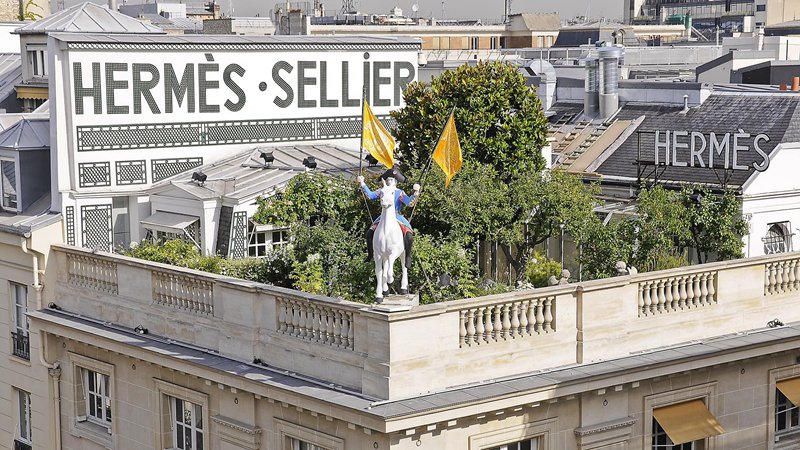
时尚情报丨爱马仕继承人被骗150亿,开云投资黄金品牌
Di Yi Cai Jing· 2025-12-02 08:56
Group 1 - The Chinese luxury goods market is expected to contract by 3% to 5% this year, with a shift towards local entry-level brands and experiential categories [2] - Despite economic and geopolitical uncertainties, the overall luxury goods market remains relatively stable, showing strong resilience [1] - The global personal luxury goods market is projected to reach €358 billion in 2025, down approximately 2% from €369 billion in 2023 [1] Group 2 - The ancient gold brand Baolan has completed over ¥100 million in Series A financing, attracting attention from luxury giants like Kering Group, the parent company of Gucci [7] - Baolan operates three stores in Hangzhou, focusing on flower silk inlay and ancient gold craftsmanship, with high-priced items reaching over ¥120,000 [9] - The "Mineral Wonders" exhibition has opened in Shanghai, showcasing rare mineral specimens and high-end jewelry, enhancing the cultural aspect of luxury goods [12]
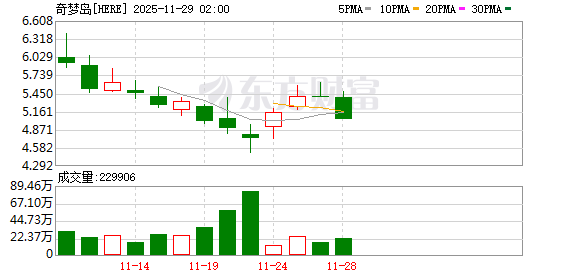
奇梦岛跨年快闪入驻上海 本土潮玩IP探索体验新路径
Xin Hua Cai Jing· 2025-12-01 08:29
Core Insights - The article highlights the launch of a pop-up event by the company Qimengdao Group in Shanghai, showcasing its new WAKUKU brand collaboration and emphasizing the experiential consumption trend in the local toy market [2][3]. Group 1: Event Highlights - The pop-up event at Shanghai K11 features the debut of the WAKUKU Frida limited edition tags, attracting numerous fans of trendy toys [2]. - The event includes immersive experiences with vibrant displays, particularly the large WAKUKU mascot, and showcases other IPs like Youli and SIINONO [2]. - Consumers express enthusiasm for the limited-time nature of the event, highlighting the unique in-person experience compared to online shopping [2]. Group 2: Business Performance - In the fourth quarter of fiscal year 2025, the WAKUKU IP generated revenue of 42.96 million yuan, indicating strong market performance since its breakout in late 2024 [3]. - The plush toy "Fox Rabbit Mischief Diary" has sold over 1 million units since its launch in May, while the new IP SIINONO surpassed 300,000 units in sales shortly after its July debut [3]. - The original IP Youli also showed steady growth, contributing 17.51 million yuan in revenue during the same quarter [3]. Group 3: Strategic Initiatives - Qimengdao is expanding its pop-up store strategy, with plans for a "dual-city" event in Beijing and Shanghai during the 2026 New Year, featuring exclusive city-themed activities [2]. - The company has established a presence in Southeast Asia and North America, leveraging pop-up events and local partnerships to gain recognition among overseas consumers [2][3]. - The combination of capital investment, IP incubation, and multi-channel operations is becoming a mainstream development path for local toy brands [3].