
全栈自研

Search documents
极氪2025:中国豪华新能源的"质变元年"
Ge Long Hui· 2026-01-14 07:16
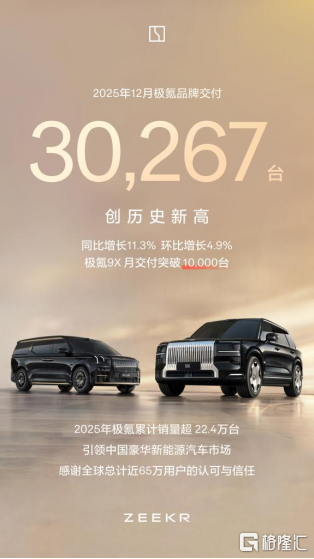
Core Insights - In 2025, the Chinese electric vehicle market is entering a deep integration phase amid fierce competition, with Zeekr achieving significant milestones in delivery volume, user reputation, high-end product leadership, and globalization [1] Sales Performance and Market Position - In December 2025, Zeekr delivered 30,267 vehicles, marking its first monthly sales exceeding 30,000 units, a historical high with a year-on-year growth of 11.3% and a month-on-month increase of 4.9% [2] - For the entire year, Zeekr's cumulative deliveries reached 224,133 units, leading the high-end luxury electric vehicle market in China, with an average price exceeding 300,000 yuan and a maximum price nearing 900,000 yuan [2] - Zeekr's growth amidst a slowing overall market is attributed to its unwavering focus on the luxury segment, leveraging core technology and service experience to build consumer trust [2] Product Matrix and Technological Edge - The highlight of Zeekr's product strategy in 2025 is the "9 Series Luxury Dual Flagships"—Zeekr 9X and Zeekr 009, which not only achieved sales leadership but also disrupted the long-standing dominance of foreign brands in the high-end market above 500,000 yuan [4] - The Zeekr 9X has become a benchmark for large SUVs, achieving a high average price of 538,000 yuan and attracting approximately 80% of its new buyers from traditional luxury brands [5] - The Zeekr 009 has maintained its position as the annual sales champion in the MPV market above 400,000 yuan for two consecutive years, demonstrating its global appeal [6] User Relationship and Brand Health - Zeekr's Net Promoter Score (NPS) has significantly improved, ranking it among the "strong confidence" brands in the latest evaluation, indicating a healthy brand reputation and user trust [9] - The brand has transformed its relationship with users by proactively communicating product updates and enhancing service standards, leading to a positive feedback loop in brand perception [10][11] Globalization and Brand Elevation - In January 2026, Zeekr showcased its 9 Series dual flagships at CES, marking a new phase in its globalization strategy focused on technology and brand image [14] - Zeekr has expanded its operations to over 50 countries and regions, becoming the only Chinese luxury brand to achieve deliveries across all five continents [16] - The brand's success in international markets has bolstered domestic consumer confidence, positioning Zeekr as a symbol of "Chinese intelligence" and innovation in the global luxury automotive landscape [17] Conclusion - The year 2025 represents a transformative period for Zeekr, achieving both quantitative and qualitative breakthroughs, with a solid foundation in the domestic market and a growing global presence [19]

市值突破200亿!开年首个医疗机器人IPO敲钟了
机器人大讲堂· 2026-01-09 15:15
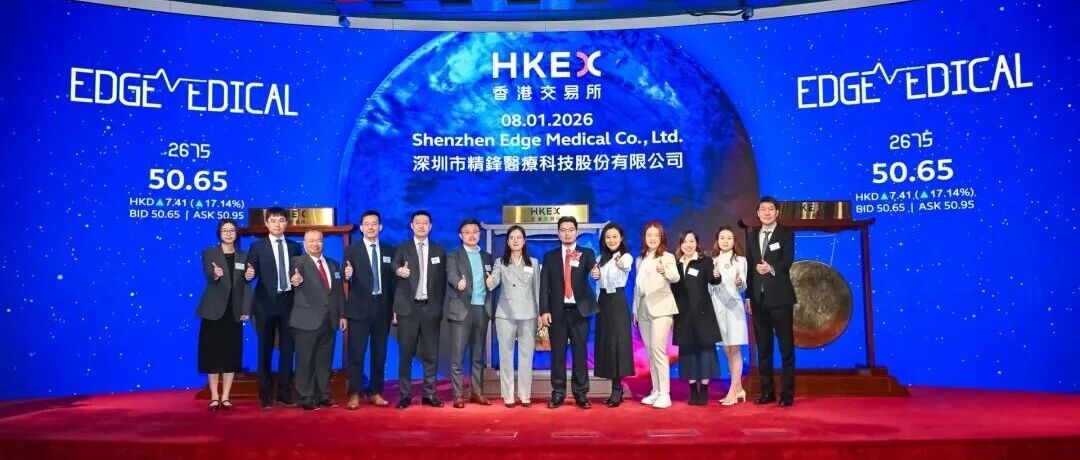
Core Viewpoint - Shenzhen Precision Medical Technology Co., Ltd. officially listed on the Hong Kong Stock Exchange on January 8, 2026, with an IPO price of HKD 43.24 per share, opening with a 36.45% increase to HKD 59, achieving a market capitalization exceeding HKD 20 billion [1]. Group 1: Company Overview - Founded in 2017 by two returnee PhDs, Wang Jianchen and Gao Yuanqian, Precision Medical focuses on surgical robotics and has entered the competitive global high-end medical technology market [3][4]. - The company received significant backing from 13 top cornerstone investors, including the Abu Dhabi Investment Authority (ADIA), UBS, Tencent, and OrbiMed, with a total subscription of USD 75 million, highlighting strong market confidence [3]. Group 2: Technological Development - Precision Medical has developed a comprehensive product matrix covering multi-port, single-port, and natural orifice surgical robots, establishing a unique technological moat [6][13]. - The MP1000 multi-port surgical robot has completed over 10,000 clinical surgeries, demonstrating effectiveness and safety comparable to the leading da Vinci system [8]. - The SP1000 single-port surgical robot integrates all surgical instruments into a single arm, focusing on gynecological and urological surgeries, with over 1,000 surgeries completed [10][11]. Group 3: Market Dynamics - The rise of Precision Medical coincides with China's push for self-sufficiency in high-end medical equipment, with domestic market penetration increasing significantly due to rising import costs and supportive government policies [14][16]. - By Q1 2025, the domestic market share of surgical robots reached approximately 45%, with Precision Medical's MP2000 system offering a 30%-40% price advantage over imported alternatives [14]. Group 4: Financial Performance and Future Challenges - In the first half of 2025, Precision Medical reported revenue of CNY 149 million, a nearly fourfold increase year-on-year, with a gross margin of 62.8%, indicating strong initial commercialization momentum [17]. - The company faces challenges in converting early installations into sustainable consumable and service revenue, as well as increasing competition in the market [17][18].
雷军:未来五年 2000亿元研发投入
Shang Hai Zheng Quan Bao· 2026-01-08 05:30
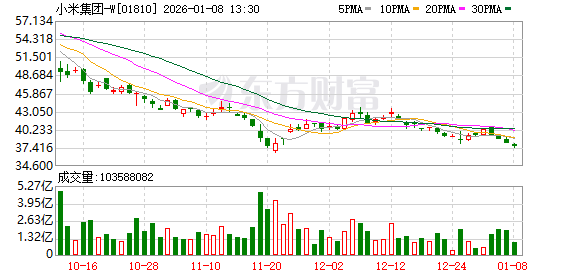
Core Insights - Xiaomi Group held its annual "10 Million Technology Award" ceremony, recognizing outstanding engineers and teams, with a total of 75 million yuan awarded since 2019 [2] - The highest award this year was given to the "Xuanjie O1" team, which has received positive feedback from users and media [2] - The 2025 award received submissions from 154 projects across ten departments, with 66 projects entering the review phase, marking a record high in both quantity and quality [2] Group 1 - In 2026, Xiaomi plans to achieve a milestone by integrating self-developed chips, operating systems, and AI models in a single terminal, while also advancing its robotics business [3] - The company emphasizes that mastering core technologies is essential for its success in smart manufacturing and technological innovation [3] - Award-winning projects include the Xiaomi 17 Pro series, 2200MPa ultra-strong steel, and various innovations in battery technology and AI systems [3] Group 2 - Xiaomi is experiencing a comprehensive breakthrough in core technologies, focusing on advancements in chips, materials, and battery structures [4] - The company values engineer culture as a source of continuous innovation and aims to provide a top-tier platform for talented engineers [4] - As of Q3 2025, Xiaomi has over 24,000 R&D personnel, with a cumulative R&D investment of approximately 105 billion yuan in the first five years of the new decade [5] Group 3 - Xiaomi commits to investing 200 billion yuan in core technology R&D over the next five years, focusing on chips, operating systems, and AI [5] - The company aims to build a robust ecosystem encompassing "people, vehicles, and homes" as part of its strategic vision [5]
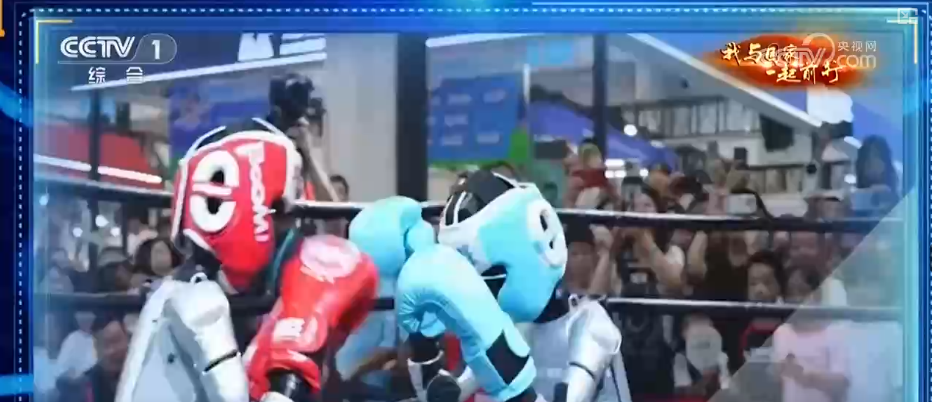
我与国家一起前行丨过去一年 人形机器人掌握了哪些炫酷技能
Yang Shi Xin Wen Ke Hu Duan· 2026-01-07 07:14
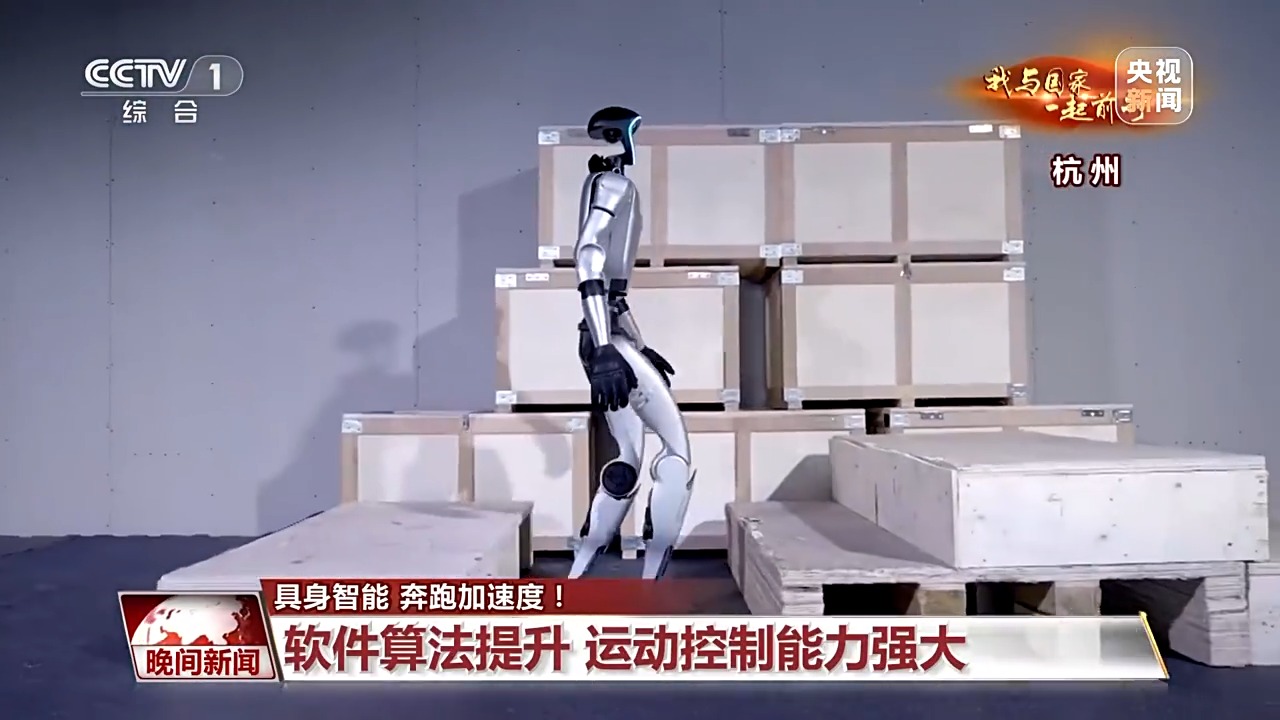
Core Insights - The concept of "embodied intelligence" is included in the 14th Five-Year Plan, indicating a strategic focus on AI that can perceive and act in the world [1] - By 2025, humanoid robots are expected to evolve rapidly, showcasing advanced capabilities in various environments, including performances and industrial applications [3][21] Group 1: Technological Advancements - Humanoid robots are achieving remarkable agility and stability through complex motion control algorithms, akin to human brain functions [6] - The general humanoid robot is equipped with a high-performance solid-state power battery and 29 degrees of freedom, with a peak torque of 450 N·m, surpassing 90% of adult males in physical capabilities [9] - Companies are focusing on full-stack self-research for software algorithms and hardware components to enhance core competitiveness [11][16] Group 2: Industry Applications - Robots are increasingly utilized in industrial settings, performing tasks that are repetitive, labor-intensive, or hazardous, with production efficiency reaching 30% to 40% of human capabilities [25] - The development of autonomous charging capabilities allows robots to maintain continuous operation, enhancing productivity [28] - Real-world scenarios are crucial for the evolution of robots, with ongoing training in various fields such as healthcare, energy exploration, and emergency rescue [44] Group 3: Collaborative Ecosystem - The integration of research and industry is exemplified by the close proximity of companies and research institutions, facilitating rapid innovation and supply chain efficiency [18][45] - The establishment of innovation centers for embodied intelligence across the country supports technology breakthroughs and industry ecosystem development [37] - The focus on creating a robust supply chain allows for quick access to nearly half of the required components within a 10-kilometer radius, enhancing operational efficiency [19]

跑通“产学研用”一体化创新马拉松 场景!具身智能实战中升级本领
Yang Shi Wang· 2026-01-07 05:43
Group 1 - The core concept of embodied intelligence is introduced as a future industry included in the "14th Five-Year Plan," emphasizing its ability to think and act, evolving through learning by 2025 [1] - By 2025, robots are expected to participate in various activities, from performing on stage to competing in marathons, showcasing their integration into daily life and industries across major cities in China [1][4] - The rapid iteration of humanoid robots in 2025 is highlighted, with advancements in their capabilities, such as performing complex movements like flips, indicating significant progress in technology [12][14] Group 2 - Companies like Yushutech are developing robots with enhanced motion control capabilities, utilizing complex algorithms that mimic human brain functions to improve flexibility and stability [16][18] - The introduction of high-performance solid-state batteries and advanced joint designs in humanoid robots allows them to exceed the physical capabilities of 90% of adult males, showcasing advancements in hardware [24][25] - The self-research and development approach adopted by companies is crucial for building core competitiveness, with a focus on improving key components like motors and controllers [26] Group 3 - The practical application of robots in industrial settings is emphasized, with robots achieving 30%-40% of human production efficiency in tasks such as assembly and quality inspection [35] - The development of autonomous battery swapping capabilities in robots allows for continuous operation, addressing concerns about battery life and enhancing productivity [35] - The evolution of robots into autonomous guides capable of interacting with their environment marks a significant advancement in AI algorithms and robotics [40][43] Group 4 - The establishment of innovation centers across China is fostering collaboration between enterprises and research institutions, focusing on core technology breakthroughs and industry ecosystem development [45][57] - The integration of robots into various sectors, including healthcare, energy exploration, and emergency rescue, demonstrates their potential to empower diverse industries and contribute to societal advancements [53] - The overall progress in China's robotics industry reflects a shift from catching up to leading in key areas, supported by a robust innovation ecosystem [56][60]
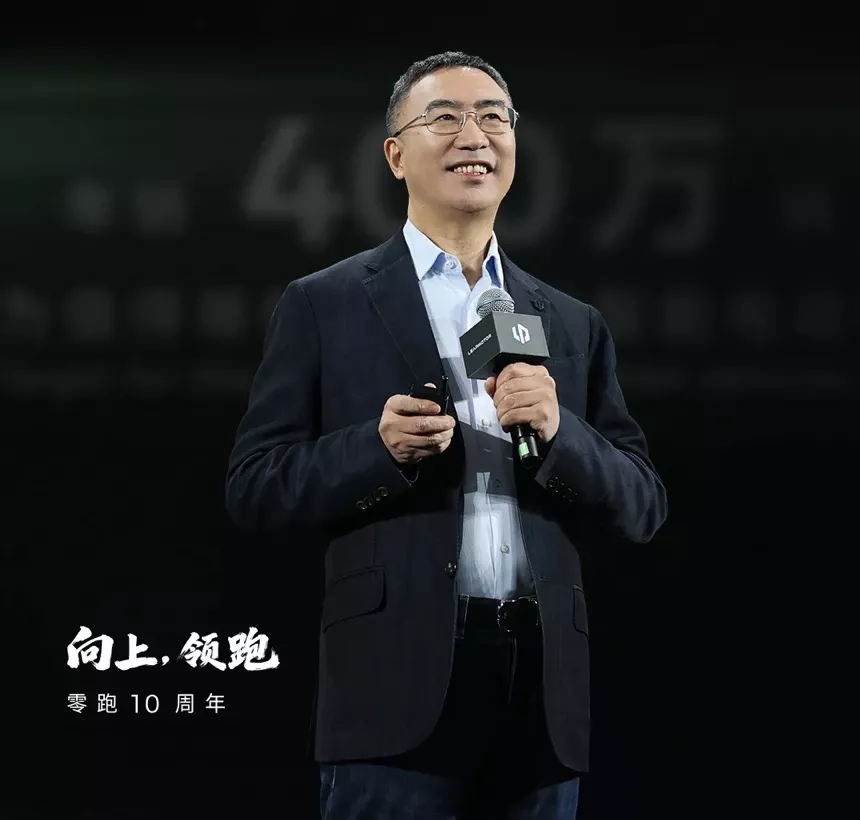
零跑汽车丨下一个十年目标年销400万辆
Cai Jing Wang· 2026-01-04 09:11
Core Viewpoint - The company aims to become a world-class smart electric vehicle manufacturer in the next decade, driven by technological innovation and global expansion [1][9]. Group 1: Company Overview - The founder and CEO, Zhu Jiangming, reflected on the company's ten-year journey in the automotive industry, emphasizing the importance of maintaining control by the founding team despite new investments [2]. - As of now, the company has delivered over 1.2 million vehicles, with an expected annual sales volume of nearly 600,000 units in 2025, positioning it as a leader among new automotive manufacturers [2]. Group 2: Historical Challenges - The company faced significant challenges in its early years, describing the past decade as "nine lives," indicating the difficulties encountered in achieving profitability and market acceptance [3]. - The initial market response to the first model, S01, was lukewarm, leading to financial and market pressures until the successful launch of the T03 model in 2020, which validated the company's strategy of offering high-value products [5]. Group 3: Product Development and Financial Milestones - The launch of the C11 model in September 2021 marked a significant turning point, offering strong product capabilities and achieving a notable market presence [6]. - In 2023, the company achieved a milestone by reaching a positive gross margin of 0.5%, indicating its first profitable year in vehicle manufacturing [6]. Group 4: Future Goals and Strategies - The company has set an ambitious target of achieving annual sales of 4 million vehicles in the next decade, supported by a clear strategy that includes expanding its product line and accelerating global operations [9][12]. - Plans include launching a full range of vehicles from A0 to D class over the next three years and establishing a presence in key international markets through partnerships and local operations [12]. Group 5: Challenges Ahead - The company will face intense competition in the mainstream market segment priced between 150,000 to 250,000 yuan, with new entrants like Huawei and Xiaomi [14]. - Global expansion will require adaptation to local regulations, consumer habits, and infrastructure, alongside the need to build multiple factories to support the production of 4 million vehicles [14].

以开源破局,以赛事聚能,vivo蓝河掀起「Rust风暴」
3 6 Ke· 2025-12-26 13:32
Core Viewpoint - Vivo is establishing a "full-stack self-research + open-source kernel + industry-academia-research competition" strategy to innovate in the operating system sector, particularly focusing on the transition to Rust for enhanced security in the AI era [2][5][19]. Group 1: Technological Innovation - The third Vivo Blue River Operating System Innovation Competition showcased the industry's shift towards Rust language, addressing foundational software security challenges [2][4]. - The winning team, Blue Lotus, achieved a significant breakthrough in the "C2Rust project-level translation tool," successfully translating 11,000 lines of code with a 100% test pass rate and over 97.8% syntax safety [4][12]. - Vivo's strategy aims to bridge the gap between academia and industry, transforming innovative ideas into practical engineering capabilities for the advancement of domestic operating systems [5][19]. Group 2: Industry Context and Challenges - The AI wave has heightened the urgency for operating system security, as traditional C/C++ systems show vulnerabilities in handling complex data [6][8]. - Over 70% of severe security issues stem from memory safety, prompting a shift towards Rust, which offers a systematic solution with strict ownership and lifecycle management [8][9]. - Major tech companies, including Google and Microsoft, are increasingly adopting Rust, indicating a broader industry trend towards safer programming practices [9]. Group 3: Competition and Talent Development - The Vivo Blue River Operating System Innovation Competition has attracted over 150 teams from more than 50 top universities, reflecting its growing influence in the industry [21]. - The competition serves as a platform for addressing real industry challenges, accelerating the verification and accumulation of cutting-edge technologies while cultivating talent skilled in Rust system development [21]. - Vivo's approach of integrating competition with research fosters a continuous innovation loop, reinforcing its leadership in the Rust technology domain [19][21]. Group 4: Open Source and Ecosystem Development - Vivo has initiated the open-sourcing of the Blue River Operating System kernel, named "BlueKernel," which emphasizes security, lightweight design, and compatibility with various chip architectures [17][18]. - The open-source initiative aims to lower the barriers for industry-wide adoption of Rust, providing a sustainable technical foundation for system-level innovation [18]. - By promoting open-source collaboration and hosting competitions, Vivo is positioning itself as a key player in the evolution of domestic foundational software ecosystems [19][21].

港股将迎通用GPU稀缺标的,天数智芯完成聆讯,预计1月上市
Sou Hu Cai Jing· 2025-12-26 13:24
Core Insights - TianShu ZhiXin is the first company in China to achieve mass production of general-purpose GPUs, set to be listed on the Hong Kong Stock Exchange on January 2026, marking a significant milestone in its development and positioning it as a rare GPU entity in the Hong Kong market with "domestic substitution" and "full ecosystem compatibility" capabilities [2][9]. Business Operations and Core Advantages - TianShu ZhiXin provides general-purpose GPU products and full-stack AI computing solutions across various industries, including general-purpose GPU chips, accelerator cards, and customized AI computing solutions that integrate self-developed hardware and proprietary software stacks [4]. - The company has achieved several breakthroughs in the Chinese chip design sector, being the first to mass-produce inference and training general-purpose GPU chips, and the first Chinese general-purpose GPU design company to utilize advanced 7nm process technology for these milestones [4]. - As of June 30, 2025, TianShu ZhiXin has delivered over 52,000 general-purpose GPUs, leading the industry in shipment volume, with a revenue of 189 million yuan, 289 million yuan, and 540 million yuan over the past three years, and a market share of 9.8% in the domestic general-purpose GPU sector, ranking third [4]. Issuance and Fundraising Plans - The company plans to issue no more than 29,246,520 overseas listed ordinary shares and convert 219,670,165 shares held by 68 existing shareholders into overseas listed shares for trading on the Hong Kong Stock Exchange [6]. - The raised funds will primarily be allocated to R&D of products and solutions, including general-purpose GPU chips and accelerator cards, expanding the R&D team for proprietary software stack development, promoting AI computing solutions, sales and marketing over the next five years, and supplementing working capital for general corporate purposes [7]. Listing Progress and Management Team - TianShu ZhiXin is currently in the post-hearing stage and is expected to complete subsequent processes for trading, leveraging its competitive advantage as the first to achieve mass production and full compatibility with mainstream ecosystems [9]. - The management team possesses extensive international operational experience and top-tier technical backgrounds, including the CEO and Chairman, Gai Lujiang, with nearly 20 years in global professional services, and Vice President Sun Yile, who has over 20 years of chip development experience [10][12]. Conclusion - In the increasingly competitive landscape of domestic GPUs, TianShu ZhiXin, while not the most vocal player, has demonstrated its capabilities through the first mass production of both training and inference chips using 7nm technology, proving its ability to convert designs into products and scale shipments [14]. - The upcoming listing positions this technically robust enterprise to translate its full-stack self-research system and ecosystem compatibility into a clear and sustainable commercial path, offering investors a viable option with both technological strength and commercial validation [14].
深圳AI扫描仪卖进美国国会,全球年销过亿 | Insight全球
3 6 Ke· 2025-12-24 02:02
编者按:当出海越来越成为一家中国公司核心战略时,如何征战全球市场就成为一个极其专业的话题。在全球化的演变中,已有不少中国品牌站 立潮头。鉴于此,硬氪特推出「Insight全球」专栏,从品牌成长与变迁,探索中国品牌出海的前沿方向与时代契机,为出海玩家与行业提供思考 与启发。 这是我们专栏第57期——一家来自深圳的AI办公硬件公司成者(CZUR),它凭借一款AI扫描仪切入全球政企市场,在亚马逊连续8年稳居品类 第一,已辐射全球107个国家和地区。然而,其故事的特殊性在于:它并未止步于单一爆款的成功,而是选择投入近2亿元研发,押注于开创"AI 会议产品"。在巨头林立中,走出一条依靠"全栈自研"与"技术创新"的差异化道路。 作者丨欧雪 编辑丨袁斯来 在美国国会、迪拜人力资源部、斯里兰卡土地改革委员会,你如果留意,会发现一张张扫描资料,来自一家深圳公司成者(CZUR)。 在全球智能化浪潮中,办公场景的智能化转型虽不如消费级市场那般瞩目,却正成为一块日益壮大的"蛋糕"。 成者就是水面下的一员。它成立于2013年,从AI扫描仪起步,如今已拓展至AI投影仪、AI智能会议终端、AI影像处理工具软件等领域。目前,成者的业务 已辐 ...

沐曦股份股份挂牌上市 力证全栈自研难而正确之路
Ge Long Hui A P P· 2025-12-19 01:09
Core Viewpoint - The recent listing of Mu Xi Integrated Circuit (Shanghai) Co., Ltd. on the STAR Market, with a first-day increase of nearly 700% and a market capitalization exceeding 330 billion yuan, indicates strong market confidence in the company and its potential in the domestic GPU sector [1][2]. Group 1: Company Overview - Mu Xi is one of the few domestic companies committed to a fully self-developed high-performance GPU path, achieving significant progress in technology development and commercial application within five years [1][2]. - The founding team, with nearly 20 years of experience in GPU and integrated circuit design, has a proven track record in high-performance chip mass production, which enhances the company's competitive edge [2][3]. Group 2: Product Development - The company has established a clear GPU product matrix, including the "Xi Si N series," "Xi Yun C series," and "Xi Cai G series," targeting various AI computing and graphics rendering scenarios [3][4]. - The Xi Yun C series is designed for cloud computing, while the Xi Si N series focuses on AI inference, and the Xi Cai G series is aimed at graphics processing [3]. Group 3: Commercialization Progress - Mu Xi's commercialization is accelerating, with over 25,000 GPU products sold and deployed in more than ten intelligent computing clusters, marking it as one of the few suppliers achieving large-scale commercial applications in China [5][6]. - The company reported a compound annual growth rate of 4074.52% in revenue from 2022 to 2024, with a projected revenue of 1.5 billion to 1.98 billion yuan for 2025, indicating a significant growth trajectory [5][6]. Group 4: Revenue Structure and Software Ecosystem - In 2024, over 97% of the company's revenue came from its integrated training and inference products, highlighting its successful penetration into high-end markets [6][7]. - The MXMACA software stack supports over 6,000 CUDA applications, facilitating a developer ecosystem with over 150,000 registered users and 13 million API calls, which enhances the company's software capabilities [6][7]. Group 5: Research and Development - Mu Xi's R&D expenses reached 901 million yuan in 2024, accounting for 121.24% of its revenue, reflecting a strong commitment to innovation [7]. - The company holds 245 invention patents and has developed the MetaXLink high-speed interconnect technology, positioning it competitively in terms of performance and scalability [7]. Group 6: Market Demand and Future Outlook - The demand for intelligent computing centers in China is projected to grow significantly, with a forecasted resource demand of 9,480 MW by 2027, driven by the rapid evolution of AI models [7][8]. - Mu Xi's full-stack self-research capabilities and experience in cluster-level delivery are expected to secure a significant position in the domestic high-end GPU market [8].