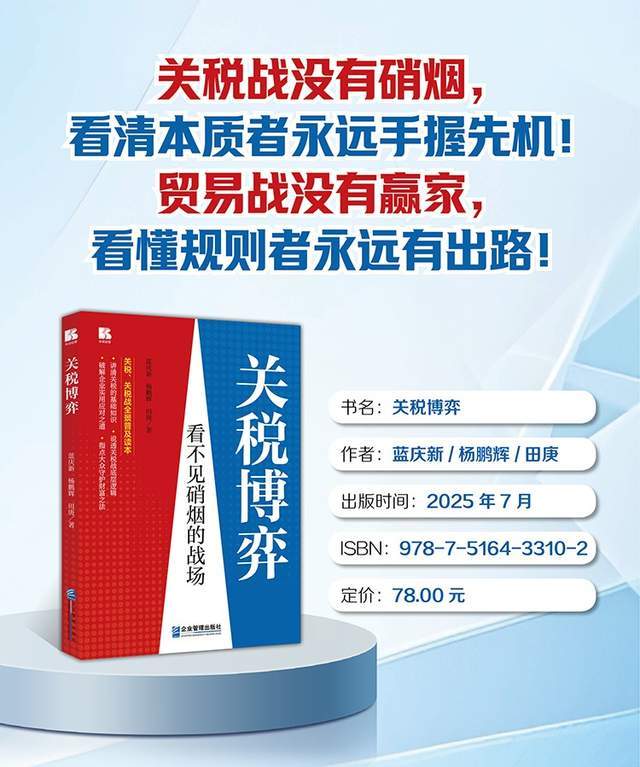
关税博弈

Search documents
如何看待有消息称美国不准备降低对华关税税率
Sou Hu Cai Jing· 2025-10-10 15:01
Core Viewpoint - The U.S. government, under President Trump, is maintaining a hardline stance on tariffs against China, indicating a desire for a long-term compromise without significant concessions [2][3][4] Group 1: Tariff Strategy - The U.S. plans to keep the 55% tariff on China as part of the trade agreement, with no intention to remove the tariffs imposed earlier this year [2][3] - The U.S. aims to persuade China to increase purchases of American goods, such as agricultural products and LNG, while maintaining restrictions on high-tech exports to China [3][4] Group 2: Negotiation Principles - Trump's negotiation strategy is characterized by "extreme pressure" and "high demands," with the recent statements reflecting these principles [4][5] - The focus of future negotiations will shift from whether to engage in a trade war to the conditions under which a trade war can be avoided [5] Group 3: Long-term Trade Relations - The U.S. seeks to normalize the "Fentanyl tariff" to maintain a lower tariff rate on Chinese goods compared to U.S. goods, while China aims to counter this by challenging the U.S. on its tariff practices [5][6] - The broader context of U.S.-China trade relations includes non-tariff barriers and technology restrictions, which are seen as significant obstacles beyond just tariff levels [6]


欧制药业面临美关税严重冲击
Jing Ji Ri Bao· 2025-10-09 22:01
Group 1 - The U.S. will impose a 100% tariff on all imported brand and patented drugs starting October 1, directly impacting the European pharmaceutical industry [1] - 73% of brand drugs in the U.S. are sourced from European countries like Ireland, Germany, and Switzerland, with Ireland's drug exports to the U.S. projected to reach €44.4 billion in 2024, accounting for over 60% of Europe's exports to the U.S. [1] - Germany's pharmaceutical exports to the U.S. are expected to exceed €27 billion in 2024, representing about one-quarter of Germany's total pharmaceutical exports [1] Group 2 - German and European pharmaceutical industry associations warn that U.S. tariffs will severely impact the pharmaceutical sector and negatively affect U.S.-Europe trade relations [2] - Bayer's CEO warns that sustained high tariffs will weaken pharmaceutical companies' operational and R&D capabilities, jeopardizing innovation and competitiveness [2] - The American Pharmacists Association indicates that tariffs could lead to a 30% to 50% increase in prices for commonly used patented drugs, disrupting international supply chains and affecting drug availability [2] Group 3 - Despite large investment plans from multinational pharmaceutical companies, industry insiders argue that returning production to the U.S. may do more harm than good, as tariffs could disrupt existing pharmaceutical supply chains [3] - The U.S. government's imposition of tariffs is seen as a violation of market development principles, likely distorting the industry chain and increasing production costs while reducing efficiency [3]
策略周报:长假期间国内外大事速递-20251009
HWABAO SECURITIES· 2025-10-09 05:18
Key Insights - The report highlights significant global events, including the U.S. government shutdown, which began on October 1 due to the Senate's rejection of a temporary funding bill, affecting approximately 750,000 federal employees [8] - Japan's ruling Liberal Democratic Party elected its first female president, who is likely to become Japan's first female prime minister, marking a historic political shift [8] - Geopolitical risks in the Middle East have decreased, with indications of a potential ceasefire between Israel and Hamas following U.S. diplomatic efforts [8] - Gold prices have reached a new high, surpassing $4,000 per ounce, as investors reassess their asset allocations amid the U.S. government shutdown, with China's central bank increasing its gold reserves for the 11th consecutive month [9] - The National Day and Mid-Autumn Festival holiday saw over 2.432 billion cross-regional trips in China, setting a record for the same period [9] Market Overview - Global markets experienced a bullish trend during the holiday period, with Hong Kong and overseas stock markets rising, particularly driven by Japan's political developments [10] - The bond market is expected to maintain a volatile trend, with potential easing of pressure post-quarter, although the current interest rate cut expectations remain weak [12] - The A-share market is anticipated to remain positive post-holiday, supported by high global risk appetite and favorable conditions in technology, materials, and renewable energy sectors [12] Focus Areas Post-Holiday - Attention will be on China's financial data for September, scheduled for release in the week of October 10 [13]
美瑞关税博弈现转机沪金将冲880关口
Jin Tou Wang· 2025-09-30 03:14
Group 1 - The Swiss government has introduced a strategic cooperation plan to invest in the U.S. gold refining industry in response to the Trump administration's 39% import tariff policy, which has significantly impacted Swiss exports and forced a downward revision of economic growth expectations [3] - The proposal submitted to U.S. Treasury Secretary Mnuchin and Trade Representative Lighthizer includes relocating low-margin operations of domestic refiners to the U.S., involving the re-melting of gold bars to create smaller bars that meet New York market demands [3] - Despite global gold prices reaching a historic high of over $3,800 per ounce, the profit margins in the gold refining industry remain low, with current refiners earning only a few dollars per unit profit from re-casting gold bars, highlighting the industry's low-profit nature [3] Group 2 - The current trading range for gold futures is around 874.60 CNY per gram, with a short-term bullish outlook, having reached a high of 876.82 CNY per gram and a low of 865.08 CNY per gram [1] - Key resistance levels for gold futures are identified between 876 CNY per gram and 880 CNY per gram, while important support levels are between 829 CNY per gram and 860 CNY per gram [4]
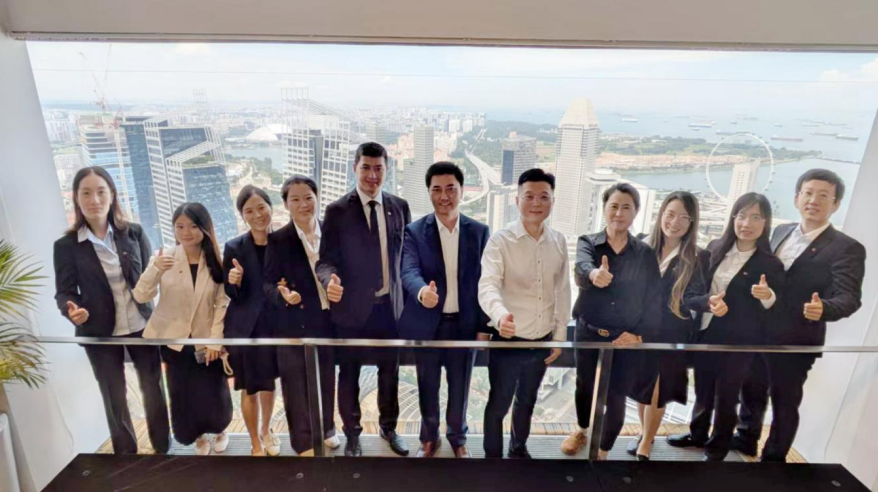
银河期货与银河海外、上海国际能源交易中心于新加坡成功联合举办原油市场研讨会
Qi Huo Ri Bao Wang· 2025-09-23 08:20
Core Insights - The event highlighted the growing importance of the global oil market and the role of Chinese derivatives in it [1][3] - The participation of over 110 representatives from more than 40 major oil companies and financial institutions indicates strong interest and engagement in the sector [1][3] Group 1: Event Overview - The Asia-Pacific Petroleum Conference (APPEC) hosted a global oil market seminar in Singapore, organized by Galaxy Futures, Galaxy Overseas, and the Shanghai International Energy Exchange [1] - This marks the second consecutive year that Galaxy Futures has held an in-depth oil market conference in Singapore [1] Group 2: Key Discussions - Experts discussed opportunities in the Chinese derivatives market, macroeconomic trends between China and the U.S., and the global oil market landscape [3] - Presentations included insights on the stable operation of Shanghai crude oil futures and the progress of natural gas futures listings [3] - A macroeconomic analysis was provided regarding the U.S.-China tariff negotiations and investment outlook [3] Group 3: Company Positioning - Galaxy Futures, a wholly-owned subsidiary of Galaxy Securities, has been engaged in international business since 2010 and has maintained a leading position in the industry since the launch of crude oil futures in 2018 [4] - The company is enhancing its technology, trading, delivery, and risk control to meet the diverse needs of overseas clients [4] - Future plans include providing cross-border services and solutions for both Chinese and global markets, along with educational initiatives to inform foreign investors about the Chinese futures market [4]
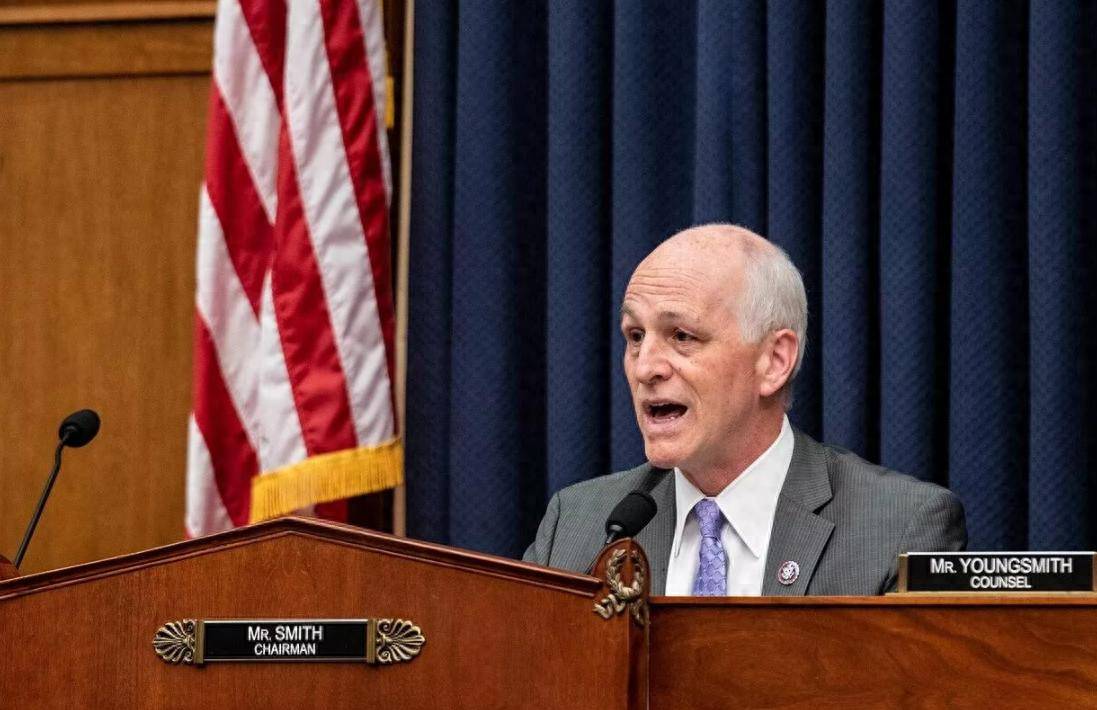
美国议员将组团访华,特朗普欲对中印加税100%,要求欧盟配合动手
Sou Hu Cai Jing· 2025-09-16 03:42
Group 1 - The U.S. Congress is planning a delegation visit to China, driven by business interests and traditional political forces, amidst contrasting actions from the Trump administration [3][5] - Trump's threat to impose a 100% tariff on imports from China and India, particularly targeting those purchasing Russian oil, reflects a strategy to exert economic pressure rather than a genuine trade policy [6][9] - Major U.S. companies like Ford and Apple are lobbying Congress to ease trade tensions, as high tariffs could significantly impact their market share in China [5] Group 2 - Trump's tariff strategy aims to disrupt China's advancements in high-tech sectors, but past experiences show that such measures may lead to production shifts to other regions, diminishing the intended impact [9][14] - The European Union is hesitant to follow Trump's lead on tariffs, recognizing that aligning with U.S. policies could harm their own economic interests, particularly in sectors like automotive and agriculture [11][14] - The evolving dynamics suggest that emerging economies like China and India are diversifying their trade relationships, reducing reliance on the U.S. market, while the EU is asserting its independence from U.S. directives [14][17]
会员金选丨教授公开课:关税博弈 多维影响与战略前瞻
Di Yi Cai Jing Zi Xun· 2025-09-15 08:41
Core Insights - The world is undergoing significant changes, including a technological revolution, geopolitical restructuring, and domestic policy optimization, leading to unprecedented challenges in the global economic order [1] - The return of Trump to the White House has reignited market concerns regarding tariff policies, trade friction, and globalization risks [1] - The upcoming lecture by Professor Zhu Ning aims to analyze the logic, impacts, and China's responses to tariff negotiations from multiple perspectives [1] Event Details - Date and Time: September 25, 18:30-20:30 [4] - Location: 211 Huaihai West Road, Room 1006, Shanghai [4] - Speaker: Professor Zhu Ning, a finance professor at Shanghai Jiao Tong University, with extensive experience in academia and investment banking [4][6] Research Focus - Professor Zhu Ning's research areas include behavioral finance, China's macroeconomy and financial markets, short selling, bankruptcy and restructuring, corporate finance, and mergers and acquisitions [6] - He has published over 20 high-level academic papers in top international journals and authored several bestselling books translated into multiple languages [6] Relevant Topics - The lecture will cover global risks during Trump's term, China's economic transformation amidst these risks, and focus areas such as the real estate market, trade negotiations, the "Great Beauty Act," and stablecoins [5]

会员金选丨教授公开课:关税博弈 多维影响与战略前瞻
第一财经· 2025-09-15 08:25
Core Viewpoint - The world is undergoing significant changes, including a technological revolution, geopolitical restructuring, and domestic policy optimization, leading to unprecedented challenges for the global economic and trade order [1]. Group 1: Event Overview - A public lecture will be held on September 25, focusing on the logic, impact, and China's response to tariff negotiations [2]. - The lecture will cover topics such as Trump's tariff policies, global risks during his term, and the transformation of the Chinese economy under these risks [4]. Group 2: Speaker Profile - Professor Zhu Ning is a finance professor at Shanghai Jiao Tong University and has held various prestigious academic positions, including at Tsinghua University and the University of California [8]. - Zhu Ning has extensive experience in the finance industry, having served as an executive at Lehman Brothers and Nomura Securities, and has published over 20 high-level academic papers in top international journals [9]. Group 3: Course Details - The public lecture is organized by Yicai Media in collaboration with Shanghai Jiao Tong University, aiming to address pressing topics of concern for businesses [10].

没时间了,又一个中国邻国签了,5500亿拱手给美国,想断中方后路
Sou Hu Cai Jing· 2025-09-13 04:53
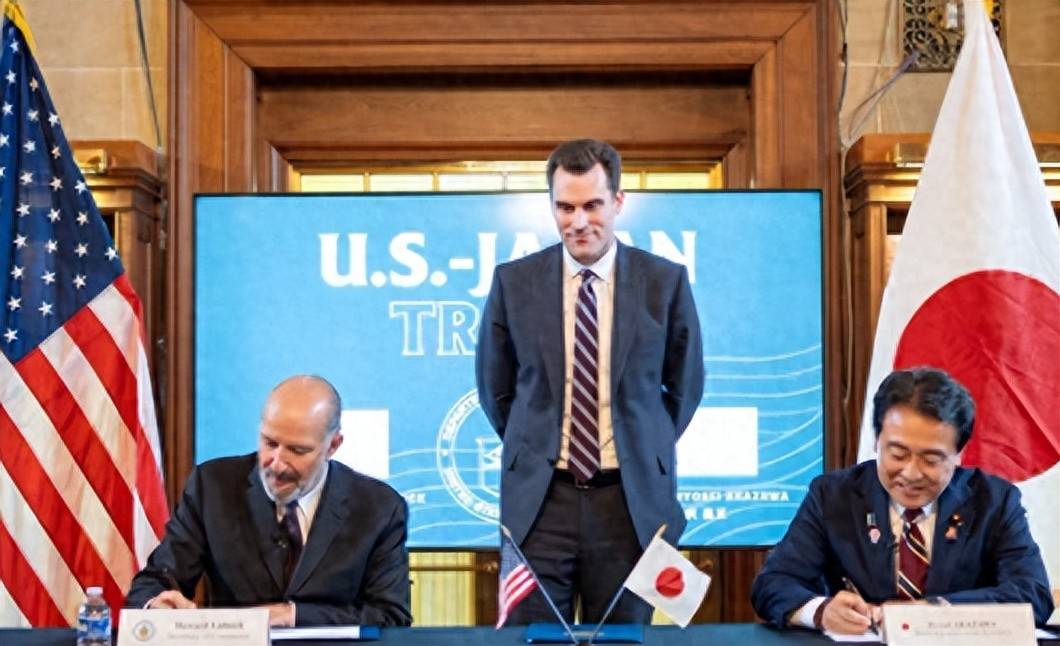
Core Points - Japan's negotiation team views the reduction of auto tariffs from 27.5% to 15% as a significant victory, despite the fact that the previous tariff was only 2.5% [1][3] - The automotive industry accounts for 8% of Japan's employment, making it a critical area for negotiation [3] - The new tariff structure will increase costs significantly for Japanese automakers, with an estimated annual profit reduction of over $4 billion [6] - Japan is required to increase its import of U.S. rice by 75% and open an $8 billion agricultural procurement quota, which will negatively impact local farmers [6][8] - The $550 billion investment from Japan will be directed towards five key sectors in the U.S., including LNG facilities, semiconductor manufacturing, critical mineral extraction, pharmaceutical production, and military shipbuilding [10] - Japanese companies are adjusting their supply chains, with Toyota increasing local parts sourcing in North America from 60% to 90%, affecting orders from Chinese factories [16][18] - The U.S. is establishing a "U.S.-Japan Supply Chain Resilience Working Group" to monitor critical products and reduce reliance on Chinese supply chains [22] - Japan's economic recovery is further complicated by the need to expand monetary easing due to the impact of the investment agreement [22] Automotive Industry - The reduction of tariffs on Japanese cars will lead to increased costs for manufacturers, with an additional $3,750 per vehicle exported [6] - Japanese automakers are accelerating the establishment of production facilities in the U.S. to mitigate tariff impacts [6][10] Agricultural Sector - The agreement mandates a significant increase in U.S. agricultural imports, which will disrupt local agricultural markets in Japan [8][20] - Japanese farmers are facing challenges due to the influx of cheaper U.S. agricultural products [8][20] Investment and Economic Impact - The $550 billion investment is seen as a way for Japan to support U.S. industries while potentially undermining its own competitive advantages [10][22] - The investment will require Japan to continue its monetary easing policies, impacting the yen's value and domestic consumption [22] Supply Chain Adjustments - Japanese companies are shifting their supply chains, with a notable decrease in exports to the U.S. and a focus on localizing production [18] - The semiconductor supply chain is also being restructured, with Japanese firms prioritizing U.S. production over exports to Taiwan [18] U.S. Strategic Interests - The agreement aligns Japan's economic strategies with the U.S. "Indo-Pacific Strategy," reinforcing U.S. influence in the region [22] - The U.S. is leveraging this agreement to monitor and control critical supply chains, particularly in technology and defense sectors [22]

关税迷局:全球经济的暗战与突围
Sou Hu Cai Jing· 2025-09-11 10:41
Group 1 - The trade war initiated by the U.S. government, particularly through tariffs on imported furniture, has led to significant adjustments in the global supply chain, impacting Chinese furniture companies and U.S. home improvement giant Home Depot, which has seen a decline in net profit [1] - The book "Tariff Game" provides a comprehensive analysis of the historical and contemporary implications of tariffs as a tool for national power, highlighting the stark contrast between G20 tariff commitments and actual practices [2] - The complexity of the tariff landscape in 2025 is illustrated through various case studies, including the impact of U.S. tariffs on Canadian aluminum and Chinese graphite, which have forced companies to relocate production and adapt to new market conditions [3] Group 2 - The book proposes actionable solutions to break the cycle of "tariff-war-inflation-recession," including the Singapore variable tariff system and the exploration of new tax regimes for cross-border data flow [4] - The emergence of 3D printing technology and the growth of cross-border e-commerce, with transaction volumes exceeding $4 trillion, challenge traditional tariff systems and necessitate the development of a "tariff elasticity mechanism" [4] - "Tariff Game" serves as a key to understanding the dynamics of international relations in the 21st century, providing insights for policymakers and business leaders navigating the evolving landscape of global trade [8][9]