功效护肤

Search documents
The Ordinary中国“首秀”,「成分党鼻祖」掀起功效护肤理性革命?
FBeauty未来迹· 2025-07-11 11:14
Core Viewpoint - The Ordinary is positioning itself as a scientific skincare brand in the Chinese market, emphasizing transparency, effective ingredients, and consumer education to counteract the prevalent marketing hype in the skincare industry [2][3][15]. Brand Launch and Market Strategy - The Ordinary held its first brand launch event in China on June 24, 2025, and is set to open its Tmall flagship store on July 11, 2025, marking a significant step in its market entry strategy [2][3]. - The brand aims to shift the focus of the skincare market from marketing competition back to scientific efficacy, establishing new value benchmarks in the industry [3][25]. Brand Philosophy and Development - Founded in 2016, The Ordinary emerged as a response to exaggerated marketing claims in the skincare industry, advocating for transparency in product formulation and pricing [9][7]. - The brand's products are named after their key active ingredients and concentrations, with a commitment to affordable pricing, exemplified by its best-selling Niacinamide 10% + Zinc 1% serum priced at 59 yuan for 30ml, significantly lower than competitors [9][10]. Scientific Approach and Consumer Engagement - The Ordinary emphasizes a science-driven approach, maintaining a dedicated research team of 160 experts and a commitment to clinical testing to ensure product safety and efficacy [11][18]. - The brand has built a strong community with over 5 million followers online and actively engages in consumer education to foster trust and loyalty [11][13]. Market Adaptation and Product Localization - The Ordinary is adapting its product offerings to meet the specific needs of Chinese consumers, including collaborations with local testing organizations to ensure compliance and safety [18][19]. - The brand has developed localized formulations, such as a modified glycolic acid toner, to cater to the preferences of Chinese consumers [19]. AI Integration and Retail Innovation - The launch of The Ordinary's Tmall flagship store incorporates AI technology to provide personalized shopping experiences, including tailored product recommendations based on individual skin concerns [21][22]. - This initiative reflects the brand's commitment to leveraging technology to enhance consumer engagement and education in the skincare space [21][22]. Industry Insights and Future Directions - The Ordinary's entry into the Chinese market is seen as timely, addressing the growing demand for effective skincare solutions amidst a backdrop of marketing saturation and consumer skepticism [35]. - The brand's focus on scientific communication and transparency is expected to resonate with increasingly discerning consumers, potentially reshaping the skincare industry's landscape in China [25][35].



护肤行业的“功效叙事”,隐忧渐显
Hu Xiu· 2025-07-10 02:09
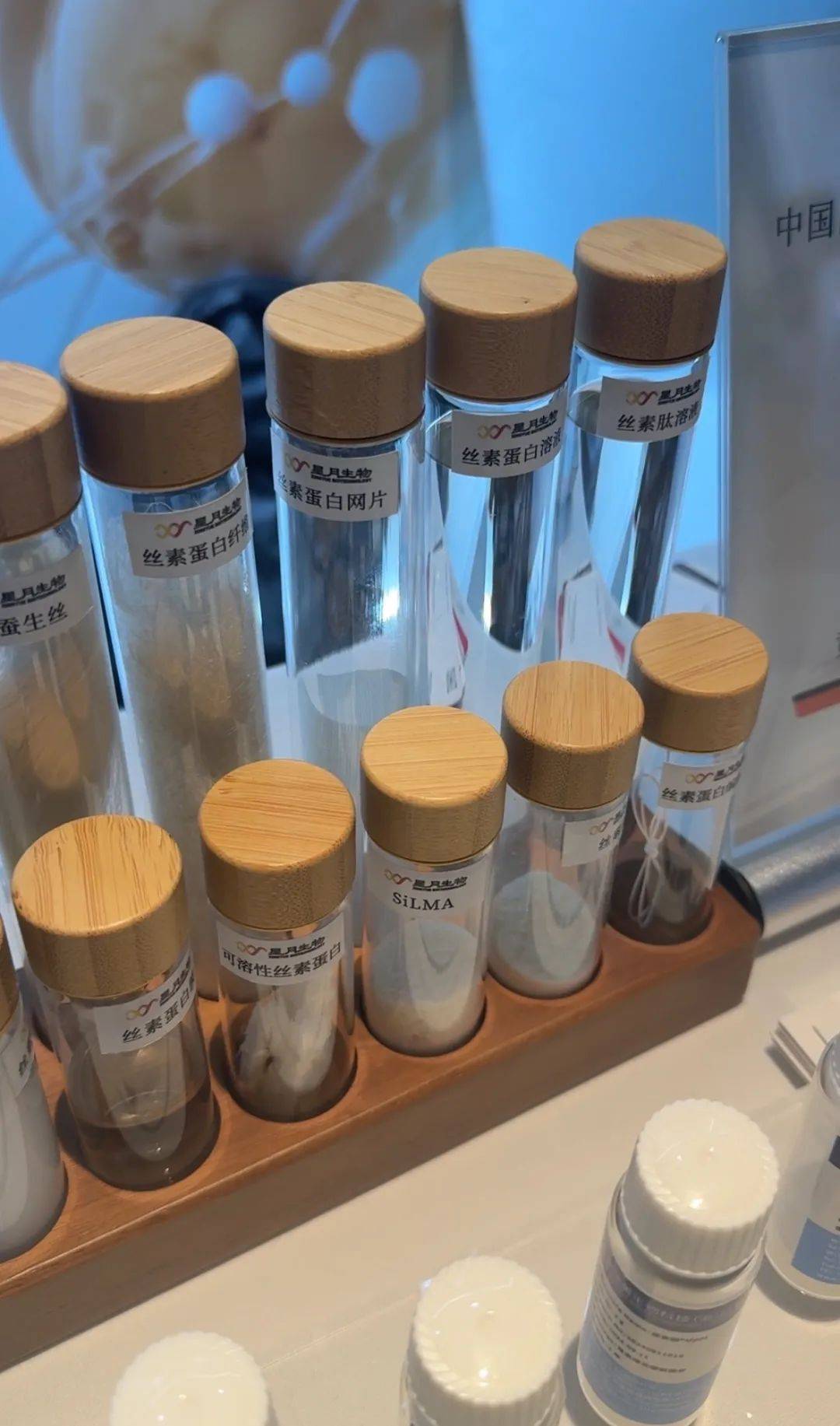
Core Insights - The skincare industry is experiencing intense competition in technology, with numerous suppliers showcasing unique ingredients and certifications at a recent cosmetics trade show [1][2][3] - The trend of emphasizing active ingredients and technical claims on product packaging is prevalent, as brands seek to carve out market positions by replicating successful commercial models [4][5] - The lack of authoritative industry standards and clarity on ingredient efficacy is causing confusion and skepticism among consumers [6][7][8] Group 1: Active Ingredients and Technology Trends - Active proteins and plant extracts remain core competitive areas in the skincare industry, with leading brands continuing to invest heavily in research and development [10][11] - The popularity of active proteins is driven by their previous applications in medical and aesthetic fields, which lend credibility to their use in consumer products [15][20] - New technologies in plant extraction are emerging, aiming to address traditional challenges such as stability and absorption rates [18][19] Group 2: Marketing and Industry Challenges - The rapid iteration of core ingredients in domestic beauty brands has outpaced normal industry evolution, leading to communication gaps between technology, products, and consumers [22][23] - The absence of unified national standards for new ingredients has resulted in market confusion and potential harm to consumers [24][26] - Overemphasis on marketing claims has led to exaggerated efficacy narratives, causing consumer dissatisfaction and adverse reactions [30][31][33] Group 3: Future Directions and Brand Strategies - The skincare industry is entering a period of deep adjustment, with competition shifting from ingredient-based to ecosystem-building capabilities [37][39] - Brands must find new competitive advantages beyond ingredient efficacy, such as emotional value and consumer experience [41][42] - The rise of niche markets, including male skincare and elderly care, presents new opportunities for growth and diversification [48][49]

2025高品质消费品牌TOP100行业趋势观察⑧ | 618大促功效护肤霸榜 国际品牌卷土重来!成分营销埋隐患
Nan Fang Du Shi Bao· 2025-06-16 14:27
Core Insights - The article highlights the launch of the "High-Quality Consumption Observation" series by Southern Metropolis Daily, focusing on nine popular consumption sectors including beauty economy, sports and outdoor, food and health, smart consumer electronics, pet economy, experience economy, interest consumption, cross-border e-commerce, and consumption technology [1] - The report indicates a significant growth trend in the beauty and personal care market, particularly in the skincare segment, with a year-on-year retail sales increase of 4.4% in May and 4.1% from January to May [1] - The article emphasizes the shift towards efficacy-driven skincare products, with consumers increasingly demanding solutions for specific skin issues, leading to a notable rise in sales for products like sunscreen and hair care [1][12] Industry Trends - The beauty industry is witnessing a rise in "ingredient-focused" marketing, with brands emphasizing core ingredients to meet consumer demands for efficacy [11][25] - The competition in the high-end cosmetics market is intensifying, with international brands re-entering the Chinese market and dominating sales rankings during major promotional events like the 618 shopping festival [30][31] - Online sales channels have surpassed 50% of the market share in the cosmetics industry, with brands increasingly relying on e-commerce platforms for revenue growth [22][24] Brand Performance - Notable brands such as Proya and Han Shu have reported significant revenue growth, with Proya achieving over 10.7 billion yuan in 2024, while Han Shu's sales on Douyin reached 6.7 billion yuan [35][36] - The article mentions that brands like Huaxi Biological and Juzhibio have seen substantial revenue increases, with Juzhibio's revenue growing by 57.2% to 5.54 billion yuan in 2024 [7][33] - The performance of brands is increasingly tied to their ability to innovate and effectively market their products, particularly in the context of ingredient transparency and efficacy claims [11][25] Consumer Behavior - Consumers are becoming more rational in their purchasing decisions, focusing on product efficacy, ingredient transparency, and value for money, which is pushing brands to invest more in research and development [25][26] - The demand for specific skincare solutions, such as anti-aging and repair products, is driving growth in niche markets within the beauty sector [12][25] - The rise of content-driven e-commerce, including live streaming and social media sales, is reshaping how beauty brands engage with consumers and drive sales [24][30]

泡泡玛特珠宝店首店开张;永辉“胖东来模式”调改完成100店;星巴克中国降价 | 品牌周报
36氪未来消费· 2025-06-15 07:58
Group 1 - Pop Mart's independent jewelry brand popop opened its first store in Shanghai, targeting the $50 billion fashion jewelry market with a focus on female consumers [2] - Pop Mart aims to achieve a revenue target of 20 billion yuan by 2025, with overseas markets expected to contribute 10 billion yuan [2] - Inditex's Q1 revenue was €8.27 billion, below analyst expectations, with summer sales growth slowing to 6% compared to 12% last year [3][4] - Inditex operates 5,562 stores globally, and its performance reflects broader challenges in the global retail sector [4] Group 2 - Yonghui Supermarket completed the transformation of 100 stores to the "Pang Dong Lai" model, focusing on enhancing employee skills, product quality, and store experience [5][6] - Yonghui plans to expand the number of transformed stores to 150 by the end of July and aims for 300 by the Lunar New Year in 2026 [6] - L'Oréal announced the acquisition of a majority stake in the UK skincare brand Medik8, enhancing its luxury product portfolio [6][7] - Starbucks is considering selling part of its Chinese business to attract external investors, with plans to increase store numbers from 8,000 to 20,000 [8] Group 3 - Guozi Shule launched a collaboration with "Wu Lin Wai Zhuan," achieving a sales increase from 200 million to 400 million bottles in the past year [9][10] - Dr. Martens reported a 10% decline in revenue to £790 million, with net profit dropping significantly [21] - Salia plans to establish a headquarters in Guangdong to manage its operations in China, where it has around 500 stores [22][23] - Bai Fei Dairy's IPO application has been accepted, marking the first food consumption project in the Shanghai Stock Exchange this year [24]

从资生堂到欧莱雅,美妆巨头为何集体押注“微针”?
FBeauty未来迹· 2025-05-26 13:12
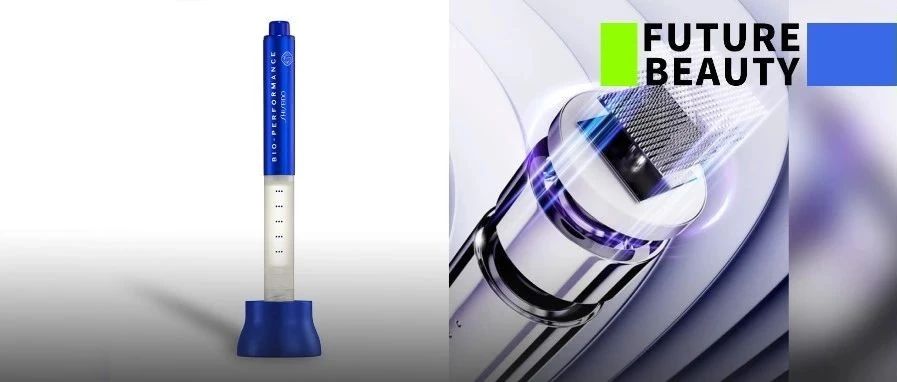
Core Viewpoint - The beauty giants are expanding into the medical aesthetics sector by launching microneedling products, moving beyond just perioperative skincare to direct medical device offerings [2][3][4]. Group 1: Product Launches - Shiseido has launched a new microneedling product, MicroClick Concentrate, in the Japanese market, priced at 36,300 yen (approximately 1,791 RMB) for 1.4ml [2][4]. - L'Oréal is set to release a microneedling beauty device named 400 BOOSTER, priced at £250 (approximately 2,394.7 RMB), targeting the high-end home beauty market [3][8]. Group 2: Technology and Mechanism - Microneedling is a common medical device that creates microchannels in the skin to deliver active ingredients for therapeutic effects, particularly in aesthetic treatments [3][6]. - Shiseido's MicroClick Concentrate features 18 microneedles per disposable head and includes niacinamide and barrier-repairing ingredients, enhancing the penetration of active substances [4][7]. - L'Oréal's 400 BOOSTER utilizes a module with 400 nano-sized tips to create invisible microchannels in the skin, promoting the absorption of skincare ingredients [8][11]. Group 3: Market Trends and Consumer Acceptance - The Chinese medical aesthetics market has been growing at an annual rate of 17.5% since 2017, projected to reach nearly 400 billion RMB by 2026, with light medical aesthetics contributing significantly [13]. - The microneedling market, which surpassed 200 million RMB in 2022, has substantial growth potential compared to the broader light medical aesthetics market [13]. - Consumers are increasingly accepting microneedling as a method for effective skincare, with a shift towards home-use devices that enhance the efficacy of topical products [15][16]. Group 4: Regulatory and Safety Considerations - The integration of microneedling into beauty products faces regulatory challenges, as microneedles are classified as medical devices in many regions, requiring compliance with stricter safety standards [19][22]. - There is a growing concern about the safety of DIY microneedling practices, highlighting the need for consumer education on safe and effective use [22][27]. Group 5: Future Outlook - The combination of beauty and microneedling presents significant opportunities for innovation in skincare, but companies must navigate regulatory hurdles and ensure product safety [27]. - The trend towards home-use microneedling devices reflects a broader consumer demand for effective skincare solutions that are easy to use and accessible [15][16].

醉象退出日本市场,资生堂及时止损?
Bei Jing Shang Bao· 2025-05-26 12:07
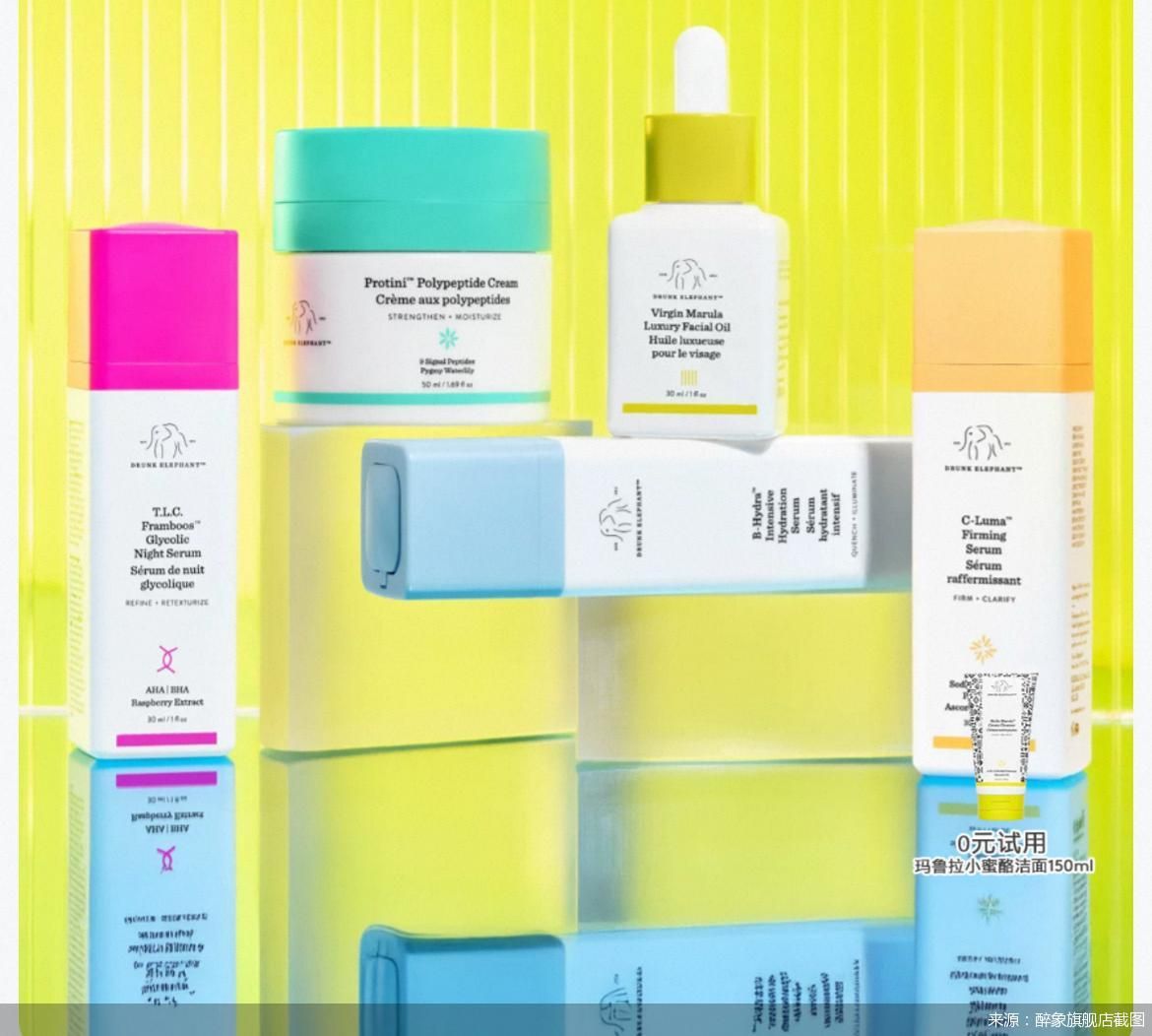
Core Viewpoint - The company Drunk Elephant will completely exit the Japanese market by June 30, 2024, including both online channels and six physical stores, less than four years after its introduction to Japan [2][3]. Group 1: Company Performance and Strategy - Drunk Elephant was acquired by Shiseido in 2019 for $845 million, with the expectation that it would become a key growth driver for the group [3][4]. - Initially, Drunk Elephant showed strong performance, contributing positively to Shiseido's financial results, with a 14% year-on-year growth in Q1 2020 despite declines in other brands [5][6]. - However, sales began to decline significantly, with a 25% drop in 2024 and a staggering 65% decline in Q1 2025, particularly in the Americas and Europe [5][7]. Group 2: Market Dynamics and Challenges - The clean skincare market has become increasingly competitive, making it difficult for Drunk Elephant to maintain its market share [6][8]. - Shiseido has faced overall performance challenges, with a net sales figure of 990.586 billion yen in 2024, a 1.8% increase, but a significant drop in operating profit by 73.1% [7]. - The shift in consumer preference towards efficacy-driven skincare over clean skincare has further complicated Drunk Elephant's position in the market [8]. Group 3: Future Outlook - The exit from Japan is viewed as a strategic adjustment for Shiseido, allowing the company to focus resources on markets with better growth potential [7][8]. - There is uncertainty regarding whether Drunk Elephant will exit other markets, as Shiseido has not provided specific responses to these questions [8].
功效护肤碾压下的纯净美妆:一场未爆发就熄火的概念狂欢
3 6 Ke· 2025-05-23 09:39
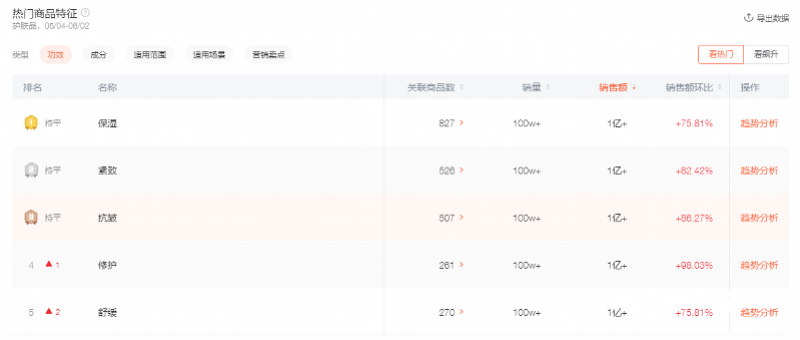
Core Insights - The "clean beauty" trend has not gained significant traction in China, with major brands facing challenges and even retreating from the market [1][7][9] - International brands are struggling to effectively communicate the clean beauty narrative, leading to a reduction or elimination of their clean beauty lines [3][5][8] - The focus on efficacy in skincare is becoming more prominent, overshadowing the clean beauty concept, which lacks a unified standard in China [9][10][11] Group 1: Market Performance - TATCHA, a high-end skincare brand under Unilever, has seen a 19% decline in GMV on Tmall in 2024, indicating weak performance in the Chinese market [3] - The Body Shop, a pioneer in clean beauty, has faced bankruptcy in its UK and North American operations, leading to significant layoffs [1][2] - Unilever's overall sales in 2024 reached €13.2 billion, a 5.5% increase, but its operating profit fell by 3.7% and net profit dropped by 10.8% [3] Group 2: Brand Strategies - Unilever is streamlining its brand portfolio, focusing on core brands while planning to introduce five new anti-aging products priced over 800 yuan within two years [4] - REN, another clean beauty brand, has been cut from Unilever's offerings due to unclear core selling points and negative consumer feedback regarding product effectiveness [5][6] - Aesop, a brand under L'Oréal, has also faced challenges in the Chinese market, closing its first store in Shanghai despite aggressive expansion [8] Group 3: Consumer Preferences - The clean beauty concept is perceived as an additional feature rather than a primary selling point in China, where consumers prioritize safety, efficacy, and cost-effectiveness [7][9] - The demand for efficacy-driven skincare is rising, with keywords like "moisturizing," "repair," and "anti-aging" becoming central to consumer interests [10] - Domestic brands are beginning to adopt clean beauty principles, but often as supplementary marketing rather than core offerings, indicating a shift towards technology-driven solutions [11]

“618”大促提升消费板块关注度
Zhong Guo Zheng Quan Bao· 2025-05-19 21:23
Group 1 - The annual "618" shopping festival has begun, with over 13,000 brands achieving doubled sales in the first hour of Tmall's event [1][2] - The beauty and personal care sector has shown remarkable performance in the A-share market, driven by consumption recovery policies and the "618" promotion [1][3] - Analysts suggest that the beauty sector will see structural opportunities due to the "618" event, with a focus on high-quality companies in segments like gold jewelry, medical beauty, offline retail, and pet products [1][4] Group 2 - E-commerce platforms have started their "618" promotions earlier this year, extending the overall duration of the event [2] - Tmall reported that 43 brands achieved over 100 million yuan in sales within the first hour, a more than 50% increase compared to last year [2] - The beauty sector's GMV during the pre-sale period reached between 2.5 billion to 3.5 billion yuan, showing positive year-on-year growth [2] Group 3 - The "618" event has simplified consumer decision-making, enhancing the shopping experience and contributing significantly to brand revenues [3] - The beauty care sector has seen a 4.07% increase in stock prices over the last five trading days, leading among 31 sectors [3] - Analysts recommend focusing on high-growth segments such as gold jewelry, innovative offline retail, and differentiated medical beauty products for investment opportunities [4] Group 4 - The pet economy is gaining attention, with domestic brands benefiting from product innovation and refined marketing strategies [4] - The growth of the pet economy is supported by favorable trends in pet food exports, indicating a positive outlook for related businesses [4]
窄路做宽,薇诺娜为中国功效护肤市场搭建皮肤学级坐标
Sou Hu Wang· 2025-05-13 04:37
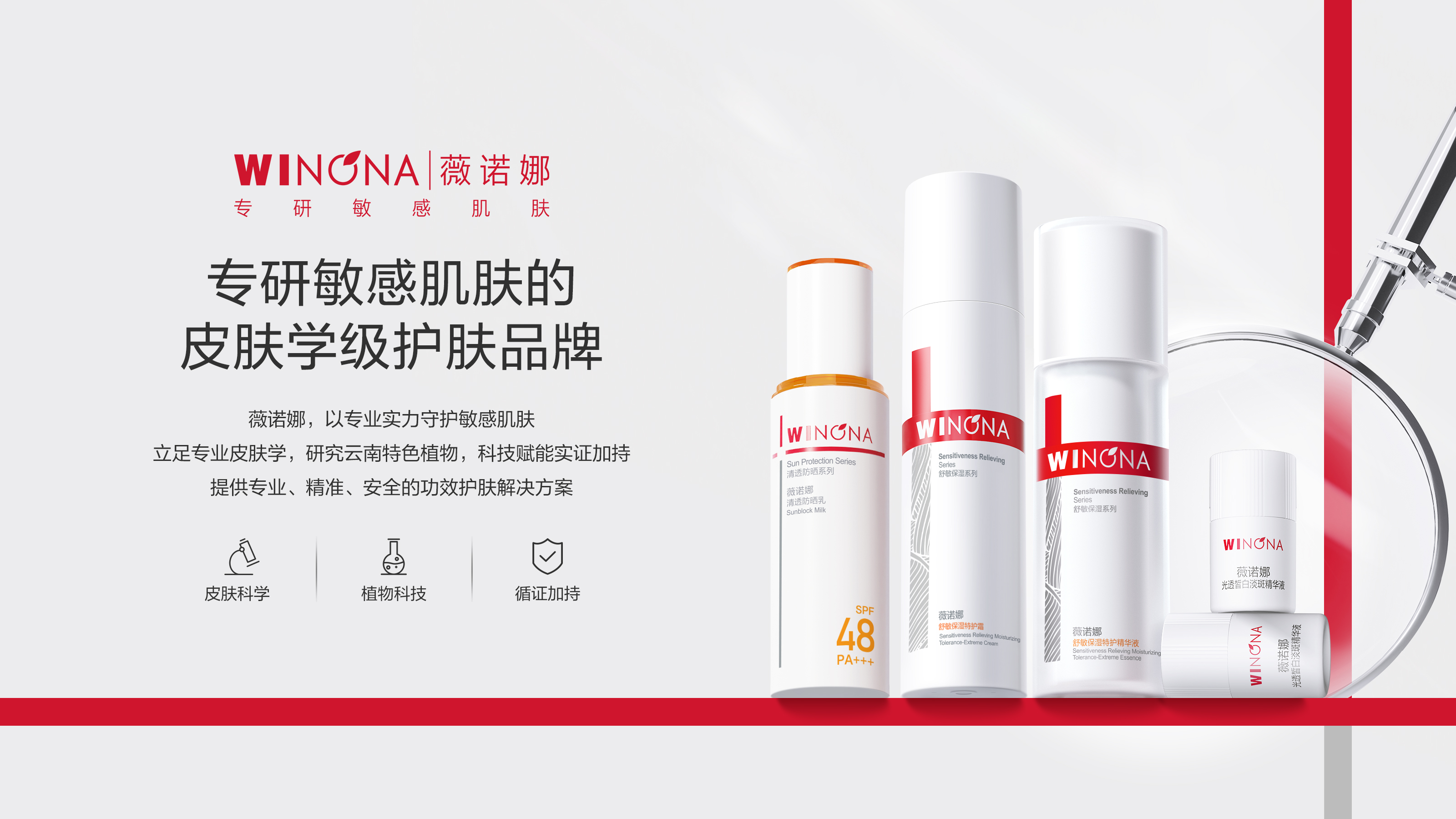
Core Insights - The core viewpoint of the articles highlights the rapid growth of the Chinese dermatological skincare market, with Winona emerging as a leading brand due to its focus on efficacy and safety in sensitive skin care products [1][3][12]. Market Overview - In 2024, the Chinese dermatological skincare market is projected to reach 33.96 billion yuan, showcasing significant expansion over the past fifteen years [1]. - Winona has established itself as the market leader in this segment, emphasizing its unique approach to product development and clinical validation [1][3]. Brand Development - Winona entered the market in 2010 with a focus on sensitive skin, leveraging its background in the OTC industry to develop effective skincare products based on pharmaceutical standards [3][4]. - The brand has maintained a strong commitment to research and development, with a reported investment of 337 million yuan in 2024, consistently achieving over 5% annual R&D investment [7]. Product Innovation - Winona's product development is guided by the NUTE principle, which stands for Need, Unique, Technology, and Evidence, ensuring that products address clinical needs and are backed by scientific validation [4][5]. - The brand has successfully launched new products targeting advanced needs such as anti-aging for sensitive skin, expanding its product line beyond basic care [8]. Strategic Positioning - Winona aims to become the world's leading efficacy skincare brand, integrating international research resources and establishing laboratories in France and Japan, with plans for a research center in Israel [8][9]. - The company is focused on transforming Yunnan's unique plant resources into competitive advantages, enhancing its value chain from low-end to high-end [8][9]. Consumer Engagement - Winona has developed a robust membership program with approximately 40 million members, emphasizing value-added services and solutions for sensitive skin issues [11]. - The brand's marketing strategy centers on embedding the message "for sensitive skin, use Winona" into consumer consciousness [11]. Industry Contribution - Winona is committed to promoting high-quality development standards in the skincare industry, addressing challenges such as product homogeneity and safety concerns [12]. - The brand has published significant research contributions, including a comprehensive guide on efficacy skincare, which consolidates expert guidelines and clinical studies [12].
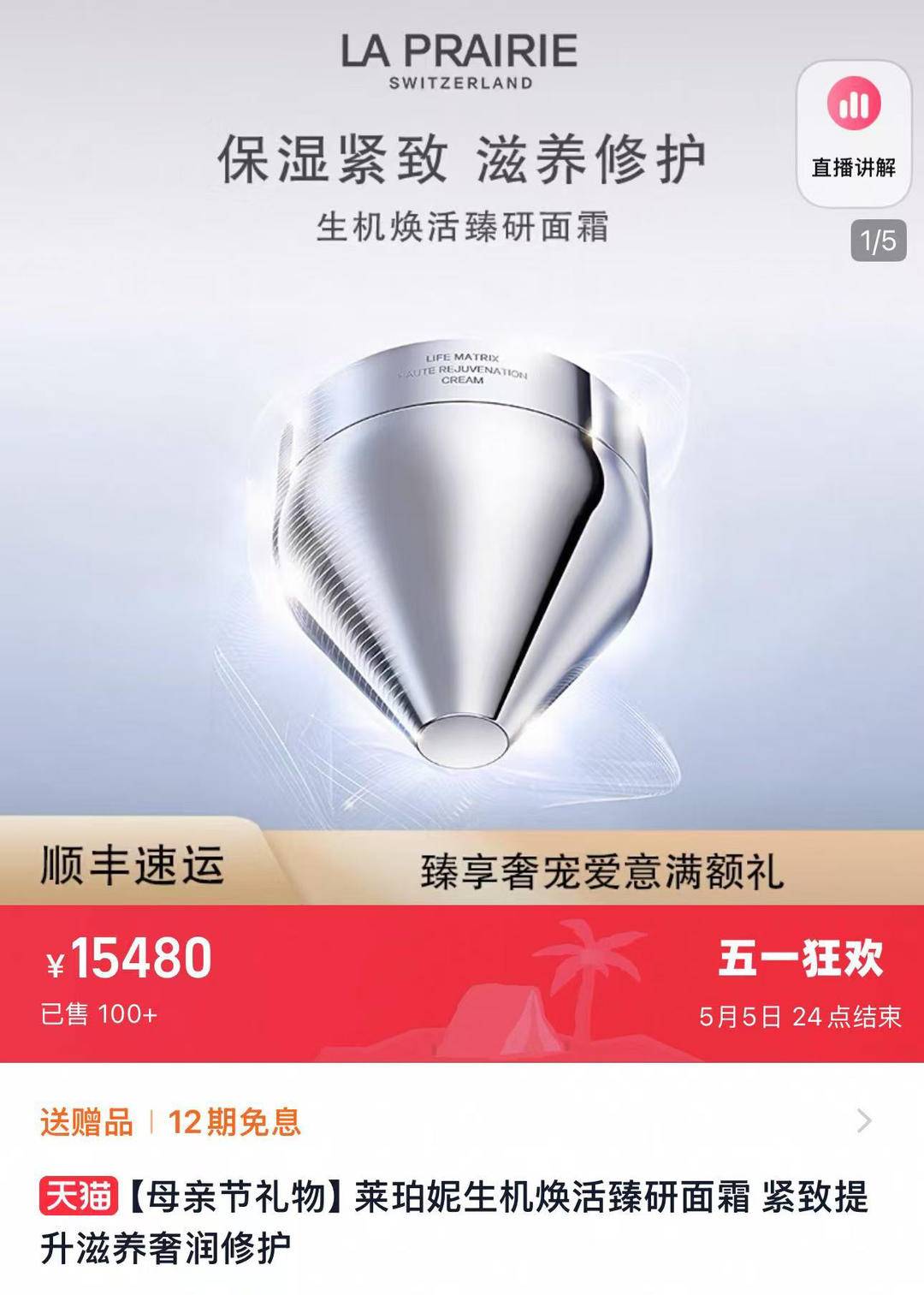
万元面霜假期消费遇冷,平价功效型美妆与国货成“扛把子”
Yang Zi Wan Bao Wang· 2025-05-02 07:07
Group 1 - The high-end beauty market is experiencing a stark contrast, with luxury brand La Prairie seeing a significant decline in sales, while affordable brands like Pechoin are thriving [1][2] - La Prairie's sales dropped by 17.5% year-on-year, marking the largest decline in five years, with limited sales on high-priced products [2] - In contrast, Beiersdorf's affordable brand Nivea achieved global sales of €5.6 billion, with popular products in the Chinese market [6] Group 2 - Consumers are increasingly prioritizing ingredient transparency and value over brand prestige, leading to a rise in demand for effective, affordable skincare products [8][11] - Domestic brands like Pechoin and Han Shu are performing exceptionally well, with Pechoin's online GMV expected to exceed 10 billion yuan in 2024 [9] - The shift in consumer behavior is reshaping the beauty industry, as effective products become more important than expensive branding [12]