场景化营销

Search documents
足力健水饺是什么鬼?
远川研究所· 2025-09-17 13:20
Core Viewpoint - The emergence of "Zulijian Dumplings" signifies a significant shift in the company's strategy, moving from its traditional focus on elderly shoes to the food retail sector, aiming to address financial challenges and debt repayment [2][4][25]. Group 1: Company Background and Evolution - Zulijian, founded by Zhang Jingkang, initially gained fame through the "Liuchao Elderly Shoes" in collaboration with Qingdao Double Star in 2014, which became a successful product [6]. - By 2018, Zulijian's revenue reached 1.8 billion RMB, and by 2019, it peaked at 4 billion RMB with over 5,000 stores nationwide, but this rapid expansion led to significant debt and inventory issues [11][12]. - The COVID-19 pandemic exacerbated these issues, resulting in a revenue drop back to 1.8 billion RMB in 2020, marking a significant decline in the company's fortunes [11][12]. Group 2: Current Business Strategy - In May 2023, Zulijian opened its first organic food store in Zhengzhou, offering affordable products like frozen dumplings priced at 4.9 RMB, aiming to attract a broad customer base [2][25]. - The company has adopted a light-asset operation model, focusing on brand management and reducing direct store operations, which has led to a strategy of zero inventory through a made-to-order approach [24]. - Zulijian's new product line includes organic foods and health products, with a focus on low-GI and short shelf-life items, appealing to health-conscious consumers [27][28]. Group 3: Market Position and Future Outlook - The brand has successfully established itself in a niche market with limited competition, but faces challenges from established sports brands that are expanding their product lines to cover broader consumer needs [20][21]. - The company aims to open 600 organic food stores in the next two years, while also planning to develop a leisure shoe brand targeting younger consumers [28][33]. - Zhang Jingkang's proactive approach to adapt to market trends and consumer preferences reflects a commitment to revitalize the brand and ensure its sustainability in a competitive landscape [33].


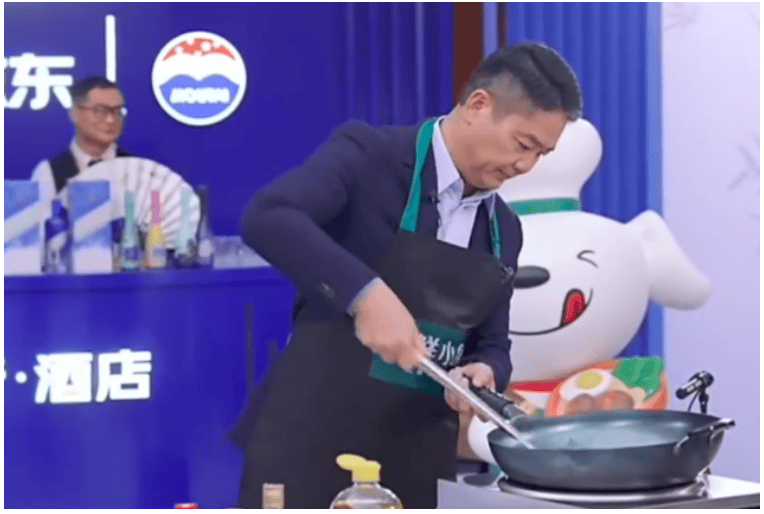
围裙CEO的商业智慧:从一盘猪头肉看京东的本地生活突围
Sou Hu Cai Jing· 2025-09-17 07:40
Core Insights - The live cooking event featuring Liu Qiangdong is a strategic move by JD.com to enhance its local lifestyle services, blending user engagement, ecosystem building, and strategic differentiation [1][3]. Group 1: Cultural Integration and Brand Strategy - The choice of "Huang Gou Zhutou Rou," a traditional dish with a 300-year history, reflects JD.com's deep understanding of local culture and its commitment to integrating cultural elements into its business model rather than engaging in price wars [3]. - Liu Qiangdong's humorous remarks during the event highlight JD.com's ability to maintain a relaxed and humorous brand image amidst fierce competition, emphasizing the importance of personalized brand representation over cold commercial declarations [3][4]. Group 2: Differentiation in Business Strategy - JD.com’s declaration of not engaging in price wars reveals its differentiated strategy in the hotel and travel sector, focusing on long-term ecological balance rather than short-term profit maximization through squeezing hotel operators [3]. - The "Seven Fresh Kitchen" initiative connects JD.com's 800 million high-spending users with the primary clientele of four-star hotels, creating a virtuous cycle of "food attraction to travel conversion," which is more persuasive than traditional advertising [3]. Group 3: Humanized Brand Communication - Liu Qiangdong's appearance as a chef breaks down barriers between corporate leaders and consumers, fostering a sense of relatability and human connection, which is essential for modern business leaders [4]. - The event signifies a shift in commercial competition from mere price battles to a focus on value creation, as more business leaders engage authentically with users [4].

场景化探索助力品牌焕新 绝味食品半年报展现经营韧性
Quan Jing Wang· 2025-09-02 01:01
Core Insights - The core viewpoint of the news is that Juewei Foods has demonstrated resilience and adaptability in a changing market environment, focusing on digital operations, supply chain enhancements, and targeted marketing strategies to maintain its competitive edge and drive growth. Group 1: Financial Performance - In the first half of 2025, Juewei Foods achieved an operating income of 2.82 billion yuan and a net profit attributable to shareholders of 175 million yuan [1] Group 2: Digital Operations - Juewei Foods' investment in digital operations has been a crucial support for its operational resilience, utilizing data-driven systems to track consumer demand changes and adjust product and marketing strategies accordingly [2] - The company has enhanced member engagement and gained insights into regional market differences through its digital initiatives, allowing for more accurate market strategies [2] Group 3: Supply Chain Management - The supply chain system is a core foundation for Juewei Foods' stable operations, with a nationwide cold chain distribution network ensuring product freshness and safety [2] - This robust supply chain supports rapid replication of store operations and is seen as a key competitive advantage for future expansion and innovation [2] Group 4: Marketing Strategy - Juewei Foods is actively integrating its brand into diverse lifestyle scenarios, such as music festivals and camping, to enhance communication with younger consumers [3] - The company is focusing on building consumer profiles and optimizing products, marketing, and services based on the differentiated characteristics of various consumer groups, particularly targeting Generation Z [3] Group 5: Overall Strategy - The 2025 half-year report reflects Juewei Foods' approach as a leading chain enterprise in navigating a complex market environment, balancing stability and innovation to solidify long-term brand value [4]


运动户外迎来精细化运营时代,谁在引领产业走向「场景化」
Sou Hu Cai Jing· 2025-09-01 14:30
Core Insights - The outdoor sports market in China is evolving from mere physical exercise to a lifestyle symbol, with the total industry scale expected to reach 3 trillion yuan by 2025, driven by favorable policies and market conditions [2] - The diversification of sports scenes is evident, with a pyramid structure of participants ranging from casual enthusiasts to professional players, and a horizontal expansion of various sports scenarios, such as cycling [2][6] - The increasing search volume for outdoor sports on platforms like Xiaohongshu, which saw a 79% year-on-year increase, indicates a growing interest among users, with 220 million interest users and over 30 million new users compared to last year [2][3] Market Trends - The concept of "scenes" is becoming a key marketing strategy, moving away from traditional reliance on top-tier events and athletes to focus on everyday life and diverse sports experiences [6][7] - 55% of outdoor sports searches on Xiaohongshu are driven by scene-related keywords, highlighting a shift in consumer behavior towards specific scenarios rather than generic product features [7][11] - Emerging sports scenes, such as pickleball and ice climbing, have seen over 200% year-on-year growth in content on Xiaohongshu, indicating a trend towards more specialized and varied sports activities [9] Consumer Behavior - Consumers are increasingly viewing outdoor sports as a long-term lifestyle choice rather than a one-time experience, which is reshaping their purchasing decisions [6][9] - The demand for specific sports scenes is driving brands to adapt their marketing strategies, with a focus on creating relatable and engaging experiences for consumers [9][11] - The popularity of sports like tennis and basketball is growing, with significant increases in search volumes for related products and community engagement on Xiaohongshu [18][19] Brand Strategies - Brands are encouraged to capture trends early and align their offerings with the evolving consumer preferences in outdoor sports [9][24] - Xiaohongshu serves as a platform for brands to innovate and co-create with consumers, enhancing their market presence through targeted scene marketing [22][24] - Successful brands are leveraging big product strategies and community engagement to build recognition and drive sales, exemplified by companies like Adidas and Kelong [26][27]
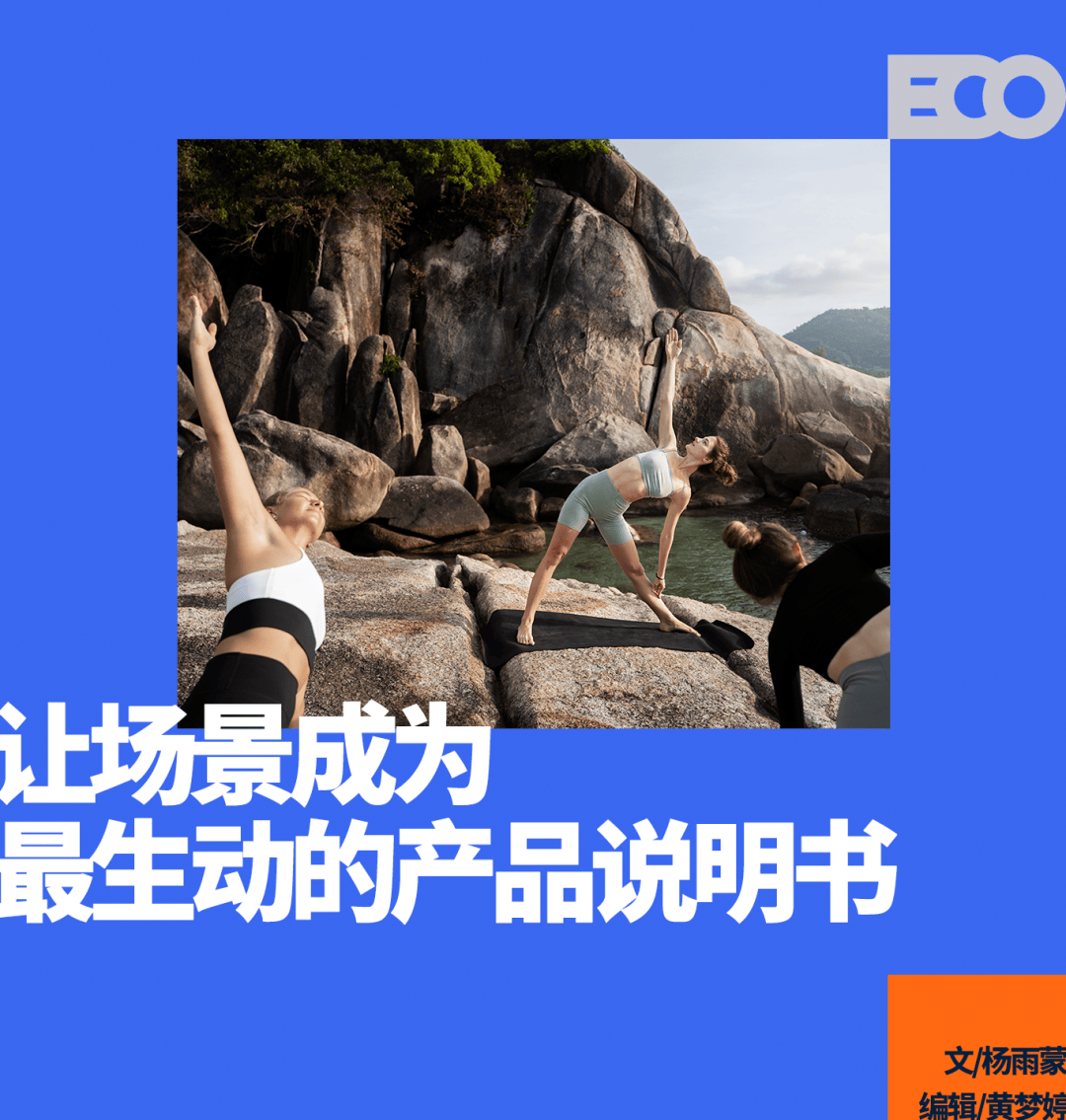
一场七夕宴,酒业新棋局
Sou Hu Cai Jing· 2025-09-01 04:27
Core Insights - The article highlights the transformation of the liquor industry through innovative marketing strategies during the Qixi Festival, focusing on low-alcohol products and immersive experiences to attract younger consumers [2][18] Product Trends - The liquor industry is shifting towards "low-alcohol" products, with brands like Wuliangye launching a 29-degree product and Gujinggong introducing a 26-degree variant, both targeting younger consumers who prefer lower alcohol content [3][12] Marketing Strategies - Companies are implementing online and offline marketing strategies that emphasize experiential and scenario-based consumption, such as interactive online campaigns and immersive offline events [5][9] - Online initiatives include social media interactions and themed content, while offline events focus on creating unique experiences that resonate with consumers [11][12] Targeting Young Consumers - The combination of low-alcohol products and scenario-based marketing aims to break traditional stereotypes associated with liquor, appealing to the younger generation's drinking habits and lifestyle [12][14] - Brands are redefining their image from "traditional liquor" to "social currency" by integrating elements relevant to young consumers, such as romance and social interactions [12][14] New Consumption Scenarios - The industry is witnessing a shift from traditional consumption scenarios like business dinners to new contexts such as family gatherings and emotional consumption, with brands adapting their offerings accordingly [13][14] - Marketing efforts are increasingly focused on emotional connections, with campaigns linking drinking to significant life moments and personal experiences [13][14] Embracing Female Consumers - The rise of the "she economy" is being recognized as a significant market opportunity, with products designed to appeal to female consumers through aesthetics and lower alcohol content [14][15] - Marketing strategies are tailored to resonate with women's self-care and emotional needs, further expanding the consumer base [15] Industry Challenges - Despite the innovative marketing approaches, the industry faces challenges such as homogenized competition and the risk of consumer fatigue due to similar marketing tactics [17] - The need for brands to convert short-term festival excitement into long-term consumer loyalty remains a critical challenge [17][18] Future Directions - The liquor industry is expected to further segment its marketing strategies, targeting emerging consumer scenarios like solo drinking and self-rewarding experiences [17][18] - Long-term success will depend on continuous product innovation and the ability to integrate drinking into everyday life rather than limiting it to festive occasions [17][18]


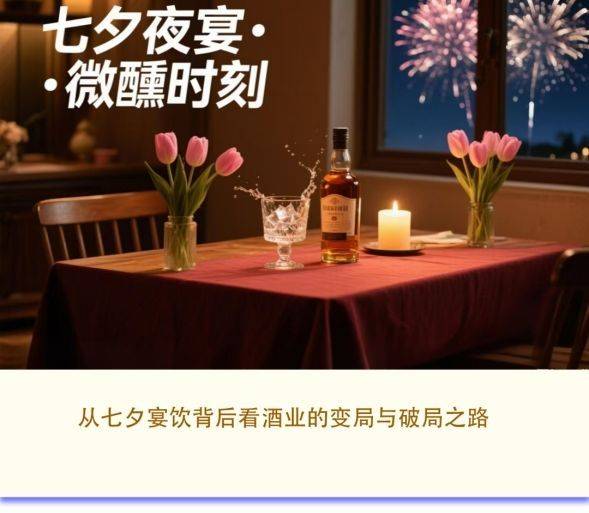
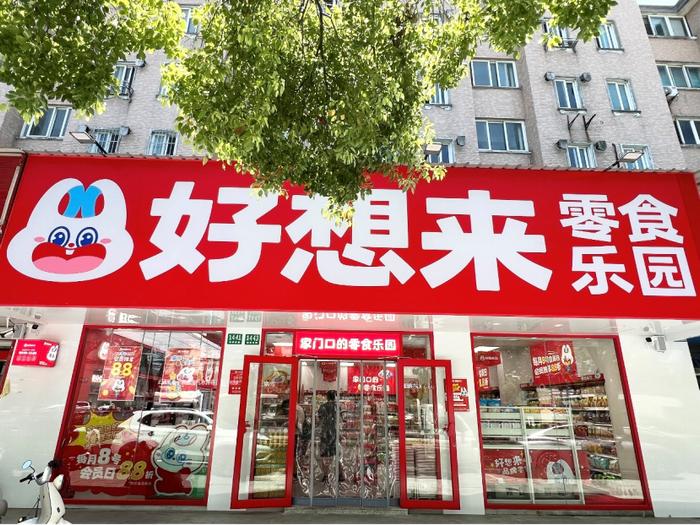
万辰集团(300972.SZ)实力入围民营企业500强,半年报营收利润双双报喜
Xin Lang Cai Jing· 2025-08-29 03:13
Core Insights - The company reported a significant increase in total operating revenue, reaching 22.583 billion yuan, a year-on-year growth of 106.89% [1] - Net profit attributable to shareholders surged to 472 million yuan, marking a staggering year-on-year increase of 50,358.80% [1] - The company ended the reporting period with a strong cash reserve of 3.436 billion yuan [1] Business Performance - The core snack business, "Good Idea Snacks," generated 22.345 billion yuan in revenue, reflecting a year-on-year growth of 109.33% [2] - The number of snack stores reached 15,365, providing robust support for overall performance [2] - The company plans to issue H-shares and apply for listing on the Hong Kong Stock Exchange to enhance brand recognition and competitiveness [2] Strategic Initiatives - The company focused on developing its own brands and implementing innovative marketing strategies to solidify its market position [2] - New product lines such as "Good Idea Super Value" and "Good Idea Selected" were launched, emphasizing quality and affordability [5][7] - The company aims to create a product moat through differentiated product offerings based on consumer insights [7] Marketing and Brand Development - The appointment of actor Tan Jianzi as the brand ambassador significantly boosted online visibility, with over a million shares within 24 hours of the announcement [8] - Offline advertising campaigns in 16 cities and over 35,000 buildings enhanced brand penetration and consumer engagement [9] - The marketing strategy includes a blend of celebrity endorsements, product innovation, and user-generated content to foster brand loyalty [11] Membership and User Engagement - The company has established a robust membership ecosystem with over 100 million registered members, enhancing user retention and brand influence [12] - Innovative membership benefits and community engagement initiatives, such as the "Points for Charity" program, have been implemented to deepen customer relationships [19] - The company has successfully integrated instant retail trends, with approximately 5,000 stores connected to platforms like Meituan and Taobao, achieving over 90% new customer acquisition online [25] Future Outlook - The company is well-positioned to leverage the trillion-yuan snack market, focusing on sustainable growth and innovation [29] - Continued emphasis on product development, marketing innovation, and refined membership operations is expected to enhance product offerings and shareholder value [29]
跻身中国民企500强,万辰集团半年报再传捷报,核心财务指标大幅提升
Quan Jing Wang· 2025-08-28 13:35
Core Insights - The company reported a significant increase in total revenue and net profit for the first half of 2025, with total revenue reaching 22.583 billion yuan, a year-on-year growth of 106.89%, and net profit reaching 472 million yuan, a staggering increase of 50,358.80% [1] - The core business of the company, centered around the "Good Idea" brand snacks, continues to drive growth, achieving revenue of 22.345 billion yuan, up 109.33% year-on-year [1] - The company plans to issue H-shares and apply for listing on the Hong Kong Stock Exchange to enhance brand recognition and competitiveness [1] Business Strategy - The company focuses on developing its private label brands, launching series like "Good Idea Value" and "Good Idea Selection," which emphasize quality and affordability [2][3] - The private label products are designed with unique selling points, such as differentiated packaging and flavor profiles, to meet consumer demands [3] - The company leverages its extensive store network and consumer data to identify trends and develop popular products [3] Marketing and Brand Development - The company has implemented emotional marketing strategies, including appointing a celebrity spokesperson, which significantly increased online engagement and brand visibility [5][6] - The marketing approach includes interactive campaigns and collaborations with influencers to enhance consumer connection and drive foot traffic to stores [6] - The brand's marketing efforts have successfully transformed it from a "snack store" to a "city landmark," increasing brand penetration [5] Membership and User Engagement - The company has built a robust membership ecosystem, with over 100 million registered members, enhancing customer loyalty and brand influence [7] - Innovative membership programs and social responsibility initiatives, such as the "Points for Charity" program, have engaged consumers and fostered community involvement [7][8] - The company has effectively utilized private traffic channels and gamified marketing strategies to boost user engagement and sales conversion rates [8][9] Future Outlook - The company aims to continue expanding its market presence in the competitive snack industry, leveraging its supply chain and operational capabilities [10] - With government policies promoting consumption and domestic demand, the company is well-positioned to capitalize on growth opportunities in the snack market [10] - The focus will remain on product innovation, marketing strategies, and enhancing the membership experience to drive sustainable growth and shareholder value [10]

2025年中国互联网营销市场研究报告
艾瑞咨询· 2025-08-12 00:05
Core Insights - The Chinese internet advertising market is experiencing steady growth, with a revenue increase of 12.4% in 2023, reaching 1,131.7 billion yuan [1][21][22] - E-commerce and short video platforms are the most favored media types by advertisers, contributing significantly to market revenue [21][25] - The rise of AIGC technology is expected to drive new developments in digital marketing, with micro-short dramas emerging as a new content format [1][28][32] Group 1: Market Overview - The internet advertising market in China is expanding, with a market size of 1,131.7 billion yuan in 2023, reflecting a 12.4% growth compared to 2022 [21][22] - E-commerce platforms hold a market share of 36.3%, while short video platforms account for 26.5%, indicating their dominance in the advertising space [25] - The macroeconomic recovery and advancements in AI technologies are revitalizing the advertising industry, leading to increased marketing investments [22][28] Group 2: Consumer Behavior and Trends - Consumers are undergoing significant behavioral changes, driven by shifts in lifestyle, values, and social psychology, which are reshaping brand communication strategies [1][55] - The rise of rational consumption and emotional appeal coexists, with consumers actively seeking information and evaluating product quality and price [40][43] - The trend of "self-satisfaction consumption" is becoming dominant, with consumers prioritizing emotional value and personal fulfillment in their purchasing decisions [40][56] Group 3: Technological Impact - AIGC technology is revolutionizing digital marketing by enabling rapid generation of advertising materials and enhancing personalized marketing efforts [28][29] - The integration of AI in marketing processes is leading to more humanized and customized consumer experiences, increasing engagement and satisfaction [52][59] - The use of AI applications in marketing is gaining traction, with a significant percentage of consumers recognizing its effectiveness in aiding purchasing decisions [53][59] Group 4: Content and Marketing Strategies - Micro-short dramas are becoming a new traffic entry point, enriching content supply and expanding the market for brand marketing [32] - Scene-based marketing is emerging as a new solution for brands to stimulate consumer demand, moving beyond traditional marketing approaches [34] - Brands are increasingly focusing on emotional resonance and consumer engagement to build loyalty and trust in a competitive market [56][49]

市场竞争加剧,海尔冷柜酒柜多国家稳居第一
Jin Tou Wang· 2025-08-11 03:12
Core Insights - The global refrigeration market is experiencing intensified competition, with technological advancements and upgraded consumer demands for functionality, energy efficiency, and preservation [1] - Haier has emerged as a leader in the refrigeration sector, maintaining the top position in global brand retail volume for freezers for 14 consecutive years and for wine cabinets for 15 years, holding a market share of 24.1% [1] Market Performance - Haier's freezer market share is particularly strong in emerging markets, with Thailand at 30%, Malaysia at 34.7%, Pakistan exceeding 62%, Nigeria at 35%, and Congo-Brazzaville at 30% [1] - In developed markets, Haier and AQUA brands together hold a 41% share in Japan, while Haier's wine cabinets perform exceptionally well in the European high-end market, ranking first in Italy and France [1] Competitive Advantages - Haier's leadership in freezers and wine cabinets is attributed to three key areas of deep synergy [1] - Technological breakthroughs address industry pain points, such as the -60℃ rapid freezing technology for freezers and precise temperature control for wine cabinets, ensuring optimal storage conditions [1] Localization Strategy - Haier's localized approach enhances its competitive edge, with manufacturing centers in Southeast Asia, South Asia, and Africa, leveraging a global open innovation system to quickly respond to diverse consumer needs [2] - Specific product adaptations, such as a durian freezing solution in Malaysia and a 150-hour non-thawing freezer in Nigeria, demonstrate Haier's ability to match local consumption scenarios [2] Marketing Strategies - Scene-based marketing effectively drives market growth by integrating local cultural elements, resulting in increased brand visibility and market share [2] - For instance, during the Eid al-Adha festival in Pakistan, a combination of online and offline marketing led to a 30% increase in sales, while the durian season in Malaysia saw Haier's freezers capture over 64% market share in a major appliance chain [2] Export Potential - According to the China Electromechanical Products Import and Export Chamber, freezer exports are projected to reach 13.7 million units in the first half of 2025, reflecting a year-on-year growth of 5.8%, indicating ongoing global market potential [2] - Haier's global collaboration capabilities and localized responsiveness are expected to be crucial in adapting to market changes [2]

运动品牌发力开店:开在运动场上,也开进知名街区里
3 6 Ke· 2025-08-08 02:48
Core Insights - High-end sports brands are increasingly investing in physical retail spaces, creating immersive environments that connect consumers with their lifestyle choices [1][2] - The strategy focuses on establishing closer connections with consumers through experiential retail, moving beyond traditional sales models [1][4] Group 1: Store Location and Experience - High-end sports brands are opening stores in unique locations such as hiking trails, luxury golf courses, and urban landmarks to enhance the consumer experience [1] - Salomon has established a store in Chamonix, a renowned winter sports destination, offering a range of outdoor sports equipment and services tailored to local needs [4][6] - Brands like Arc'teryx and Descente are creating specialized stores that cater to specific sports, such as skiing and golf, while also providing community engagement activities [8][9] Group 2: Consumer Engagement and Demand Activation - The physical proximity of stores to sports activities allows brands to capture immediate consumer needs and provide relevant products and services [6] - Brands are designing interactive spaces within stores to trigger consumer interest and participation in various sports, transforming passive shopping into active engagement [8][9] - Decathlon has introduced immersive experiences in new stores, allowing consumers to try out different sports activities, thereby enhancing their enthusiasm for sports [8] Group 3: Cultural and Community Integration - High-end sports brands are embedding themselves within local cultures, creating emotional connections with consumers through community involvement and cultural symbolism [11][13] - Nike's flagship store in Wuhan incorporates local dialect and cultural references to resonate with the community, while Salomon's store in Shanghai collaborates with local artists and businesses [11][13] - Brands like lululemon are organizing community events to foster connections and promote a healthy lifestyle, integrating their brand into the local social fabric [13] Group 4: Synergy of Scene and Localization - The combination of experiential retail and local cultural integration creates a symbiotic ecosystem that enhances brand loyalty and reduces customer acquisition costs [15][17] - Arc'teryx has partnered with local hotels to open stores in remote areas, providing tailored services and products that align with the outdoor lifestyle of their target audience [15][17] - This shift in focus from mere sales to value creation positions brands as cultural participants, fostering a deeper connection with consumers through shared values and experiences [17]