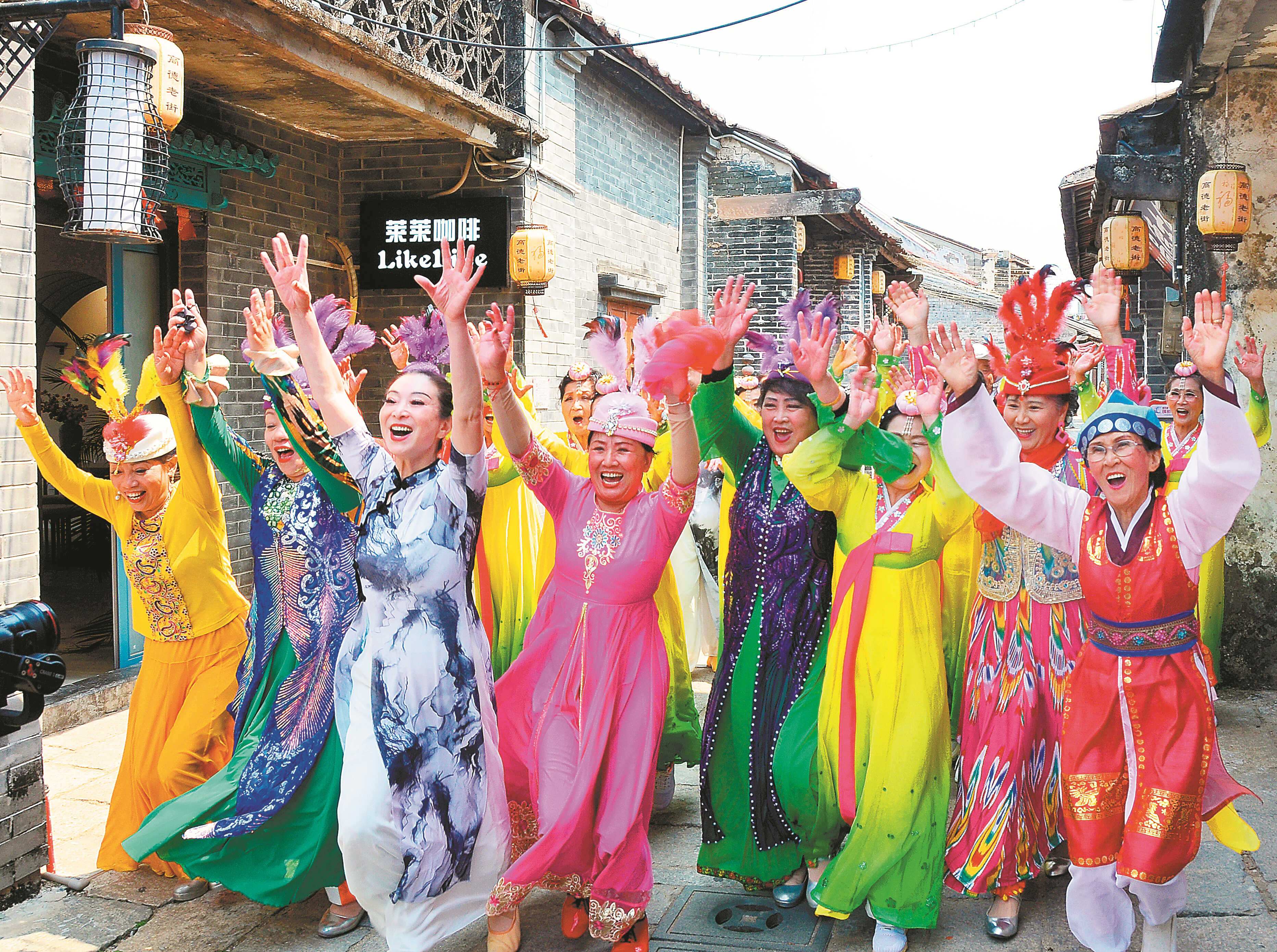
文化融合

Search documents
不输清迈,被孤独星球吹爆的隐世老城,终于被中国人看到
3 6 Ke· 2025-12-19 02:57
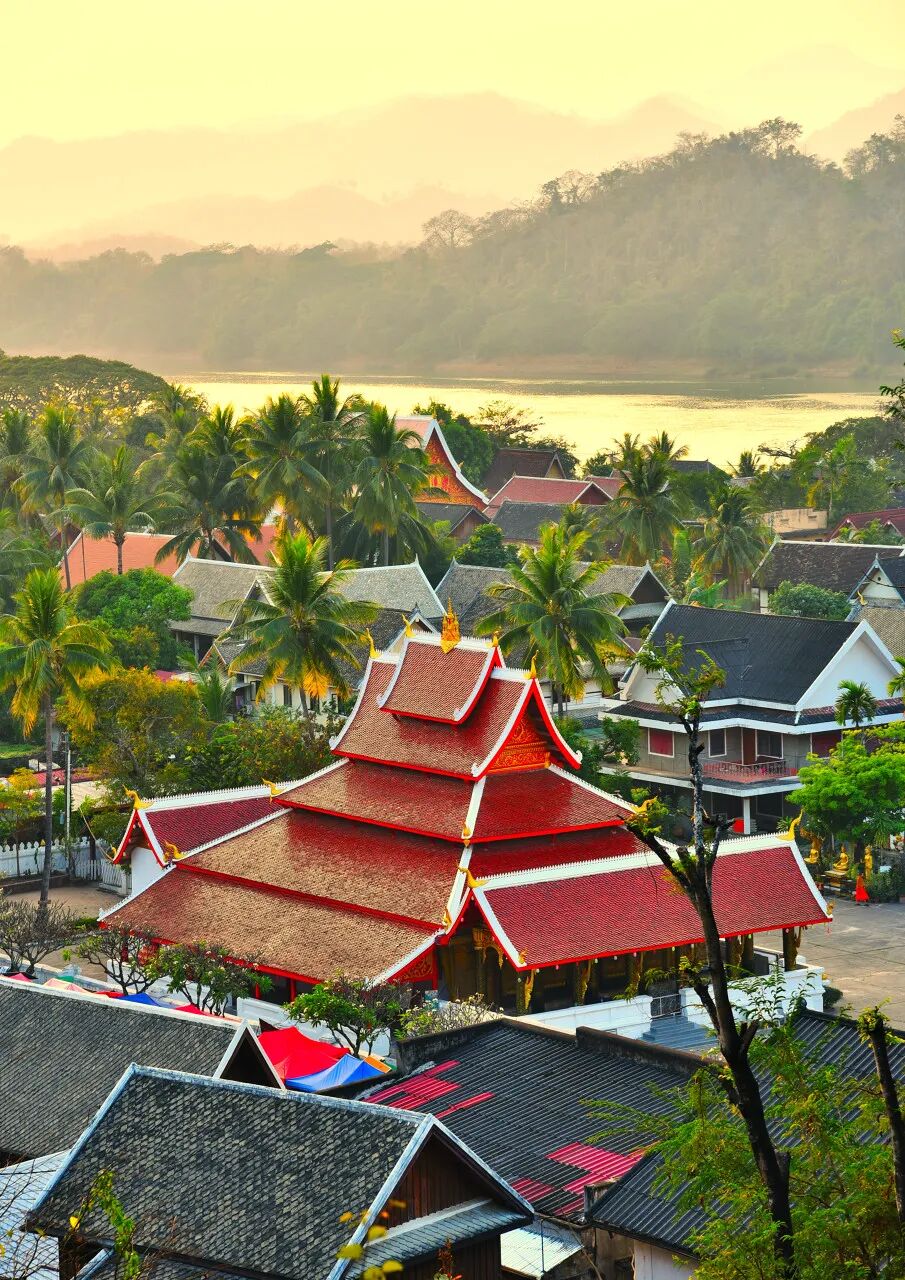
Core Insights - Luang Prabang, a small city in Laos, is gaining popularity among tourists for its rich cultural history and serene atmosphere, making it a top choice for travelers seeking a unique experience [1][3][7] - The city has been recognized as the best travel destination in Asia for 2025 by Lonely Planet, highlighting its appeal as a must-visit location [7][8] Historical and Cultural Significance - Luang Prabang was the capital of the Lan Xang Kingdom and is known for its historical significance, being a UNESCO World Heritage site [1][3][4] - The city features a blend of traditional Lao architecture and French colonial influences, earning it the nickname "Little South France" [4][18] Accessibility and Tourism Growth - The opening of the China-Laos railway in December 2021 has significantly improved access for Chinese tourists, allowing for easier travel to Luang Prabang [5][8] - The city is described as small yet captivating, with visitors often wanting to stay longer due to its charm [9][10] Unique Experiences - Luang Prabang offers a tranquil lifestyle, with local customs such as the morning almsgiving ceremony attracting both locals and tourists [11][19] - The city is also known for its artisanal crafts, particularly in weaving, with nearby villages producing traditional textiles [20][21] Natural Beauty and Environment - The geographical setting of Luang Prabang, located at the confluence of the Mekong and Nam Khan rivers, enhances its scenic beauty and cultural richness [10][12] - The natural environment contributes to the city's relaxed atmosphere, making it a desirable escape for travelers [12][22]

乐言商业|上海乐高乐园刷新全球乐高乐园百万客流纪录,文化融合成就行业标杆
Di Yi Cai Jing· 2025-12-18 11:01
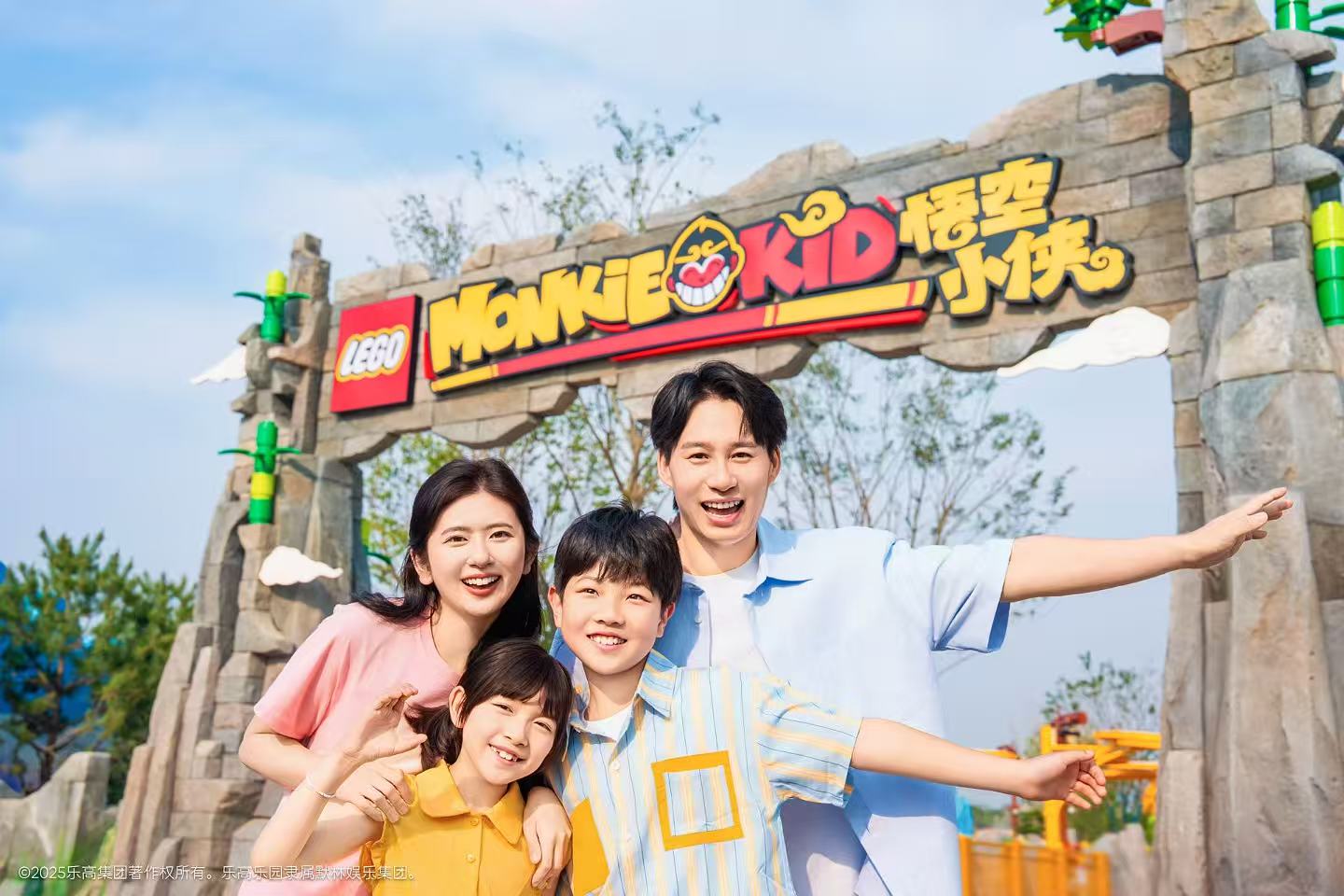
Core Insights - Shanghai LEGO Park has welcomed over 1 million visitors, setting a record for the fastest LEGO park to reach this milestone globally [1][5][6] Group 1: Visitor Experience and Satisfaction - The park's net promoter score (NPS) is continuously rising, indicating high visitor satisfaction as experiences are enriched [6] - During the summer, the park achieved an average ride frequency of 8.73 per visitor, with popular attractions like the "Driving School" graduating nearly 86,000 young drivers [6] Group 2: Cultural Integration and Unique Features - The park incorporates local Chinese elements, with over 75 interactive rides and attractions designed to reflect local culture, including a water town-themed boat ride [2][3] - "Mini World," a key attraction, features LEGO models of iconic Chinese architecture, constructed using 20 million bricks over 168,000 hours, symbolizing a blend of global LEGO standards and local culture [3] Group 3: Future Development Plans - The park is planning a second phase of expansion, with new projects expected to be unveiled in the coming years to further enhance the resort's scale and offerings [12] - Future seasonal events, such as the "Winter Holiday" and "Autumn Family Carnival," are designed to maintain visitor interest and engagement throughout the year [10][12] Group 4: Industry Recognition - Shanghai LEGO Park has received the THEA Award for Outstanding Achievement, marking it as a significant player in the theme park industry and the only park in China to receive this accolade by 2025 [7]
【宝鸡】推出两款创意文创公交卡
Shan Xi Ri Bao· 2025-12-09 23:01
Core Viewpoint - Baoji Public Transport has launched two cultural creative cards inspired by historical artifacts, enhancing the integration of cultural heritage with modern transportation, and promoting a new green travel experience for passengers [1] Group 1: Product Launch - The two new cultural creative cards are the "He Zun" card and the "Bus" card, which can be used for public transport in 336 cities across the country [1] - The "He Zun" card features elements from the He Zun artifact, incorporating the earliest inscription of the word "China," allowing this national treasure to be more accessible to the public [1] - The "Bus" card has a three-dimensional design that includes landmarks from Baoji, such as the Zhonghua Shiguge and He Zun, with a feature that lights up the top of the Shiguge when swiped [1] Group 2: Pricing and Benefits - Each card is priced at 20 yuan, is anonymous, and can be replaced for free within three years if not damaged by human actions [1] - Passengers using these cards on regular, tourist, and community customized bus routes can enjoy a 20% discount [1] Group 3: Future Plans - The company plans to continue developing more cultural creative products that reflect Baoji's cultural characteristics, aiming to enrich the travel and cultural experience for citizens [1]
杭州首次举办国际会展策划创意大赛
Hang Zhou Ri Bao· 2025-12-02 02:54
Group 1 - The first Hangzhou International Exhibition Planning and Creative Competition awarded 16 gold, 31 silver, 33 bronze, and 11 excellence awards, focusing on exhibition creativity, design, and communication [1] - Over 119 teams from more than 30 enterprises and universities participated, showcasing the youthful energy driving innovation in Hangzhou's exhibition industry [1] - Award-winning projects directly addressed Hangzhou's industrial upgrade needs in digital economy, AI, and low-altitude economy, highlighting the potential for deep integration between exhibition projects and the real economy [1] Group 2 - The exhibition communication track encouraged creative presentations of Hangzhou's image through short videos, with winning works emphasizing the city's cultural heritage and exhibition resource advantages [2] - Projects like "Global Digital Trade Expo Cultural and Creative Product Design" utilized AI and blockchain technologies, promoting digital transformation in the exhibition industry [2] - The competition's winning entries will enter Hangzhou's exhibition project support database, with the city providing venue coordination and funding application guidance [3] Group 3 - The competition highlighted trends in digital empowerment, cultural integration, and green low-carbon initiatives, producing globally-minded yet locally distinctive proposals [3] - Hangzhou aims to deepen international exhibition cooperation and enhance the city's competitiveness through this competition, contributing to the global exhibition industry's development [3]
南极寒风里的“中文热”
Ren Min Ri Bao Hai Wai Ban· 2025-12-01 22:11
Core Points - The establishment of the Confucius Institute at Magallanes University marks the southernmost Confucius Institute in the world and the fourth in Chile, reflecting a growing interest in Chinese language and culture in the region [1] - The initial classes began on November 19, with high demand leading to full enrollment of 60 students, prompting considerations for additional classes to meet local interest [1][2] - The collaboration between Beijing Language University and Magallanes University aims to integrate unique courses that combine Chinese language with polar research and marine science, fostering academic cooperation [3] Group 1 - The Confucius Institute is located in Punta Arenas, a key port city and gateway to Antarctica, enhancing cultural exchange and educational opportunities in the region [1][2] - Local students and faculty express a strong interest in learning Chinese, viewing it as a valuable skill for future career opportunities and cultural understanding [2] - The initiative is seen as a significant cultural milestone, promoting better service in the tourism sector, particularly for Chinese tourists visiting Antarctica [2] Group 2 - The partnership between the two universities aims to leverage their strengths, creating distinctive programs that facilitate research collaboration in cutting-edge fields [3]
聚焦中国品牌国际化发展 2025金砖品牌论坛在迪拜成功举办
Nan Fang Nong Cun Bao· 2025-11-28 09:02
聚焦中国品牌国 际化发展 2025 金砖品牌论坛在 迪拜成功举办_ 南方+_南方plus 11月26日,由中 国广告协会与中 东最大自贸区迪 拜杰贝阿里自贸 区联合主办的 "2025金砖品牌 论坛" 在迪拜圆 满落幕。论坛以 搭建高规格国际 交流平台为核 心,聚焦中国品 牌国际化发展, 旨在促进中国品 牌与金砖国家及 新兴市场品牌的 深度沟通,为跨 境品牌合作与文 化交流注入新动 能。 文化品牌深度交 流。 辞,均表达了对 金砖国家品牌合 作与跨文化交流 的期许。新意互 动总裁杨涛、中 国建筑中东公司 副总经理马文 龙、杰贝阿里自 贸区中国市场高 级负责人胡胜 利、媒捷中东主 管 Ian Rees(英 国)、阿联酋 UEA Namoo 公 司联席创始人 Hamza Waqar (沙特)、陕西 广电融媒体集团 经营中心副主任 于斌等嘉宾围绕 品牌国际化、跨 境合作、文化融 合等主题发表主 旨演讲,分享前 沿观点与实践经 验。 活动当天,众多 嘉宾共同启 动"鲲鹏出海生 态圈 迪拜全球 发布"仪式,中 国广告协会国际 传播工作委员会 执行主任陆文龙 对"鲲鹏出海生 态圈"进行详细 解读。同时,活 动现场颁发 了" ...

旺旺集团联名北京天坛公园跨界融合打造文创新典范
Zhong Guo Zhi Liang Xin Wen Wang· 2025-11-28 03:55
Core Insights - Wangwang Group and Beijing Temple of Heaven have launched the "Blessing Big Snow Cake," which has gained significant attention on social media due to its large size of 15 centimeters in diameter and its cultural significance [1] Group 1: Product Launch - The "Blessing Big Snow Cake" is designed to be larger than a person's face, creating a fun experience for consumers [1] - The packaging incorporates classic patterns from the Temple of Heaven's Hall of Prayer for Good Harvests, showcasing the beauty of Chinese architecture [1] Group 2: Cultural Significance - The collaboration merges Wangwang's "Good Luck Culture" with the Temple of Heaven's "Blessing Culture," making it a phenomenon that resonates with cultural themes [1] - The product has sparked a "Blessing Check-in" trend on social media, with many users sharing photos of the cake at the Temple of Heaven [1] Group 3: Company Strategy - Wangwang Group invests over 400 million RMB annually in research and development to continuously create new products [1] - The company aims to integrate Chinese "Wang Culture" into its products and expand its reach globally, fostering a bridge of friendship across the Taiwan Strait [1]

为啥有钱人移民都不去德国,明明治安比美国好?背后太现实
Sou Hu Cai Jing· 2025-11-26 04:50
Group 1: Migration Trends - In the first half of 2025, the number of millionaires migrating globally has reached a historical record, with an estimated 142,000 expected to migrate throughout the year [1] - The top destinations for these migrants include the UAE with a net inflow of 9,800, followed by the US with 7,500, and Italy, Switzerland, Saudi Arabia, Singapore, Portugal, Greece, Canada, and Australia with varying inflows [1] Group 2: Taxation and Economic Environment - Germany's tax system imposes a marginal tax rate of up to 45%, with additional taxes potentially bringing the effective tax burden to 50.5% for high-income earners [3] - In contrast, the US has a maximum federal income tax rate of 37%, with some states having no income tax, making it more attractive for wealthy individuals [3][4] - The overall tax burden in Germany ranks high among OECD countries, while the US tax laws offer more flexibility and opportunities for tax optimization [4] Group 3: Economic Opportunities - Germany's economy is stable but perceived as lacking in risk-taking opportunities, which is less appealing to wealthy individuals seeking rapid returns on investment [4][5] - The expected economic growth in Germany for 2025 is only 1.2%, significantly lower than the US's 2.5%, which may deter high-net-worth individuals [4] Group 4: Cultural Integration - Germany's cultural environment is seen as less welcoming, with language barriers and a relatively closed social network, making it difficult for wealthy migrants to integrate [7] - The cultural values in Germany emphasize steady progress over the pursuit of wealth, which may not align with the aspirations of many wealthy individuals [8][12] Group 5: Comparative Analysis with Other Countries - The US is viewed as a melting pot with diverse cultural integration opportunities, making it a preferred destination for wealthy individuals, particularly from China [10] - Other countries like the UAE, Singapore, and Canada offer attractive conditions for wealthy migrants, such as low taxes and high living standards, while Germany is perceived as less appealing for those in their middle to upper career stages [13]

新质生产力引领转型 北京印刷业推进数字化、文化融合与绿色发展
Xin Jing Bao· 2025-11-25 04:12
Core Insights - The printing industry in Beijing is evolving from traditional methods to digital, cultural, and green printing, driven by new productive forces and aligned with the capital's cultural center development [1][5] Group 1: Digital Transformation - Traditional printing's mass production model struggles to meet the current demand for personalization and customization, leading Beijing printing companies to reconstruct their production processes and service models around digitalization [2] - Beijing Jianhong Printing Co., Ltd. initiated its digital transformation in 2012, enabling on-demand publishing services that allow for unique book prints, thus transitioning from a traditional factory to a fully digital enterprise [2] - Beijing Jiexun Jiacai Printing Co., Ltd. offers diverse personalized production options, allowing customers to order single items online while also being capable of handling large-scale production [2] Group 2: Cultural Integration - Beijing Dida Color Printing Co., Ltd. has expanded beyond traditional manufacturing to become a comprehensive service provider in the cultural industry, with a significant portion of its team focused on creative design and process development [3] - Beijing Hualian Cultural Printing Co., Ltd. has adopted a "Printing +" service model, transitioning from traditional processing to new printing and service directions, thereby creating value in the cultural sector [4] - Various Beijing printing companies are capturing new cultural market trends by integrating cultural elements into their products, thus expanding their industrial value boundaries [4] Group 3: Green Development - During the 14th Five-Year Plan period, Beijing has established special funds to support the high-quality development of printing enterprises, focusing on digitalization, greening, and intensive upgrades [5] - Beijing Dingjia Century Printing Co., Ltd. has implemented a distributed photovoltaic power generation system, significantly reducing carbon emissions while investing heavily in green technology upgrades [6] - Beijing Hualian Printing Co., Ltd. has developed a comprehensive green strategy that includes energy performance assessments and digital management of energy consumption, emphasizing sustainability in product development [6]
“过客”变“归人”
Guang Xi Ri Bao· 2025-11-25 03:14
Core Insights - The Chinese tourism market is experiencing both total expansion and structural transformation, with the travel residence demand gradually replacing traditional tourism models. A mere 5% shift towards travel residence could create a market increment of 250 billion yuan [5] - The travel residence and elderly care sector has become a national strategy, with significant policy support from the central government aimed at developing new consumption models and promoting high-quality development in the industry [5][21] - Despite a 217% growth in the travel residence market over three years, less than 30% of projects are profitable, indicating a need for sustainable development strategies [5][23] Market Dynamics - The travel residence market in China has surpassed 5 trillion yuan, driven by consumption upgrades and an aging population [5] - In 2024, the number of tourists in Beihai reached 61.21 million, a 16.6% increase from 2023, highlighting the growing importance of the travel residence demographic in the tourism sector [11] - The travel residence sector is becoming a crucial driver for economic transformation in Beihai, with the potential to enhance hotel occupancy rates during off-peak seasons [11][21] Challenges and Shortcomings - Key issues affecting the travel residence experience include transportation, talent shortages, product offerings, and cultural barriers, which impact the overall satisfaction of residents [7][8] - The lack of clear definitions and standards for "travel residence" complicates industry management and hinders effective planning and resource allocation [12][13] - Regulatory ambiguities between travel and elderly care institutions lead to inconsistent service quality and operational challenges [12][13] Innovative Practices and Solutions - Beihai's establishment of the first travel resident association in China serves as a model for community engagement and governance, transforming the perception of travel residents from outsiders to integral community members [15][16] - The association has successfully addressed over 30 community issues, enhancing the quality of life for residents through organized feedback mechanisms and volunteer initiatives [16][17] - Cultural integration activities foster a sense of belonging among diverse ethnic groups, contributing to a cohesive community atmosphere [18][19] Policy Initiatives - The Beihai government has initiated a three-year action plan to enhance the tourism industry, emphasizing the development of the travel residence economy [21][28] - Plans to create a "travel service chain" by integrating elderly care facilities with tourism resources aim to improve service delivery and enhance the travel experience for elderly residents [22] - The establishment of vocational training programs in elderly care is expected to address the talent shortage in the travel residence sector, thereby improving service quality [22][26] Future Outlook - The travel residence market in Guangxi is projected to grow significantly, with expectations of reaching 20 million visitors in the next decade [24] - The government aims to implement a comprehensive policy framework to support the integration of travel, elderly care, and cultural services, creating a robust ecosystem for the travel residence industry [28][29] - Collaborative efforts among various stakeholders, including government, market entities, and social organizations, are essential for overcoming existing challenges and achieving sustainable growth in the travel residence sector [29]