注册制

Search documents
不出意外,A股会复制2014年行情了
Sou Hu Cai Jing· 2025-10-16 12:00
Group 1 - The current market is characterized as an epic bull market, with expectations for the Shanghai Composite Index to double, but many investors may not feel its effects due to misalignment with market strategies [1] - Many investors are experiencing losses not because of a bear market, but due to a misunderstanding of the bull market dynamics and their own portfolio logic [3] - The current bull market is likely to be a comprehensive one, driven by sector rotation rather than broad-based increases, with two main themes: dividends and technology [3] Group 2 - A potential replication of the 2014 market trend is anticipated, with expectations of a significant rise in the fourth quarter, which could lead to a 10-15% increase in the Shanghai Composite Index [5] - The rise of heavyweight stocks such as banks, insurance, and energy could significantly boost the index, even if many individual stocks decline [5] - The Shanghai Composite Index has already surpassed its 2021 high, while the CSI 300 Index has also seen substantial gains, indicating a selective market performance [5] Group 3 - The outlook for the market remains optimistic, particularly for the index, with the potential for significant upward movement if heavyweight assets rally [7] - The ability of investors to benefit from the market rally depends on their holdings in key sectors like banking, insurance, and energy [7]


等你来投!《清华金融评论》11月刊“科技与资本双向融合”征稿启事
清华金融评论· 2025-10-12 09:42
Core Viewpoint - Technology is the primary productive force, and better integration of technology and capital can activate new engines of economic growth, build an efficient financial ecosystem, and strengthen national strategic security [2][4]. Submission Directions - The article invites contributions on the theme of "the dual integration of technology and capital," marking the 6th anniversary of the Science and Technology Innovation Board (科创板) in 2025 [4]. - The editorial team aims to provide a platform for policy makers, business decision makers, academic researchers, and investors through various topics related to economic and financial analysis, policy interpretation, and practical recommendations [4]. Suggested Topics for Submission 1. Achievements and future development directions of the Science and Technology Innovation Board [5] 2. Impact and prospects of new policies on the financing environment for technology enterprises [5] 3. Mechanisms for nurturing patient capital under the deepening of the registration system [5] 4. Regulatory collaborative innovation in the integration of technology and capital [5] 5. Upgrading the low-altitude economy industrial chain driven by patient capital [5] 6. Support logic of the tiered design of the Science and Technology Innovation Board for unprofitable enterprises [6] 7. Institutional optimization of the patient attributes of state-owned capital [7] 8. Artificial intelligence reshaping the full-cycle management of patient capital [8] 9. Actual promotion of industries by the expansion of the fifth set of standards of the Science and Technology Innovation Board [9] 10. Capital pathways in frontier fields [10] 11. How the Science and Technology Innovation Board addresses the pain points of enterprise fundraising, investment, management, and exit [11] 12. International experience in further integrating technology and capital [12] Submission Requirements - Original submissions that have not been published on any platform [5]. - Suggested word count of 4000 to 6000 words, including charts [5]. - Plagiarism check limit of 8% on CNKI [5]. - Submission format includes a Word document, author biography, contact information, and academic resume [5]. - Submission deadline is October 18, 2025, to the specified email [5].
东莞证券7次更新招股书:受理两年半未获问询,上半年IPO项目挂零
Sou Hu Cai Jing· 2025-10-09 14:38
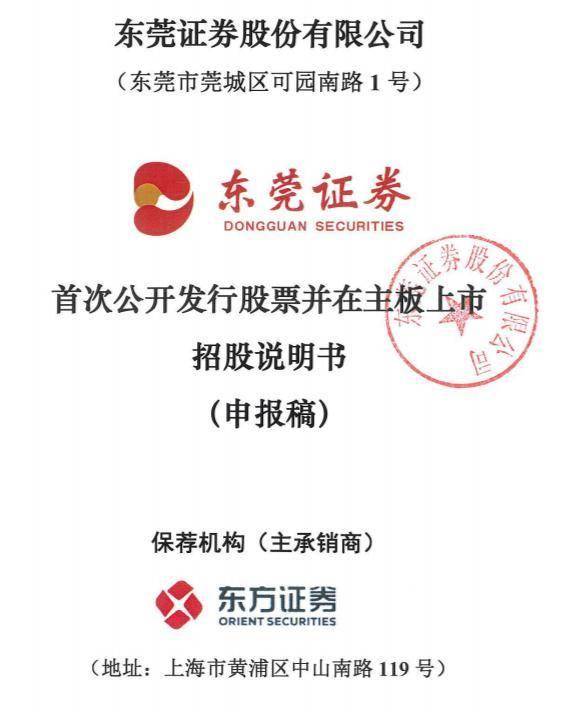
Core Viewpoint - Dongguan Securities has been in the process of its IPO for 10 years and remains in the accepted status with no progress in the last 2.5 years [2][3]. Group 1: IPO Process - Dongguan Securities submitted its IPO application to the China Securities Regulatory Commission (CSRC) in June 2015, which was officially accepted [3]. - The IPO review was suspended in May 2017 and only resumed in February 2021, with the company passing the initial review in February 2022 [3]. - The company has updated its prospectus seven times since submitting its IPO application in March 2023, but has yet to receive any inquiries [4]. Group 2: Financial Information - The expected fundraising amount for the IPO is approximately 3.09487 billion yuan [3]. - As of the end of 2022, the total assets of Dongguan Securities were approximately 52.63 billion yuan, with a net profit of about 7.91 billion yuan [6]. - The company's revenue for 2022 was approximately 2.299 billion yuan, with net profits projected to be 6.35 billion yuan for 2023 and 9.23 billion yuan for 2024 [6]. Group 3: Business Operations - Dongguan Securities primarily engages in securities brokerage, investment consulting, financial advisory related to securities transactions, and underwriting and sponsorship [5]. - The company reported zero IPOs in the first half of 2025, with investment banking revenue of 0.55 billion yuan, while it had 2.19 billion yuan in 2024 [7].
国联民生承销保荐:投行从“通道中介”向“价值伙伴”转型
Sou Hu Cai Jing· 2025-09-27 06:51
Core Viewpoint - The Sci-Tech Innovation Board is transforming the investment banking ecosystem, presenting greater challenges and higher requirements for business systems and professionals in the industry [2] Group 1: Investment Banking Transformation - Under the deepening of the registration system, the role of investment banks is shifting from "channel intermediaries" to "value partners," focusing on issuer positioning, project selection standards, and pricing system maturity as core issues of industry transformation [2] - Investment banks need to enhance three capabilities: value discovery and project selection, comprehensive service capability throughout the lifecycle, and pricing and sales capability in a new model of issuance pricing [2] Group 2: Future Plans - The company plans to continue focusing on "industrial investment banking" and "technology investment banking" as dual core positions, aiming to deepen regional and industry expertise while enhancing its value in serving technological innovation [2]


A股越来越健康是多赢
Bei Jing Shang Bao· 2025-09-23 16:18
Group 1 - The core achievement of the A-share market during the "14th Five-Year Plan" period is the significant transformation towards a high-quality ecosystem, with an increase in internationalization and a more optimized investor structure [1] - As of August this year, the total market value of the A-share market has surpassed 100 trillion yuan, marking a historic milestone driven by comprehensive optimization [1] - The regulatory framework has shifted from strict control to a more flexible approach, emphasizing zero tolerance for financial fraud and market manipulation, thereby enhancing investor protection [1] Group 2 - The A-share market has entered a new phase of comprehensive registration system implementation, with various measures aimed at optimizing the issuance and listing processes, as well as mergers and acquisitions [1] - The technology sector now accounts for over one-quarter of the A-share market's total market value, reflecting a significant increase in the representation of tech companies among market leaders [2] - The reform aimed at attracting long-term capital has shown positive results, with the total market value held by various long-term funds reaching approximately 21.4 trillion yuan, a 32% increase compared to the end of the "13th Five-Year Plan" [2] Group 3 - The capital market's openness is expanding, with foreign investment in A-shares reaching 3.4 trillion yuan, indicating a growing international presence [3] - The quality of listed companies is improving, and the concept of value investing is becoming more ingrained, contributing to the steady progress of the A-share market towards high-quality development [3]
【西街观察】A股越来越健康是多赢
Bei Jing Shang Bao· 2025-09-23 14:49
Group 1 - The core viewpoint highlights the significant transformation and optimization of the A-share market during the "14th Five-Year Plan" period, with a focus on high-quality development and increased internationalization [1][3] - A-share market's total market value surpassed 100 trillion yuan for the first time, reflecting a comprehensive optimization and synchronization of various dimensions [1] - The regulatory framework has shifted from strict control to a more flexible approach, emphasizing zero tolerance for financial fraud, market manipulation, and insider trading, thereby enhancing investor protection [1][2] Group 2 - The A-share market has entered a new phase of comprehensive "registration system," with various measures like "Science and Technology Innovation 16 Articles" and "M&A Six Articles" aimed at optimizing the issuance and listing processes [1][2] - The technology sector now accounts for over one-quarter of the A-share market's total market value, with a significant increase in the proportion of leading technology companies [2] - The dynamic balance between financing and investment has encouraged companies to shift focus from merely raising funds to creating value, leading to better resource allocation in the market [2][3] Group 3 - The capital market's openness is expanding, with foreign investment in A-shares reaching 3.4 trillion yuan, indicating a growing international presence [3] - The awareness of returning value to investors among listed companies is increasing, with frequent share buybacks and dividends enhancing market confidence [2] - A-share market has shown reduced volatility and improved risk resilience in recent years, demonstrating its strong robustness [2]
资本市场改革下一步怎么走?这场发布会勾勒百万亿市场新蓝图
2 1 Shi Ji Jing Ji Bao Dao· 2025-09-22 13:41
Core Viewpoint - The press conference highlighted the achievements of China's capital market during the "14th Five-Year Plan" period, emphasizing the expansion of its "circle of friends" and the significant progress made in various aspects of market development [1][6]. Group 1: Achievements in Capital Market - The total market value of China's capital market has surpassed 100 trillion yuan, with a more complete market system and a reasonable multi-tiered equity market structure [2][4]. - Over the past five years, the total financing amount from stock and bond markets reached 57.5 trillion yuan, with the proportion of direct financing increasing to 31.6% [2][5]. - The number of foreign-controlled securities, fund, and futures companies has increased, with 13 new approvals during the "14th Five-Year Plan" [8][9]. - The regulatory framework has been significantly improved, with the implementation of new laws and regulations, enhancing the legal foundation of the capital market [4][5]. Group 2: Market Function and Innovation - The capital market has seen accelerated innovation in products, including bonds, REITs, and futures options, with a total of 157 futures and options products available [5]. - The market's resilience and risk resistance have improved, with the annualized volatility of the Shanghai Composite Index decreasing by 2.8 percentage points compared to the previous five years [5]. Group 3: Regulatory Measures and Investor Protection - The China Securities Regulatory Commission (CSRC) has imposed administrative penalties for financial fraud and insider trading, with a total penalty amounting to 41.4 billion yuan, marking a 58% increase in the number of cases compared to the previous five years [5][16]. - The CSRC has strengthened investor protection, with compensation amounts exceeding 3.8 billion yuan for investor protection cases [2][16]. Group 4: Future Roadmap - The future roadmap includes enhancing the adaptability of the multi-tiered market system, better utilizing long-term funds, improving the quality of listed companies, and refining regulatory precision and effectiveness [18][19][20].
从易会满任期的上市潮,到易会满被查的退市潮
Sou Hu Cai Jing· 2025-09-08 01:32
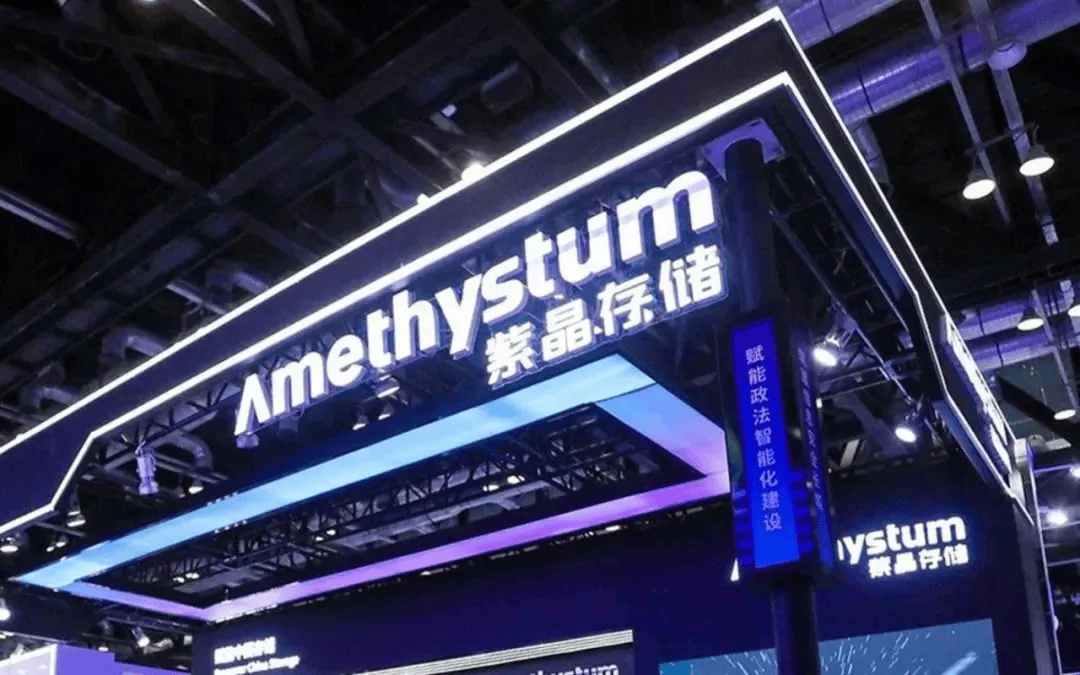
Core Viewpoint - The debate surrounding Yi Huiman's tenure highlights the duality of his impact on the A-share market, with criticisms focusing on excessive IPOs draining liquidity, while others emphasize the positive reforms such as the introduction of the registration system and new delisting rules that have made the market more accessible and healthier [1][2]. Group 1: Regulatory Changes - The new Securities Law introduced in late 2019 established a registration system, while the delisting rules published in 2021 mandated automatic delisting for non-compliant companies [2]. - The penalty for fraudulent listings was significantly increased from a maximum of 600,000 to double the amount raised through the fraudulent activities, which could lead to severe financial consequences for offending companies [2]. Group 2: Market Dynamics - The historical issue of A-shares being a one-way market has led to many quality companies seeking listings abroad, while the previous lenient delisting rules allowed many poor-quality companies to remain listed [1][2]. - The backlog of companies waiting to go public has negatively impacted investors, but the overall quality of these companies is expected to benefit the A-share market in the long run [2]. Group 3: Case Study - Zijing Storage - Zijing Storage faced severe penalties for financial fraud, including inflating revenue and profits through fictitious sales contracts and other deceptive practices, resulting in a total fine of 90.71 million yuan for the company and its executives [6][16]. - The company’s fraudulent activities included inflating revenue by 43.5 million yuan in 2017, 111.46 million yuan in 2018, and 66.94 million yuan in the first half of 2019, with profit inflation percentages reaching as high as 150.21% in 2020 [7][8][9][13][14]. Group 4: Investor Compensation - The Zijing Storage case marked a significant milestone in A-share history with the introduction of a proactive compensation mechanism, allowing for early compensation to investors amounting to approximately 1.086 billion yuan [17][19]. - The case established new practices such as the administrative enforcement commitment system and representative litigation, which aim to protect investor rights and enhance regulatory efficiency [21][22][23].
易会满被调查:5年任内A股涨8.76% 新上市企业接近2000家
Xin Lang Zheng Quan· 2025-09-06 03:34
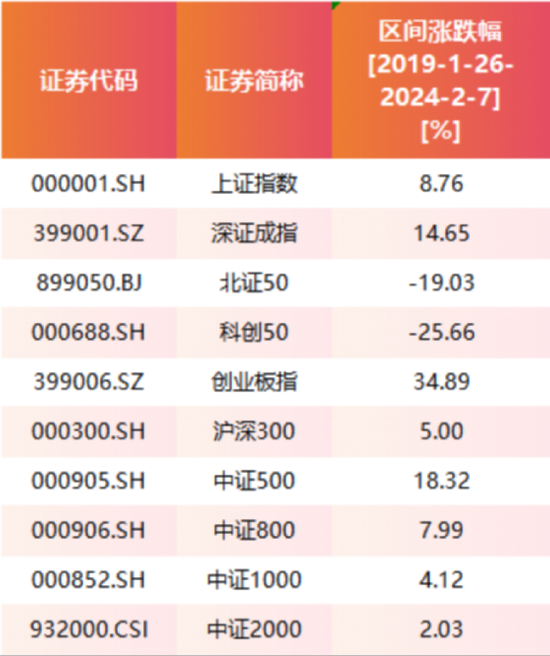
Core Viewpoint - The investigation of Yi Huiman, former chairman of the Industrial and Commercial Bank of China (ICBC) and chairman of the China Securities Regulatory Commission (CSRC), marks a significant turning point in his career, potentially linked to ongoing financial corruption efforts within ICBC [1][5]. Group 1: Career Background and Achievements - Yi Huiman was born in December 1964 and has a long career in the banking sector, starting in 1985 and rising through various positions at ICBC, eventually becoming its chairman in 2016 [1]. - As CSRC chairman from January 2019 to February 2024, Yi oversaw significant reforms in China's capital markets, including the establishment of the Sci-Tech Innovation Board and the pilot registration system [1][2]. - Under his leadership, the A-share market saw a total of 1,909 new listings, with 620 on the ChiNext and 570 on the Sci-Tech Innovation Board, accounting for 62% of new listings during his tenure [3]. Group 2: Market Performance During Tenure - During Yi's tenure, the Shanghai Composite Index rose from 2,601 points to 2,829 points, reflecting an increase of 8.76%, while the Shenzhen Component Index and the ChiNext Index saw increases of 14.65% and 34.89%, respectively [2]. - Despite these gains, the North Star 50 and Sci-Tech 50 indices experienced declines of 19.03% and 25.66%, respectively, indicating mixed performance across different market segments [2].
最新2期 | 沪深北交易所发行上市审核动态.PDF
梧桐树下V· 2025-08-28 05:00
Core Viewpoint - The article discusses the recent updates and changes in the registration-based IPO and asset restructuring regulations in China, highlighting the efforts to enhance the inclusivity and adaptability of the system for technology-oriented companies [5][7][8]. Summary by Sections 1. Review Overview - As of June 30, 2025, the Beijing Stock Exchange received 115 applications for public offerings, with 12 approved by the listing committee and 7 registered by the CSRC, raising a total of 1.923 billion yuan [20]. - The Shenzhen Stock Exchange processed 32 initial public offering (IPO) applications in the first half of 2025, with 11 from the main board and 21 from the ChiNext board [15]. - The Shanghai Stock Exchange revised its major asset restructuring review rules, introducing a simplified review process for certain transactions [8][9]. 2. Policy Updates - The CSRC issued the "Opinions on Setting Up a Growth Tier on the Sci-Tech Innovation Board," aimed at enhancing the system's inclusivity for unprofitable companies and improving investor protection [5]. - The "Major Asset Restructuring Management Measures" were amended to allow for installment payments for share acquisitions and to introduce a simplified review process for certain transactions [7]. - The Shanghai Stock Exchange's updated rules specify conditions for simplified reviews and establish a negative list for eligible transactions [9]. 3. Regulatory Dynamics - The article outlines the self-regulatory implementation status and case studies related to the issuance and underwriting supervision [4]. - It emphasizes the importance of compliance with disclosure requirements and the responsibilities of companies and their advisors during the IPO process [22][24]. 4. Common Questions - The article provides guidance on pre-application consultations, emphasizing the importance of clarity and efficiency in communication between issuers and the exchange [22][23].