生态共建

Search documents
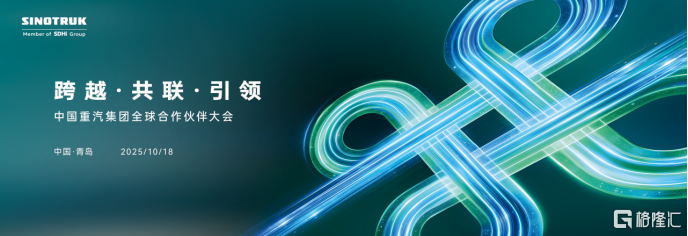
聚焦中国重汽2025全球合作伙伴大会:以中国方案链接世界商用车生态
Ge Long Hui· 2025-10-15 07:05
Core Viewpoint - China National Heavy Duty Truck Group (CNHTC) is actively exploring future development through its 2025 Global Partner Conference, emphasizing the integration of technology and global commercial vehicle ecosystems [1][3]. Group 1: Event Overview - The 2025 Global Partner Conference will showcase technological achievements and foster connections within the commercial vehicle ecosystem, themed "We leap We link We lead" [1]. - The conference will focus on seven core application scenarios: end-to-end logistics, infrastructure, mining, comprehensive logistics, comfortable living, special operations, and new energy [3]. Group 2: Technological Innovations - CNHTC leverages its large group R&D platform to tackle technical challenges in commercial vehicles, achieving significant autonomous and collaborative innovation results [3]. - In the end-to-end logistics sector, CNHTC aims to balance efficiency and low carbon emissions, addressing the industry's ongoing challenges [3]. - The infrastructure sector will see CNHTC's vehicles designed for high load capacity, strong stability, and adaptability to all working conditions, positioning them as essential for large-scale construction projects [3]. Group 3: Product Development - In the mining sector, CNHTC is redefining reliability through continuous technological iterations, providing clients with sustainable solutions [3]. - The comprehensive logistics area will feature modular technology and customized solutions to address fragmented demand and variable scenarios [3]. - The comfortable living section will highlight human-centered design, integrating comfort, intelligence, and personalization into product development [3]. Group 4: Special Operations and New Energy - CNHTC's special operations vehicles are designed to meet extreme challenges, offering unique solutions for various demanding environments [3]. - The new energy section represents CNHTC's commitment to green transformation, showcasing a diverse matrix of new energy solutions for mining, short-distance transport, and urban delivery [4]. Group 5: Strategic Vision - CNHTC's approach combines the spirit of the Yellow River with global market leadership, transitioning from single products to a comprehensive matrix and focusing on technological breakthroughs and ecological collaboration [4].


洞察新能源物流行业拐点机遇 探索高质量发展新路径
Xin Hua Cai Jing· 2025-10-13 09:58
Core Insights - The event "Three Forces Together: Innovation at the Turning Point" hosted by Di Shang Tie highlighted the significant opportunities in the new energy logistics industry driven by favorable policies and market demand [2][3] Industry Trends - The new energy logistics sector is experiencing a historic turning point, transitioning from "quantitative accumulation" to "qualitative leap" due to the resonance of policy dividends and market demand [2] - The logistics industry in China is focusing on "cost reduction, quality improvement, and efficiency enhancement" under the dual drive of policy and market [2] - The sales of new energy logistics vehicles have seen a remarkable growth, with a cumulative sales figure of 377,900 units from January to August 2025, representing a year-on-year increase of 37.55% and a penetration rate of 29.19% [5] Technological Innovations - Key technological advancements in the industry include the shift towards intelligent and connected new energy logistics vehicles, marking a transition from closed to open scenarios and from low-speed to high-speed operations [2] - CATL has made breakthroughs in battery lifespan, fast charging, and high energy efficiency through material and system innovations, empowering the industry for a green transition [3] Data and Efficiency - The new energy logistics vehicle operations are entering a data-driven digital phase, enhancing attendance rates, reducing energy consumption, and extending vehicle lifespan through comprehensive electrification and TCU [4] - Discussions emphasized that data collaboration will be the most significant value point in the next decade, requiring layered empowerment [4] Value Creation - The trend is shifting from viewing logistics vehicles as "cost centers" to "value engines," with a focus on full-scenario adaptation and full-cycle service [5] - The industry is exploring how to optimize asset allocation and break down service barriers to accelerate the efficiency chain [4][5]
彩讯股份CEO白琳:以平台化能力共建全球生态
Zhong Guo Jing Ji Wang· 2025-10-12 01:04
Core Insights - The article discusses the transition of Chinese companies in the AI sector from merely exporting products to building ecosystems for global collaboration [1][2] - The focus is on the "AI+Going Global" strategy, emphasizing the integration of AI services with local ecosystems [2][4] Group 1: AI Going Global - AI going global is entering a new phase where companies are not just exporting tools but also services and ecosystem capabilities [2] - The "Juxing Plan" by China Mobile aims to integrate global partners, providing networks, edge computing, and trust channels to facilitate compliance and localization [2][3] - CaiXun Co., Ltd. has developed a comprehensive enterprise-level AI service system, leveraging its Rich AICloud and Rich AIBox platforms to offer end-to-end services [2][3] Group 2: CaiXun's Global Strategy - CaiXun's AI export strategy addresses three main challenges: technological advancement vs. practical business needs, cost vs. value, and standardized products vs. personalized demands [3] - The company has established a three-layer architecture in AI, consisting of a computing base, platform middleware, and industry-specific intelligent agents [3] - CaiXun plans to extend its efficient and compliant AI capabilities to Southeast Asia and the Middle East, leveraging its extensive domestic experience [3][4] Group 3: Current Status and Challenges of AI Going Global - Chinese companies possess unique competitive advantages in AI due to their experience in complex industrial ecosystems and cost-effective solutions [4] - The core of AI going global is to transform models into sustainable productivity, embedding AI into the decision-making processes of enterprises [4] - CaiXun emphasizes a collaborative approach to internationalization, combining global capabilities with local wisdom to ensure successful AI implementation [4]
从规模增长到质量共生,新城商业擘画发展新路线
Qi Lu Wan Bao Wang· 2025-09-28 11:43
Core Insights - New City Holdings (601155) demonstrates counter-cyclical growth amidst deep adjustments in the commercial real estate sector, indicating a profound change in its business operation logic [1] - The company introduced the "Wuyue Management Five-Step Method" and the "Yuelian Plan" during its annual conference, signaling a strategic shift from scale expansion to quality symbiosis [1][3] Industry Trends - The annual conference featured key insights from industry leaders, highlighting the need for commercial real estate to accurately grasp consumer demand changes amid a backdrop of consumption upgrading and segmentation [2] - Data analysis presented at the conference indicated that leading commercial operators have seen rental fee scales grow, with rental growth rates outpacing market expectations [2] Company Performance - In the first half of the year, New City Holdings achieved a total commercial operating revenue of 6.944 billion yuan, marking an 11.8% year-on-year increase [3] - The gross profit from property leasing and management reached 4.573 billion yuan, increasing its share of total gross profit from 57.21% to 77.06% compared to the same period last year, underscoring the commercial segment's role as a vital profit pillar [3] Strategic Initiatives - The "Wuyue Management Five-Step Method" focuses on five dimensions: building good spaces, organizing content, finding brands, increasing sales, and sharing profits, systematically constructing New City's operational framework [4] - The company has invested 400 million yuan in 88 projects for space renovation and quality enhancement, emphasizing the importance of quality space experiences for consumer retention and brand empowerment [5] New Business Models - The "Yuelian Plan" aims to create a sustainable resource connection and value co-creation platform by selecting quality brands and core agents, shifting from one-way recruitment to a three-way win model [5][6] - The first phase of the "Yuelian Plan" will involve the careful selection of 10 certified brands and 80 core agents, reflecting a focus on partnership quality rather than quantity [6] Future Growth Strategies - New City Holdings has established a presence in 141 cities with 205 integrated projects, with 175 already opened, covering over 16 million square meters [7] - The company is transitioning from a focus on scale growth to quality symbiosis, with plans for further refinement in residential and commercial operations [8] Regional Development - The launch of the "Gold Standard Wuyue Plaza" in Changzhou marks a significant step in enhancing commercial quality, with high foot traffic and sales figures reported shortly after opening [8] - Regional deepening strategies, such as the introduction of new Wuyue Plazas in Shandong, are expected to drive future growth through scale effects and brand synergy [9]

智驾中国队闯全球:生态输出与协同共建
Zhong Guo Qi Che Bao Wang· 2025-09-28 02:35
Core Insights - Chinese intelligent driving companies are accelerating their global expansion, driven by industry characteristics and domestic competition, focusing on risk avoidance, customer resource acquisition, and overcoming development bottlenecks [3][4][5] Group 1: Globalization Strategy - The global strategy of Chinese intelligent driving companies is not merely market expansion but a strategic necessity to avoid single risks and capture customer resources [3][4] - Collaborations with major global automakers like Mercedes and Toyota allow Chinese companies to cover multiple markets simultaneously, enhancing customer value [3][4] - The competitive landscape in the domestic market is pushing these companies to seek opportunities abroad, as the domestic market is increasingly dominated by leading players [4][5] Group 2: Technology Ecosystem Output - Chinese intelligent driving companies are focusing on exporting a complete technology ecosystem rather than just individual products, which is essential for their success in global markets [6][7] - Successful examples include collaborations like WeRide with Renault in France, which integrate advanced technology with local manufacturing and operational management [7] - The ability to provide a comprehensive technology ecosystem enhances competitiveness and allows for better adaptation to local market needs [6][7] Group 3: Collaborative Approach - The complexity of intelligent driving technology necessitates collaboration among various stakeholders to build a robust ecosystem [8][9] - Partnerships with local firms can facilitate quicker market entry and better alignment with local regulations and consumer habits, as seen with companies like Ninebot in the UAE [9] - The recent IAA auto show highlighted the trend of ecosystem co-construction among Chinese companies and global partners [9][10] Group 4: Synergy with Automakers - Collaborating with automakers is a strategic choice for intelligent driving companies, addressing challenges in technology implementation and market entry [11][12] - Joint efforts can streamline the integration of intelligent driving systems into vehicles, ensuring seamless transitions from development to production [11][12] - This collaboration also allows for maximizing commercial value through shared resources and expertise [12] Group 5: Rule-Making and Industry Leadership - Chinese intelligent driving companies are transitioning from followers to rule-makers in the global industry, supported by technological advancements and practical experience [13][14] - Companies like Horizon Robotics are setting high standards in chip performance and safety, enabling them to enter the supply chains of top international automakers [13] - The practical experience gained from diverse traffic scenarios in China positions these companies to contribute effectively to international standards and regulations [14] Group 6: Challenges and Risks - Despite advancements, Chinese intelligent driving companies face significant risks, particularly geopolitical uncertainties that could disrupt partnerships [15][16] - Compliance with stringent data protection regulations in regions like Europe poses challenges for market entry and operational continuity [16][17] - The need for deep localization of technology to meet varying regional traffic conditions and user habits is critical for successful market penetration [17]

美团助力中小商户赢下长期价值,外卖行业驶入生态共建新赛道
Bei Jing Ri Bao Ke Hu Duan· 2025-09-27 23:49
Core Viewpoint - The market regulator's recent guidance aims to address subsidy disputes among food delivery platforms, promoting a healthy ecosystem in the food delivery industry, with Meituan leading initiatives to support small and medium-sized businesses and shift competition from price wars to quality and service [1] Industry Overview - The food delivery market has seen significant growth, with daily orders increasing from approximately 100 million in early 2025 to nearly 300 million by August 2025 [1] - The competition has led to concerns about the sustainability of small and medium-sized businesses, which are crucial for community engagement and cultural preservation [6][8] Meituan's Support Initiatives - Meituan launched a support plan for small merchants in August 2025, aiming to cover over 100,000 small restaurants by the end of the year, with individual support amounts reaching up to 50,000 yuan [7] - The support funds have been utilized by merchants to enhance service quality, improve operational efficiency, and develop new products, thus fostering a more resilient business model [8][10] Consumer Engagement Strategies - Meituan's "Dine-in Boost" plan encourages consumers to visit physical stores by offering consumption vouchers, which has been shown to increase overall sales for participating merchants [9] - The "Worry-Free Opening" service assists new merchants in entering the online market efficiently, providing tools for digital transformation and store upgrades [9][10] Rider Support and Safety Measures - Meituan emphasizes the importance of rider welfare, implementing safety incentives and providing smart helmets to enhance delivery safety and efficiency [11] - The company plans to establish 1,000 "Rider Homes" to offer various support services, including training and emergency assistance, while also introducing a pension insurance subsidy for riders [12] Ecosystem Development - The combination of merchant support, consumer engagement, and rider welfare creates a virtuous cycle that enhances the overall quality of the food delivery ecosystem [13] - Meituan aims to continue investing resources to expand support for all participants in the industry, fostering a collaborative environment for sustainable growth [13]


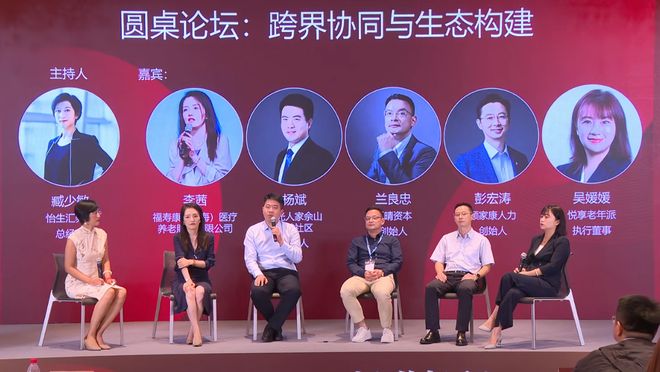
阳光人家亮相第八届中国养老行业陆家嘴峰会
Xin Jing Bao· 2025-09-26 06:25
Core Insights - The eighth China Elderly Care Industry Lujiazui Summit was held in Shanghai, focusing on the current state and development bottlenecks of the industry, as well as exploring new development paths in the context of global population aging and the booming silver economy in China [1] Group 1: Industry Trends - The elderly care industry is facing unprecedented opportunities and challenges due to the increasing aging trend, with a focus on cross-industry collaboration and ecological co-construction to enhance the quality and efficiency of elderly care services [3] - The Sunshine Home Sheshan Health Community has established strategic partnerships with 12 institutions, including hospitals and educational organizations, to integrate resources across medical, cultural, tourism, and financial sectors [3] Group 2: Community Features - The Sunshine Home Sheshan Health Community is positioned as a benchmark project in Shanghai's high-quality elderly care sector, featuring a design philosophy that emphasizes natural ecology and cultural integration, with a 45% green coverage rate and a high concentration of negative oxygen ions [4] - The community has developed a "Five Enjoyments and Four Joys" service model, offering 57 basic and 110 value-added services that cater to the diverse needs of the elderly, while incorporating local cultural elements [6] Group 3: Future Directions - The community's leadership emphasizes that elderly care is not just about services but also about rediscovering the value of life, with plans to continue enhancing cross-industry collaboration and ecological co-construction to provide more solutions for China's aging society [8]

新时代·新基金·新价值——北京公募基金高质量发展在行动 | 回归行业本源 共谱公募生态新篇
Zhong Guo Zheng Quan Bao· 2025-09-26 00:20
Core Viewpoint - The public fund industry is transitioning from a scale-driven model to a value-driven high-quality development cycle, influenced by global asset management adjustments and domestic capital market reforms [1] Group 1: Industry Essence and Long-term Perspective - Public funds serve as a professional bridge connecting capital and assets, with value creation rooted in a deep understanding of industry essence [2] - Long-termism is fundamental for value creation, as public funds aim to smooth short-term market fluctuations and capture long-term benefits from economic transformation and industrial upgrades [2] - The current lack of investor satisfaction stems from some institutions deviating from long-termism, leading to a focus on short-term performance and increased volatility in investment styles [2] Group 2: Trust and Professional Value - A symbiotic mechanism of shared risks and rewards is essential for rebuilding trust in the public fund industry, emphasizing the need for a redefined fiduciary responsibility [3] - The core competitiveness of public funds lies in their professionalism, which encompasses asset allocation, risk control, and guiding investor cognition [3] Group 3: Capability Upgrade and Systematic Innovation - To transition from scale dividends to value dividends, public funds must innovate across service, mechanism, and research dimensions [4] - Service upgrades should shift from product-centric to investor-centric approaches, focusing on empowering investors with long-term understanding and rational expectations [4] - Mechanism reforms are necessary to align the interests of management and investors, promoting long-termism and shared benefits [5] Group 4: Long-term Development Pillars - Compliance is crucial for balancing risk and value, ensuring transparency and integrity in product design, fee structures, and information disclosure [6] - A culture of long-termism, professional integrity, and prioritizing investor interests is essential for fostering a shared value consensus within the industry [6] - Collaboration among industry players is vital for creating a win-win ecosystem, moving from price competition to value competition [7]
广汽+华为联合打造:广汽埃安UT云车机开启“常用常新”时代
Zheng Quan Shi Bao Wang· 2025-09-23 10:21
Group 1 - The core viewpoint of the article highlights the collaboration between GAC and Huawei, introducing the cloud-based car machine, which is the first of its kind driven by "cloud computing power" [1][3] - The cloud car machine will be launched on the GAC Aion UT model, marking a significant breakthrough in GAC's smart cockpit ecosystem capabilities [1][3] - The cloud car machine will be rolled out through OTA updates starting at the end of September, allowing both new and existing car owners to benefit from the application ecosystem [1] Group 2 - The cloud car machine moves computing power, applications, and updates to the cloud, enabling a "flagship-level" user experience with over 20,000 applications available for immediate use [3] - The Aion UT model targets young users aged 25-35, who are accustomed to the freedom of mobile app installation and quick updates, thus meeting their high digital experience expectations [3] - The collaboration between GAC and Huawei represents a new paradigm of cooperation, evolving from "supply chain collaboration" to "ecosystem co-construction" [3] Group 3 - The cloud car machine is centered around a vehicle-cloud platform that opens up an ecosystem for diverse services, allowing third parties to connect and achieve cross-device interaction [3] - GAC aims to transition from merely selling hardware to creating ongoing ecological value through owner services, peripheral devices, and content memberships, thus achieving a full lifecycle connection with users [3]


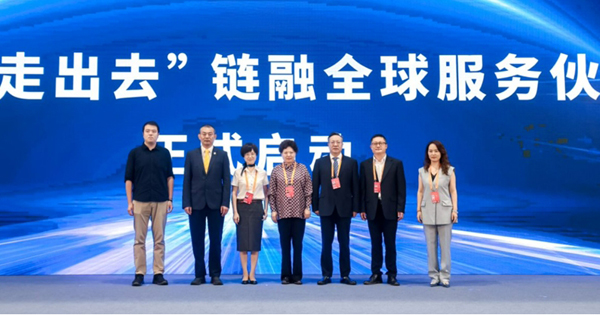
2025年服贸会“走出去·新机遇”论坛举办 中国智造,链融全球
Ren Min Wang· 2025-09-15 15:18
Core Insights - The forum "Going Global: New Opportunities" emphasizes the necessity for Chinese enterprises to integrate deeply into global industrial and innovation chains, moving from simple product exports to high-end manufacturing and service capabilities [2][17] - The concept of globalization for Chinese companies is framed as a "must-answer question," highlighting the urgency of adapting to the evolving global landscape [2][4] Group 1: Globalization Strategies - Future strategies for Chinese enterprises should focus on overcoming technical barriers, legal discrepancies, and preventing supply chain disruptions, with an emphasis on collaborative ecosystem building rather than mere resource accumulation [2][4] - The transition from "product export" to "intelligent manufacturing export" signifies a shift towards leveraging digital technology and green innovation as core components of global competitiveness [2][10] Group 2: Challenges and Adjustments - Experts highlight the need for deep adjustments in internationalization strategies due to factors such as U.S. tariff uncertainties, geopolitical conflicts, and the necessity for green transformation [7][10] - Companies are encouraged to restructure their operational models, enhance risk management, and diversify supply chains while accelerating digital and intelligent transformations [7][10] Group 3: International Cooperation - The launch of the "China Enterprises Going Global Chain Integration Global Service Partner Program" aims to provide comprehensive support for enterprises venturing abroad, emphasizing the importance of a collaborative network involving government, enterprises, and service platforms [10][16] - The forum underscores the significance of mutual empowerment and ecological co-construction in achieving win-win cooperation, with a focus on localizing operations and respecting local cultures [16][17] Group 4: Case Studies and Innovations - Companies like Jinzhengdai Group and Zhejiang Jiaxing's Puyuan Town are showcased for their innovative approaches in agricultural technology and digital trade, respectively, demonstrating successful models of globalization that integrate technology and local production [12][10] - The emphasis on cultural integration and brand internationalization reflects a broader strategy where Chinese brands not only export products but also promote cultural values and narratives [12][13]