重营销轻研发

Search documents
桃李面包“百洁布蛋糕”引争议,有家长担心造成儿童误食,利润已连跌4年
新浪财经· 2025-12-05 10:55
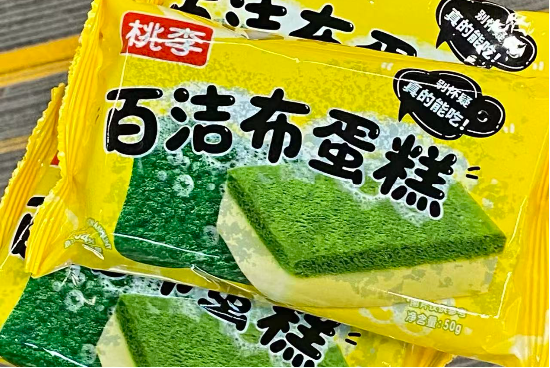
Core Viewpoint - The recent launch of the "Scouring Pad Cake" by Tao Li Bread has sparked significant attention on social media, raising concerns about its resemblance to actual cleaning products and potential safety risks for children. The company is facing ongoing challenges with declining performance and a heavy reliance on marketing over research and development [2][3][8]. Marketing and Product Launch - The "Scouring Pad Cake" closely resembles a kitchen cleaning pad, with packaging explicitly stating "Scouring Pad Cake." It is a sponge cake product sold in boxes of six bags, each weighing 50 grams, priced at 29.9 yuan. The product is currently available for pre-sale online [5]. - The pre-sale strategy allows the company to gauge market acceptance before large-scale production, reducing inventory risks and ensuring supply chain efficiency [5]. - Consumer reactions to the product are mixed, with some praising its creativity while others express concerns about its appearance and potential confusion for children. Some consumers reported dissatisfaction with the taste and texture [8][10]. Financial Performance - Financial data indicates that in the first half of 2025, Tao Li Bread's advertising expenses surged over 40% to 42.96 million yuan, while R&D investment decreased by 30.81% to only 10.66 million yuan, accounting for just 0.4% of revenue [11][12]. - The company has experienced a continuous decline in revenue and net profit, with total revenue for the first three quarters of 2025 at approximately 4.049 billion yuan, down 12.88% year-on-year, and net profit at about 298 million yuan, down 31.49% [13]. - The decline in performance is attributed to increased competition from traditional baking giants and the rise of new consumption models that challenge the company's existing business strategy [13]. Shareholder Activity - The controlling shareholders of Tao Li Bread have been frequently reducing their stakes in the company, raising concerns in the capital market. As of the end of September 2025, the family collectively held 56.36% of the shares, down from 68.09% at the end of 2018 [14]. - The stock price has significantly dropped, closing at 5.45 yuan per share, a decline of approximately 78% from its peak of 24.71 yuan in 2020, resulting in a market capitalization of 8.72 billion yuan [13]. Recommendations - There is a call for the company to shift focus from abstract marketing strategies to core business practices, emphasizing the need for substantial investment in R&D to develop products that genuinely meet consumer demands [15].



桃李面包“百洁布蛋糕”引争议,有家长担心造成儿童误食,利润已连跌4年
Xin Lang Cai Jing· 2025-12-05 10:13
Core Viewpoint - The recent launch of the "Scouring Pad Cake" by Taoli Bread has sparked significant attention on social media, raising concerns about its resemblance to actual cleaning products and potential safety risks for children [2][14]. Financial Performance - Taoli Bread's advertising expenses surged over 40% in the first half of 2025, reaching 42.96 million yuan, while R&D investment decreased by 30.81% year-on-year, accounting for only 0.4% of revenue [8][20]. - The company has faced continuous revenue decline for one and a half years, with net profit shrinking for four and a half years [2][14]. - For the first three quarters of 2025, Taoli Bread reported total revenue of approximately 4.049 billion yuan, down 12.88% year-on-year, and a net profit of about 298 million yuan, down 31.49% year-on-year [21][22]. Market Position and Strategy - Taoli Bread is experiencing a "mid-life crisis" as it faces increasing competition from traditional baking giants and the rise of new consumption models, which have eroded its market share [2][10]. - The company's reliance on a "central factory + wholesale" model, which previously facilitated rapid expansion, is now being challenged by emerging retail channels such as e-commerce and convenience stores [22]. - Analysts suggest that the company's poor performance is largely due to its failure to adapt strategies in a timely manner, focusing too much on marketing rather than product development [22]. Shareholder Activity - The controlling shareholders of Taoli Bread have frequently reduced their holdings, raising concerns in the capital market. As of the end of September 2025, the family collectively held 56.36% of the shares, down from 68.09% at the end of 2018 [9][23]. - The stock price has dropped approximately 78% from its peak of 24.71 yuan per share in 2020, with a current market capitalization of 8.72 billion yuan [21][22].
航班、高铁用户超2亿的活力集团,三遭工信部通报
阿尔法工场研究院· 2025-12-02 00:07
Core Viewpoint - The article discusses the challenges and potential of Huoli Group, a company in the travel service sector, as it attempts to go public in Hong Kong, highlighting its low market share, compliance issues, and fluctuating profitability despite significant revenue growth [5][16]. Market Position and Growth - Huoli Group has entered the top ten in its industry, yet its overall market share remains below 2%, indicating significant challenges in market expansion [2]. - The company has experienced a revenue increase from 280 million yuan in 2022 to 502 million yuan in 2023, with a projected rise to 647 million yuan in 2024, achieving a compound annual growth rate (CAGR) of 52% over three years [6][17]. - In the first half of 2025, revenue reached 351 million yuan, marking a 24.8% increase compared to the same period in 2024 [6]. Profitability and Financial Performance - Despite revenue growth, Huoli Group's net profit has been unstable, with a loss of 758,000 yuan in 2022, a profit of 59.31 million yuan in 2023, followed by a decline to 51.15 million yuan in 2024, representing a 13.75% decrease [7][8]. - The company's sales and marketing expenses surged from 44.1 million yuan in 2022 to 145 million yuan in 2024, while R&D spending decreased as a percentage of revenue from 21.1% to 12.6% during the same period [8][9]. Compliance and Regulatory Issues - Huoli Group has faced multiple compliance issues, with its core apps being flagged by regulatory bodies for privacy violations and user complaints, leading to a significant trust crisis among users [9][10]. - The company has accumulated over 9,700 complaints on platforms regarding service issues, including slow refunds and misleading practices [10]. Investment and Valuation Challenges - Huoli Group's valuation has decreased by over 36% from its peak of 3.3 billion yuan in 2021 to approximately 2.087 billion yuan in 2024, despite attracting significant investment from top-tier venture capital firms [11][12]. - The company holds only a 1.4% market share in the overall internet travel service market, with the top three competitors controlling 88.2% of the market [12]. Competitive Advantages and Future Potential - Despite its challenges, Huoli Group benefits from a strong user base, with over 217 million registered users and a high repurchase rate of over 50% among paid users [16]. - The company has developed a proprietary supply chain management system and has secured official data sources, enhancing its service quality and competitive edge [17]. - The ongoing recovery in the travel market and the potential for further growth in its B2B services and international markets present opportunities for Huoli Group [17][18].

植物医生营收停滞加盟店占比88% 违规问题频出销售费为研发投入10倍
Chang Jiang Shang Bao· 2025-11-24 02:19
Core Viewpoint - The domestic skincare brand "Plant Doctor" is aiming to become the first single-brand beauty stock listed on A-shares, with plans to raise 998 million yuan through an IPO on the Shenzhen Stock Exchange, despite facing significant internal control issues that have delayed its listing process by 19 months [1][2]. Financial Performance - Plant Doctor's revenue has stagnated around 2.1 billion yuan from 2022 to 2024, with an average annual compound growth rate of less than 1% [1][5]. - The company's net profit has shown slight growth, with figures of 158 million yuan, 230 million yuan, and 243 million yuan for the respective years, but the growth rate has significantly slowed down [6]. Marketing and R&D Expenditure - Over the past three years, Plant Doctor has spent a total of 2.16 billion yuan on R&D, which is only 10.12 times less than its marketing expenses of 21.85 billion yuan [5][7]. - The marketing expenses accounted for over 34% of annual revenue from 2022 to 2024, while R&D investment remained below 4% of revenue during the same period [7]. Internal Control Issues - The company has faced significant internal control deficiencies, particularly in managing franchisees, leading to issues such as non-compliance in sales practices and product quality [2][4]. - As of November 23, 2023, there were 311 complaints against Plant Doctor on the Black Cat Complaints platform, primarily related to forced sales, allergic reactions to products, and difficulties in after-sales service [3]. Product Quality Concerns - Plant Doctor has faced multiple quality control issues, including a product that exceeded the allowable bacterial count by 21 times, leading to a recall and further damaging consumer trust [2][3]. - The company has received penalties from regulatory bodies for various violations, including price fraud and lack of hygiene permits for some stores [4]. Store Network and Franchise Model - As of the end of 2024, Plant Doctor operates 4,328 stores, with approximately 88% being franchise stores, which has led to management challenges and quality control issues [1][3].
虚增利润超千万,丸美生物仍然难入“40亿俱乐部”
Guan Cha Zhe Wang· 2025-11-03 08:58
Core Viewpoint - Marubi Biotechnology faces regulatory scrutiny due to financial irregularities while simultaneously reporting a 25.51% revenue growth for Q3 2025, indicating a potential crisis management strategy to mitigate negative impacts from the regulatory warnings [1][7]. Financial Irregularities - The China Securities Regulatory Commission (CSRC) identified two main issues: non-compliance in financial accounting and improper management of raised funds [2][3]. - Specific financial accounting issues include inaccurate revenue recognition, misreporting of construction in progress, and incorrect classification of accounting items [2][3][6]. - The company reported inflated revenue of 4.55 million and net profit of 11.33 million for the first half of 2025, affecting the perceived quality of cash flow and financial strength [6]. Regulatory Actions - The Shanghai Stock Exchange and Guangdong Securities Regulatory Bureau issued corrective measures and warnings to key executives due to the identified financial irregularities [6][7]. - Marubi has committed to rectifying these issues and enhancing compliance awareness, although concerns about potential financial fraud remain [7]. Q3 2025 Performance - In Q3 2025, Marubi reported revenue of 685 million, a year-on-year increase of 14.28%, while net profit grew by 21.16% to 69.48 million [9]. - The company achieved a total revenue of 2.45 billion for the first three quarters, reflecting a 25.51% year-on-year growth, but the net profit only increased by 2.13% [9][10]. Market Position and Challenges - Marubi's performance indicates a troubling trend of "increased revenue without increased profit," highlighting potential weaknesses in core product competitiveness [10][12]. - The company has seen a decline in sales volume for its eye care products, with a significant reliance on price increases to drive revenue growth [12]. - Marketing expenditures have surged, with sales expenses rising from 795 million to 1.415 billion, while R&D spending remains relatively low [15][17]. Strategic Adjustments - Marubi is attempting to refocus its strategy by closing its Spring Diary brand's Tmall flagship store to concentrate resources on core business areas [17][18]. - Analysts predict that Marubi's annual revenue will remain between 3.7 billion and 3.9 billion, struggling to surpass the 4 billion threshold [18].


市值大跌200多亿,珀莱雅赴港上市谋突围
Xin Lang Cai Jing· 2025-11-03 02:05
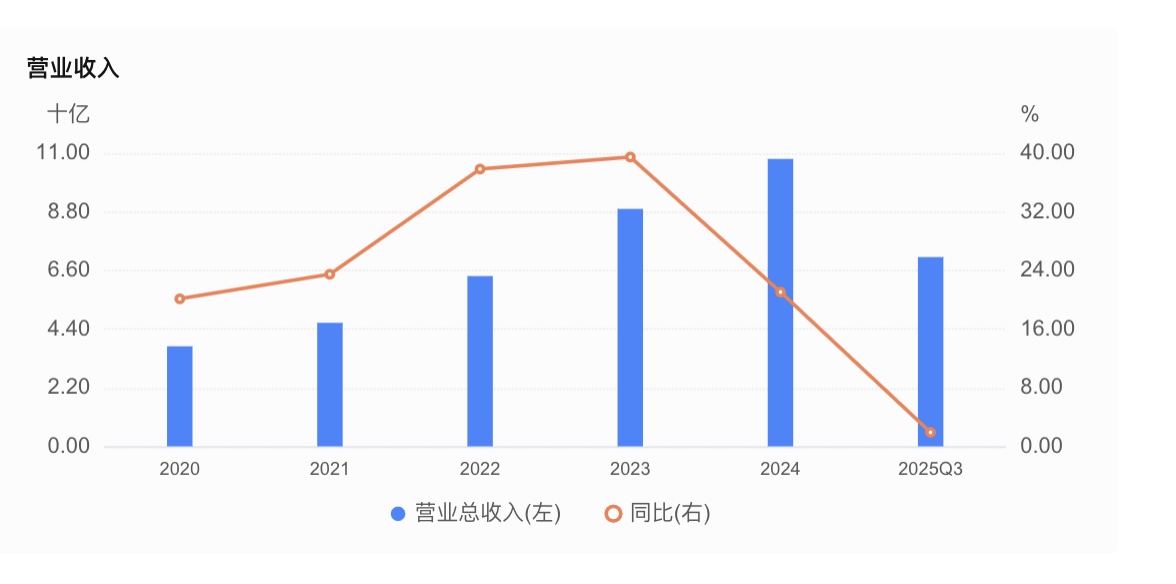
Core Insights - The core viewpoint of the articles highlights the challenges faced by Proya, a leading domestic beauty brand, as it experiences a significant decline in revenue and profit, coinciding with its application for a Hong Kong IPO [1][2]. Financial Performance - In Q3 2025, Proya reported a revenue of 1.736 billion yuan, a year-on-year decrease of 11.63%, and a net profit of 227 million yuan, down 23.64%, marking the largest quarterly decline in recent years [1]. - The company's revenue growth trajectory reversed significantly starting in 2025, with Q1 and Q2 showing single-digit growth rates, the lowest in five years [11]. - The main brand, Proya, which accounts for 74.27% of total revenue, saw its revenue slightly decline by 0.08% to 3.979 billion yuan in the first half of 2025, marking its first negative growth in five years [12]. Marketing and Sales Strategy - Proya's high marketing expenses are a key factor affecting its profitability, with sales expenses reaching 3.525 billion yuan in the first three quarters of 2025, resulting in a sales expense ratio of 49.66% [14]. - The company heavily relies on online channels for sales, but the diminishing internet traffic dividends and increasing competition have led to rising customer acquisition and sales costs [14]. - Proya's marketing strategy has focused on rapid brand recognition through celebrity endorsements and extensive advertising, often at the expense of long-term product development [6][14]. Industry Context - The decline in Proya's performance reflects broader challenges in the domestic beauty industry, including increased costs due to changes in internet platform rules and intensified competition from international brands [15]. - The shift from a "traffic-driven" model to a "product-driven" approach is a critical challenge not only for Proya but for the entire domestic beauty sector [15].

贾乃亮带货也失灵?飞科电器三季报营收净利双双下滑
Da Zhong Ri Bao· 2025-10-31 10:19
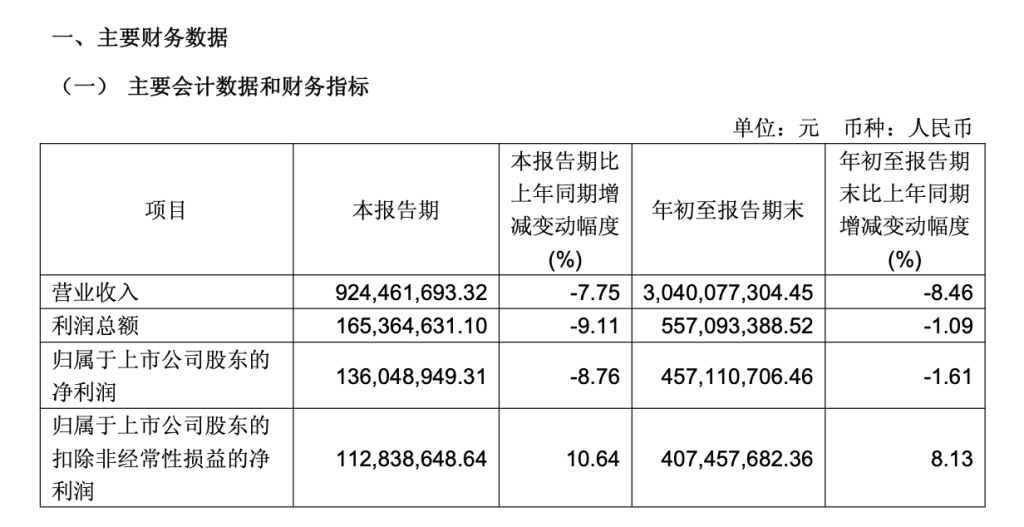
Core Insights - Shanghai FLYCO Electric Co., Ltd. reported a decline in both revenue and net profit for the third quarter of 2025, raising concerns about its business model and consumer trust [1][2]. Financial Performance - For the first three quarters of 2025, FLYCO's revenue was CNY 3.04 billion, a year-on-year decrease of 8.46%, while net profit was CNY 457 million, down 1.61% [2]. - In Q3 alone, revenue was CNY 924 million, with a net profit of CNY 136 million, reflecting declines of 7.75% and 8.76% respectively [2]. Cost Structure - The company's sales expenses reached CNY 10.12 billion in the first three quarters, which is 14 times higher than its R&D expenses of CNY 0.71 billion [3]. - The sales expenses have increased significantly from CNY 7.698 billion in 2021 to CNY 14.86 billion in 2024, while R&D expenses decreased from CNY 1.32 billion to CNY 964 million during the same period [3]. Market Position and Brand Strategy - FLYCO operates under a dual-brand strategy with "FLYCO" and "POREE," but the expected benefits of this strategy have not materialized in 2025 [1]. - The sales proportion of mid-to-high-end products dropped from 60.78% in 2024 to 56.37% in the first half of 2025, indicating a reversal in growth [5]. Consumer Complaints and Quality Issues - FLYCO has received over 1,200 consumer complaints, with issues related to product quality and after-sales service, including long repair times and difficulties in obtaining refunds [6][8]. - The sub-brand "POREE" experienced a revenue decline of 18.07%, with its sales proportion decreasing by 2.22 percentage points [5].

刘亦菲也救不了珀莱雅:三季度营收、净利双位数负增长
Guan Cha Zhe Wang· 2025-10-31 05:00
Core Insights - The core viewpoint of the article highlights the significant slowdown in the growth of Proya, a leading domestic beauty brand, with a notable decline in both revenue and net profit in the third quarter, raising concerns about its marketing-heavy strategy and lack of technological innovation [1][3][16]. Financial Performance - In the first three quarters, Proya achieved revenue of 7.098 billion yuan, a year-on-year increase of 1.89%, and a net profit of 1.026 billion yuan, up 2.65%. However, these growth rates have significantly slowed compared to the first half of the year [3][5]. - The third quarter saw a dramatic decline, with revenue dropping 11.63% year-on-year to 1.736 billion yuan and net profit plummeting 23.64% to 227 million yuan, marking a rare double-digit negative growth for the company [3][5]. - The main brand, Proya, reported a slight revenue decrease of 0.08% in the first half, which is the first negative growth in five years, indicating a troubling trend for the brand that contributes over 74% of total revenue [5][9]. Marketing and R&D Expenditure - Proya's sales expense ratio reached a historical high of 49.66%, meaning nearly half of every 100 yuan in revenue is spent on marketing, while R&D expenses accounted for only about 2% of revenue, highlighting a significant imbalance [1][7][9]. - In the first half of 2025, Proya's sales expenses amounted to 2.659 billion yuan, with a sales expense ratio of 49.59%, which did not improve in the third quarter [7][9]. - The company’s R&D expenses were only 141.89 million yuan in the first three quarters, representing about 2% of revenue, which is significantly lower than other domestic beauty brands and international giants [9][12]. Market Position and Consumer Behavior - Proya's attempt to transition to high-end products has been met with challenges, as consumer preferences are shifting towards medical beauty solutions rather than high-priced skincare products [1][16]. - The brand's reliance on low-margin categories like hair care to maintain growth reflects a weakening competitive position in its core skincare segment, which accounts for 78.31% of revenue [5][12]. - The average selling price of skincare products decreased by 1.37% year-on-year, indicating a need to lower prices to drive sales [6][9]. Corporate Governance and Market Reactions - Proya's announcement of its application for a Hong Kong listing raised questions about its financial health, especially given the frequent turnover of senior executives, including the resignation of the financial head just three months before the listing plan [1][19]. - The market reacted negatively to the listing news, with Proya's A-share price dropping over 4% following the announcement [19]. - Notably, Proya's executives and shareholders have collectively cashed out over 5 billion yuan, equivalent to the company's total net profit from 2016 to the third quarter of 2024, raising concerns about the company's commitment to its growth strategy [19].
频现质量争议,这个网红品牌你还在买吗?
凤凰网财经· 2025-10-27 13:05
Core Viewpoint - The article discusses the challenges faced by Bear Electric, highlighting quality issues and declining consumer trust, which have impacted the company's market performance and stock price significantly [1][32][41]. Group 1: Product Quality Issues - Bear Electric initially gained popularity with its yogurt maker, appealing to young consumers seeking affordable and functional small appliances [1]. - Despite positive reviews for some products, there are numerous complaints regarding product quality, including malfunctioning and safety hazards, such as appliances exploding [10][24][25]. - Specific examples include complaints about the soy milk maker not blending beans properly, a tea maker arriving damaged, and a rice cooker emitting smoke [12][15][18][21]. Group 2: Financial Performance - In 2022, Bear Electric reported a revenue of approximately 4.118 billion yuan, a year-on-year increase of 14.18%, with a net profit of about 386 million yuan, up 36.31% [33]. - However, growth slowed in 2023, with revenue increasing by only 14.43% to 4.712 billion yuan, while net profit growth decelerated to 15.24% [33]. - The 2024 financial report showed a mere 0.98% revenue increase to 4.758 billion yuan, with a significant net profit decline of 35.37% to 288 million yuan, marking the largest drop since the company went public [33][34]. Group 3: Stock Market Performance - Bear Electric's stock price has fallen approximately 70% from its peak, reaching a historical low of 35 yuan per share in September 2024 [41]. - Despite a reported increase in revenue and profit in the first half of 2025, the market reacted negatively, with stock prices dropping over 7% on the day of the earnings report [41]. - The company's stock performance has been further pressured by insider selling, raising concerns among investors about the company's future prospects [43][45].


珀莱雅赴港 IPO 遇冷!营收失速还狂分红,3年烧掉119亿打广告
Sou Hu Cai Jing· 2025-10-22 05:42
Core Viewpoint - The beauty brand Proya's recent financial report reveals a significant slowdown in growth, leading to a decline in stock prices and raising concerns about its marketing-heavy strategy over research and development [1][3][18] Group 1: Financial Performance - Proya announced a revenue growth of only 7.21% in its 2025 mid-year report, marking the first time in five years that growth has fallen below double digits [3][18] - The main brand, Proya, experienced a slight decline in revenue of -0.08%, which is a concerning trend for the company [3][18] - Despite the slowdown, Proya declared a substantial mid-term dividend of 315 million yuan, which accounts for nearly 40% of its net profit [5][18] Group 2: Marketing vs. R&D - Proya's marketing expenses have surged to nearly 50% of its revenue, with over 2.6 billion yuan spent in the first half of the year on advertising [11][18] - Research and development expenditures have remained below 2%, indicating a heavy reliance on marketing rather than innovation [11][18] - The company's strategy has been criticized for being more focused on marketing than on developing a technological edge, likening it to selling pre-packaged meals at gourmet prices [9][13] Group 3: Leadership Changes and Market Sentiment - The transition of leadership to the second generation, with Hou Yamen taking over as general manager, has raised concerns among investors, especially as key founding members have been selling off shares [16][18] - The departure of several senior executives, including the financial officer and chief marketing officer, has further fueled market anxiety regarding the company's stability [16][18] - The overall sentiment in the market reflects a growing frustration with Proya's inability to balance its marketing-heavy approach with necessary investments in research and development [14][18]