量化宽松

Search documents
黄金储备估值已超万亿,美国何时“用金化债”,相当于9900亿美元的QE?
Hua Er Jie Jian Wen· 2025-09-30 03:40
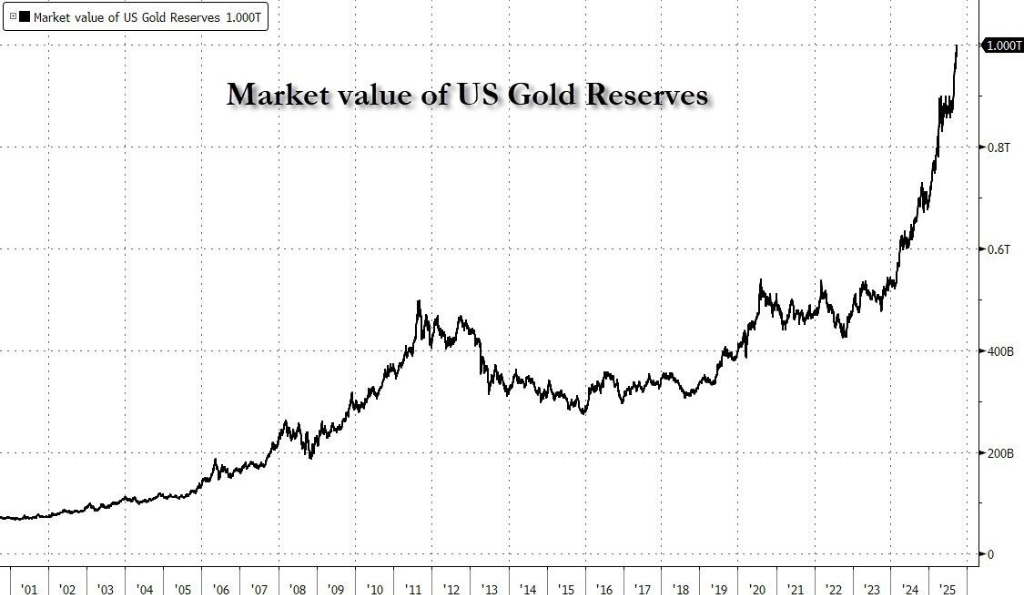
Core Viewpoint - The market speculation regarding the potential revaluation of the U.S. gold reserves has been reignited as the value of these reserves surpasses $1 trillion for the first time, following a 45% increase in gold prices this year [1]. Group 1: U.S. Gold Reserves - The U.S. Treasury holds gold reserves directly, unlike most countries that store their gold in central banks [3]. - The current market value of the U.S. gold reserves could allow the Treasury to inject approximately $990 billion into its coffers by revaluing these assets, significantly reducing the need for new debt issuance this year [4]. - The revaluation of gold reserves would directly impact the balance sheets of both the U.S. Treasury and the Federal Reserve, expanding their assets and liabilities simultaneously [5]. Group 2: Economic Implications - Revaluing gold reserves is viewed as a non-traditional policy tool that could create around $990 billion in funds for debt repayment, deficit filling, or establishing a sovereign wealth fund without public market operations [5]. - The U.S. has not revalued its gold reserves for decades to prevent volatility in the Treasury and Federal Reserve's balance sheets and to maintain their independence [6]. - Other countries, such as Germany, Italy, and South Africa, have previously revalued their gold reserves, indicating that this action is not without precedent [7]. Group 3: Market Reactions and Risks - Analysts express concerns that revaluing gold reserves could stimulate macroeconomic activity, trigger inflation risks, and inject excess liquidity into the banking system, potentially undermining the independence of fiscal and monetary authorities [8]. - The anticipation of a gold revaluation is believed to be a significant factor driving gold prices close to $4,000 [9].

10月加息定了?日本央行鸽派委员转向:现在更需要加息
Hua Er Jie Jian Wen· 2025-09-29 09:37
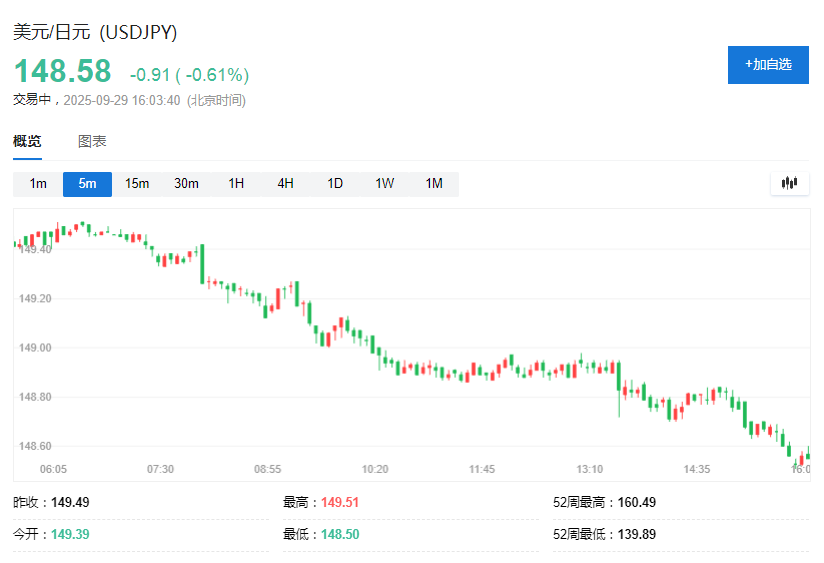
Core Viewpoint - The necessity for interest rate hikes by the Bank of Japan (BOJ) is more urgent than ever, as indicated by BOJ board member Asahi Noguchi, marking a significant hawkish signal from the central bank [1][4]. Group 1: Economic Indicators and Interest Rate Hike - Strong economic indicators suggest steady progress towards the BOJ's 2% price stability target, increasing the urgency for policy rate adjustments [1][5]. - The swap market pricing indicates a 60% probability of an interest rate hike during the BOJ's meeting on October 29-30, more than double the likelihood from earlier in the month [4]. Group 2: Inflation and Wage Growth - Various inflation expectation indicators are aligning with the BOJ's 2% target, with core inflation remaining above 2% for over three years [6]. - Actual wage growth is lagging, which may impact consumer purchasing power and inflation dynamics, as noted by Noguchi [8]. Group 3: Monetary Policy and Asset Management - Noguchi advocates for reducing the central bank's balance sheet while ensuring market stability, warning against the risks of excessive quantitative easing [9]. - The upcoming Tankan survey is anticipated to show improved business confidence, serving as a critical reference for the BOJ's economic assessment [6][9].
10月加息定了?日本央行鸽派委员转向:现在“比以往任何時候”都更需要加息
Hua Er Jie Jian Wen· 2025-09-29 08:07
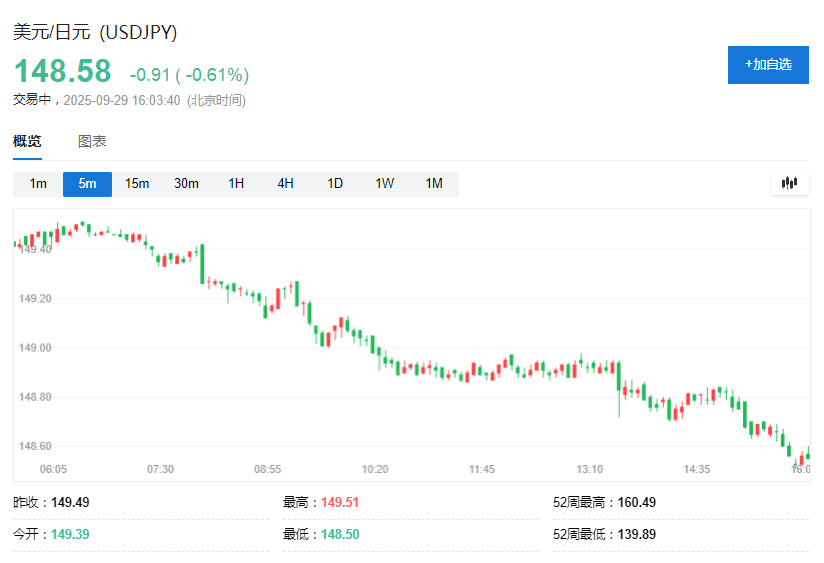
Core Viewpoint - The necessity for interest rate hikes by the Bank of Japan (BOJ) is more urgent than ever, as indicated by BOJ board member Asahi Noguchi, suggesting a shift towards a more hawkish stance [1][4]. Economic Indicators - Strong economic data supports the case for interest rate hikes, with corporate profits increasing and companies more easily passing on rising costs to consumers [5]. - Various inflation expectation indicators are gradually aligning with the BOJ's 2% target, with core inflation remaining above 2% for over three years [5]. Internal Support for Tightening - The internal support for tightening measures within the BOJ is growing, as evidenced by two committee members voting in favor of rate hikes earlier this month [4]. - Market expectations for a rate hike during the upcoming BOJ meeting on October 29-30 have surged, with traders pricing in a 60% probability, more than double from earlier in the month [4]. Risks to Economic Outlook - Despite the rationale for rate hikes, there are still risks to the economic outlook, including potential slowdowns in consumer inflation rates due to easing import price pressures [6]. - Actual wage growth, a key variable affecting consumption and inflation, may take time to show an upward trend, putting pressure on household purchasing power [6]. Asset Purchase Policy - Noguchi advocates for reducing the size of the BOJ's balance sheet while considering market stability, emphasizing the need for the market to determine asset prices [7]. - He warns against the consequences of prolonged quantitative easing, suggesting that excessive reduction of reserves could hinder the BOJ's ability to control money market rates effectively [7]. Upcoming Events - BOJ Governor Kazuo Ueda is scheduled to visit Osaka and hold a press conference, where he may comment on the Tankan survey results, potentially indicating shifts in economic assessment [8]. - Political instability following Prime Minister Shigeru Ishiba's announcement of resignation may complicate the BOJ's operations, especially if a pro-easing candidate wins the ruling party's presidential election [8].
DLS MARKETS:多数经济学家偏向沃勒,却认为哈塞特将接替鲍威尔
Sou Hu Cai Jing· 2025-09-29 05:48
Group 1 - The overwhelming preference among academic economists for Waller as the next Federal Reserve Chair, with 82% of respondents selecting him, significantly surpassing other candidates [3] - Despite being a popular choice, only 20% of scholars believe he can succeed Powell in 2026, while 39% favor Hassett, indicating a split in expectations [3] - Waller's stance aligns with the academic expectation of a "prudent central bank manager," as he has opposed extreme monetary policy proposals [3] Group 2 - The real challenge for the next Federal Reserve Chair will be in policy execution, as the U.S. economy faces a weak labor market and inflation driven by tariffs [4] - Most Federal Reserve officials believe Trump's tariff policies will only cause temporary price increases for a few goods, potentially slowing job growth [4] - Academic economists express concerns about rising stagflation risks, predicting simultaneous deterioration in unemployment and inflation [4]

经济学家“最爱”沃勒,却赌哈塞特将接替鲍威尔执掌美联储
Jin Shi Shu Ju· 2025-09-29 00:56
Group 1 - A significant majority of economists prefer Waller as the next Federal Reserve Chair, with 82% supporting him, but only 20% believe he will actually succeed Powell in 2026 [2] - The current political pressure from President Trump is influencing the selection process, as he has openly criticized Powell for not lowering interest rates aggressively [2][3] - The Federal Reserve recently lowered the benchmark federal funds target range by 25 basis points to 4%-4.25%, marking its first rate cut since December [2] Group 2 - Waller's stance on interest rates appears more moderate compared to other candidates, as he did not support a larger 50 basis point cut proposed by Milan [3] - The betting markets currently favor Waller as a leading candidate for the Fed Chair position, followed closely by Hassett [3] - The Treasury Secretary is conducting interviews for the next Fed Chair, with the first round expected to conclude in the coming weeks [4] Group 3 - The next Fed Chair will face challenges in navigating monetary policy amid a weak labor market and inflation pressures exacerbated by Trump's tariffs [4] - Economists are increasingly concerned about the potential for stagflation, where unemployment and inflation rise simultaneously [5] - The Federal Open Market Committee (FOMC) has historically prioritized employment over inflation, which may complicate future policy decisions [5]
美联储突然宣布了!美联储鲍曼突然放话要出售抵押贷款支持证券,还说紧急工具不该当永久政策,又信誓旦旦说通胀会随关税调整回到2%
Sou Hu Cai Jing· 2025-09-27 16:17
Core Viewpoint - The Federal Reserve, represented by Bowman, is taking a firmer stance on monetary policy, signaling a departure from the previous approach of extensive asset purchases and emphasizing that emergency tools should not become a norm [1][3][10] Group 1: Federal Reserve's Position - Bowman is clarifying the Federal Reserve's boundaries regarding the sale of mortgage-backed securities, which were accumulated during the financial crisis to stabilize the market [3][10] - The Fed's current stance indicates a decisive move away from the notion that it will always provide a safety net for the economy, contrasting with the post-2008 quantitative easing approach [3][10] Group 2: Inflation and Economic Indicators - U.S. inflation peaked at over 9% from 2021 to 2022, and while it has decreased, the core inflation rate remains around 3.2% as of August, significantly above the target of 2% [5] - The impact of tariffs on inflation is highlighted, with evidence showing that tariffs imposed by Trump in 2018 led to increased consumer prices, contradicting the Fed's earlier expectations of a return to 2% inflation [6][12] Group 3: Political Implications - The Fed's current rhetoric appears to be a direct response to Trump's potential return to power and his reliance on tariffs, suggesting that the Fed will not support such measures if they disrupt economic stability [8][12] - There is a concern that if Trump continues to push for tariffs, it may lead to conflicts with the Fed, reminiscent of past tensions between Trump and former Fed Chair Powell [12][14]
美联储主席鲍威尔终于不装了,直接给全球市场泼了一盆冷水
Sou Hu Cai Jing· 2025-09-27 02:54
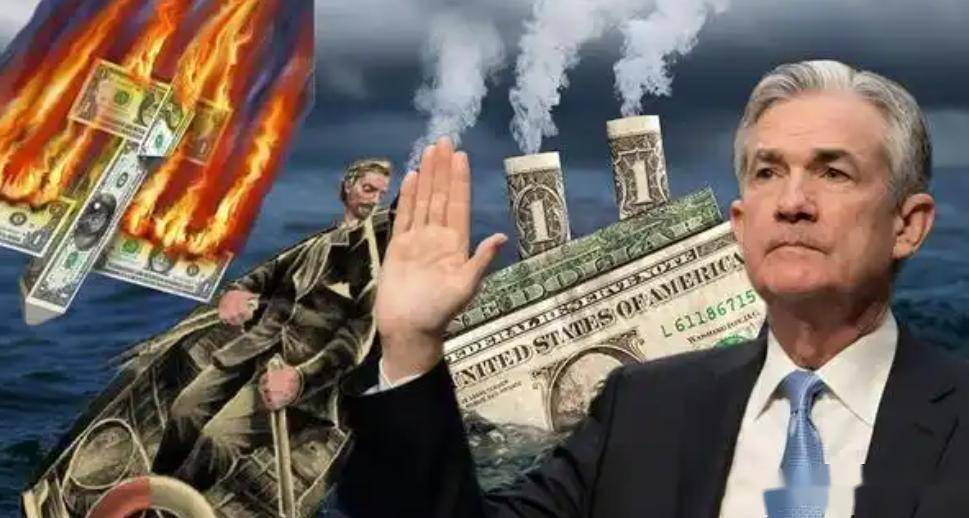
Group 1 - The core message from Federal Reserve Chairman Powell is a stern warning about the current high asset valuations and severe bubble phenomena in the market, indicating the end of an era characterized by easy money and large-scale quantitative easing [1] - The unprecedented quantitative easing policy initiated by the Federal Reserve during the early pandemic years led to a significant increase in the money supply (M2), which surged by 40%, adding $6.3 trillion, with a peak growth rate of 27% in February 2021, marking a multi-decade high [1] - The influx of massive liquidity into the market, coupled with a sluggish recovery in the real economy, resulted in a substantial shift of funds towards financial markets, leading to inflated asset prices and a financial bubble [1] Group 2 - As of August 2025, the Nasdaq 100 index's price-to-earnings ratio has surpassed historical highs, indicating a continued accumulation of market risks [3] - Despite Powell's clear warnings about risks, there are contrasting opinions suggesting that the Federal Reserve may ultimately be pressured to lower interest rates by 50 basis points, reflecting a power struggle between policy and market dynamics [3] - This ongoing conflict between policy decisions and market reactions is pushing global capital markets towards a critical turning point [3]
美联储降息之后,人民币国际化如何突围?
2 1 Shi Ji Jing Ji Bao Dao· 2025-09-24 22:43
Group 1 - The Federal Reserve's recent decision to lower the federal funds rate target range by 25 basis points marks its first rate cut in 2025, which has been anticipated by global financial markets, resulting in a relatively stable market reaction [1][2] - China's central bank has emphasized a supportive monetary policy stance, focusing on optimizing monetary systems and tools to enhance the effectiveness of monetary policy transmission, thereby promoting funds circulation and value creation [1][2] - The global financial market's response to the Fed's rate cut has been mixed, with significant volatility observed in cryptocurrency markets, while major stock markets remain driven by technical and bond market factors [2][3] Group 2 - The impact of the Fed's rate cut is expected to differ in the short and medium to long term, with potential risks arising from a prolonged period of low rates that could lead to a weaker dollar and affect global capital flows [3][4] - China is advised to manage various relationships, including balancing monetary policy with forward guidance, promoting trade and investment growth while pursuing financial openness, and enhancing domestic and international market integration [4][7] - The internationalization of the renminbi is seen as a strategic opportunity for China to mitigate the impacts of the Fed's rate cut, allowing for more effective monetary policy adjustments and support for the real economy [7][8] Group 3 - The construction of a unified national market and the promotion of a dual circulation strategy are crucial for enhancing domestic consumption and investment, which can help stabilize the renminbi and reduce the impact of fluctuations in the dollar [8][9] - The relationship between credit precision and liquidity injection into capital markets is highlighted, emphasizing the need for a balanced approach to support both the financial system and the real economy [10][11] - The overall focus is on how to leverage the Fed's rate cut to enhance China's economic resilience and improve resource allocation efficiency through targeted monetary policies [11]
纳斯达克首席经济学家:美利率或降至3.5% 企业盈利支撑美股
2 1 Shi Ji Jing Ji Bao Dao· 2025-09-24 02:17
Core Viewpoint - The Federal Reserve's recent interest rate cut reflects ongoing challenges in the labor market and inflation, with Chairman Powell indicating a cautious approach to future rate adjustments and expressing concerns over high valuations in the U.S. stock market [1][2]. Group 1: Federal Reserve Actions - The Federal Reserve announced a 25 basis point rate cut, lowering the federal funds rate target range to 4% to 4.25%, marking the first rate cut since December of the previous year [1]. - There is speculation about whether this rate cut is a "risk management" adjustment or the beginning of a new easing cycle, with expectations that rates may gradually decline to around 3.5% [2][3]. Group 2: Economic Outlook - The U.S. economy is expected to maintain growth, despite signs of a cooling labor market and inflation remaining below 3%, which is not currently a major concern for the Federal Reserve [3][5]. - The absence of large-scale layoffs and stable consumer spending, along with fiscal stimulus and regulatory easing, support the outlook for continued economic growth, albeit at a slower pace than in previous years [5]. Group 3: Stock Market Dynamics - Recent stock market gains are attributed to improved corporate earnings, particularly driven by investments in artificial intelligence, which have lowered financing costs and boosted valuations [2][6]. - The divergence in sentiment between retail investors, who are becoming more cautious, and institutional investors, who focus on fundamentals, highlights the complexity of current market dynamics [7][8]. Group 4: Consumer Confidence and Spending - Consumer confidence has weakened, with signs of financial strain among lower-income groups, which may affect investment behavior, although overall net inflows into the stock market continue [7][8]. - The ongoing decline in interest rates is expected to lower corporate financing costs and enhance profitability, providing solid support for the market [8].
海外专家:警惕独立运营的中央银行
Sou Hu Cai Jing· 2025-09-23 12:53
Core Viewpoint - The independence of central banks is being questioned as they increasingly serve powerful financial interests, leading to slow and uneven economic growth [1][2]. Group 1: Central Bank Independence - Central banks were established to shape financial environments and achieve national economic goals, but they are often influenced by strong financial interests, particularly in smaller, open developing countries [2]. - The shift towards central bank independence has led to a focus on inflation targeting, equating financial stability with price stability, which can exacerbate economic contraction during inflationary periods [2][4]. Group 2: Economic Inequality - The policies of central banks, particularly through interest rate hikes to combat inflation, have disproportionately affected low-income families, leading to increased unemployment and reduced income levels [4][6]. - The negative impacts of rising interest rates have not been offset by any positive effects, as banks benefit from higher interest income while the broader population suffers [4][6]. Group 3: Quantitative Easing - Quantitative easing (QE) emerged as a response to the limitations of traditional monetary policy, aiming to stimulate the economy by purchasing financial assets [5][6]. - QE has led to increased asset prices, benefiting wealthier individuals and exacerbating wealth inequality, as the richest segments of society see their asset values rise significantly [7][8].