新能源转型

Search documents
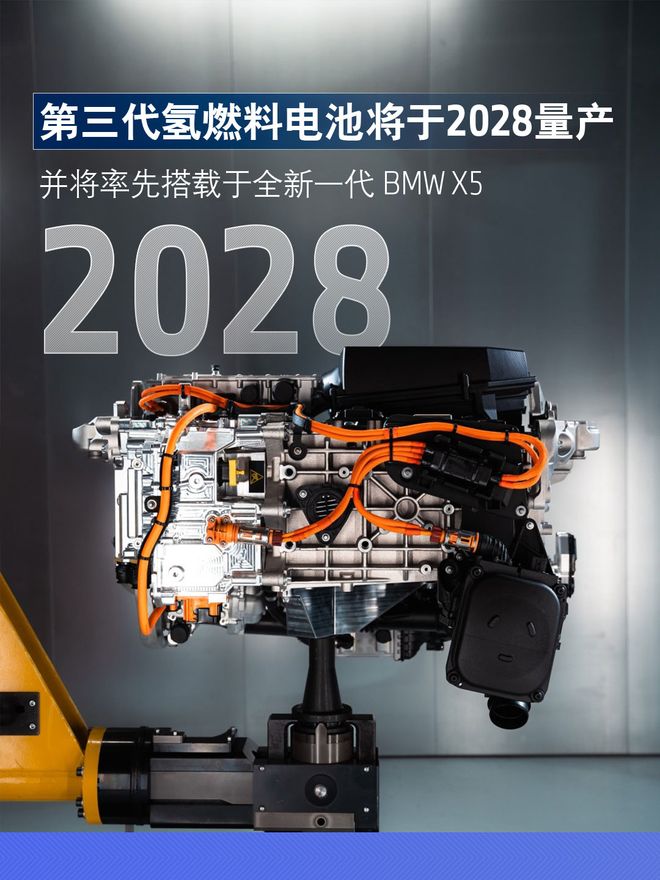
宝马推第三代氢燃料电池系统,3年后量产车投放全球
Jing Ji Guan Cha Wang· 2025-09-22 14:23
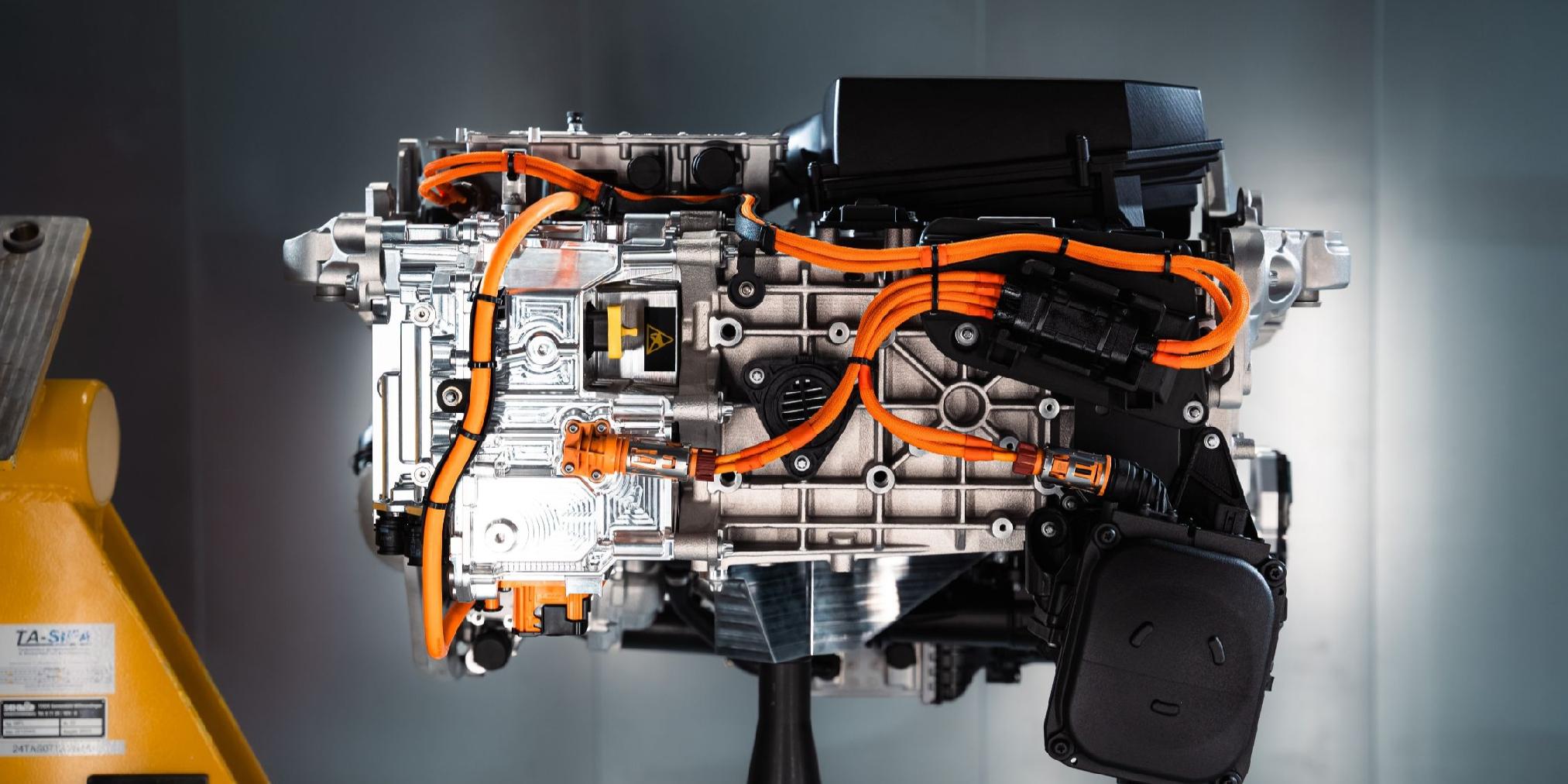
Core Insights - BMW has announced the launch of its third-generation hydrogen fuel cell system, with prototype production already underway, set to enter mass production in 2028, initially featured in the new BMW X5 [2] - The third-generation hydrogen fuel cell technology includes several optimizations, such as a 25% reduction in space requirements, seamless integration into future vehicle architectures, and improved system efficiency [2] - BMW's hydrogen fuel cell system encompasses all necessary components for efficient operation, including cooling, hydrogen subsystems, and air subsystems, and has received recognition for its modular hydrogen storage technology at the 2024 World New Energy Vehicle Conference [2] Historical Development - BMW has a nearly 50-year history in hydrogen energy development, starting with the first liquid hydrogen-powered BMW 520 test vehicle in 1979, followed by various models leading up to the current hydrogen fuel cell vehicles [3] - The company has progressively advanced its hydrogen technology, including the introduction of the BMW 535iA Hydrogen in 2014, which utilized a first-generation fuel cell system provided by Toyota [3] Collaborative Efforts - The third generation of hydrogen fuel cell technology has been co-developed with Toyota, focusing on a driving system applicable to both passenger and commercial vehicles, effectively reducing overall fuel cell technology costs [6] - BMW maintains a multi-faceted approach to energy transition, incorporating internal combustion engines, plug-in hybrids, battery electric vehicles, and hydrogen fuel cells into its strategy [6] - The company has also introduced the new generation iX3 and is testing vehicles with solid-state battery technology, indicating a commitment to advancing various energy solutions [6]

今年港股规模最大IPO!21年的IPO执念,即将七战上岸,掌舵人已一头白发
Sou Hu Cai Jing· 2025-09-22 12:45
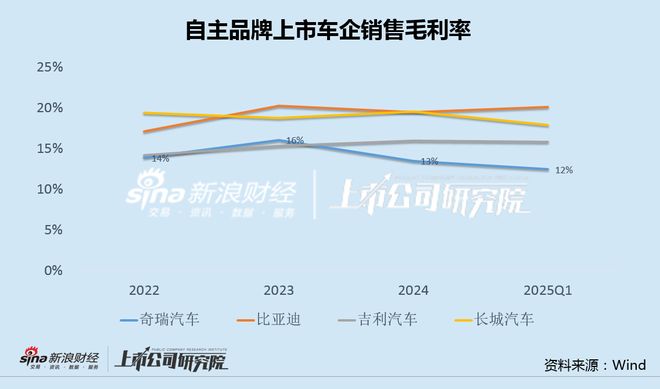
Core Viewpoint - Chery Automobile is set to go public on the Hong Kong Stock Exchange, marking its seventh attempt at an IPO after a long and challenging journey in the capital market. The focus will be on its performance in the transition to new energy vehicles and improving profitability [2][24]. Group 1: IPO Details - Chery plans to issue 297 million H-shares, with 10% allocated for Hong Kong and 90% for international sales, plus a 15% over-allotment option. The price range is set between HKD 27.75 and HKD 30.75 per share, with a total fundraising amount estimated between HKD 8.241 billion and HKD 9.132 billion [5][24]. - The expected market capitalization post-IPO will be between HKD 160 billion and HKD 177.3 billion (approximately RMB 146 billion), positioning Chery as the seventh largest car manufacturer by market value in China [5][24]. - Thirteen cornerstone investors have committed approximately USD 587 million to support the IPO, including notable firms like Hillhouse Capital and Ginkgo Asset Management [5][24]. Group 2: Business Performance and Growth - Chery's retail sales have seen significant growth, with a projected 2024 global sales volume of 2.6039 million units, representing a year-on-year increase of 38.4% [14]. - The company has maintained its position as the top exporter of Chinese passenger vehicles for 22 consecutive years, with overseas sales accounting for 44% of total sales in 2024 [14][20]. - Chery's revenue for 2024 is projected at RMB 269.897 billion, with a net profit of RMB 14.334 billion, supporting a favorable valuation [18]. Group 3: Challenges and Strategic Focus - Chery faces high asset-liability ratios, with figures reaching 89% in Q3 2024, necessitating capital from the IPO to optimize its financial structure and support its transition to new energy vehicles [16]. - The company has a low gross margin of 13.5% in 2024, with its new energy vehicle gross margin at only 5.7%, indicating a need for improvement in profitability [17][23]. - Chery's current model lineup is primarily focused on the mid-to-low-end market, which limits its brand premium and profit potential [17]. Group 4: Market Position and Future Outlook - The automotive industry is rapidly shifting towards new energy and smart technologies, and Chery's early entry into this field has not translated into competitive advantages, as it lags behind peers like BYD and Geely [17][23]. - The company must effectively utilize the funds raised from the IPO to enhance R&D, particularly in smart driving and high-end new energy vehicles, to solidify its long-term investment value [18][23]. - Chery's ability to maintain its export leadership and adapt to increasing competition from both domestic and international players will be crucial for its future success [20][23].
比亚迪(002594) - 2025年9月19日投资者关系活动记录表
2025-09-22 09:46
Sales Performance - In August 2025, BYD Group sold 373,626 vehicles, with 371,501 being passenger cars, and 80,464 passenger cars and pickups sold overseas, representing a year-on-year growth of 146.4% [1] - From January to August 2025, cumulative overseas sales of passenger cars and pickups reached 630,728 units [1] Global Positioning - BYD ranked 91st in the 2025 Fortune Global 500 list, marking its highest position to date and reflecting its commitment to technological innovation and global expansion [1] Global Expansion Strategy - In the first half of 2025, BYD's overseas sales of passenger cars and pickups exceeded 470,000 units, demonstrating strong growth [3] - The company has established a presence in 112 countries and regions, enhancing its local strategies and operations [3] South American Market Development - On August 27, 2025, BYD officially entered the Argentine market, aiming to support the country's automotive industry's transition to electric vehicles [4] - BYD plans to launch a series of energy-efficient, cutting-edge, and zero-emission vehicles in Argentina, alongside developing charging infrastructure [4] Model Launches in Argentina - BYD has initiated exclusive pre-sales in Argentina for the first batch of models, including Yuan UP, Song PRO DM-i, and Seagull [5]

21年IPO,即将七战上岸,奇瑞尹同跃:创新比利润更重要
Nan Fang Du Shi Bao· 2025-09-22 06:32
Core Viewpoint - Chery Automobile is set to go public on the Hong Kong Stock Exchange, marking its seventh attempt at an IPO after a long and challenging journey in the capital market. The focus will be on its performance in the transition to new energy vehicles and improving profitability [2][5][24]. Group 1: IPO Details - Chery plans to issue 297 million H-shares, with 10% allocated for Hong Kong and 90% for international sales, along with a 15% over-allotment option. The price range is set between HKD 27.75 and HKD 30.75 per share, with expected fundraising between HKD 8.241 billion and HKD 9.132 billion [5][18]. - The market capitalization post-IPO is projected to be between HKD 160 billion and HKD 177.3 billion (approximately RMB 146 billion), ranking Chery as the seventh largest among Chinese automakers [5][18]. - Thirteen cornerstone investors have committed approximately USD 587 million, including notable firms like Hillhouse Capital and Ginkgo Asset Management [5][18]. Group 2: Historical Context and Leadership - Chery's chairman, Yin Tongyue, has expressed a long-standing commitment to the IPO, having previously stated that the company would prioritize its listing as a key task [10][11]. - Over the years, Yin has shifted from skepticism about the benefits of an IPO to actively pursuing it, indicating a strategic evolution in Chery's approach to capital markets [7][9][10]. Group 3: Performance and Market Position - Chery has seen significant growth in retail sales, with a projected 2024 global sales volume of 2.6039 million vehicles, a 38.4% increase year-on-year, making it the second largest domestic independent brand [14][18]. - The company has maintained its position as the top exporter of Chinese independent brand passenger vehicles for 22 consecutive years, with overseas sales accounting for 44% of total sales in 2024 [14][20]. - Chery's diverse brand portfolio includes five major brands, catering to various market segments from budget to luxury [14]. Group 4: Challenges and Future Outlook - Despite its achievements, Chery faces challenges such as a high debt ratio of 89% as of Q3 2024, necessitating funds from the IPO to optimize its financial structure and support its transition to new energy vehicles [16][19]. - The company has a relatively low gross margin of 13.5% in 2024, with its new energy vehicle gross margin at only 5.7%, indicating a need for improvement in profitability [17][22]. - Chery's future success will depend on its ability to effectively utilize the raised funds for R&D, particularly in smart driving and high-end new energy vehicles, while enhancing its cost structure [19][23].
系统持续优化,宝马第三代氢燃料系统将于2028年首搭宝马X5
Guan Cha Zhe Wang· 2025-09-22 06:08
Core Viewpoint - BMW has announced the launch of its third-generation hydrogen fuel cell system, developed in collaboration with Toyota, with plans for mass production by 2028, starting with the new BMW X5 model [1][4]. Group 1: Technology Advancements - The third-generation hydrogen fuel cell system features significant optimizations, including a 25% reduction in space requirements and seamless integration into future vehicle architectures, enhancing system efficiency [4]. - The advancements are attributed to comprehensive upgrades in the drive system components and optimized operational strategies, resulting in longer range, higher power, and lower energy consumption [4]. Group 2: Strategic Importance - Hydrogen energy is recognized as a key component in global decarbonization efforts, and BMW is committed to investing in this technology as part of its open technology strategy [4][6]. - The development of hydrogen energy aligns with China's strategic direction for new energy, as outlined in the national hydrogen industry development plan [4]. Group 3: Historical Context and Future Plans - BMW has a long history in hydrogen technology, dating back to 1979, and has progressively developed various hydrogen-powered vehicles over the years [6]. - The collaboration with Toyota continues to deepen, focusing on a drive system applicable to both passenger and commercial vehicles, with production facilities set to begin installation in May 2026 and official production in 2028 [8]. Group 4: Industry Challenges - The development of hydrogen vehicles faces two main challenges: reducing hydrogen production costs and establishing a widespread hydrogen refueling network [8]. - The market potential for hydrogen fuel cell technology in passenger vehicles remains uncertain until the technology is fully implemented and evaluated in real-world conditions [8].
固定收益点评:寻找业绩亮眼的转债
GOLDEN SUN SECURITIES· 2025-09-21 13:20
1. Report Industry Investment Rating No relevant content provided. 2. Core Viewpoints of the Report - In H1 2025, most convertible bond issuers saw revenue growth compared to the previous year, with profits showing some divergence. Amid the bullish equity market since April, investors should focus on low - price and equity - biased convertible bonds with excellent or improving performance and high - quality underlying stocks [1][3][8]. 3. Summary According to the Table of Contents 3.1 2025H1 Convertible Bond Performance Overview - Revenue: By August 30, 61.7% of convertible bond issuers had year - on - year revenue growth, mainly in the (0, 30%] range. In Q2 2025, 77.5% had quarter - on - quarter revenue growth, also concentrated in the (0, 30%] range [8][9]. - Profit: 50.2% of convertible bond issuers had year - on - year growth in net profit attributable to shareholders, with significant differences in performance. In Q2 2025, 53.3% had quarter - on - quarter growth, and the industries with the most issuers having a quarter - on - quarter growth rate of over 100% were electronics, building decoration, and power equipment [8][9]. 3.2 Industries and Convertible Bond Issues with Outstanding Performance 3.2.1 Year - on - Year Dimension - Industry: In terms of revenue, agriculture, forestry, animal husbandry and fishery, non - bank finance, and electronics led; in terms of performance, agriculture, forestry, animal husbandry and fishery, building materials, and media had the highest year - on - year growth rates. The agriculture, forestry, animal husbandry and fishery industry achieved a significant turnaround in performance, with the net profit attributable to shareholders increasing by 6799.93% year - on - year [15]. - Convertible Bond Issues: Huahong Convertible Bond, Wanqing Convertible Bond, Jingrui Convertible Bond, Jingrui Convertible Bond 2, and Muyuan Convertible Bond had the top four year - on - year growth rates in net profit attributable to shareholders in H1 2025 [23]. 3.2.2 Quarter - on - Quarter Dimension - Industry: In terms of revenue, communication, building materials, and non - bank finance led; in terms of performance, building materials, social services, and communication had the highest quarter - on - quarter growth rates in Q2 2025. Some industries such as building materials showed signs of bottoming out and reversing [26]. - Convertible Bond Issues: Jiaojian Convertible Bond, Hengfeng Convertible Bond, Huayang Convertible Bond, Aojia Convertible Bond, and Tianchuang Convertible Bond had the top five quarter - on - quarter growth rates in net profit attributable to shareholders in Q2 2025 [35]. 3.3 Industries and Convertible Bond Issues with Significant Performance Improvement 3.3.1 Industries and Issues with Year - on - Year Turnaround from Loss to Profit - Industries: Agriculture, forestry, animal husbandry and fishery, medicine, and electronics had the most issuers turning around from loss to profit year - on - year. Representative issues include Shanbo Convertible Bond, Tianchuang Convertible Bond, and Jingrui Convertible Bond [38]. 3.3.2 Industries and Issues with Quarter - on - Quarter Turnaround from Loss to Profit - Industries: Power equipment, computer, and construction industries had the most issuers turning around from loss to profit quarter - on - quarter. Representative issues include Jiaojian Convertible Bond, Jidong Convertible Bond, and Like Convertible Bond [45]. 3.3.3 Industries and Issues with Year - on - Year Reduction in Losses - Industries: Computer, power equipment, and building decoration industries had the most issuers with reduced losses year - on - year. Representative issues include Shuangliang Convertible Bond and Xinfu Convertible Bond [50]. 3.3.4 Industries and Issues with Quarter - on - Quarter Reduction in Losses - Industries: Power equipment, computer, and medicine industries had the most issuers with reduced losses quarter - on - quarter. Representative issues include Tong 22 Convertible Bond, Long 22 Convertible Bond, and Shanshi Convertible Bond [56]. 3.4 Convertible Bonds Worth Attention in the Bullish Equity Market 3.4.1 Convertible Bonds in the Excellent Performance Sector - Five convertible bonds, including Muyuan Convertible Bond, Daotong Convertible Bond, Zhongchong Convertible Bond 2, Weice Convertible Bond, and Anji Convertible Bond, were selected based on certain criteria [61]. 3.4.2 Convertible Bonds with Improving Performance - Four convertible bonds, including Liang 22 Convertible Bond, Site Convertible Bond, Chutian Convertible Bond, and Li'ang Convertible Bond, are recommended for continuous attention [63].



2025.09.22 新闻监测:宏观、供应链|美联储降息后 中国维持利率不变 全球经济对“关税冲击”阶段性消化
Sou Hu Cai Jing· 2025-09-20 15:54
Group 1 - The People's Bank of China maintains the 7-day reverse repurchase rate and the Medium-term Lending Facility (MLF) rate unchanged, indicating a steady approach while observing external monetary easing and domestic inflation recovery [2] - Global economies are showing resilience against tariff impacts, with manufacturers adapting through production shifts, price adjustments, and inventory management, suggesting a potential return to demand-driven fundamentals if policy expectations stabilize [3] - China's rare earth magnet exports reached a seven-month high in August, increasing by 10.2% month-on-month to 6,146 tons and 15.4% year-on-year, supported by demand from the new energy vehicle and wind power sectors [4] Group 2 - Oil prices have risen temporarily due to geopolitical risks, but institutions predict potential oversupply in Q4 and 2026, creating downward pressure on long-term prices, with short-term dynamics influenced by geopolitical factors and inventory levels [5] - Huawei unveiled its AI chip and computing roadmap, introducing the Ascend 950, 960, and 970 series, along with the Atlas computing platform, highlighting breakthroughs in self-developed high-bandwidth storage [6] - Volkswagen Group has set aside approximately €5.1 billion to address delays in Porsche's electric vehicle launches, reflecting adjustments in the automotive industry's transition to new energy vehicles amid global demand slowdown and increased competition in China [7] Group 3 - BYD has implemented new payment norms for suppliers, committing to complete acceptance within three working days and payment within 60 days, aimed at alleviating cash flow pressures in the supply chain and stabilizing supplier engagement [8]
东风汽车成立新公司 加快零部件新能源转型
Zheng Quan Shi Bao Wang· 2025-09-19 06:32
Core Viewpoint - Dongfeng Motor has established Dongfeng Motor Group Yuechuang Technology Co., Ltd. to integrate R&D, manufacturing, and talent resources for high-tech and high-value components, supporting the electrification and intelligent transformation of vehicles, marking a significant step in the company's push for new energy transition and upgrade [1] Group 1 - The establishment of Yuechuang Technology aims to enhance the development of high-tech and high-value components [1] - This initiative is part of Dongfeng Motor's broader strategy to promote the transition to new energy vehicles [1] - The company is focusing on integrating resources to improve its competitiveness in the electric and intelligent vehicle market [1]

预计下周四挂牌交易!今年港股规模最大IPO来了
Sou Hu Cai Jing· 2025-09-19 04:38
Group 1 - Chery Automobile is set to complete its IPO process in Hong Kong, marking the largest IPO in the market for 2025, with shares expected to begin trading on September 25 [2] - The company plans to globally offer 297 million shares, with 29.73 million shares allocated for Hong Kong and 268 million shares for international investors, alongside an overallotment option of 44.61 million shares [2] - The pricing range for the IPO is set between HKD 27.75 and HKD 30.75, with the final price expected to be determined on September 23 [2] Group 2 - Chery's financial performance has shown significant growth, with revenue increasing from CNY 92.618 billion in 2022 to CNY 269.897 billion in 2024, and net profit rising from CNY 5.806 billion to CNY 14.334 billion during the same period [3] - In the first quarter of 2025, the company reported revenue of CNY 68.223 billion and a net profit of CNY 4.726 billion [3] - Chery became the second-largest domestic passenger car brand in China in 2024, achieving global passenger car sales of 2.295 million units and maintaining its position as the top exporter of Chinese brand passenger cars for 22 consecutive years [3]
奇瑞汽车IPO估值承压、募资额或大幅缩水 如何摆脱"传统车企"烙印和"廉价"标签?
Xin Lang Cai Jing· 2025-09-18 10:09
Core Viewpoint - Chery Automobile is facing significant challenges in its IPO process, with a substantial reduction in expected fundraising amounts and concerns over its low R&D investment and profitability compared to leading competitors in the industry [1][3][9]. Financial Performance - Chery's revenue and net profit have shown consistent growth from 2022 to 2024, with revenues of 926.18 billion yuan, 1,632.05 billion yuan, and 2,698.97 billion yuan, and net profits of 58.06 billion yuan, 104.44 billion yuan, and 143.34 billion yuan respectively [3][5]. - In Q1 2025, Chery achieved a revenue of 682.23 billion yuan, marking a year-on-year growth of 24.2%, with a net profit of 47.26 billion yuan, up 90.9% year-on-year [3]. Market Position and Sales - In 2024, Chery sold 2.604 million vehicles, a year-on-year increase of 38.4%, making it the second-largest domestic brand in terms of sales [5][10]. - Despite strong sales, Chery's average vehicle price was 10.36 million yuan, with a net profit of approximately 0.55 million yuan per vehicle, the lowest among major competitors [11][12]. R&D and Technological Transition - Chery has committed to increasing R&D investment, with planned expenditures of 1 billion yuan over five years for smart technology development, but the effectiveness of these investments remains questionable [6][9]. - The company’s R&D spending from 2022 to Q1 2025 was 41.28 billion yuan, 68.49 billion yuan, 105.44 billion yuan, and 27.61 billion yuan, but the proportion of R&D investment relative to revenue has been declining [7][9]. Challenges in Electrification and High-End Market - Chery's transition to electric and smart vehicles has been slow, with only 30% of total sales being electric vehicles as of 2025, despite the domestic market's rapid growth in this segment [6][9]. - The partnership with Huawei to develop high-end models has not yielded expected results, with the models failing to gain traction in the market [2][13]. Overseas Market Performance - Chery has emphasized its strong export performance, claiming to be the top exporter for 22 consecutive years, but the average selling price of its vehicles in overseas markets is significantly lower than competitors [10][11]. - In 2024, Chery's overseas sales reached 1.1446 million units, with a year-on-year growth of 21.4%, but the average selling price was only 8.8 million yuan, raising concerns about its competitiveness [11][12].