美元霸权

Search documents
希望中方收手?我国再抛美债,古特雷斯警告:人民币代替不了美元
Sou Hu Cai Jing· 2025-08-29 09:54
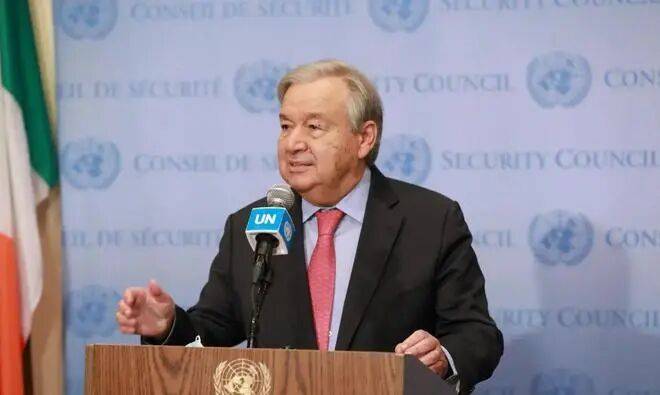
Core Viewpoint - The ongoing discussions about the status of the US dollar in the global economy indicate a significant transformation in the international financial landscape, with various countries reassessing their reliance on the dollar [1][3]. Group 1: Impact of Dollar Dominance - A Russian official's statement highlights the entrenched influence of the dollar in the global economic system, suggesting it is a formidable barrier to overcome [1]. - The frequent use of the dollar as a tool for sanctions by the US has led many countries to feel pressured and anxious, prompting them to seek ways to reduce their dependence on the dollar [3]. Group 2: China's Position - China, as the world's second-largest economy, is at the forefront of this transformation, actively reducing its holdings of US Treasury bonds as a strategy to challenge dollar dominance [3][5]. - The reduction of US debt holdings is seen as a significant step towards exploring a more autonomous and diversified financial future [3]. Group 3: Global Economic Stability - UN Secretary-General Antonio Guterres emphasized the importance of global economic stability and peace, cautioning that eliminating the dollar's influence is a long-term endeavor that involves complex international political and economic challenges [5][7]. - Guterres' remarks have been interpreted by some as favoring the US, yet they underscore the need for a careful and comprehensive approach to the evolving financial landscape [5]. Group 4: Future of the Renminbi - The path for the Renminbi to become a globally influential currency is long and requires strengthening China's economic power and enhancing the international reputation of the Renminbi [7]. - Active participation in international economic cooperation and governance is essential for building a fair and inclusive new international financial order [7].

特朗普为2套房,做了111年来历届总统不敢做的事,美联储摊上事了
Sou Hu Cai Jing· 2025-08-28 07:07
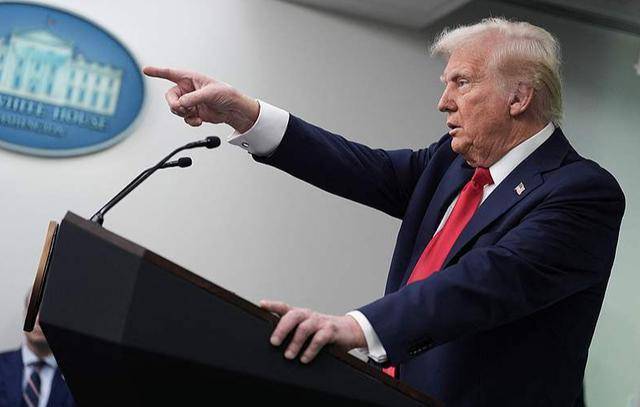
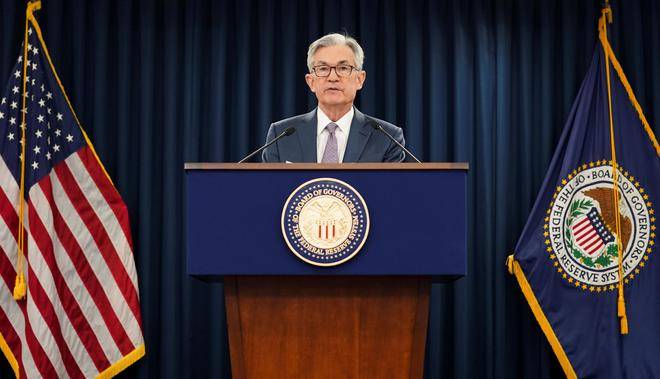
8月25日,一封突如其来的公开信在全球金融圈掀起轩然大波。信件宣布美国总统特朗普正式解雇美联 储理事丽莎·库克,这一决定打破了长达112年的制度禁忌。在此之前,没有任何总统敢轻易触碰美联储 理事的职位。更令人瞠目结舌的是,特朗普给出的理由竟然仅仅与"两套房产"相关。这一举动立刻引发 国际震动,美元指数迅速下跌,黄金价格大幅飙升,市场瞬间进入避险模式,投资者普遍认为这标志着 对美国制度公信力的一次深刻重估,美元霸权的根基正在遭遇挑战。 一旦形成多数派,特朗普不仅能直接掌控美联储理事会的决策,还能间接影响12位地区联储主席的任命 与续任,这最终将改变联邦公开市场委员会(FOMC)的结构,进而决定美国利率政策的走向。这意味 着,美联储赖以维持的独立地位将彻底动摇,货币政策或将沦为总统个人意志的工具。 面对前所未有的压力,库克并未退缩。作为由拜登提名并历史上首位进入美联储理事会的黑人女性,她 在声明中明确表示特朗普无权解雇她,现行法律并不存在所谓"因故罢免"的正当理由。她强调将继续履 行职责,不会因所谓"霸凌"或网络舆论而选择退让。她的律师团队也迅速回应,称将采取一切法律手段 阻止这一"非法行动"。国会内部随即出现分 ...
美方要禁止中国用美元结算,还对华加税600%?网友:还有这好事?(3)
Sou Hu Cai Jing· 2025-08-28 05:24
Core Viewpoint - The actions of American politicians and experts are perceived by many Chinese netizens as inadvertently supporting China, highlighting the shift in global power dynamics and the potential decline of U.S. hegemony [2] Group 1: Economic Dynamics - The U.S. has maintained its global dominance primarily through "dollar hegemony," which facilitates a cycle of consumption, production, and resource acquisition [2] - The U.S. can print large amounts of money and invest in resources, while other countries are required to conduct trade in dollars, benefiting from this "dollar cycle" for 50 years [2] - China has emerged as the world's largest industrial nation and is developing its own payment systems, challenging the existing dollar-dominated framework [2] Group 2: Geopolitical Shifts - China is taking a leading role in the development of BRICS nations, indicating a shift in global alliances and economic power [2] - In military technology, China has gained advantages in specific areas such as early warning systems and sixth-generation fighter jets, showcasing its advancements [2] - The U.S. has initiated a tariff war in an attempt to maintain its global influence, but this approach may backfire as countries reconsider their alignment with Washington [2] Group 3: Future Implications - The actions of U.S. politicians and experts may accelerate the decline of American hegemony, as countries recognize the lack of benefits in aligning with the U.S. [2]
中国抛售美债规模创纪录!1个月狂减900亿,美元霸权崩塌倒计时?
Sou Hu Cai Jing· 2025-08-28 02:03
Core Viewpoint - China's record sale of US Treasury bonds, amounting to $90 billion in a single month, signals a potential shift in the global financial landscape and raises questions about the future of the US dollar's dominance [1][3]. Group 1: Sale Data and Strategic Shift - In the first seven months of 2024, China reduced its US Treasury holdings by a total of $240 billion, averaging $34 billion per month [4]. - The single-month sale in July 2025 reached $90 billion, doubling the pace of the first half of the year, equating to a daily reduction of $3 billion [5]. - The proceeds from the bond sales are being redirected into three main areas: gold reserves, with China increasing its holdings to over 3,000 tons; investments in RMB-denominated assets, particularly in ASEAN bonds; and strategic resources, including a $50 billion investment in South American lithium and African cobalt mines [6][7][8]. Group 2: Reasons for Accelerated Sales - Geopolitical risks, particularly the escalation of the US-China tech war and the precedent of the US freezing Russian assets, have prompted China to set a "safety line" for its US Treasury holdings, currently at 12% of its foreign reserves [8]. - Concerns over the US dollar's creditworthiness have intensified, with the national debt exceeding $38 trillion and projected fiscal deficits reaching $2.1 trillion in 2025, leading to a downgrade in the US's debt rating [9]. - The internationalization of the RMB is accelerating, with its share in cross-border payments rising to 12.7% in the first half of 2025, up from just 2% in 2020, diminishing the demand for dollar reserves [10]. Group 3: Market Impact - The sale of US Treasuries has led to a tightening of dollar liquidity, with the LIBOR rate increasing by 0.5 percentage points despite Japan and the Federal Reserve absorbing some of the bonds [11]. - The yield on 10-year US Treasuries has surpassed 4.5%, while 30-year yields are nearing 5%, contributing to a 25% drop in real estate transaction volumes as mortgage rates rise to 7.2% [12]. - A trend towards de-dollarization is evident, with Brazil increasing its RMB reserves from 5% to 20%, Saudi Arabia accepting RMB for 50% of its oil trade with China, and India piloting direct exchanges between the rupee and RMB [13][14][15]. Group 4: US Response Strategies - The US Congress is considering the Foreign Sovereign Asset Review Act to impose sanctions on countries that aggressively sell US Treasuries, but China's diversified holdings complicate enforcement [15]. - The Federal Reserve may consider an emergency rate hike of 50 basis points to attract capital back, although this could exacerbate the risk of economic recession [16]. - The US government has criticized China for destabilizing global financial markets, while the IMF attributes the weakening of the dollar's dominance to the US's own fiscal mismanagement [17]. Group 5: Future Scenarios for Dollar Dominance - Scenario 1: A gradual decline in dollar dominance, with RMB's global reserve share rising to 18% by 2030, while the dollar falls below 50% [18]. - Scenario 2: A sudden collapse triggered by a chain reaction of bond sales, leading to a liquidity crisis in the Treasury market and a potential 5% drop in the dollar index [19]. - Scenario 3: The US regaining payment supremacy through the introduction of a Central Bank Digital Currency (CBDC), although this would require a 3-5 year timeframe [20].
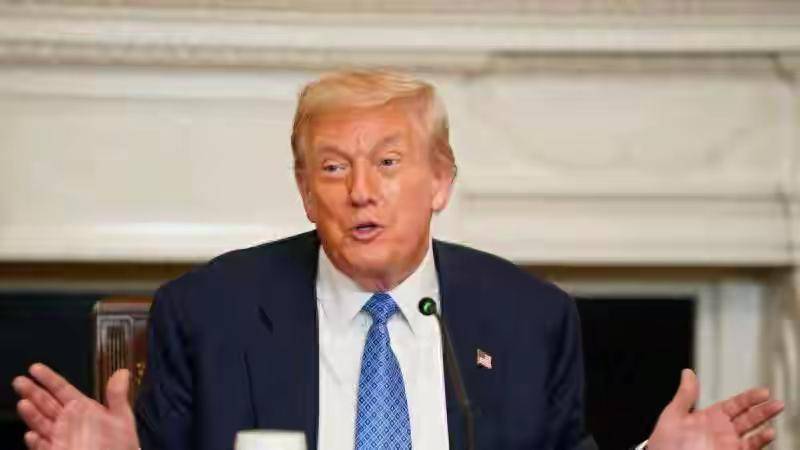
特朗普挑战美联储独立性:110年来首次解职理事,美元霸权要崩塌
Sou Hu Cai Jing· 2025-08-27 18:17
然而,在特朗普的战略棋局中,库克仅仅是一枚棋子。其真正的目的,在于夺取对美联储的控制权。美联储理事会共有七个席位,在库克被解职前,由特 朗普任命的理事占据两席(米歇尔·鲍曼和克里斯托弗·沃勒),而由拜登任命的理事则占据四席(库克、库格勒、博斯蒂克、布雷纳德)。一旦成功解除库 克的职务,特朗普便可提名新人填补空缺,从而使己方阵营在理事会中占据多数席位,掌握更大的话语权。这无疑是一招釜底抽薪之计。 特朗普此举的背后,隐藏着他对美联储现行货币政策的不满。他一直对美联储主席鲍威尔的加息政策颇有微词,认为高利率政策扼杀了房地产市场,加重 了普通民众的购房负担,同时也对整体经济造成了负面影响。他希望美联储能够尽快降息,以刺激经济增长,并为自己2024年的总统竞选铺平道路。然 而,美联储的独立性使其难以受到总统的直接干预。为了达到自己的目的,特朗普选择冒险出击,试图通过掌控理事会多数席位的方式,迫使美联储改变 政策方向。 在全球金融界掀起轩然大波的,莫过于前总统唐纳德·特朗普解雇美联储理事莉萨·库克一事。此举如同平地一声雷,打破了美国百年来的政治惯例,撼动了 美联储作为独立央行的根基。要知道,美联储的独立性,向来被视为美国 ...
装啥呢!美国欠37万亿还越欠越横?网友看穿真相:中国人不吃这一套了!
Sou Hu Cai Jing· 2025-08-27 02:21
Core Viewpoint - The article discusses the paradox of the United States' growing national debt of $37 trillion, highlighting how the country continues to spend aggressively on military and other expenditures without apparent concern for its debt levels, suggesting a unique financial strategy that turns debt into a tool for maintaining global influence and military power [3][6][20]. Group 1: Debt Dynamics - The U.S. national debt reached $36.5 trillion by March 2025, with over 70% held by domestic entities such as the Social Security system and the Federal Reserve, creating a self-reinforcing cycle of debt management [7][9]. - The article illustrates a metaphor where owing money to family members is likened to the U.S. borrowing from itself, suggesting that this internal borrowing creates an illusion of economic strength [9][10]. Group 2: Global Economic Influence - The U.S. dollar accounts for 70% of global trade settlements, and over half of central bank reserves worldwide, establishing a dependency on U.S. debt for international economic participation [10][11]. - Countries like Japan continue to purchase U.S. debt despite their own financial struggles, driven by the fear of economic instability if the dollar falters [14][15]. Group 3: Military and Economic Interplay - The U.S. military budget exceeds $1 trillion annually, which supports numerous defense contractors and political interests, creating a cycle where military spending is justified by job creation [21][23]. - The article posits that U.S. aircraft carriers serve not only as military assets but also as enforcers of dollar dominance, reinforcing the idea that military power is intertwined with economic strategy [23]. Group 4: Future Considerations - There is a noted decline in global central banks' holdings of U.S. debt, dropping from 51% in 2000 to 38%, indicating a potential shift away from reliance on U.S. financial instruments [23]. - The article raises questions about the sustainability of the U.S. debt strategy, suggesting that as more countries become disillusioned with the current system, the U.S. may face challenges in maintaining its financial dominance [23].

美国为什么不宣布35万亿美债全部作废?其实东大何尝不想美国宣布35万亿美债作废
Sou Hu Cai Jing· 2025-08-26 16:18
Group 1 - The core issue is the unsustainable growth of U.S. national debt, projected to reach $37 trillion by August 2025, with each American carrying over $100,000 in debt, while the median household income is around $70,000 [3][10] - U.S. military spending accounts for over $900 billion annually, representing one-third of global military expenditure, alongside rising social welfare and healthcare costs, leading to a significant budget deficit [3][10] - Tax revenue has been reduced due to various tax cuts, including a $1.5 trillion reduction during the Trump administration, exacerbating the debt situation [3][10] Group 2 - The narrative that cheap Chinese exports are responsible for U.S. debt is misleading; the real issue lies in domestic spending habits and fiscal irresponsibility [5][10] - If the U.S. were to default on its $37 trillion debt, it would lead to a collapse of global financial markets, undermining the credibility of the U.S. dollar and causing investors to flee [6][10] - The U.S. dollar currently holds over 40% of the international settlement market share, and a loss of trust could lead to a rapid decline in this share, impacting the U.S. economy significantly [8][10] Group 3 - The U.S. has limited options to address its debt crisis: either control spending, which is complicated by political gridlock, or stimulate economic growth, which has been stagnant with GDP growth below 3% [10][11] - The relationship between the U.S. and China is complex, with mutual dependencies; while the U.S. criticizes China, it cannot afford to sever financial ties, especially if China continues to reduce its holdings of U.S. debt [10][11] - The overarching concern is how the U.S. will manage its escalating debt without resorting to drastic measures that could destabilize its economy and global financial systems [11]
新法案正式落地!又有新的机遇要来了?
大胡子说房· 2025-08-26 12:00
Core Viewpoint - The legalization of stablecoins in the U.S. through the "Genius Act" is seen as a strategic move to enhance the liquidity of the dollar and potentially increase its dominance in the global market [1][2][3]. Group 1: Stablecoin Legitimization - The "Genius Act" passed by the U.S. House of Representatives signifies the formal acceptance of stablecoins, moving them from a gray area to a regulated status [1][3]. - The act is interpreted as a tool for the U.S. to solidify the dollar's supremacy and ensure its share in global dollar payments [5][6]. Group 2: Liquidity Implications - The relationship between the dollar and stablecoins suggests that one dollar can generate multiple dollars in purchasing power through the issuance of stablecoins [24][28]. - The potential for stablecoins to create a multiplier effect on the dollar's purchasing power could lead to a significant increase in liquidity, estimated to reach $4 trillion from a stablecoin market of $2 trillion within three years [42]. Group 3: Impact on Monetary Policy - The introduction of stablecoins may allow the U.S. government to bypass traditional monetary policy mechanisms, effectively creating a "shadow central bank" that operates similarly to the Federal Reserve [31][40]. - The shift in the issuance of currency from the Federal Reserve to stablecoin issuers could lead to a scenario where stablecoins replace the dollar, diminishing the need for the Federal Reserve's involvement [39][40]. Group 4: Market Effects - The influx of liquidity from stablecoins is expected to impact asset prices significantly, potentially leading to bubbles in dollar-denominated assets [48][50]. - The U.S. government's strategy of leveraging stablecoins for debt issuance may have long-term implications for global capital markets, particularly for countries reliant on dollar transactions [46][47].

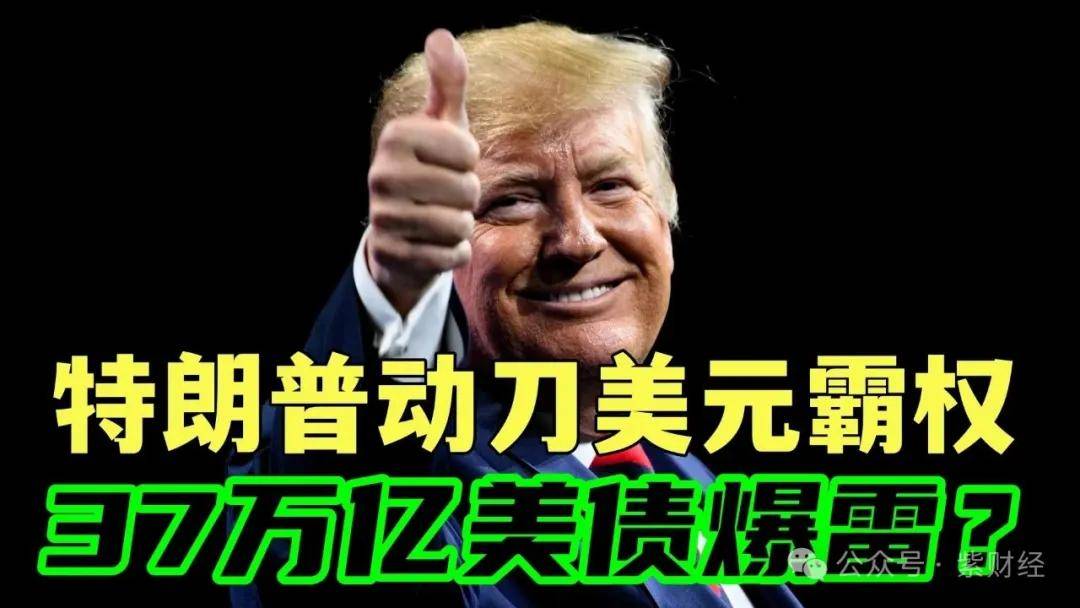
特朗普亲自动刀美元霸权?美联储告急,37万亿美债会引爆吗?
Sou Hu Cai Jing· 2025-08-26 11:30
Core Viewpoint - The article discusses the potential implications of former President Trump's actions against the Federal Reserve, suggesting that his attempts to undermine its independence could threaten the stability of the U.S. dollar and the broader financial system [1][5][10]. Group 1: Trump's Actions and Motivations - Trump has been pressuring the Federal Reserve, including the dismissal of board member Lisa Cook, to lower interest rates in an effort to stimulate the economy and reduce debt costs ahead of the midterm elections [1][4][10]. - The urgency behind Trump's actions is linked to rising inflation and unemployment in the U.S., as well as the significant national debt of $36 trillion, which incurs over $1 trillion in interest annually [4][10]. Group 2: Federal Reserve's Independence - The Federal Reserve was established in 1913 to prevent financial crises, designed to be an independent entity that balances power between the government and private banks [7][8]. - The independence of the Federal Reserve is crucial for maintaining confidence in the U.S. dollar and preventing inflation, as historical instances of political interference have led to severe economic consequences [9][11]. Group 3: Potential Consequences - Trump's actions could lead to a loss of confidence in the Federal Reserve, prompting global investors to sell off U.S. dollars and bonds, which could destabilize the financial system [10][12]. - The article warns that undermining the Federal Reserve's independence for personal political gain could have dire repercussions, as seen in past instances where political pressure led to rampant inflation [11][12].
美联储还没降息,7国停止快递包裹,中方将迎战,特朗普石油计划
Sou Hu Cai Jing· 2025-08-26 08:14
Group 1 - The U.S. has canceled the tax exemption policy for packages valued under $800, effective from the 29th of this month, which will significantly impact cross-border e-commerce, particularly affecting Chinese companies [1][3] - Seven countries, including New Zealand, India, Germany, France, Belgium, Austria, and Denmark, have announced a suspension of parcel shipments to the U.S., complicating the operations of small cross-border e-commerce businesses and limiting the influx of consumer goods into the U.S. market [3][5] - The U.S. aims to pressure China to halt imports of Iranian oil, using sanctions against two Chinese companies accused of facilitating Iranian oil transport, which reflects a broader strategy to weaken Iran's economic position [5][7] Group 2 - The cancellation of the tax exemption policy is designed to undermine the competitive edge of small and medium-sized e-commerce businesses in China, allowing U.S. companies to maintain their market position against cheaper foreign products [7][9] - The U.S. is leveraging its economic and trade policies to isolate Iran while simultaneously targeting China's energy import needs, indicating a strategic approach to both economic warfare and geopolitical maneuvering [9][11] - The current U.S. actions are seen as a response to domestic economic challenges, with the Federal Reserve's inaction on interest rates creating a backdrop for these aggressive trade policies [11][15] Group 3 - China is expected to respond with flexible strategic measures, enhancing multilateral economic cooperation and reducing reliance on oil imports, indicating a long-term resilience against U.S. pressures [13][15] - The international community is increasingly wary of the U.S.'s unilateral sanctions and policies, which are perceived as detrimental to global trust and cooperation [13][15]