逆全球化
Search documents
全球与中国刻蚀用硅部件市场现状及未来发展趋势
QYResearch· 2025-07-11 09:28
Core Viewpoint - The etching silicon components are essential consumables in wafer manufacturing, with silicon electrodes and silicon rings being the primary products. The shift from traditional etching methods to plasma etching has improved product yield and quality due to the superior properties of silicon materials compared to ceramics [1][3][4]. Industry Status Analysis - The etching silicon components industry is highly concentrated, with over twenty manufacturers globally, primarily located in the US, South Korea, and Japan. Key players include Silfex Inc., Hana Materials Inc., and Mitsubishi Materials. The Chinese market is rapidly growing, with local companies like Ningxia Shunyu Juxin and Jinzhou Shengong Semiconductor entering the field [3][4]. Product Lifecycle - In the international supply chain, silicon components are in the "mature phase," while in the Chinese market, they are still in the "introduction phase." The products are characterized by a wide variety and small batch sizes, with consumption depending on the types of plasma etching machines and manufacturing processes used by integrated circuit manufacturers [4]. Technology and Application - As advanced processes move towards 3 nm and below, the requirements for silicon components' purity, crystal orientation uniformity, and surface roughness are increasing. Mainstream products need to achieve over 9N purity, with metal ion contamination controlled at the ppb level. The demand for large-sized silicon rings and electrodes (300 mm and above) is rising, with some companies researching 450 mm components for future wafer size evolution [5][19]. Supply Chain Dynamics - Geopolitical factors are driving regions like Europe, the US, Japan, and South Korea to accelerate local production to reduce reliance on single supply sources. Chinese manufacturers are also capturing market share, although they face technical challenges in high-purity and large-size products. Future trends indicate a shift towards higher purity and more complex structures in silicon components [6][20]. Global Market Scale - The global market for etching silicon components is projected to reach $1.727 billion by 2024 and $2.771 billion by 2031, with a CAGR of 7.27% from 2025 to 2031. The Chinese market is expected to grow from $176 million in 2024 to $349 million by 2031, increasing its global market share from 10.24% to 12.6% [11][12]. Regional Market Insights - North America is the largest consumer market, accounting for 24.77% of the market share in 2024, followed by Japan, Taiwan, and South Korea. The Chinese market is anticipated to grow the fastest, with a CAGR of approximately 10.33% from 2025 to 2031 [13][14]. Production Insights - North America, South Korea, and Japan are the top three production regions, holding 51.4%, 19.15%, and 18.73% of the market share in 2024. China's share is expected to increase from 7.5% in 2024 to 12.55% by 2031 [14]. Product Type Distribution - In 2024, silicon rings and silicon electrodes are projected to hold 53.1% and 46.9% of the market share, respectively. OEM customers are expected to account for about 68% of the market, with a CAGR of 7.22% in the coming years [15][16]. Competitive Landscape - The core manufacturers in the global etching silicon components market include Silfex Inc., Hana Materials Inc., and Mitsubishi Materials, with the top ten manufacturers holding over 90% of the market share in 2024 [16].
西南期货早间评论-20250711
Xi Nan Qi Huo· 2025-07-11 03:22
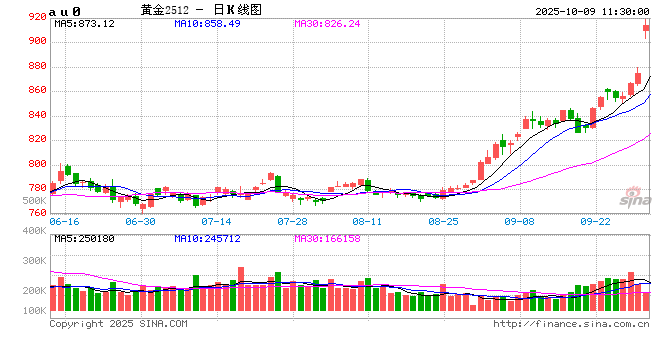
Report Industry Investment Ratings No relevant content provided. Core Views of the Report - The bond market is expected to have no trend and should be treated with caution [7]. - The stock index is expected to perform well in the long - term, and it is advisable to consider going long on stock index futures [9]. - The precious metals market is expected to continue its long - term bull trend, and it is advisable to consider going long on gold futures [11]. - For steel products such as rebar and hot - rolled coils, investors can wait for shorting opportunities after the rebound [12]. - For iron ore, investors can focus on buying opportunities at low levels [14]. - For coking coal and coke, investors can consider short - term long opportunities and wait for mid - term shorting entry points [15]. - For ferroalloys, if the spot losses continue to widen, investors can consider low - level out - of - the - money call options [18]. - The crude oil market is expected to rebound and then decline, and it is advisable to wait and see [21]. - The fuel oil market has stabilized after a sharp decline, and it is advisable to wait and see [23]. - For synthetic rubber, investors can wait for the market to stabilize and then participate in the rebound [26]. - For natural rubber, it is expected to be weak in the short - term, and investors can focus on mid - term long opportunities [28]. - The PVC market is expected to remain weak [31]. - The urea market is expected to be volatile in the short - term and bullish in the mid - term [32]. - The PX market is expected to be volatile in the short - term, and investors should participate with caution [33]. - The PTA market is expected to be under pressure in the short - term, and investors can consider shorting at high levels [35]. - The ethylene glycol market is expected to be weak in the short - term, and investors should participate in the range [36]. - The short - fiber market is expected to follow the cost and fluctuate, and investors should be cautious about the repair of the processing margin [38]. - The bottle - chip market is expected to follow the cost and fluctuate, and investors should participate with caution [39]. - The soda ash market is expected to be weak and volatile in the short - term, and investors with long positions should control risks [42]. - The glass market is expected to rebound in the short - term [43]. - The caustic soda market is expected to have limited upward momentum in the short - term [45]. - The pulp market is expected to fluctuate and adjust [46]. - The lithium carbonate market has not changed its supply - demand pattern, and investors should not chase high prices [49]. - The copper market has high short - term uncertainty, and it is advisable to wait and see [52]. - The tin market is expected to be strong and fluctuate [53]. - The nickel market is expected to fluctuate [54]. - For soybean meal, investors can consider long opportunities at low - level support intervals; for soybean oil, investors can consider call options at support intervals after the decline [56]. - For palm oil, investors can consider expanding the spread between rapeseed oil and palm oil [58]. - For rapeseed oil and meal, investors can consider long opportunities for the oil - meal ratio [59]. - For cotton, it is advisable to short at high levels [62]. - The sugar market is expected to fluctuate in the range [66]. - For apples, investors can focus on shorting opportunities at high levels [68]. - For live pigs, it is advisable to try shorting at high levels [70]. - For eggs, it is advisable to hold short positions [72]. - For corn and starch, it is advisable to wait and see; corn starch follows the corn market [75]. - The log market is expected to fluctuate and adjust before the first delivery [78]. Summary by Related Catalogs Bonds - The previous trading day, bond futures closed down across the board. The central bank carried out 90 billion yuan of 7 - day reverse repurchase operations, with a net investment of 32.8 billion yuan. The Fed is divided on dealing with tariff risks, and Powell is taking a wait - and - see attitude [5]. - The Sino - US economic and trade relations are stable, the macro - economic recovery momentum needs to be strengthened, and the bond yield is at a relatively low level. It is expected that there will be no trend and should be treated with caution [6][7]. Stock Index - The previous trading day, stock index futures were mixed. The government adjusted the basic pension for retirees. The domestic economy is stable, but the recovery momentum is weak. However, the valuation of domestic assets is low, and China's economy has sufficient resilience. It is still optimistic about the long - term performance of Chinese equity assets and advisable to consider going long on stock index futures [8][9]. Precious Metals - The previous trading day, gold and silver futures rose. The current global trade and financial environment is complex, and the "de - globalization" and "de - dollarization" trends are beneficial to the allocation and hedging value of gold. Central bank gold purchases support the price. If the US economy slows down, the Fed may cut interest rates, and it is advisable to consider going long on gold futures [10][11]. Rebar and Hot - Rolled Coils - The previous trading day, rebar and hot - rolled coil futures rebounded strongly. The important meeting triggered the expectation of supply contraction, but the real estate downturn and over - capacity still suppress prices. The market is in the off - season, and the rebound space is limited. Technically, the short - term trend may continue. Investors can wait for shorting opportunities after the rebound [12]. Iron Ore - The previous trading day, iron ore futures rose significantly. Policy expectations boosted the price, but the supply - demand pattern has weakened marginally. The valuation is relatively high. Technically, it was supported at the previous low. Investors can focus on buying opportunities at low levels [14]. Coking Coal and Coke - The previous trading day, coking coal and coke futures rose significantly. The important meeting triggered the expectation of supply contraction, but the actual production is increasing. The cost of coke is supported. Technically, the short - term trend is strong. Investors can consider short - term long opportunities and wait for mid - term shorting entry points [15]. Ferroalloys - The previous trading day, manganese silicon and ferrosilicon futures rose. The supply of manganese ore is increasing, and the inventory is low. The production of ferroalloys is rising, but the demand is weak. The inventory is high. In the off - season, the demand has peaked, and the price is under pressure. If the spot losses continue to widen, investors can consider low - level out - of - the - money call options [17][18]. Crude Oil - The previous trading day, INE crude oil rose strongly. The CFTC data showed that speculators reduced their net long positions. The number of US oil and gas rigs decreased. OPEC + will gradually increase production. It is expected that the rebound will encounter resistance and decline, and it is advisable to wait and see [19][21]. Fuel Oil - The previous trading day, fuel oil opened low and fluctuated. The premium of Asian ultra - low - sulfur fuel oil decreased, and the market was calm. The increase in Singapore's fuel oil inventory is negative, while the easing of tariff frictions is positive. It has stabilized after a sharp decline, and it is advisable to wait and see [22][23]. Synthetic Rubber - The previous trading day, synthetic rubber futures rose. The raw material price decreased, and the profit turned positive. The supply and demand are short - term loose. The production capacity utilization rate is stable, but the demand from tire enterprises is weak. The inventory is high. It is advisable to wait for the market to stabilize and then participate in the rebound [24][26]. Natural Rubber - The previous trading day, natural rubber futures rose. The domestic production area was affected by rainfall, and the supply pressure increased. The demand was difficult to improve, and the inventory was high. It is expected to be weak in the short - term, and investors can focus on mid - term long opportunities [27][28]. PVC - The previous trading day, PVC futures rose. The production is expected to continue to decline, the demand has no sign of improvement, and the cost support is weak. It is expected to maintain a weak operation [29][31]. Urea - The previous trading day, urea futures rose. The supply is expected to remain high, the demand is expected to pick up, and the inventory is expected to decline. It is expected to be volatile in the short - term and bullish in the mid - term [31][32]. PX - The previous trading day, PX futures rose. The supply load decreased slightly, and the import increased. The short - term supply and demand improved slightly, and the balance remained tight. The cost support from crude oil was insufficient. It is expected to be volatile in the short - term, and investors should participate with caution [33]. PTA - The previous trading day, PTA futures rose. The supply load increased, and the demand load decreased. The short - term supply and demand fundamentals are expected to weaken, and the cost support from crude oil is insufficient. It is expected to be under pressure in the short - term, and investors can consider shorting at high levels [34][35]. Ethylene Glycol - The previous trading day, ethylene glycol futures rose. The supply load increased, and the inventory increased. The demand from the polyester industry decreased. The short - term supply and demand turned weak, and the inventory is at a low level. It is advisable to participate in the range [36]. Short - Fiber - The previous trading day, short - fiber futures rose. The supply load decreased, and the demand was weak. The cost is volatile, and the short - term drive is insufficient. It is expected to follow the cost and fluctuate, and investors should be cautious about the repair of the processing margin [37][38]. Bottle - Chip - The previous trading day, bottle - chip futures rose. The raw material price is volatile, and the supply load decreased. The demand from the downstream beverage industry is increasing, and the export is high. It is expected to follow the cost and fluctuate, and investors should participate with caution [39]. Soda Ash - The previous trading day, soda ash futures rose. The production decreased slightly, and the inventory increased. The supply is at a high level, and the demand is weak. It is expected to be weak and volatile in the short - term, and investors with long positions should control risks [40][42]. Glass - The previous trading day, glass futures rose. The actual supply and demand have no obvious driver, and the market sentiment is weak. It was driven up by the energy sector, and it is expected to rebound in the short - term [43]. Caustic Soda - The previous trading day, caustic soda futures rose. The production decreased, and the inventory decreased. The demand from the alumina industry is affected by maintenance and production reduction. The overall supply and demand are loose, and the regional difference is obvious. It is expected to have limited upward momentum in the short - term [44][45]. Pulp - The previous trading day, pulp futures rose. The supply is expected to expand, and the downstream demand is weak. The industry is in the off - season, and the inventory is high. It is expected to fluctuate and adjust [46]. Lithium Carbonate - The previous trading day, lithium carbonate futures fell. The supply - demand pattern has not changed, the supply is strong, and the consumption has improved slightly, but the inventory is still high. Investors should not chase high prices [49]. Copper - The previous trading day, Shanghai copper futures fluctuated higher. The US will impose a 50% tariff on copper, which may impact China. The spot market is weak, and the overall demand is limited. The short - term trend is uncertain, and it is advisable to wait and see [50][52]. Tin - The previous trading day, Shanghai tin futures fluctuated. The supply of tin ore is tight, the processing fee is low, and the production is below the normal level. The consumption is good, and the inventory is decreasing. It is expected to be strong and fluctuate [53]. Nickel - The previous trading day, Shanghai nickel futures rose. The price of nickel ore weakened, the demand from stainless steel mills is weak, and the overall supply is in excess. It is expected to fluctuate [54]. Soybean Meal and Oil - The previous trading day, soybean meal and oil futures rose. The domestic soybean arrival is high, the oil mill profit is low, and the import cost is rising. The consumption of soybean meal and oil is expected to increase slightly. For soybean meal, investors can consider long opportunities at low - level support intervals; for soybean oil, investors can consider call options at support intervals after the decline [55][56]. Palm Oil - The previous trading day, Malaysian palm oil futures fell. The Malaysian palm oil inventory reached an 18 - month high in June. The domestic palm oil inventory is at a medium - high level. It is advisable to consider expanding the spread between rapeseed oil and palm oil [57][58]. Rapeseed Oil and Meal - The previous trading day, rapeseed oil and meal futures had different performances. The supply of rapeseed is tight, and the demand is weak. The inventory of rapeseed and meal is at a low level, and the inventory of rapeseed oil is at a high level. It is advisable to consider long opportunities for the oil - meal ratio [58][59]. Cotton - The previous trading day, domestic cotton futures fluctuated. The US cotton growth condition is good, and the export sales decreased. The domestic cotton production is expected to increase. It is advisable to short at high levels [60][62]. Sugar - The previous trading day, domestic sugar futures fluctuated. The Brazilian sugar production may increase, and the Indian sugar production is expected to decline. The domestic sugar production increased, and the inventory decreased. It is expected to fluctuate in the range [63][66]. Apples - The previous trading day, apple futures fluctuated. The apple production is expected to increase slightly this year, and the inventory is decreasing. It is advisable to focus on shorting opportunities at high levels [67][68]. Live Pigs - The previous trading day, live pig futures rose. The supply is expected to increase, the demand is weak in the off - season, and the cost is low. It is advisable to try shorting at high levels [69][70]. Eggs - The previous trading day, egg futures fell. The egg production is expected to increase in July, the demand is weak in the off - season, and the cost is low. It is advisable to hold short positions [71][72]. Corn and Starch - The previous trading day, corn futures fell slightly, and corn starch futures rose slightly. The domestic corn supply and demand are approaching balance, the policy is favorable, and the consumption is warming up. The inventory pressure has decreased, but the import may increase. Corn starch follows the corn market. It is advisable to wait and see [73][75]. Logs - The previous trading day, log futures rose. The sea freight has an expected decline, the arrival of logs is increasing, and the demand from construction sites is weak. It is expected to fluctuate and adjust before the first delivery [76][78].
60年跨国物流集团穿越周期,CEO透露……
Sou Hu Cai Jing· 2025-07-10 10:21
Core Insights - EMO Trans Group's strategy is driven by the need to adapt to geopolitical risks and supply chain restructuring, focusing on diversifying markets while maintaining a strong presence in established regions [1][8]. Group 1: Company Overview - Founded in 1965 in Germany, EMO Trans Group has evolved from traditional logistics to a multinational logistics enterprise with operations across Europe, America, Asia, and Australia [6]. - The company operates over 100 offices in 24 countries and collaborates with more than 250 partners across 120 countries, offering services such as sea freight, air freight, customs brokerage, and warehousing [6][9]. - In 2024, EMO Trans Group reported revenues of $5.8 billion, handling 9,600 tons of air freight and 110,000 TEUs of sea freight [6][9]. Group 2: Market Strategy - The company targets countries ranked in the top 40%-50% of GDP, which account for 80%-90% of global trade market share, as a basis for market entry [1][8]. - Recent expansions include acquisitions in Southeast Asia (Thailand, Vietnam) and Eastern Europe (Romania, Poland), with a notable opening of six offices in India in one day [8][9]. Group 3: Operational Resilience - EMO Trans Group operates as a debt-free private enterprise, emphasizing flexibility to adapt to geopolitical changes while maintaining robust operations [9]. - The company plans to diversify its business over the next 10-20 years, focusing on Europe and Latin America as key strategic areas [9]. - Technological advancements are being implemented, including the launch of the CargoWise AI system and plans for a unified global operating system by 2025, enhancing service quality and operational efficiency [9]. Group 4: China Operations - EMO Trans Group has been active in China since the 1990s, with a focus on providing seamless logistics services and maintaining long-term client relationships [10][12]. - The company has adjusted its business model in China, reducing reliance on the U.S. market from over 70% to 46%-51% since 2018, in response to trade regionalization trends [12][15]. - Future plans include expanding service points in cities like Xi'an and Suzhou and diversifying operations through acquisitions, particularly in the rail sector [15].
西南期货早间评论-20250710
Xi Nan Qi Huo· 2025-07-10 03:28
1. Report Industry Investment Ratings No relevant content provided. 2. Core Views of the Report - The macro - economic recovery momentum needs to be strengthened, and it is expected that the monetary policy will remain loose. Different commodities have different market trends and investment suggestions due to various factors such as supply - demand relationships, policy impacts, and international situations [6][9][11] - For most commodities, investors are advised to pay attention to market trends, control risks, and choose appropriate investment strategies according to specific market conditions. 3. Summary by Commodity Treasury Bonds - Last trading day, most treasury bond futures closed higher. The central bank conducted 755 billion yuan of 7 - day reverse repurchase operations, with a net withdrawal of 23 billion yuan on the day. China's June CPI turned positive year - on - year, and PPI continued to decline. It is expected that there will be no trend - based market, and caution should be maintained [5][6][7] Stock Index Futures - Last trading day, stock index futures showed mixed performance. The State Council issued a notice to support stable employment. Although the domestic economic recovery momentum is not strong, the long - term performance of Chinese equity assets is still optimistic, and it is considered to go long on stock index futures [8][9][10] Precious Metals - Last trading day, gold and silver futures prices declined. The complex global trade and financial environment, the trend of "de - globalization" and "de - dollarization", and central banks' gold - buying behavior support the long - term bull market of precious metals. It is considered to go long on gold futures [11][12] Steel (Rebar and Hot - Rolled Coil) - Last trading day, rebar and hot - rolled coil futures fluctuated. An important meeting triggered expectations of supply contraction, but the real estate downturn and over - capacity still suppress prices. There is a risk of further price decline, and investors can pay attention to short - selling opportunities on rebounds [13] Iron Ore - Last trading day, iron ore futures fluctuated. The supply - demand pattern has weakened marginally, but the price valuation is relatively high. Investors can pay attention to buying opportunities at low levels [15] Coking Coal and Coke - Last trading day, coking coal and coke futures rose significantly. An important meeting triggered supply - contraction expectations, but the actual supply may increase. The short - term trend is strong, and investors can pay attention to short - selling opportunities on rebounds [17] Ferroalloys - Last trading day, manganese silicon and silicon iron futures rose. The supply of manganese ore has increased, and the demand for ferroalloys is weak. The short - term supply may be in excess, and the price is under pressure. If the spot loss intensifies, investors can consider low - value call options [19][20] Crude Oil - Last trading day, INE crude oil rose strongly. OPEC + will increase production in August and September, but the increase will end in September. The market has stabilized after a decline, and investors can pay attention to long - buying opportunities for the main contract [21][23][24] Fuel Oil - Last trading day, fuel oil opened higher and fluctuated. The increase in Singapore's fuel oil inventory is negative, while the easing of tariff frictions is positive. The price has stabilized after a sharp decline, and investors can pay attention to long - buying opportunities for the main contract [25][26] Synthetic Rubber - Last trading day, synthetic rubber rose. The raw material price has declined, and the profit has turned positive. The supply - demand is short - term loose. Wait for the market to stabilize and participate in the rebound [27][29] Natural Rubber - Last trading day, natural rubber rose. Domestic production areas are affected by rainfall, and overseas supply is increasing. The demand is weak, and the price may fluctuate weakly in the short term. Pay attention to medium - term long - buying opportunities [30][31] PVC - Last trading day, PVC rose. The expected production will continue to decline, the demand has not improved, and the cost support is weakening. The price is expected to remain weak, showing a bottom - oscillating pattern [32][35] Urea - Last trading day, urea rose. The demand is expected to improve this week, driving inventory reduction. The price may oscillate strongly in the short term and be bullish in the medium term [36][37] PX - Last trading day, PX rose slightly. The supply - demand has improved slightly in the short term, and the cost support from crude oil has improved. The price will oscillate and adjust in the short term, and investors should participate cautiously [38] PTA - Last trading day, PTA rose. The supply - demand contradiction is not significant in the short term, and the cost support from crude oil exists. The price may oscillate and adjust in the short term, and investors can participate with a light position [39] Ethylene Glycol - Last trading day, ethylene glycol declined. The short - term supply - demand has weakened, suppressing the price, but the inventory is at a low level, providing support. Investors should participate within a range and pay attention to port inventory and imports [40] Short - Fiber - Last trading day, short - fiber rose. The downstream demand and cost have weakened, but the low inventory of factories can limit the decline. Investors can participate with a light position following the cost and pay attention to taking profits when the processing fee is high [41][42] Bottle Chips - Last trading day, bottle chips rose. The raw material price is oscillating, the number of device overhauls has increased, and the inventory is being reduced. The price is expected to oscillate following the cost. Investors should participate cautiously and pay attention to expanding the processing fee when it is low [43] Soda Ash - Last trading day, soda ash rose. The supply is at a high level, and the demand is weak. The long - term supply - demand imbalance is difficult to alleviate. The price increase is mainly driven by the energy sector, and investors should be cautious as a bull [44][45] Glass - Last trading day, glass rose. The actual supply - demand has no obvious driving force, and the market sentiment is weak. The price is mainly stable, and most deep - processing enterprises maintain rigid demand [46][47] Caustic Soda - Last trading day, caustic soda rose. The supply - demand is generally loose with regional differences. The price in most mainstream areas has declined, and the basis has narrowed. Although the market is bullish in the short term, the fundamental support is limited [48][49] Pulp - Last trading day, pulp rose. The downstream demand is weak, and the supply pressure is increasing. The price is expected to oscillate and adjust. The market trading sentiment is average, and the paper mill's procurement is light [50][52] Lithium Carbonate - Last trading day, lithium carbonate rose. The supply - demand pattern has not changed, the supply is strong, and the inventory is high. Do not chase the high price before the large - scale clearance of mine capacity [53] Copper - Last trading day, Shanghai copper declined sharply due to the US tariff increase. The price decline has expanded, and the downstream is in a wait - and - see state. Temporarily wait and see for the main contract [54][55] Tin - Last trading day, Shanghai tin oscillated. The ore supply is tight, the overall supply is short, and the demand is good. The price is expected to oscillate strongly [56] Nickel - Last trading day, Shanghai nickel declined slightly. The mine price has weakened, the consumption is not optimistic, and the supply is in excess. The price is expected to oscillate [57] Soybean Meal and Soybean Oil - Last trading day, soybean meal and soybean oil rose. The US soybean harvest is expected to be good, and the domestic supply is loose. Consider long - buying opportunities for soybean meal at low levels and call options for soybean oil after a decline [58][59] Palm Oil - Malaysian palm oil has risen for three consecutive days. The domestic inventory is at a medium - high level. Consider expanding the spread between rapeseed oil and palm oil [60][61] Rapeseed Meal and Rapeseed Oil - Canadian rapeseed declined. The domestic import has decreased, and the inventory is at a high or low level. Consider long - buying opportunities for the oil - meal ratio [62][63] Cotton - Last trading day, domestic cotton rose slightly. The US cotton growth is good, and the global supply - demand is expected to be loose. The domestic industry is in the off - season. Consider short - selling at high levels [64][65][66] Sugar - Last trading day, domestic sugar oscillated. The Brazilian production increase expectation has been adjusted downward, and the domestic inventory is low. The price will oscillate within a range [67][70][71] Apple - Last trading day, apple futures oscillated. The national apple production is expected to increase slightly. Consider short - selling opportunities at high levels [72][73] Live Pigs - Yesterday, the national average price of live pigs was flat. The supply pressure is increasing, and the consumption is weak. Consider short - selling at high levels [74][75] Eggs - Last trading day, the egg price was flat. The egg supply is expected to increase in July, and it is in the consumption off - season. Hold short positions [76][77] Corn and Corn Starch - Last trading day, corn declined slightly, and corn starch rose slightly. The domestic corn supply - demand is approaching balance, and the inventory pressure has decreased. Corn starch follows the corn market. It is advisable to wait and see [78][79][80] Logs - Last trading day, logs declined. The overseas export willingness has decreased, and the domestic inventory is being reduced. The price is expected to oscillate and adjust before the first delivery [81][83]
收益率冲顶+大选在即 全球投资者目光聚焦于日本! 屏息以待20年国债拍卖结果
智通财经网· 2025-07-09 23:58
Group 1 - Concerns are rising over Japan's fiscal expansion as the Senate elections approach, leading to increased focus on the demand for long-term Japanese government bonds (JGB) and potential global financial market impacts [1][2] - The 20-year Japanese government bond yield has reached a 25-year high, with the 30-year yield also surpassing the critical 3% mark, reflecting investor anxiety over ongoing budget deficits [2][5] - Major institutional investors in Japan, including banks and insurance companies, are expected to be cautious in bidding for JGBs, awaiting the Senate election results and their implications for fiscal policy [5][6] Group 2 - The upcoming auction results for the 20-year JGB will be closely monitored, particularly the bid-to-cover ratio and tail value, which indicate investor interest and demand strength [6] - Recent adjustments to Japan's borrowing plans aim to curb rising yields, but market sentiment remains cautious, with expectations of continued upward pressure on yields [6][7] - The potential for a return of "term premium" in the bond market is highlighted, as rising yields in Japan could spill over into U.S. Treasury yields, leading to increased market volatility [7][8]
整体物价低位运行与结构性涨价同在
2 1 Shi Ji Jing Ji Bao Dao· 2025-07-09 22:42
Economic Overview - In June, the Consumer Price Index (CPI) increased by 0.1% year-on-year, marking a shift from negative to positive growth, with food prices showing a reduced decline and non-food prices slightly rising [1] - The Producer Price Index (PPI) fell by 3.6% year-on-year, with a widening decline, indicating that living material prices performed better than production material prices [1] - The average CPI for the first half of the year was -0.1%, while the average PPI was -2.9%, reflecting a low overall price level in the domestic market [1] External Factors - International commodity prices have decreased, creating downward pressure on domestic prices, particularly affecting industries related to oil and gas, with oil and gas extraction prices down by 12.6% year-on-year and fuel prices down by 10.4% [1] - The rise of anti-globalization sentiments and "reciprocal tariffs" from the U.S. has led to increased trade barriers, impacting China's export industries and potentially leading to further price declines in related sectors [2] Internal Factors - The acceleration of energy structure transformation and the increase in green energy have contributed to lower energy prices, with coal mining and washing prices dropping by 21.8% year-on-year due to reduced demand for thermal power [2] - Intense market competition in certain industries, particularly in manufacturing, has led to price suppression, with many companies engaging in price wars due to product homogeneity [3] Structural Price Changes - Policies aimed at reducing "involution competition" have helped alleviate overcapacity in certain sectors, leading to a narrowing of price declines in industries such as automotive manufacturing and lithium battery production [3] - Consumption-boosting policies have positively impacted certain consumer goods sectors, resulting in price increases for items like arts and crafts, sports goods, and smart consumer products [4] - High-tech industries related to smart manufacturing and digital economy are experiencing rapid growth, with product prices showing a year-on-year increase, indicating a promising future for economic transformation [5]
2025年中期策略展望:己日革之,待时而动
Southwest Securities· 2025-07-09 09:03
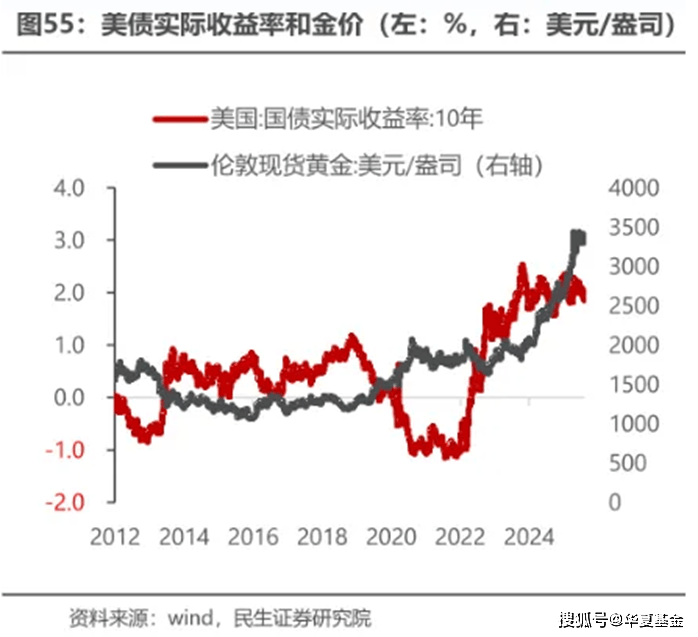
Group 1: Global Economic Outlook - The report highlights the exposure of fiscal risks, indicating potential global liquidity shocks [3][7][18] - A shift from globalization to confrontation has disrupted the stable state of the global economy, with the long-term downward trend of 10-year US Treasury yields being broken [7][18] - The divergence between US Treasury yields and the dollar reflects an extreme pricing of fiscal risks [9][14] Group 2: Domestic Economic Conditions - Domestic deflation expectations are easing, activating a persistent accumulation of excess liquidity [3][57] - The report notes that actual interest rates are declining from high levels, which alleviates the financing costs for various economic sectors [78] - The report indicates that the actual dollar index is building a mid-term top, which may relieve external pressures on the economic cycle [82] Group 3: A-Share Market Dynamics - The A-share market is experiencing rapid rotation within a narrow range, driven by excess liquidity [3][57] - Small-cap stocks are expected to outperform due to the accumulation of excess liquidity since 2024 [118][121] - The report identifies key sectors for investment, including AI, robotics, and military industries, which have shown resilience amid trade tensions [117] Group 4: Industry Allocation Insights - The report emphasizes the correlation between excess liquidity and sectoral excess returns, particularly in sectors like electrical machinery and chemical materials [121][124] - The report suggests that the market is not driven by improved economic expectations but rather by key technological breakthroughs that shift deflation expectations [91] - The report indicates that the speed of industry rotation has increased, suggesting a dynamic market environment [104]
西南期货早间评论-20250709
Xi Nan Qi Huo· 2025-07-09 02:33
Report Industry Investment Ratings There is no information provided regarding the report industry investment ratings in the given content. Core Viewpoints of the Report - For the bond market, it is expected that there will be no trend - based market, and caution should be exercised [6][7] - For the stock index, the long - term performance is optimistic, and considering going long on stock index futures is recommended [9][10] - For precious metals, the long - term bull market trend is expected to continue, and considering going long on gold futures is advised [11][12] - For steel products such as rebar and hot - rolled coils, short - term rallies can be considered for shorting [13] - For iron ore, low - level buying opportunities can be considered [15] - For coking coal and coke, short - term rallies can be considered for shorting [17] - For ferroalloys, the overall price is under pressure, and long - position investors need to be cautious [19][20][21] - For crude oil, the main contract can be considered for long - position opportunities [22][23][24] - For fuel oil, the main contract can be considered for long - position opportunities [25][26] - For synthetic rubber, wait for the market to stabilize before participating in the rally [27][28] - For natural rubber, it may experience weak fluctuations in the short term, and mid - term long - position opportunities can be monitored [28][29] - For PVC, it is expected to maintain a bottom - oscillating trend [30][32] - For urea, it may fluctuate in the short term and be treated with a bullish view in the medium term [33][34] - For PX, it may oscillate and adjust in the short term, and participation should be cautious [35] - For PTA, it may oscillate and adjust in the short term, and light - position participation is recommended [36][37] - For ethylene glycol, short - term supply - demand weakening suppresses the market, and interval participation is recommended [38] - For staple fiber, follow the cost side with light positions and monitor opportunities to widen processing margins [39][40] - For bottle chips, it is expected to oscillate following the cost side, and cautious participation is recommended [41] - For soda ash, the long - term oversupply situation is difficult to alleviate, and the price may be under pressure [42] - For glass, the actual supply - demand fundamentals have no obvious drivers, and the market sentiment is weak [44][45] - For caustic soda, the overall supply - demand is relatively loose, and the price may have limited upward momentum [46][47] - For pulp, the pulp price is expected to oscillate and adjust, and the price of household paper may remain weakly stalemated [48][49][50] - For lithium carbonate, the supply - demand surplus situation remains unchanged, and investors should not chase high prices [51] - For copper, the price may be supported by China's stimulus policies in the second half of the year [52] - For tin, the price is expected to oscillate strongly [53] - For nickel, the price is expected to oscillate [54] - For soybean oil and soybean meal, consider long - position opportunities for soybean meal at low - level support intervals and call option opportunities for soybean oil at support intervals after pullbacks [55][56][57] - For palm oil, consider opportunities to widen the spread between rapeseed oil and palm oil [58][60] - For rapeseed meal and rapeseed oil, consider long - position opportunities for the oil - meal ratio [61][62] - For cotton, it is recommended to short at high prices [63][64][65] - For sugar, it is expected to oscillate within a range [66][68][69] - For apples, consider short - position opportunities at high prices [70][71] - For live pigs, consider temporary observation [71][72] - For eggs, consider holding short positions [73][74][75] - For corn and corn starch, it is advisable to observe [76][77][78] - For logs, it is expected to oscillate and adjust before the first delivery [79][80][81] Summaries by Relevant Catalogs Bond Market - On the previous trading day, bond futures closed down across the board. The central bank conducted 69 billion yuan of 7 - day reverse repurchase operations, with a net withdrawal of 62 billion yuan on the day. Trump extended the tariff suspension period to August 1st. The macro - economic recovery momentum needs to be strengthened, and it is recommended to be cautious [5][6] Stock Index - On the previous trading day, stock index futures showed mixed performance. In June 2025, the retail sales of passenger cars increased year - on - year and month - on - month. The domestic economic recovery momentum is weak, but the long - term performance of Chinese equity assets is optimistic, and going long on stock index futures can be considered [8][9] Precious Metals - On the previous trading day, gold and silver futures rose. The R & D of platinum and palladium futures is in the final stage. The complex global trade and financial environment, central bank gold purchases, and potential Fed rate cuts are favorable for precious metals, and going long on gold futures can be considered [11] Steel Products (Rebar, Hot - Rolled Coils) - On the previous trading day, rebar and hot - rolled coil futures oscillated. The important meeting triggered expectations of supply contraction, but the downward trend of the real estate industry and over - capacity still suppress prices. It is recommended to short on rallies [13] Iron Ore - On the previous trading day, iron ore futures oscillated. The iron water output decreased, and the supply increased. The supply - demand pattern weakened marginally. It is recommended to buy at low levels [15] Coking Coal and Coke - On the previous trading day, coking coal and coke futures fluctuated slightly. The meeting triggered supply contraction expectations, but the over - capacity still exists. It is recommended to short on rallies [17] Ferroalloys - On the previous trading day, manganese silicon rose slightly, and ferrosilicon fell slightly. The supply of manganese ore increased, and the demand for ferroalloys was weak. The overall price is under pressure, and long - position investors need to be cautious [19] Crude Oil - On the previous trading day, INE crude oil oscillated upward. OPEC + will increase production in August and September, and the market has stabilized after a decline. It is recommended to go long on the main contract [22][23][24] Fuel Oil - On the previous trading day, fuel oil oscillated upward. The Asian fuel oil market is under pressure due to oversupply and weak demand. The increase in Singapore's fuel oil inventory is negative, but the easing of tariff friction is positive. It is recommended to go long on the main contract [25][26] Synthetic Rubber - On the previous trading day, synthetic rubber rose. The raw material cost decreased, and the profit turned positive. The supply is relatively loose in the short term. Wait for the market to stabilize before participating in the rally [27][28] Natural Rubber - On the previous trading day, natural rubber rose. Domestic rainfall affected tapping, and overseas shipments increased supply pressure. The demand is weak, and the price may fluctuate weakly [28][29] PVC - On the previous trading day, PVC rose slightly. The production is expected to decline, the demand has no improvement, and the cost support is weak. The price is expected to remain weak [30][32] Urea - On the previous trading day, urea rose. The demand is expected to improve this week, and the inventory will be reduced. The price may oscillate strongly in the short term and be bullish in the medium term [33][34] PX - On the previous trading day, PX rose slightly. The supply decreased slightly, and the demand was stable. The cost support is weak. The price may oscillate and adjust in the short term [35] PTA - On the previous trading day, PTA rose slightly. The supply decreased, and the demand decreased slightly. The cost support is weak. The price may oscillate and adjust in the short term [36][37] Ethylene Glycol - On the previous trading day, ethylene glycol fell. The supply decreased slightly, and the demand decreased. The inventory increased slightly. The price may be under pressure in the short term [38] Staple Fiber - On the previous trading day, staple fiber fell slightly. The supply was stable, and the demand was weak. The cost support was weak. Follow the cost side with light positions [39][40] Bottle Chips - On the previous trading day, bottle chips fell slightly. The raw material price decreased, but the device maintenance increased, and the inventory decreased. It is expected to oscillate following the cost side [41] Soda Ash - On the previous trading day, soda ash rose. The production decreased slightly, and the inventory increased. The long - term oversupply situation is difficult to alleviate, and the price may be under pressure [42] Glass - On the previous trading day, glass remained unchanged. The production line was stable, and the supply - demand fundamentals had no obvious drivers. The market sentiment was weak [44][45] Caustic Soda - On the previous trading day, caustic soda rose. The production decreased slightly, and the demand was stable. The overall supply - demand is relatively loose, and the price may have limited upward momentum [46][47] Pulp - On the previous trading day, pulp rose slightly. The downstream demand was weak, and the supply pressure increased. The pulp price is expected to oscillate and adjust, and the household paper price may remain weakly stalemated [48][49][50] Lithium Carbonate - On the previous trading day, lithium carbonate rose. The central government's policy triggered supply - side reform expectations, but the supply - demand surplus situation remains unchanged. Investors should not chase high prices [51] Copper - On the previous trading day, Shanghai copper oscillated upward. The spot price decreased slightly. The price may be supported by China's stimulus policies in the second half of the year [52] Tin - On the previous trading day, Shanghai tin oscillated. The mine supply was tight. The price is expected to oscillate strongly [53] Nickel - On the previous trading day, Shanghai nickel fell. The downstream demand was weak. The price is expected to oscillate [54] Soybean Oil and Soybean Meal - On the previous trading day, soybean meal fell, and soybean oil rose. The good weather in the US soybean - producing areas strengthened the harvest expectation. The domestic supply is relatively loose, and the cost support increased. Consider long - position opportunities for soybean meal at low - level support intervals and call option opportunities for soybean oil at support intervals after pullbacks [55][56][57] Palm Oil - On the previous trading day, palm oil is expected to rise. The threat of US tariffs may reduce Indonesia's exports. The Malaysian inventory is expected to decrease. Consider opportunities to widen the spread between rapeseed oil and palm oil [58][60] Rapeseed Meal and Rapeseed Oil - On the previous trading day, rapeseed and rapeseed oil rebounded. The domestic import of rapeseed oil and rapeseed meal decreased. Consider long - position opportunities for the oil - meal ratio [61][62] Cotton - On the previous trading day, domestic cotton fluctuated. The US cotton growing conditions are good, and the global supply - demand is expected to be loose. It is recommended to short at high prices [63][64][65] Sugar - On the previous trading day, domestic sugar oscillated. The Brazilian sugar production is expected to increase, and the domestic inventory is low. The price is expected to oscillate within a range [66][68][69] Apples - On the previous trading day, apple futures fell slightly. The production is expected to increase slightly this year. It is recommended to short at high prices [70][71] Live Pigs - Yesterday, the national average price of live pigs rose slightly. The northern pig prices rebounded, and the southern pig prices were mostly stable. The consumption is weak in summer. It is recommended to observe temporarily [71][72] Eggs - On the previous trading day, the egg price decreased. The egg production increased, and the cost decreased. It is recommended to hold short positions [73][74][75] Corn and Corn Starch - On the previous trading day, corn and corn starch futures fell. The good weather in the US strengthened the harvest expectation. The domestic supply - demand is approaching balance, and it is advisable to observe [76][77][78] Logs - On the previous trading day, log futures fell slightly. The overseas export willingness decreased, and the domestic inventory decreased. It is expected to oscillate and adjust before the first delivery [79][80][81]
新格局下的中国经济:韧性与潜力
Guohai Securities· 2025-07-08 15:38
Economic Overview - China's GDP grew by 5.4% year-on-year in Q1 2025, with a quarter-on-quarter increase of 1.2%[5] - Industrial added value for large-scale enterprises increased by 6.3% year-on-year in the first five months of 2025[5] - The service production index rose by 5.9% year-on-year during the same period[5] Consumption Trends - Social retail sales increased by 5.0% year-on-year in the first five months of 2025, with goods retail sales up by 5.1% and service retail sales up by 5.2%[6] - The "old-for-new" policy drove sales of five major categories to 1.1 trillion yuan, with approximately 175 million subsidies issued to consumers[6] - Retail sales of sports and entertainment products surged by 28.3% year-on-year in May 2025[6] Investment Dynamics - Fixed asset investment grew by 3.7% year-on-year in the first five months of 2025, with manufacturing investment increasing by 8.5%[9] - Investment in consumer goods manufacturing rose by 13.2%, while infrastructure investment saw a decline, with a year-on-year drop of 10.4% in real estate development investment[9][27] Export Performance - Total goods imports and exports increased by 2.5% year-on-year in the first five months of 2025, with exports rising by 7.2%[10] - The share of exports to the U.S. decreased from 19.2% in 2018 to 11.9% in May 2025, while exports to ASEAN increased from 12.8% to 17.8%[10] Policy Environment - The fiscal deficit for 2025 is set at 5.66 trillion yuan, with a deficit rate of 4%, marking the highest level in recent years[14] - The central government’s deficit is projected at 4.86 trillion yuan, accounting for 85.9% of the total deficit, also a record high[15] Monetary Policy - The monetary policy has shifted to "moderately loose," with measures including a reserve requirement ratio cut and interest rate reductions[19] - Social financing increased by 8.7% year-on-year as of May 2025, with M2 growth at 7.9%[19] Future Economic Trends - GDP growth is expected to reach 5.0% for the full year 2025, with Q2 growth projected at 5.3% and subsequent quarters at 4.8% and 4.6% respectively[21] - Consumer spending is anticipated to maintain a growth rate of 5.1% for the year, driven by structural changes in consumption patterns[22] Investment Outlook - Manufacturing investment is projected to grow by 7.9% for the year, supported by government policies and technological advancements[23] - Infrastructure investment is expected to grow by 6.7% for the year, bolstered by active fiscal policies and project approvals[28] Export Resilience - Exports are forecasted to grow by 1.2% for the year, supported by diversification in trade partners and product structures[30]
西南期货早间评论-20250708
Xi Nan Qi Huo· 2025-07-08 07:12
2025 年 7 月 8 日星期二 重庆市江北区金沙门路 32 号 23 层; 023-67070250 上海市浦东新区世纪大道 210 号 10 楼 1001; 021-50591197 地址: 电话: 1 市场有风险 投资需谨慎 | 日 水 | | | | --- | --- | --- | | 国债: | | 4 | | 股指: | | 4 | | 贵金属: | . | C ST | | 螺纹、热卷: | | C ST | | 铁矿石: | | ( | | 焦煤焦炭: . | | | | 铁合金: | | 1 | | 原油: | | 1 – | | 燃料油: | | C | | 合成橡胶: | | C | | 天然橡胶: | .. | 10 | | PVC: | .. | | | 尿素: | .. | | | 对二甲苯 PX: | ... 11 | | | PTA: 11 | | | | 乙二醇: . | | | | 短纤: . | | | | 瓶片: | .. | | | 纯碱: | .. | | | 玻璃: | .. | | | 烧碱: | .. | | | 纸浆: | .. | | | 碳酸锂: ...