电动化转型

Search documents
日系车为何都不赚钱了:本田净利润腰斩,日产巨亏,丰田增收不增利
2 1 Shi Ji Jing Ji Bao Dao· 2025-08-18 15:22
Core Viewpoint - Japanese automakers are facing significant challenges in the current market, with Toyota showing resilience while Honda and Nissan struggle with declining profits and sales [1][5][6]. Group 1: Financial Performance - Toyota reported a revenue of 12.25 trillion yen, a 4% increase year-on-year, and achieved a global delivery of 2.411 million vehicles, a 7.1% increase [4][2]. - Honda's revenue was 5.34 trillion yen, a slight decrease of 1.2%, with a net profit drop of 50.2% to 170.4 billion yen [4][5]. - Nissan's revenue fell significantly to 2.7 trillion yen, a 9.7% decrease, and it reported a net loss of 115.76 billion yen, marking a shift from profit to loss [4][5]. Group 2: Impact of Tariffs - The U.S. tariff policy has been identified as a major factor affecting the profitability of Japanese automakers, with Toyota estimating a profit loss of 450 billion yen due to tariffs in the first quarter [7][8]. - Nissan indicated that the combination of restructuring costs and U.S. tariffs would lead to severe losses, with an expected profit reduction of up to 300 billion yen for the fiscal year [8]. - Honda's operating profit was reduced by approximately 125 billion yen due to the U.S. tariff policy, but it remains optimistic about its overall profit targets [8]. Group 3: Market Dynamics - In the Chinese market, Toyota performed well with a 6.8% increase in sales, while Nissan and Honda faced significant declines [10][14]. - Nissan's sales in China dropped by 21.3%, but it is focusing on electric vehicle launches to regain market share [14][15]. - Honda's sales in China fell over 24%, and its electric vehicle strategy is still in the early stages, requiring time to assess market acceptance [14][15]. Group 4: Electric Vehicle Strategies - Toyota's electric vehicle sales accounted for 47.6% of its total sales in the first half of 2025, driven by hybrid models [15]. - Honda is currently in a phase of investment in electric vehicles, expecting losses of about 650 billion yen this fiscal year, while planning to launch a new electric vehicle line by 2026 [16][17]. - Nissan's electric vehicle strategy is heavily reliant on the N7 model, but it lacks a comprehensive product matrix to drive overall sales and profitability [17].


日系车为何都不赚钱了:本田净利润腰斩,日产巨亏,丰田增收不增利
21世纪经济报道· 2025-08-18 15:16
Core Viewpoint - Japanese automakers are facing significant challenges, with Toyota showing resilience while Honda and Nissan struggle with declining profits and sales [1][5][10]. Group 1: Financial Performance - Toyota reported a global delivery of 2.411 million vehicles in Q1 2025, a 7.1% increase year-on-year, making it the only Japanese automaker to achieve sales growth [3][4]. - Honda's net profit halved to 170.4 billion yen, a 50.2% decline, while its operating profit dropped by 49.6% to 244.17 billion yen [7]. - Nissan experienced a net loss of 115.76 billion yen, marking a significant downturn from profitability, with an operating loss of 79.1 billion yen [7][10]. Group 2: Revenue Trends - Toyota's revenue reached 12.25 trillion yen, a 4% increase, while Honda's revenue slightly decreased by 1.2% to 5.34 trillion yen, and Nissan's revenue fell by 9.7% to 2.7 trillion yen [4][5]. - The disparity in revenue reflects the broader challenges faced by Honda and Nissan compared to Toyota's robust performance [4][10]. Group 3: Impact of Tariffs - The U.S. tariff policy has significantly impacted profits, with Toyota estimating a profit reduction of 450 billion yen due to tariffs, leading to a downward revision of its annual profit forecast [10]. - Nissan's losses were exacerbated by U.S. tariffs, which are expected to reduce its annual operating profit by up to 300 billion yen [10]. - Honda's operating profit was also affected, with a reduction of approximately 125 billion yen attributed to U.S. tariffs [10]. Group 4: Market Dynamics - The North American market remains crucial for Japanese automakers, contributing around 40% to their revenues, but it has also been the primary target of U.S. tariffs [9][10]. - In China, Toyota showed positive growth with a 6.8% increase in sales, while Nissan and Honda faced declines, highlighting the competitive pressures in the Chinese market [12][15]. Group 5: Electric Vehicle Transition - Toyota's electric vehicle sales accounted for 47.6% of its total sales in the first half of 2025, driven by hybrid models, and it plans to build a new manufacturing plant for electric vehicles [16][17]. - Honda is in a challenging phase of its electric vehicle transition, expecting a loss of 650 billion yen this fiscal year, while reducing its investment in electric vehicle development [17]. - Nissan's electric vehicle strategy is heavily reliant on the performance of its new model N7, with a slower overall transition pace compared to its competitors [17].
日系车三强财报透视:关税冲击下利润分化,中国市场成关键变量
2 1 Shi Ji Jing Ji Bao Dao· 2025-08-18 15:09
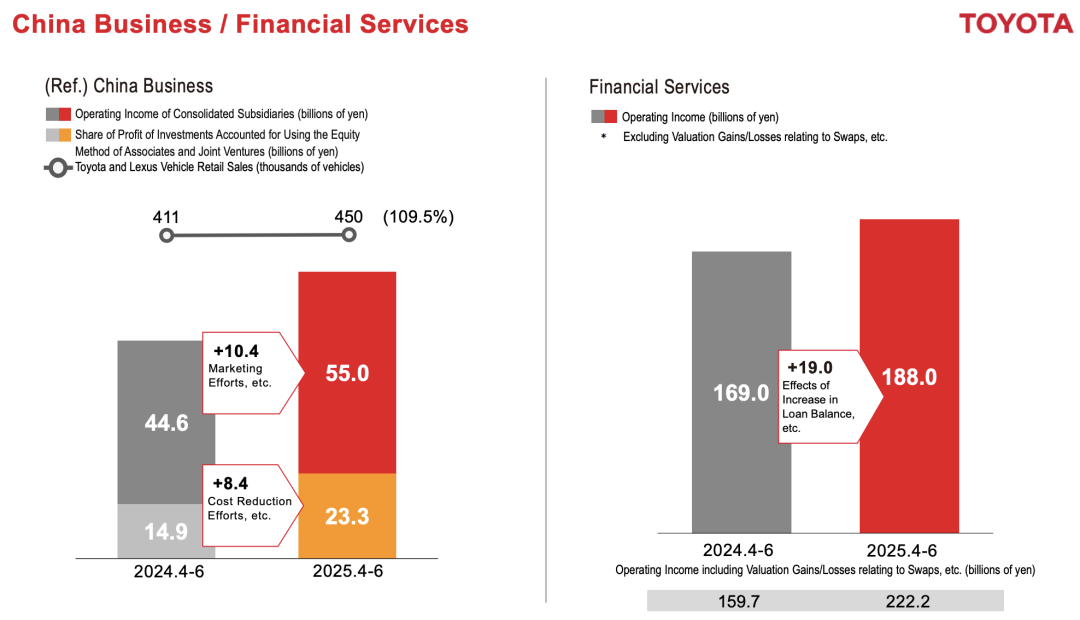
Core Viewpoint - The financial reports for the first quarter of the fiscal year 2025 (April 1 to June 30) from Japan's three major automakers—Toyota, Honda, and Nissan—show significant divergence in performance amid global tariff pressures, with Toyota achieving sales growth, Honda facing profit halving, and Nissan experiencing substantial losses [1][2][4]. Sales Performance - Toyota reported a global delivery of 2.411 million vehicles, a year-on-year increase of 7.1%, outperforming both Honda and Nissan combined [2][3]. - Nissan's global sales fell to 707,000 units, a decline of 10.1% year-on-year, while Honda's sales dropped to 839,000 units, marking a significant decrease of 30% [2][3]. Revenue Analysis - Toyota led with an operating revenue of 12.25 trillion yen, a 4% increase year-on-year [3]. - Honda's revenue was 5.34 trillion yen, a slight decrease of 1.2%, while Nissan's revenue plummeted to 2.7 trillion yen, a significant drop of 9.7% [3]. Profitability Insights - Toyota's net profit decreased by 37% to 841.3 billion yen, despite revenue growth, indicating a "revenue without profit" situation [4][6]. - Honda's net profit halved to 170.4 billion yen, with an operating profit of 244.17 billion yen, down 49.6% [4][6]. - Nissan reported a net loss of 115.76 billion yen, marking a shift from profit to loss, with an operating loss of 79.1 billion yen [4][6]. Impact of Tariffs - The U.S. tariff policy has been identified as the primary factor affecting profitability, with Toyota estimating a profit reduction of 450 billion yen due to these tariffs [6]. - Nissan indicated that the tariff impacts, combined with restructuring costs, would lead to severe losses, with an expected profit reduction of up to 300 billion yen for the fiscal year [6]. Market Dynamics - The North American market, a crucial profit source for Japanese automakers, has been significantly impacted by U.S. tariffs, with Toyota's North American sales reaching 5.3 trillion yen, a 6.2% increase [5][6]. - Honda's North American sales grew by 51% to 457,000 units, marking it as the only market with growth for Honda [5]. Electric Vehicle Transition - Toyota's electric vehicle sales accounted for 47.6% of its total sales in the first half of 2025, driven by hybrid models [13]. - Honda is in a transitional phase, with expectations of losses in its electric vehicle segment, while planning to launch a new electric vehicle line by 2026 [14][15]. - Nissan's electric vehicle strategy is heavily reliant on the new model N7, which has shown potential but lacks a comprehensive product matrix to drive overall sales [15]. Chinese Market Performance - Toyota's sales in China reached 837,700 units, a 6.8% increase, benefiting from strong performance in joint ventures [8][9]. - Nissan's sales in China fell by 21.3% to 279,500 units, while Honda's sales dropped over 24% to 315,200 units, indicating challenges in the Chinese market [12].
上周蓝筹股发力 每经品牌100指数涨1.90%
Mei Ri Jing Ji Xin Wen· 2025-08-17 13:10
Group 1 - The blue-chip stocks collectively surged, with the Every Day Brand 100 Index achieving a weekly increase of 1.90%, closing at 1122.21 points, and 16 constituent stocks saw market value growth exceeding 10 billion yuan [1] - The market sentiment improved due to the 90-day extension of reciprocal tariffs between the US and China, leading to a significant increase in trading volume, with A-share market turnover exceeding 2 trillion yuan for three consecutive trading days [2] - Notable stock performances included Vipshop and China Resources Land, which saw weekly increases of 12.97% and 11.15%, respectively, while Tencent Holdings led with a market value increase of 293.79 billion yuan [2] Group 2 - SAIC Motor Corporation, a key constituent of the Every Day Brand 100 Index, experienced a stock price increase of 5.87% and a market value growth of 11.81 billion yuan, reflecting investor recognition of its progress in smart transformation [3] - The company has been actively promoting internal reforms and integrating its passenger vehicle segments to enhance operational efficiency, with a focus on electric and intelligent vehicle development [3][4] - SAIC's sales have shown continuous growth, with a 34.2% year-on-year increase in July's wholesale sales, and the company has achieved 53% of its annual sales target of 4.5 million vehicles by July [6]

跨国车企“渡劫”
Xin Jing Bao· 2025-08-15 08:07
Core Viewpoint - Honda's financial performance in the first quarter of FY2026 shows a significant decline in both operating profit and net profit, primarily due to U.S. tariffs on Japanese imports, alongside challenges in the Chinese market and the electric vehicle transition [1][2][5]. Financial Performance - Honda's operating profit fell by 49.6% to 244.17 billion yen, while net profit decreased by 50.2% to 196.67 billion yen in the first quarter [1]. - The company estimates a total loss of 450 billion yen for the fiscal year due to tariffs [1]. Market Challenges - The automotive industry is facing a complex global challenge, including the impact of U.S. tariffs, fluctuating yen exchange rates, and poor performance in the electric vehicle sector [2]. - Honda's sales in China dropped by 14.74% year-on-year in July, with cumulative sales for the first seven months also showing a double-digit decline [3]. Competitor Performance - Other major automakers, including Toyota and Nissan, also reported declines in profits, with Toyota's operating profit down 11% and Nissan experiencing its first quarterly loss in five years [5][6]. - BMW, Mercedes-Benz, and Ford reported significant drops in net profits, with Ford's decline exceeding 80% [6]. Importance of the Chinese Market - The Chinese market is increasingly critical for multinational automakers, with many facing intense competition and declining sales [7]. - Honda and Nissan both saw substantial sales declines in China, with Honda's sales down nearly 40% in the first half of the year [7]. Strategic Adjustments - Honda plans to continue adjusting production capacity in China, although no concrete discussions have taken place yet [2]. - Executives from Honda and other automakers acknowledge the need for significant internal reforms and a shift in strategy to better align with local market demands [4][8].
电动车何以在“穷国”狂飙?
汽车商业评论· 2025-08-15 01:08
Group 1: Global Electric Vehicle Trends - The speed of global electrification is surpassing expectations, with Norway leading in electric vehicle (EV) adoption, projected to have nearly 90% of new vehicle purchases as EVs by 2024 [4] - Following Norway, countries like Singapore, Ethiopia, and Nepal are experiencing significant growth in EV adoption, with Nepal achieving a record 76% electrification rate for new vehicles [4][6] Group 2: Nepal's Electric Vehicle Revolution - Nepal's transition to electric vehicles was largely driven by an energy crisis in 2015, which highlighted the risks of dependency on imported fuel [6] - The Nepali government implemented drastic policy changes, including raising fuel vehicle import taxes to 180% while offering up to 40% tax reductions for electric vehicles, effectively shifting market dynamics [6][7] - By 2024, electric vehicles are expected to account for 76% of new car sales in Nepal, with plans to reach 25% of private vehicle sales by 2025 and 90% by 2030 [7] Group 3: Ethiopia's Bold Policy Shift - Ethiopia has enacted the world's first ban on fuel vehicle imports in 2024, addressing severe air pollution and economic burdens from fuel imports, which account for about 30% of foreign exchange spending [10] - Currently, approximately 8.3% of vehicles in Ethiopia are electric, with a target of 500,000 electric vehicles on the road by 2030, indicating a strong market response to the policy [10] Group 4: Comparative Analysis of Electric Vehicle Strategies - Both Nepal and Ethiopia are leveraging electric vehicle adoption as a strategic tool for energy security and economic independence, diverging from the traditional "wealth before green" model [13] - Nepal utilizes tariff policies to capitalize on its hydropower resources, while Ethiopia's legislative measures force a shift towards electrification [13] Group 5: China's Role in Global Electric Vehicle Market - Chinese electric vehicle manufacturers are gaining significant market share in Nepal, with 79.86% of the market in 2024-2025, indicating a shift away from Indian brands [13][14] - China's position as the largest EV producer allows it to support rapid transitions in developing countries, providing a solid supply chain and potential for collaborative growth in green transportation [14]

奔驰CEO示警欧洲:“我们需要认清现实……”
汽车商业评论· 2025-08-13 23:25
Core Viewpoint - The article emphasizes the challenges faced by the European automotive industry regarding the EU's 2035 ban on new gasoline and diesel vehicles, highlighting concerns from industry leaders about the feasibility and implications of such a policy [4][12][18]. Group 1: Industry Concerns - Mercedes CEO Ola Källenius warns that the EU's 2035 ban could lead to the collapse of the European automotive sector, as consumers may rush to purchase traditional vehicles before the ban takes effect [4][6]. - The transition to electric vehicles (EVs) is not progressing as expected, with industry insiders expressing pessimism about the maturity of the EV market in Europe [12][13]. - The European automotive manufacturers are experiencing significant profit declines, with Mercedes reporting a net profit of $2.7 billion in the first half of the year, down from €6.1 billion the previous year [15]. Group 2: Infrastructure and Policy Challenges - The current ratio of charging stations to electric vehicles in Europe is approximately 12:1, compared to China's 3:1, indicating a significant infrastructure gap that complicates EV adoption [9]. - The uneven distribution of charging infrastructure across Europe, with northern countries having better facilities than southern ones, poses additional challenges for automakers [11]. - The European Automobile Manufacturers Association (ACEA) warns that a forced transition to pure electric vehicles could lead to a hollowing out of the automotive supply chain, potentially impacting 800,000 jobs [11]. Group 3: Competitive Landscape - European automakers are losing ground to Chinese competitors, who are gaining market share through pricing advantages and advanced technology [13][15]. - The article notes that traditional car manufacturers in China are successfully integrating smart technologies into their gasoline vehicles, while European companies struggle with the transition [17][18]. - The pressure from Chinese EV manufacturers is prompting European companies to reconsider their strategies, as they face declining competitiveness in both domestic and international markets [15][18].
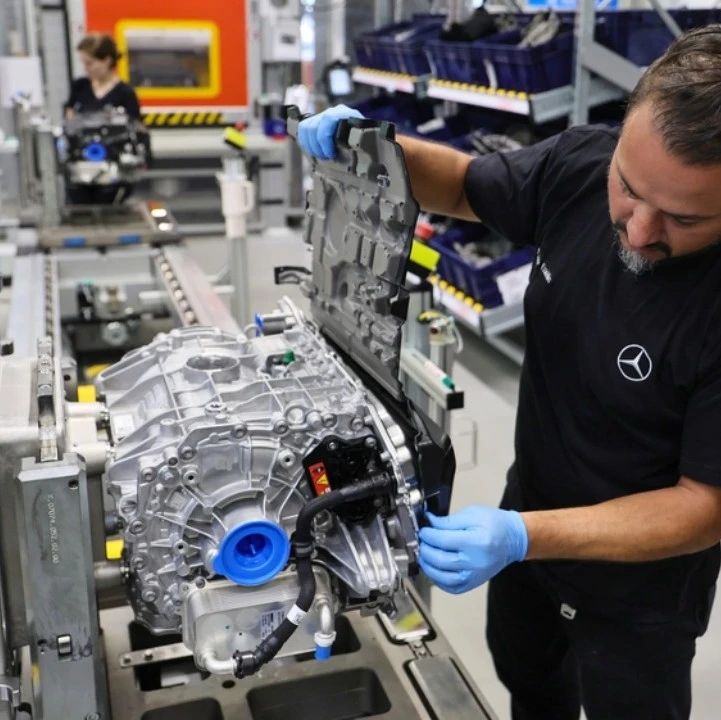
15%汽车关税敲定,德国车企进入“比惨时代”?
2 1 Shi Ji Jing Ji Bao Dao· 2025-08-13 14:38
Core Viewpoint - The German automotive industry, represented by the "Big Three" (Mercedes-Benz, Volkswagen, and BMW), is facing significant challenges due to tariffs and trade policies, leading to substantial declines in profits and increased operational costs [1][2][3]. Group 1: Financial Performance - Mercedes-Benz reported a net profit drop of over 50% year-on-year for the first half of the year, with the CEO stating that the current situation is more challenging than ever [1]. - Volkswagen's after-tax profit decreased by 38.3% year-on-year, and the company has revised its annual performance expectations downward three times within six months [1]. - BMW, while less affected, still saw a 29% year-on-year decline in after-tax net profit [1]. Group 2: Impact of Tariffs - The German automotive manufacturers are expected to see a combined cash flow reduction of approximately €10 billion due to U.S. tariff policies [1]. - Despite a trade agreement reducing EU tariffs on U.S. imports to 15%, the current U.S. tariff on European cars remains at 27.5% [1][2]. - The European Automobile Manufacturers Association (ACEA) criticized the 15% tariff as still significantly higher than the previous 2.5% rate, indicating ongoing negative impacts on the EU industry [2]. Group 3: Market Dynamics - The U.S. is the largest export market for German cars, accounting for 13.1% of total German automotive exports, with luxury vehicles making up a significant portion of this trade [2][3]. - The majority of German cars exported to the U.S. are high-end models, which have a larger profit margin, making the 15% tariff more manageable for these manufacturers [3]. Group 4: Strategic Responses - In response to tariffs, German automakers are planning to increase investments in U.S. manufacturing, with companies like Mercedes-Benz and BMW considering new production lines in the U.S. [5][6]. - However, the shift to U.S. production comes with challenges, including increased costs from tariffs on imported components and potential export barriers for vehicles produced in the U.S. [6][7]. Group 5: Employment and Production Adjustments - The shift in production to the U.S. is leading to job cuts in Germany, with companies like Audi and Volkswagen announcing significant layoffs [7]. - The transition to U.S. manufacturing may also hinder the electric vehicle transition for German automakers, as they focus on traditional fuel vehicles to meet U.S. market demands [8].
德国车企比惨,巨头加速关厂、裁员
2 1 Shi Ji Jing Ji Bao Dao· 2025-08-13 14:18
Core Viewpoint - The German automotive industry, represented by the "Big Three" (Mercedes-Benz, Volkswagen, and BMW), is facing significant challenges due to tariffs and changing market conditions, leading to substantial profit declines and operational adjustments [1][2][3]. Financial Performance - Mercedes-Benz reported a net profit drop of over 50% year-on-year for the first half of the year, with the CEO stating that the current situation is more challenging than ever [1]. - Volkswagen's after-tax profit decreased by 38.3% year-on-year, and the company has revised its full-year performance expectations downward three times within six months [1]. - BMW, while less affected, still saw a 29% year-on-year decline in after-tax net profit [1]. Tariff Impact - The German automotive sector is projected to lose approximately €10 billion in cash flow this year due to U.S. tariff policies [1]. - Despite a recent trade agreement reducing EU tariffs on U.S. imports to 15%, the current U.S. tariff on European cars remains at 27.5% [2][3]. - The 15% tariff is not considered a fatal blow to the German automotive industry, as luxury vehicles, which dominate exports to the U.S., have higher profit margins [3]. Company-Specific Challenges - Audi and Porsche are facing the most pressure due to their lack of U.S. manufacturing facilities, with Audi lowering its revenue expectations and profit margins [5]. - Porsche incurred an additional €400 million in costs due to tariffs, resulting in a 66.6% drop in net profit [5]. - BMW has the highest level of localization in the U.S. among the German automakers, which has helped it avoid significant revenue adjustments [5]. Strategic Responses - In response to tariffs, many German automakers are planning to increase investments in U.S. manufacturing and expand production lines [7]. - However, the shift to U.S. production comes with increased costs due to tariffs on imported components, which could raise overall manufacturing expenses significantly [8]. - The transition to U.S. production may also lead to job cuts in Germany, with companies like Audi and Volkswagen announcing significant layoffs [9]. Long-term Implications - The ongoing tariff situation may hinder the electric vehicle transition for German automakers, as they may need to focus on traditional fuel vehicles to maintain competitiveness in the U.S. market [10]. - The pressure to adapt to U.S. market demands could slow down the pace of innovation in electric vehicle development for German companies [10].

丰田汽车2026年首财季净利润暴跌37% 下调年度业绩预期
Xi Niu Cai Jing· 2025-08-13 08:18
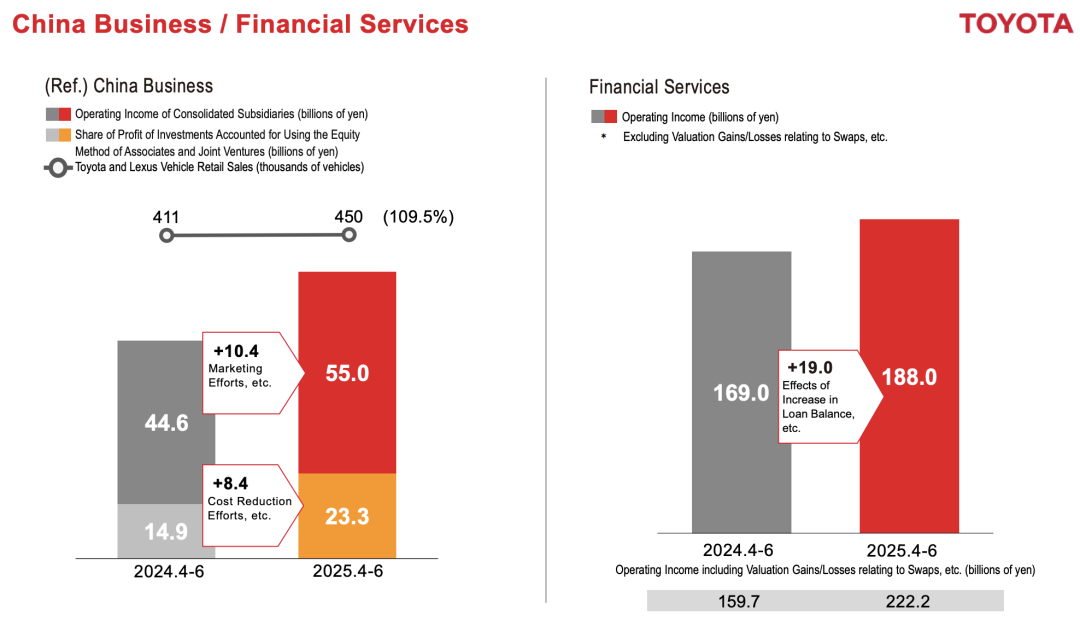
除关税外,丰田汽车还面临着其他压力,汇率波动预计进一步导致利润削减7250亿日元,原材料成本上升也将导致利润减少3000亿日元。种种因素之下,丰 田汽车陷入了"增收不增利"的困境。首财季丰田汽车全球销量虽同比增长7%至240万辆,北美市场更是同比增长了12.7%,但北美业务却陷入亏损,营业亏 损达63.6亿日元,与去年同期1007亿日元的盈利形成鲜明对比。丰田汽车欧洲市场也一样不尽如人意,经营利润同比下降22%;亚洲(不含日本)同比下降 了12%。 丰田汽车的困境并非个例,而是整个日系车企的缩影。比如本田汽车第一财季也出现了296亿日元的营业亏损,马自达的亏损更是达到了460亿日元,日产同 期也首现5年来第一财季亏损。美国关税对依赖进口的日系车企冲击巨大,而在电动化转型慢半拍的情况下,传统巨头的处境也更为艰难。 不过,丰田汽车的电动车业务却是它的亮点之一,数据显示,包括混合动力和纯电动车型在内的电动化车辆销量上升了17.1%,占总销量的47.6%。丰田汽 车预测,其2026财年电动化车型销量将达到510万辆。那么,面对当下的困境,丰田汽车能否迅速调整和优化,实现业绩提升?其电动化车型能否更上一层 楼?还需继续 ...