
可再生能源

Search documents
东兴晨报P1-20251117
Dongxing Securities· 2025-11-17 06:45
Economic News - The State Council meeting emphasized enhancing supply-demand adaptability to unleash consumption potential and promote economic circulation, focusing on consumption upgrades to lead industrial upgrades [1] - The Ministry of Foreign Affairs and Chinese consulates in Japan warned Chinese citizens about the deteriorating safety environment in Japan, advising against travel [1] - The National Bureau of Statistics reported that the industrial added value above designated size grew by 4.9% year-on-year in October, with a cumulative growth of 6.1% from January to October [4] Key Company Information - Ningde Times' shareholder Huang Shilin plans to transfer 1% of shares [4] - Huaxia Happiness has had its pre-restructuring accepted by the Langfang Intermediate Court [4] - Kaiser Travel Industry formed a consortium with Guangzhou Haina to participate in the restructuring investment of Zhangjiajie Tourism Group, acquiring 800,000 shares [4] - Huakang Clean won a project worth 100 million yuan [4] - Chuangye Huikang is planning a change of control and will resume trading on November 17 [4] Antimony Industry Insights - China holds 30% of global antimony resources, with reserves increasing from 480,000 tons in 2020 to 670,000 tons in 2024, reflecting a CAGR of 8.7% [6] - In 2024, China is projected to produce 60,000 tons of antimony, accounting for 57.7% of global production, which has been declining over the past decade [7] - The demand for antimony in flame retardants remains the highest, while the fastest growth is seen in photovoltaic glass, with a projected 10.8% increase in global antimony consumption in 2024 [8] - The strong growth in photovoltaic installations is expected to drive sustained demand for antimony, with projections indicating a significant increase in demand from 2024 to 2027 [9] - The global antimony supply-demand gap is expected to widen, with a projected shortfall of 9.5 million tons by 2027, representing 42.8% of demand [10] - The tightening of antimony supply due to export controls and environmental policies in China is likely to push prices higher, with potential increases of up to 56% in domestic prices [11]
今年前八个月,美国新增发电装机容量26GW,略高于去年,其中光伏发电占3/4
Hua Er Jie Jian Wen· 2025-11-17 03:52
Core Insights - The U.S. added nearly 26 GW of new power generation capacity in the first eight months of this year, a slight increase from approximately 23 GW during the same period last year, with renewable energy continuing to grow despite federal emphasis on fossil fuels and nuclear energy [1] - Solar power dominated the new installations, accounting for about three-quarters of the new capacity, totaling 19 GW, with 2.7 GW added in August alone [1][2] - The Federal Energy Regulatory Commission (FERC) has reapproved the Northeast Supply Enhancement project by Williams Companies, allowing the expansion of the Transco natural gas pipeline from New Jersey to New York, which has sparked controversy [1][3] Renewable Energy Growth - Solar power has consistently led new generation resources over the past two years, with 19 GW of new solar capacity representing about 75% of total new installations in the first eight months of this year [2] - Significant renewable energy projects that began operations in August include the 517 MW Outpost solar storage project in Texas, the 280 MW Gibson Solar project in Indiana, and the 254 MW expansion of the Roadrunner Crossing wind farm in Texas [2] - Wind energy follows solar as the second-largest source of renewable energy installations, with solar and wind together accounting for the majority of new capacity in August [2] Natural Gas Project Approval - FERC's reapproval of the Northeast Supply Enhancement project has raised concerns, as it allows for the construction and operation of the Transco natural gas pipeline expansion [3] - Several small natural gas generation units also came online in August, totaling 888 MW, including the 248 MW A.B. Brown expansion in Indiana and the 245 MW Pioneer expansion in North Dakota [3] Future Projections - FERC forecasts that by August 2028, renewable energy will account for nearly 84% of the 136 GW of "high probability new capacity," while natural gas will only represent about 15% [1][4] - Despite federal challenges, solar and wind continue to add more generation capacity than fossil fuels and nuclear energy, indicating a significant shift in the energy landscape [4]
高盛:碳经济学会议的关键要点
Goldman Sachs· 2025-11-16 15:36
Investment Rating - The report indicates a cautious investment outlook for the energy sector, with potential opportunities arising from expected oil price declines in 2026 [3][13]. Core Insights - Global energy demand is accelerating, particularly in the electricity sector, driven by artificial intelligence and data centers, with trends spreading to Europe and Asia [1][2]. - The International Energy Agency predicts that oil demand may continue to grow for the next 20 years, while natural gas is becoming a key transitional fuel [2]. - Data centers are projected to increase global electricity demand by 1%-3% annually, half of which is driven by artificial intelligence [1][9]. - Fuel cell technology is gaining renewed attention due to its low pollution and high efficiency, particularly for off-grid power solutions for data centers [1][5]. - Serious Power, a company specializing in solid oxide fuel cell technology, is positioned for significant growth through licensing agreements with major manufacturers [1][6]. Summary by Sections Energy Demand and Trends - The 6th Annual Carbon Economy Conference highlighted the rapid growth in global energy demand, especially in electricity, influenced by AI and data centers [2]. - The revival of nuclear energy and the renewable energy revolution are driving new energy storage solutions [2]. Fuel Cell Technology - Fuel cell technology is being reconsidered due to its suitability for urban applications and the long delivery times of gas turbines [5]. - Serious Power's licensing model allows it to avoid manufacturing constraints and focus on growth through partnerships [6][7]. Market Dynamics - Major oil companies face the dual challenge of revitalizing core oil and gas exploration while seizing opportunities in data centers and electronic businesses [11]. - The Inflation Reduction Act continues to support renewable energy development, particularly in Texas, while maintaining incentives for solar, wind, and energy storage [12]. Future Outlook - The energy market is expected to experience significant volatility by 2026, with structural growth opportunities in U.S. natural gas, the grid, and fuel cells [15][16].
烧光155亿,超级独角兽要破产了
华尔街见闻· 2025-11-16 12:05
Core Viewpoint - The bankruptcy of Pine Gate, a leading solar developer in the U.S., signifies a severe downturn in the solar industry, marking a potential end to the renewable energy boom that began in 2022 [4][5][19]. Group 1: Company Overview - Pine Gate, founded in 2016, was a vertically integrated solar developer, handling the entire process from development to operation [8][9]. - The company underwent a significant restructuring in 2021, shifting to a lighter asset model focused on financing and development, which increased its capital appeal [9][10]. Group 2: Financing and Growth - Between 2022 and 2025, Pine Gate raised over $2.18 billion (approximately 15.5 billion RMB) in public financing, becoming the top solar company in terms of venture capital in 2024 [10][11]. - The company had a total project financing and capital investment of $10 billion (approximately 71 billion RMB) by August 2025, operating over 2 GW of solar projects and developing over 30 GW across more than 30 states [11][12]. Group 3: Market Challenges and Bankruptcy - The introduction of the OBBBA Act in July 2024 significantly reduced subsidies for the solar industry and increased tariffs on photovoltaic products, undermining Pine Gate's business model [13][14]. - Following the policy changes, the financing for solar companies in the U.S. dropped by 39% in 2025, leading to severe cash flow issues for Pine Gate, which had already been struggling due to rising interest rates [16][18]. - Pine Gate officially filed for bankruptcy on November 6, 2024, with debts totaling $4.4 billion (approximately 31.2 billion RMB) and only $850,000 in cash remaining [18][19]. Group 4: Industry Impact - The bankruptcy of Pine Gate is part of a broader trend, with dozens of solar companies in the U.S. declaring bankruptcy since 2025, indicating a systemic failure in the solar market [20][21]. - The rapid transition from a booming market to a crisis reflects a collective failure of over-leveraged business models reliant on cheap capital and policy support, leading to significant losses for top investors [21][22].


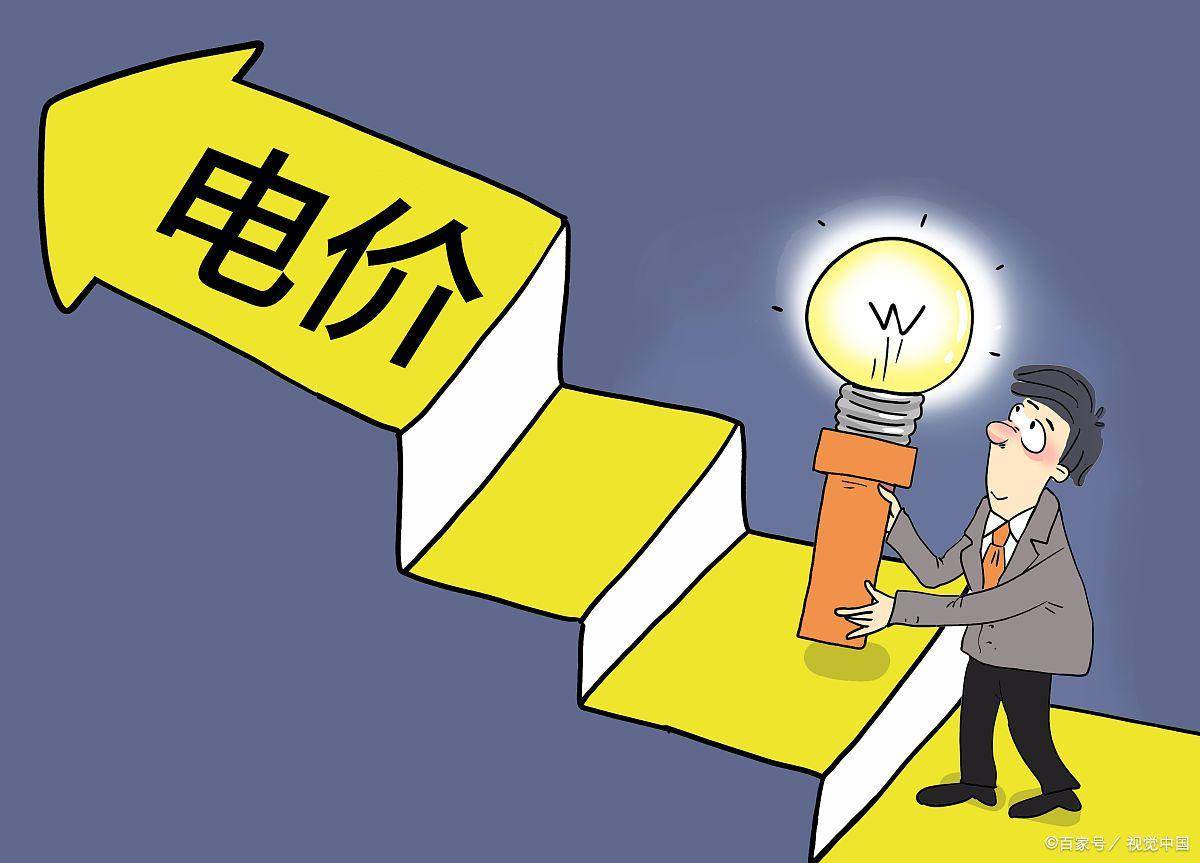
12月起电价大调整,居民如何应对节电省钱?
Sou Hu Cai Jing· 2025-11-15 16:59
Core Insights - The article discusses an impending adjustment in electricity pricing in China, set to take effect from December 2025, which has raised concerns among households about potential increases in electricity bills [1][3]. Group 1: Electricity Consumption Trends - The average electricity consumption for households in the past year increased by 12.3% compared to the previous year, indicating a rise in living standards and the proliferation of electrical appliances [1]. - Sales of high-power appliances such as air conditioners and electric water heaters rose by 15.7% year-on-year in the first half of 2025 [1]. Group 2: Changes in Electricity Pricing Structure - The new pricing structure will include a widened difference between peak and off-peak electricity rates, with peak prices potentially increasing by about 20% and off-peak prices decreasing by approximately 10% [3]. - The existing three-tier pricing system may be refined into four or five tiers to better differentiate between varying levels of electricity consumption [3]. - Seasonal pricing adjustments will be implemented, with higher prices during summer and winter peak periods and lower prices in spring and autumn [3]. - A green pricing mechanism will be introduced, offering discounts for electricity generated from renewable sources [3]. Group 3: Rationale Behind Pricing Adjustments - The adjustments aim to balance electricity load and promote energy transition, reducing pressure on the power grid during peak usage times [4]. - If households can shift 10% of their peak electricity usage to off-peak times, it could save approximately 50 billion yuan in annual power equipment investments and enhance grid safety [4]. - The new pricing mechanism is expected to increase the installed capacity of renewable energy sources by about 25% over the next five years [4]. Group 4: Recommendations for Households - Households are advised to analyze their electricity usage patterns to identify areas for potential savings [6]. - Shifting the operation of high-power appliances to off-peak hours can lead to significant savings on electricity bills [6]. - Upgrading to energy-efficient appliances can reduce electricity consumption; for instance, replacing an old refrigerator with a new inverter model can save about 200 kWh annually [6]. - Utilizing smart appliances and monitoring systems can help households optimize their electricity usage based on pricing changes [6][7]. - Implementing small energy-saving habits can accumulate to significant savings over time [7]. Group 5: Community Engagement - Local communities are actively engaging residents through educational initiatives, such as workshops on smart electricity usage and the new pricing structure [9]. - The adjustments in electricity pricing are not merely about increasing costs but are intended to guide rational electricity consumption and optimize energy structure for sustainable use [9].
COP30“中国角”活动发布多项中国能源转型成果文件 多方赞赏中国推动绿色创新合作
Yang Shi Wang· 2025-11-15 14:16
Core Viewpoint - China is committed to addressing global climate change through practical actions and aims to provide solutions for global energy transition [1] Group 1: Event Overview - The theme side event "China's Energy Transition and New Energy Development" was held at the 30th Conference of the Parties to the United Nations Framework Convention on Climate Change (COP30) [1] - Key documents such as "China Energy Transition Outlook 2025" and "China Green Certificate Development Report" were released during the event [1] Group 2: International Recognition - International figures have expressed appreciation for China's contributions to the development of renewable energy and the promotion of energy transition cooperation [1]
多国代表聚首COP30边会,共绘可再生能源创新路径
Zhong Guo Neng Yuan Wang· 2025-11-15 13:34
Core Viewpoint - The event during COP30 emphasized the importance of renewable energy in achieving global low-carbon development and the need for collaboration between countries, particularly between Brazil and China, to promote sustainable development and technological advancement [3][5]. Group 1: Event Overview - The event titled "Promoting Global Low-Carbon Development through Renewable Energy in the Context of Climate Change" was co-hosted by the China Investment Association, the Renewable Energy Committee of the China Energy Research Society, and the One Earth Natural Foundation of Shenzhen [1]. - The conference gathered representatives from international organizations, research institutions, and key industry enterprises to discuss the synergy between renewable energy production and consumption, as well as technological innovation and application [1]. Group 2: Key Insights from Speakers - Brazilian Ambassador to China, Marcos Galvão, highlighted the need to translate the commitments of the Paris Agreement into concrete actions, emphasizing that the global proliferation of renewable energy is crucial for achieving climate goals [3]. - Experts discussed global renewable energy development trends and the potential for emissions reduction, advocating for collaborative goals and technological innovation to drive energy system transformation [3]. - The China 21st Century Agenda Management Center presented a research outcome titled "China's Carbon Neutral Technology Development Roadmap," focusing on technology research and development, standard formulation, and industrial implementation [3]. Group 3: Roundtable Discussion Highlights - Industry leaders discussed the need for customized solutions combining multi-energy systems and energy efficiency management technologies to enhance renewable energy application in industrial sectors [4]. - There was a consensus on the necessity to promote the industrialization of biofuels and green hydrogen technologies, along with establishing a comprehensive standard system from raw material supply to end-use applications [4]. - Recommendations included creating differentiated incentives and outcome-oriented support policies to balance energy security, economic costs, and low-carbon objectives [4]. Group 4: Future Outlook - The event underscored the importance of collaboration between energy production and consumption sectors, with a call for the industrial, transportation, and building sectors to join in carbon reduction efforts [5]. - The conference served as a platform for sharing practical experiences and exploring feasible paths for renewable energy and low-carbon development, reinforcing the consensus on collaborative transformation [5]. - With accelerating technological advancements, improved policy mechanisms, and deepened international cooperation, renewable energy is expected to play a more significant role in global low-carbon transitions and in achieving the goals of the Paris Agreement [5].

全球户用储能行业发展白皮书重磅发布!
起点锂电· 2025-11-15 08:44
Core Viewpoint - The global home energy storage market is projected to grow significantly, with a forecasted shipment of 27.8 GWh in 2024, representing a 19% year-on-year increase, and expected to reach 180 GWh by 2030, a growth of 547% compared to 2024 [2][33]. Global Market Characteristics and Driving Factors - Europe is the largest market for home energy storage, with a shipment of 13 GWh in 2024, but it faces a 10% decline due to falling electricity prices and reduced subsidies [4][27]. - The United States is experiencing rapid growth, with a projected shipment of 3.5 GWh in 2024, up 48% year-on-year, driven by tax incentives and rising electricity prices [7][29]. - Ukraine is emerging as the fastest-growing market, with a shipment of 2.5 GWh in 2024, expected to see a growth rate exceeding 300% [8][29]. - Japan's home storage market is also growing, with a forecasted shipment of 2 GWh in 2024, up 38% year-on-year, supported by substantial government subsidies [9][10]. - Australia is expected to ship 1.5 GWh in 2024, with a growth rate of over 20%, driven by federal and state subsidies [11][12]. - Africa's market is projected to reach 1.2 GWh in 2024, with South Africa leading and Nigeria emerging as a significant player [13][14]. Demand-Driven Core Factors - In Ukraine, over 60% of power plants have been damaged, leading to a surge in demand for home energy storage systems due to prolonged power outages and rising electricity prices [8][9]. - In Japan, the expiration of feed-in tariff contracts is driving households to adopt self-consumption models with storage systems [9][10]. - In Australia, federal subsidies are set to support over 1 million households by 2030, enhancing the economic viability of home storage systems [12][29]. Global Home Energy Storage Supply and Competitive Landscape - In 2024, China is expected to dominate the global market with a shipment of 21 GWh, accounting for 75% of total shipments, with major players including Huawei and BYD [16][29]. - The competitive landscape is characterized by significant players such as Huawei Digital Energy, BYD, and Tesla, with Huawei leading the market with a 21.6% share [29][33]. Policy Support for Home Energy Storage Industry - Various countries are implementing supportive policies for renewable energy and home storage systems, creating a favorable environment for industry growth [34][36]. - The European Union's "REPowerEU" plan aims to expand solar energy capacity, while the U.S. has extended tax credits for storage systems [17][34]. Emerging Market Growth - Regions like Southeast Asia, South Africa, and Ukraine are witnessing explosive demand for home storage systems due to unstable power grids and high electricity prices [35][36].

COP30“应对气候变化和促进绿色低碳转型国际合作”边会在巴西贝伦举行
Zhong Guo Xin Wen Wang· 2025-11-15 03:08
欧洲气候基金会首席执行官劳伦斯·图比亚娜指出,全球绿色转型需要构建多元包容的治理框架, 应通过政策协调、标准互认等方式减少合作壁垒,推动形成技术共享、责任共担、利益共赢的合作格 局。 就有关深化绿色经贸合作加速推进全球气候目标的议题,能源转型委员会主席阿代尔·特纳表示, 过去十年间,太阳能电池、风能等关键低碳技术实现跨越式突破,中国在技术研发、产业规模化应用等 方面作出了突出贡献,为全球能源转型奠定了重要基础。 当地时间11月12日,中国国际发展知识中心在《联合国气候变化框架公约》第30次缔约方大会 (COP30)上联合举办"应对气候变化和促进绿色低碳转型国际合作"边会,邀请国内外专家和实践者围绕 全球气候变化、绿色经贸合作、绿色低碳转型国际合作等议题深入研讨。 中国气候变化事务特使刘振民在致辞中指出,气候变化是全球共同的,任何国家都无法置身事外。 作为全球南方国家的重要一员,中国始终秉持人类命运共同体理念,愿与各国携手构建更加公平、高 效、包容的绿色技术创新与产业合作环境,以实际行动推动全球气候治理向纵深发展。 国际可再生能源署总干事弗朗切斯科·拉卡梅拉表示,可再生能源是应对气候变化的核心力量,需 进一步强 ...
COP30“中国角”系列边会拉开序幕 聚焦生态文明和美丽中国实践(新华社)
Xin Hua She· 2025-11-14 14:36
Core Points - The COP30 conference in Brazil emphasizes the importance of ecological civilization and China's commitment to climate action despite global challenges [1][2] - China is recognized for its leadership in renewable energy and efforts in energy transition and carbon emission management [2] - The "China Corner" series of side events will focus on topics such as the development of China's carbon market and energy transition [2] Group 1 - The opening of the COP30 conference highlights the historical trend of ecological civilization and the shared dream of a beautiful home for humanity [1] - China's Minister of Ecology and Environment, Huang Runqiu, asserts that China's actions against climate change will not slow down, regardless of international circumstances [1] - The UN Climate Change Secretariat emphasizes the harmony between humans and nature as a core principle of China's dual carbon goals [1] Group 2 - The Executive Director of the UN Environment Programme commends China's efforts in energy transition and carbon management [2] - The Special Advisor to the UN Secretary-General on Climate Action recalls China's significant progress in clean energy over the past 15 years [2] - China's Special Envoy on Climate Change, Liu Zhenmin, expresses China's willingness to collaborate with the international community to ensure the success of COP30 [2]