
电动化转型

Search documents
广汽集团7月销量下跌超15% 广汽本田销量“腰斩”
Xi Niu Cai Jing· 2025-08-13 08:18
Core Viewpoint - GAC Group reported a significant decline in vehicle sales for July, with a total of 119,482 units sold, representing a year-on-year decrease of 15.38% [2][4] Group Performance - GAC Honda was the most affected brand, with July sales plummeting to 16,033 units, a staggering drop of 51.81% year-on-year [2][4] - Cumulative sales for GAC Honda from January to July reached 170,680 units, down 29.24% compared to the previous year [2][4] - GAC Toyota, in contrast, saw a sales increase of 8.23% in July, selling 58,011 units [4] Sales Breakdown - Total vehicle sales for GAC Group from January to July amounted to 874,782 units, reflecting a 12.89% decline year-on-year [2][4] - GAC Trumpchi's July sales were 24,079 units, down 6.66% year-on-year, while GAC Aion's sales fell by 25.32% to 21,124 units [4] Challenges and Strategic Initiatives - GAC Honda's sales decline is attributed to slow electrification and insufficient product competitiveness, with a market penetration rate of 6.7% for mainstream joint venture brands compared to 74.9% for domestic new energy vehicles [2][4] - GAC Group is implementing a three-year "Panyu Action" plan to reform its integrated operations of self-owned brands to reverse the current downturn [4] - The company has invested 1.5 billion yuan to establish Huawang Automotive in collaboration with Huawei, with plans to launch a high-end model by 2026 and develop solid-state battery technology [4] - GAC Group's exports have seen a significant increase of 45.8%, with new factories in Malaysia and Thailand set to enhance its international market presence [4]



大行冲港股IPO,83岁老汉能否带领企业突破重围?
Sou Hu Cai Jing· 2025-08-13 01:38
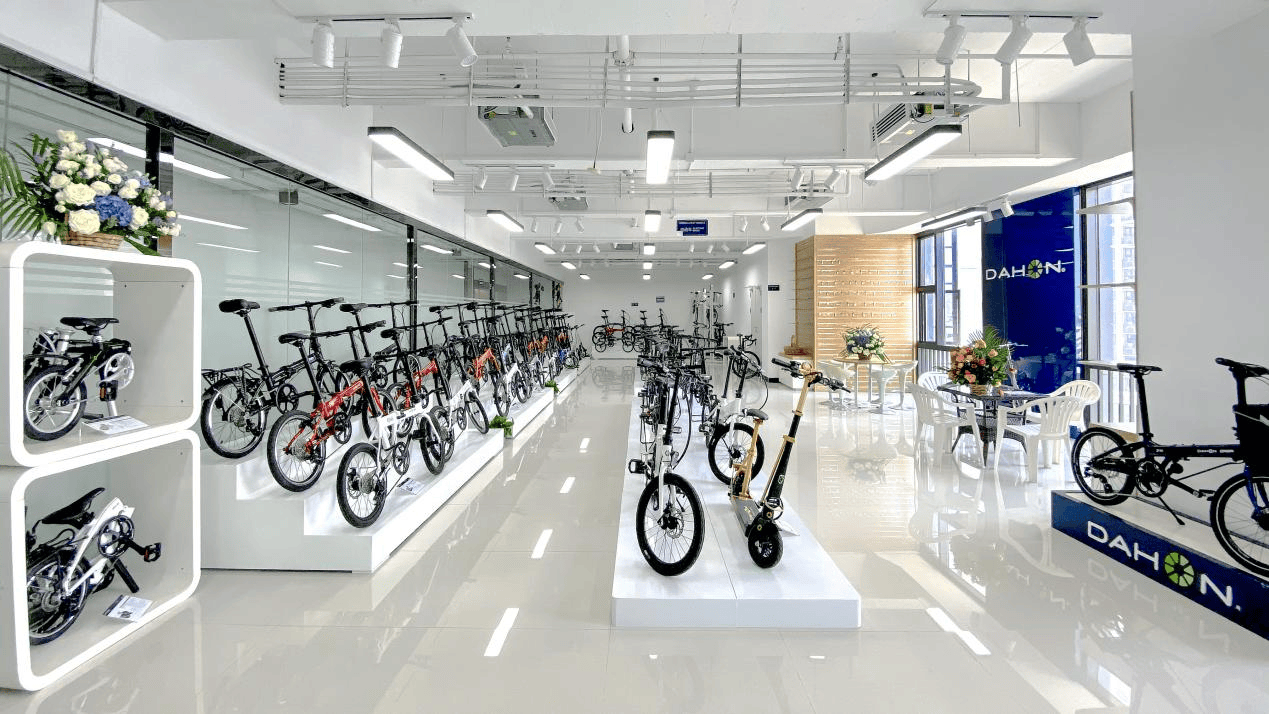
Core Viewpoint - The listing plan of Shenzhen Dahon Technology Co., Ltd. is attracting attention as it aims to become the "first stock of Chinese folding bicycles," but faces challenges such as reliance on OEM production, market contraction, and industry competition [1][4][12]. Group 1: Company Background and Development - Founded by Dr. Han Dewei in 1975, Dahon's first folding bicycle was launched in 1982, achieving sales of 6,000 units in its first year in Taiwan [1][3]. - Dahon has evolved into an industry leader with over 70 models covering all price segments, launching 12 new products annually, with 6 becoming bestsellers [4][12]. - The company has a market share of 36.5% in the domestic folding bicycle retail market, but faces competition from both high-end brands and low-cost e-commerce products [12]. Group 2: Financial Performance - Dahon's revenue compound annual growth rate (CAGR) from 2022 to 2024 is projected at 33.1%, with a 46.8% year-on-year revenue growth in the first four months of 2025 [4]. - The net profit surged by 69.3% during the same period, indicating strong financial performance [4]. - However, the company has seen a significant increase in outsourcing, with the proportion of bicycles produced by OEM rising from 29.5% in 2022 to 65.5% in early 2025, leading to increased costs and quality control issues [7][10]. Group 3: Market Challenges and Strategic Initiatives - Dahon's product structure shows an over-reliance on mid-range products, which account for over 60% of revenue, posing risks if market conditions change [7]. - The company plans to raise approximately HKD 1.5 billion through its IPO to fund electric transformation, overseas factory establishment, and digital upgrades, aiming to increase electric product revenue from 8% to 30% within two years [12]. - The competitive landscape is intensifying, with both domestic and international brands entering the electric bicycle market, raising concerns about Dahon's ability to maintain growth and market share [12][13].
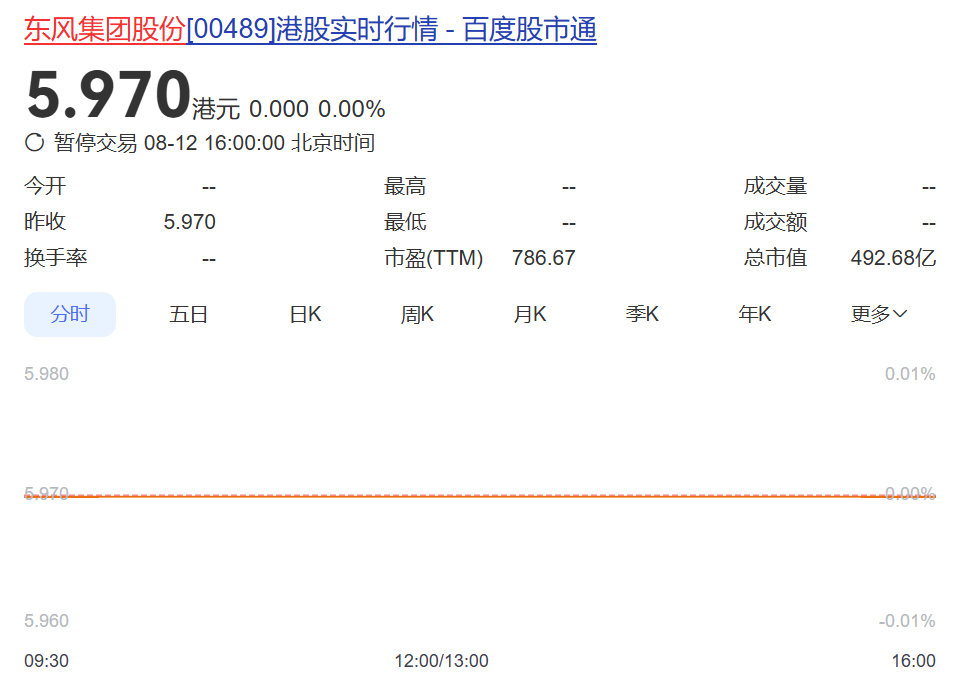
东风集团股份突然停牌,有大事要发生?最新回应!上半年净利润预计最高下滑95%……
Mei Ri Jing Ji Xin Wen· 2025-08-12 14:55
Core Viewpoint - Dongfeng Group has announced a temporary suspension of trading due to the release of insider information, amidst speculation about potential restructuring and significant profit declines for the upcoming year [1][3]. Financial Performance - Dongfeng Group has issued a profit warning, projecting a net profit for the first half of 2025 to be between 30 million and 70 million yuan, representing a decline of approximately 90% to 95% compared to the same period in 2024 [3]. - The company attributes the performance decline to two main factors: a significant drop in sales and profits from joint venture non-luxury brands, and increased investments in R&D, brand building, and marketing in response to fierce market competition [5]. Sales Data - From January to July this year, Dongfeng Group's cumulative sales of new energy vehicles reached 249,600 units, marking a year-on-year increase of about 35.5%. However, total vehicle sales for the same period were 978,500 units, reflecting a year-on-year decrease of approximately 8.9% [6]. - The parent company, Dongfeng Motor Corporation, reported cumulative vehicle sales of 1,260,400 units from January to July, down about 10.8% year-on-year [6]. Brand Performance - Sales of Dongfeng's joint venture brands have seen significant declines: Dongfeng Nissan's sales fell by 16.8% to 306,400 units, Dongfeng Honda's sales dropped by 31.2% to 173,400 units, and Shenlong Automobile's sales decreased by 29.2% to 30,400 units [6]. - The decline in joint venture brand sales is attributed to slow transitions to electrification and smart technology, with many existing electric products being adaptations rather than innovations [6]. Strategic Initiatives - In response to performance pressures, Dongfeng Group has made several strategic adjustments, including the establishment of Yipai Automotive Technology Company to focus on the development of its own passenger vehicles [8]. - The company has set ambitious sales targets for the year, aiming for a total of 3 million vehicles sold, including 1 million new energy vehicles and 900,000 self-owned new energy vehicles [8]. - Dongfeng Yipai Technology is expected to enhance decision-making efficiency and market responsiveness through the integration of various brands and resources [8][12]. New Product Launches - Dongfeng Nissan has launched its first pure electric model, the Nissan N7, featuring advanced smart driving capabilities [7]. - Dongfeng Honda has introduced the S7, touted as the "strongest Honda electric vehicle," with a range of 620 to 650 km [7]. - Shenlong Automobile has launched a new brand, with its first model, the Shijie 06, already on the market [7]. Future Outlook - Dongfeng Yipai Technology plans to expand its product lineup to 20 models by 2028, with continuous updates to each model [12]. - The company is also collaborating with Huawei on a high-end smart SUV project, aiming for a 2026 launch [9].

奔驰净利腰斩,多家燃油车企业绩滑铁卢
3 6 Ke· 2025-08-12 10:08
Core Insights - Traditional fuel vehicle manufacturers are facing significant financial challenges, with many reporting declines in revenue and profit due to the costs associated with the transition to electric vehicles [1][2][4][5] - Companies like Audi and BMW are adjusting their strategies, opting for a more flexible approach that allows for the coexistence of fuel and electric vehicles, rather than a strict timeline for phasing out internal combustion engines [9][12] Financial Performance - Major Japanese and German automakers, including Toyota, Honda, Nissan, Volkswagen, and BMW, reported a downturn in their financial results for the first half of the year, attributing this to the costs of electrification [2][3][4] - Toyota's first fiscal quarter saw a 3.5% increase in sales to 12.25 trillion yen, but an 11% drop in operating profit to 1.17 trillion yen, and a 37% decrease in net profit to 841.35 billion yen [2] - Honda's sales revenue decreased by 1.2% to 5.34 trillion yen, with operating profit down 49.6% and net profit down 50.2% [2] - Volkswagen's sales revenue fell by 0.3% to 158.4 billion euros, with operating profit down 32.8% and net profit down 38.3% [3] - Mercedes-Benz reported an 8.6% decline in revenue to 66.377 billion euros and a 55.8% drop in net profit [4] - BMW's sales revenue decreased by 8% to 67.7 billion euros, with net profit down 29% [5] Strategic Adjustments - Honda announced a reduction in its planned investment in electric vehicles from 10 trillion yen to 7 trillion yen and adjusted its sales targets for electric vehicles [6] - Audi has retracted its plan to stop developing internal combustion engine vehicles by 2033, opting for a more flexible strategy [9] - Mercedes-Benz has also adjusted its electric vehicle strategy, allowing for a coexistence of fuel and electric vehicles [9] Market Trends - Despite the challenges, there are signs of recovery in the Chinese market, with several brands reporting increased sales in the first half of the year [10][11] - The introduction of fixed pricing strategies and price reductions for fuel vehicles has contributed to a rebound in sales [12] - Companies are enhancing the intelligence of fuel vehicles through partnerships with technology firms, aiming to close the gap with electric vehicles in terms of smart features [15][16]


春风动力上半年净利增超四成 燃油电动双轮驱动成效显著
Zheng Quan Shi Bao Wang· 2025-08-12 06:36
Core Insights - The company reported significant growth in both revenue and net profit for the first half of 2025, with revenue reaching 9.855 billion and net profit at 1.002 billion, reflecting year-on-year increases of 30.90% and 41.35% respectively [1][2] Group 1: Business Performance - The all-terrain vehicle segment remains the core business, achieving sales of 101,800 units and revenue of 4.731 billion, marking a year-on-year revenue growth of 33.95% and contributing 48.0% to total revenue [1] - The motorcycle segment saw sales of 150,300 units and revenue of 3.346 billion, with a year-on-year revenue increase of 3.03%, indicating the effectiveness of the company's high-end and global strategies [1] - The electric vehicle segment, under the ZEEHO brand, experienced explosive growth with sales of 250,500 units and revenue of 872 million, reflecting a staggering year-on-year increase of 652.06% [1] Group 2: Market Expansion and R&D - The company is accelerating its global network expansion, with over 7,000 retail terminals established across more than 100 countries and regions, achieving 100% coverage in direct-controlled municipalities and provincial capitals in the domestic market [2] - R&D investment reached 549 million, accounting for 5.57% of revenue, which is a year-on-year increase of 19.86%, supporting product innovation and technological breakthroughs [2] - The company's global layout and high-end product strategy have led to impressive performance, with a clear long-term growth logic expected to benefit from global market expansion and domestic consumption upgrades [2]

从欧洲车企2025中报看电动化趋势:欧洲电车转型正当时
KAIYUAN SECURITIES· 2025-08-12 06:07
Investment Rating - Investment rating for the electric equipment industry is "Positive (Maintain)" [1] Core Insights - The report highlights a significant growth trend in BEV (Battery Electric Vehicle) sales among major European automakers, with Volkswagen, Renault, and BMW showing substantial year-on-year increases in sales [3][13] - The European car manufacturers are expected to continue launching new electric vehicle models in 2025 and 2026, which will likely sustain the momentum of electrification in the market [4][16] - The EU Parliament's approval of amendments to carbon emission assessments indicates a delay in tightening emission targets, but the overall trend towards electrification remains unchanged [5][74] Summary by Sections BEV Sales Growth - Volkswagen Group's BEV deliveries in Europe increased by 89% year-on-year in the first half of 2025 [13] - Renault's BEV sales in Europe rose by 57% in the same period, driven by the popularity of the Renault 5 model [18][21] - Stellantis saw a remarkable 185% increase in pure electric sales for the Citroën brand in Europe [51] New Model Launches - Renault plans to launch four new BEV models in 2025, including the Renault 4 and Alpine A390, with a focus on cost reduction [24][28] - Volkswagen is set to unveil a new entry-level BEV series at the Munich Auto Show in September 2025, with the ID.2 model expected to launch in 2026 [44][49] - Stellantis will introduce three new electric models based on the Medium platform in the second half of 2025 [56] Investment Recommendations - The report recommends investing in lithium battery companies such as CATL, EVE Energy, and Xinwangda, as well as lithium material suppliers like Hunan Youneng and Huayou Cobalt [5][74] - Other recommended sectors include electric drive systems, charging infrastructure, and automotive safety components, with specific companies highlighted for potential investment [5][74]



广汽本田“换将”求生 “广丰系”高管高洪祥接棒
Xi Niu Cai Jing· 2025-08-12 05:50
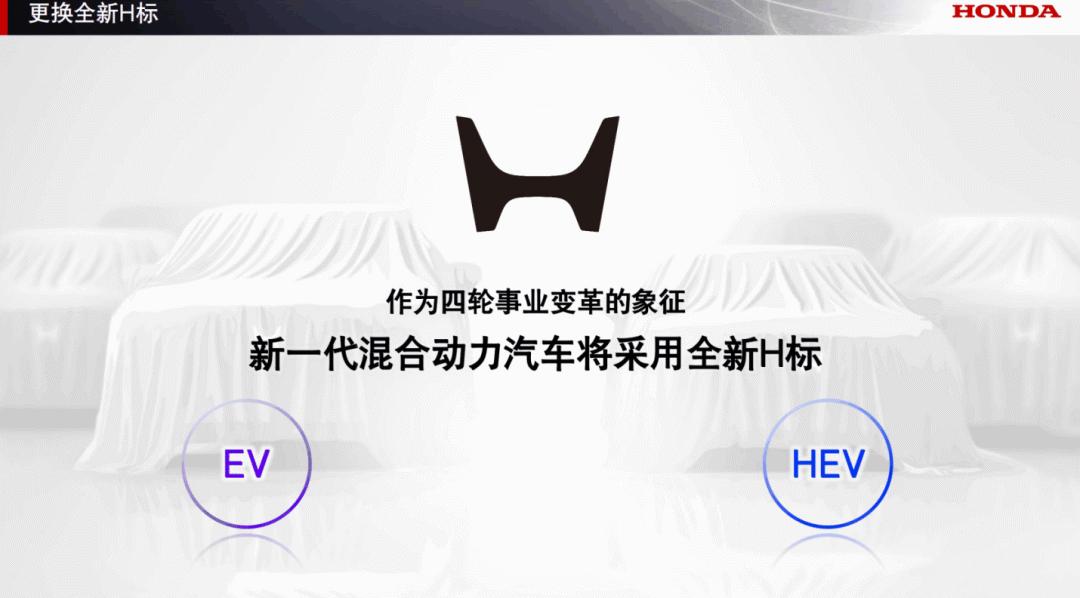
Group 1 - Gao Hongxiang has officially replaced Li Jin as the director and executive vice president of GAC Honda, while Li Jin has been reassigned to the group headquarters [2] - GAC Honda is currently facing significant challenges, with sales dropping from a peak of 780,000 units in 2021 to 470,000 units in 2024, and net profit declining from 12.4 billion yuan in 2020 to 1.8 billion yuan in 2024 [2] - In the first half of 2025, GAC Honda's sales continued to decline, reaching approximately 155,000 units, a year-on-year decrease of 25.63% [2] Group 2 - Several previously popular models are no longer performing well, such as the Fit, which sold 110,000 units in 2019 but has seen sales drop to less than 3,000 units in the first half of this year [2] - The Accord's new generation has abandoned the well-known i-MMD hybrid technology in favor of a plug-in hybrid model, resulting in poor performance compared to domestic brands [2] - GAC Honda's struggles in the new energy sector are evident, with the Honda P7 electric SUV selling only 745 units in the three months following its April launch [3] Group 3 - In contrast, GAC Toyota has shown strong performance, with sales of approximately 66,000 units in July, a year-on-year increase of 11.7%, surpassing the combined sales of Honda's two joint ventures in China for that month [3] - Gao Hongxiang's previous experience as a director and vice president at GAC Toyota indicates that there are high expectations for his leadership at GAC Honda [3] - The joint venture agreement for GAC Honda is set to last until May 13, 2028, marking a critical period for the company's development in China [3]

福兰时代 雷诺的“三把火”烧向哪儿
Zhong Guo Qi Che Bao Wang· 2025-08-12 03:40
Core Viewpoint - Renault Group has appointed Luca de Meo's successor, Fabrice Cambolive, as the new CEO amid significant challenges, including a strategic transformation and financial losses, requiring immediate stabilization and long-term planning [2][3][4]. Group 1: Leadership Transition - Fabrice Cambolive, an experienced internal candidate, has been appointed as CEO, effective July 31, with a four-year term [2][3]. - Cambolive's extensive background within Renault includes roles in various international markets, showcasing his capability to lead during a critical transition period [3][4]. - The sudden departure of former CEO Luca de Meo has created uncertainty, impacting the company's strategic initiatives and stock performance [4][5]. Group 2: Financial Performance - In the first half of the year, Renault reported revenues of €27.6 billion, a 2.5% increase year-on-year, but faced a net loss of €11.143 billion, primarily due to a €9.3 billion impairment on Nissan equity investments [5]. - Operating profit margin decreased from 8.1% to 6%, indicating challenges in profitability amid rising costs and weak demand in commercial vehicles [5]. - The company has revised its annual profit forecast, lowering the operating margin expectation from "at least 7%" to "around 6.5%" due to intensified competition and market conditions [4][5]. Group 3: Strategic Challenges - Renault is navigating multiple challenges, including weak demand in core European markets and increasing competition from Chinese brands [4][5]. - The company is focused on continuing the transformation strategy initiated by de Meo, which includes launching new models to meet market demands for fuel, hybrid, and electric vehicles by 2025 [5]. - Cambolive's immediate task is to enhance competitiveness while ensuring the continuity of the electric vehicle strategy amid rising costs and market pressures [5]. Group 4: Alliance and Partnerships - Cambolive is recognized as an expert in alliances and partnerships, crucial for the stability of the Renault-Nissan-Mitsubishi alliance, which has faced tensions over technology sharing and equity distribution [7]. - A new framework agreement aimed at restructuring the alliance is pending execution, with Cambolive tasked to ensure its successful implementation [7]. - Recent strategic moves include Renault's acquisition of a 51% stake in Nissan's Chennai plant, enhancing local production capabilities and aligning with both companies' strategic adjustments [7]. Group 5: Market Positioning in China - Renault's presence in China has been weak, necessitating a clear strategy to enhance its market position, especially following the dissolution of joint ventures [9][10]. - The company views China as a key hub for global transformation, leveraging local technological advancements and supply chain innovations to boost competitiveness [9][10]. - Collaborations with local partners, including battery suppliers and technology firms, are part of Renault's strategy to strengthen its electric vehicle offerings and market presence in China [10].

一条没有汽车的广告,引爆总统骂战
汽车商业评论· 2025-08-10 23:08
Core Viewpoint - The article discusses the controversy surrounding Jaguar's brand transformation, particularly focusing on a provocative advertisement that sparked criticism from political figures, including Donald Trump, and the company's response to these criticisms as it navigates its transition to an electric vehicle brand [4][6][9]. Group 1: Advertisement Controversy - Jaguar's advertisement, which featured no cars but instead showcased vibrant fashion and art, was criticized by Trump as "ridiculously woke" and indicative of chaos within the company [4][9][14]. - The ad aimed to create a new artistic and fashionable image to attract younger high-end consumers, moving away from traditional automotive advertising [11][12]. - Critics, particularly from conservative circles, labeled the ad as a betrayal of industrial spirit, with some claiming it would lead to the brand's downfall [10][12][14]. Group 2: Leadership Response - New CEO PB Balaji defended the brand's transformation during a quarterly earnings call, asserting that the company would maintain its new image and that the criticism was unfounded [5][20]. - Balaji emphasized that the company had a solid plan in place, with new models receiving positive market feedback, and refuted claims that the previous CEO's departure was due to the ad controversy [20][21][29]. - The company has maintained profitability over the past ten quarters, although recent financial reports showed a significant drop in profits, attributed to external factors and strategic adjustments [22][23]. Group 3: Strategic Transition - Jaguar plans to fully transition to a luxury electric brand by 2025, having ceased production of all traditional fuel models by the end of 2023 [31][32]. - However, the rollout of new electric models has faced delays, with key launches pushed back to 2026, raising concerns about the brand's visibility and identity during this transition period [35][37]. - The shift in brand identity from traditional luxury to a more avant-garde image poses risks of alienating existing loyal customers [38][41].

本田第一财季净利腰斩
Sou Hu Cai Jing· 2025-08-10 01:26
Group 1 - Honda reported a significant decline in net profit for the first quarter of fiscal year 2026, with a net profit of 196.67 billion yen (approximately 9.578 billion RMB), a year-on-year decrease of 50.2% [1] - The company's operating profit for the same period was 244.17 billion yen (approximately 11.891 billion RMB), down 49.6% year-on-year, while sales revenue decreased by 1.2% to 5.34 trillion yen (approximately 260.053 billion RMB) [1] - Honda revised its full-year operating profit forecast for fiscal year 2026 to 700 billion yen (approximately 34.089 billion RMB), up from a previous estimate of 500 billion yen, but still below market expectations of 896.24 billion yen (approximately 43.648 billion RMB) [2] Group 2 - The company expects full-year sales revenue of 21.1 trillion yen (approximately 1.023 trillion RMB), an increase from the previous estimate of 20.3 trillion yen, but slightly below market expectations of 21.21 trillion yen [2] - Honda's global retail sales volume for fiscal year 2026 is projected to remain at 3.62 million units, unchanged from previous forecasts [2] - The automotive industry is facing challenges due to changing global dynamics, with Honda's performance impacted by tariff effects and currency fluctuations [3] Group 3 - Other Japanese automakers, such as Nissan and Mazda, have also reported disappointing financial results, indicating a broader trend of declining performance in the industry [3] - In the competitive Chinese market, Honda's sales in June were 58,596 units, a year-on-year decline of 15.2%, highlighting the need for the company to accelerate its electric vehicle transition to enhance competitiveness [3]