情绪价值

Search documents
为什么日本女性宁愿负债也要找牛郎?
Hu Xiu· 2025-07-04 16:01
Core Points - The article discusses the increasing issue of young women in Japan becoming financially burdened due to their obsession with entertainment and emotional value, leading to a cycle of debt and exploitation [3][4][66] - It highlights the societal pressures and lack of support for these women, who often feel isolated and resort to unhealthy coping mechanisms [11][22][31] Group 1: Societal Issues - Young women in Japan are increasingly engaging in activities like idol worship and spending on male hosts, which are initially seen as sources of emotional value but ultimately lead to financial distress [3][9][24] - The phenomenon of "Tōyoko children" reflects a broader societal issue where youth seek solace in shared interests, yet face significant risks, including involvement in illegal activities [10][12][14] - The rise of "Ōkubo Park" as a hub for sexual transactions among young women indicates a troubling trend in the normalization of such behaviors within society [16][18][19] Group 2: Economic Factors - The economic downturn in Japan has led to a decrease in stable job opportunities, pushing many women into precarious work or exploitative situations to maintain their interests [24][60][62] - The entertainment industry has capitalized on this trend, creating a market that encourages women to spend on emotional experiences, often leading to debt [50][63] - The lack of effective regulations on the host industry allows for predatory practices, where women are encouraged to take on debt to fund their interests [26][27] Group 3: Gender Dynamics - The article discusses the conflicting societal expectations placed on women, where traditional roles discourage them from pursuing independence while modern ideals push for personal freedom [58][66] - There is a notable absence of support for lower-class women, who are often overlooked in discussions about gender equality and empowerment [39][41][66] - The narrative around women's choices is complicated by societal norms that both encourage and restrict their freedom, leading to a paradox where they are seen as free yet lack real agency [31][66]


小米YU7卖爆了,但雷军还不能开香槟
Ge Long Hui· 2025-07-04 10:39
Core Viewpoint - The Xiaomi YU7 has become a bestseller, achieving 200,000 orders in just 3 minutes and 289,000 in 1 hour, significantly outperforming competitors in the mid-large electric SUV market [1][10] Group 1: Market Performance - The YU7's first-day order volume is three times that of the previous model, the SU7, which had 88,898 orders [1] - In comparison, the highest-selling competitor, the Li Auto L6, sold only 18,000 units in May 2025, while the Tesla Model Y sold 24,000 units in the same month [1] - The YU7's sales in one hour equate to the annual sales of the Tesla Model Y [1] Group 2: Target Audience - The typical user profile for mid-large SUVs in China includes individuals around 35 years old, with a family of four, primarily from the internet and finance sectors, and an annual income of approximately 500,000 yuan [1] Group 3: Product Features - The YU7 includes practical features such as a trunk that can hold 8 suitcases, under-seat drawers, and a soothing function for motion sickness [2] - It also emphasizes non-utilitarian design aspects, appealing to emotional and aesthetic needs, such as speed, appearance, and futuristic technology [3][5] Group 4: Competitive Positioning - The YU7 is designed to evoke a sense of luxury at a competitive price point, akin to how ZARA replicates high-end fashion at lower prices [6][7] - It boasts impressive specifications, including 690 horsepower and a top speed of 293 km/h, which may exceed practical needs but enhances its appeal [7] Group 5: Cost Revolution in the Industry - The cost of battery technology has significantly decreased, with lithium iron phosphate battery costs dropping to around 400 yuan per kWh by 2025, enabling competitive pricing for electric vehicles [11][12] - The price of key materials like lithium has plummeted by 87% from its peak, contributing to lower production costs [11] Group 6: Production Challenges - Xiaomi's production capacity is currently limited, with the Beijing factory's annual capacity at only 150,000 units, leading to long delivery times for the YU7 [15][16] - The company has faced challenges in meeting demand, with a delivery rate of less than 60% for the SU7, raising concerns about potential impacts on brand reputation and customer satisfaction [14][16]
当代年轻人,流行给网球拍戴「饰品」
36氪· 2025-07-04 10:34
Core Viewpoint - The article discusses the booming market for tennis accessories, particularly vibration dampeners, driven by the increasing popularity of tennis in China and the evolving consumer preferences towards emotional value and aesthetic appeal in sports products [4][30]. Market Overview - The number of tennis players in China has surpassed 25 million, and the market size is projected to exceed 40 billion RMB by 2025, indicating significant growth potential across the industry [4]. - The demand for accessory products, previously considered marginal, is now experiencing unprecedented growth, exemplified by the rising popularity of vibration dampeners [4][5]. Product Insights - Vibration dampeners, which weigh only a few grams, are becoming essential in the tennis market as they address common injury concerns like "tennis elbow" [9][10]. - These products are affordable, often priced around ten RMB, making them accessible to a wide range of consumers [11][13]. Consumer Behavior - The popularity of vibration dampeners is fueled by endorsements from professional players and discussions among enthusiasts on social media [6][8]. - The market is witnessing a shift where consumers prioritize emotional connections and aesthetic designs over mere functionality, leading to a rise in sales of vibrational dampeners [16][30]. Branding and Marketing Strategies - Brands are leveraging professional endorsements and collaborations with well-known athletes to enhance the perceived value of their products [19][20]. - The trend of limited edition and co-branded products, such as those associated with major tennis events, is driving consumer interest and sales [26][27]. Competitive Landscape - The market is becoming increasingly competitive, with challenges from low-cost white-label products and the need for brands to differentiate themselves through unique designs and marketing strategies [33][35]. - Brands must navigate the balance between professional credibility and trendy aesthetics to attract younger consumers [35][36]. Conclusion - The success of vibration dampeners illustrates the potential for small accessories to generate significant commercial value in the expanding sports consumption market, as they fulfill both functional and emotional consumer needs [36].

Model Y的又一挑战者,19.58万元起的小鹏G7能否杀出重围?
雷峰网· 2025-07-04 00:50
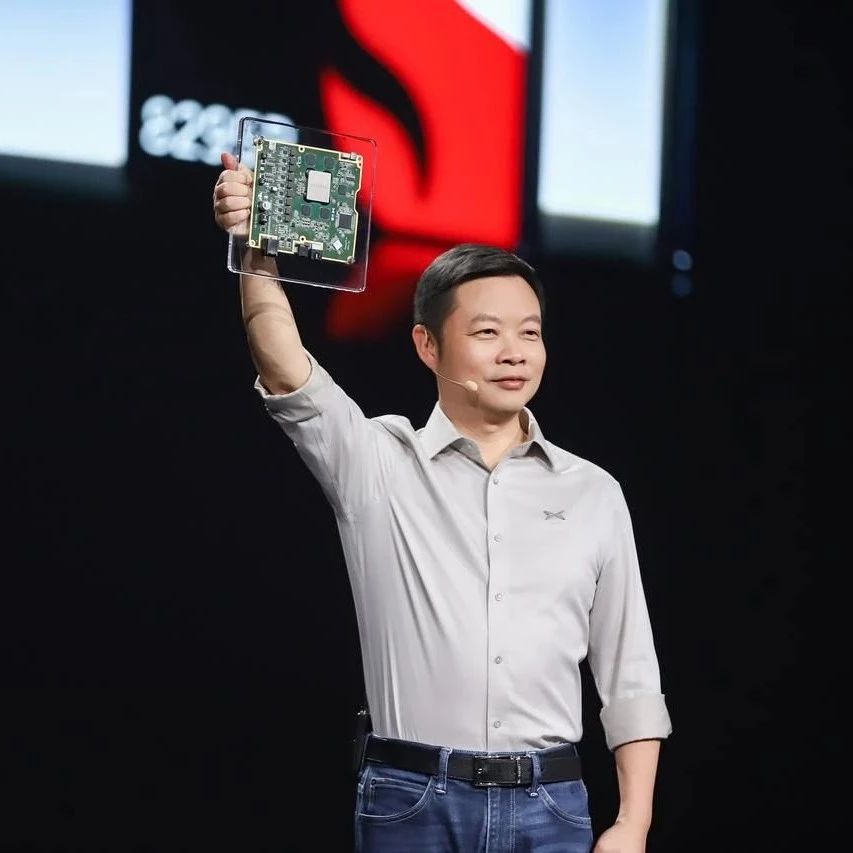
Core Viewpoint - The article discusses the launch of the Xiaopeng G7, an AI smart family SUV, emphasizing its competitive pricing and features aimed at capturing market share in the mid-sized electric SUV segment, particularly against rivals like Tesla Model Y and Xiaomi YU7 [2][4][5]. Group 1: Product Launch and Pricing - Xiaopeng G7 was launched with three versions, with prices ranging from 195,800 to 225,800 yuan, including a new 602 km range version [2][4]. - The final launch price was reduced by 40,000 yuan from the pre-sale price, leading to over 10,000 orders within 9 minutes of the launch [4]. - The G7 is positioned between the G6 and G9 models, covering the 170,000 to 240,000 yuan electric SUV market [4]. Group 2: Market Competition - The 200,000 to 300,000 yuan SUV segment is highly competitive, with strong contenders like Tesla Model Y and Xiaomi YU7 [5][6]. - Xiaopeng G7 aims to leverage its strengths in space comfort and advanced technology to compete effectively against these established models [7][8]. Group 3: Technological Features - The G7 features a 702 km CLTC ultra-long range, an 800V high-voltage SiC platform, and advanced AI capabilities with a self-developed AI Turing chip boasting a computing power of 2250 TOPS [8][9]. - The vehicle's spacious interior is highlighted, with a total space volume of 4.47 m³, which is claimed to be superior to that of the Model Y [7]. Group 4: Marketing and Consumer Insights - Xiaopeng's CEO emphasizes the importance of "emotional value" in product marketing, inspired by successful brands like Xiaomi [6][10]. - The company aims to attract younger consumers (post-95s and post-00s) who seek vehicles with strong aesthetic appeal and advanced technology [11]. Group 5: Sales Expectations and Future Strategy - The company anticipates strong sales for the G7, with expectations that the ultra version could account for over 60% of total orders based on consumer interest [9][15]. - Xiaopeng plans to continue evolving its marketing strategies and product offerings to adapt to market trends and consumer preferences [10][12].

出海速递 | 商务部:将加强对二手车出口工作指导/从3.5分钱到1000块:藏在深莞交界代工厂里的Labubu产业链真相
3 6 Ke· 2025-07-03 10:04
Group 1 - TikTok is enhancing its presence in Latin America, emphasizing the need for localized systems to overcome barriers in logistics, payments, regulations, and culture for sustainable growth in this market [2] - The Chinese cross-border e-commerce platforms are competing to tap into the next trillion-dollar market by establishing localized capabilities [2] Group 2 - The Chinese Ministry of Commerce is promoting the healthy and orderly development of the second-hand car export market, with a focus on quality and safety [9] - In the first five months of 2024, Shenzhen exported electric vehicles worth 11.18 billion yuan, marking a year-on-year increase of 16.7% [9] - A new automotive logistics route has been established between China and the UAE, facilitating the export of nearly 4,000 domestic vehicles [9] Group 3 - Indonesia and Saudi Arabia signed cooperation agreements worth $27 billion, covering various sectors including clean energy and healthcare [10] - Alibaba Cloud plans to invest over 400 million yuan to support international partner ecosystem development, focusing on market activities and training [10] - Siemens announced that the U.S. has lifted export restrictions on chip design software to China, allowing full access for Chinese customers [10]

情绪价值至上时代,一家硬件创业公司的10亿美元征途|独家专访Nothing联创
3 6 Ke· 2025-07-03 00:30
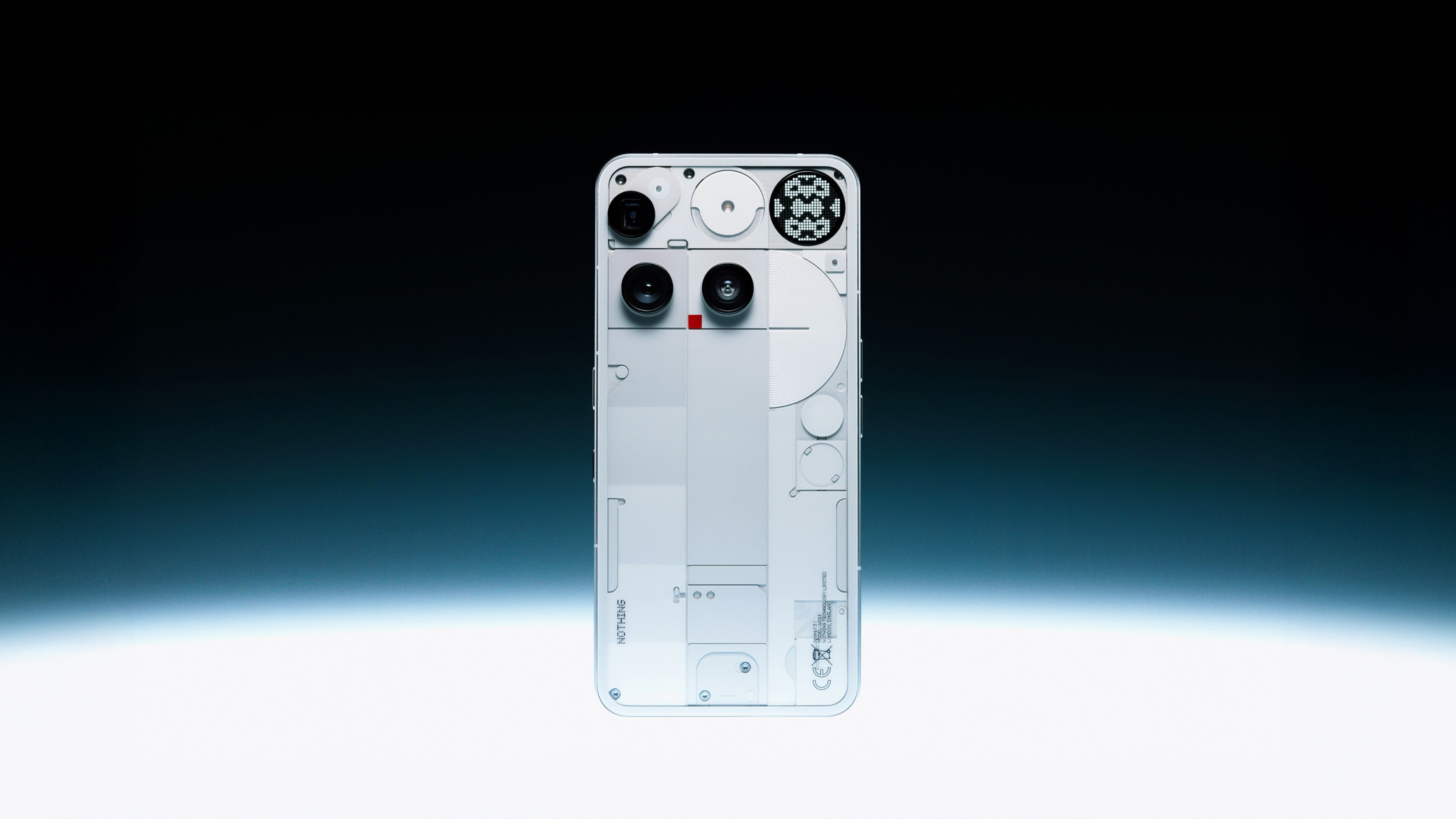
Core Insights - The mobile industry is experiencing a shift from rapid growth to a more stagnant phase, with major hardware companies still dominating the market but facing challenges in innovation and consumer engagement [1] Company Overview - Nothing, a hardware tech brand founded in the UK, has survived for five years and achieved a revenue of over $500 million in 2024, with cumulative revenue surpassing $1 billion by 2025 [2][3] - The company has successfully launched multiple products, including the Ear (1) true wireless earbuds and the Phone (1) smartphone, which features a unique transparent design [5][6] - Nothing's cumulative sales have exceeded 7 million units across its product lines [7] Product Development - The latest flagship smartphone, Nothing Phone (3), was launched at a price of $800, aligning with the iPhone 16's launch price, despite a general trend of price reductions in the market [8] - The Phone (3) incorporates a pixelated second screen called Glyph Matrix, enhancing user interaction with AI features [8][20] - Nothing has expanded its product line to include the Headphone (1), which maintains the brand's signature transparent design and collaborates with KEF for sound quality [9][21] Market Positioning - Nothing targets a younger demographic, with an average user age of 26, and over 60% of users prioritize design in their purchasing decisions [8] - The company perceives the mobile industry as a blue ocean market, believing there are still significant opportunities for innovation and growth [17] Market Performance - Nothing's strongest market is India, where it has captured a 1.64% market share as of Q1 2025, while also experiencing growth in Western Europe and Japan [24][26] - In Japan, Nothing's products have resonated with consumers who appreciate unique design and emotional value, leading to strong sales without extensive marketing efforts [28][29] Future Plans - The company plans to launch the Headphone (1) in the Chinese market and is building a small local team to support its operations [32][33] - Future product offerings will include a China-specific version of the CMF third-generation smartwatch, set to launch in September [34]

首批陪伴机器人交付在即:会撒娇卖萌,AI硬件变得“更懂人”
第一财经· 2025-07-02 15:16
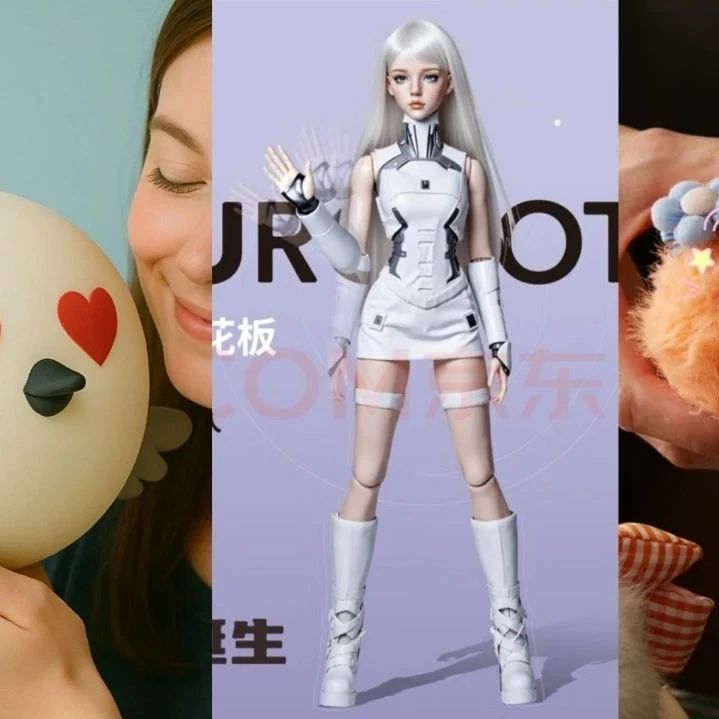
Core Viewpoint - The market is poised to welcome the first batch of companion robots, which aim to establish emotional connections with users rather than being mere toys [1][2]. Group 1: Product Development and Features - Lingdong Robot plans to start its first wave of deliveries in August, focusing on human-like interaction through advanced motion capture and emotional recognition technologies [1]. - The core product is a 60 cm tall humanoid robot equipped with an AI module, designed to mimic human actions and respond to emotional cues [4][7]. - The robot's ability to understand and respond to user emotions is enhanced by integrating multimodal inputs, including visual and tactile sensors [7][8]. Group 2: Market Dynamics and Financial Aspects - Companies like Luobo Intelligent and Mengyou Intelligent have recently secured significant funding, indicating strong market interest in companion robots [1]. - The cost of AI modules embedded in toys ranges from 30 to 50 yuan, with potential retail prices for AI-enhanced plush toys reaching up to 500 yuan [11][12]. Group 3: Emotional Value and User Interaction - The emotional value of companion robots is determined by their ability to establish relationships with users, moving beyond simple verbal interactions [2][9]. - Continuous interaction and feedback are essential for the robot to learn and adapt its responses, similar to how humans develop social skills [8][13]. - The concept of "spirituality" in robots, defined by their self-learning capabilities and emotional engagement, is crucial for enhancing user experience [9][12].
首批陪伴机器人交付在即:会撒娇卖萌,AI硬件变得“更懂人”
Di Yi Cai Jing· 2025-07-02 13:09
Core Insights - The core idea of companion robots is to move beyond toy status and establish long-term relationships with users through emotional connections rather than just AI gimmicks [1][2][10] - The market is eager for the first batch of companion robots, with companies like Lingdong Robotics set to deliver products soon [1][4] Company Developments - Lingdong Robotics will begin its first wave of deliveries in August, with products already available on platforms like JD.com [1] - Companies such as Luobo Intelligent and Mengyou Intelligent have recently secured significant funding, indicating strong investor interest in the companion robot sector [1][9] Technology and Features - Lingdong's robots utilize motion capture technology to learn human movements, allowing for realistic interaction [4][6] - The robots are equipped with 35 digital servos and multi-modal inputs, including visual and tactile sensors, to enhance their understanding of human emotions [6][9] - The robots can analyze user emotions based on voice tone and dialogue content, enabling them to respond appropriately to different emotional states [6][7] Market Potential - The integration of AI capabilities into traditional toys can significantly increase their market value, with potential retail prices for AI-enhanced plush toys reaching up to 500 yuan [9] - The emotional value provided by these robots is seen as a key differentiator from traditional toys, emphasizing the importance of user interaction and relationship building [9][10] User Interaction - Companies are exploring various interaction methods, with some suggesting that conversation may not be the only or best way to engage users [7][8] - The concept of "spirituality" in robots, defined by their ability to learn and adapt through multi-modal interactions, is highlighted as a crucial aspect of user engagement [8][9] Future Directions - The development of companion robots will require continuous interaction and feedback from engineers to refine emotional understanding and response accuracy [10] - Establishing a deep emotional connection with users is seen as essential for the success of companion robots, necessitating a multi-faceted approach to design and interaction [10]

水晶直播财富密码:玄学、破价与情绪营销
3 6 Ke· 2025-07-02 10:15
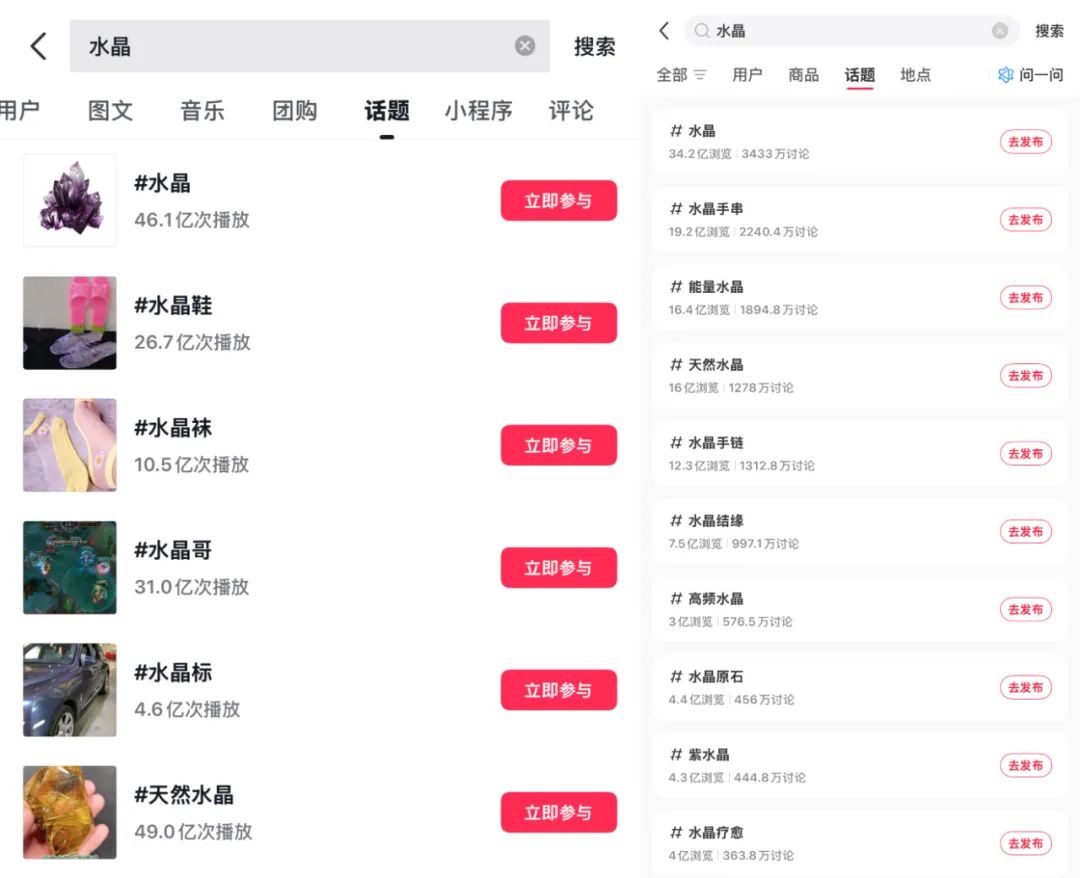
Core Insights - The rise of crystal products is driven by their aesthetic appeal, perceived emotional value, and the influence of celebrities and social media, making them a new trend among young consumers [1][3][13] Group 1: Market Trends - Crystal products have gained immense popularity, with significant engagement on social media platforms, such as 34.2 billion views on Xiaohongshu and 46.1 billion views on Douyin [4][12] - The crystal market is expanding, with the industry transaction value surpassing 46 billion yuan in 2024, and over 7,000 companies involved in crystal sales [12][17] - The global crystal jewelry market is projected to reach $22.83 billion by 2028, with a compound annual growth rate of 14.5% [17] Group 2: Consumer Behavior - Young consumers, particularly those aged 18-30, account for 80% of crystal sales, with a significant female demographic [13][16] - The emotional value associated with crystals, such as their perceived ability to bring good luck or alleviate anxiety, drives consumer interest [13][14] Group 3: Celebrity Influence - Celebrities and influencers play a crucial role in promoting crystal products, with notable figures like Yi Nengjing and Xu Yiyang leading successful live-stream sales [6][9][10] - Yi Nengjing's live-stream event featured 15 crystal products, generating an estimated sales revenue of 5.39 million yuan, highlighting the financial potential of crystal live-streaming [9] Group 4: Pricing and Quality Concerns - The crystal market faces challenges related to pricing inconsistencies and the prevalence of counterfeit products, with some sellers using deceptive practices to inflate prices [18][19] - The average profit margin for legitimate crystal sales is around 20-30%, but can reach 70% for counterfeit items, indicating a significant risk for consumers [18] Group 5: Future Outlook - The future of crystal live-streaming may shift towards high-end customization and artistic pieces, moving away from purely emotional consumption [17] - The industry must address issues of transparency, quality control, and consumer trust to sustain growth and maintain a positive reputation [19]
当代年轻人,流行给网球拍戴「饰品」
3 6 Ke· 2025-07-02 03:32
当市场体量足够庞大,任何细分赛道都有商机。 国家体育总局此前发布的报告显示,我国网球人口已突破2500万。同时,艾媒咨询的统计预测称,2025年中国网球市场规模将突破400亿元人民币。 市场的爆发性增长,为产业链条上的每一个环节都创造了想象空间。除了球拍、球鞋等核心装备,曾处在「边缘」位置的配件类产品,也正迎来前所未有 的增长窗口。 其中,仅有数克重的球拍避震器,正是这股趋势中的典型代表。这一曾经不起眼的配件,正成为体育消费市场,从专业功能保障向情绪价值满足进阶的一 幅缩影。 网球热潮下,小配件迎来大机遇 放眼国际网坛,德约科维奇、纳达尔等知名选手都曾使用过球拍避震器。就连日前在斯特拉斯堡WTA500站终结冠军荒的「冰美人」莱巴金娜,还因比赛 中「秒装」避震器的熟练动作在社媒收获不少热度。 图源: tennishub.in 看向大众网球市场,爱好者们在线下和社交平台关于球拍避震器的科普、推荐的讨论并不少见。同时,置身消费市场一线的威尔胜、百保力、尤尼克斯、 海德等运动品牌有所察觉后就很快通过自主设计、IP联名构建起了完整的产品矩阵。 不论是网坛明星在职业赛场的专业「背书」,还是消费者与市场的真实反应,都印证着 ...