数智化

Search documents
数智“新引擎”驱动智慧大脑,实现航天任务全流程可视可控
Xin Jing Bao· 2025-10-30 07:02
除了精细化监测自然环境,数智中心还为火箭、飞船测试环境构筑了"净化屏障"。电磁监测态势系统实 时守护着火箭和飞船的电磁环境,对任何异常信号都能做到精准识别,在遇到电磁干扰的情况下,科技 人员可以根据态势系统快速处置,确保测试环境绝对纯净。 同时,数智中心也让应急处置能力实现了跨越式提升。所有应急力量、物资和通信能力在数智中心都实 现了"一图尽览、实时监测"。 科技人员胡永刚告诉笔者:"通过数智平台,我们可以将处置过程与应急预案紧密耦合,协同指挥无人 机、无人车等智能装备,在极端条件下快速重建链路、回传信息,实现了应急处置的数字化、精准化与 高效化。" 走进载人航天发射场数智中心,首先映入眼帘的便是一张巨型屏幕,上面从火箭进场到点火飞行的所有 流程都一目了然,科技人员能够直观地了解任务过程,并获得智能化的决策支持。这套系统在神舟二十 一号任务中,实现了能力的全面升级。 数智化带来的第一个重大改变,体现在对气象条件的精准把控上。飞船转场对高空风的要求极为苛刻, 以往中心气象室预报风速超过阈值,转场流程就会推迟。在本次神舟二十一号任务飞船转场前,指挥决 策就面临着一个关键抉择。 "当时中心气象室监测到,发射场外围的 ...
潮起东方 智裳未来
Hang Zhou Ri Bao· 2025-10-30 02:27
F.O.U.R AWARD 回季杯 C . 1 I F 10月28日,杭州钱江新城城市阳台迎来"'潮起东方·时裳四季'四季之夜"联合发布秀。来自采荷街道 四季青服装特色街区的25个原创设计师品牌,以光影为媒、钱塘江为幕,共同呈现了一场融合科技、时 尚与设计的视觉盛宴。 活动现场,四季青服装特色街区"数字焕新计划"正式启动。该计划联合凌迪科技Style3D、汉帛国 际FashionSeek、知衣科技等科技企业,构建以技术为引擎、场景为载体的新型产业生态,人工智能、 大数据等前沿技术将在街区落地应用,为原创设计师与品牌主理人配备"智能助手",实现从研发、制造 到服务、应用的全链条数智化赋能。另据了解,街区还通过线上线下一体化运营,推出覆盖22家市场、 1.5万家商户的"四季青宝藏地图",引导消费者深入探索原创品牌与特色店铺,构建"数智+时尚+消 费"融合生态,持续提升上城区在国内外时尚领域的影响力。 中 0000000000 00000 100 f r And ...


科拓股份港股IPO招股书失效
Zhi Tong Cai Jing· 2025-10-29 22:28
Core Viewpoint - Xiamen Keta Communications Technology Co., Ltd. (Keta) is a leader in China's smart parking space operation industry, focusing on AI and data-driven solutions to promote urban parking digitization [1][2] Company Overview - Keta was established in 2006 and has evolved into a comprehensive parking industry group that integrates smart solutions, management, and operations [2] - The company is recognized as one of the earliest enterprises in China to achieve a fully controllable stack of hardware, algorithms, platforms, and ecosystems in the smart parking space operation sector [2] Market Position - According to a report by ZhiShi Consulting, Keta ranks second in the Chinese smart parking space operation industry based on projected revenue for 2024 [2] - The company has supported over 68,000 parking lots and 300 million vehicles, covering more than 1,300 million parking spaces across over 60 countries and regions [2] Operational Metrics - During the reporting period, Keta serviced more than 34,000 parking lots, with daily temporary parking orders and transaction amounts reaching 2.1 million and RMB 20.5 million, respectively [2] - The annual transaction volume exceeded RMB 7.5 billion for the year 2024 [2]

百事集团陕西生产基地投产:投资中国不是选择题,而是必答题
Sou Hu Cai Jing· 2025-10-29 14:21
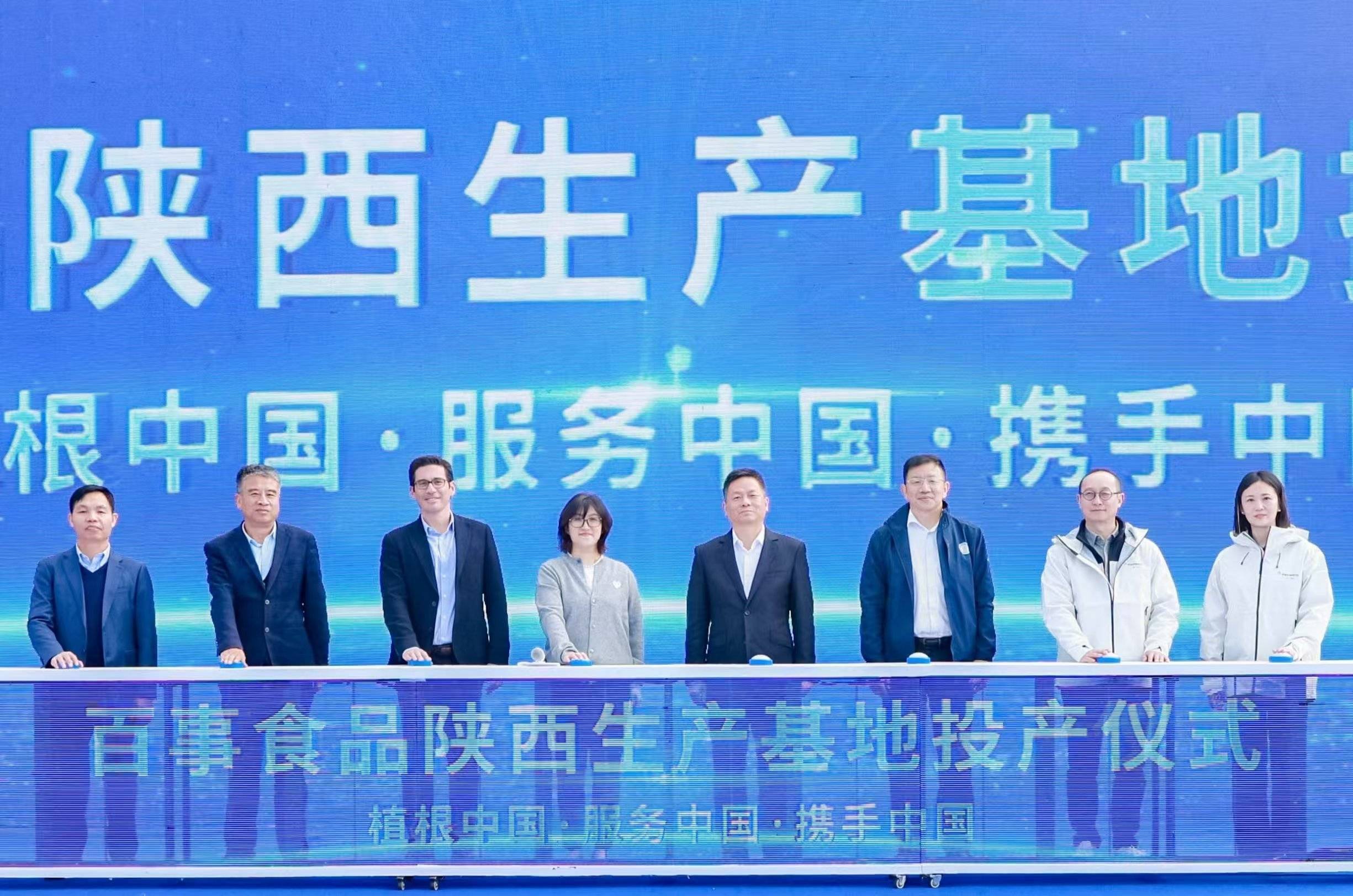
Core Insights - PepsiCo is significantly increasing its investment in the Chinese market with the launch of its first production base in Xi'an, which is also its tenth food factory in China, indicating a strong commitment to this key international market [1][11] Group 1: Investment and Production Capacity - The Xi'an production base has a construction area of 36,000 square meters and an annual production capacity of approximately 25,000 tons, with an initial investment of nearly 600 million RMB and a projected total investment of about 1.3 billion RMB [3][4] - The facility is expected to create over 4,000 direct and indirect jobs across various sectors, including agriculture, manufacturing, sales, and logistics [3][4] Group 2: Supply Chain and Sustainability - The new base will connect directly with dozens of potato farms in Shaanxi, Gansu, and Inner Mongolia, significantly shortening the supply chain and reducing carbon emissions from raw material transportation [4][7] - The facility has achieved international low-carbon excellence certification and incorporates advanced digital and sustainable technologies throughout its construction and operation [4][10] Group 3: Technological Innovation - The production process at the Xi'an base utilizes AI and automation technologies to enhance quality control and operational efficiency, achieving a production efficiency exceeding 80% [10][12] - The factory implements a zero-waste production model, maximizing resource utilization and integrating renewable energy sources such as biomass and solar power [10][12] Group 4: Market Strategy and Localization - PepsiCo has been operating in China since 1981 and has established a comprehensive business network, including 70 farms and over 60 beverage bottling plants, with a nearly 100% localization rate [11][12] - The company is committed to adapting its product development to meet local consumer demands, leveraging China's rich culinary culture and modern food technology [11][12]

盈峰环境公布第三期员工持股计划 坚守长期主义
Zheng Quan Ri Bao Zhi Sheng· 2025-10-29 14:12
Core Insights - Yingfeng Environment Technology Group Co., Ltd. reported a revenue of 9.544 billion yuan for the first three quarters of 2023, reflecting a year-on-year growth of 2.87% [1] - The company announced its third employee stock ownership plan, covering 165 core employees with a total amount of 400 million yuan, emphasizing shared responsibility and growth opportunities [1] - Yingfeng Environment has implemented a systematic incentive structure, including three stock option plans and two employee stock ownership plans, aimed at breaking down barriers between shareholders, the company, and employees [1] Financial Performance - The company's revenue for the first three quarters reached 9.544 billion yuan, marking a 2.87% increase compared to the previous year [1] Employee Incentives - The third employee stock ownership plan involves 165 core employees and a total investment of 400 million yuan, with no discount offered [1] - This plan is part of a broader incentive strategy that aims to create a "shared responsibility" culture among employees and the company [1] Product Development - Yingfeng Environment has developed a smart sanitation cloud platform with a three-product matrix, enhancing urban service efficiency through a closed-loop system [2] - The company has successfully implemented its products in 782 projects across 189 cities, demonstrating significant improvements in urban governance [2] Industry Leadership - As a "national-level manufacturing single champion enterprise," Yingfeng Environment has maintained the top position in environmental equipment sales for 24 consecutive years [3] - The company offers over 500 product models, including traditional cleaning equipment, new energy cleaning equipment, and cleaning robots, covering all operational scenarios [3] Technological Advancements - Yingfeng Environment leads the industry in new energy solutions, having achieved full electrification across its three main product lines [3] - The "Tornado" new energy street sweeper boasts a cleaning rate of 98.3% and can save 218,000 yuan in annual operating costs per unit [3] - New energy garbage trucks have achieved zero pollution and increased loading efficiency by 31%, with overall operational efficiency improving by 22% [3]

居然之家新战略发布 以“三大升级”迈入发展第二阶段
Huan Qiu Wang· 2025-10-29 12:20
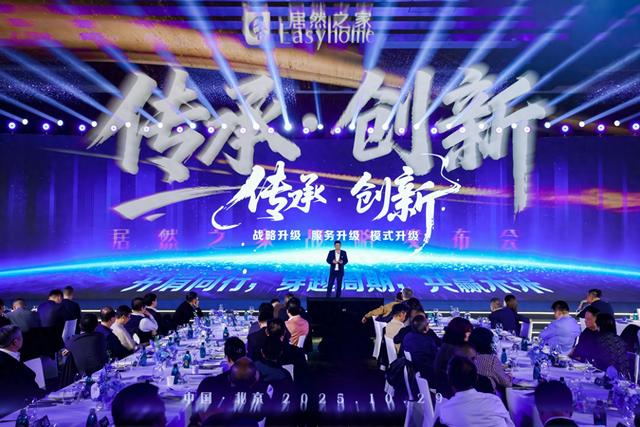
Core Viewpoint - The strategic conference of Juran Home, themed "Inheritance and Innovation," marks a new phase under the leadership of Wang Ning, emphasizing a highly professional management team and a shift from aggressive growth to meticulous management [1][2][5][16] Group 1: Management Transition - Wang Ning announced the official transition to a new phase characterized by a highly professional management team that will make collective decisions and manage operations [2][5] - The core members of the new management team include Wang Ning as Chairman and CEO, along with several vice presidents responsible for various operational areas [2] Group 2: Historical Context and Future Goals - The company has evolved from 1999 to 2025, establishing itself as a leading player in the home furnishing industry with a strong operational framework and service standards [5] - Starting from August 11, 2025, Juran Home will enter a new phase focused on stability and sustainable growth, adapting to market changes from growth competition to stock competition [5][7] Group 3: Operational Achievements - Juran Home currently operates 399 home furnishing stores, 4 shopping centers, 3 modern department stores, and 125 life supermarkets, maintaining a "light asset, refined" operational model [9] - The company has achieved a year-on-year increase of 1.07% in its招商率, with a net growth of over 70% in cooperative stores and an addition of 178 strategic partners [9] Group 4: Strategic Upgrades - The company is committed to transforming traditional home furnishing stores into smart home experience centers, with 29 centers currently operational and an increase in smart product sales contribution from 10% to 16% [9][12] - Juran Home is implementing a new retail marketing center to integrate online and offline sales, enhancing its marketing capabilities through a digital marketing matrix [9][12] Group 5: Service and Customer Focus - The company emphasizes a philosophy of "change and constancy," maintaining a commitment to customer value while innovating its strategies and services [10][12] - A new service system, "Juran 1+6 Heart Service System," has been introduced to address customer pain points throughout the renovation process [14] Group 6: Future Vision - Juran Home aims to build 50 large-scale life scene collection halls in major cities over the next three years, focusing on diverse consumer experiences [13] - The company plans to adopt a comprehensive sustainable development strategy, including annual ESG reports and a goal to reduce carbon emissions by 20% [13]

京东工业与德力西电气打造“数实一体”样板,超级供应链只为精选最优工业品
第一财经· 2025-10-29 10:44
Core Viewpoint - The article emphasizes the need for standardization in the industrial supply chain to address issues of confusion and inefficiency caused by inconsistent product naming and specifications, with JD Industrial positioned as a key player in driving this transformation [1][15]. Group 1: Industry Pain Points - The industrial sector faces challenges such as "same item, different names" and varying parameter definitions, leading to procurement difficulties and inefficiencies [1][2]. - Traditional procurement processes are hampered by "data silos," resulting in increased inventory and prolonged procurement cycles due to mismatched parameters [5][6]. Group 2: JD Industrial's Role - JD Industrial aims to be a "digital infrastructure builder" in the industrial supply chain, facilitating the standardization of product language and enhancing supply chain efficiency [1][9]. - The collaboration with Delixi Electric has led to the establishment of a standardized database that covers product categories, attributes, and specifications, significantly improving procurement efficiency [6][10]. Group 3: Collaboration Outcomes - The partnership has resulted in a fourfold increase in self-operated warehousing, with significant improvements in order fulfillment efficiency, including a 52% increase in transaction volume for self-operated products [10][16]. - Delixi Electric has streamlined its product SKUs and improved production efficiency through the standardization efforts initiated by JD Industrial, enhancing its market competitiveness [5][10]. Group 4: Future Prospects - JD Industrial envisions a future where standardized data flows seamlessly across the supply chain, enabling intelligent decision-making and optimized inventory management through AI [15][16]. - The goal is to connect suppliers, production, logistics, and customers to create a unified inventory system, reducing the need for multiple stock preparations for different clients [15].

伊之密:公司近三年年均研发费用超2亿元
Zheng Quan Ri Bao Wang· 2025-10-29 09:47
Core Viewpoint - The company emphasizes its commitment to technological advancement and high R&D investment to build core competitive advantages in the face of increasing industry competition [1] R&D Investment and Technological Breakthroughs - The company has maintained an average annual R&D expenditure of over 200 million yuan in the past three years [1] - It has a research team of over 900 people and holds more than 400 patents [1] - Significant breakthroughs have been achieved in advanced technologies such as integrated die-casting, semi-solid magnesium alloy forming, and ReactPro one-step coating [1] - The company has successfully delivered the LEAP series of large-scale die-casting equipment, serving the high-end manufacturing sector, including the new energy vehicle industry [1] Digital Transformation and Smart Manufacturing - The company is accelerating its digital transformation by creating transparent factories through industrial IoT and smart warehousing [1] Global Localization Strategy - The company is advancing a "global localization" strategy, establishing manufacturing, R&D, and service networks in over 70 countries and regions [1] - Since 2024, it has set up subsidiaries in Thailand and Mexico, and is building technical service centers in Brazil and Turkey to enhance rapid response capabilities [1] Customer Service and Satisfaction - The company has introduced personalized service models such as the "semi-solid on-site steward," providing comprehensive lifecycle solutions from equipment commissioning to mass production support [1] - This approach significantly enhances customer loyalty and satisfaction [1] Future Focus - The company will continue to focus on high-end, digital, and green development directions, aiming to build long-term competitive barriers through technological leadership and deepened services [1]

申通快递:三季度营收利润双增 反内卷+数智化赋能驱动高质量发展
Zheng Quan Shi Bao Wang· 2025-10-29 08:04
Core Viewpoint - Shentong Express has shown significant growth in both revenue and net profit in Q3 2025, driven by its digital transformation strategy and adherence to long-term business principles [1][2]. Financial Performance - In Q3, Shentong Express achieved a revenue of 13.546 billion yuan, a year-on-year increase of 13.62% [1]. - The net profit attributable to shareholders reached 302 million yuan, marking a substantial year-on-year growth of 40.32% [1]. - For the year-to-date, the company reported cumulative revenue of 38.570 billion yuan, up 15.17%, and a net profit of 756 million yuan, an increase of 15.81% [1]. Business Volume and Market Position - In the first three quarters, Shentong Express completed a total business volume of 18.863 billion parcels, reflecting a year-on-year growth of 17.1% [1]. - The market share remained stable at 13.0%, with Q3 business volume reaching 6.515 billion parcels, a 10.8% increase year-on-year, and market share rising to 13.18% [1]. Strategic Initiatives - The company has focused on digital transformation and service quality enhancement, investing in AI systems and logistics technologies to improve operational efficiency and customer experience [2]. - The optimization of regional networks, particularly in Yiwu, has led to a streamlined number of service points, enhancing service capabilities and achieving growth targets [2]. Industry Environment - The overall express delivery industry in China has experienced a positive trend with both volume and price increasing, supported by a 17.2% year-on-year growth in business volume and an 8.9% increase in revenue [3]. - The shift from price competition to a focus on service quality and operational efficiency has been noted, with Shentong's average revenue per parcel rising to 2.05 yuan in Q3 [3]. Future Outlook - The growth potential in the industry remains strong, driven by expanding consumer markets and the rise of new retail models [3]. - Shentong Express is expected to leverage its operational efficiency and service quality to capture strategic opportunities during the industry's recovery phase, aiming for coordinated growth in business scale and profitability [4].

三一重工登陆港交所,"A+H"双平台开启全球化新征程
Huan Qiu Wang· 2025-10-29 07:00
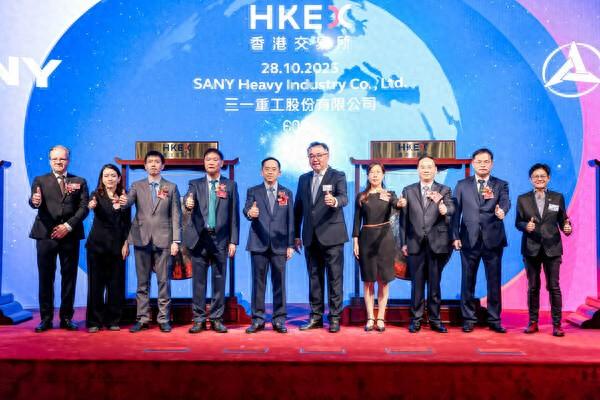
Core Insights - SANY Heavy Industry officially listed on the Hong Kong Stock Exchange on October 28, 2025, marking a significant milestone in its globalization process [1][3] - The company raised approximately $1.4 billion by issuing around 632 million H-shares at a price of HKD 21.30 per share, with 21 cornerstone investors subscribing to $759 million of the offering [3][4] - SANY is recognized as the third-largest construction machinery company globally and the largest in China, with a compound annual growth rate of 15.2% in overseas revenue from 2020 to 2024 [3][4] Company Strategy - The listing reflects strong market confidence in SANY's high-quality development and provides historic opportunities for expanding international financing channels [3][4] - SANY aims to leverage Hong Kong's position as a global financial hub to enhance connectivity with international capital markets and further its globalization strategy [4] - The company is committed to a strategy focused on globalization, digitalization, and low-carbon initiatives, with plans to launch over 40 new energy products in 2024, generating revenue exceeding $567 million [4]