贸易战

Search documents
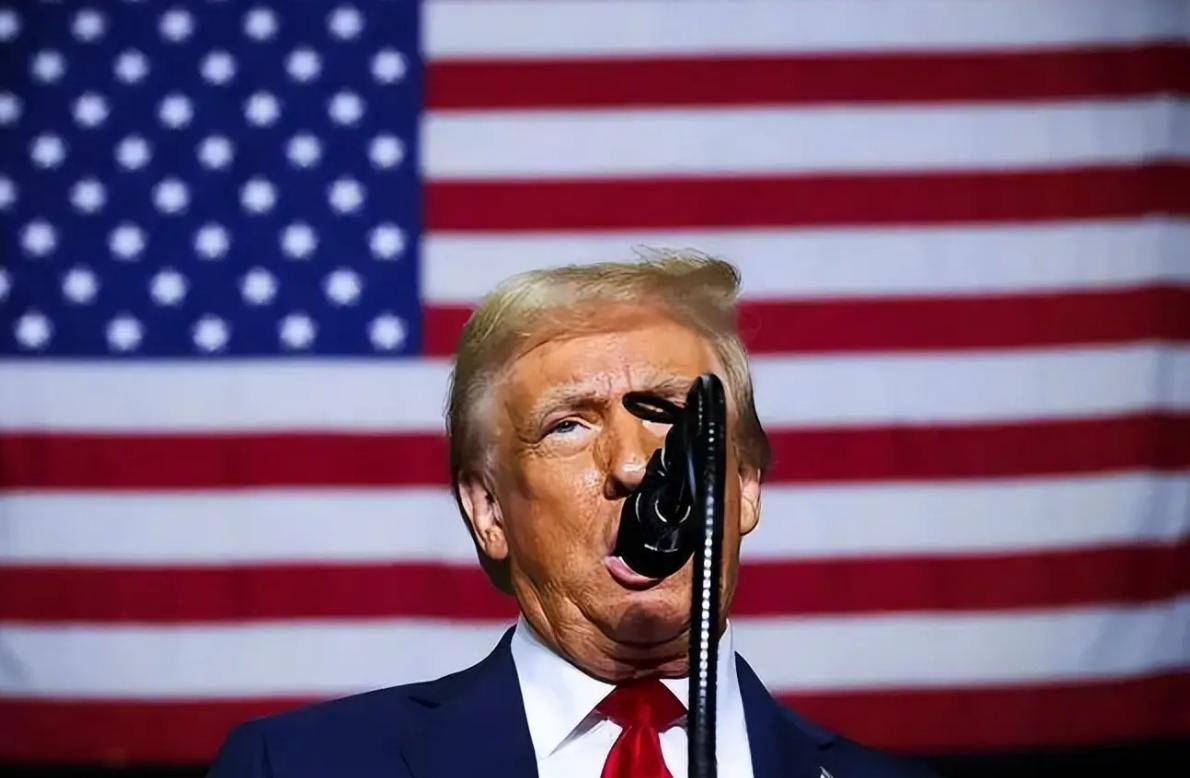
美媒:中美关系还没有恶化到必须一战!但美国已落入“中国陷阱”
Sou Hu Cai Jing· 2025-10-20 08:56
Group 1: Trade Relations and Tariffs - The U.S. has increased tariffs on Chinese imports to 20%, affecting a wide range of products from electronics to machinery, while China retaliated with a 15% tariff on U.S. agricultural products like soybeans and corn [2] - The trade war has disrupted global supply chains, increased costs for businesses, and led to higher prices for U.S. consumers, exacerbating inflationary pressures [2] - The U.S. aims to protect its industries through tariffs, but this strategy has resulted in negative consequences for both American farmers and consumers [2] Group 2: Semiconductor and Technology Restrictions - The U.S. has expanded export controls on AI chips and semiconductor equipment, making it increasingly difficult for Chinese companies to access advanced technologies [4] - This strategy has led to significant losses in the German automotive sector due to chip shortages, highlighting the interconnectedness of global supply chains [4] - The U.S. approach is seen as a zero-sum game that may deplete its diplomatic resources and create a "China trap" [4] Group 3: Rare Earth Elements and Broader Trade Dynamics - The U.S. plans to impose an additional 100% tariff on Chinese goods and expand software export controls, prompting China to strengthen its rare earth export controls [6] - Rare earth elements are critical for various industries, and the U.S. military is particularly vulnerable due to its reliance on these materials [6] - The trade conflict is evolving from purely economic to a broader trade struggle, affecting not only the U.S. and China but also European countries [6] Group 4: Economic Outlook and Trade Volumes - The U.S. GDP growth forecast for the first half of 2025 has been revised down to 2.1%, with inflation remaining around 3.5% [8] - In contrast, China's economy is showing resilience with diversified exports and increasing trade volumes with EU countries, which rose by 8% in the first half of 2025 [8] - The U.S. strategy to contain China is inadvertently strengthening economic ties between China and its allies [8] Group 5: Public Sentiment and Political Dynamics - A growing number of Americans are expressing fatigue over the trade war, with 56% feeling economic difficulties are increasing [10] - There is a notable decline in trust towards U.S. leadership among allies, with only 45% of Australians considering the U.S. reliable [10] - The American public is increasingly focused on domestic issues rather than viewing China as the primary threat [16] Group 6: International Relations and Cooperation - The U.S. continues to use Taiwan as a bargaining chip, which may escalate tensions rather than foster cooperation [12] - Despite the tensions, there are indications of ongoing communication between the U.S. and China, suggesting a willingness to negotiate [20] - The Belt and Road Initiative is expanding, with significant investments and partnerships that enhance China's global economic influence [22] Group 7: Currency and Financial Systems - The internationalization of the Renminbi is progressing, with over 85 central banks incorporating it into their reserves, totaling over $350 billion [22] - The establishment of a currency swap network is enhancing financial security and facilitating trade, signaling China's intent for cooperative economic relations [24] - The U.S. is facing challenges as its "America First" policy loses appeal in the global market [26] Group 8: Future Outlook - While conflicts may persist, the risk of a direct confrontation between the U.S. and China remains low, as both nations recognize the need for stability [26] - The emphasis on cooperation in addressing global challenges like climate change and pandemic recovery is becoming more prominent [27] - The overarching narrative suggests that peace and development are the prevailing trends, with zero-sum thinking likely to be abandoned in favor of mutual benefits [27]

X @外汇交易员
外汇交易员· 2025-10-20 07:22
US-China Trade Relations - Media reports indicate the US is prioritizing rare earths, fentanyl, and soybeans in upcoming trade negotiations with China [1] - China's stance on trade issues with the US remains consistent and clear [1] - China believes that tariff and trade wars are not in the interest of either party [1] - China advocates for resolving trade issues through consultation on the basis of equality, respect, and mutual benefit [1]
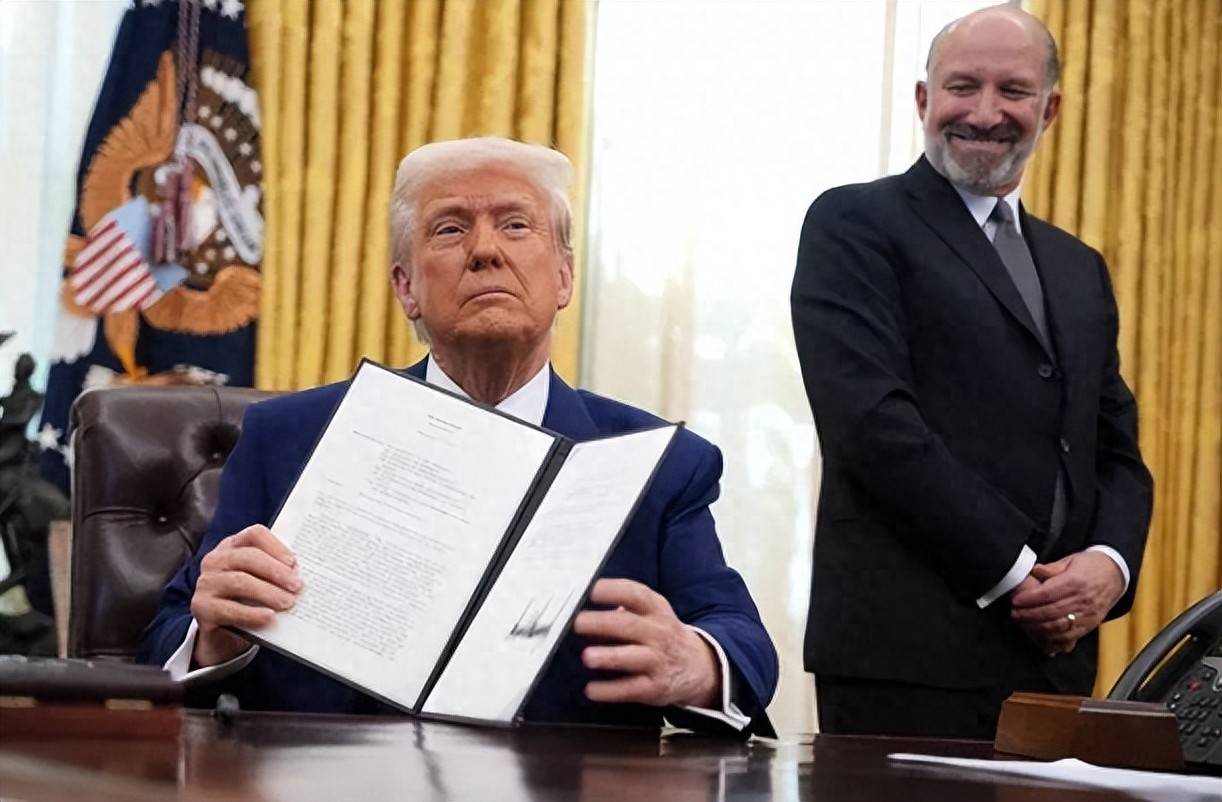
突发快讯!特朗普罕见坦言:高关税压制不了中国,罕见措辞引发全球高度关注
Sou Hu Cai Jing· 2025-10-20 05:45
Group 1 - Trump's unexpected admission that high tariffs are ineffective against China has sparked global attention [1] - The U.S. government had recently threatened to impose a 100% tariff on Chinese goods, indicating a potential escalation in the trade war [1] - China's countermeasures include increased control over rare earth exports and additional port fees for U.S. ships, significantly impacting U.S. businesses and consumers [3][5] Group 2 - The U.S. shipping industry is facing increased operational costs due to the additional 400 yuan port fee imposed by China, further straining already weak shipping and energy transport companies [5] - High tariffs have resulted in increased costs for American households, with families spending an additional $2,400 annually on everyday goods, disproportionately affecting low-income families [5] - The trade war has exacerbated wealth inequality in the U.S., with low-income households experiencing greater financial pressure compared to wealthier families [6] Group 3 - The trade conflict has evolved into a "cost game," with the U.S. concerned about inflation while China can endure short-term pressures [6] - Both nations recognize that extreme pressure tactics have reached their limits, suggesting a potential shift towards pragmatic compromise [6][9] - The lessons from the trade war indicate that tariff barriers do not provide protection, and extreme pressure tactics can lead to mutual harm [8][9]
聚酯周报:原油延续下跌趋势,聚酯供给端有所收缩-20251020
Guo Mao Qi Huo· 2025-10-20 05:20
1. Report Industry Investment Rating - The investment view is "oscillating", with no obvious driving force, and it is expected to mainly oscillate [4] 2. Core View of the Report - The report analyzes the polyester industry from multiple aspects including supply, demand, inventory, etc. It points out that the supply side of polyester has shrunk, the downstream load of polyester remains at about 90%, and the PTA port inventory has slightly increased. The PTA basis has stabilized, but the profit has continued to shrink. The PX - naphtha spread is at $250, and the PTA processing fee remains at around 200 yuan. The PTA price is at a neutral - low level, and the absolute price has further declined due to the fall in crude oil prices. The overall market is expected to oscillate mainly due to the lack of obvious driving factors [4] 3. Summary According to Relevant Catalogs 3.1 Main Views and Strategy Overview - **Supply**: It is bearish. The trade war may escalate, slightly affecting China's crude oil imports. The supply of domestic PTA devices has slightly shrunk, the PTA basis has stabilized, the PX device operating rate is stable, the cost has weakened, and although the PXN has expanded, polyester has followed the decline in crude oil [4] - **Demand**: It is bearish. The downstream load of polyester remains at about 90%, the inventory of polyester factories is optimistic, and it is necessary to pay attention to whether the weaving can maintain the load after the "Golden September and Silver October" [4] - **Inventory**: It is neutral. The port inventory of PTA has slightly increased, and the physical goods in the Ningbo direction are slightly in short supply [4] - **Basis**: It is bearish. The PTA basis has quickly stabilized, the PTA profit has continued to shrink, and the liquidity in the PTA market is still very loose [4] - **Profit**: It is bearish. The spread between PX and naphtha is $250, the PTA processing fee remains at around 200 yuan, and the PTA processing fee has expanded [4] - **Valuation**: It is neutral. The PTA price is at a neutral - low level. After the end of the domestic maintenance season, the reforming devices are gradually recovering, and the absolute price of PTA has further declined due to the fall in crude oil prices [4] - **Macro Policy**: It is neutral. On October 15, Fed Chairman Powell hinted that the Fed is planning to cut interest rates by 25 basis points later this month [4] - **Investment View**: It is oscillating. There is no obvious driving force, and it is expected to mainly oscillate [4] - **Trading Strategy**: For unilateral trading, it is recommended to wait and see, and pay attention to geopolitical risks [4] 3.2 Oil Product Fundamentals Overview - **Macro Situation**: On October 15, Fed Chairman Powell said that the US economy seems to be in a stable state, but the government shutdown may affect data collection. On October 17, major European stock indexes fell in early trading, with concerns about the banking industry spreading, and the European defense stocks also attracted attention [8] - **Gasoline**: The shutdown of the US government may affect demand in the off - season. The North American refinery load has declined, the total gasoline inventory has decreased by 1.6 million barrels, indicating strong terminal demand. The price of high - octane aromatics has remained relatively stable, and its spread with RBOB gasoline has remained stable at 68 cents [22] 3.3 Aromatic Hydrocarbon Fundamentals Overview - **Supply Increase**: With the commissioning of Yulong Petrochemical, the supply of MX is expected to increase in October. The future domestic xylene capacity will continue to be put into production at a high speed, with 1.7 million tons of xylene devices in Jiujiang Petrochemical, Huajin Aramco, and Zhongsha Gulei waiting to be put into production in 2026 [62] - **Market Situation**: The cross - regional arbitrage space for aromatics has opened, but physical trade has not occurred. The profit of selective disproportionation has declined, and the pure benzene price has suppressed the disproportionation profit. After the end of the maintenance season, the floating spread of PX has continued to weaken, the operating rate has significantly recovered, and the load has reached a very high level [40][54][62] - **Outlook**: Mixed xylene is facing continuous downward pressure. The profit of both gasoline reforming and aromatic hydrocarbon reforming has recovered, but the PTA supply side has shrunk, the processing fee has remained low, and the industry profit is still restricted by over - capacity [52][66] 3.4 Polyester Fundamentals Overview - **Ethylene Glycol**: The supply of ethylene glycol has increased, and the price is running weakly. The inventory in East China ethylene glycol ports is still at a low level, the arrival volume at ports is limited, the import volume in the overseas market is expected to decline, and the new domestic devices have put pressure on the price. The coal - to - ethylene glycol operating rate has continued to recover, and the profit has been repaired [80] - **Gasoline**: The load of major refineries may decline due to port transportation [81] - **Polyester**: Polyester continues to maintain a high load, but the weaving load may decline. The polyester production has increased, and the downstream has entered the off - season [88][90]
中方对特朗普的耐心已消耗殆尽,对美国已忍无可忍
Sou Hu Cai Jing· 2025-10-20 03:53
Core Viewpoint - The article discusses the ongoing trade tensions between China and the United States, highlighting China's calm and strategic approach in contrast to Trump's fluctuating policies aimed at maximizing U.S. interests [1][3][4]. Group 1: U.S. Trade Policies - Trump's trade strategies are characterized by frequent adjustments, often testing China's responses while attempting to maintain a façade of strength [3][5]. - Following China's announcement of rare earth controls, Trump convened discussions on potential U.S. responses, including a threat to halt purchases from China, which led to significant volatility in U.S. markets [5][10]. - Despite Trump's aggressive stance, he quickly softened his rhetoric, indicating a desire for dialogue with China after observing market reactions [5][7]. Group 2: China's Response and Strategy - China has demonstrated resilience and a long-term strategic vision in the face of U.S. pressures, refusing to yield to tariff threats and maintaining its position [4][7]. - The country is actively diversifying its trade partnerships, reducing reliance on U.S. imports, as seen in the shift to sourcing soybeans from Brazil and Argentina [10][12]. - China's economic growth remains robust, supported by initiatives like the Belt and Road Initiative, which enhances trade ties with regions such as ASEAN and Latin America [9][10]. Group 3: Future Implications - The article suggests that Trump's realization of the unsustainability of high tariffs may lead to further policy adjustments, although actual changes remain to be seen [12][14]. - China's commitment to maintaining its strategic interests indicates that future U.S.-China relations will likely remain tense unless genuine cooperation is pursued [16].
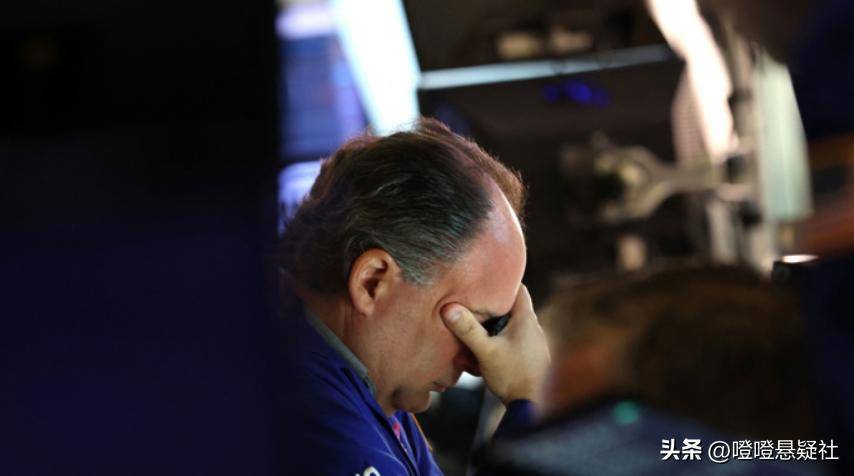
中国寸步不让,特朗普难以置信,美高官称3亿美国民众做好了准备
Sou Hu Cai Jing· 2025-10-20 03:41
Group 1 - The US-China trade war has escalated to a dangerous level, with both sides showing no signs of compromise and employing extreme pressure tactics [1] - China has implemented strong measures, including enhanced export controls on rare earths and additional fees on US vessels docking at Chinese ports, indicating a robust counterattack strategy [1] - China's actions demonstrate its significant leverage in high-tech materials and rare earths, providing it with the confidence to retaliate against US tariffs [1] Group 2 - Trump announced a 100% tariff on US exports to China starting November 1, raising the total tariff to 130%, which could provoke a strong response from China [2] - The US previously had tariffs as high as 145% targeting weak points in China's industrial chain, but the current situation reflects a shift in dynamics where China is no longer passive [2] - Trump's reliance on tariffs as a pressure tactic reveals his anxiety and isolation amid domestic challenges, suggesting that excessive use of tariffs may lead to a loss of control [2] Group 3 - US officials claim that the American public is ready for a comprehensive trade war, attempting to rally support while also signaling to external parties [5] - The rhetoric from US officials often masks a lack of substantial policy backing and strategic clarity, indicating potential vulnerabilities in their approach [6] - The portrayal of the trade war as a national struggle aims to galvanize public support, but declining approval ratings for Trump suggest that this strategy may be backfiring [8] Group 4 - The US does not control rare earth resources and lacks key leverage against China, which could lead to greater difficulties if the situation escalates further [10] - Extreme rhetoric and positions may narrow negotiation space, increasing the risk of a self-defeating outcome for the US [10]
特朗普再度放了100%关税大招,反而证明美国战略博弈工具的缺乏
Sou Hu Cai Jing· 2025-10-20 03:41
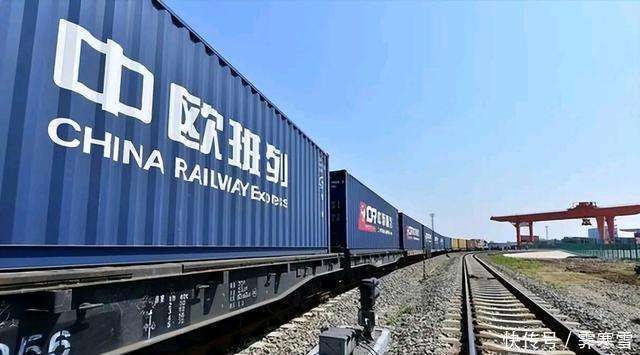
Group 1 - The core viewpoint is that Trump's decision to impose an additional 100% tariff on all Chinese goods reflects emotional responses and indicates a lack of effective strategies in the U.S.-China trade conflict [1] - The U.S. has limited options to counter China's recent export controls on rare earths, which complicates U.S. efforts to rebuild its rare earth supply chain [1][3] - The U.S. has historically engaged in trade bullying without facing significant pushback, but China's strong countermeasures have disrupted the U.S.'s previous advantages [3] Group 2 - The U.S. continues to rely on traditional methods to exert pressure on China, particularly in high-tech industries and geopolitical issues like Taiwan, despite the ineffectiveness of these strategies [4] - Recent actions, such as Poland halting the operation of the China-Europe Railway, suggest U.S. influence in attempts to disrupt China's trade routes [4] - The U.S. lacks confidence in its ability to militarily confront China in the Pacific, and its trade tactics have lost their effectiveness [5] Group 3 - As military options become less viable, the U.S. may need to reassess its approach to China and consider a more rational policy focused on peaceful coexistence [7]
瓶片短纤数据日报-20251020
Guo Mao Qi Huo· 2025-10-20 03:41
、责任自负。本报告仅向特定客户推送,未经国贸期货授权许可,任何引用、转载以 传播的行为均构成对国贸期货的侵权,我可将视情况追究法 险,入市需谨慎。 ITG国贸期货 世界500强投资企业 国贸期货有限公司 成为一流的衍生品综合服务商 入 用 市 市 lle 41 客 官 方 网 站 服 热线 la 风 400-8888-598 www.itf.com.cn 直纺短纤负荷(周) 93.90% 94. 40% 0. 01 涤纶短纤产销 79.00% 81.00% 2. 00% 涤纱开机率(周) 63. 50% 63. 50% 0. 00 再生棉型负荷指数(周) 51.00% 51. 50% 0. 01 涤纶短纤与纯涤纱价格 涤纶短纤现金流 10000 14000 10000 1800 (探偵) 宏興宗德■ T325纯漆炒价格 (器比) 照日后 (石井) 条短现金流 =1.4D直线大提 9000 9000 13000 1400 8000 8000 12000 1000 7000 7000 6000 11000 600 6000 5000 10000 200 5000 4000 4000 -200 9000 + 300 ...
聚酯数据日报-20251020
Guo Mao Qi Huo· 2025-10-20 03:41
Group 1: Report Industry Investment Rating - No information provided Group 2: Core Viewpoints - The PTA market is affected by the weak and volatile crude oil market, and its price has declined. The supply side of PTA has shrunk, and its processing fee has continued to be low. The industry profit is still restricted by over - capacity due to new device commissioning. With the end of the peak season, the market is worried about the impact of the trade war on textile and clothing demand, and the PTA operating rate may further decline. It is difficult for PTA to have an independent market due to the decline in crude oil prices [2]. - The inventory of ethylene glycol in East China ports remains low, and the arrival volume at ports within the week is still limited. Overseas imports of ethylene glycol are expected to decline, while domestic device commissioning has put continuous pressure on the price of ethylene glycol. As the polyester peak season is coming to an end and the crude oil fundamentals are weak, polyester is expected to operate weakly [2]. Group 3: Summary by Relevant Catalogs Market Quotes - INE crude oil price dropped from 443.8 yuan/barrel on October 16, 2025, to 432.6 yuan/barrel on October 17, 2025, a decrease of 11.20 yuan/barrel. PTA - SC increased by 27.39 yuan/ton, and the PTA/SC ratio increased by 0.0186. CFR China PX decreased by 3, and the PX - naphtha spread decreased by 9. The PTA main futures price dropped by 54.0 yuan/ton, and the PTA spot price dropped by 15.0 yuan/ton. The PTA spot processing fee decreased by 7.8 yuan/ton, and the disk processing fee decreased by 36.8 yuan/ton. The MEG main futures price dropped by 86.0 yuan/ton, and the MEG - naphtha decreased by 8.2 yuan/ton. The MEG domestic price decreased by 5.0 yuan/ton [2]. Industry Chain and Operating Conditions - The PX operating rate remained unchanged at 84.62%. The PTA operating rate decreased by 0.63% to 77.58%, the MEG operating rate decreased by 0.66% to 65.84%, and the polyester load remained unchanged at 89.38% [2]. Polyester Filament - The prices of POY150D/48F and FDY150D/96F decreased by 15.0 yuan/ton and 45.0 yuan/ton respectively, while the price of DTY150D/48F increased by 20.0 yuan/ton. The POY cash flow remained unchanged at 126, the FDY cash flow increased by 30.0 to (199), and the DTY cash flow decreased by 35.0 to 191. The long - filament sales rate decreased by 25% to 67% [2]. Polyester Staple Fiber - The price of 1.4D direct - spun polyester staple fiber decreased by 15 yuan/ton, the cash flow remained unchanged at 381, and the short - fiber sales rate decreased by 3% to 84% [2]. Polyester Chip - The price of semi - bright chips decreased by 15.0 yuan/ton, the chip cash flow remained unchanged at 46, and the chip sales rate decreased by 137% to 188% [2] Device Maintenance - A 2.2 - million - ton PTA device in East China has reduced its load, and the recovery time is to be tracked [3]
特朗普宣布中美贸易战开始,美国扬言以34敌1,对我们加税500%
Sou Hu Cai Jing· 2025-10-19 23:22
Group 1 - The core viewpoint of the articles revolves around the escalating trade tensions between the United States and China, with the U.S. threatening significant tariffs and other punitive measures against Chinese goods and policies [1][3][12]. - The U.S. Treasury Secretary has indicated a willingness to impose a 500% tariff on Chinese purchases of Russian oil, highlighting the aggressive stance of the U.S. government [6][12]. - There is a concerted effort by the U.S. to form an "alliance" with 33 countries to counter China's dominance in the rare earth industry, which is seen as a strategic move to strengthen their position against China [6][14]. Group 2 - The articles emphasize that China remains unfazed by U.S. threats, asserting its readiness for negotiations while also preparing for a potential trade war [3][9][12]. - The U.S. is portrayed as potentially overestimating its leverage, with the assertion that American goods are not irreplaceable for China, as alternative supply chains have already been established [12][14]. - The narrative suggests that the U.S. lacks the necessary technology and equipment for rare earth processing, which China currently dominates, indicating a significant vulnerability in the U.S. strategy [14].