
全球治理

Search documents
“美国优先”带来的将是“美国独行”(点评)
Ren Min Ri Bao· 2026-01-08 22:51
美国再次"退群"将给全球治理带来挑战,不仅进一步阻碍全球应对气候变化等全球性议题的努力,还直 接弱化协调经贸社会发展等议题的多边机制。但事实终将证明,"美国优先"带来的将是"美国独行",美 国将孤立于全世界。面对变局,国际社会唯有加速形成合力,共同持续推动全球治理各议题、各领域向 前发展,携手构建更加公正合理的全球治理体系。 (作者为中国人民大学国家发展与战略研究院副院长、国际关系学院教授) (文章来源:人民日报) 美国政府此次大规模"退群",预示着美国单边主义外交政策的全面升级,暴露出美国外交已完全以所 谓"美国优先"为原则,驶入了"无利不起早"的自利轨道。 美国将要退出的这些国际组织,涉及气候治理、公共卫生、人权、教育文化、难民援助以及可持续发展 等众多全球治理领域,均被美国政府的自利盘算排除在外。一是,美国在对外事务上愈发追求自身利益 最大化,给世界提供公共产品不符合其私利。二是,随着"全球南方"崛起,新兴市场国家和发展中国家 在国际组织获得更多话语权,导致美国自认为"不划算",甚至有了所谓"吃亏"心理。三是,面对中期选 举压力,特朗普政府更急迫地要推进内外极端议程,或转移国内矛盾点,或留住保守派选民。 ...
美国一口气再“退群”66个:都有哪些?
第一财经· 2026-01-08 14:32
她称,当前国际形势再次证明,多边体系有效运行,才能防止"丛林法则"蔓延,才能让国际秩序不被"强 权即真理、武力即正义"主导,这是当前大多数国家,特别是小国弱国最需要的。无论形势如何变化, 中国将始终坚持多边主义,支持联合国在国际事务中发挥核心作用,同国际社会一道推动构建更加公正 合理的全球治理体系。 2026.01. 08 本文字数:3236,阅读时长大约5分钟 作者 | 第一财经 高雅 从《联合国气候变化框架公约》(UNFCCC)到联合国贸易和发展会议,再到国际可再生能源署 (IRENA),特朗普政府的"退群"范围进一步扩大。 当地时间1月7日,美国总统特朗普签署行政命令,宣布退出66个国际机构,其中包括31个联合国实体 及35个非联合国组织。特朗普还通过总统备忘录,指示各联邦机构停止参与相关活动并终止向这些组织 提供资金支持。 美国国务卿鲁比奥在一份声明中阐述了此举的理由:"特朗普政府认定这些机构在其职能范围内存在冗 余、管理不善、不必要、浪费、运作不当等问题,或被那些推进自身议程、与我们利益相悖的相关方操 控,甚至对我国的主权、自由与总体繁荣构成威胁。" 对此,中国外交部发言人毛宁在1月8日的例行记者会 ...


美国一口气再“退群”66个:特朗普“弃子”都有哪些?
Di Yi Cai Jing· 2026-01-08 13:45
美国"退群"已经不是什么新闻。 从《联合国气候变化框架公约》(UNFCCC)到联合国贸易和发展会议,再到国际可再生能源署(IRENA),特 朗普政府的"退群"范围进一步扩大。 当地时间1月7日,美国总统特朗普签署行政命令,宣布退出66个国际机构,其中包括31个联合国实体及35个非联 合国组织。特朗普还通过总统备忘录,指示各联邦机构停止参与相关活动并终止向这些组织提供资金支持。 美国国务卿鲁比奥在一份声明中阐述了此举的理由:"特朗普政府认定这些机构在其职能范围内存在冗余、管理不 善、不必要、浪费、运作不当等问题,或被那些推进自身议程、与我们利益相悖的相关方操控,甚至对我国的主 权、自由与总体繁荣构成威胁。" 对此,中国外交部发言人毛宁在1月8日的例行记者会上回应称,美国"退群"已经不是什么新闻,事实上国际组织 和多边机构存在的意义就在于不代表任何一个国家的私利,而是维护成员国的共同利益。正是因为如此,以联合 国为核心的国际体系,80多年来维护了世界的和平与稳定,促进了经济社会发展,保障了各国的平等权益。 她称,当前国际形势再次证明,多边体系有效运行,才能防止"丛林法则"蔓延,才能让国际秩序不被"强权即真 理、武 ...
社评:美国突袭委内瑞拉拉响全球治理警报
Huan Qiu Shi Bao· 2026-01-05 02:26
Core Viewpoint - The military action by the U.S. against a sovereign nation has sparked international outrage, with leaders emphasizing the dangerous precedent it sets for global governance and international law [1][2][3] Group 1: Impact on Latin America and the Caribbean - The military action has severely disrupted peace in the Latin American and Caribbean region, which has historically been viewed as one of the most peaceful areas globally [2] - The region, comprising 33 countries, had previously declared itself a "peace zone" in 2014, highlighting the value placed on peace by these nations [2] - The potential for similar actions against other countries in the region raises concerns about the security of all nations, as articulated by Chilean President Boric [2] Group 2: Global Governance Concerns - The crisis has highlighted the imbalance in the global governance system, which has allowed hegemonic powers to act without effective constraints [3] - The lack of representation and voice for developing countries in the global governance framework has contributed to the unchecked behavior of hegemonic states [3] - The U.S. action against Venezuela exemplifies the failures of the current global governance mechanisms to impose consequences on hegemonic actions [3] Group 3: Historical Context and Future Implications - Historical evidence suggests that military conquest and resource exploitation do not lead to true stability, but rather sow the seeds for future conflicts [4] - The U.S. intervention in the region has been criticized for failing to uphold international order and weakening the foundations of global governance [4] - The response from the international community indicates a rejection of U.S. hegemony, reinforcing the trend towards multilateralism and a shared commitment to justice and fairness [4]
环球时报社评:美国突袭委内瑞拉拉响全球治理警报
Xin Lang Cai Jing· 2026-01-04 15:53
Core Viewpoint - The military action by the United States against Venezuela has sparked widespread condemnation and is seen as a dangerous precedent for international relations, undermining the authority of international law and the principles of the United Nations [1][2][3]. Group 1: Impact on Latin America and the Caribbean - The military action has severely disrupted peace in the Latin American and Caribbean region, which has historically been viewed as one of the most peaceful areas globally [2]. - The region, comprising 33 countries, had previously declared itself a "zone of peace" in 2014, highlighting the importance of maintaining stability [2]. - The actions taken by the U.S. raise concerns among Latin American nations about their own security, as they fear being targeted next under similar justifications [2]. Group 2: Global Governance and Power Dynamics - The crisis reflects a significant imbalance in the global governance system, where hegemonic powers can act without effective constraints, leading to violations of international norms [3]. - The current international power dynamics have evolved, but the governance structures have not kept pace, resulting in a lack of representation and voice for developing countries [3]. - The U.S. intervention exemplifies how existing global governance mechanisms fail to hold hegemonic actions accountable, allowing for unchecked behavior [3]. Group 3: Historical Context and Future Implications - Historical evidence suggests that military interventions do not lead to lasting stability but rather sow the seeds for future conflicts [4]. - The U.S. has been criticized for undermining international order rather than upholding it, which has long-term implications for global governance and regional peace [4]. - The crisis emphasizes the need for a collective international response to counteract hegemonic practices and promote a more equitable global governance framework [4].
从欧中合作谈到美国“退群” 牛津学者:重建互信才能推动全球治理
Xin Lang Cai Jing· 2026-01-01 09:28
Core Viewpoint - Global cooperation is essential despite challenges in traditional governance structures, and innovative collaboration methods are necessary to maintain a multilateral system [1][3]. Group 1: Global Cooperation - Sam Daws emphasizes the importance of global cooperation in addressing shared challenges such as climate change, biodiversity, health, food security, and conflict [2][4]. - There is a growing skepticism among some countries regarding the value of top-down legal frameworks, necessitating innovative approaches to multilateral cooperation [3]. Group 2: U.S. Withdrawal from Global Governance - The U.S. has withdrawn from several international agreements, including the Paris Agreement and the World Health Organization, which has significantly impacted global governance [4]. - Despite the U.S. withdrawal, many other UN member states continue to actively participate in international efforts, indicating that there is still much work to be done [4]. Group 3: Opportunities for China and Europe - Strengthening cooperation between China and Europe presents significant opportunities, including increased trade, joint actions on climate change, and collaborative efforts to prevent global health crises [6]. - China is recognized for its proactive role in international peacekeeping and conflict resolution, which can enhance cooperation with Europe in these areas [6].
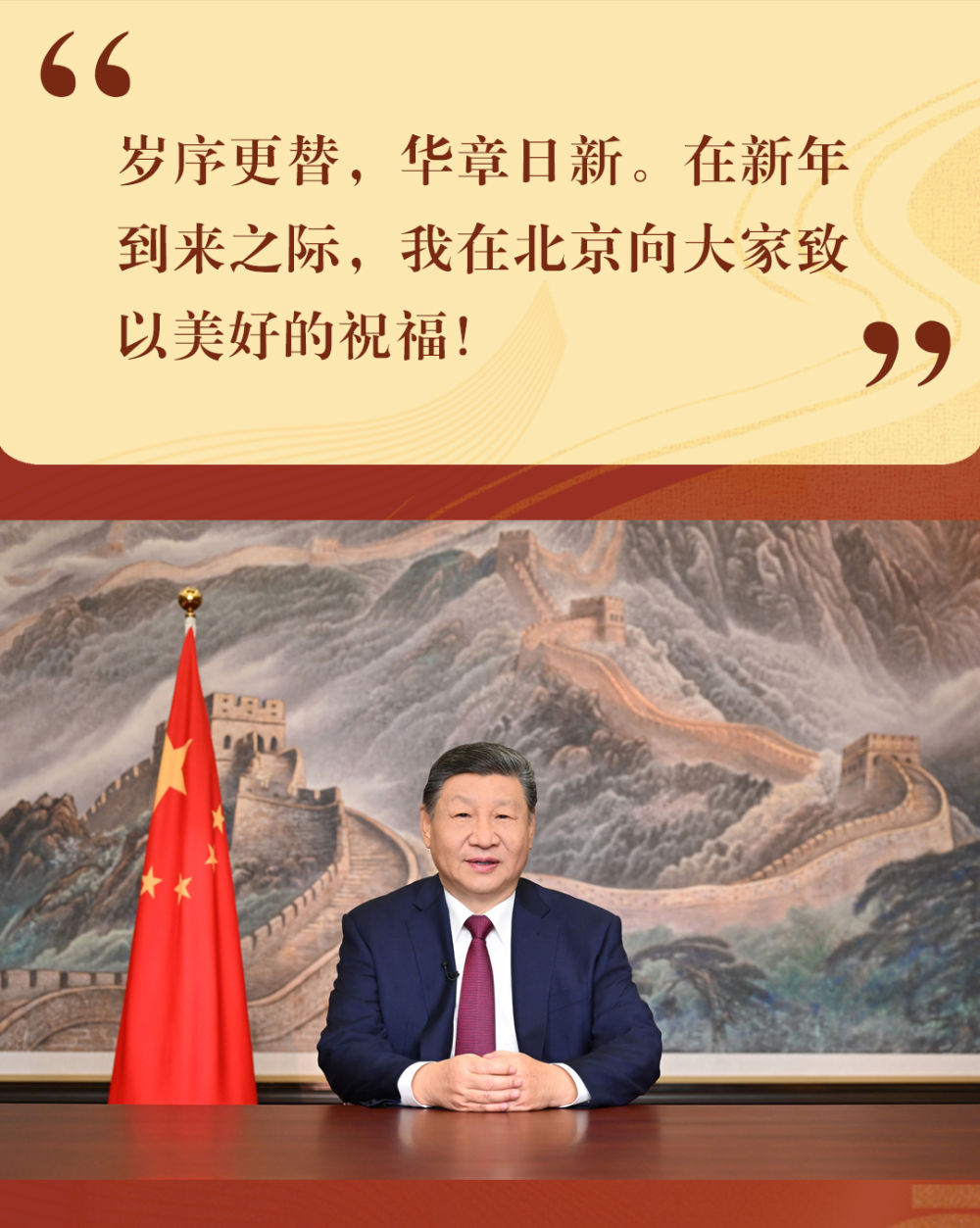
华章新序 光影见证
Xin Hua She· 2025-12-31 23:14
华灯璀璨,辞旧迎新 光影瞬间见证着华夏盛世、奇迹中国 回顾不平凡的2025 聆听贺词,一个个难忘时刻浮现眼前 习近平主席发表二〇二六年新年贺词 纵览"十四五"壮阔成就 66 岁序更替,华章日新。在新年 到来之际,我在北京向大家致 以美好的祝福! 66 2025年是'十四五'收官之 年。5年来,我们蹲厉奋发、 勇毅前行,克服重重困难挑 战,圆满完成目标任务,在中 国式现代化新征程上迈出了稳 健步伐。我国经济总量连续跨 越新关口,今年预计达到140 万亿元,经济实力、科技实 力、国防实力、综合国力跃上 新台阶,绿水青山成为亮丽底 色,人民群众获得感幸福感安 全感不断增强。 2025年11月10日,工作人员在中国邮政集 团有限公司江苏扬州邮件处理中心分拣快递 包裹。截至2025年11月30日,中国快递年 业务量首次突破1800亿件,相当于去年全球 快递包裹业务量的67%,折射出中国超大规 模市场的充沛活力。 2025年12月5日,满载集装箱的船舶驶离山 东港口日照港集装箱码头(无人机照片)。 "十四五"时期,我国外贸顶住了压力、展 现了韧性,贸易强国建设取得积极成效。 AMERICAL PART PERFECIAL ...
年终特稿|全球媒体2025中国热词扫描
Xin Hua She· 2025-12-31 15:11
Group 1: Core Themes - The article highlights key terms such as "head of state diplomacy," "global governance," "14th Five-Year Plan," "high-quality development," "open cooperation," "innovation," and "soft power," indicating China's role as a responsible global power providing stability and positive energy in a tumultuous international landscape [1][2][3][6][7][10] Group 2: Head of State Diplomacy - In 2025, China's head of state diplomacy is characterized by significant achievements and far-reaching impacts, with related keywords appearing millions of times in global media [2] - The diplomatic efforts showcase China's strategic determination and responsibility as a major power, promoting peace, cooperation, and win-win outcomes [2] Group 3: Global Governance - President Xi Jinping's global governance initiative, proposed during the Shanghai Cooperation Organization summit, emphasizes China's constructive role in global governance and has garnered support from many developing countries [2] Group 4: 14th Five-Year Plan - The 14th Five-Year Plan is viewed as crucial not only for China but also for the global economy, with the term "opportunity" appearing over 500,000 times in discussions [3] - The plan is expected to influence global development significantly, especially as many economies seek stability and better growth directions [3] Group 5: Peaceful Development - The commemoration of the 80th anniversary of the victory in the Anti-Japanese War highlights China's commitment to peace and its defense capabilities, reinforcing its role as a stabilizing force in the world [4][5] Group 6: High-Quality Development - "High-quality development" is a prominent term in discussions about China's economic transformation, indicating a shift from rapid growth to a more sustainable and quality-focused growth model [6] - This approach is expected to contribute valuable experiences to global partners and promote green and low-carbon transitions [6] Group 7: Open Cooperation - The launch of the Hainan Free Trade Port marks a significant milestone in China's openness, with global media focusing on terms like "free trade" and "high-level opening-up" [7] - China's commitment to multilateralism and mutual development is emphasized, showcasing its strategic interests aligned with global benefits [7] Group 8: Stability and Certainty - China's policy stability and economic growth have positioned it as a "oasis of certainty" amid global uncertainties, with international organizations raising China's economic growth forecasts for 2025 [8] - China's expected contribution to global economic growth is projected to remain around 30% in the coming years [8] Group 9: Innovation - Keywords related to innovation, such as "artificial intelligence" and "electric vehicles," reflect China's advancements in technology and its significant impact on global scientific progress [9] Group 10: Soft Power - China's cultural soft power is on the rise, with global media coverage highlighting successful cultural exports and the increasing influence of Chinese cultural products [10] - The 2025 Global Soft Power Index indicates a notable improvement in China's soft power metrics, showcasing its potential to create world-class cultural products [10]
九万里:解局2025
Xin Lang Cai Jing· 2025-12-31 00:19
Core Viewpoint - The article discusses the significant global changes and geopolitical dynamics expected by 2025, highlighting the interplay of major powers, ongoing conflicts, and the evolving international order [1][3]. Geopolitical Dynamics - The relationship between the U.S. and China is characterized by intense competition and negotiation, with high-level interactions aimed at stabilizing their relationship amidst ongoing tensions [3][5]. - U.S.-Russia relations remain strained despite attempts at dialogue, with no substantial improvement observed in their bilateral ties [5][6]. - The U.S. and Europe are experiencing a deterioration in their alliance, marked by increasing ideological opposition and policy disagreements [6][7]. Conflict and Warfare - The global peace index has declined by 0.36%, with military expenditures rising to approximately $2.72 trillion, accounting for 2.5% of global GDP [7]. - Ongoing armed conflicts have reached a record high, with 59 active conflicts involving 78 countries, the highest since World War II [7][8]. - The Russia-Ukraine conflict continues to evolve with fluctuating hopes for resolution, while the Israel-Palestine conflict escalates with significant military actions and international backlash [9][10]. Regional Developments - In the Asia-Pacific region, U.S. strategies are causing divisions among ASEAN countries, complicating regional cooperation [12][13]. - The Middle East is witnessing increased instability, with Israel's aggressive military actions leading to a backlash from Arab nations and a potential shift in regional alliances [14]. - Latin America is experiencing a shift towards more aggressive U.S. policies under Trump, impacting regional dynamics and sovereignty [15]. Governance and Political Landscape - The global governance landscape is under pressure, with rising populism and right-wing movements affecting political stability in various regions, including Europe and Latin America [16][18]. - The article notes a significant political shift in Latin America, with right-wing parties gaining ground as leftist movements decline [18]. - The governance challenges faced by countries are becoming more pronounced, with economic and political instability affecting their ability to respond to global issues [16][19]. Global Governance Initiatives - China is proposing new governance frameworks to address global challenges, emphasizing cooperation and mutual benefit among nations [21][22]. - The article highlights the increasing influence of global South countries in shaping governance discussions, marking a shift in the traditional power dynamics [24].

新华社评出2025年国际十大新闻
Xin Hua She· 2025-12-30 23:20
Group 1 - The core viewpoint emphasizes the importance of multilateral cooperation and global governance initiatives, as highlighted by Xi Jinping's diplomatic engagements and proposals [1][3][10] - The U.S. tariff war has significantly impacted the multilateral trade system, with the highest actual tariff rates in nearly a century, prompting international criticism and countermeasures from various countries [2] - The rapid development of artificial intelligence technologies necessitates enhanced governance, with global dialogues initiated by the United Nations to address associated risks [4] Group 2 - The global financial market is experiencing increased volatility, with gold prices surpassing $4000 per ounce, reflecting rising structural risks in the global economy [5] - The ongoing conflicts in the Middle East have resulted in severe humanitarian crises, highlighting the need for international cooperation to achieve peace [6] - The "15th Five-Year Plan" proposed by China aims to expand institutional openness and promote multilateral trade, signaling a commitment to shared opportunities and development [8] Group 3 - Japan's recent political statements regarding Taiwan have raised concerns about international law and the post-war order, prompting warnings from the international community [9] - The G20 summit held in Johannesburg marks a significant moment for global governance, emphasizing the role of the Global South in addressing global challenges [10] - Political instability in various countries, including South Korea and Japan, reflects a broader trend of upheaval that intertwines with economic and social development challenges [11]