存算一体

Search documents
易华录:公司将继续着力于在智慧交通等业务提升竞争力并实现业绩提升
Zheng Quan Ri Bao Wang· 2025-09-11 13:40
Group 1 - The company, Yihualu (300212), is focusing on enhancing its competitiveness and achieving performance improvement in areas such as smart transportation, data elements, and integrated computing and storage [1]

全球首个RISC-V存算一体标准研制工作启动
3 6 Ke· 2025-09-11 10:28
Core Insights - The Chinese chip industry is facing three major challenges: limitations in advanced process technology, reliance on a closed software ecosystem, and bandwidth bottlenecks due to traditional architecture [1][2][3][4] Group 1: Challenges in the Domestic Chip Industry - The lack of advanced manufacturing processes has resulted in a bottleneck in computing density, with current domestic 3nm/5nm technologies still in the R&D phase and unable to meet the demands of large AI models [2] - The domestic AI chip industry is heavily dependent on Western closed-source ecosystems, particularly the CUDA ecosystem, which monopolizes AI model training and inference software, leading to a situation where high-performance chips may lack compatible software [3] - Traditional von Neumann architecture separates computing and storage units, causing data to be frequently moved via buses, creating a "memory wall" bottleneck that significantly reduces inference efficiency as model parameters scale to hundreds of billions [4] Group 2: 3D-CIM Technology as a Solution - The 3D-CIM (3D Compute-in-Memory) technology, introduced by Micronano Core, integrates computing capabilities within storage, addressing the exponential growth in computing demands for AI models [5] - This technology utilizes SRAM compute-in-memory combined with DRAM 3D stacking to perform computations within the memory, fundamentally eliminating data transfer overhead and is seen as a key path for sustaining computing growth in the post-Moore's Law era [5] - The core breakthrough of 3D-CIM lies in its SRAM compute-in-memory design, which allows for in-situ tensor computations, significantly enhancing computing density and achieving performance comparable to traditional NPU/GPU at a lower manufacturing cost [5][6] Group 3: Ecosystem and Application Prospects - The open and flexible RISC-V architecture complements the 3D-CIM technology, meeting the high parallelism and low power consumption needs of AI models while alleviating external process restrictions [7] - Micronano Core is collaborating with upstream and downstream enterprises to promote the ecological implementation of 3D-CIM technology and RISC-V architecture [8] - The application prospects for 3D-CIM technology are categorized into short-term, mid-term, and long-term, with initial applications in edge AI devices, followed by cloud-based AI model applications, and eventually expanding into embodied intelligence applications [8]
科技投资关“建”词 | “科技+”的力量之硬件篇
Zhong Guo Zheng Quan Bao· 2025-09-03 23:42
Group 1 - The technology sector in A-shares continues to perform well, with a focus on systematic investment strategies in the technology field [1] - The underlying hardware systems are crucial for advancements in AI and autonomous driving, with computing power being likened to "oil" in the digital age [3] - China still relies on imports for high-end chips, advanced manufacturing equipment, and key materials, but technological breakthroughs and policy support are accelerating the restructuring of the semiconductor industry [6] Group 2 - The concept of "storage-compute integration" is emerging, which allows for data processing at the storage unit level, addressing the challenges of power consumption and latency in traditional computing architectures [9] - Advanced packaging technology, particularly optical-electrical co-packaging, is becoming essential for improving data transmission efficiency and reducing losses, with significant market growth potential [13] - The focus on semiconductor leaders and technology innovation is critical for capturing investment opportunities in the tech sector [14]

“科技+”的力量之硬件篇
Zhong Guo Zheng Quan Bao· 2025-09-03 23:37
Group 1 - The technology sector in A-shares continues to perform well, with a focus on systematic investment strategies in the technology field [1] - The underlying hardware systems are crucial for advancements in AI and autonomous driving, with computing power being likened to "oil" in the digital age [3] - China still relies on imports for high-end chips, advanced manufacturing equipment, and key materials, but technological breakthroughs and policy support are accelerating the restructuring of the semiconductor industry [6] Group 2 - The concept of "storage-compute integration" is emerging, which allows for data processing at the storage unit level, addressing the challenges of power consumption and latency in traditional computing architectures [9] - Advanced packaging technology, particularly optical-electrical co-packaging, is becoming essential for improving data transmission efficiency and reducing losses, with significant market growth potential [14] - The focus on semiconductor leaders is critical for capturing opportunities in technological innovation [15]
最新消息:阿里巴巴三步走战略替代英伟达的,追加寒武纪GPU至15万片
是说芯语· 2025-08-30 07:46
Core Viewpoint - Alibaba is developing a new generation of AI chips focused on multifunctional inference scenarios, aiming to fill the market gap left by NVIDIA's H20 exit [1][3]. Chip Development and Specifications - The new chip utilizes domestic 14nm or more advanced processes, supported by local foundries like Yangtze Memory Technologies, integrating high-density computing units and large-capacity memory with an expected LPDDR5X bandwidth exceeding 1TB/s, targeting a single-card computing power of 300-400 TOPS (INT8), comparable to H20's approximately 300 TOPS [1][3]. - Compared to NVIDIA's H20, Alibaba's chip offers full-scene compatibility, supporting FP8/FP16 mixed precision computing and seamless integration with the CUDA ecosystem, reducing migration costs by over 70% [3]. - Alibaba has urgently increased its order for the Cambricon Siyuan 370 chip to 150,000 units, which is based on a 7nm process and utilizes Chiplet technology, integrating 39 billion transistors and achieving a measured computing power of 300 TOPS (INT8) with a 40% improvement in energy efficiency [5]. Market Strategy and Production Capacity - The Cambricon Siyuan 370 chip is expected to cover 60% of Alibaba Cloud's inference demand by Q2 2025 and supports multi-card interconnection via PCIe 5.0, facilitating user growth for Tongyi Qianwen [5]. - Alibaba collaborates with Yangtze Memory Technologies to develop AI chips focusing on overcoming storage bottlenecks, achieving a storage density of 20GB/mm² and read/write speeds of 7000MB/s, a 40% improvement over the previous generation, expanding local storage capacity to 128GB [5][6]. - To ensure mass production, Alibaba employs a dual-foundry backup strategy, with SMIC's 14nm production line handling basic chip production, achieving a stable yield of over 95% and a monthly capacity of 50,000 units [6]. Future Roadmap - Alibaba's three-step strategy includes: - Short-term (2025-2026): Focus on 7nm/14nm inference chips to quickly capture market share through ecosystem compatibility [10]. - Mid-term (2027-2028): Launch 4nm training chips targeting a computing power of 1 EFLOPS, competing with NVIDIA's H100 [10]. - Long-term (post-2030): Explore disruptive technologies like photonic computing and integrated storage-computing solutions, with the first commercial photonic AI chip already released, promising a speed increase of 1000 times and a 90% reduction in power consumption compared to GPUs [10]. - Alibaba's path to domestic computing power is characterized as a dual battle of technological breakthroughs and ecosystem reconstruction, aiming to disrupt NVIDIA's monopoly through a "compatibility-replacement-surpassing" strategy [10][11].


HBM,挑战加倍
3 6 Ke· 2025-08-19 10:59
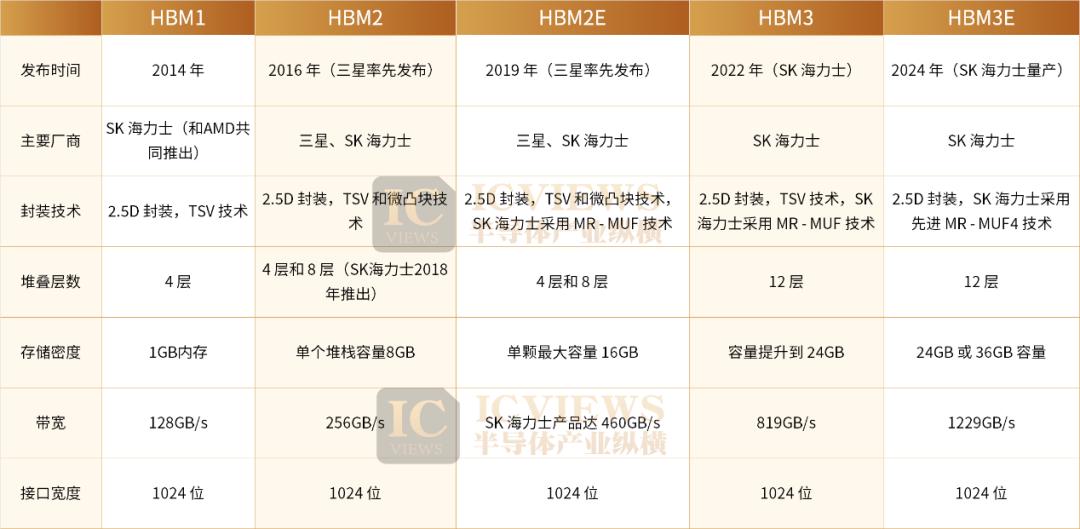
Core Insights - High Bandwidth Memory (HBM) is emerging as a critical component for AI model training and inference due to its unique 3D stacked structure, which significantly enhances data transfer rates compared to traditional memory solutions like GDDR [1][2] HBM Market Dynamics - SK Hynix has established a dominant position in the HBM market, with its market share surpassing that of Samsung, which has seen a decline from 41% to 17% in the same period [3][4] - The launch of HBM3E has been pivotal for SK Hynix, attracting major tech companies like AMD, NVIDIA, Microsoft, and Amazon, leading to a significant increase in demand [3] - SK Hynix's sales in DRAM and NAND reached approximately 21.8 trillion KRW, surpassing Samsung's 21.2 trillion KRW for the first time [3] Competitive Landscape - Samsung is attempting to regain its footing by reviving Z-NAND technology, aiming for performance improvements of up to 15 times over traditional NAND and a reduction in power consumption by up to 80% [6][7] - NEO Semiconductor has introduced X-HBM architecture, which offers 16 times the bandwidth and 10 times the density of existing memory technologies, targeting the AI chip market [10] - Saimemory, a collaboration between SoftBank, Intel, and Tokyo University, is developing a new stacked DRAM architecture aimed at becoming a direct HBM alternative with significant performance improvements [11] Innovations and Alternatives - SanDisk and SK Hynix are collaborating on High Bandwidth Flash (HBF), a new storage architecture designed for AI applications, which combines 3D NAND flash with HBM characteristics [12][13] - The industry is exploring various architectural innovations, such as Processing-In-Memory (PIM), to reduce reliance on HBM and enhance efficiency [15][16] Future Trends - The AI memory market is expected to evolve into a heterogeneous multi-tiered structure, where HBM will focus on training scenarios, while PIM memory will cater to high-efficiency inference applications [18] - The demand for HBM, particularly HBM3 and above, is projected to remain strong, with significant price increases noted in the market [17]
一文看懂“存算一体”
Hu Xiu· 2025-08-15 06:52
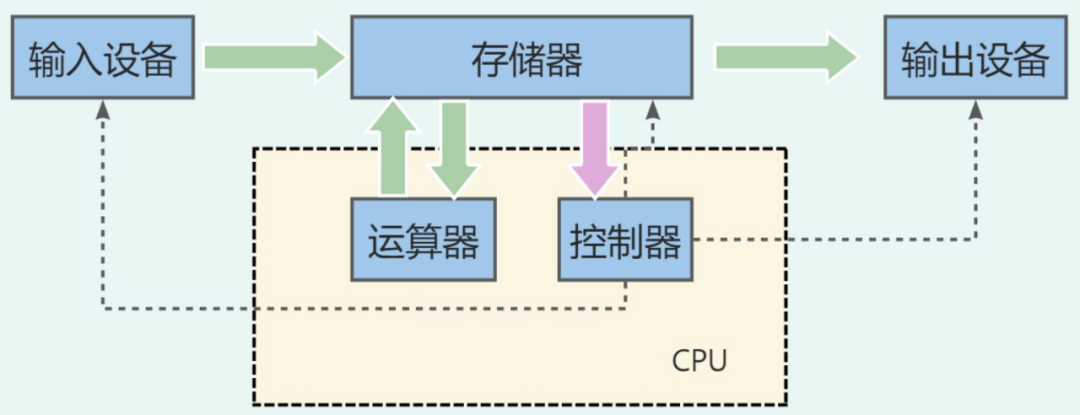
Core Concept - The article discusses the concept of "Compute In Memory" (CIM), which integrates storage and computation to enhance data processing efficiency and reduce energy consumption [1][20]. Group 1: Background and Need for CIM - Traditional computing architecture, known as the von Neumann architecture, separates storage and computation, leading to inefficiencies as data transfer speeds cannot keep up with processing speeds [2][10]. - The explosion of data in the internet era and the rise of AI have highlighted the limitations of this architecture, resulting in the emergence of the "memory wall" and "power wall" challenges [11][12]. - The "memory wall" refers to the inadequate data transfer speeds between storage and processors, while the "power wall" indicates high energy consumption during data transfer [13][16]. Group 2: Development of CIM - Research on CIM dates back to 1969, but significant advancements have only occurred in the 21st century due to improvements in chip and semiconductor technologies [23][26]. - Notable developments include the use of memristors for logic functions and the construction of CIM architectures for deep learning, which can achieve significant reductions in power consumption and increases in speed [27][28]. - The recent surge in AI demands has accelerated the development of CIM technologies, with numerous startups entering the field alongside established chip manufacturers [30][31]. Group 3: Technical Classification of CIM - CIM is categorized into three types based on the proximity of storage and computation: Processing Near Memory (PNM), Processing In Memory (PIM), and Computing In Memory (CIM) [34][35]. - PNM involves integrating storage and computation units to enhance data transfer efficiency, while PIM integrates computation capabilities directly into memory chips [36][40]. - CIM represents the true integration of storage and computation, eliminating the distinction between the two and allowing for efficient data processing directly within storage units [43][46]. Group 4: Applications of CIM - CIM is particularly suited for AI-related computations, including natural language processing and intelligent decision-making, where efficiency and energy consumption are critical [61][62]. - It also has potential applications in AIoT products and high-performance cloud computing scenarios, where traditional architectures struggle to meet diverse computational needs [63][66]. Group 5: Market Potential and Challenges - The global CIM technology market is projected to reach $30.63 billion by 2029, with a compound annual growth rate (CAGR) of 154.7% [79]. - Despite its potential, CIM faces technical challenges related to semiconductor processes and the establishment of a supportive ecosystem for design and testing tools [70][72]. - Market challenges include competition with traditional architectures and the need for cost-effective solutions that meet user demands [74][76].
对话「后摩智能」吴强:从科学家到创业者的惊险一跃
3 6 Ke· 2025-08-06 00:02
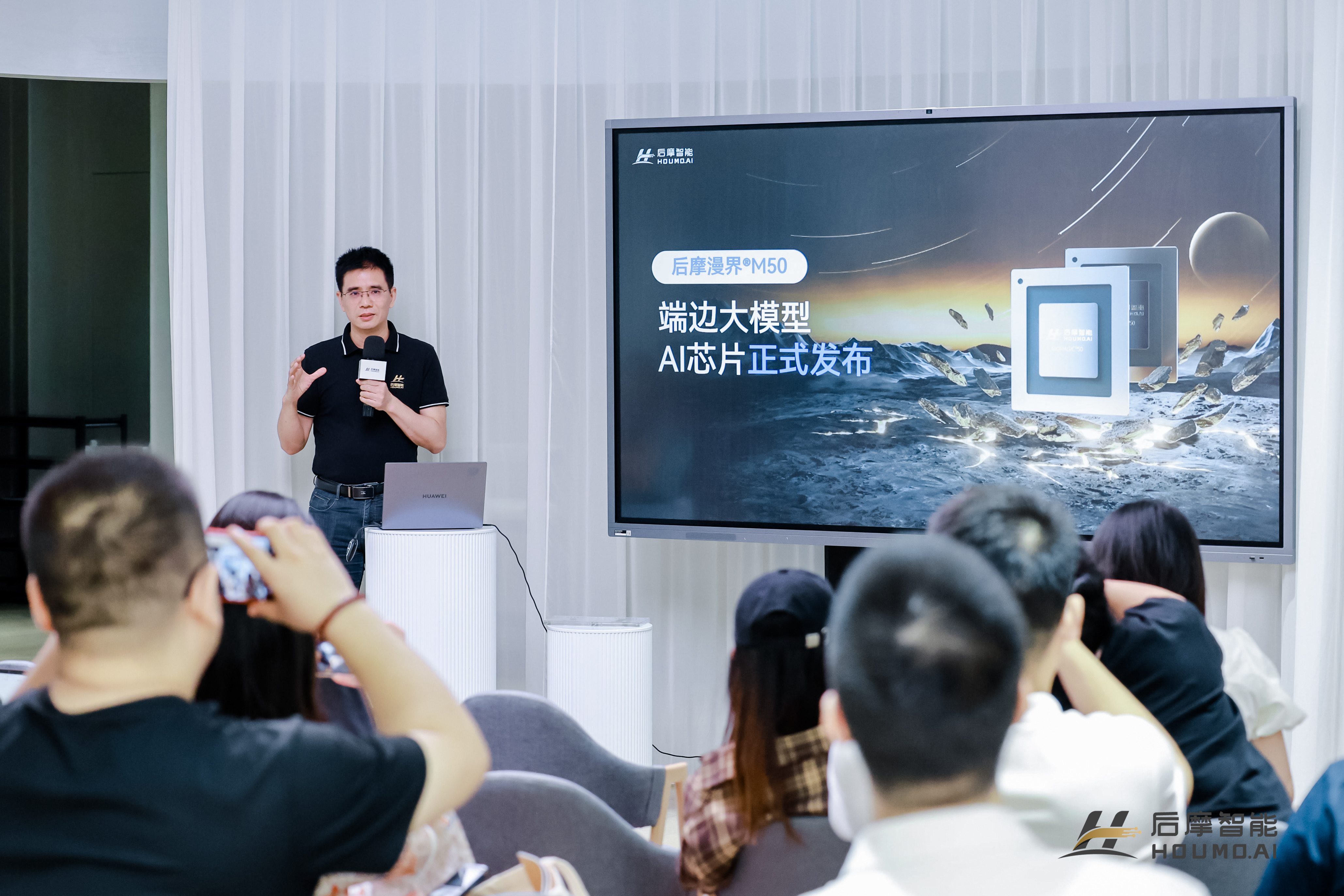
Core Insights - The article highlights the significant advancements in China's computing power sector, particularly focusing on "super nodes" and edge AI chips as key trends in the AI landscape [1][2] - The emergence of edge computing is seen as a potential larger market than cloud computing, with companies like Houmo Intelligence positioned to capitalize on this opportunity [2][3] - Houmo Intelligence's M50 chip, based on in-memory computing technology, represents a breakthrough in efficiency and performance for edge AI applications [3][6] Group 1: Industry Trends - The development of large AI models has created a strong demand for cloud computing, while edge computing is gaining traction due to its ability to reduce computational needs for generative AI applications [1][2] - The CEO of Houmo Intelligence predicts that 90% of data processing for generative AI will occur at the edge, with only 10% requiring cloud resources [1][2] - The market for edge computing is expected to accommodate more players, potentially leading to the emergence of the "next Nvidia" [2] Group 2: Company Overview - Houmo Intelligence, founded by CEO Wu Qiang, focuses on in-memory computing technology to enhance AI chip efficiency, having transitioned from an initial focus on smart driving chips to general-purpose edge AI applications [2][8] - The M50 chip features significant performance metrics, including 160 TOPS@INT8 and 100 TFLOPS@bFP16, with a typical power consumption of only 10W, making it suitable for various smart devices [6][7] - The company has established partnerships with notable clients, including Lenovo and iFlytek, to expand its market presence in edge AI applications [7][10] Group 3: Technological Innovations - The M50 chip utilizes a new architecture called "Tianxuan" IPU, which allows floating-point models to run directly on the in-memory computing architecture, enhancing application efficiency [6][7] - The in-memory computing approach addresses the "memory wall" and "power wall" issues associated with traditional computing architectures, making it a promising solution for future AI applications [2][3] - The company has developed a new compiler toolchain, "Houmo Dadao," to facilitate easy adaptation of its chips to mainstream deep learning frameworks [6][15] Group 4: Market Dynamics - The edge AI chip market is characterized by cost sensitivity, power efficiency, and compact design requirements, which are critical for successful product deployment [11][12] - The transition from cloud to edge computing is driven by the need for high efficiency and low power consumption in AI applications, particularly in consumer electronics and smart devices [10][11] - The competitive landscape is evolving, with various companies exploring in-memory computing, leading to a diverse range of approaches and technologies in the market [12][13]

对话「后摩智能」吴强:从科学家到创业者的惊险一跃
36氪· 2025-08-05 13:49
Core Viewpoint - The article emphasizes the significance of "storage-compute integration" as a key technology for edge AI chips, which is expected to revolutionize the last mile of large model computing, enabling efficient local processing and reducing reliance on cloud computing [2][4][6]. Group 1: Industry Trends - The AI model development has led to a two-tiered growth in computing power, with cloud computing expanding for model training and edge AI chips gaining traction for inference applications [4][5]. - The emergence of "super nodes" and edge AI chips was highlighted at WAIC 2025, showcasing the growing importance of localized computing solutions [3][4]. - The market for edge computing is anticipated to be larger than cloud computing, presenting opportunities for new players to emerge, potentially creating the "next Nvidia" [4][5]. Group 2: Company Insights - The company, Houmo Intelligent, founded by CEO Wu Qiang, focuses on developing AI chips based on storage-compute integration technology, aiming to address the challenges of traditional computing architectures [5][6]. - The newly launched M50 chip utilizes innovative architecture and compiler tools to enhance efficiency and ease of use, supporting mainstream deep learning frameworks [8][10]. - The M50 chip boasts impressive specifications, achieving 160 TOPS@INT8 and 100 TFLOPS@bFP16 with a power consumption of only 10W, making it suitable for various smart devices without cloud dependency [8][10]. Group 3: Market Strategy - The company is targeting multiple application areas, including consumer electronics, smart voice systems, and edge computing for telecom operators, with notable interest from clients like Lenovo and China Mobile [14][15]. - The transition from a focus on smart driving chips to general-purpose edge AI chips reflects a strategic pivot in response to market demands and opportunities in large model applications [11][13]. - The company aims to leverage its expertise in storage-compute integration to meet the growing needs for efficient AI processing in diverse sectors [17][18].

商道创投网·会员动态|燕芯微电子·完成近亿元天使轮融资
Sou Hu Cai Jing· 2025-08-04 13:19
Core Insights - Yanchip Microelectronics (Shanghai) Co., Ltd. has recently completed nearly 100 million yuan in angel round financing, led by Navigating New Frontier and Yanyuan Venture Capital, with participation from several other institutions [2] Company Overview - Yanchip Microelectronics was established in 2024 in Shanghai, originating from the Advanced Storage and Intelligent Computing Laboratory of Peking University’s School of Integrated Circuits. The company focuses on high-density storage and AI chip development based on ReRAM technology, building a comprehensive intellectual property system from devices to arrays to chips [3] Use of Funds - The funds from this round will be primarily allocated to three areas: enhancing ReRAM device and process research and development to improve high-density array yield; expanding the AI chip development team for initial customer validation; and establishing an open ecological laboratory to collaborate with upstream and downstream partners to create new domestic storage standards [4] Investment Rationale - The lead partner from Navigating New Frontier highlighted the original technological barriers of Yanchip Microelectronics in the ReRAM sector, noting that the consistency of its devices and array integration has reached the international first-tier level. The multidisciplinary capabilities of the Peking University team in process, design, and commercialization position the company for rapid iteration and scalability, potentially filling the gap in domestic new storage industrialization [5] Investment Perspective - The founder of Shandao Venture Capital noted that this financing coincides with the implementation of the national "Venture Capital Seventeen Articles" and new policies in Shanghai's Pudong district, creating a synergy among government funds, industrial capital, and university research outcomes. Yanchip Microelectronics serves as a benchmark for the transformation of Peking University’s research achievements, validating the patient capital logic of "hard technology." It also provides a replicable model for fund managers to fulfill their responsibilities throughout the investment lifecycle. However, it is emphasized that the commercialization of ReRAM is still in its early stages, requiring continued investment to share in the trillion-level market dividends of storage and computing integration [6]