
高通胀

Search documents
美联储古尔斯比:美国中西部的企业领袖们对重回高通胀环境表示担忧。
Sou Hu Cai Jing· 2025-09-30 19:51
Core Insights - Business leaders in the Midwest are expressing concerns about the potential return to a high inflation environment [1] Group 1 - The Federal Reserve's Goolsbee highlighted the worries of Midwest business leaders regarding inflation [1]
鲍威尔讲话引发巨震 金价自历史高位回落
Jin Tou Wang· 2025-09-25 06:03
Group 1 - The core viewpoint is that gold prices are experiencing fluctuations due to a combination of overbought conditions and expectations of interest rate cuts by the Federal Reserve [1] - The recent decline in gold prices is attributed to rising U.S. Treasury yields, which have led to an increase in the U.S. dollar index, thereby exerting downward pressure on gold [2][3] - Market participants are closely monitoring upcoming U.S. economic data, including GDP, initial jobless claims, and core Personal Consumption Expenditures (PCE), to gauge the Federal Reserve's monetary policy direction [1] Group 2 - Federal Reserve Chairman Jerome Powell has indicated a cautious outlook on interest rate cuts, emphasizing the need to balance high inflation risks with a weakening labor market [2] - Powell acknowledged the rising risks in the labor market and inflation, stating that monetary policy remains moderately restrictive but capable of addressing potential economic developments [2] - Technical analysis suggests that gold is currently in a high-level consolidation phase, with key support levels at 3715 and 3680, and resistance levels at 3780 and 3800 [4]
在刺激与通胀之间找平衡
Guo Ji Jin Rong Bao· 2025-09-22 03:33
Group 1 - The current economic environment is characterized by conflicting views: one advocating for more stimulus measures and the other indicating a strong but mature economic cycle [1] - Private sector spending is growing at the fastest rate in 20 years, suggesting that additional stimulus may not be necessary [2] - High inflation rates are stabilizing at a 30-year high, impacting the perception of nominal growth [2] Group 2 - The rapid investment in artificial intelligence (AI) could enhance productivity and extend the economic cycle, although there are risks of misallocation of funds [3] - Fiscal and monetary policies are not overly tight, with significant fiscal easing being implemented since 2010 [3] - Tariffs are causing macroeconomic fluctuations, but high nominal growth may continue to benefit risk assets [4] Group 3 - Inflation-driven growth may lead to rising interest rates, particularly if governments continue to accumulate deficits without addressing debt through high inflation [4] - The bond market may eventually require higher risk compensation for fiscal policies, potentially steepening the yield curve [4] - Investors should prepare for a shift from the current economic environment by diversifying portfolios and ensuring flexibility to capture investment opportunities [4]
鲍威尔“大战”特朗普,11:1赢得一场独立性之战
Hu Xiu· 2025-09-20 09:00
Core Viewpoint - The Federal Reserve has initiated a rate cut, reflecting its "survival wisdom" under political pressure from the White House, particularly from Trump, who has remained unusually silent on the matter [1][4][6]. Group 1: Federal Reserve's Decision - The Federal Reserve's decision to cut rates by 25 basis points was passed with a surprising 11-1 vote, showcasing unexpected unity within the institution despite external pressures [2][10]. - Powell characterized the rate cut as a "risk management decision," indicating that the Fed believes its policies have been on the right track this year [6][19]. - The recent adjustment comes amid a backdrop of significant downward revisions in non-farm employment data, with a reduction of 910,000 jobs, highlighting the economic challenges faced [7][19]. Group 2: Political Dynamics - The meeting was described as a "showdown" between the Federal Reserve and the White House, with Powell managing to maintain internal unity despite the political climate [9][10]. - The vote reflected a temporary victory for the Fed's independence, as the majority of members supported the rate cut despite potential pressures from Trump [10][12]. - The only dissenting vote came from a newly appointed member who advocated for a more aggressive 50 basis point cut, indicating ongoing divisions within the Fed [11][13]. Group 3: Economic Implications - The rate cut is seen as a preventive measure to safeguard economic growth before a potential recession, with Powell acknowledging signs of a weakening job market [18][19]. - Historical precedents for preventive rate cuts have led to varied outcomes, including soft landings, recessions, and high inflation, raising questions about the current economic trajectory [21][26]. - Analysts express concerns that the current economic issues stem from rising costs rather than insufficient demand, suggesting that excessive monetary easing could exacerbate inflation [27][28].

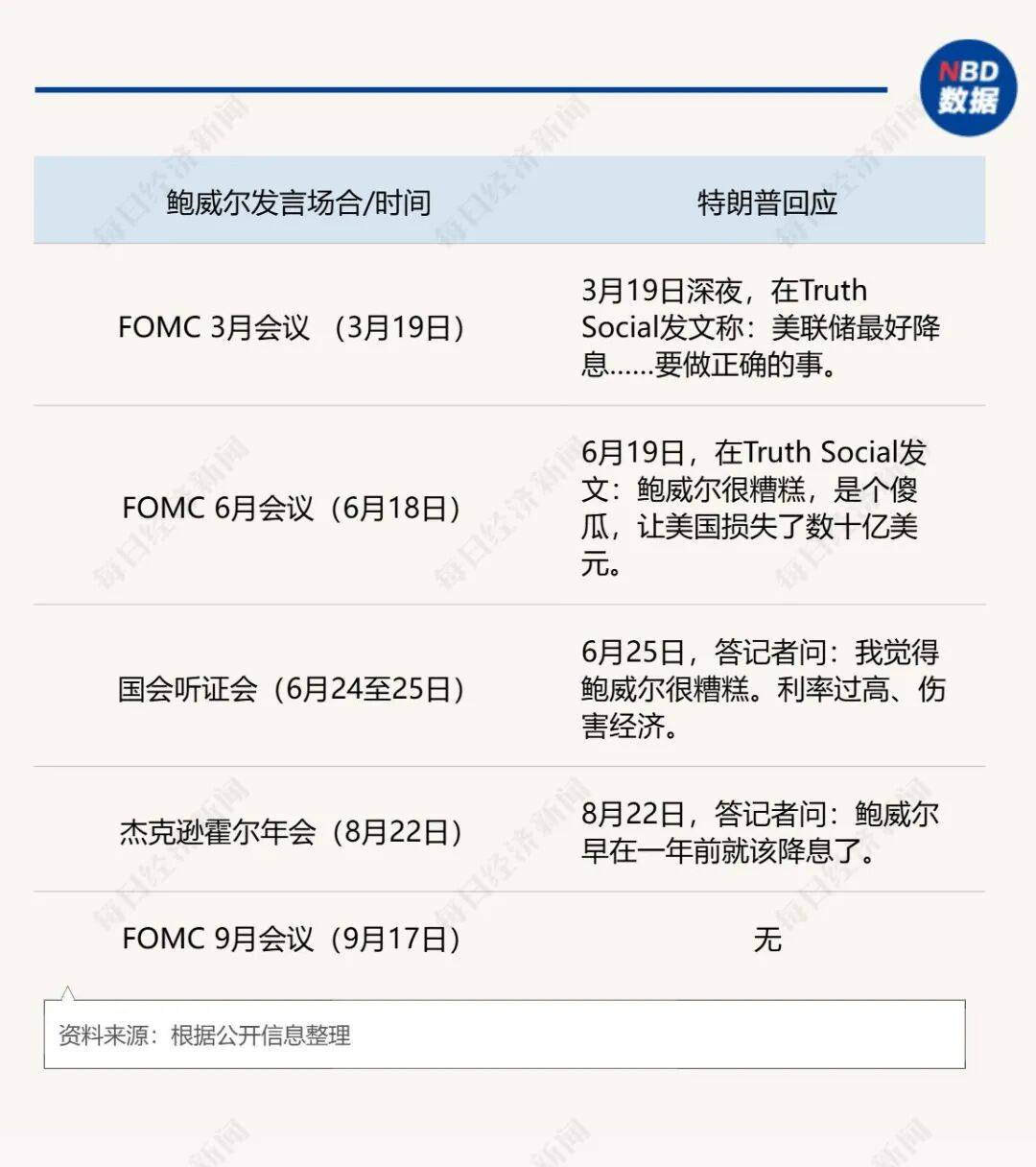
天风固收谭逸鸣:2025年9月美联储议息会议点评—“风险管理降息”背后的谨慎
Sou Hu Cai Jing· 2025-09-18 23:58
Core Viewpoint - The September FOMC meeting highlighted the risks of employment slowdown and raised the expectation for interest rate cuts in 2025, indicating a cautious but dovish stance from the Federal Reserve [1][2][3]. Economic Predictions - The FOMC's statement emphasized the risks of employment decline, removing the phrase "labor market remains robust" and adding concerns about "slowing job growth" and "increased risks to employment" [2]. - Economic forecasts were improved, with GDP projections for 2025, 2026, and 2027 raised, while the unemployment rate for 2026 and 2027 was slightly lowered. The core PCE forecast for 2026 was also increased [2]. Interest Rate Projections - The dot plot indicated an increase in the expected number of rate cuts in 2025 from 2 to 3, with further divergence in future expectations among FOMC members [2]. - The FOMC members anticipate 2 more cuts this year, 1 cut in 2026, and 2 cuts in 2027, reflecting increasing internal disagreement [2]. Powell's Statements - Chairman Powell described the rate cut as a "risk management cut," indicating no need for a significant reduction at this time and emphasizing that future decisions will depend on data [3]. - Powell noted that while the unemployment rate remains low, it has begun to rise, attributing the slowdown in job growth to factors such as reduced immigration and declining labor force participation, as well as potential impacts from AI [3]. Market Reactions - Following the FOMC announcement, U.S. Treasury yields rose, and stock markets showed mixed results, with gold prices declining. The market reacted to Powell's cautious tone regarding future rate cuts and the balance between employment and inflation targets [4]. - CME data indicated increased market confidence in two more rate cuts this year, although expectations for cuts in 2026 were pushed back [4]. Future Rate Cut Scenarios - Three potential scenarios for future rate cuts were outlined: 1. **Soft Landing Scenario**: The U.S. economy achieves a soft landing without major recession or stagflation, with two more cuts this year and three in 2025, influenced by political pressures [5][6]. 2. **Recession Scenario**: A significant economic downturn occurs, leading to a sharp rise in unemployment or a stock market crash, prompting the Fed to implement substantial cuts [5]. 3. **High Inflation Scenario**: A historic high inflation or stagflation situation forces the Fed to prioritize inflation control, maintaining high rates for an extended period [6]. - The soft landing scenario is considered the base case with the highest probability, while the recession and high inflation scenarios are viewed as less likely at this time [6].
2025年9月美联储议息会议点评:“风险管理降息”背后的谨慎
Tianfeng Securities· 2025-09-18 04:16
Group 1 - The Federal Reserve's September FOMC meeting resulted in a 25 basis point cut to the federal funds target rate, marking the first rate cut of the year, with expectations for two more cuts in 2025 [1][8] - The FOMC statement highlighted the risks of slowing employment growth, removing previous language indicating a solid labor market, and introducing concerns about downside risks to employment [1][8] - Economic projections were adjusted, with GDP forecasts for 2025, 2026, and 2027 being raised, while unemployment rates for 2026 and 2027 were slightly lowered [9][10] Group 2 - Chairman Powell described the rate cut as a "risk management cut," indicating that there was no need for a significant reduction in rates and that future rate paths remain uncertain [2][13] - Powell noted that while the unemployment rate is still low, it has begun to rise, and employment growth is slowing due to factors such as reduced immigration and declining labor force participation [2][13] - Inflation expectations were adjusted, with Powell suggesting that the impact of tariffs on inflation is likely to be temporary, although there are still concerns about persistent inflation risks [2][13] Group 3 - Market reactions included a rise in U.S. Treasury yields and mixed performance in the stock market, reflecting the cautious tone of Powell regarding future rate cuts [3][14] - Following the FOMC announcement, market confidence in two additional rate cuts this year increased, with the probability of the federal funds rate reaching a range of 3.5%-3.75% by year-end rising to 79.9% [15][16] Group 4 - Three potential scenarios for future rate cuts were outlined: 1. Soft landing scenario, predicting two more cuts this year and three in 2026, with a stable economic outlook [4][19] 2. Recession scenario, where significant economic deterioration could lead to a larger cut of 50 basis points [4][19] 3. High inflation scenario, where persistent high inflation would necessitate maintaining higher rates for a longer period [4][19] - The soft landing scenario is considered the most likely, while the probabilities for recession and high inflation scenarios are viewed as lower [20]
黄金,3665多!
Sou Hu Cai Jing· 2025-09-16 03:28
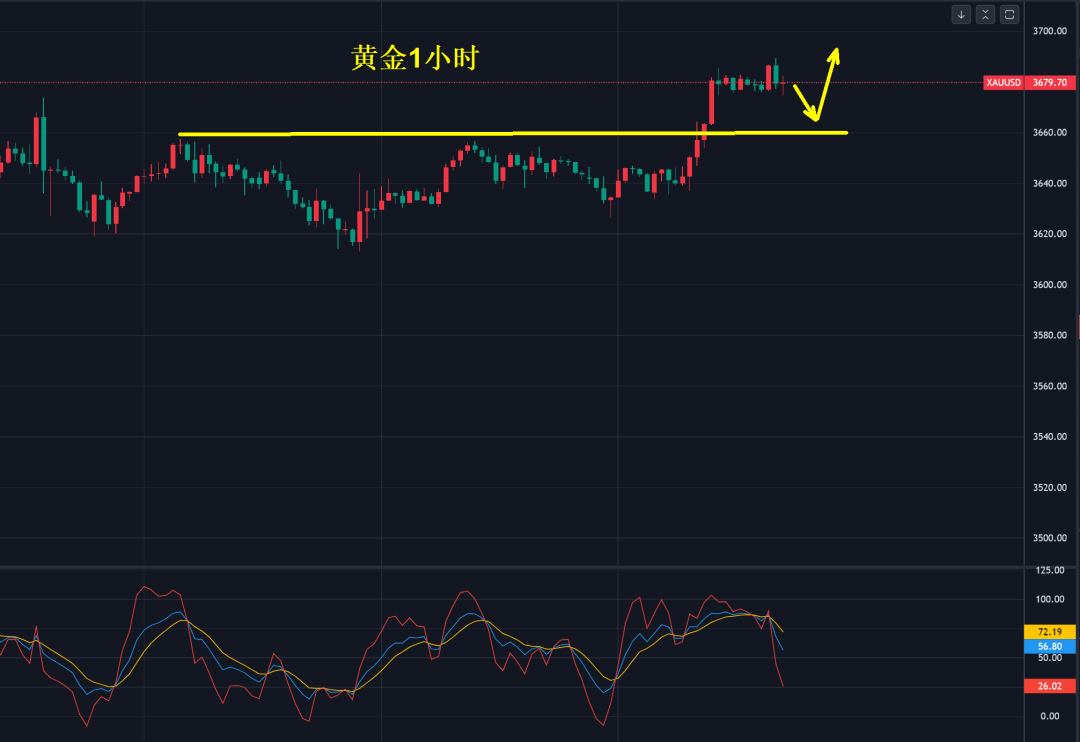
Group 1 - The price of gold has increased by over 40% this year, marking a rare historical event, with some benefiting from the bull market while others have faced losses [2] - The Federal Reserve's interest rate decision is expected to lead to increased liquidity in the market as the economic situation worsens, particularly in the U.S. job market [2] - High inflation is pushing investors to seek safe havens for cash, with gold being identified as the optimal solution [2] Group 2 - Gold prices have shown strong support around $3610, indicating potential for further upward movement despite short-term adjustment risks [4] - The current strategy suggests buying gold when prices approach the $3665-$3662 range, with upward targets set at $3685-$3690 [5] - The market is expected to experience intensified volatility as the Federal Reserve's interest rate decisions unfold, creating opportunities for traders [2][4]
中国反制有多狠?欧美承担不起联合对中国大帨加征关税的代价!
Sou Hu Cai Jing· 2025-09-15 09:13
Group 1 - The core argument is that the likelihood of the US and EU jointly imposing high tariffs on China is low due to the significant economic repercussions they would face domestically [1][10][11] - China's manufacturing sector holds a dominant position globally, accounting for approximately 33% of global manufacturing output, which is about $5.7 trillion, surpassing both the US and EU individually [3][4] - Historical context shows that previous tariff increases led to significant market reactions, with the US stock market declining and China’s stock market rebounding, indicating the interconnectedness of their economies [4][6] Group 2 - The internal conflicts between the US and EU complicate their ability to unite against China, as evidenced by the EU's dissatisfaction with trade agreements that favor the US [6][8] - Both the US and EU rely heavily on Chinese goods, with overlapping demand for key products, making it difficult to find alternative suppliers [8][9] - The ongoing high inflation in the US and EU poses a significant risk; imposing tariffs could exacerbate inflation, leading to public discontent and political repercussions [10][11] Group 3 - China's strong relationships with ASEAN and other regions provide it with a robust economic backing, contrasting with the US and EU's interdependent and often conflicting relationship [7][8] - The time required to rebuild manufacturing capabilities in the US and EU means they are not prepared to sever ties with China, as establishing new production facilities takes years [9][10]

dbg markets盾博:四年来最繁忙的IPO周,科技股飙升
Sou Hu Cai Jing· 2025-09-12 02:03
Group 1 - Klarna's successful IPO in New York is seen as a breakthrough for the fintech sector, reopening public market financing channels [2] - The U.S. stock market has experienced a rebound, particularly in the tech sector, leading to a surge in new tech IPOs [2] - Major financial institutions, including Goldman Sachs, are ramping up hiring in IPO underwriting and capital markets advisory roles, with some banks hiring dozens of executives [2] Group 2 - The U.S. inflation rate remains significantly above the Federal Reserve's 2% target, impacting production and financing costs for businesses [3] - High inflation may lead the Federal Reserve to maintain high interest rates, which could suppress capital market liquidity and affect IPO pricing and merger financing [3] - Recent employment data indicates a slight increase in unemployment and fewer new jobs than expected, with some industries initiating layoffs [3]


视频 “美股九月魔咒”又要来了?
Zhong Guo Jing Ying Bao· 2025-09-04 10:05
Core Viewpoint - September is historically known as a challenging month for the U.S. stock market, often referred to as the "September Curse" [2] Group 1 - Historical data indicates that September is typically the worst-performing month for U.S. stocks, with significant events like the internet bubble and Lehman crisis occurring during this month [2] - This year, the combination of interest rate cut expectations and high inflation raises questions about whether the "curse" will manifest again [2]