能源安全

Search documents
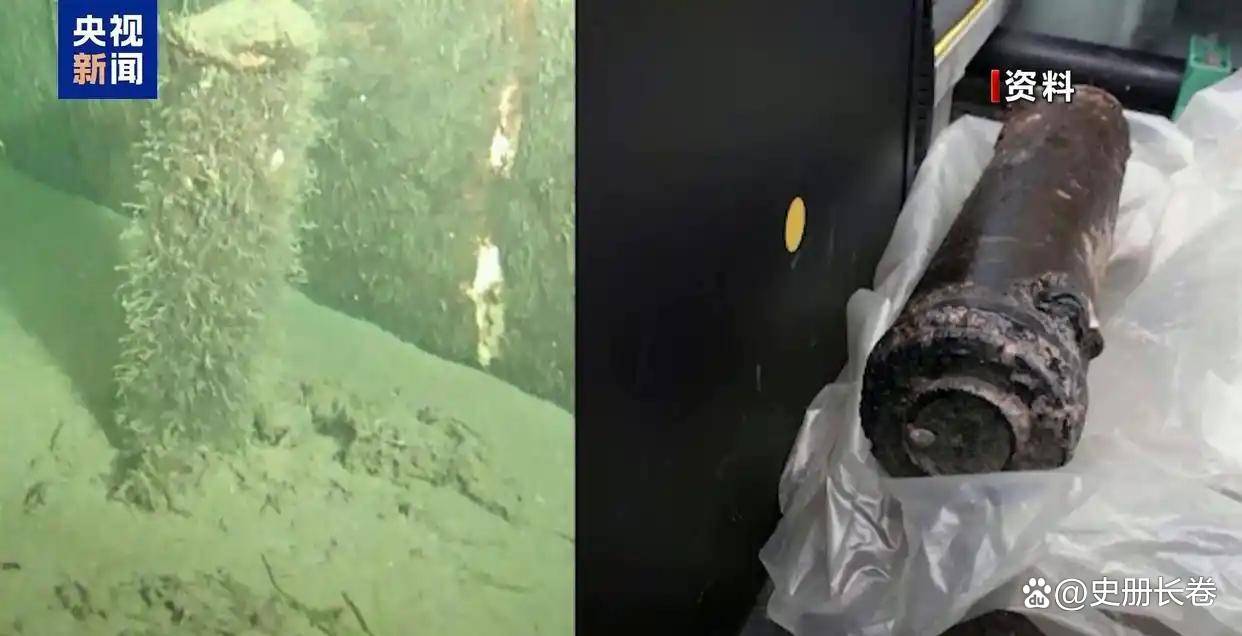
北溪爆炸惊天真相!乌克兰一手上演,欧洲陷入难堪
Sou Hu Cai Jing· 2025-09-01 00:54
Core Insights - The investigation into the Nord Stream pipeline explosion has revealed shocking implications for European energy security and geopolitical trust, particularly pointing towards Ukraine as a potential suspect [1][6][19] - The incident has led to a significant shift in Europe's energy strategy, forcing countries to reduce reliance on Russian energy and increase support for Ukraine, despite the potential betrayal by an ally [1][6][19] Group 1: Investigation Details - German media has extensively reported on the Nord Stream explosion, identifying the individuals involved and suggesting Ukrainian government complicity [1][3] - The operation was meticulously planned by a team that included a captain, a coordinator, an explosives expert, and divers, who used false identities to execute the mission [3][5] - The operation's cost was estimated at $300,000, but it resulted in a 40% spike in European energy market prices [5] Group 2: Economic Impact on Europe - Germany has provided over €30 billion in aid to Ukraine, only to find its energy infrastructure compromised by actions potentially supported by that same ally [6][19] - The surge in industrial electricity prices has led companies like BASF to consider relocating production to China, potentially resulting in long-term economic losses of up to €1.2 trillion for Germany [6][19] - The U.S. has doubled its liquefied natural gas exports to Europe, but high prices have drawn criticism, contrasting with Germany's previous strategy to reduce dependence on American energy [6][19] Group 3: Challenges in Investigation - Germany faces significant obstacles in its investigation, with countries like Poland and Sweden showing reluctance to cooperate effectively [8][11] - Even if suspects are apprehended, uncovering the masterminds behind the operation remains uncertain [11] Group 4: Geopolitical Implications - The U.S. had prior knowledge of Ukraine's plans to sabotage the pipeline, indicating a complex interplay of geopolitical interests [13][15] - Ukraine benefits directly from the disruption of European-Russian energy ties, while the U.S. gains economically and strategically by increasing its influence over Europe [15][19] Group 5: Future Considerations for Europe - The investigation's findings may lead to a reevaluation of alliances and a need for Europe to reassess its foreign policy and energy strategies [21][23] - Germany's call for transparency in the investigation reflects a desire to prevent the truth from being obscured and to address the underlying trust issues within international relations [23]

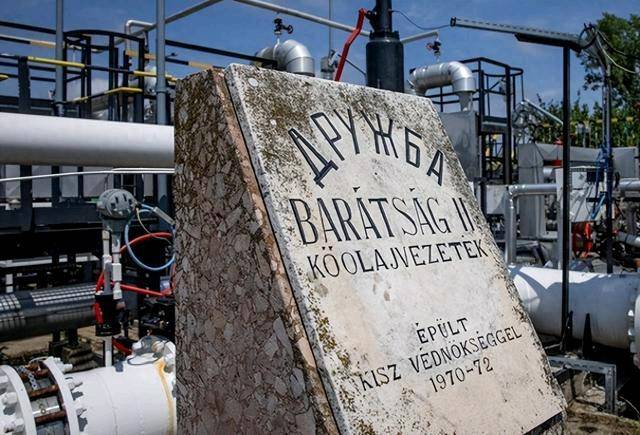
“友谊”管道遇袭引爆乌克兰入欧危机
Sou Hu Cai Jing· 2025-08-30 14:40
Group 1 - The attack on the "Friendship" oil pipeline by Ukraine has escalated tensions in the already fragile European geopolitical landscape, particularly affecting Hungary's energy security [1][3] - The "Friendship" pipeline is crucial for Hungary, supplying 65% of its crude oil needs, and its disruption poses significant risks to the country's stability and public welfare [3] - Hungary's government has linked the pipeline incident to Ukraine's EU membership aspirations, stating that it will reject any framework proposal related to Ukraine's EU accession as long as the issue is on the agenda [3][5] Group 2 - Hungary holds a strategic position in supplying electricity to Ukraine, accounting for 7% of Ukraine's daily electricity consumption, which could be leveraged as a countermeasure against Ukraine's actions [5][7] - The geopolitical conflict has attracted attention from the United States, with former President Trump expressing strong disapproval of Ukraine's actions and Hungary seeking practical assistance from the U.S. amid the energy crisis [5][7] - The situation indicates a potential for further escalation, as Hungary is prepared to use its energy supply as leverage, while Ukraine's aggressive tactics may backfire, leading to detrimental consequences for its EU ambitions [7]
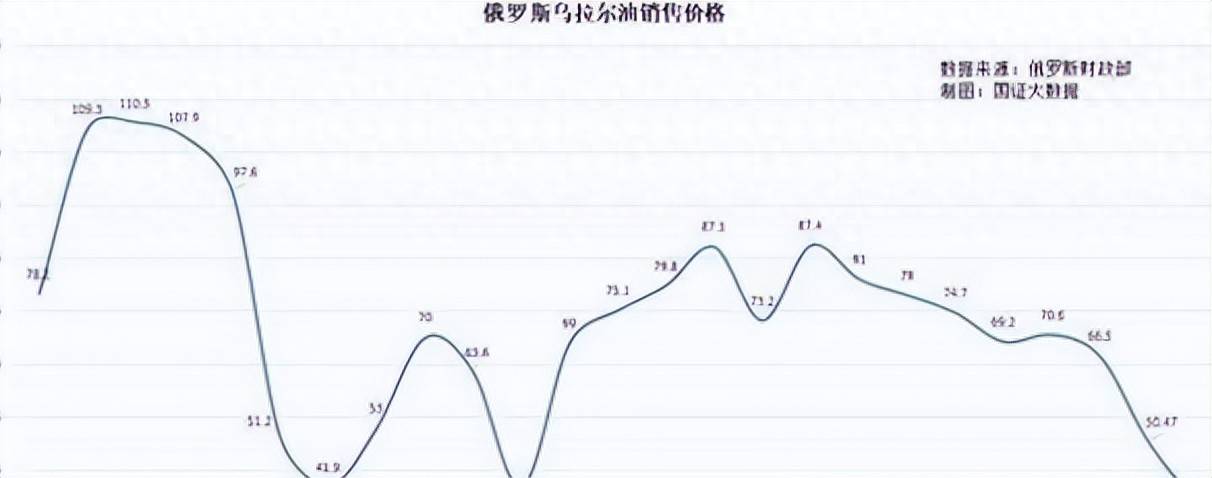
中国买俄罗斯石油是80美元一桶,印度却是35美元,当了冤大头吗?
Sou Hu Cai Jing· 2025-08-30 10:12
Group 1 - The ongoing conflict between Russia and Ukraine since 2022 has led to a significant shift in the global energy landscape, with Western countries implementing a price cap on Russian oil exports to weaken Russia's economic support [3] - China, as a major energy consumer, emphasizes independent diplomacy and stable energy supply, while India has increased its imports of Russian oil but faces pressure from U.S. tariffs, resulting in a decline in procurement [3][14] - By August 2025, China accounted for 47% of Russian oil exports, while India's share dropped to around 37%, reflecting the balance between energy security and international relations [3] Group 2 - China's oil procurement strategy is characterized by long-term contracts that mitigate market volatility, with companies like PetroChina securing multi-year agreements to lock in prices [7] - In contrast, India's reliance on the spot market and short-term discounts has led to a reduction in profit margins, with state-owned refineries decreasing imports to 1.4-1.6 million barrels per day in early 2025 [7][11] - The quality of oil purchased by China, specifically ESPO crude, allows for higher refining efficiency and better economic returns compared to India's preference for Ural heavy crude [5][13] Group 3 - China has shifted its procurement strategy from short-term fluctuations to long-term fixed contracts, enhancing supply chain resilience and reducing dependence on Middle Eastern oil by 30% [7][11] - The transition to a more mature procurement strategy has allowed China to secure energy supplies effectively, with imports valued at $62.6 billion from January to July 2025, contributing to a 1.5% economic growth [9][11] - The price differences in oil purchases are attributed to quality and strategic considerations rather than a disadvantage for China, which has seen significant value addition from its ESPO crude [13][16] Group 4 - In response to the G7's price cap adjustments, China has increased its imports of Urals crude to compensate for India's reduced volume, demonstrating adaptability in its energy strategy [14] - The long-term contracts and strategic partnerships have positioned China to maintain energy security while stabilizing international markets, avoiding inflationary pressures from energy shortages [16] - India's model, while flexible, is more susceptible to external pressures, highlighting China's strategic foresight in ensuring energy autonomy and sustainable development [16]
2025年从无序到有序:重塑全球能源转型的未来图景报告
Sou Hu Cai Jing· 2025-08-30 01:35
Group 1 - Global energy demand continues to rise, with a projected increase of approximately 2% in 2024, primarily driven by population and economic growth in India, China, and Southeast Asia, while demand in Europe and North America remains stable [10][12] - Renewable energy deployment reached record levels in 2024, meeting about 8% of global energy demand, but fossil fuel consumption also increased, indicating a supply-demand imbalance that threatens climate commitments [10][12] - The growth of renewable energy is uneven, with China contributing 57% of the global renewable energy increase, while Europe saw only a 6% growth rate in 2024 [25][24] Group 2 - Electrification is a significant trend, with electricity demand growing at twice the rate of overall energy demand, primarily driven by rapid electrification in China [33][35] - Natural gas consumption reached a record high in 2024, with demand increasing in Europe, China, the US, and the Middle East, indicating its evolving role as a complementary energy source alongside renewables [42][43] - Oil demand growth rate has slowed to 0.6%, with the US and Europe potentially reaching peak demand, while China's oil demand has decreased, suggesting a stabilization in global oil demand [51][53] Group 3 - Coal's share in global energy is declining, but demand remains resilient, particularly in China and India, where consumption is increasing, while Europe continues to see a decline [57][60] - Geopolitical factors are reshaping energy trade flows, with Russia redirecting oil exports eastward and Europe increasing imports from the US and the Middle East to reduce dependence on Russian energy [3][8] - Commodity prices have shown reduced volatility compared to previous years, but uncertainties remain regarding future oil and gas prices influenced by supply-demand dynamics [8][50]

广汇能源: 广汇能源股份有限公司2025年半年度报告
Zheng Quan Zhi Xing· 2025-08-29 17:46
Core Viewpoint - Guanghui Energy's 2025 semi-annual report highlights a significant decline in revenue and profit, indicating challenges in the energy sector amidst changing market dynamics and regulatory environments [3][4][11]. Financial Performance - The company's operating income for the first half of 2025 was approximately CNY 15.75 billion, a decrease of 8.70% compared to the same period last year [4]. - Total profit for the period was about CNY 1.02 billion, reflecting a 41.66% decline year-on-year [4]. - Net profit attributable to shareholders was approximately CNY 853 million, down 40.67% from the previous year [4]. - The company's total assets decreased by 4.30% to approximately CNY 54.50 billion [4]. Business Overview - Guanghui Energy operates in coal, oil, and gas sectors, leveraging its resource advantages to develop energy bases in Hami, Jiangsu, and Central Asia [5][6]. - The company has established a comprehensive energy industry system focusing on coal, LNG, methanol, coal tar, and ethylene glycol [5][6]. - The company is actively pursuing the integration of traditional coal chemical industries with modern clean energy initiatives, including hydrogen energy and carbon capture [5][6]. Industry Context - The energy sector is facing challenges due to global economic fluctuations, geopolitical tensions, and the need for a transition to low-carbon energy sources [11][12]. - China's energy production has shown growth, with coal output increasing by 5.4% in the first half of 2025, while natural gas production reached a historical high [11][12]. - The modern coal chemical industry is positioned as a strategic pillar for energy security and economic stability, with ongoing government support for its development [14][15].

内蒙古多措并举兜牢能源安全底线
Zhong Guo Fa Zhan Wang· 2025-08-29 07:03
Group 1: Coal Supply - Inner Mongolia focuses on high-standard construction of coal supply bases, optimizing development layout and implementing "one mine, one policy" for coal mine resumption and stable production [1] - Six coal mines have resumed production, involving a total capacity of 126 million tons per year, supporting the region's coal production capacity to remain above 1.2 billion tons [1] - In the first half of the year, coal production reached 640 million tons, an increase of 0.7%, with approximately 60% directed to major consumption areas in Northeast, North, and East China [1] Group 2: Electricity Supply and Green Transition - The region accelerates the construction of existing power projects, strictly controls unplanned outages, and ensures full power generation [2] - In the first half of the year, new power generation capacity added was 11.91 million kilowatts, with total installed capacity reaching 270 million kilowatts and electricity generation of 4,167 billion kilowatt-hours, a growth of 4.7% [2] - The "Mont Electricity Export" reached 1,656 billion kilowatt-hours, an increase of 7.7%, accounting for over one-sixth of the national cross-province electricity export, with green electricity proportion rising to 29.6%, up 9 percentage points year-on-year [2] Group 3: Oil and Gas Production - The region promotes both conventional and unconventional resource development, increasing exploration efforts [2] - In the first half of the year, crude oil production was 1.657 million tons, an increase of 2.9%, while natural gas production remained stable at 16.88 billion cubic meters [2] - Coalbed methane production increased by 30.4% to 263.5 million cubic meters, with over 60% of natural gas supplied externally, effectively supporting local and Beijing-Tianjin-Hebei region's gas needs [2] Group 4: Grid Strengthening - Inner Mongolia is advancing the construction of a new power system, implementing strong grid projects to enhance the capacity for receiving and transmitting green electricity [3] - The approval of the ultra-high voltage electricity export channel from Inner Mongolia to Beijing-Tianjin-Hebei has been granted, with multiple 500 kV projects and smart substations put into operation [3] - The energy supply responsibility is emphasized, contributing to national energy security and stability [3]
135万吨→1吨!中美能源战真相:特朗普关税砸自家饭碗
Sou Hu Cai Jing· 2025-08-27 21:57
Core Insights - The U.S. energy companies have experienced a dramatic decline in their market presence in China, with coal imports dropping from 1.35 million tons per month to less than 1 ton within a year [3][5] - Tariffs have significantly eroded the price competitiveness of U.S. energy products, with shale oil production costs being approximately 30% higher than Russian oil [3][5] - The U.S. energy policy's inconsistency has led to a loss of trust among Chinese companies, prompting them to seek more stable supply sources [5][7] Group 1: Market Dynamics - In July, Russian oil accounted for 47% of China's total imports, marking a 16.8% year-on-year increase [7] - The "Power of Siberia" gas pipeline's annual gas supply to China surged by 20%, fulfilling 41% of China's natural gas demand [7] - China has signed long-term agreements with Middle Eastern oil-producing countries, including a $250 billion deal with Saudi Arabia for a decade of oil supply [7] Group 2: U.S. Energy Sector Crisis - A report from the Dallas Federal Reserve indicates that nearly 100 shale oil companies may face bankruptcy risks by mid-2025, with significant layoffs occurring in Texas oil fields [8] - Ethane exporters, heavily reliant on the Chinese market, are experiencing inventory buildup due to halted exports [8] - The U.S. is attempting to push its allies to purchase $750 billion worth of energy over three years, but European nations are resistant due to high U.S. energy prices [8][9] Group 3: Geopolitical Implications - Despite three rounds of trade negotiations, the energy deadlock between the U.S. and China remains unresolved, with tariffs still a major sticking point [9] - The U.S. Treasury Secretary's threats to impose secondary tariffs on Chinese purchases of Russian oil have backfired, accelerating the de-dollarization process in energy transactions [9][11] - China's control over 90% of global rare earth refining capacity poses a significant leverage point against U.S. military and tech industries, which are heavily dependent on these supplies [11][13]

中国单月用电量破万亿,3600万辆电动车成电力新引擎
Sou Hu Cai Jing· 2025-08-27 12:45
在国家发展改革委与国家能源局联合举办的新闻发布会上,国家能源局局长王宏志近日宣布了一项里程碑式的能源消费数据:我国7月份单月用电量首次 跃升至1万亿千瓦时,同比增长8.6%。这一数字不仅标志着人类历史上首次有国家月度用电量突破"万亿度"大关,也彰显了中国经济活力的强劲与能源需 求的庞大。 然而,新能源汽车的快速发展也带来了一些挑战。大量电动车充电导致的负荷集中、配电设施瓶颈以及价格机制的滞后等问题,都需要通过制度设计与技 术创新来解决。特别是夜间充电负荷的集中,使得局部电网压力骤增,需要采取有效措施进行缓解。 公安部数据显示,截至2025年6月底,全国新能源汽车保有量已达3689万辆,占汽车总量的10.27%。新能源汽车的快速增长,不仅推动了电力需求的上 升,也促使电网面临新的负荷结构。中国电力企业联合会副秘书长刘永东表示,经过十多年的发展,我国已构建起全球最大规模的充换电网络体系,为新 能源汽车的发展提供了有力支撑。 新能源汽车对电力的消耗主要体现在制造和使用两个环节。以动力电池为例,生产一辆配备80kWh电池的新能源汽车,仅在电池制造环节就需要消耗约 9600千瓦时的电力。随着动力电池出货量的不断增加,电 ...
线下研讨会 报名倒计时 - 新加坡|中国能源期货研讨会
Refinitiv路孚特· 2025-08-27 06:02
Core Viewpoint - The APPEC (Asia Pacific Petroleum Conference) aims to enhance information sharing and cooperation in the Asia-Pacific energy market, focusing on "energy security" and "sustainable development" for the 2025 conference, which will strengthen the region's role in global energy transition [1]. Event Information - The LSEG (London Stock Exchange Group) will host the "China Energy Futures Seminar" during the APPEC 2025, focusing on energy derivatives markets and international cooperation [1]. - The seminar will analyze the impact of recent global events on the market, discussing how geopolitical instability and macroeconomic uncertainty shape trends in the oil and petrochemical markets [1]. Conference Schedule - Date: September 10, 2025 [3] - Time: 14:00 - 17:00 [3] - Location: LSEG Singapore Office, One Raffles Quay, North Tower, 28th floor, Singapore [3] - Language: English [3] Agenda Overview First Session: Energy Market Outlook - Welcome Address by Victor Rubtsov, LSEG [4]. - Presentation on "Oil Market: Challenges and Opportunities" by Emril Jamil, LSEG [4]. - Discussion on the impact of U.S. tariffs on the Asian petrochemical industry and how China can benefit, led by Sok Peng Chua, LSEG [5]. Second Session: China Futures Market - Presentation on the opening process of the Chinese futures market by Dong Siqi, Shanghai Futures Exchange [6]. - Discussion on participation in Dalian Commodity Exchange through Qualified Foreign Investor (QFI) pathways by Wu Xiaocheng, Dalian Commodity Exchange [6]. - Overview of the Zhengzhou Commodity Exchange market and new open products by Ding Hanlin, Zhengzhou Commodity Exchange [6]. - Expert discussion involving representatives from major Chinese futures exchanges [6].

没有乌克兰可以,没有俄罗斯不行,欧洲终将接受这个现实
Sou Hu Cai Jing· 2025-08-27 05:29
Core Viewpoint - The ongoing conflict between Russia and Ukraine has significantly disrupted Europe's energy supply, leading to increased energy costs and a decline in industrial competitiveness across the continent [3][5][9]. Group 1: Impact on European Industry - Russia has historically been viewed as the "engine" of European industry, providing low-cost oil and gas that supported manufacturing and investment [1]. - The war has forced European countries to decouple from Russian energy, resulting in a shift to more expensive energy sources, which has raised operational costs for businesses [3][5]. - Many companies are facing reduced production capacity and even shutdowns due to the rising energy costs and loss of competitive edge [3][5]. Group 2: Specific Country Impacts - Germany, as Europe's largest economy, has been particularly affected, with its reliance on Russian energy being severely disrupted, leading to a decline in economic performance and public discontent [5]. - Finland is also struggling due to its high dependence on Russian energy, facing trade declines and rising unemployment as a result of the anti-Russian policies [7]. - The overall situation presents a common challenge for Europe, risking economic and social stability if the current energy crisis persists [9][10]. Group 3: Long-term Considerations - The lack of alternative energy sources to replace Russian supplies poses a significant challenge for Europe, making it difficult to maintain energy security and economic activity [9][10]. - The historical reluctance to accept Ukraine into the EU stems from the fear of permanently losing access to Russian energy, highlighting the complex interplay of political and economic interests [12]. - Despite aspirations for EU membership, Ukraine's goals appear increasingly unrealistic in the current geopolitical climate [14].