
长期主义

Search documents
【大会特刊】生态为核 共创为翼——B站深耕影视生态的“破圈”之路
Sou Hu Cai Jing· 2025-11-21 16:05
Core Viewpoint - Bilibili (B站) is actively enhancing its film and television ecosystem by integrating user-generated content (UGC) with high-quality productions, establishing itself as a significant player in the industry, particularly among younger audiences [1][14]. Group 1: Bilibili's Content Strategy - Bilibili's short drama "Life's Cold Scene is Okay" has been selected for the "Excellent Micro-Short Drama Creation Support Plan" by the Ministry of Culture [1]. - The platform emphasizes a unique community atmosphere that combines UP creator contributions, user interaction, and star collaborations, differentiating itself from traditional one-way content distribution models [2]. - Bilibili has launched several high-quality short dramas focusing on female narratives, achieving a total of 660 million views across four series [3]. Group 2: User Engagement and Community Interaction - The platform's unique ecosystem allows for a high level of user interaction, with over 100 million interactions daily, enhancing the viewing experience through features like bullet comments [2]. - Bilibili's approach to content creation encourages users to produce derivative works, leading to a significant increase in engagement and viewership, with quality UGC contributing over 30% additional viewership for original content [6][7]. - The platform has become a vital space for film promotion, with notable directors engaging with users and creating content that resonates with the audience, exemplified by the extensive viewership of related videos [8]. Group 3: Long-term Development and Future Prospects - Bilibili's commitment to long-term content quality and creator support is evident in its various initiatives, including the "Xiguang Plan" for micro-short dramas and various creator incentive programs [13]. - The platform's focus on deep content consumption aligns with its strategy to foster a sustainable ecosystem that nurtures creators and engages audiences over time [11]. - Bilibili aims to continue innovating in the film and television sector, contributing to the high-quality development of China's online audiovisual industry while connecting with younger audiences [14].



“2025第一财经金融价值年会”聚焦全球动荡中的中国经济新确定性
Di Yi Cai Jing· 2025-11-21 15:12
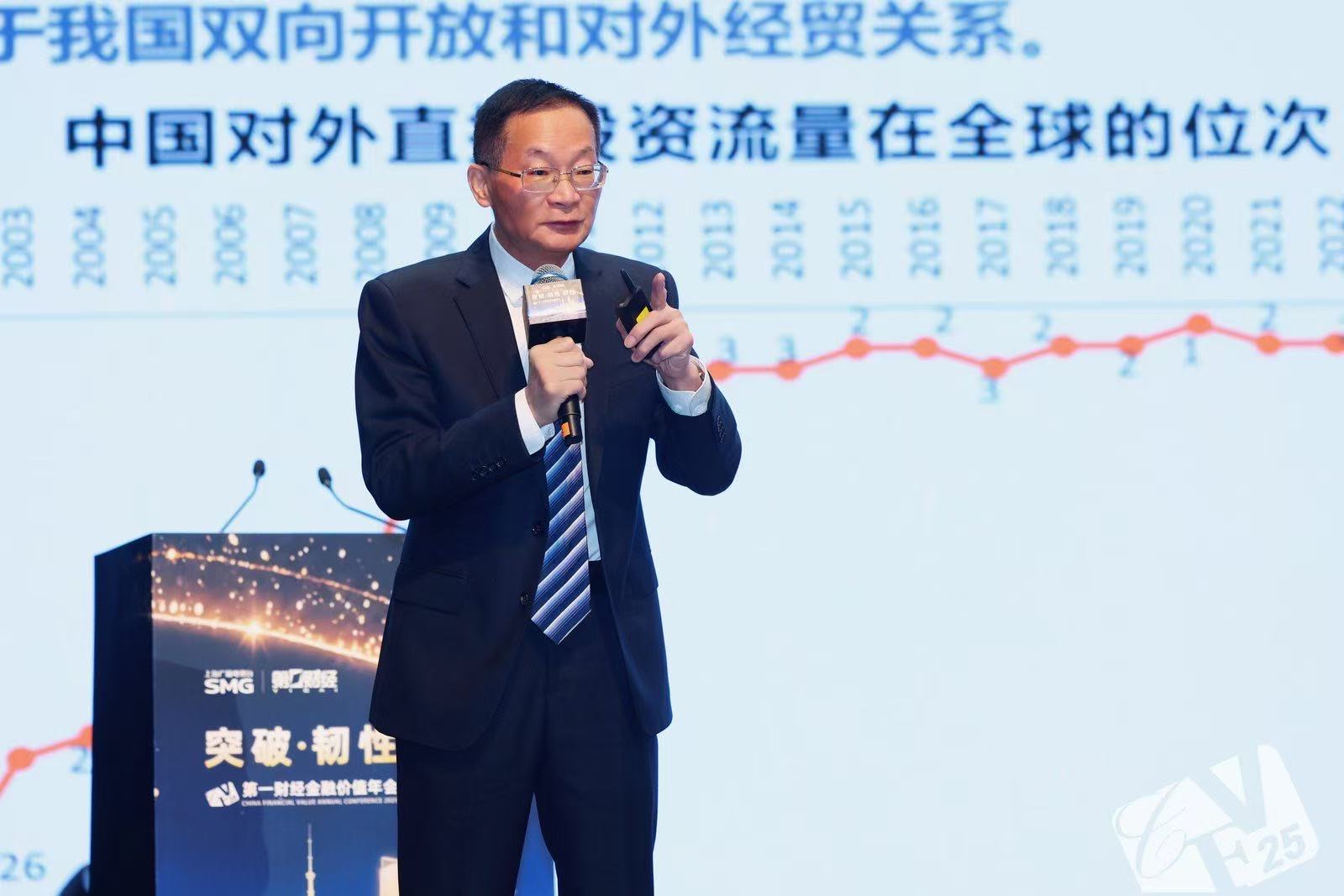
Group 1 - The global economy is seeking a new balance amid downward pressures and structural challenges, with geopolitical conflicts and supply chain restructuring posing significant tests [1] - The "2025 First Financial Annual Financial Value Conference" held in Shanghai focused on key topics such as the internationalization of the RMB, new trends in the Chinese economy, and paths to enhance household consumption [1] - The conference highlighted influential figures in the financial industry who have significantly impacted industry transformation and market research [1] Group 2 - Three key trends are shaping the current global landscape: deep adjustments in globalization, the rise of protectionism, and the integration of technology with the economy [2] - China is entering a "dual investment" phase, balancing both inbound and outbound investments [2] Group 3 - Since the Belt and Road Initiative, China's outbound direct investment (ODI) has rapidly increased, surpassing foreign direct investment (FDI) in 2015 and maintaining a leading position in most years [3] - The structure of China's trade partners has diversified, with exports to the US, EU, and ASEAN decreasing from 50.8% in 2019 to 45.5% in 2024, while exports to Belt and Road countries have risen to approximately 47% [3] Group 4 - The internationalization of the RMB is expected to accelerate during the 14th Five-Year Plan, with significant breakthroughs in trade settlement, payment systems, and reserve allocation over the past 16 years [3][5] - The necessity for RMB internationalization has increased due to changes in the global trade landscape and rising dollar credit risks [5] Group 5 - The new core variable of China's economy is the new quality productivity, driven by technological innovation and deep integration with the industrial chain [5] - The contribution of real estate to the economy has decreased to about 10%, while the stock market is benefiting from emerging industries and economic recovery [12] Group 6 - The long-term trend of the Chinese stock market remains upward, with investment opportunities in sectors such as innovative pharmaceuticals, new energy vehicles, semiconductors, and artificial intelligence [12] - The conference included discussions on wealth growth in a low-interest-rate environment, emphasizing a shift from single yield pursuit to long-term stable allocation strategies [12][13]
从帕累托法则看投资 | 轻分享
高毅资产管理· 2025-11-21 07:04
Core Viewpoint - The article emphasizes the "Pareto Principle" in investing, highlighting that a small percentage of key decisions and time periods contribute significantly to overall returns, suggesting that wealth accumulation relies on making the right choices and being present during critical return periods [2][3]. Group 1: Value Investors and the Pareto Effect - Value investors focus 80% of their efforts on identifying the 20% of companies that possess sustainable competitive advantages, thereby ignoring short-term market noise and concentrating on long-term factors such as business model sustainability and cash flow health [3][4]. - The strategy of value investors is to accept periods of low returns while remaining vigilant for opportunities when high-quality assets are undervalued due to market panic [5][6]. Group 2: Long-Termism in Value Investing - Long-termism is a rational response by value investors to the 80/20 distribution, allowing them to maintain focus on enduring value rather than short-term fluctuations [6][5]. - The quote from Benjamin Graham illustrates that while short-term market movements are driven by emotions, long-term performance reflects true value, reinforcing the importance of patience in investment [5]. Group 3: Staying Present to Capture Returns - The article provides data on the S&P 500 index, showing that missing the top 20 trading days from 2005 to 2023 would significantly reduce annualized returns from approximately 7.42% to 5.5%, and missing the top 100 days could lead to near-zero returns [9]. - In emerging markets, the disparity in returns is even more pronounced, with significant gains concentrated in a small fraction of time, emphasizing the need for investors to remain engaged during these critical periods [9][10]. - The concept of "being present" is crucial for value investors, as it ensures they do not miss out on key moments when market prices align with intrinsic value [10].

湾区金融大咖会:中资企业出海的机遇与挑战
2 1 Shi Ji Jing Ji Bao Dao· 2025-11-21 04:52
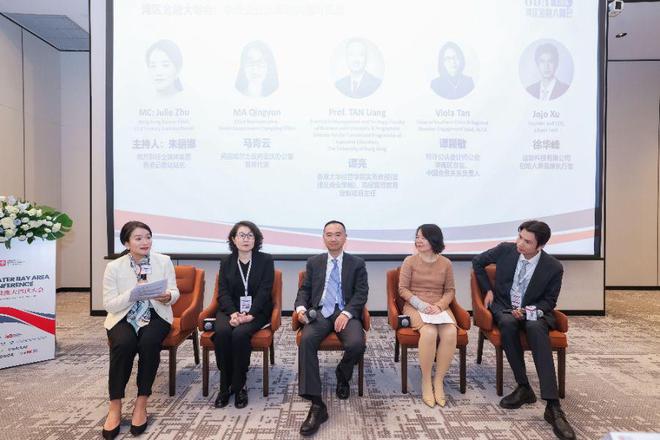
Core Insights - The roundtable discussion titled "Opportunities and Challenges for Chinese Enterprises Going Global" was held during the 2025 UK-Greater Bay Area Forum, focusing on how Chinese companies can seize global market opportunities and overcome challenges in the context of a shifting global economic landscape [2] Group 1: Methodologies for Going Global - Professor Tan Liang emphasized the importance of a long-term approach for companies venturing abroad, advocating for the mindset of "think ten years, look three years, act one year" to overcome the short-term execution focus [4] - The concept of "slow is fast" was introduced, suggesting that companies should seek high ground, find experts, and listen to insights to better understand overseas market dynamics [4][8] - Xu Huafeng, CEO of Tuling Technology, shared his experience in the UK market, highlighting the importance of understanding local needs, particularly in the context of an aging population [4][12] Group 2: Compliance and Cultural Integration - ACCA's South China Director, Tan Yingmin, pointed out that compliance and regulatory risks are major concerns for companies going global, with 85% of firms identifying these as primary worries [8] - The need for cross-cultural communication skills and building local networks was emphasized as essential for successful overseas operations [11] - The importance of cultural adaptation was highlighted, with recommendations to prioritize hiring individuals who align with local values and understand community dynamics [11][12] Group 3: Future Opportunities - The aging population in the UK presents significant market opportunities for products like smart mobility solutions, with Tuling Technology planning to expand its offerings in this area [12] - The integration of AI technology is seen as a key area for enhancing operational efficiency and breaking down cultural barriers between Chinese and UK enterprises [12] - Potential collaboration in sustainable development and biotechnology was identified, with the UK being a leader in these fields, providing a complementary relationship with China's application scenarios [13]
曾毓群:不仅要做世界第一,更要让世界尊重
Shang Hai Zheng Quan Bao· 2025-11-21 00:28
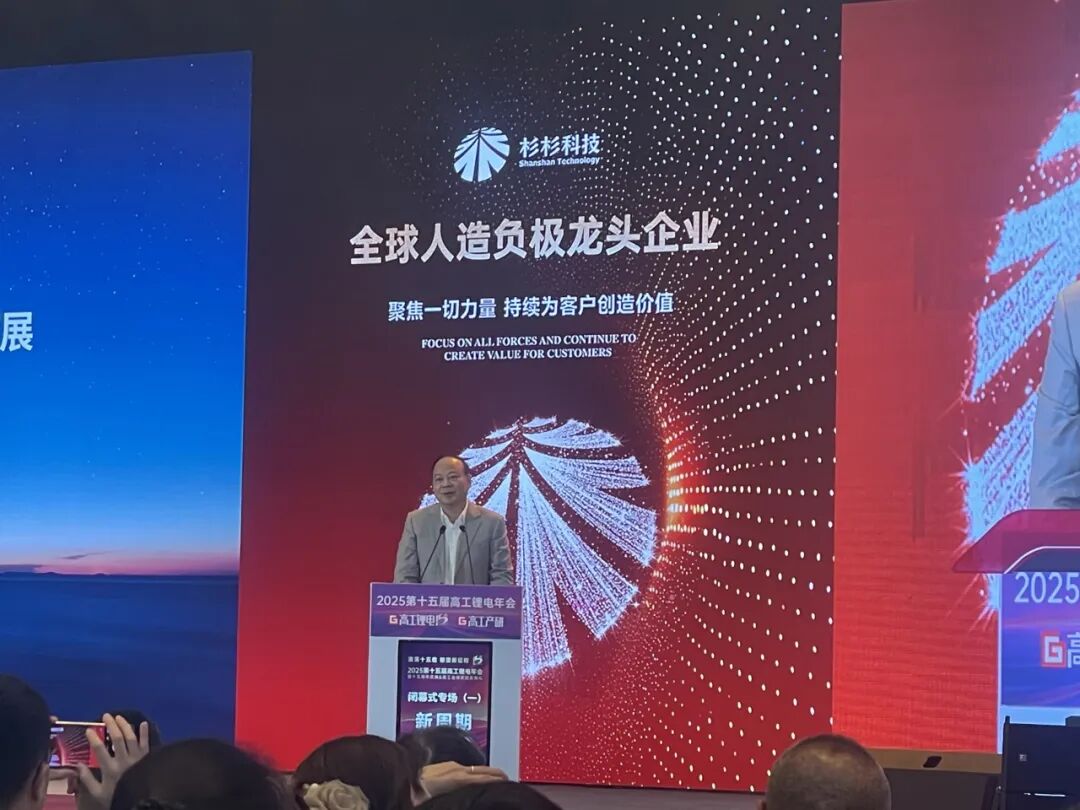
Core Viewpoint - The Chinese lithium battery industry aims not only to be the world leader but also to achieve high-quality development that earns global respect [1][9]. Group 1: Industry Characteristics and Challenges - The lithium battery industry is entering the TWh era in 2024, with significant challenges ahead for high-quality development [1][3]. - There is a lack of true innovation in the industry, with many companies focusing on short-term profits rather than investing in R&D and quality [1][2]. Group 2: Long-term Development Strategy - The industry must embrace long-termism to drive high-quality development over the next 15 years [2]. - Recognizing the industry's characteristics is essential for identifying the correct long-term development path [2]. Group 3: Energy Transition Responsibility - Lithium batteries are crucial for energy transition, with increasing demand driven by the electrification of energy consumption and clean power supply [3]. - The penetration rate of new energy vehicles in China has surpassed 50%, indicating a growing market for electric commercial vehicles and other emerging sectors [3]. Group 4: Innovation and Technology - The lithium battery sector is technology-intensive, requiring continuous breakthroughs to expand development space [5]. - There is a significant potential for innovation, but the industry suffers from severe homogenization and insufficient disruptive innovation [6][7]. Group 5: Manufacturing and Profitability - The lithium battery industry is part of the manufacturing sector, which necessitates reasonable profit expectations for sustainable growth [8]. - Quality and technology iteration are critical, with significant technological upgrades occurring every 3 to 5 years [8]. Group 6: Global Competition and Market Dynamics - Chinese companies face intense competition in major markets like Europe and the Middle East, with some firms reducing prices by 30% while promising increased lifespan [9]. - The industry must establish high levels of self-discipline and adhere to long-term strategies to maintain its competitive edge [9].

曾毓群:不仅要做世界第一 更要让世界尊重(附演讲实录)
Shang Hai Zheng Quan Bao· 2025-11-20 15:09
Core Viewpoint - The Chinese lithium battery industry aims not only to be the world leader but also to achieve high-quality development that earns global respect [1][18]. Group 1: Industry Challenges and Innovations - The lithium battery industry is entering the TWh era in 2024, a year earlier than previously predicted [3]. - There is a lack of genuine innovation in the industry, with many companies focusing on short-term profits and engaging in price wars rather than investing in R&D and quality [4][14]. - The industry must embrace long-termism to drive high-quality development over the next 15 years [4]. Group 2: Energy Transition Responsibility - Lithium batteries are now recognized as part of the energy sector, responsible for the transition to cleaner energy consumption and supply [6]. - The penetration rate of new energy vehicles in China has surpassed 50%, with significant growth in electric commercial vehicles and emerging sectors like electric aviation and marine [6]. - There is a strong demand for energy storage solutions, with electrochemical storage being the most economical and reliable option for short-duration needs [7]. Group 3: Technological Innovation - The lithium battery industry is technology-intensive, requiring continuous breakthroughs to unlock further development [10]. - The complexity of lithium battery technology is highlighted, with billions of particles involved in the battery's operation, making high-quality production challenging [11][12]. - The industry faces severe homogenization, and there is a pressing need for disruptive innovations to maintain competitive advantages [13][14]. Group 4: Manufacturing and Profitability - The lithium battery sector is part of the manufacturing industry, which typically does not allow for excessively high profits, especially in a low-price competitive environment [15]. - A reasonable profit expectation is essential for pursuing long-term, stable growth [15]. - The industry must focus on quality and technological iteration, ensuring that production lines align with technology cycles to maintain competitiveness [17]. Group 5: Industry Self-Regulation and Future Outlook - The industry is experiencing intense competition not only domestically but also in international markets, with some companies reducing prices by 30% while promising increased product lifespan [17]. - The Chinese lithium battery industry has achieved world leadership and must now focus on high-quality development to maintain this position [18]. - Establishing a high level of industry self-discipline and adhering to long-termism is crucial for building a responsible and respected lithium battery sector [17][18].
国泰基金:以投资者为本 做可信赖的财富管理伙伴
Zhong Guo Zheng Quan Bao· 2025-11-19 20:13
Core Insights - The China Securities Regulatory Commission (CSRC) has issued a plan to promote the high-quality development of public funds, emphasizing investor-centric principles and the establishment of a mechanism linking fund company income to investor returns [1][3] - The recent draft guidelines for performance benchmarks aim to enhance the stability and clarity of fund products, allowing investors to better match their needs with suitable products [1][3] - The public fund industry is maturing, with increasing scale and influence, and the integration of professional capabilities, trust systems, and responsibility is essential for sustainable growth [1][2] Investor-Centric Approach - The long-termism of public funds is centered around the needs and growth of investors, with measures to optimize fund operations and reduce costs [1][2] - Guotai Fund has implemented fee reductions and floating fee rate funds to enhance investor experience and trust [2][3] - The Guotai CSI A500 ETF generated a profit of 4.275 billion yuan for investors in the first three quarters of 2025, ranking first among similar products [2] Research and Development Platform - The CSRC's action plan emphasizes the need for a robust research and development (R&D) platform to support high-quality development in the industry [3][4] - Guotai Fund believes that a clear product line and stable investment style are crucial for adapting to the industry's evolving demands [4][5] - The public fund management scale in China has surpassed 36 trillion yuan, necessitating enhanced core research capabilities and systematic support [5] Talent Development and Retention - Guotai Fund has established a resource-sharing system and a clear growth path for research personnel, emphasizing ethical standards and long-term investment logic [6][7] - The company focuses on creating a supportive culture that encourages long-term value creation and retains core research talent [7] Technological Integration - The action plan encourages the application of emerging technologies like AI and big data to enhance fund management efficiency [7][8] - Guotai Fund has developed an AI application platform to improve decision-making and operational efficiency across various business scenarios [8] Enhancing Investor Experience - Guotai Fund aims to improve investor satisfaction by aligning with national strategies and investing in key sectors such as technology and green development [9] - The company is committed to innovating product offerings and enhancing research capabilities to provide better investment experiences [10] - A systematic investor education program is being developed to foster a mature and rational investor community [11] Commitment to High-Quality Development - Guotai Fund expresses its dedication to transforming the vision of high-quality development into tangible benefits for investors, contributing to the overall stability and growth of the asset management industry in China [12]
10位领军者解码发展方法论 | 开幕式金句集锦
高工锂电· 2025-11-19 12:06
Core Viewpoint - The lithium battery industry has experienced rapid growth over the past fifteen years and is expected to continue its upward trajectory into 2025, driven by high-quality internal growth and global expansion [4][5]. Industry Insights - The industry has entered a post-lithium era, shifting from scale and cost-driven growth to a dual focus on high-quality internal growth and global expansion, with equipment providers facing higher demands for quality and service [5]. - Long-term sustainability is inherent to lithium batteries, with power batteries requiring a lifespan of 15 years and energy storage batteries needing to support 20 years of operation, indicating that short-term speculation is not viable in this sector [12]. - The global energy transition remains unchanged, with China's new energy industry maintaining its comprehensive advantages in system, efficiency, and innovation [13]. Technological Developments - Companies are innovating in welding technologies, with advancements such as the development of pressure melting welding that enhances control precision and stability in power output [8][17]. - The industry is moving towards breaking down barriers between equipment manufacturers and battery companies, fostering a partnership model to tackle challenges in cutting-edge fields like solid-state batteries [9]. Market Strategies - Battery enterprises are encouraged to focus on scaling, technological innovation, and product quality to meet market expectations, emphasizing customized services [16]. - The next generation of battery technology will prioritize high safety and adaptability across diverse scenarios, which is seen as a core direction for the lithium battery industry's development [21]. Collaborative Efforts - The establishment of industry data standards and the integration of equipment and process data are essential for creating a global benchmark in battery manufacturing, supporting the transition to green energy [9]. - Companies are urged to adopt a long-term perspective and collaborate closely to address the industry's evolving challenges and opportunities [12][13].
看了华住三季报,才知道他们“重做酒店业”不是一句空话
Hua Xia Shi Bao· 2025-11-19 08:51
Core Insights - The Chinese hotel industry is transitioning from extensive growth driven by scale to a new normal focused on meticulous management and quality improvement, as indicated by the "14th Five-Year Plan" [1][2] - The industry is experiencing structural upgrades rather than a simple recovery, driven by a mismatch between supply and demand, leading to a reconfiguration of value [1][2] Industry Overview - The hotel industry's current challenges stem from the failure of old growth models rather than a lack of demand [2] - The "14th Five-Year Plan" promotes high-quality development in the service sector, creating opportunities in experience-oriented and scenario-based hotel demands, as well as in the lower-tier market [2][6] - The industry is shifting from a focus on scale to value cultivation, with leading brands leveraging standardization and efficiency to dominate market consolidation [2][6] Company Performance - Huazhu Group reported a resilient performance in Q3 2023, achieving revenue of 18.78 billion yuan and a net profit of 3.907 billion yuan, representing year-on-year growth of 5.12% and 30.28% respectively [2][3] - In Q3, Huazhu's revenue reached approximately 7 billion yuan, an increase of 8.1% year-on-year, with management and franchise income growing by 27.2% to 3.3 billion yuan [2][3] - The company's domestic revenue was 5.7 billion yuan, reflecting a year-on-year increase of 10.8% [2][3] Key Metrics - Huazhu's RevPAR (Revenue per Available Room) was 256 yuan in Q3, stable year-on-year but up 8.94% quarter-on-quarter [3] - The ADR (Average Daily Rate) was recorded at 304 yuan, showing a slight year-on-year increase of 1% and a quarter-on-quarter growth of 4.83% [3] - The occupancy rate (OCC) was 84.1%, significantly higher than that of comparable hotel groups [3] Membership and Customer Engagement - Huazhu's membership program, "Huazhu Club," has over 300 million members, with a year-on-year growth of 17.3% [3][4] - The program has enhanced customer loyalty, with a 19% increase in member bookings [3][4] Strategic Initiatives - Huazhu is focusing on supply-side reform as a key opportunity, aiming to become the "infrastructure" of China's accommodation industry [6][10] - The company is committed to enhancing its brand matrix to meet diverse consumer demands rather than merely expanding in scale [7][10] - Huazhu's long-term strategy emphasizes deep local engagement and quality improvement, aiming to redefine the hotel industry in China [10][11] Future Outlook - The company plans to leverage its scale and brand advantages to penetrate lower-tier markets and enhance its presence in the mid-to-high-end segments [5][10] - Huazhu's leadership believes that the supply-side reform in the hotel industry is just beginning, with significant opportunities ahead [8][10]
东方基金副总经理张晓丹:坚持“长期主义”的发展理念,力争增强投资者获得感
Zheng Quan Shi Bao Wang· 2025-11-19 06:20
张晓丹还表示,在证监会《推动公募基金高质量发展行动方案》指引下,东方基金将牢牢把握高质量发 展这一主线,切实将服务实体经济和国家战略、助力资本市场健康发展、服务居民财富管理融入公司发 展的血脉之中,坚持"长期主义"的发展理念,不断修炼内功,通过投研实力、产品布局和投资者陪伴三 个方面的同步提升,力争增强投资者获得感,真正实现公司与投资者的共同成长。 人民财讯11月19日电,11月19日,第十九届深圳国际金融博览会开幕,"2025中国金融机构年会暨中国 证券业资产管理高峰论坛"同步举行。东方基金副总经理张晓丹接受券中社记者采访时表示,东方基金 高度重视投资者的持有体验。如产品设计方面,推出了多种持有期安排的产品,旨在引导投资者进行长 期投资,减少频繁申赎带来的摩擦成本。此外,东方基金不断强化市场团队服务能力提升,致力于打造 全生命周期的投资者服务、陪伴体系。如在产品营销方面,按照将合适的产品提供给合适的投资者的思 路,努力实现产品设计、产品定位与投资者需求的精准匹配。 ...