
贸易战

Search documents
商务部:敦促美方尽快纠正错误做法
Zhong Guo Zheng Quan Bao· 2025-10-15 00:03
Group 1 - The core viewpoint is that the U.S. should not impose new restrictions while seeking dialogue with China, and both sides should work towards maintaining the progress made in trade negotiations [1][2] - China emphasizes its commitment to national security and international stability through its export control measures, asserting that these are lawful and not prohibitive [1] - The Chinese government criticizes the U.S. for its discriminatory practices and the ongoing imposition of restrictions that harm bilateral trade relations [1] Group 2 - China's stance on the trade war is clear: it is open to negotiations but will respond firmly to any aggressive actions from the U.S. [2] - The previous rounds of trade negotiations have demonstrated that mutual respect and equal dialogue can lead to effective solutions [2]
中美全面开打,大量中国产品遭美国下架,荷兰得令,强占中企资产
Sou Hu Cai Jing· 2025-10-14 18:48
安世半导体并非"问题企业"。 2025年上半年,它为闻泰科技贡献了78亿元营收,净利润达12.61亿元,在荷兰合规经营多年,甚至为当地创造上亿欧元税 收。 荷兰政府以"国家安全"为由行动,却未出示任何证据。 闻泰科技直接在声明中抨击:"这是地缘政治干预商业决策。 " 2025年10月12日,荷兰经济事务部的一纸命令让中国科技企业闻泰科技陷入僵局。 其旗下半导体巨头安世半导体(Nexperia)在全球30个实体的资产、技 术、业务被全面冻结,中方CEO张学政被法院裁定罢免,公司99%股权被强制托管给第三方。 闻泰科技投入近268亿元、耗时三年收购的核心资产,在短短 几天内几乎易主。 美国关税战同步升级,电商平台集体"清场" 几乎在同一时间,大西洋对岸的美国发动了新一轮贸易打击。 10月10日,白宫宣布对2000亿美元中国商品加征100%关税,瞄准新能源、半导体、电子产品 等关键产业。 美国财政部长贝森特声称这是为了"国家安全",但《华尔街日报》直言此举已沦为"泛安全化的数字游戏"。 更值得玩味的是内部合谋。 安世半导体三名外籍高管联合向荷兰法院申请罢免中方CEO,并提出股权重组要求。 知情人士透露,这与中方计划 ...


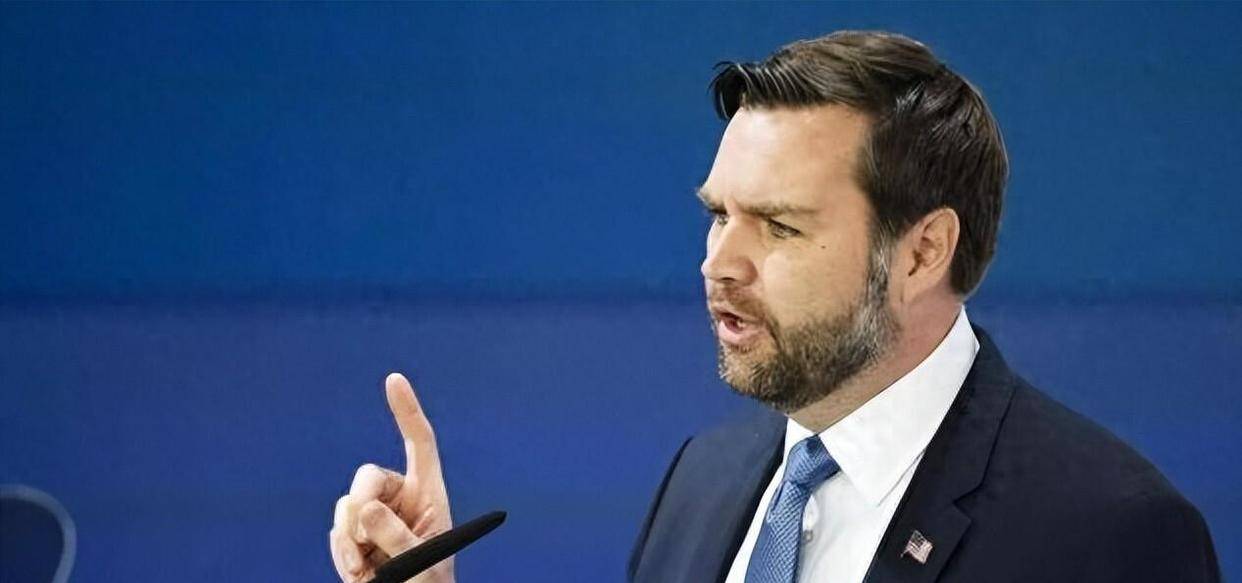
北京拒接电话,特朗普隔空喊话中方,给美国个机会不要打了
Sou Hu Cai Jing· 2025-10-14 17:52
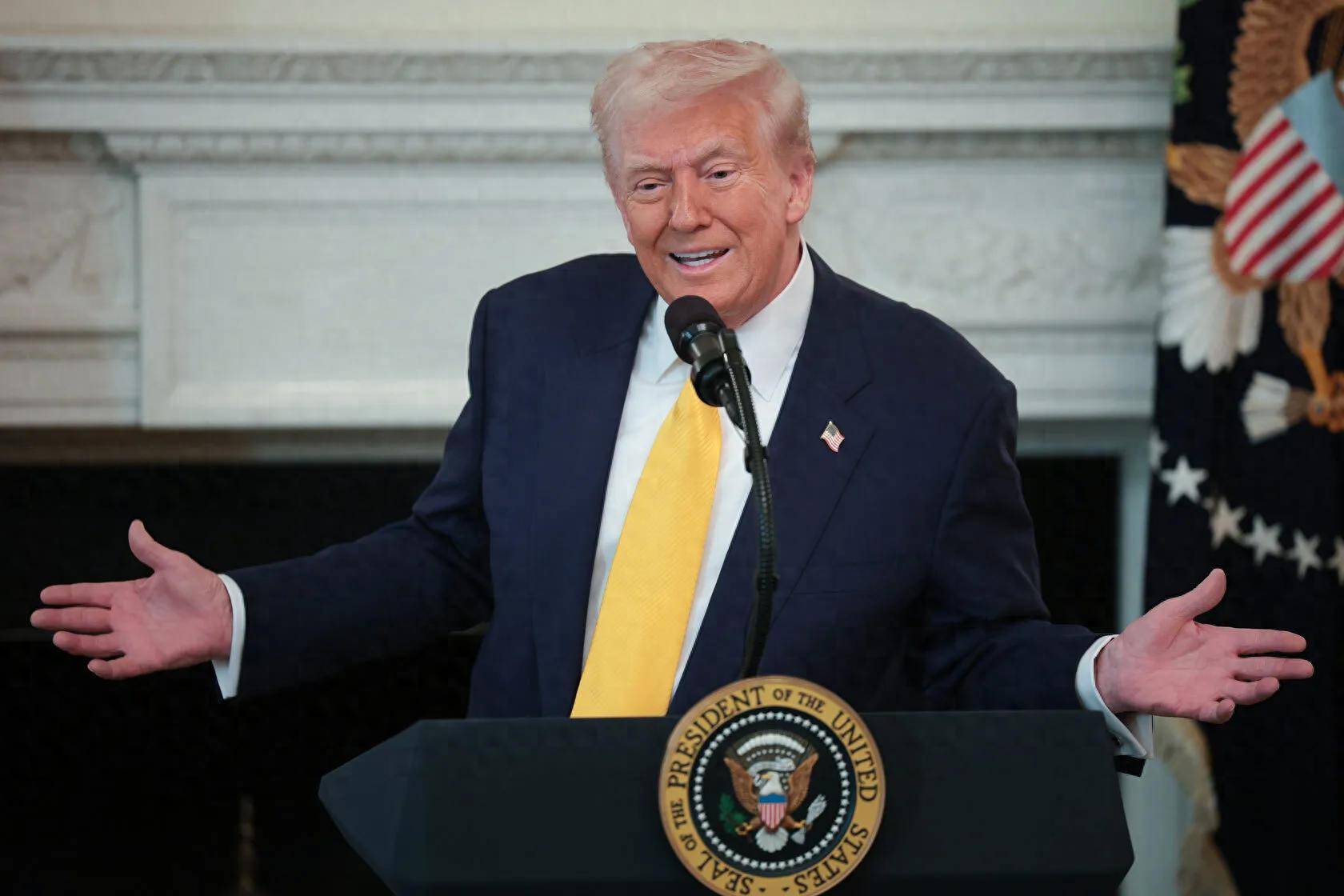
中国稀土管控措施,精准且有力地回应了美国总统特朗普挥舞的关税大棒。仅仅三天之内,美国白宫的态度便从起初的强硬威胁转为隔空喊话,试图重新开 启与北京的对话。 特朗普总统在他标志性的社交媒体上,情绪化地表达了对中国商品加征百分之百关税的威胁,这正是他此前商业谈判中惯用的"极限施压"手段的翻版。这位 曾是地产大亨的总统,始终将贸易视为一场零和博弈,而关税,便是他最钟爱的交易筹码。他甚至在白宫玫瑰园里,将"对等关税"比作"经济独立宣言",承 诺这将带领美国步入一个"黄金时代"。然而,这种基于商业直觉的国家治理方式,在实际操作中立刻暴露出了其局限性。 美国贸易代表格里尔曾透露,美方已多次尝试联系中方,但北京方面并未予回应。这种"冷处理"的态度,让特朗普政府深刻意识到,他们惯用的"极限施 压"策略,在此次博弈中已然失效。这场贸易对峙的本质,实则是中美两国经济耐力的一场真实较量。 中国方面,在特朗普发出威胁后的第三天,便迅速发布了稀土出口管制公告。稀土作为高端制造业不可或缺的关键材料,中国拥有全球约百分之三十七的稀 土储量,并且供应着全球约百分之七十的稀土产品。此番反制措施,无疑精准地打击了美国芯片及高端制造业的软肋,直接 ...
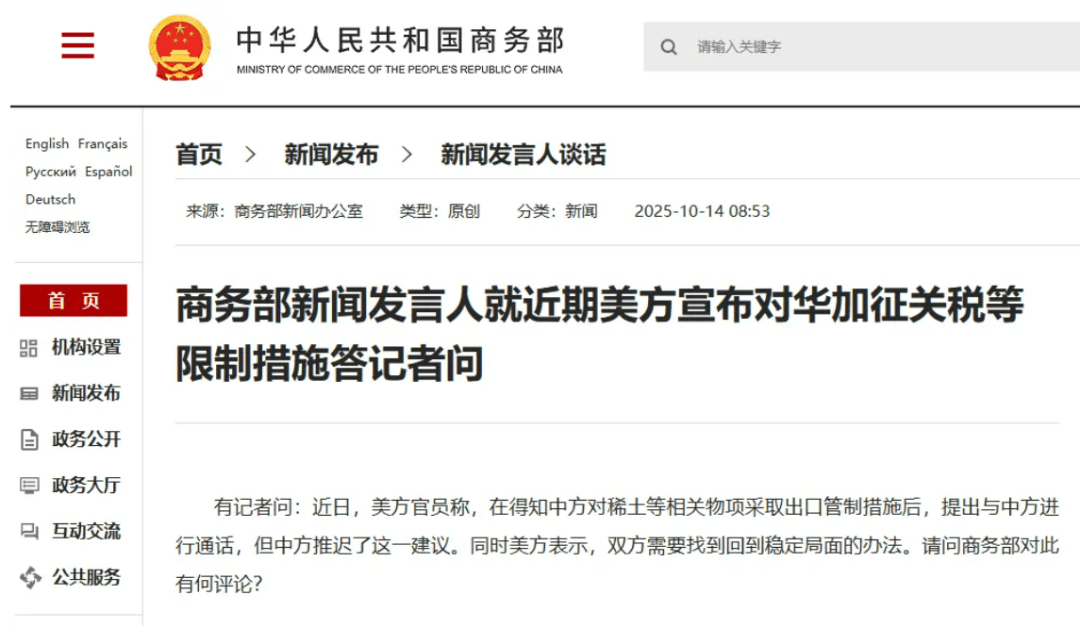
美方威胁对华加征100%关税,中方重申立场:打,奉陪到底;谈,大门敞开
Sou Hu Cai Jing· 2025-10-14 16:27
关于关税战、贸易战,中方立场是一贯的。打,奉陪到底;谈,大门敞开。中美拥有广泛的共同利益和广阔的合作空间,双方合则两利,斗则俱伤。过去 4轮经贸磋商充分证明,中美在相互尊重、平等协商基础上,能够找到解决问题的办法。双方在中美经贸磋商机制框架下一直保持沟通,昨天还进行了工 作层会谈。我想指出,美方不能一边要谈,一边威胁恐吓出台新的限制措施,这不是与中方相处的正确之道。中方敦促美方尽快纠正错误做法,拿出谈的 诚意,与中方相向而行,以两国元首通话重要共识为引领,维护好来之不易的磋商成果,继续发挥中美经贸磋商机制作用,通过对话协商解决各自关切, 妥善管控分歧,推动中美经贸关系健康、稳定、可持续发展。 10月14日,商务部新闻发言人就近期美方宣布对华加征关税等限制措施答记者问。 有记者问:近日,美方官员称,在得知中方对稀土等相关物项采取出口管制措施后,提出与中方进行通话,但中方推迟了这一建议。同时美方表示,双方 需要找到回到稳定局面的办法。请问商务部对此有何评论? 答:中方注意到有关情况。近日,中方已就美威胁对华加征100%关税等限制措施阐明了有关立场。我愿重申,关于稀土等相关物项的出口管制措施,是 中国政府依据法律法 ...
【环球财经】荷兰商业银行:美元短期上行 而长期或回落至更低水平
Xin Hua Cai Jing· 2025-10-14 14:23
Group 1 - The recent escalation of trade disputes has heightened market risk aversion, impacting the global foreign exchange market [1] - Safe-haven currencies such as the Japanese yen, Swiss franc, and euro are in demand, while high-risk currencies like the Australian dollar and New Zealand dollar are being sold off [1] - The U.S. dollar, despite its safe-haven status, faces downward pressure in the event of further escalation, although short-term support may persist due to reassessment of its safe-haven status and expectations of U.S. policy adjustments [1] Group 2 - Investors are closely monitoring the NFIB small business survey data for signals regarding economic direction, while Fed Chair Powell is expected to maintain a cautious stance in his upcoming speech [1] - ING analysts predict that the U.S. dollar index may decline to lower levels by the end of the year as employment data worsens [1] Group 3 - The euro is unlikely to achieve a substantial rebound against the U.S. dollar in the absence of significant positive news, with the political situation in France being a major drag [2] - The upcoming budget proposal by French Prime Minister Lecornu is directly related to a confidence vote, and a potential government collapse could prevent the euro from benefiting from trade tensions, possibly leading it to test the 1.150 level against the dollar [2]
U.S. & China "Back and Forth," Earnings Set High Bar in Big Banks
Youtube· 2025-10-14 13:30
Market Overview - The market is experiencing downward pressure due to renewed tensions between the US and China, with China targeting US subsidiaries, leading to concerns about escalation risks [1][2] - Despite solid earnings reports from banks and companies like Domino's Pizza and AMD, the market is starting the day heavy [5][9] Bank Earnings - Major banks such as JP Morgan reported strong earnings, with JP Morgan's trading revenue reaching nearly $9 billion, indicating solid performance across the sector [7][10] - However, the overall market reaction has been mixed, with some banks like Goldman Sachs seeing declines, while Wells Fargo performed better [9][10] - Citigroup reported record third-quarter revenues across all business segments, showcasing strong growth despite high expectations [10] Economic Indicators - The 10-year yield is approaching 4.03%, which may influence lower inflation and make stocks more attractive [5][14] - The upcoming Federal Reserve meeting is anticipated to result in a 25 basis point interest rate cut, with expectations of weaker labor market data influencing this decision [14][15] Geopolitical Factors - Ongoing negotiations between the US and China are affecting market sentiment, with the potential for a meeting between Xi Jinping and President Trump being uncertain [3][4] - Geopolitical tensions are consistently weighing on market performance, highlighting the importance of monitoring these developments [6]
China Hits Back at Trump’s Tariffs with Rare Earth Restrictions — Wipes Over $500M from Crypto Market
Yahoo Finance· 2025-10-14 11:45
Group 1: Export Controls and Market Impact - China has tightened export controls on rare earth magnets, leading to a $7 billion sell-off in cryptocurrencies and escalating tensions with the U.S. [1] - The new measures expand existing restrictions to five additional rare earth elements, requiring export approval for products containing more than 0.1% of Chinese-sourced rare earths [3][4] - China's rare earth exports fell by 31% in September, indicating a slowdown prior to the latest restrictions [5] Group 2: Industry Implications - With China controlling over 90% of global rare earth processing capacity, the new policy raises concerns about supply chain disruptions and increased production costs worldwide [4] - The review process for export licenses has become more stringent, with applications facing longer approval times and additional documentation requests [4][5] - The tightening of controls has already led to magnet shortages and temporary shutdowns at automotive plants earlier this year [5] Group 3: Government Responses - China's Ministry of Commerce defended the export controls as legitimate actions to refine the export management system and safeguard national security [6] - In response, President Trump announced a 100% tariff on all Chinese imports, accusing China of aggressive export tactics [7]
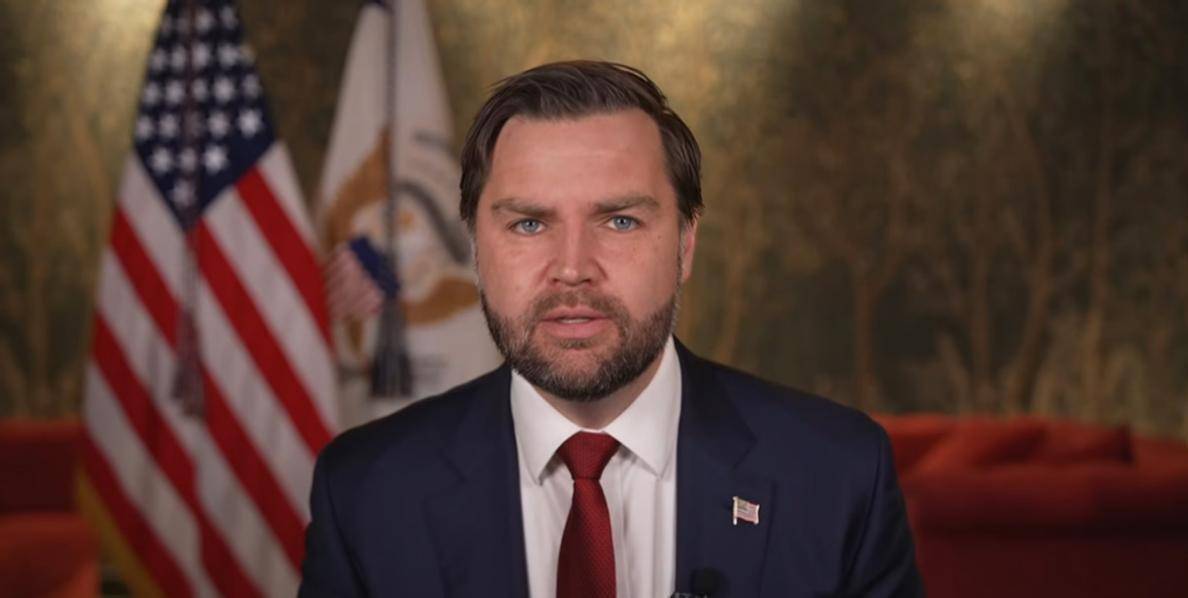
这次中国要“落井下石”,拒接美国电话,万斯:给中国两个选择
Sou Hu Cai Jing· 2025-10-14 08:14
在中国出手反制之后,特朗普也在社交媒体上对中国发出了两条威胁:一是要对中国加征100%的关税;二是要对关键软件进行出口审批。 但有意思的是,这些措施不是马上执行,而是要等到11月1日以后。这表明,特朗普没有与中国撕破脸的底气,发出威胁只是为了挽回面子。但又故意留了 一段时间,希望在这段时间里让中国让步,双方重归于好。 但美国不讲信用,让步的结果便是,事后美国又偷偷摸摸搞小动作,冷不丁地出台一些限制中国的措施。他们大概以为这些偷偷摸摸的小动作不会惹怒中 国。所以,中国对此的回应是一步不让,不愿打关税战,但也不怕打。 实际上这次中国的反击让美国非常意外。美国贸易代表格里尔在接受福克斯新闻采访时表示,事发前根本没有收到任何信息,而是在新闻报道中看到消息。 此后美国立即与中国进行联系,希望进行电话沟通,然而中国拒绝了。 这一幕堪称历史性时刻,作为一个超级大国,美国竟然开始想跟别的国家讲道理了。要知道,他们以往对别的国家发的都是最后通牒。比如要求伊朗90天达 成核协议,结果第91天以色列就动武了。就连俄罗斯也被特朗普威胁了很多次。 但在面对中国的反击时,美国却开始要讲道理了,这是什么原因呢? 一方面是面对中国,美国确实 ...
贸易战升温掣肘运输需求 集运指数期货料震荡加剧
Jin Tou Wang· 2025-10-14 06:11
Core Viewpoint - The shipping index (European line) futures experienced a rapid increase, reaching a peak of 1612.0 points, with a current report of 1594.2 points, reflecting a rise of 2.23% [1] Group 1: Market Analysis - The shipping index futures are expected to experience increased volatility, influenced by various factors including geopolitical tensions and economic data from the Eurozone [2] - The recent announcement by the U.S. regarding potential tariffs on imports from Asian countries may weaken freight rates in the long term [2] - The ongoing peace plan discussions in the Middle East have improved expectations for the resumption of shipping routes in the Red Sea, which may reduce price support [2] Group 2: Economic Indicators - Recent economic data from the Eurozone has shown volatility, with business sentiment indices underperforming expectations; the manufacturing PMI for September was slightly lower than the previous month, while the services PMI exceeded expectations [2] - The European Central Bank has indicated a slower pace of interest rate cuts due to improving economic expectations and easing inflation [2] Group 3: Strategic Recommendations - Given the current market conditions, investors are advised to be cautious and to monitor geopolitical developments, shipping capacity, and cargo volume data closely [2] - The overall strategy may involve maintaining a wait-and-see approach or attempting specific trading strategies in the short term [3]