
可再生能源

Search documents
全球四大重点区域生物柴油政策的实施情况介绍
Qi Huo Ri Bao Wang· 2025-10-28 00:58
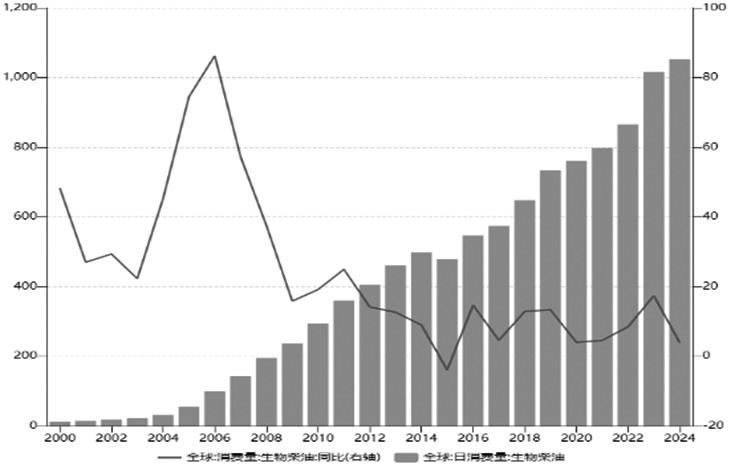
Core Insights - The global biodiesel market is experiencing significant growth driven by renewable energy policies across various countries, with the largest consumption concentrated in the EU, the US, Indonesia, and Brazil [2][25]. Group A: Biodiesel Characteristics and Production - Biodiesel is a renewable and biodegradable fuel primarily derived from vegetable oils, accounting for 80% of global production [1]. - The production cost of biodiesel is typically 1.5 times that of conventional diesel, making market-driven expansion challenging without policy support [1]. - Key measures to promote biodiesel include mandating minimum usage levels and providing subsidies to lower production costs [1]. Group B: Regional Policies and Consumption - In 2024, the EU is projected to account for 28.3% of global biodiesel consumption, followed by the US at 26.7%, Indonesia at 20.3%, and Brazil at 11.4% [2]. - The EU has established a robust framework for renewable energy, with the Renewable Energy Directive (RED) setting binding targets for renewable energy consumption [6][7]. - The US has implemented the Renewable Fuel Standard (RFS), which mandates minimum blending ratios and provides tax incentives for biodiesel producers [13]. Group C: EU Biodiesel Market - The EU's biodiesel market is characterized by a combination of mandatory and sustainable policies, with a target of 42.5% renewable energy by 2030 [7]. - The use of used cooking oil (UCO) has increased significantly, making up about 25% of biodiesel feedstock in Europe, driven by sustainability policies [10][11]. - The EU's biodiesel consumption is projected to decrease by 12.27% in 2024, indicating potential market challenges [9]. Group D: US Biodiesel Market - The US is the second-largest biodiesel consumer, with a strong agricultural base supporting biodiesel production from soy and corn [12]. - The EPA's aggressive biodiesel blending targets for 2026 and 2027 indicate a commitment to expanding the biodiesel market [13]. - The industrial use of soybean oil in the US is expected to reach 7.03 million tons in 2025, marking a 26.5% increase [15]. Group E: Indonesia's Biodiesel Strategy - Indonesia, as the largest palm oil producer, has shifted its biodiesel strategy from export-oriented to domestic consumption, implementing the B30 and B40 blending standards [16][17]. - The Indonesian government plans to increase the palm oil export tax to support biodiesel production, ensuring market competitiveness [20][21]. - The B40 policy is expected to significantly impact global palm oil supply and demand dynamics [16]. Group F: Brazil's Biodiesel Development - Brazil, the largest soybean producer, has a slower biodiesel market development despite favorable conditions [22][24]. - The Brazilian government has set a gradual increase in biodiesel blending ratios, aiming for 20% by 2030, which supports soybean demand [24][25]. - Brazil's biodiesel production is projected to reach 8.019 million tons in 2025, reflecting a 2.39% increase from the previous year [25].

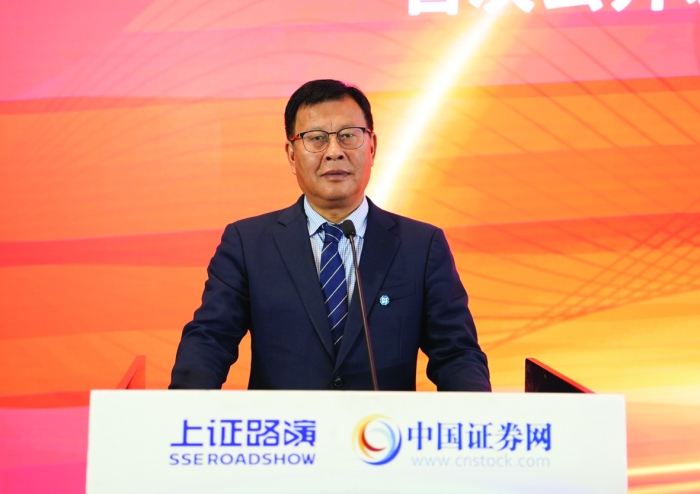
德力佳:深耕风力发电传动设备领域 传递绿色动力共创美好未来
Shang Hai Zheng Quan Bao· 2025-10-27 20:50
Core Viewpoint - The company, Delijia Transmission Technology (Jiangsu) Co., Ltd., is conducting its initial public offering (IPO) to enhance its market position and drive growth in the wind power transmission equipment sector, leveraging its strong R&D capabilities and established partnerships with leading firms in the industry [6][9][22]. Company Overview - Delijia was established in 2017 and specializes in the development, production, and service of wind power transmission equipment, covering the entire business chain from design to operation [6][12]. - The company has a comprehensive product range from 1.5MW to 22MW, with products designed for various harsh environmental conditions, achieving industry-leading performance in power density, transmission efficiency, and noise levels [6][12][30]. - As of 2024, Delijia holds a global market share of 10.36%, ranking third worldwide, and a 16.22% share in the Chinese market, ranking second [6][16]. R&D and Innovation - The company has a strong R&D foundation, with 63 authorized patents, including 24 invention patents, and has contributed to the drafting of several national and industry standards [7][13]. - Delijia's self-developed "10-12MW offshore large megawatt gearbox" was recognized as a significant technological equipment project by the National Energy Administration in 2021 [7][13]. Market Position and Partnerships - Delijia has established stable partnerships with major wind turbine manufacturers such as Goldwind, Envision Energy, and Mingyang Smart Energy, earning accolades like "Best Supplier" and "Strategic Partner" [7][15]. - The company’s products have received certifications from multiple authoritative institutions, enhancing its brand recognition in the industry [6][12]. Financial Performance - The company reported revenues of 3107.80 million yuan in 2022, 4441.82 million yuan in 2023, and projected 3715.34 million yuan in 2024, with net profits of 540.17 million yuan, 633.96 million yuan, and 533.79 million yuan respectively [20]. - The gross profit margin has remained stable, with rates of 23.10%, 23.66%, 25.29%, and 25.84% over the same period [18]. Industry Context - The wind power industry is experiencing rapid growth, driven by national policies supporting renewable energy and the "dual carbon" goals, with significant increases in wind turbine installation capacities projected for 2023 and 2024 [27][30]. - The global market for wind power gearboxes is expected to grow from approximately $58.27 billion in 2024 to $83.70 billion by 2030, indicating a robust demand for Delijia's products [30]. Future Strategy - The company aims to leverage its IPO to enhance R&D, expand market reach, and solidify its team, focusing on technological innovation and product updates to maintain competitive advantages [9][22]. - Delijia plans to invest in projects that will increase production capacity and align with the trend towards larger wind turbine capacities, particularly in offshore and international markets [36][37].

罗博特科智能科技股份有限公司(H0100) - 申请版本(第一次呈交)
2025-10-27 16:00
本申請版本乃根據香港聯合交易所有限公司(「聯交所」)與證券及期貨事務監察委員會(「證監會」)的要求而 刊發,僅用作提供資訊予香港公眾人士。 本申請版本為草擬本,其所載資料並不完整,亦可能會作出重大變動。 閣下閱覽本文件,即代表 閣下知 悉、接納並向本公司、其聯席保薦人、整體協調人、顧問或包銷團成員表示同意: 本公司招股章程根據香港法例第32章 公 司(清 盤 及 雜 項 條 文)條 例 呈 交 香 港 公 司 註 冊 處 處 長 註 冊 前,本 公 司 不 會 向 香 港 公 眾 人 士 提 出 要 約 或 邀 請。倘 於 適 當 時 候 向 香 港 公 眾 人 士 提 出 要 約 或 邀 請,有 意 投 資 者 務 請 僅 依 據 呈 交 香 港 公 司 註 冊 處 處 長 註 冊 的 本 公 司 招 股 章 程 作 出 投 資 決 定;招 股 章 程 的 文 本 將 於 發 售 期 內 向 公 眾 派 發。 香港聯合交易所有限公司與證券及期貨事務監察委員會對本申請版本的內容概不負責,對其準確性或完整 性亦不作任何陳述,並明確表示對因本申請版本的全部或任何部分內容而引致或因依賴本申請版本的全部 或任何部分內 ...
电力设备行业跟踪报告:逆变器出口:整体环比回调,大洋洲保持高景气
Wanlian Securities· 2025-10-27 10:05
Investment Rating - The industry is rated as outperforming the market, with an expected increase of over 10% relative to the market index in the next six months [42]. Core Insights - In September 2025, China's inverter export value was 5.067 billion yuan, a month-on-month decrease of 19.37% but a year-on-year increase of 4.60%. Cumulatively, from January to September 2025, the total export value reached 48.322 billion yuan, reflecting a year-on-year growth of 7.30% [13][10]. - The report highlights a structural adjustment in the Asian market, with notable performance in the UAE and India, while the European market saw significant declines. North America continues to experience weak demand, whereas Latin America shows high growth despite an overall pullback [2][3][28]. Summary by Region Asia - In September 2025, inverter exports to Asia amounted to 1.695 billion yuan, down 12.70% month-on-month and 3.48% year-on-year. The UAE and India showed positive growth, while Saudi Arabia experienced a significant decline [14][2]. Europe - Exports to Europe were 1.881 billion yuan in September 2025, reflecting a month-on-month decline of 30.11% and a year-on-year decrease of 9.51%. The UK market performed well, contrasting with declines in Germany, the Netherlands, and Poland [24][3]. North America - Exports to North America were 151 million yuan, with a month-on-month decrease of 16.99% and a year-on-year decrease of 24.84%. The overall demand in this region remains weak [28]. Latin America - Exports to Latin America totaled 529 million yuan, with a month-on-month decrease of 5.07% but a year-on-year increase of 36.60%. Brazil and Mexico showed mixed results [7][28]. Africa - In September 2025, exports to Africa reached 373 million yuan, down 13.42% month-on-month but up 22.69% year-on-year. South Africa showed strong growth, while Nigeria maintained high year-on-year growth despite a slight month-on-month decline [29]. Oceania - Exports to Oceania were 456 million yuan, with a month-on-month decrease of 7.17% but a year-on-year increase of 288.29%. The Australian market continues to show strong performance [8][28]. Summary by Shipping Origin - In September 2025, inverter exports from Guangdong, Zhejiang, Anhui, and Jiangsu were 1.825 billion, 1.365 billion, 464 million, and 686 million yuan respectively. Guangdong and Anhui saw declines both month-on-month and year-on-year, while Zhejiang and Jiangsu maintained year-on-year growth [9][33].
5.2GW光伏+19GWh储能!全球最大光储项目开工
中关村储能产业技术联盟· 2025-10-27 08:06
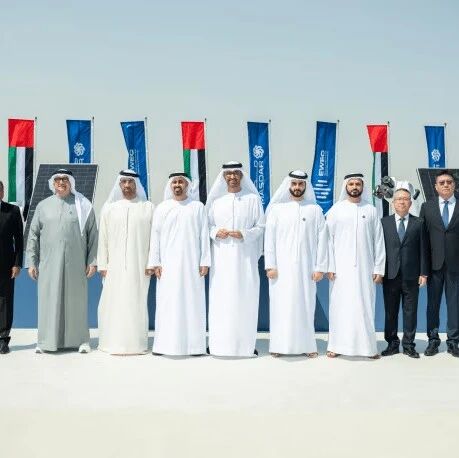
Group 1 - The project is a collaboration between Abu Dhabi Future Energy Company and Emirates Water and Electricity Company, aimed at promoting energy transformation in the local digital industry [5] - The project features a solar power station with an installed capacity of 5.2 GW and a battery system with a total storage capacity of 19 GWh, making it one of the largest of its kind globally [6] - The project is expected to be operational by 2027 and will provide stable and sustainable clean electricity for the era of artificial intelligence and emerging technologies [5][6] Group 2 - China Electric Power Construction Company (China Electric Power) is committed to building global clean energy cooperation projects [6] - The project addresses the intermittency challenges of renewable energy, which is crucial for the stability of future energy systems [5]

首批氢能试点名单公布,银行有哪些机会?
Zhong Guo Jing Ying Bao· 2025-10-27 01:30
Core Insights - The hydrogen energy industry in China is transitioning from demonstration applications to large-scale promotion, with 41 projects and 9 regions supported by the National Energy Administration [5] - The hydrogen energy sector is seen as a key area for investment, driven by carbon neutrality goals and increasing financial support from commercial banks [5][10] Group 1: Policy and Development Plans - The "China Hydrogen Development Report (2025)" indicates that 2025 will be a pivotal year for the hydrogen industry in China, with a production and consumption scale exceeding 36.5 million tons, making China the world's leader [6] - By 2035, China aims to establish a comprehensive hydrogen industry system covering transportation, energy storage, and industrial applications, significantly increasing the share of renewable energy hydrogen in terminal energy consumption [6] - New policies from the National Development and Reform Commission include targets for renewable energy non-electric consumption, aiming for 15% by 2025 and 20% by 2030, marking a significant milestone for the hydrogen sector [7] Group 2: Regional Initiatives - Xiamen plans to build 3 hydrogen refueling stations and establish a demonstration route for hydrogen fuel cell vehicles by 2027, indicating a comprehensive approach to hydrogen industry development [7] - Inner Mongolia's action plan focuses on enhancing the hydrogen equipment manufacturing industry, aiming for a well-established supply chain and innovation capabilities by 2027 [8] - Jiangsu's plan targets a hydrogen industry scale exceeding 100 billion yuan by 2027, with over 100 hydrogen refueling stations and 10,000 fuel cell vehicles promoted [8] Group 3: Financial Support and Investment - Financial institutions are increasingly supporting the hydrogen industry, with policies encouraging loans and financing for key projects [10] - Major banks are actively engaging with hydrogen enterprises, providing tailored financial solutions to address funding challenges [12][14] - The establishment of specialized branches, such as the hydrogen-focused branch in Beijing, highlights the growing financial services dedicated to the hydrogen sector [11] Group 4: Market Opportunities - The hydrogen industry is viewed as entering a "golden period," with significant growth in credit allocation surpassing that of solar and wind energy sectors [12] - The focus on infrastructure development and production supply in the hydrogen sector necessitates substantial bank financing, with many banks adapting their credit models to support innovative hydrogen enterprises [12][13] - The diverse applications of hydrogen energy across various sectors, including transportation and industry, position it as a crucial component in achieving carbon neutrality goals [14]






中美达成贸易框架、电力出海
傅里叶的猫· 2025-10-26 14:21
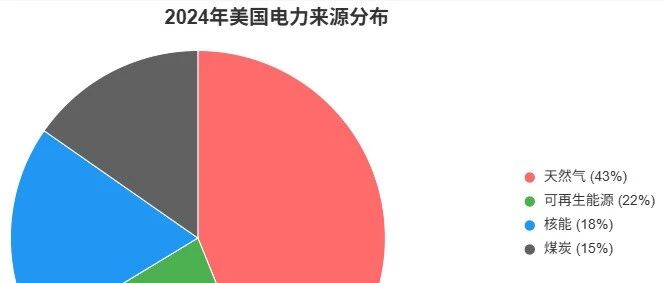
Core Viewpoint - The article discusses the recent developments in the U.S. power generation landscape, highlighting the transition towards natural gas and renewable energy sources, and the implications for the semiconductor and AI industries, particularly in relation to solid-state transformers (SST) [3][9][16]. U.S. Power Generation Status - The U.S. power generation structure is shifting towards natural gas and renewable energy, with solar and battery storage growing rapidly [9]. - As of the end of 2024, coal-fired power generation capacity is projected to be 188.95 GW, down from 314 GW in 2011, indicating a significant decline in the coal industry [10]. - Natural gas generation capacity is expected to reach 571.23 GW by 2024, constituting 43.12% of the total capacity, but new installations are limited due to supply chain issues [11]. - Nuclear power capacity stands at 103.58 GW, with a 2.9% year-on-year increase, but new nuclear plants have not been built in nearly 40 years [12][13]. - Renewable energy capacity is projected to reach 313 GW by the end of 2024, with wind and solar accounting for 80% of new installations, although their effective contribution is limited compared to traditional power sources [14][15]. SST Industry Development Trends - The demand for solid-state transformers (SST) is increasing as they address the challenges faced by data centers, particularly in reducing power consumption and space [16]. - The SST market is currently dominated by non-mainland manufacturers, with companies like Eaton and Delta leading the way [17]. - The estimated market size for SST in North America from 2026 to 2030 is projected to grow significantly, reaching 265 billion RMB by 2030 [18]. Valuation Analysis - The SST industry is expected to have a net profit margin of around 30-40% from 2026 to 2030, with projected net profits increasing from 6.4 billion RMB in 2026 to 79.5 billion RMB in 2030 [19]. - The estimated market capitalization for the SST industry could reach up to 1.59 trillion RMB by 2030, based on average valuation multiples [19]. A-Share Core Company Valuation - Companies like Jinqiao Technology and Kingpan Technology are positioned to benefit from the SST market, with projected net profits of over 8 billion RMB and 17 billion RMB respectively by 2027 [21][23].



神马电力(603530):业绩符合预期,全球电网投资有望景气进一步提升,公司有望进一步受益
China Post Securities· 2025-10-25 08:46
Investment Rating - The report maintains an "Accumulate" rating for the company, reflecting a downward adjustment in expectations [6]. Core Insights - The company reported a revenue of 1.16 billion yuan for the first three quarters of 2025, representing a year-on-year increase of 29.9%, with a net profit of 280 million yuan, up 28.5% year-on-year. In Q3 2025, revenue reached 460 million yuan, with year-on-year and quarter-on-quarter growth of 33.4% and 9.4%, respectively [3]. - The gross margin for the first three quarters of 2025 was 45.1%, a slight increase of 0.6 percentage points year-on-year, while the net margin was 23.8%, down 0.3 percentage points year-on-year. The overall increase in expense ratios was attributed to increased marketing, management, and R&D personnel to expand market reach and develop new products [4]. - Global investment in power grids is expected to rise, with a projected investment of 390 billion USD in 2024, a 9% increase year-on-year, and an anticipated surpassing of 400 billion USD in 2025. The growth in renewable energy is expected to put continuous pressure on grid security, leading to a long-term positive outlook for grid enhancement [5]. Financial Forecast and Metrics - The company’s projected net profits for 2025-2027 are 430 million, 530 million, and 670 million yuan, respectively, with corresponding price-to-earnings ratios of 37, 29, and 23 times [6]. - Revenue forecasts for 2024-2027 are 1.345 billion, 1.863 billion, 2.484 billion, and 3.177 billion yuan, with growth rates of 40.22%, 38.55%, 33.29%, and 27.92% respectively [10]. - The company’s gross margin is expected to decline slightly from 43.6% in 2024 to 41.0% in 2027, while the net margin is projected to decrease from 23.1% to 21.0% over the same period [11].

国家能源局主要负责人会见斯洛文尼亚环境、气候和能源部部长
国家能源局· 2025-10-25 05:39
国家能源局微信公众号是国家能源局新闻宣传、信息公开、服务群众的重要平台。 IFF · 公开 政务信息 · 发布 行业动态 ·提供 公众服务 了解更多能源动态,请长按图片识别或扫描右侧二维码,关注国家能源局官方微信公众号。 王宏志表示,中国坚持统筹发展和安全,加快建设新型能源体系,在保障能源安全的基础上深入推动能源转型,大力发展可再生能源,积极安全有 序发展核电,建成全球规模最大的清洁高效能源生产供应体系。中方愿与斯方持续用好中国 —中东欧国家企业能源合作论坛、 IRENA 等合作机 制,深化中斯能源领域交流和务实合作。 博扬 ·库梅尔高度赞赏中国在推动可再生能源发展中展现的领导力,认为中国为全球能源绿色转型树立了典范,表示期待与中方加强清洁能源合 作,持续推动中斯关系行稳致远。 2025 年 10 月 24 日,中国国家能源局局长王宏志在苏州会见来访的斯洛文尼亚环境、气候和能源部部长博扬·库梅尔。双方就能源转型、核电、 充电基础设施、中国—中东欧国家能源合作以及国际可再生能源署( IRENA )框架下的合作等交换意见。 中国 国家能源局电力司、核电司、新能源司、国际司主要负责同志参加会见。 ...
我国风光发电十年来新增装机占全球六成
Xin Hua Wang· 2025-10-24 13:02
Core Insights - China has established the world's largest and fastest-growing renewable energy system, with wind and solar power installations surpassing 100 million and 200 million kilowatts respectively over the past decade [1] - The share of renewable energy generation capacity has increased to approximately 60%, with wind and solar installations accounting for nearly half of the global total [1] Group 1: Renewable Energy Development - Wind and solar power installations in China represent 60% of the global new capacity additions [1] - The country has become a leader in energy technology innovation, with significant projects in hydropower and nuclear power completed in the last decade [1] - New business models and applications of artificial intelligence are enhancing the energy sector, expanding the boundaries of green electricity and energy applications [1] Group 2: Global Collaboration and Impact - China has engaged in green energy project cooperation with over 100 countries and regions [1] - The average cost of wind and solar power generation has decreased by 60% and 80% respectively due to China's contributions [1] - In the past year, China's wind and solar products have helped reduce global carbon dioxide emissions by approximately 2.65 billion tons [1]