
电动化转型

Search documents
本田宣布大幅削减电动化投资,为啥本田不干了?
3 6 Ke· 2025-05-27 08:29
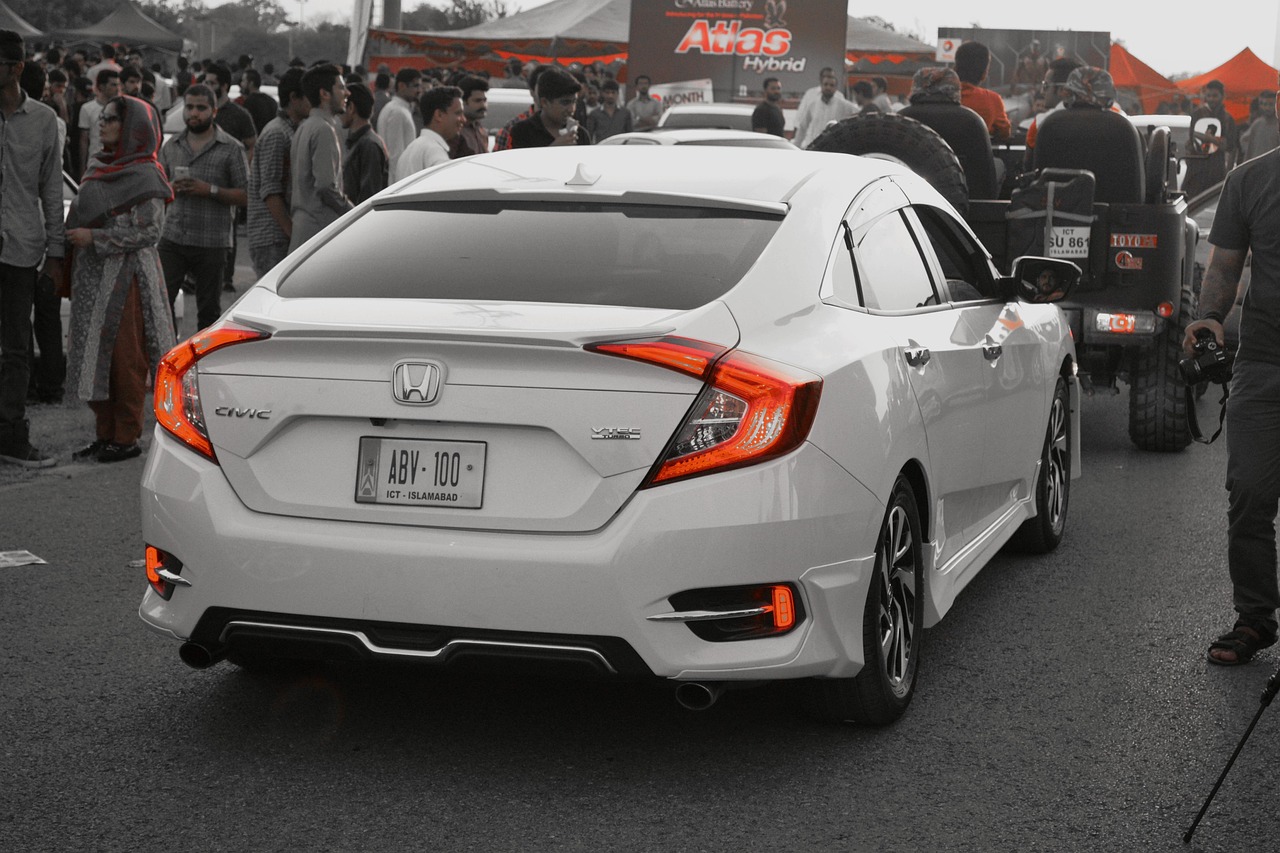
一、本田宣布大幅削减电动化投资 最近几年,只要说起新能源汽车产业的发展,几乎所有车企都在疯狂进行新能源转型,但是就在这样的大背景下,本田却突然宣布要大幅削减电动化投资, 本田这个时候打退堂鼓究竟是想要干什么? 其次,当前市场需求的不确定性,也是本田做出削减电动化投资决策的重要因素。尽管近年来新能源汽车市场取得了显著增长,但近期增速出现了明显放 缓。消费者对电动汽车的接受程度参差不齐,充电基础设施不完善、续航里程焦虑、电池衰减以及较高的保险费用等问题,依然是制约电动汽车市场快速发 展的瓶颈。在这种情况下,车企对于大规模投入电动化领域往往会变得非常纠结和谨慎。因为一旦市场需求未能如预期般增长,前期的巨额投资可能无法获 得相应的回报,进而对企业的财务状况造成严重影响。本田这些年的财务状况也相当不景气,如此严峻的财务状况,使其不得不重新审视电动化投资计划。 据智通财经的报道,日本第二大汽车制造商本田发布声明称,考虑到近期电动汽车市场放缓,本田调整产品投放计划,预计到2030年电动汽车销量占比将低 于此前宣布的30%目标。另一方面,目前市场对混合动力汽车的需求很高,因此本田将进一步增强混动车产品线。 本田计划从2027 ...


沃尔沃全球裁员3000人,加速电动化转型应对行业变局
Hua Xia Shi Bao· 2025-05-27 08:22
Core Viewpoint - Volvo has announced a global layoff plan affecting approximately 3,000 employees, including 1,200 in Sweden, as part of a strategy to streamline operations and enhance efficiency in response to declining profits, increased market competition, and uncertainties in international trade [2][3][8] Group 1: Layoff Details - The layoff plan is part of a broader cost-cutting initiative aimed at saving 18 billion Swedish Krona (approximately 1.66 billion USD) [3] - The layoffs will impact 7% of Volvo's total full-time workforce of 43,500 employees, with significant cuts in the diesel engine technology team due to the company's shift away from diesel vehicles [3][4] - The one-time restructuring cost is estimated to reach 1.5 billion Swedish Krona (approximately 138 million USD), which will affect profits over the next two years [4][6] Group 2: Financial Performance - In Q1 2025, Volvo's operating profit plummeted by 59.6% to 1.9 billion Swedish Krona, with revenue declining by 11.7% from 93.9 billion to 82.9 billion Swedish Krona [6][7] - The EBIT margin fell from 5% to 2.3%, highlighting the company's struggles with declining sales and rising costs [6][7] - The company has suspended its annual financial guidance due to increased market uncertainties and weak consumer confidence [6] Group 3: Electric Vehicle Strategy - Volvo aims to achieve full electrification by 2030, having announced plans to cease diesel vehicle production by early 2024 [6][7] - The company plans to increase the proportion of electric products to 50%-60% by 2025 and further to 90%-100% by 2030 [7] - The EX30 model is crucial to Volvo's electrification strategy, but potential tariff increases on exports to the U.S. could undermine its competitiveness [4][6] Group 4: Challenges and Market Response - The uncertainty surrounding trade policies, particularly U.S. tariffs on EU imports, poses additional challenges for Volvo's supply chain and cost structure [3][4] - Despite the layoff announcement, Volvo's stock performance in Sweden showed resilience, indicating market approval of the cost-cutting measures [4] - The company faces the challenge of maintaining employee morale and R&D investment while implementing cost reductions [5][8]
瑞银调查:电动汽车销售仍有望保持增长趋势 看好宝马(BMWYY.US)、比亚迪等
Zhi Tong Cai Jing· 2025-05-26 08:32
Group 1: Electric Vehicle Market Trends - The proportion of consumers considering purchasing Battery Electric Vehicles (BEVs) has decreased to 41%, down 5 percentage points year-over-year, while those considering Plug-in Hybrid Electric Vehicles (PHEVs) is at 36%, also down 5 percentage points [1] - UBS forecasts a compound annual growth rate (CAGR) of 17% for global electric vehicle sales from 2024 to 2027, revised down from 22%, primarily due to a slowdown in the U.S. market [1] - The projected global electric vehicle penetration rate is 25% by 2025 and 41% by 2030, down from previous estimates of 26% and 49% respectively [1] Group 2: Regional Insights and Consumer Concerns - In China, domestic brands are gaining popularity in the high-end market, with BYD stabilizing at a high level and being the only Chinese brand rapidly gaining traction in export markets [2] - Tesla is facing significant challenges in Europe and losing market share in China to local brands, with fewer consumers viewing it as a technology leader [2] - The main consumer concerns regarding BEVs are inadequate charging infrastructure and limited range, rather than price [1] Group 3: OEM Competitive Positioning - UBS identifies the most competitive OEMs as those with strong BEV product capabilities, strategic flexibility, and limited investment needs in Internal Combustion Engine (ICE) vehicles while maintaining profitability [2] - BMW is noted for its forward-looking electric transformation, with the Neue Klasse platform set to launch in late 2025 [3] - BYD is recognized for its complete vertical integration and significant cost advantages, being the only Chinese OEM to achieve initial success in global expansion [3] Group 4: OEM Strategic Adjustments - Many OEMs are responding to the slowdown in BEV sales outside China by adjusting product plans and focusing on flexibility to address regional trends and rising trade barriers [2] - Toyota, despite a slower pace in electric vehicle development, maintains strong ICE profitability to support electric investments [3] - Companies like Porsche, Volvo, and NIO are seen as being at a disadvantage due to various challenges, including limited product diversity and difficulties in overseas expansion [3]

捷豹路虎回应部分车型停产:在华生产一切正常
Cai Jing Wang· 2025-05-22 09:19
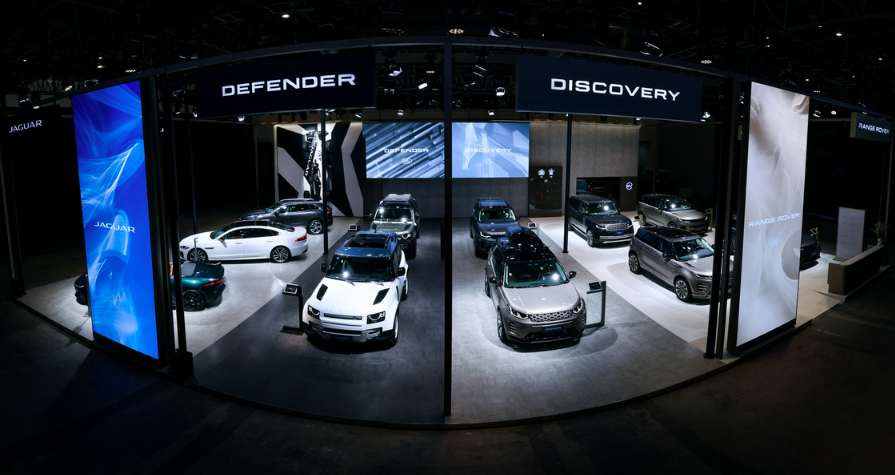
Core Viewpoint - Jaguar Land Rover (JLR) is undergoing a significant transition towards electrification, with plans to cease production of certain models in China by September 2025, while focusing on electric vehicle development [1][3][4]. Group 1: Production Changes - The production of Jaguar XEL, XFL, and E-PACE models at the Chery Jaguar Land Rover plant in Changshu will officially end in September 2025 [1][3]. - The Land Rover models, including Range Rover Evoque and Discovery Sport, are also set to stop production by the end of next year [3]. - Future production plans will be adjusted according to global strategies, with a shift towards electric models [1][8]. Group 2: Electrification Strategy - JLR aims to achieve net-zero emissions across its supply chain and operations by 2039, with a focus on launching electric models and high-end brands by 2026 [8]. - The company has halted the sale of new gasoline vehicles in the UK and is transitioning to electric and hybrid models, with plug-in hybrid sales increasing by 21.7% over the past year [8]. - A strategic cooperation agreement was signed between Chery and JLR to develop new electric products, enhancing their product matrix for the upcoming electric era [9]. Group 3: Financial Performance - JLR has increased its investment in electric product development from £15 billion to £18 billion over the next five years [9]. - For the fiscal year 2025, JLR reported global revenues of £29 billion and a pre-tax profit of £2.5 billion, despite a 34% decline in sales in China, resulting in a loss of £14 million for the joint venture with Chery [9].
【业绩速递】和谐汽车(3836.HK):2021年业绩表现强劲,年度股息同增166%
Ge Long Hui· 2025-05-22 02:15
Core Viewpoint - H harmonious Automotive reported significant revenue growth and profit increase for the year ending December 31, 2021, driven by strong sales in luxury vehicles and strategic adjustments in operations [1][2]. Financial Performance - Total revenue reached 17.981 billion RMB, a year-on-year increase of 21.9% [2]. - Main business net profit was 757 million RMB, showing a substantial growth of 49.6% year-on-year [1]. - Proposed final dividend of 0.21 HKD per share, up 165.8% from the previous year, with a dividend payout ratio of 40% of the annual net profit attributable to shareholders [1]. Revenue Breakdown - Automotive sales generated 15.61 billion RMB, a 21% increase, accounting for 86.8% of total revenue [2]. - After-sales service revenue was 2.326 billion RMB, up 27.95%, representing 12.9% of total revenue [2]. Profitability and Efficiency - Overall gross margin was 9.7%, an increase of 0.9 percentage points from 2020 [2]. - Gross margin for automotive sales was 4.3%, up 0.8 percentage points, while after-sales service gross margin remained stable at 44.8% [2]. - Average inventory turnover decreased to 25 days, down 7 days from 2020, due to tightened supply from chip shortages [2]. Sales Performance - New car sales reached 407,900 units, a year-on-year increase of 11.5%, outperforming the national luxury car market growth of 4.88% [4]. - Key brands like BMW saw an 11.4% increase in sales, significantly exceeding the national growth rate of 2.5% [4]. - Sales of ultra-luxury brands such as Ferrari and Rolls-Royce experienced substantial growth, with increases of 94.3% and 36.7% respectively [4]. Strategic Initiatives - The company is focusing on enhancing its luxury car business and exploring electric vehicle opportunities [5][6]. - Plans to optimize brand portfolio and improve operational efficiency to boost cash flow and inventory management [6]. - The company is considering potential acquisition strategies to strengthen market share [6]. - Continued investment in "Dangdang New Energy" to support electric vehicle services and sales [4][6].
生死攸关 日产“断臂”
Zhong Guo Qi Che Bao Wang· 2025-05-22 01:18
Core Viewpoint - Nissan is undergoing a significant restructuring plan called "Re:Nissan" due to severe financial losses, including a projected net loss of 670.9 billion yen (approximately 32.7 billion RMB) for the fiscal year 2024, marking the worst performance since 1999 [2][7]. Group 1: Restructuring and Cost-Cutting Measures - Nissan plans to cut 20,000 jobs globally, which is about 15% of its workforce, and close 7 factories as part of its restructuring efforts [3][4]. - The company aims to reduce its global production capacity from 3.5 million units to 2.5 million units by 2027, representing a nearly 30% reduction [4]. - Nissan intends to cut costs by 500 billion yen by the fiscal year 2026, with both fixed and variable costs reduced by 250 billion yen each [4]. Group 2: R&D and Product Development - Nissan will temporarily halt advanced development and focus on cost-cutting, reallocating 3,000 employees to these efforts [5]. - The company plans to reduce the number of vehicle platforms from 13 to 7 by the fiscal year 2035 and shorten the development time for major models to 37 months [5][6]. - In China, Nissan aims to shorten the product development cycle to under 24 months, leveraging local teams for innovation [6]. Group 3: Market Strategy and Focus - Nissan's restructuring plan emphasizes revitalizing core markets, including the U.S., China, and Japan, with differentiated strategies for each [8][9]. - In the U.S., Nissan plans to enhance its presence in the hybrid vehicle segment and revitalize the Infiniti brand [8]. - The company aims to increase the number of new energy vehicles launched in China from 8 to 10 by the summer of 2027 [8]. Group 4: Partnerships and Collaborations - Nissan is deepening collaborations with partners like Renault and Mitsubishi to enhance product offerings and market presence [10]. - Despite the collapse of merger talks with Honda, Nissan will continue to collaborate in the fields of electrification and smart technology [10]. - The company is expanding its partnerships in China with tech firms to enhance capabilities in smart cockpit and assisted driving technologies [10]. Group 5: Financial Outlook - Nissan anticipates a negative impact of 450 billion yen from U.S. tariffs in the fiscal year 2025, with no specific profit or loss forecasts provided due to the uncertainty of tariff policies [11].


财务“紧箍咒”下,多家跨国车企放缓电动化转型步伐
Di Yi Cai Jing· 2025-05-21 09:32
跨国车企正调整电动汽车短、中、长期投入。 全球电动汽车市场的变化以及来自财务的压力,正影响着跨国车企短中长期业务布局。 日前,本田宣布,将调整纯电动汽车(EV)战略,即到2030年度,原计划用于纯电动汽车和软件开发 的10万亿日元将降至7万亿日元,降幅30%。 与此同时,本田还将缩减纯电动汽车销量。本田社长三部敏宏还表示,本田将修正截至2030年的纯电动 汽车在汽车销量中所占的比例,预计从此前的40%调整到30%以下。 同时,福特决定推迟下一代电动车型的推出,包括原计划2026年发布的中型电动皮卡,已延期至2027年 底;并取消一款原计划2025年推出的三排座纯电SUV的开发,该车型原定于2027年推出,但因无法实现 盈利目标而被砍掉,导致公司损失19亿美元。福特首席财务官约翰·劳勒解释称,公司在评估市场竞 争、消费者需求以及电动车电池成本后发现,该车型无法在上市第一年内实现盈利,因此决定终止该项 目。 通用汽车在2024年6月已下调了当年电动汽车产量预测。通用汽车首席执行官玛丽·博拉表示,由于市场 尚未成熟,通用汽车到2025年底不会在北美生产100万辆电动汽车,但公司仍致力于实现这一目标。此 外,通用汽车 ...


2025上海车展,零部件企业破局重构产业格局
Jing Ji Guan Cha Bao· 2025-05-21 08:32
Core Insights - The 2025 Shanghai Auto Show serves as a significant platform for the automotive supply chain, showcasing a transformation from "supporting players" to "leading players" in the industry [1][16] - The exhibition area for auto parts spans 100,000 square meters, hosting over 1,500 suppliers from 28 countries, marking it as the largest auto parts display in history [2][4] - The event highlights the shift towards smart and electric vehicles, with a notable presence of both traditional suppliers and new tech companies [2][3] Industry Transformation - The automotive supply chain is evolving with technology companies entering the market, changing the competitive landscape from hardware manufacturing to a software-hardware integrated ecosystem [3] - The collaboration between component suppliers and vehicle manufacturers is shifting from "supplying" to "joint development," as seen in partnerships like Huawei with Jianghuai Auto and CATL with SAIC [3][5] Scale and Competition - More than half of the world's top 100 auto parts suppliers participated in the show, showcasing their advanced technologies and products [4][5] - Domestic companies like CATL and Huawei are demonstrating significant growth and technological advancements, indicating a shift in industry power dynamics [5][11] Technological Innovations - The event showcased breakthroughs in battery technology, including CATL's sodium-ion battery and BYD's all-solid-state battery, which address safety and performance concerns [7][8] - Major Tier 1 suppliers are accelerating local R&D efforts, with Bosch and Continental introducing advanced driver assistance systems that leverage local technology [9][10] Local Market Dynamics - Chinese auto parts companies are rapidly gaining ground, with over 1,200 domestic automotive chips displayed, reflecting a shift from being a backup option to a primary choice for automakers [11] - Companies like Huawei and CATL are setting benchmarks in technology and ecosystem development, with innovative solutions like rapid battery swapping and smart vehicle systems [12][13] Global Strategy and Localization - Multinational companies are deepening their local strategies in China, with significant investments and a focus on integrating into the local automotive ecosystem [13][14] - The trend of localization is becoming essential for global suppliers, as they adapt to the unique demands of the Chinese market while also aiming for global outreach [15][16]

本田削减30%电动化投资 战略重心转至混动车型
Cai Jing Wang· 2025-05-21 08:28
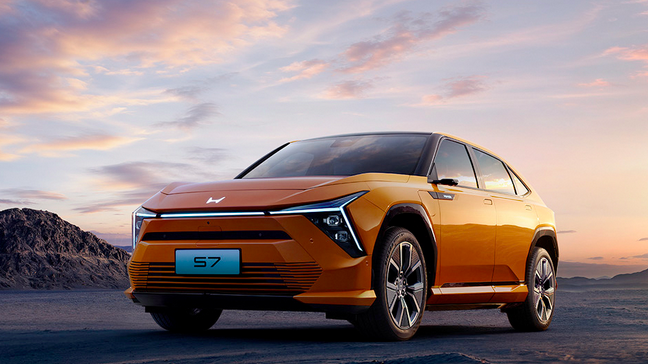
Core Viewpoint - Honda is shifting its strategic focus from pure electric vehicles to hybrid technology due to a slowdown in the electric vehicle market, reducing its electrification investment from 10 trillion yen to 7 trillion yen, a 30% decrease [1][2]. Group 1: Strategic Adjustments - Honda aims to increase total vehicle sales by over 3.6 million units by 2030, with hybrid vehicle sales targeted to rise by 2.2 million units [1]. - The company plans to launch 13 new hybrid models between 2027 and 2030, adjusting its previous target of having electric vehicles account for 30% of total sales [1][2]. Group 2: Financial Performance - For the fiscal year 2024, Honda reported revenues of 21.69 trillion yen, a 6.2% year-on-year increase, but net profit fell by 24.5% to 835.8 billion yen [5]. - The company anticipates a revenue decline to 20.3 trillion yen in fiscal year 2025, a 6.4% decrease, with operating profit expected to drop by 58.8% to 500 billion yen [5]. Group 3: Market Challenges - Honda's motorcycle business achieved record sales and operating profit, while the automotive sector faced declines, particularly in China and Southeast Asia [5]. - In China, Honda's vehicle sales dropped by 30.94% year-on-year, with a significant 40.8% decline in April 2025 compared to the previous year [5]. Group 4: Cost Reduction Initiatives - Honda is implementing measures to reduce key component costs, including collaborative R&D with suppliers and optimizing production processes [2]. - The next-generation hybrid system's cost is expected to decrease by over 50% compared to the 2018 model and by 30% compared to the 2023 model [2]. Group 5: Partnerships and Collaborations - Honda is deepening collaborations with Chinese tech companies to accelerate its electrification and smart technology transition, including partnerships for advanced driver assistance systems and battery technology [6].
一汽大众4月在华销量下滑 转型仍面临挑战
Cai Jing Wang· 2025-05-21 01:22
Group 1: Sales Performance - In April 2025, FAW-Volkswagen achieved vehicle sales of 113,406 units, with a year-on-year increase of 0.4 percentage points in fuel vehicle share [1] - Volkswagen brand sold 68,001 units, up 7.9% year-on-year, while Audi brand sales reached 36,900 units, maintaining the top market share for domestic luxury fuel vehicles from January to April [1] - However, April's sales were significantly lower than March's 154,000 units, indicating a decline in momentum [1] Group 2: Market Challenges - In the first quarter, Volkswagen's global revenue was €77.6 billion, a 2.8% increase, but operating profit fell 37% to €2.9 billion [2] - In China, Volkswagen's sales dropped by 7.1% to 644,100 units, accounting for 30% of global sales, despite growth in other markets [2] - FAW-Volkswagen's total sales for 2024 were 1.6591 million units, down approximately 13% from 2023's 1.9102 million units [2] Group 3: Electric Vehicle Transition - The electric vehicle market is expected to grow significantly, with projections of 16.5 million units sold in 2025, a nearly 30% increase [3] - FAW-Volkswagen plans to launch over 20 new energy vehicles in the Chinese market by 2027, indicating a strong commitment to electric vehicle development [4] - The company will introduce 11 new models tailored for the Chinese market starting in 2026, including 6 pure electric vehicles [4] Group 4: Competitive Landscape - The rise of domestic brands like BYD and NIO poses a challenge for Volkswagen, necessitating a proactive response to maintain market position [3] - FAW-Volkswagen's transition to electric vehicles involves local teams taking a more significant role in product development, with a focus on localized technology [5] - Despite efforts in product and technology localization, the company faces pressure on market share and profitability in the competitive electric vehicle landscape [5]