
产业结构调整

Search documents
创新新材上半年实现营业收入391.41亿元
Zheng Quan Ri Bao Wang· 2025-08-29 05:45
Core Insights - The company, Innovation New Materials Technology Co., Ltd., reported its 2025 semi-annual results, highlighting challenges such as intensified market competition, the cancellation of aluminum export tax rebates, and U.S. tariff trade frictions [1] - Despite these challenges, the company has focused on deepening its industrial structure adjustments and enhancing its presence in high-end product areas, particularly in 3C consumer electronics profiles and high-end aluminum rod and cable sectors [1] Financial Performance - The company achieved operating revenue of 39.141 billion yuan, representing a year-on-year increase of 1.05% [1] - The net profit attributable to shareholders was 355 million yuan, a decline of 38.69% compared to the same period last year, primarily due to increased market competition, the cancellation of aluminum export tax rebates, and a decrease in sales volume of aluminum rods and foil products [1] - The total sales volume for the first half of the year was 2.1878 million tons, a decrease of 3.33% year-on-year [1] Product Segmentation - The sales breakdown included 77,200 tons of profiles, 501,300 tons of aluminum rods and cables, 1,470,600 tons of bars, 138,700 tons of foil, and 9.7199 million structural components [1]

兴业银行首席风险官赖富荣:“反内卷”有利于银行优化资产结构和客户结构
Bei Jing Shang Bao· 2025-08-29 04:59
Core Viewpoint - The short-term impact of the "anti-involution" policy may lead to an increase in loan default risks due to the elimination of traditional inefficient capacities and projects with outdated technology, while the long-term effects are expected to improve corporate profitability and financial resource allocation towards high-end manufacturing and green economy sectors [1][1][1] Summary by Relevant Sections Short-term Risks - The "anti-involution" policy is anticipated to gradually phase out traditional low-efficiency capacities and projects, potentially increasing loan default risks in related sectors [1][1] Long-term Opportunities - The policy is expected to enhance supply-demand relationships, improve corporate profitability, and drive financial resources towards key national sectors such as high-end manufacturing and green economy, benefiting banks by optimizing asset and client structures [1][1][1] Strategic Directions - The company outlined four strategic directions: 1. Closely monitor changes in national regulatory policies and implement differentiated strategies for client segmentation, supporting high-end capacity supply while phasing out outdated capacities [1][1] 2. Leverage comprehensive licensing advantages to identify key regions and enterprises, implementing differentiated credit policies to seize opportunities from industrial restructuring and upgrades [1][1] 3. Strengthen industry credit management with a quota management mechanism for overcapacity industries, focusing on precise control in key regions and sectors to mitigate concentration risks [1][1] 4. Enhance the review of existing clients in line with capacity clearance directions, regularly reassessing client situations and managing risk clients effectively [1][1]

建设机械:与恒达智控共同出资设立合资公司
Xin Lang Cai Jing· 2025-08-22 09:55
Core Viewpoint - The company plans to establish a joint venture with Zhengzhou Hengda Zhikong Technology Co., Ltd. to enhance the development of intelligent mining control systems and core components [1] Group 1: Joint Venture Details - The registered capital of the joint venture is set at 100 million yuan, with the company contributing 51 million yuan for a 51% stake [1] - Zhengzhou Hengda Zhikong will contribute 49 million yuan for a 49% stake in the joint venture [1] Group 2: Strategic Objectives - The initiative aims to accelerate industrial restructuring and focus on the research and manufacturing of intelligent mining control systems [1] - The joint venture intends to provide comprehensive, safe, reliable, and efficient solutions for intelligent mining control systems [1]

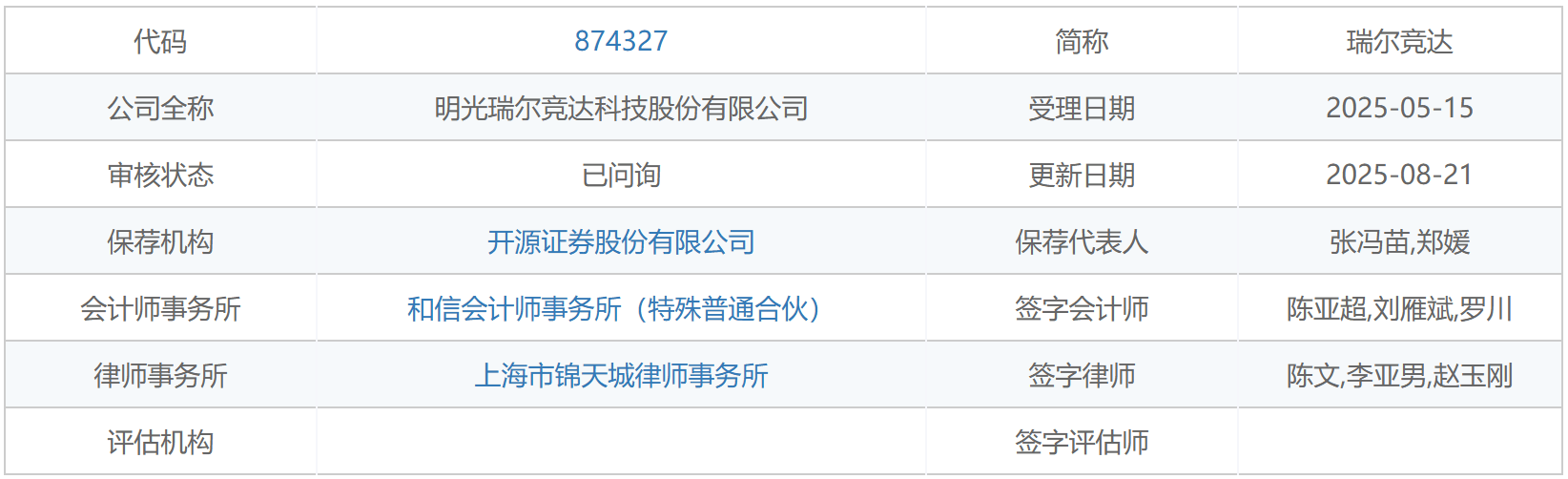
IPO雷达|行业下滑它爬坡?瑞尔竞达“逆行”业绩被聚焦,募投“下注”未来订单
Sou Hu Cai Jing· 2025-08-21 15:24
Core Viewpoint - The company, Mingguang Rierjinda Technology Co., Ltd., is facing scrutiny from regulatory authorities due to inconsistencies in its performance metrics compared to industry trends, as well as a lack of revenue from products that were supposed to be mass-produced in the past two years [1][2]. Financial Performance - The company's revenue for the years 2022 to 2024 was reported as 403 million yuan, 467 million yuan, and 476 million yuan respectively, while the net profit attributable to the parent company was 59.85 million yuan, 92.27 million yuan, and 84.84 million yuan for the same years [3]. - The total assets as of December 31, 2024, were approximately 756.78 million yuan, with total equity of about 587.89 million yuan, reflecting an increase from the previous year [4]. Profitability Metrics - The company's gross margin has shown a significant increase, with rates of 32.26%, 37.74%, and 39.72% from 2022 to 2024, compared to comparable companies' average gross margins of 18.86%, 17.95%, and 15.86% [5]. - The company attributes its higher gross margin to increased sales to foreign clients, particularly Northern Steel in Russia, which has led to higher product pricing [5]. Market Dynamics - The overall production of refractory materials in China has been declining since 2020, particularly in the steel industry, which is expected to see a year-on-year decrease in pig iron production in 2024 [4]. - The company claims that structural adjustments in the industry have provided opportunities for growth, supported by stable customer demand and increasing recognition from overseas clients [5]. Investment and Funding - The company plans to reduce its fundraising target from 473 million yuan to 335 million yuan, with funds allocated for projects related to carbon capture technology and the expansion of production lines [8]. - Regulatory authorities have raised concerns regarding the necessity and rationale behind the investment in products that have not generated revenue in recent years, specifically non-metallic furnace grates and supports [10]. Production Capacity and Utilization - The company has reported that its production capacity for certain products has not been fully utilized, with utilization rates of 62.10% for high furnace body linings and 76.68% for other non-shaped refractory products in 2024 [12]. - The company plans to produce 410 tons of non-metallic furnace grates and supports, citing potential customer demand as a justification for this investment [10].

韩政府拟对本国石化产业进行结构调整
Shang Wu Bu Wang Zhan· 2025-08-21 03:58
Core Viewpoint - The South Korean government is shifting its approach to the petrochemical industry from "self-regulation" to "strong guidance," indicating a need for structural adjustments and business reorganizations within the sector [1] Group 1: Government Initiatives - President Lee Jae-myung has called for domestic petrochemical companies to pursue "business restructuring" and "equipment adjustments," signaling a proactive stance on industry restructuring [1] - The government plans to introduce additional measures by the end of August to facilitate this transition, moving away from previous policies that focused primarily on minimizing negative impacts on employment and local economies [1] Group 2: Industry Response - The Minister of Trade, Industry and Energy, Lee Chang-won, has suggested that the petrochemical industry may face intense structural adjustments and has urged companies to engage in voluntary restructuring [1] - The government has warned that it will take decisive action against companies that attempt to "free ride" or do not cooperate with the restructuring efforts [1]
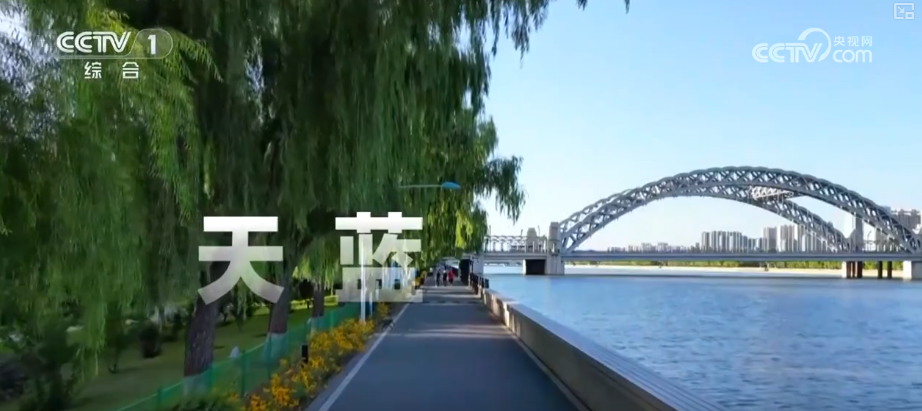
天蓝、地绿、水清共绘多彩生态画卷 生态治理擦亮城市名片 | 看见美丽中国
Yang Shi Wang· 2025-08-20 07:22
Core Viewpoint - Datong has transformed from a city plagued by air pollution to one with improved air quality, now recognized for its "Datong Blue" as a significant urban brand [1][44]. Group 1: Environmental Improvements - Datong was once ranked among the bottom ten cities in air quality in China, particularly from 2003 to 2005 [9]. - The city government initiated comprehensive measures to combat air pollution, including the closure of non-compliant coal mines and the upgrade of existing coal production facilities [15][21]. - The implementation of advanced pollution control technologies has led to significant reductions in emissions, with some power plants achieving dust emission levels lower than household dust [23][25]. Group 2: Policy and Regulatory Framework - National policies, such as the 2013 Air Pollution Prevention Action Plan, set stringent targets for PM10 concentration reductions, aiming for a decrease of over 10% from 2012 levels [18]. - The introduction of the strictest environmental protection laws in 2015 has further compelled local governments and industries to enhance their environmental standards [27]. Group 3: Economic and Tourism Development - Datong has been recognized as one of 25 key tourist cities in China, alongside cities like Xiamen and Sanya, reflecting its successful transition to a tourism-driven economy [40]. - The transformation of former pollution sources, such as the Jinhuagong Mine, into tourist attractions demonstrates the city's commitment to both environmental restoration and economic diversification [32]. Group 4: Community and Cultural Impact - The improvement in air quality has positively affected local heritage sites, such as the Yungang Grottoes, leading to increased visitor numbers and better preservation of cultural artifacts [30][36]. - The city's efforts in ecological governance have not only enhanced its image but also improved the quality of life for its residents, showcasing the benefits of sustainable development [44].
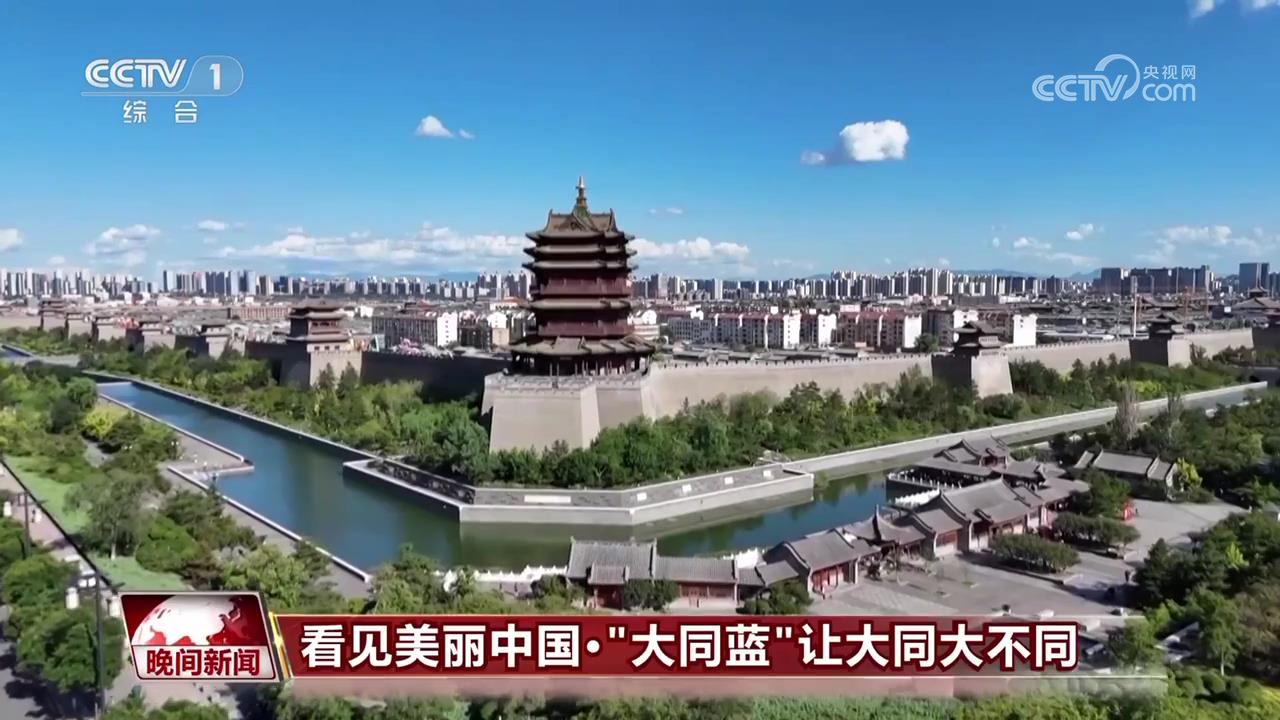
【看见美丽中国】千年古城焕新颜 走进大同的蜕变之旅
Yang Shi Wang· 2025-08-19 16:12
Core Viewpoint - The transformation of Datong from a city plagued by air pollution to one with improved air quality, known for its "Datong Blue," highlights successful environmental governance and industrial restructuring efforts [1][19]. Group 1: Environmental Improvements - Datong's air quality has significantly improved, moving from being one of the worst cities in China to ranking among the best in air quality among 168 key cities [17]. - The city has implemented comprehensive measures to reduce emissions from coal mining and power generation, including the adoption of advanced pollution control technologies [9][11]. - The introduction of strict environmental regulations, such as the 2015 environmental protection law, has driven local authorities to enhance air quality standards [12]. Group 2: Industrial Restructuring - Datong has phased out outdated coal production capacities and upgraded existing coal mines with automation and dust suppression technologies [7]. - The local government has enforced the closure of illegal and non-compliant coal mines, focusing on consolidating and modernizing the coal industry [7]. - Power plants in Datong have adopted a "desulfurization, denitrification, and dust removal" approach, achieving ultra-low emissions standards [9][11]. Group 3: Tourism Development - The improved air quality and environmental conditions have positioned Datong as a key tourist destination, alongside cities like Xiamen and Sanya [19]. - The transformation of pollution sources into tourist attractions, such as the former mining site now known as Jinhuagong National Mine Park, reflects the city's commitment to sustainable tourism [14][16]. - The increase in visitor numbers to cultural sites, such as the Yungang Grottoes, indicates a positive correlation between environmental improvements and tourism growth [14][19].
(活力中国调研行)重庆绿色转型成效显著 单位GDP能耗优于全国平均水平
Zhong Guo Xin Wen Wang· 2025-08-12 16:04
Group 1 - The core viewpoint is that Chongqing has made significant progress in green transformation of its economy and society since the 14th Five-Year Plan, achieving an average economic growth of 5.6% supported by a 2.4% increase in energy consumption [1] - Chongqing is focusing on developing a modern manufacturing cluster system called "33618," which includes key industries such as smart connected new energy vehicles, next-generation electronic information manufacturing, and advanced materials [1] - The city aims to reduce energy consumption per unit of GDP by 11.8% compared to 2020, while promoting the transformation of traditional industries towards low-carbon practices [1] Group 2 - Chongqing is promoting the synergy of green and digital transformation by launching an online platform for energy and carbon control, which includes the "Industrial Green Efficiency Code" to help enterprises identify their green development positioning [2] - The city has established a gradient cultivation system for green factories at various levels, with a total of 170 national-level green factories, 16 green industrial parks, and 18 green supply chain management enterprises, accounting for 29.5% of the total industrial output value [2] - Chongqing is integrating urban green spaces, including parks and ecological areas, into a comprehensive urban green space system to enhance ecological functions and recreational opportunities [2] Group 3 - Chongqing has implemented a horizontal ecological protection compensation mechanism that spans the Yangtze River and its tributaries, creating a three-tier compensation network to promote ecological protection and regional development [3]
长沙郑州“第二城”之争锻造中部产业新格局
Sou Hu Cai Jing· 2025-08-12 00:56
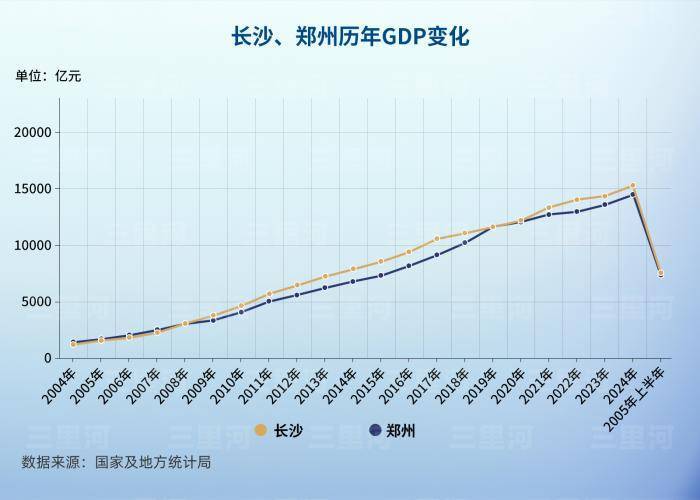
Core Insights - The competition for the title of "Second City in Central China" between Changsha and Zhengzhou is intensifying, with Changsha currently leading by a narrow margin in GDP [2][3] - In the first half of 2024, Zhengzhou's GDP was 725.24 billion yuan, while Changsha's was 717.02 billion yuan, with Zhengzhou holding a slight advantage of 8.219 billion yuan [1] - By the end of 2024, Changsha is expected to reclaim the second position, surpassing Zhengzhou by over 70 billion yuan [1] Economic Performance - In the first half of 2025, Changsha's GDP reached 764.04 billion yuan, while Zhengzhou's was 732.93 billion yuan, indicating Changsha's continued growth [1] - Both cities have shown significant growth in their GDPs, with Zhengzhou and Changsha achieving 732.93 billion yuan and 764.04 billion yuan respectively in the first half of 2025 [1] Industrial Development - Both cities are important industrial hubs, with Changsha's industrial output value growing by 8.2% and Zhengzhou's by 8.5% in the first half of 2025 [7] - Changsha's strength lies in traditional industries such as construction machinery, while Zhengzhou excels in electronic information and automotive manufacturing [7][8] - Changsha has maintained its position as the national leader in construction machinery for over a decade, producing 70% of the country's machinery types [7] Trade and Exports - Zhengzhou leads in import and export activities, with a total import and export volume of 274.68 billion yuan in the first half of 2025, a year-on-year increase of 38.7% [9] - In contrast, Changsha's import and export volume was only 136.76 billion yuan, making Zhengzhou's trade volume approximately double that of Changsha [9] New Economic Drivers - The development of new economic drivers is crucial for both cities to enhance their economic scale and secure their positions [10] - Changsha is focusing on advanced energy storage materials, while Zhengzhou is investing in new energy vehicles, aiming to create a second growth engine [10] - The strategic industrial transformations in both cities reflect their efforts to improve technological independence and resilience against economic fluctuations [10][11]
茶饮出海趋势、算力需求拉动光伏消纳、两融重返两万亿关口
Tebon Securities· 2025-08-11 04:37
Market Overview - The A-share market has shown strong upward momentum, with the index successfully surpassing the 3600-point mark, and the margin financing balance returning to the 2 trillion yuan level for the first time since May 2015[3] - The current tea beverage industry is experiencing intensified competition, with a significant shift towards overseas markets, particularly the United States, indicating substantial growth potential[3] Industry Trends - In the energy and technology integration sector, AI data centers are paving new paths for centralized photovoltaic consumption, supported by continuous policy efforts to promote the synergy between computing power and electricity[3] - The semiconductor industry is entering a new cycle driven by strong AI demand, with high-end segments like silicon wafers and MLCCs seeing notable demand differentiation[3] Structural Changes - The analysis of the Fortune China 500 list from 2015 to 2025 reveals a shift in China's industrial structure, with high-tech industries like electronics and modern services like finance becoming new growth drivers, while traditional sectors like real estate face deep adjustments[6] - The number of companies in the real estate sector has decreased from 45 to 29 over the past decade, reflecting significant industry contraction due to regulatory changes and market dynamics[7] Consumer Insights - The domestic tea beverage market has seen a slowdown in expansion, with the total number of stores increasing by only 0.74% in the first half of 2025, indicating a shift towards quality competition[23] - Major tea brands are increasingly looking to expand internationally, particularly in the U.S. market, which is projected to grow at a CAGR of 9.1% from 2019 to 2024, with significant potential for new store openings[26] High-End Manufacturing - The "East Data West Calculation" project is expected to enhance the coupling effect between photovoltaic power consumption and computing power industry development, with an estimated average annual energy consumption increase of approximately 9.8 GW for data centers over the next three years[34] - Global semiconductor sales reached $59.9 billion in June 2025, marking a year-on-year increase of 19.6%, driven primarily by business-to-business AI demand rather than consumer electronics[3]


