
创造性破坏

Search documents
观点丨魏天骐 代志新:创新驱动增长的历史逻辑与时代启示——2025诺贝尔经济学奖解读
Sou Hu Cai Jing· 2025-11-02 04:11
Core Viewpoint - The article discusses the significance of the 2025 Nobel Prize in Economic Sciences awarded to Joel Mokyr, Philippe Aghion, and Peter Howitt for their contributions to understanding the mechanisms of innovation-driven economic growth, highlighting the need for tax reform in the context of the digital economy and structural changes in the global economy [4][12]. Group 1: Innovation and Economic Growth - The article emphasizes that the current global economy is undergoing a profound structural transformation, driven by technological advancements in fields such as artificial intelligence and biotechnology, while facing challenges from de-globalization and geopolitical conflicts [4][12]. - The Nobel laureates' research reveals that innovation is not merely an external factor but an intrinsic driver of economic growth, challenging traditional economic paradigms [6][11]. - Mokyr's work highlights the importance of cultural and institutional factors in fostering innovation, suggesting that the Enlightenment period created a conducive environment for knowledge sharing and technological advancement [7][12]. Group 2: Theoretical Contributions - Aghion and Howitt's mathematical modeling of "creative destruction" provides a framework for understanding the dynamic process of innovation and its dual nature of incentivizing investment while potentially leading to over-competition [8][9]. - Their model illustrates the externalities of innovation, arguing that the social value of innovation often exceeds its private value, which justifies government intervention through subsidies and tax policies [9][10]. - The research indicates that innovation can lead to cyclical economic fluctuations, suggesting that while it is a source of growth, it can also result in periods of economic downturn [10][11]. Group 3: Policy Implications - The article stresses the need for a balanced policy approach to address the complexities of sustainable growth, emphasizing that technological progress must be aligned with institutional frameworks to mitigate issues like environmental degradation and social inequality [12][13]. - It warns that the current global economic landscape poses significant risks to innovation-driven growth, necessitating the maintenance of open knowledge networks and competitive market structures to sustain economic dynamism [13].

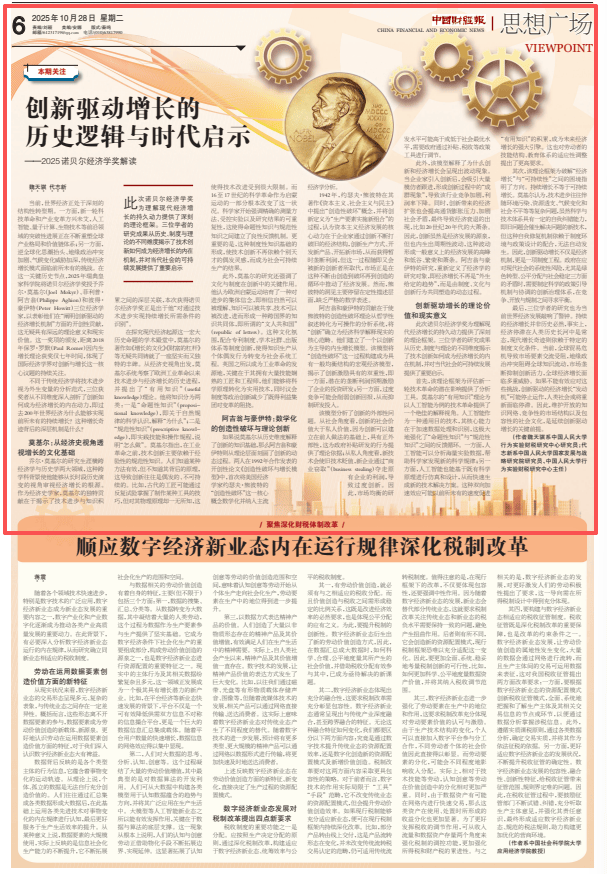
封面新闻专访2025诺贝尔经济学奖得主乔尔·莫基尔:中国对教育和基建投资将有丰厚回报
Sou Hu Cai Jing· 2025-10-30 07:44
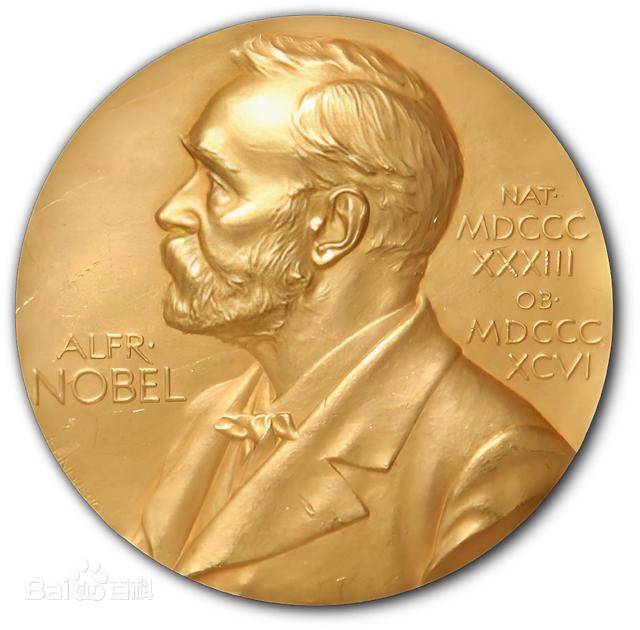
Core Insights - Joel Mokyr, along with Philippe Aghion and Peter Howitt, was awarded the 2025 Nobel Prize in Economic Sciences for their contributions to the theory of innovation-driven economic growth, with Mokyr receiving half of the prize for revealing the prerequisites for sustained growth through technological advancement [1][3]. Group 1: Innovation and Economic Growth - The core premise for sustained economic growth is "useful knowledge," which consists of prescriptive knowledge (how to operate technology) and propositional knowledge (understanding the scientific principles behind technology) [4][5]. - The Industrial Revolution marked the first strong feedback loop between these two types of knowledge, laying the foundation for modern economic growth [5]. Group 2: Importance of Understanding Principles - Understanding the principles behind technology is crucial for sustainable innovation; merely knowing how to do something is insufficient [6][8]. - Historical examples, such as the development of agricultural practices and steam engines, illustrate that scientific understanding leads to significant advancements and efficiency improvements [7][8]. Group 3: Measurement of Productivity - Current economic growth rates may not accurately reflect productivity due to outdated measurement methods that fail to account for non-market goods and services that enhance human welfare, such as vaccines [9]. - There is a need for new methods to measure productivity that align with modern economies focused on information and advanced services [9]. Group 4: Openness and Collaboration - For an economy to thrive, it must remain open to trade, talent, and knowledge exchange, emphasizing the importance of a free market for ideas and knowledge [10]. - Collaboration between the public and private sectors is essential for fostering innovation, with the balance depending on industry characteristics [10]. Group 5: China's Investment in Education and Infrastructure - China's significant investments in infrastructure and higher education are expected to yield substantial returns for its economy [11]. - The relationship between state-owned and private enterprises needs to be recalibrated to foster innovation effectively [11]. Group 6: Historical Perspective on Economic Progress - Economic history provides valuable insights into the progress made over time, highlighting that current living standards are unprecedented compared to historical norms [14][15]. - Understanding economic history is essential for comprehending modern economic systems and challenges [14]. Group 7: Lifelong Learning - Young individuals are encouraged to maintain a habit of lifelong learning to adapt to the rapidly changing world, as knowledge becomes outdated quickly [16][17].

夏春:认识创新、竞争与增长的复杂性——深度解读24-25年诺贝尔经济学奖
Sou Hu Cai Jing· 2025-10-30 04:45
Core Insights - The Nobel Prize in Economic Sciences was awarded to Joel Mokyr, Philippe Aghion, and Peter Howitt (KAH) for their research on "innovation-driven economic growth," which is closely related to China's push for new productivity [1][5] - The unexpected aspect of the award is the high overlap of KAH's findings with the anticipated 2024 and 2025 Nobel Prize winners [5][10] - The historical trend shows a preference for macroeconomic and growth fields in Nobel Prize awards, with seven awards given in this area since 2000, indicating a significant focus on these themes [11] Group 1 - KAH's contributions to economic growth theory are significant, particularly in the context of current global technological innovations and competition, especially in AI [5][24] - The research of KAH and the previous winners, Aghion, Johnson, and Robinson (AJR), overlaps significantly, particularly in the area of how innovation and technology impact economic growth and social equality [10][11] - The historical context of the Industrial Revolution and its spread from Britain to Europe is a critical area of study, with various scholars, including AJR and Mokyr, exploring the factors behind this phenomenon [12][13] Group 2 - AJR's research emphasizes the role of inclusive institutions in economic growth, while Mokyr highlights the importance of the combination of theoretical and practical knowledge for sustained growth [12][13] - The integration of geographical, economic, social, and cultural factors into a comprehensive framework for understanding the Industrial Revolution is a notable development in economic thought [15] - The concept of "creative destruction" as a driver of economic growth is explored, with findings indicating that moderate competition fosters innovation, while excessive competition can stifle it [21][28] Group 3 - The decline in total factor productivity (TFP) in various countries, including China, raises questions about the effectiveness of technological advancements in driving economic growth [26][27] - The phenomenon of "superstar firms" dominating markets and potentially hindering innovation among smaller competitors is a critical concern for future economic dynamics [28][30] - The need for policies that promote fair competition and limit the monopolistic practices of large firms is emphasized to ensure a balanced economic environment [33]
诺奖经济学警钟!观念枷锁拖慢全球增长,民粹正把市场拖入陷阱
Sou Hu Cai Jing· 2025-10-22 13:12
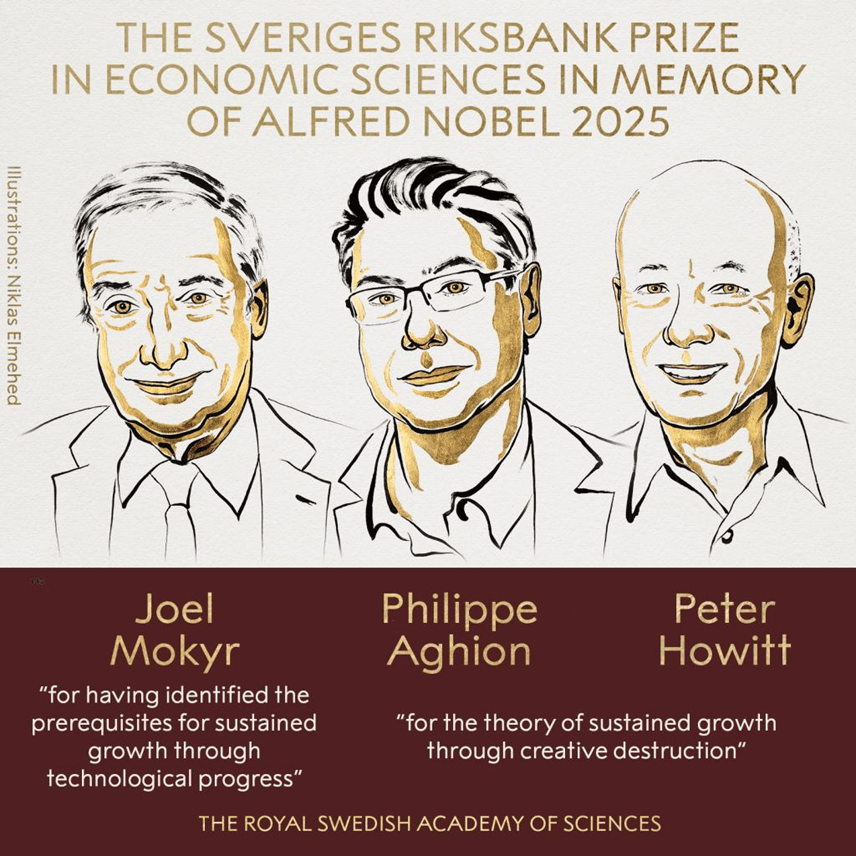
Group 1 - The Nobel Prize in Economic Sciences for 2025 highlights the deep response to global economic development challenges, awarded to Joel Mokyr, Philippe Aghion, and Peter Howitt [1][3] - Mokyr's research emphasizes the link between the Enlightenment's "progressive beliefs" and the encouragement of innovation, which ultimately led to the technological revolution [1][3] - Aghion and Howitt's theory of "creative destruction" underscores the necessity of continuously eliminating old models to embrace new dynamics for economic growth [3][11] Group 2 - The establishment of the British patent system was influenced by societal recognition of "knowledge privatization," supported by Enlightenment thinkers advocating rationality and property rights [5][11] - The concept of "white cat, black cat" in China's reform era legitimized wealth creation, releasing economic vitality, demonstrating the power of ideas in shaping economic outcomes [7][11] - Social media's rise has made public opinion a variable in economic decision-making, as seen in cases where companies faced backlash over perceived exploitation [7][9] Group 3 - The warning from Mokyr about developing countries focusing solely on economic catch-up while neglecting social modernization, risking falling into the "middle-income trap" [11][13] - Argentina's experience illustrates the dangers of excessive welfare and market intervention, leading to economic stagnation and public aversion to innovation [11][13] - The disconnect between public perception and the realities of market dynamics can hinder sectors like the restaurant industry from accessing financing due to misconceptions about capital and food safety [15][16] Group 4 - The rise of economic populism, exacerbated by social media, poses a global challenge, complicating rational discussions about market complexities [18][20] - The need for a "conceptual enlightenment" akin to the Enlightenment movement is essential for contemporary economic growth, emphasizing that market economies thrive on collaboration and innovation [20]
复旦六学者谈2025诺贝尔经济学奖:从创新机制到中国路径
Xin Lang Cai Jing· 2025-10-22 06:59
Core Insights - The 2025 Nobel Prize in Economic Sciences was awarded to Joel Mokyr, Philippe Aghion, and Peter Howitt for their contributions to understanding innovation-driven economic growth mechanisms, providing a new theoretical foundation for modern economic prosperity [1][5][29] Group 1: Theoretical Contributions - Mokyr emphasizes the importance of cultural and conceptual shifts in driving economic growth, particularly during the Industrial Revolution in Europe, highlighting that knowledge accumulation and intellectual curiosity were crucial [10][11][12] - Aghion and Howitt's work on "creative destruction" mathematically models the concept, suggesting that patent systems and intellectual property protection are vital for fostering innovation and long-term economic development [9][29] - The discussions reflect a broader critique of traditional economic theories that often overlook the complexities and historical contexts of economic development, particularly in non-Western contexts [8][9][10] Group 2: Historical Context and Comparisons - The historical analysis of Europe's rise contrasts with China's development, noting that China's social structure, based on kinship, limited knowledge dissemination compared to Europe's more open academic and professional organizations [12][19][28] - The discussions highlight the limitations of Western economic theories when applied to contemporary China, suggesting that the unique historical and cultural contexts of nations must be considered in economic analysis [19][20][27] - The concept of "catching up" in economic development is explored, emphasizing that strong state capacity and market integration are crucial for latecomer countries like China to achieve rapid economic growth [20][22][30] Group 3: Implications for Modern Economic Theory - The integration of new elements into economic theory is necessary to capture the dynamics observed in China's rapid economic rise, particularly the role of a unified state in fostering innovation and economic growth [30] - The discussions suggest that the historical advantages of fragmented political entities in fostering innovation may not hold in the current global context, where large, unified markets can leverage knowledge more effectively [22][30] - The need for a balanced approach to technology adoption and innovation is emphasized, advocating for institutional frameworks that can absorb and adapt to technological changes while promoting equitable growth [18][30]
阿吉翁家族传奇vs.“人生的意义”小吃店
Hu Xiu· 2025-10-20 23:28
Core Insights - The 2025 Nobel Prize in Economic Sciences was awarded to Joel Mokyr, Philippe Aghion, and Peter Howitt for their contributions to the theory of "innovation-driven economic growth" [1] Group 1: Innovation and Economic Growth - Aghion's core ideas emphasize that innovation and knowledge dissemination are central to economic growth [6] - Innovation relies on incentives and property rights, with firms as the main agents of innovation and government acting as an "investor" and "insurer" [6][7] - The increasing difficulty of innovation is highlighted, as the number of researchers needed to achieve advancements like Moore's Law has increased significantly [8] Group 2: Creative Destruction - Aghion's family history exemplifies "creative destruction," with his mother founding Chloé to revolutionize women's fashion, creating a new concept of "luxury prêt-à-porter" [10] - Aghion transformed this family legacy into a theoretical framework for understanding capitalist economic growth through the Neo-Schumpeterian growth paradigm [11] Group 3: Personal and Societal Values - A small eatery in Zhengzhou gained popularity by emphasizing philosophical and poetic values over mere commercial success, showcasing a form of "creative destruction" [14][15] - The owner chose to close the restaurant at peak popularity to maintain personal integrity and a deeper purpose, reflecting a conscious decision to prioritize authenticity over profit [16][17] Group 4: Parallels in Values - The Aghion family represents an "additive" elegance, using resources to create new possibilities, while the eatery owner embodies a "subtractive" elegance, sacrificing immediate gains for deeper truths [19][20] - Both examples illustrate a commitment to "creative destruction," resisting external pressures to maintain their core values and purposes [21][22] Group 5: Philosophical Reflections - The essence of "creative destruction" is rooted in a pure, unwavering internal core, which can manifest in both grand revolutions and quiet retreats [23] - The pursuit of life's meaning is framed as participation in the ongoing cycle of "creative destruction," emphasizing the importance of understanding and engaging with this process [24][25]

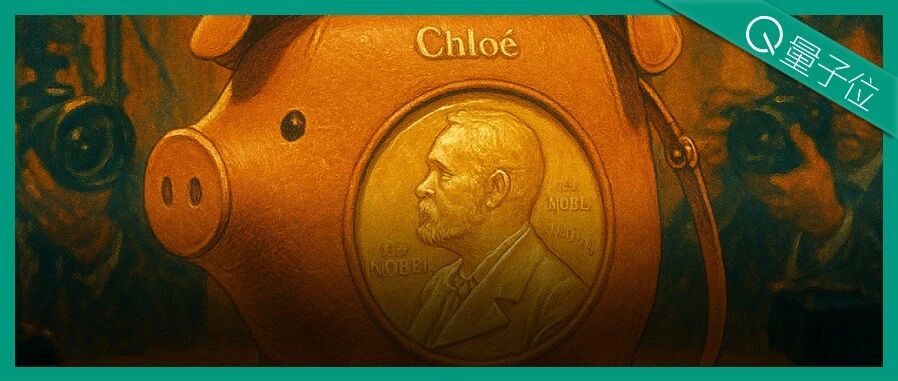
经济学诺奖得主的富二代人生:香奈儿老佛爷帮他写作业,AI时代反对向机器人征税
量子位· 2025-10-19 08:10
Core Viewpoint - The 2025 Nobel Prize in Economic Sciences was awarded to three scholars who highlighted the critical role of technological and scientific innovation in driving economic growth, emphasizing the importance of continuous investment in basic research for long-term economic advancement [2][5][3]. Group 1: Nobel Prize Winners and Their Contributions - The prize was shared equally between Joel Mokyr, Philippe Aghion, and Peter Howitt, who revealed how technology and scientific innovation interact with market competition to foster economic growth [5][7]. - Joel Mokyr's research demonstrated the self-reinforcing relationship between scientific breakthroughs and technological applications, which is essential for sustained economic growth [7][11]. - Aghion and Howitt developed a pioneering mathematical model in the 1990s that explains how firms improve production processes and introduce higher-quality products through R&D investments, ultimately replacing established market leaders [8][30]. Group 2: Historical Context and Economic Growth - Historically, economic growth was sporadic, with little change in living standards until the Industrial Revolution in the 18th century, which initiated a self-reinforcing cycle of innovation and economic growth [21][22]. - Over the past two centuries, many countries have maintained an average economic growth rate of about 2%, which, due to compounding effects, results in significant income increases over decades [23][25]. - Joseph Schumpeter's concept of "creative destruction" explains that economic progress is driven by innovation that disrupts existing industries and creates new growth opportunities [26][28]. Group 3: Mechanisms of Innovation and Economic Dynamics - Mokyr identified two types of "useful knowledge" that drive innovation: propositional knowledge (understanding natural laws) and normative knowledge (practical guidelines) [30][29]. - Aghion and Howitt's model illustrates that the continuous replacement of old firms with new ones is a key engine of economic growth, as new companies strive to innovate and outperform established players [34][36]. - The rise of AI is currently instigating another wave of creative destruction, reinforcing the relevance of the Nobel laureates' research [40][41]. Group 4: Implications of Innovation - Innovation leads to the emergence of new winners while potentially sidelining others, raising concerns about job displacement and inequality [41][42]. - A robust policy framework is necessary to manage the effects of innovation and prevent market failures, ensuring that the mechanisms behind creative destruction are maintained [43][44].
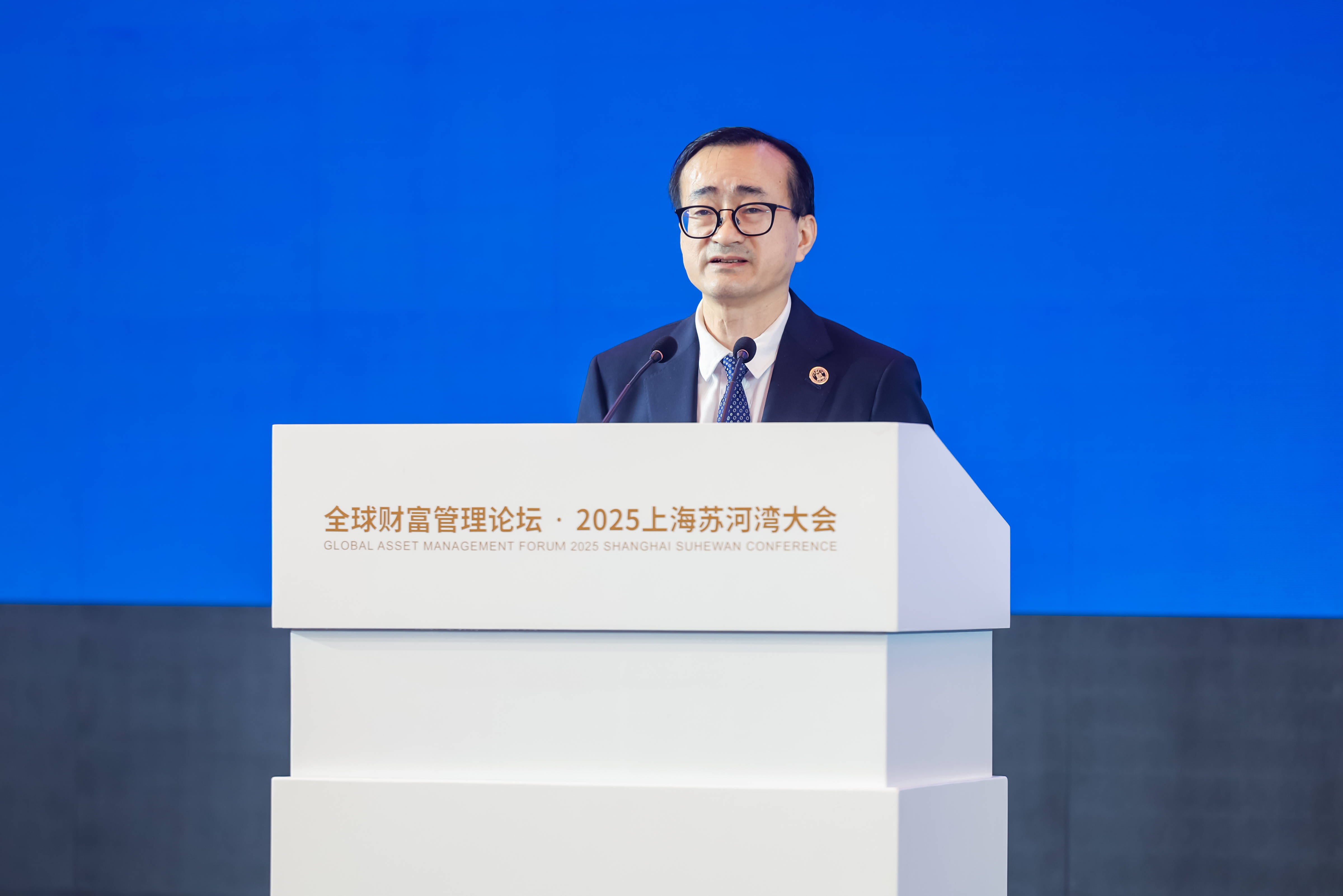
上海财经大学校长刘元春:中国创新驱动框架已形成 深化创新启蒙正当时
Sou Hu Cai Jing· 2025-10-19 07:16
Core Insights - China is undergoing a significant transformation, with an innovation-driven framework taking shape, and a stabilization in the real estate market could signal the start of a new phase of innovation-driven growth [1][4]. Group 1: Innovation and Economic Growth - The understanding of innovation-driven growth must be deepened, emphasizing the importance of cultural factors within the economic growth system [4]. - The transition from factor-driven to innovation-driven growth has been completed, resulting in a high-end, intelligent, and green industrial system, although the transition is still at a critical stage [4]. - The Nobel Prize-winning theories on innovation-driven economic growth, particularly the concept of "creative destruction," provide significant insights for China's current development [4]. Group 2: Key Insights for Innovation - A competitive environment conducive to innovation must be established, alongside mechanisms that allow for the exit of unsuccessful ventures, highlighting the importance of embracing both failure and success [5]. - The rapid iteration and acceleration of innovation in China necessitate a social system that shares innovation benefits while distributing innovation costs [5]. - A balanced market structure that avoids both complete monopoly and excessive competition is essential for fostering an innovation-driven growth model [5][6]. Group 3: Knowledge and Research - Knowledge accumulation should evolve from directive and operational knowledge to propositional and scientific knowledge, with fundamental research being central to sustained innovation [7]. - The integration of scholars with craftsmen and the deep fusion of science and humanities are crucial for promoting "innovation enlightenment" [7]. - The cultivation of both "great scientists" and "cultural entrepreneurs" is vital, as shaping values is as important as technological innovation [7].
【首席观察】当“创造性破坏”遇见黄金:市场在博弈一个怎样的未来?
Sou Hu Cai Jing· 2025-10-18 10:40
Core Insights - The recent surge in gold prices reflects a collective emotional response and institutional expectations, indicating a market grappling with a future characterized by "innovation-driven growth" and "creative destruction" [3][4][5] - The Nobel Prize in Economic Sciences awarded in 2025 highlights the importance of innovation and institutional stability in driving economic growth, which is relevant to the current dynamics in the gold market [4][12] Group 1: Market Dynamics - Gold prices reached historical highs, with London spot gold at $4,360 per ounce and New York futures at $4,383 per ounce on October 17, 2025, marking increases of 3.58% and 1.82% respectively [2] - The gold market has seen a 5-day increase of 5.32%, a 1-month increase of 13.11%, and a year-to-date increase of 60%, indicating a strong upward trend despite short-term fluctuations [4][6] - Global gold demand reached 1,249 tons in Q2 2025, a 3% year-on-year increase, with total value rising to $132 billion, a 45% increase, driven by geopolitical tensions and persistent risk aversion [8] Group 2: Investment Strategies - The current gold price surge is driven by both short-term risk aversion and long-term reallocation strategies, raising concerns about potential asset bubbles [6][9] - Investors are increasingly viewing gold as a hedge against institutional uncertainty, with the market exhibiting a strong preference for assets that do not rely on any single counterparty [9][15] - The actual interest rate is identified as a key variable for gold price movements, with favorable conditions for gold when the rate is below 1.5% and adverse effects when it exceeds 2.0% [15][16] Group 3: Behavioral Insights - Investor sentiment is characterized by a mix of fear and greed, with a tendency to overreact to negative signals while hoping for favorable monetary policy changes [16][17] - Behavioral finance suggests avoiding linear predictions and being cautious of short-term volatility traps, emphasizing the cyclical nature of market movements [17]
黄金持续刷新高点,央行储备量创历史新高|一财号每周思想荟(第38期)
Sou Hu Cai Jing· 2025-10-17 10:13
Group 1 - The central bank's gold reserves have reached a historical high, indicating a long-term strategic focus rather than short-term market reactions [1][2] - Gold serves as a crucial stabilizer in the national reserve system, complementing foreign exchange reserves and special drawing rights, due to its unique properties [2][3] - The continuous increase in gold reserves by central banks reflects a systematic hedge against the declining trust in the US dollar and the need for asset protection amid inflationary pressures [2][3] Group 2 - The current "gold rush" differs structurally from historical bull markets, with multiple central banks, including those from Russia and India, systematically increasing their gold holdings [3] - The rise of digital currencies and blockchain technology is reshaping the traditional monetary system, providing a new context for gold's value [3] - The participation in the gold market has broadened significantly, with retail investors and various financial instruments contributing to increased liquidity and price volatility [3]