多边贸易体系

Search documents
陆家嘴财经早餐2025年10月19日星期日
Wind万得· 2025-10-18 22:31
Group 1 - The video call between Chinese and U.S. trade leaders focused on implementing important consensus from previous communications, agreeing to hold new trade consultations soon [3] - The People's Bank of China (PBOC) Governor highlighted the increased uncertainty in tariff policies, urging the IMF to assess risks objectively and propose targeted policy recommendations [4] - The Ministry of Finance expressed the hope that the World Bank would help create a more open and stable economic environment, particularly for developing countries [4] Group 2 - The Ministry of Science and Technology emphasized the need for comprehensive implementation of the strategy for building a strong technological nation, focusing on integrating technology and industry [5] - The National Development and Reform Commission reported that local government debt risks are gradually easing through various supportive measures [5] - Analysts expect the Loan Prime Rate (LPR) to remain stable in October, with a potential for future adjustments based on credit and social financing data [5] Group 3 - The meeting in Haikou discussed the implementation of cross-border asset management pilot policies and emphasized the importance of risk prevention and management [6] - China's foreign trade has shown resilience despite global trade disputes, with an average settlement rate of 53.7% in the first eight months of the year, a slight increase from last year [6] Group 4 - The Shanghai Stock Exchange aims to enhance the quality of listed companies and attract long-term capital by aligning with national strategies and promoting high-quality development [7] - The number of new margin trading accounts opened in September reached 205,400, the highest this year, indicating strong demand for margin trading [7] - UBS raised its global stock rating to "attractive," citing stronger-than-expected economic growth and easing tariff pressures, with a particular focus on Chinese technology stocks [7] Group 5 - China's rare earth exports in September reached 10,538 tons, a year-on-year increase of 7.6%, with cumulative exports for the year at 95,875 tons, up 3.1% [9] - The Ministry of Industry and Information Technology is developing a plan for the smart connected vehicle industry, focusing on standards and market order [9] - Significant breakthroughs in China's energy sector include the successful cold test of the first modular small reactor and the launch of a national deep-water oil and gas emergency rescue base [9][10] Group 6 - The UK central bank plans to introduce stablecoin regulations by the end of 2026, reflecting a global trend towards the institutional acceptance of privately issued stablecoins [11] - Huawei's internal investigation into cloud business misconduct led to disciplinary actions against management, highlighting the company's focus on compliance [12] - Apple CEO Tim Cook emphasized the importance of AI for competitiveness and growth, noting China's vibrant AI development [12] Group 7 - Former CICC CEO pointed out that AI's impact on investment markets is significant, with AI-related stocks in the S&P 500 now accounting for 43% of market capitalization [14] - The PBOC reported that since the launch of the technology bond market, 670 billion yuan in technology innovation bonds have been issued, supporting various high-tech sectors [15] - Guangdong Province successfully issued 7.5 billion yuan in offshore RMB local government bonds in Hong Kong, continuing its efforts to tap international markets [15] Group 8 - Deutsche Bank's research indicates that gold's share in global foreign exchange reserves has risen to 30%, while the dollar's share has decreased to 40% [16]


潘功胜:坚定维护多边主义,倡导开放、规则为基础的多边贸易体系,为世界经济注入更多稳定性与确定性
Jin Rong Shi Bao· 2025-10-18 07:37
Core Viewpoint - The global economic landscape is undergoing profound changes due to geopolitical factors and technological transformations, leading to weakened growth momentum worldwide [1] Economic Challenges - Trade frictions and geopolitical uncertainties are dragging down global economic growth [1] - Concerns are rising regarding the fiscal sustainability of developed economies and its spillover effects [1] - Financial market volatility may increase, posing severe challenges for emerging markets and developing economies [1] Call for Cooperation - Countries should enhance macroeconomic coordination and cooperation to maintain multilateralism [1] - There is a need to advocate for an open, rules-based multilateral trading system to inject more stability and certainty into the global economy [1] China's Role in Global Governance - China has recently proposed a global governance initiative and is willing to actively participate in building a fair, just, inclusive, and resilient global governance system [1] - China aims to deepen cooperation with the International Monetary Fund (IMF) to support its role in maintaining global economic and financial stability [1]
潘功胜出席国际货币与金融委员会会议
Sou Hu Cai Jing· 2025-10-18 07:36
Core Insights - The International Monetary Fund (IMF) is recognized as the core of the global financial safety net, emphasizing the need for quota reforms to enhance its legitimacy, effectiveness, and representativeness [2][3] - The global economic landscape is undergoing profound changes, with uncertainties and challenges impacting growth, particularly due to trade frictions and geopolitical uncertainties [2] - There is a call for enhanced macroeconomic coordination and cooperation among countries to maintain multilateralism and a rules-based multilateral trading system [2] Group 1 - The IMF's quota adjustments should better reflect members' relative weight in the global economy while protecting the voice of the poorest countries [2] - The IMF is urged to expedite the implementation of the 16th General Review of Quotas and prepare for the 17th General Review to achieve meaningful quota adjustments [3] - The evolving global economic landscape necessitates the IMF to strengthen its economic surveillance functions and enhance global macro policy coordination [3] Group 2 - The uncertainty in tariff policies exacerbates risks facing the global economy and financial markets, requiring the IMF to objectively assess these risks and provide targeted policy recommendations [3] - There is an emphasis on the importance of supporting economic globalization and the multilateral trading system to maintain the stability of the international financial system [3] - The IMF should pay more attention to fiscal risks and spillover effects from major developed economies to enhance the resilience of the global financial system [3]
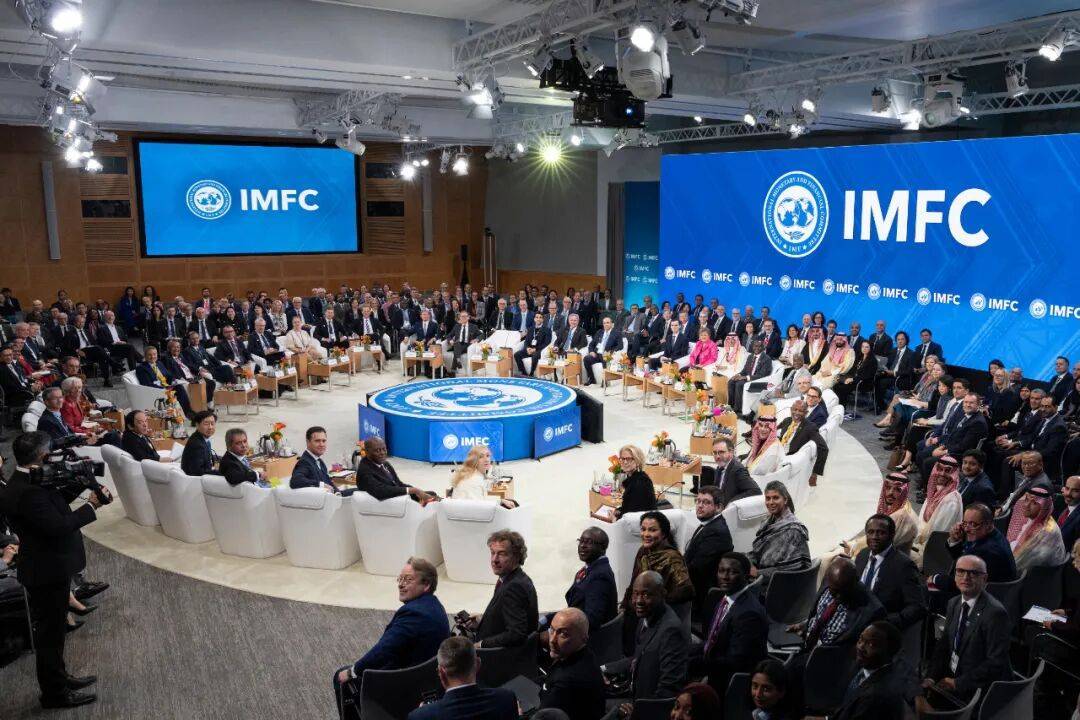
央行行长潘功胜出席第52届国际货币与金融委员会会议
Sou Hu Cai Jing· 2025-10-18 07:03
Core Insights - The International Monetary Fund (IMF) is undergoing discussions regarding global economic conditions and the need for reform in its quota system to better reflect member countries' economic weight while protecting the voice of the poorest nations [1][2] Group 1: Global Economic Conditions - The world economy is experiencing profound changes, with uncertainty, challenges, and opportunities coexisting [1] - Trade frictions and geopolitical uncertainties are dragging down global economic growth, leading to concerns about the sustainability of fiscal policies in developed economies and potential spillover effects [1][2] - Emerging markets and developing economies are facing severe challenges amid weakening global growth momentum [1] Group 2: IMF's Role and Reforms - The IMF is viewed as a core component of the global financial safety net, and reforms in its quota system are crucial for enhancing its legitimacy, effectiveness, and representativeness [2] - There is a call for the IMF to expedite the implementation of the 16th general quota review and to prepare for the 17th review to achieve meaningful quota adjustments [2] - The evolving global economic landscape necessitates the IMF to strengthen its economic surveillance functions and enhance global macro policy coordination [2]
稀土新规护主权 中国经济有底气
Zhong Guo Qing Nian Bao· 2025-10-17 04:30
Core Insights - China's recent export regulations on rare earth materials and related items are seen as a strategic move to leverage its market position and resource endowment in the context of global value chain restructuring [1][2] - The regulations are a response to the U.S. Department of Commerce's inclusion of several Chinese entities on its export control "entity list," aiming to prevent future export restrictions against China [1][2] Group 1: Export Regulations and Strategic Implications - The new export controls target high-value, low-substitutability materials critical for emerging technologies such as renewable energy, artificial intelligence, and quantum communication [2][3] - The introduction of a threshold for "Chinese content" at 0.1% for overseas products marks a significant regulatory change, enhancing China's influence in trade negotiations [2][3] - The measures are intended to maintain stability in global supply chains rather than to gain geopolitical advantages [3][4] Group 2: Economic Performance and Trade Dynamics - China's foreign trade has shown resilience, with exports of mechanical and electrical products accounting for 60.5% of total exports in the first three quarters of the year [5][6] - The country has achieved continuous year-on-year growth in imports and exports for eight consecutive quarters, indicating a robust trade environment [4][5] - The ongoing trade tensions have not deterred foreign investment, as evidenced by Apple CEO Tim Cook's commitment to increasing investment in China [4][6] Group 3: Global Economic Impact and Future Outlook - The International Monetary Fund (IMF) and World Bank have raised China's economic growth forecasts for 2025, highlighting its role as a key driver in the East Asia and Pacific region [6][7] - China's economic fluctuations can significantly impact regional economies, with a 1% change in China's economy potentially affecting neighboring economies by 0.3% [6][7] - Upcoming APEC meetings are expected to focus on multilateral trade systems, regional economic integration, and cooperation in technology and trade friction resolution [7][8]
美国征费重击中国造船业,中国反击措施以牙还牙,但不会立竿见影
Sou Hu Cai Jing· 2025-10-10 16:03
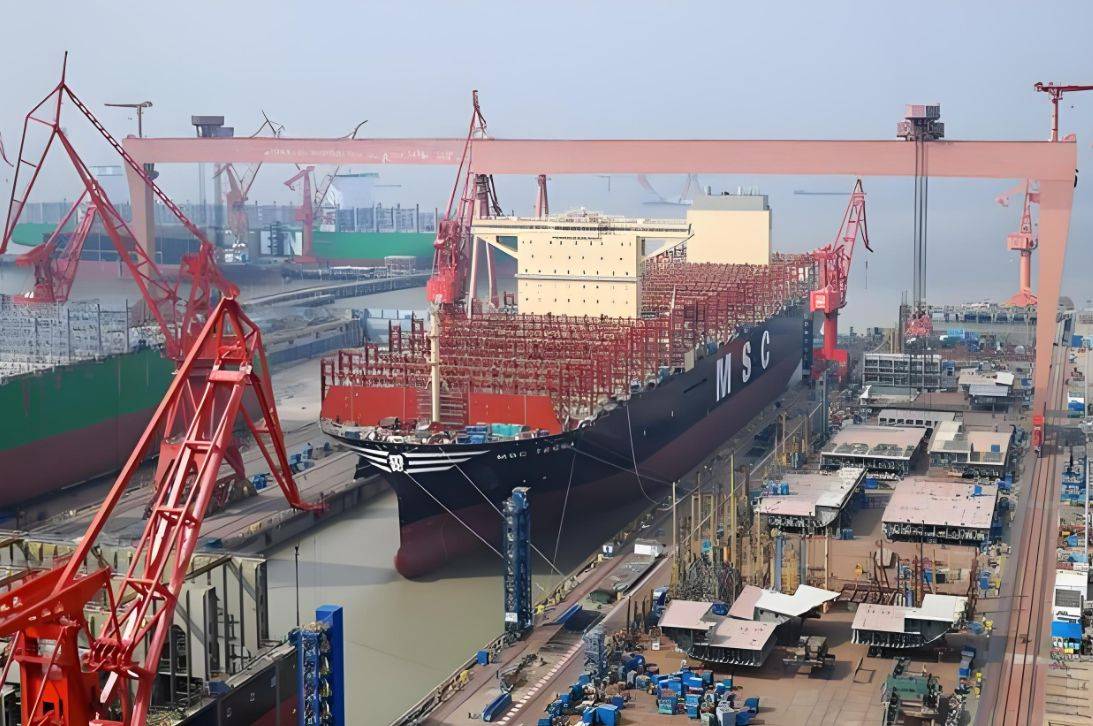
Core Viewpoint - The announcement by the U.S. Customs and Border Protection marks a significant escalation in the geopolitical tensions between the U.S. and China, extending competition from technology and trade to logistics, with a new differentiated fee policy targeting Chinese vessels starting October 14 [1][3]. Group 1: U.S. Policy Details - The U.S. has implemented a tiered fee system, charging $50 per net ton for vessels owned or operated by Chinese companies, $18 per net ton or $120 per container for ships built in China, and a uniform fee for foreign car carriers, indicating a strategic intent to curb China's export of electric vehicles [1][3][7]. - The policy includes exemptions for liquefied natural gas (LNG) carriers and allows shipowners who have ordered new vessels in the U.S. to receive up to three years of exemption, reflecting a complex balancing of interests [3][7]. Group 2: China's Response - China has proactively amended its International Shipping Regulations to include countermeasures against discriminatory restrictions, showcasing strategic foresight in the face of U.S. pressure [3][7]. - The Chinese response is characterized as a "systemic counterattack," preparing the groundwork for reciprocal measures such as imposing special fees and restricting U.S. vessels from entering ports [7][9]. Group 3: Long-term Implications - The U.S. fee strategy is seen as a precise attack on China's dual status as the largest shipbuilding and shipping nation, aiming to increase costs for Chinese shipyards and weaken their global competitiveness [7][9]. - Despite China's robust countermeasures, the impact will be gradual due to the inertia of the global shipping industry and the significant sunk costs associated with existing orders at Chinese shipyards [9][11]. - The potential annual loss of over $5 billion in U.S. agricultural exports due to increased port fees highlights the indirect effects of the U.S. policy, which may take time to translate into domestic political pressure [9][11]. Group 4: Strategic Landscape - The ongoing maritime competition is described as a "war of attrition," where the effectiveness of responses will depend on the strategic patience and industrial foundations of both nations [11][13]. - China's significant share in the global commercial shipbuilding market and its extensive port network provide a strong basis for its shipping industry, while the U.S. faces challenges due to the hollowing out of its shipbuilding sector [11][13].
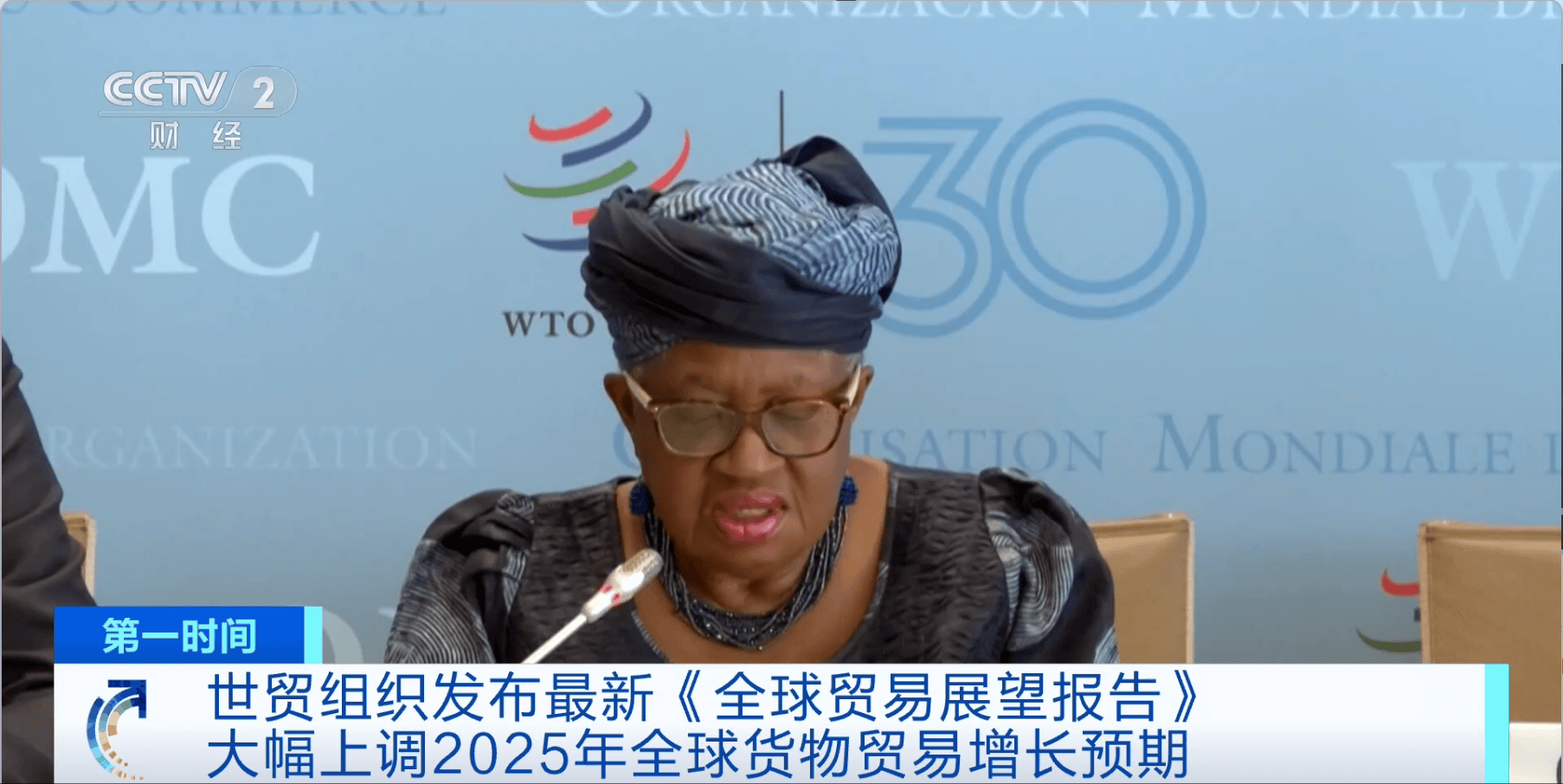
世贸组织大幅上调2025年全球货物贸易增长预期
Sou Hu Cai Jing· 2025-10-08 09:51
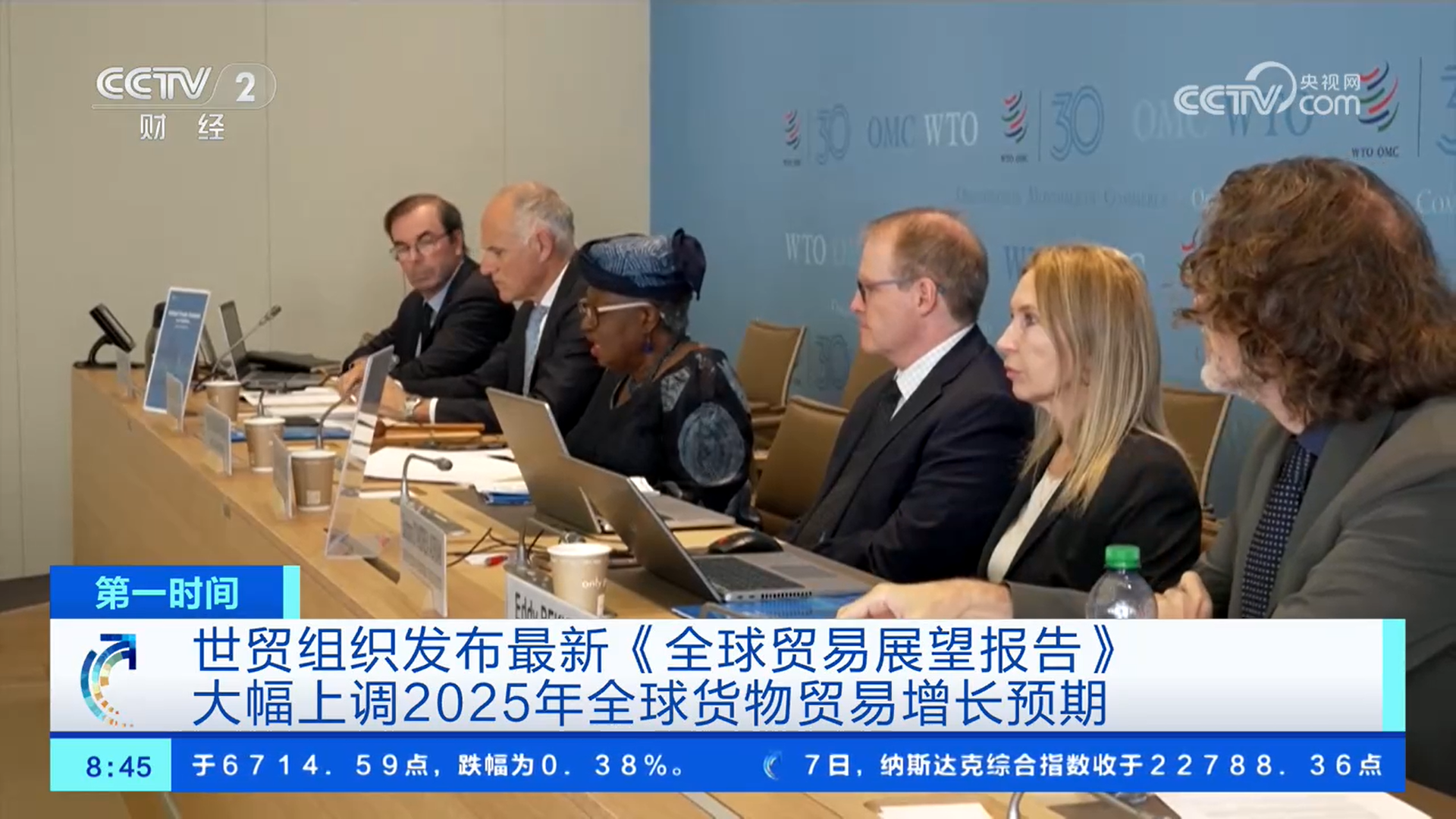
Group 1 - The core viewpoint is that despite strong headwinds from unilateral tariff measures and trade policy uncertainties, global trade shows resilience due to the stability provided by the multilateral trading system and appropriate responses from members to tariff changes [1] Group 2 - The latest Global Trade Outlook Report indicates that global trade volume is expected to grow significantly by 4.9% year-on-year in the first half of 2025, driven by factors such as "stockpiling" in the U.S. due to anticipated tariff increases, improved macroeconomic conditions, and surging demand for artificial intelligence products [3] - The World Trade Organization has revised its forecast for global goods trade growth in 2025 from 0.9% in August to 2.4% [3] Group 3 - However, the report also states that with a cooling global economy and the full impact of higher tariffs expected to manifest over the next year, the trade growth outlook for 2026 is not optimistic, with the forecast revised down from 1.8% to only 0.5% [5] Group 4 - In terms of service trade, while not directly affected by tariffs, it may still face indirect impacts through its association with goods trade and output. The report predicts that global service export growth will decline from 6.8% in 2024 to 4.6% in 2025, and further to 4.4% in 2026 [7]
东方亮了!美国盟友接连“倒戈”,全球贸易格局或迎大改写
Sou Hu Cai Jing· 2025-10-08 07:05
Core Viewpoint - The article discusses the shifting global trade dynamics due to the United States' unilateral trade policies, particularly its "reciprocal tariffs," which are criticized for promoting protectionism and negatively impacting global service trade [1][3][4]. Group 1: Impact of US Trade Policies - The US GDP experienced a quarter-on-quarter decline of 0.3% in Q1 2025, marking its first economic contraction in three years, largely attributed to the negative effects of its tariff policies [3]. - Net exports have significantly dragged down the US economy by 4.83 percentage points, highlighting the detrimental impact of the tariff measures [3]. - A study from Yale University indicates that if the US tariffs are fully implemented, consumer prices could rise by 2.3%, resulting in an additional annual expenditure of $3,800 per household [3]. Group 2: Global Reactions and Shifts - Countries like India, Brazil, Egypt, and Pakistan have shown support for China's stance against US trade practices, indicating a potential decline in US hegemony in global trade [1][4]. - Germany's Hamburg port saw a 11.3% increase in container throughput with China, while shipments to the US plummeted by 19%, reflecting a growing trade relationship with China [6]. - The UK has resumed its economic cooperation with China, signing a £3.2 billion deal, as it seeks to recover economically post-Brexit [6]. - Australia has shifted its stance, with Prime Minister Albanese stating that Australia will no longer pursue "decoupling" from China, given that nearly 40% of its exports are directed to the Chinese market [6]. Group 3: Broader Economic Context - Emerging economies now contribute over 60% of global economic growth, contrasting with the US's economic struggles, which include a national debt exceeding $45 trillion, accounting for 130% of its GDP [9]. - The Regional Comprehensive Economic Partnership (RCEP) covers 30% of the global population, further illustrating the shift in economic power dynamics away from the US [9]. - The article warns that continued reliance on tariff barriers by the US could lead to its isolation in the face of global cooperation trends [10][12].
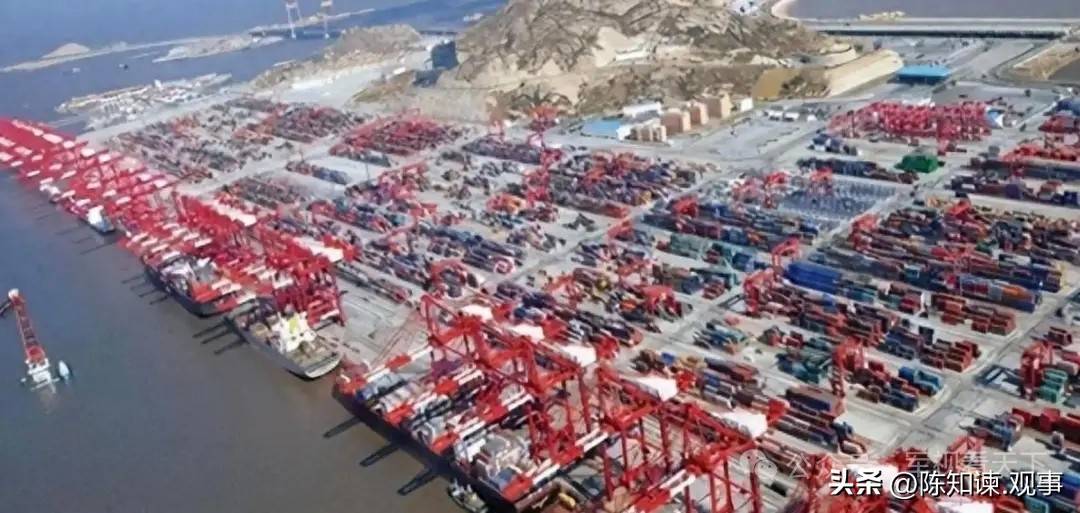
视频|世贸组织总干事:全球贸易在美国单边主义政策冲击下仍显韧性
Sou Hu Cai Jing· 2025-10-08 06:07
Core Insights - The World Trade Organization (WTO) reported a resilient global trade outlook despite challenges from unilateral actions by the U.S. government, with a projected growth of 2.4% in global goods trade for the year, significantly higher than the previous forecast of 0.9% [1][2] Group 1: Global Trade Growth - The increase in global goods trade is attributed to U.S. importers placing advance orders to mitigate the impact of tariffs and a surge in demand for products related to the artificial intelligence industry, such as semiconductors and manufacturing equipment [1] - Trade among developing economies, referred to as South-South trade, is growing rapidly, with an expected year-on-year increase of 8% in the first half of 2025, compared to a 6% growth in total global trade during the same period [1] Group 2: Future Outlook and Risks - The WTO warns of a significant decline in global goods trade growth to 0.5% in 2026, influenced by weak global economic recovery and U.S. tariff policies [1] - There is considerable uncertainty regarding future trade policies and barriers, indicating that while the global trade system shows resilience, caution is warranted due to potential risks [2]
世贸组织发布最新《全球贸易展望报告》大幅上调2025年全球货物贸易增长预期
Yang Shi Wang· 2025-10-08 05:09
Group 1 - The core viewpoint is that despite strong headwinds from unilateral tariff measures and trade policy uncertainties, global trade shows resilience due to the stability provided by the multilateral trading system and appropriate responses from members to tariff changes [1] Group 2 - The latest Global Trade Outlook Report indicates a significant year-on-year increase of 4.9% in global trade volume in the first half of 2025, driven by factors such as preemptive imports in the U.S. due to anticipated tariff hikes, improved macroeconomic conditions, and a surge in demand for artificial intelligence products [3] - The World Trade Organization has revised its global goods trade growth forecast for 2025 from 0.9% in August to 2.4% [3] Group 3 - However, the report also indicates a substantial downward adjustment of the global goods trade growth forecast for 2026, from an earlier prediction of 1.8% to only 0.5%, due to global economic cooling and the full impact of higher tariffs becoming evident over the year [4] - In terms of service trade, while not directly affected by tariffs, it may still face indirect impacts through its association with goods trade and output, with global service export growth expected to decline from 6.8% in 2024 to 4.6% in 2025, and further to 4.4% in 2026 [4]