
悦己经济

Search documents
火烧咖啡 卡通煎饼……创新“主理人”出圈 现场“哇”声一片
Yang Shi Xin Wen· 2025-12-04 06:41
Core Insights - The rise of innovative "principals" in the consumer market is driven by increasing demand for personalized experiences and consumption upgrades [1] - A notable example is a pancake vendor in Chengdu, who combines artistic skills with traditional food to create cartoon-patterned pancakes, attracting significant consumer interest [2][4] Group 1: Consumer Trends - The popularity of personalized and experiential consumption is evident, as consumers are willing to pay for unique experiences that convey deeper emotions and stories [6][8] - The concept of "interest consumption" is emerging, where products like customized pancakes serve beyond basic needs, offering emotional value [6] Group 2: Business Innovation - The pancake vendor, Zeng Yaxin, utilizes her art background to innovate within the traditional snack market, leading to a surge in popularity and customer engagement [4][10] - Similar trends are observed in other regions, such as the "fire-burnt coffee" concept in Yunnan, showcasing how unique offerings can create local consumer excitement [14][16] Group 3: Policy Support - Local governments are increasingly providing policy support and financial incentives to foster new consumption scenarios and business models, enhancing the growth of personalized and experiential consumption [19][20] - Initiatives include loans, tax reductions, and support for creative businesses, aiming to stimulate local economies and diversify consumer experiences [22][24] Group 4: Market Dynamics - The evolving consumer landscape is characterized by rapid updates in consumption models, leading to new supply and demand dynamics that enhance market vitality [26]


机构:游戏行业高景气度有望延续
Zheng Quan Shi Bao Wang· 2025-11-28 00:32
Core Insights - The approval of 178 domestic games and 6 imported games in November 2025 indicates a positive trend in the gaming industry [1] - The gaming sector is experiencing a high level of prosperity, with improved supply-demand dynamics due to an increase in license approvals [1] - Active funds significantly increased their holdings in the high-prosperity gaming sector during Q3 2025, making gaming a primary focus for media fund allocations [1] Group 1: Industry Outlook - The gaming industry is currently supported by favorable policies, strong profitability, and reasonable valuations, creating a clear investment theme [1] - Domestic regulatory policies are becoming more lenient, which, combined with the cultural export strategy, enhances the industry's growth potential [1] - Q3 2025 earnings exceeded market expectations, validating the profitability of the gaming sector [1] Group 2: Valuation and Growth Potential - Most leading gaming companies are currently valued in the range of 15-20 times earnings, indicating room for valuation recovery [1] - Mid-tier gaming companies are expected to innovate in gameplay and themes under the influence of AI, potentially driving both valuation recovery and earnings growth [1] - The gaming sector is likely to maintain its high prosperity due to its entertainment attributes aligned with consumer preferences [1]
国盛证券:战略性、战术性看好A股资产 尤其是AI、新质生产力、自主可控、出海主线
智通财经网· 2025-11-27 05:38
Core Viewpoint - The report from Guosheng Securities suggests a strategic and tactical bullish outlook on A-share assets, driven by the anticipated rise of new economic drivers and forces in China during the "14th Five-Year Plan" period, particularly in advanced manufacturing and technology [2][3] Group 1: Investment Strategy - The report emphasizes the importance of investing in China, highlighting that each era has its core assets that reflect the macroeconomic environment, with the upcoming period expected to attract global resources and create a bull market in equities [2] - The focus is on four main investment themes: "All in AI, new productive forces, self-control, and going global" [1][2] Group 2: Asset Allocation - A-shares are viewed positively, with a focus on a "dumbbell strategy" where investments are concentrated at both ends: technology growth and dividend stocks, while rotating through mid-range assets [3] - The report identifies key sectors for investment, including technology related to self-control and domestic substitution, as well as long-duration low-yield assets like dividend stocks [3] Group 3: Market Conditions - The domestic bond market is expected to experience fluctuations, with the 10-year government bond yield projected to range between 1.5% and 1.9% due to various economic factors [4] - In the U.S. market, the report anticipates volatility in U.S. stocks, with a downward trend in U.S. Treasury yields and a weakening dollar, influenced by AI narratives and fiscal policies [5][6] Group 4: Commodity Outlook - The report notes a broad presence of bullish options in commodities, with precious metals like gold and silver benefiting from trends such as "de-dollarization" and "debt monetization" [6] - Specific commodities such as copper, aluminum, and rare earths are expected to gain from energy transition and technological advancements, as well as geopolitical tensions [6]

中国商品市场百强榜发布,浙江凭什么“霸榜”?
Di Yi Cai Jing· 2025-11-26 08:19
Core Insights - Zhejiang Province has established itself as a leading hub for global resource integration and market penetration, holding 29 positions in the "Top 100 Commodity Markets in China" list, which represents nearly 30% of the total [1] - The total transaction volume of specialized markets in Zhejiang reached 1.77 trillion yuan in 2024, with a year-on-year growth of 4.73%, and is expected to exceed 1.8 trillion yuan by year-end [1] Group 1: Market Performance - Zhejiang has the highest number of markets, excelling in transaction scale, market structure, and digital transformation, with notable markets like Yiwu China Commodity City and Zhejiang Shaoxing China Light Textile City [1] - In the first three quarters of 2024, the transaction volume reached 1.28 trillion yuan, indicating strong market activity [1] Group 2: Transformation Strategies - The Zhejiang market is undergoing transformation across five dimensions: full-chain integration, digital intelligence, quality enhancement, scenario-based experiences, and internationalization [2] - The province has integrated production and supply chain resources through a "platform + industry" model, moving beyond traditional transaction methods [2] Group 3: Production and Service Innovations - Zhejiang has cultivated 4,375 "super factories" and adopted flexible production models to meet the demands of small brands and e-commerce [3] - The Yiwu Global Trade Center has developed a comprehensive service ecosystem, with 57% of merchants operating their own brands [3] Group 4: Quality and Brand Development - The market is focusing on brand incubation, quality control, and intellectual property protection to move up the value chain [4] - The Puyuan Wool Sweater Market has established a brand management system, achieving a transaction volume of 6 billion yuan on a major e-commerce platform in the first four months of the year [4] Group 5: Global Integration - Zhejiang's market has evolved from a simple distribution model to a hub for global resource integration, with Yiwu's "Yi Payment" collaborating with over 400 banks worldwide [5] - The establishment of overseas warehouses and new international routes has enhanced global circulation capabilities [5] Group 6: Future Directions - The five trends of full-chain integration, digital intelligence, quality enhancement, scenario-based experiences, and internationalization are interrelated and mutually reinforcing [5] - Recommendations include creating new market-industry synergies, developing new consumer benchmarks, enhancing service platforms, and leveraging AI for market innovation [6]
机构:游戏行业景气度高 供需结构改善
Zheng Quan Shi Bao Wang· 2025-11-26 00:35
Core Insights - The Chinese gaming industry is experiencing a high level of prosperity, with improved supply-demand dynamics and significant revenue growth in October 2025 [1][2] - The gaming sector is becoming a primary focus for active funds, indicating strong investor interest and confidence in the industry's future [1] - The shift from a project-based model to a quality-driven approach is enhancing the valuation potential of gaming companies [2] Group 1: Market Performance - In October 2025, the domestic gaming market revenue reached 31.359 billion yuan, reflecting a month-on-month growth of 5.66% and a year-on-year growth of 7.83% [1] - The gaming industry is currently in a favorable cycle, with A-share gaming companies experiencing accelerated revenue and profit recovery in the first three quarters of the year [1] Group 2: Investment Trends - Active funds significantly increased their holdings in the high-prosperity gaming sector during the third quarter of 2025, making gaming a major component of media investment portfolios [1] - The gaming industry benefits from supportive regulatory policies, strong earnings performance, and reasonable valuation levels, with most leading gaming companies valued between 15 to 20 times earnings [1] Group 3: Industry Evolution - The gaming market in China has matured, leading to longer project cycles and a shift from a "channel-driven" to a "quality-driven" approach, resulting in a focus on fewer but higher-quality games [2] - The currently popular SLG genre is characterized by long-term operational potential, which may further enhance the industry's valuation as it moves away from traditional project-based models [2]
中国消费新需求为中秘经贸合作添动力(专家解读)
Ren Min Ri Bao· 2025-11-16 23:25
Core Insights - Peru is the first Latin American country to sign a comprehensive free trade agreement with China and is one of the earliest participants in the Belt and Road Initiative, with trade between China and Peru reaching $19.149 billion from January to May 2025, a year-on-year increase of 30.7% [1] Trade and Economic Cooperation - China is Peru's largest trading partner, and the successful operation of the Chancay Port, set to begin in 2024, is expected to generate approximately $4.5 billion in annual economic benefits and create over 8,000 direct jobs [1] - The Chancay Port aims to become a key logistics hub connecting South America and Asia, significantly optimizing logistics efficiency and facilitating Sino-Peruvian trade [1][4] Consumer Trends in China - There is a rising trend in health-conscious consumption among Chinese consumers, leading to increased demand for Peruvian agricultural products such as blueberries, avocados, and quinoa [2] - The demand for convenience has surged, particularly among younger consumers, driving the growth of the frozen food market, prompting Peru to promote frozen fruits and vegetables in China [2] - Emotional consumption and the "self-care economy" are on the rise, with Peruvian alpaca toys gaining popularity among Chinese consumers, reflecting a blend of cultural significance and emotional appeal [3] - The trend towards premium and personalized products is evident in the coffee sector, where Peruvian specialty coffees are gaining recognition among Chinese coffee enthusiasts, particularly in emerging markets [3] Logistics and Trade Facilitation - The China-Peru Free Trade Agreement has led to the expansion of bilateral trade, with many Peruvian products enjoying zero tariffs, enhancing trade facilitation [4] - The opening of direct shipping routes from Chancay to Shanghai has reduced the shipping time for fresh Peruvian products from 35 days to 23 days, lowering logistics costs and increasing competitiveness in the Chinese market [4] Socioeconomic Impact - The alpaca toy industry in Peru is experiencing annual growth of 20% to 35%, providing significant income and employment opportunities for local artisans, particularly women, and helping to preserve traditional crafts [5] - Collaboration with Chinese partners in brand development and market expansion is enabling Peru to better meet the demands of Chinese consumers, integrating Peruvian products into the vibrant Chinese market [5] Future Outlook - There is an expectation for continued collaboration through platforms like the China International Import Expo to showcase Peru's diverse and high-quality products, aiming for further cooperation in agricultural technology and market development [6]
谁能想到?京东双11不拼价格拼"花活",结果73%消费者首单给了它
Sou Hu Cai Jing· 2025-11-16 01:07
Core Insights - The highlight of this year's Double 11 shopping festival was JD.com, which successfully captured consumer attention through innovative marketing strategies and celebrity collaborations [1][3][17] Group 1: Marketing Strategies - JD.com employed a diverse marketing strategy featuring popular celebrities like Liu Yuning, Zhang Yixing, and Lei Jiayin, creating a unique experience for fans and consumers [3][5] - The "Galaxy on Earth" campaign linked high-end home appliances with cosmic themes, enhancing the emotional connection consumers have with products [5][7] - The marketing approach resonated particularly well with Gen Z consumers, who prioritize emotional value and personal happiness in their purchasing decisions [7][8] Group 2: Consumer Engagement - JD.com introduced eight surprise days during Double 11, targeting various consumer interests and transforming shopping into an enjoyable experience [8][10] - The "Price Comparison Live" event featured JD's sales personnel, who gained popularity for their genuine approach and commitment to price transparency, attracting millions of viewers [10][12] Group 3: Performance Metrics - JD.com reported a significant increase in annual active users, surpassing 700 million in October, and achieved record-breaking sales during the Double 11 event, with a 40% increase in the number of buyers and nearly 60% growth in order volume [14][17] - The company successfully transitioned from a focus on electronic products to a collaborative strategy across all categories, with notable revenue growth in daily necessities and apparel [15][17] - JD's investment in supply chain infrastructure, totaling 174.3 billion yuan, and its commitment to technological advancements have contributed to its impressive performance [15][17]


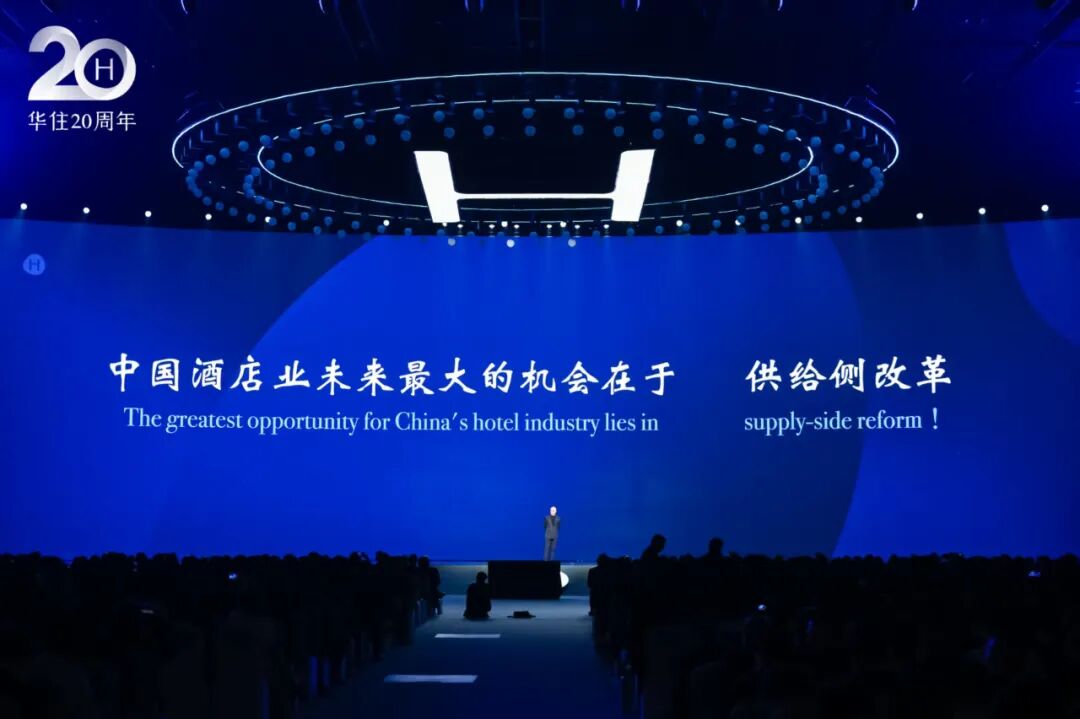
欲攀登山顶的华住,定义中国酒店业的下一个20年
Xin Lang Cai Jing· 2025-11-10 11:16
Core Insights - The core theme of the article revolves around Huazhu's 20-year journey in the hotel industry, emphasizing the need for supply-side reform as the biggest opportunity for the Chinese hotel sector [2][8][21] Company Overview - Huazhu has evolved over two decades, focusing on long-term value rather than short-term trends, and is now positioned to lead the industry towards supply-side reform [5][18] - The company has expanded its brand portfolio from a single brand, HanTing, to over thirty brands, serving more than 2 billion guests and driving nearly 300 billion yuan in industry investment [15][21] Industry Context - The global hotel industry is undergoing significant changes, with international capital acquiring quality hotel assets and local markets facing saturation and intense competition [6][8] - In China, only 25% of hotels are large-scale (40 rooms or more), compared to 95% in the U.S., indicating a structural imbalance in the hotel supply [8] Supply-Side Reform - The current state of the hotel industry in China is characterized by high-end luxury hotels and low-end budget inns struggling to achieve profitability, highlighting the urgent need for supply-side reform [8][9] - The concept of "involution" is discussed, where competition leads to stagnation without progress, but is viewed as a necessary phase for deeper supply-side reform [9] Market Opportunities - Huazhu's strategy includes viewing China as a world unto itself, recognizing the diverse consumer ecosystem and the potential for growth across various market segments [11][13] - The company identifies five trends reshaping the hotel industry: a shift from micro to medium-sized rooms, from standalone to chain hotels, from star ratings to brand focus, from major cities to county-level markets, and from real estate to investment returns [13] Future Vision - Huazhu aims to become a world-class enterprise, aspiring to have its brands rank among the top globally, enhance service quality, and redefine travel experiences [18][19] - The company's mission has evolved from providing a "good life" to facilitating a "good journey," reflecting a deeper commitment to enhancing customer experiences [21][22]

2025潮玩市场出海研究报告
Sou Hu Cai Jing· 2025-11-05 17:13
Core Insights - The report focuses on the current status and strategies of Chinese潮玩 (trendy toys) brands going global, analyzing the global market situation and competitive landscape [1][6] - The潮玩 market is characterized by limited editions, artistic designs, and cultural symbolism, appealing to consumers' self-expression, curiosity, social needs, and the pursuit of artistic creativity and collectible value [1][10] Market Overview - The global潮玩 market is projected to grow from $8.7 billion in 2015 to $41.8 billion in 2024, indicating over 100% growth from 2020 to 2024 [1][18] - The Chinese潮玩 market is expected to reach approximately 764 billion yuan in 2024, with projections to exceed 1.1 trillion yuan by 2026 [1][20] Market Dynamics - The潮玩 market is driven by the rise of the Z generation, who value individual expression, social recognition, and emotional connections [1][23] - The IP economy is a significant driver, with the Chinese IP licensing market projected to reach 156.1 billion yuan by 2024, growing at a compound annual growth rate (CAGR) of 13% [1][26] Consumer Insights -潮玩 products fulfill emotional consumption needs, with 90% of Chinese consumers willing to pay a premium for emotional satisfaction [1][24] - The trend of "healing economy" is driving demand for adult emotional consumption, with the global healing economy market valued at $5.61 billion in 2022 and expected to grow to $8.47 billion by 2027 [1][15] Product Categories - Popular潮玩 categories include blind boxes, artistic toys, and IP-derived models, with brands like泡泡玛特 leading in the domestic market [1][11][36] - The blind box market is projected to reach $13.5 billion globally by 2031, with a CAGR of 5.5% from 2024 to 2031 [1][39] Competitive Landscape - Major global潮玩 companies include Disney, LEGO, and Bandai, with significant revenues and diverse distribution channels [1][33] -泡泡玛特 is a leading Chinese brand, with expected revenue of nearly 8 billion yuan in 2024 and presence in 23 overseas markets [1][1]

科技需求连续七季度领跑
Shen Zhen Shang Bao· 2025-11-03 07:53
Core Insights - The net absorption of high-quality office buildings in Shenzhen increased by nearly 70% in Q3 2025, driven by growth in the tech sector and a recovery in consumer and trade segments [1][2] Office Market Overview - In Q3 2025, Shenzhen's high-quality office market saw a record high of 445,000 square meters in new supply, marking the highest level for the year and the ninth consecutive quarter of growth, with about half of this supply coming from Qianhai [1] - The net absorption for the quarter reached 175,000 square meters, reflecting a year-on-year increase of 68.5% and a quarter-on-quarter increase of 10.3% [1] - The technology sector remained the largest demand driver, accounting for 25.0% of total demand, primarily from software development, internet, e-commerce, and artificial intelligence [1] Retail Market Insights - The retail property market in Q3 2025 saw 337,000 square meters of new supply, benefiting from strong pre-leasing performance and high occupancy rates [2] - Retail emerged as the largest demand segment, comprising 42.8% of total demand, while the food and beverage sector followed closely with over 40% demand share, marking the highest level for the year [2][3] Investment Market Activity - The bulk transaction market in Shenzhen became more active in Q3 2025, recording 11 transactions with a total value of RMB 5.5 billion, representing a significant quarter-on-quarter increase of 2.9 times and a year-on-year growth of 45.1% [3] - Commercial properties accounted for 17.6% of the total transaction value, while office buildings made up 10.4% [3][4] - The market is expected to remain active in the next six months, with particular interest in apartment properties eligible for REITs due to their clear capital exit paths [4]
