数据资产

Search documents
泰安银行破题“数据资产质押” 千万贷款激活智慧停车项目动能
Qi Lu Wan Bao Wang· 2025-08-04 02:54
Group 1 - In the digital economy era, data has become the fifth production factor, and transforming data resources into measurable, tradable, and financeable data assets is a core issue for financial institutions' digital transformation [1] - A leading internet technology company in Tai'an is developing a smart parking project, utilizing static and real-time parking data to optimize resource allocation and improve parking facility efficiency, addressing urban parking challenges [1] - Tai'an Bank has issued a loan of 10 million yuan to the company based on its data assets, supporting its operational needs [1] Group 2 - Tai'an Bank aims to build a high-quality bank recognized by employees, customers, regulators, and shareholders, focusing on data capability construction and value release as strategic directions [2] - The bank integrates financial and data elements to support the city's new industrialization and high-quality development of the private economy [2] Group 3 - Tai'an Bank has launched a "data asset pledge loan" product, targeting technology innovation enterprises and public data operators, with a maximum credit limit of 20 million yuan and a flexible loan term of 1-3 years [3] - The bank's product supports the national "dual carbon" strategy by innovating green data asset pledge scenarios for financing in environmental, transportation, and energy sectors [3] Group 4 - Tai'an Bank has developed digital products by leveraging public data, integrating various data sources, and deploying unique algorithm models to enhance business development and management [4] - The "Taihao Loan" digital credit brand has disbursed 2 billion yuan, and the bank has provided 500 million yuan in loans to over 10,000 small and micro enterprises [4] Group 5 - Tai'an Bank is focusing on the supply chain market, creating financial products around industrial manufacturing, rural revitalization, and the digital economy, and has issued over 1 billion yuan in loans to agricultural producers [5] - The bank has implemented a "bank + core enterprise" model for agricultural supply chain financing, providing tailored financial services to small and micro enterprises in the manufacturing sector [5] - The bank has issued 4.62 billion yuan in funding to 156 upstream and downstream enterprises in the industrial manufacturing sector, promoting a healthy and efficient financial ecosystem [5]
汽车有望从消费品变为投资品?广联科技控股总经理赵展:RWA将提升优质数据资产的流通效率
Mei Ri Jing Ji Xin Wen· 2025-07-31 16:12
Core Viewpoint - The implementation of the "Stablecoin Regulation" in Hong Kong has made stablecoins a hot topic, while Real World Assets (RWA) are attracting participation from various industries [1] Group 1: RWA and Blockchain Technology - RWA refers to the tokenization of real-world assets using blockchain technology, enabling trading and circulation on the blockchain [1] - RWA addresses pain points in the traditional financial system, such as liquidity issues, financing efficiency, trust in data, and cross-border investment barriers [1][3] - RWA connects the crypto market with actual underlying asset markets, providing diverse investment and financing tools, thus enhancing asset ownership transfer and transaction efficiency [6] Group 2: Automotive Industry and Data Monetization - The automotive industry generates vast amounts of data, but there has been no consensus on how to monetize this data [3] - RWA serves as a bridge for commercializing automotive data assets, ensuring data authenticity and facilitating investment processes beyond traditional banking and equity financing [3] - The data generated by smart connected vehicles is categorized into three types: environmental perception data, in-vehicle perception data, and data from vehicle-to-cloud and vehicle-to-vehicle interactions [7][8] Group 3: Market Potential and Future Outlook - The global on-chain RWA asset value is projected to exceed $23.3 billion by June 2025, with expectations of exponential market expansion [7] - BlackRock predicts that the RWA tokenization market could reach $16 trillion by 2030, representing 1% to 10% of the global asset management scale [7] - The automotive data commercialization process is divided into three stages: data on-chain, asset RWA tokenization, and international operations based on stablecoins [8] Group 4: Strategic Transformation and Revenue Generation - The company plans to transition from an "automotive data asset operator" to an "RWA digital financial service provider," leveraging RWA services to transform smart connected vehicles from consumer goods to investment tools [8][10] - By promoting the sharing of idle private cars for rental and operational scenarios, the company aims to enhance owner revenue and reduce fixed asset purchases for rental companies, generating substantial excess returns [10]

刘煜辉重磅研判:反内卷促A股跃升新台阶,4000点可期!一文汇总
Xin Lang Zheng Quan· 2025-07-29 10:17
Group 1 - The core task of the highest decision-making meeting has elevated the goal of anti-involution, which is expected to enhance market confidence through effective policy execution [2] - The current market sentiment is rapidly warming, with investors showing significant confidence in the return of "pro-cyclical style" as the anti-involution policy becomes clearer [4] - The annual investment in the childcare subsidy program has exceeded 100 billion, indicating strong fiscal support for young families and potential for stimulating domestic demand [3] Group 2 - The pro-cyclical sectors, which are highly represented in the A-share market, are expected to gain significant relative advantages as policies shift [2] - The institutionalization and circulation of data assets are seen as key directions for constructing a new factor system, which may drive the digital economy transformation [5] - High-end manufacturing, particularly in robotics and solid-state battery industries, is anticipated to achieve rapid breakthroughs in commercialization and industrialization [6] Group 3 - The current capital market in China is nurturing a "low wavelength flow" new bull market, driven by trust accumulation rather than emotional outbursts [7] - The market's main trend is determined by investor confidence and risk appetite, rather than sustained profit growth [7] - The expectation of a policy shift towards pro-cyclical assets may lead to a revaluation of the bond market as a "deflation asset" [4]

告别土地财政?刘煜辉:数字资产是“飓风口”
Xin Lang Zheng Quan· 2025-07-29 09:59
Core Viewpoint - The transformation of the Chinese economy poses significant challenges to the existing fiscal system based on land premiums, necessitating the exploration of new production factors to reconstruct the fiscal foundation from central to local levels [1] Group 1: Economic Transformation - The Chinese government is urgently seeking new production factors to convert into effective revenue, aiming to restructure the fiscal foundation across various entities [1] - The only viable option currently identified is data, which is seen as a critical asset in the AI economy [1] Group 2: Data Assetization - The assetization of data is crucial, and it is believed that blockchain technology will play a key role in ensuring the security and legality of data, allowing it to be recognized as an asset [1] - The transformation of data into a marketable asset is expected to enhance balance sheets and generate credit [1] Group 3: Future Business Models - The emergence of Real Data Assets (RDA) is anticipated to give rise to new business models and opportunities for large companies [1]
特斯拉FSD还没来,一场掀翻牌桌的战争已经打响
3 6 Ke· 2025-07-28 12:01
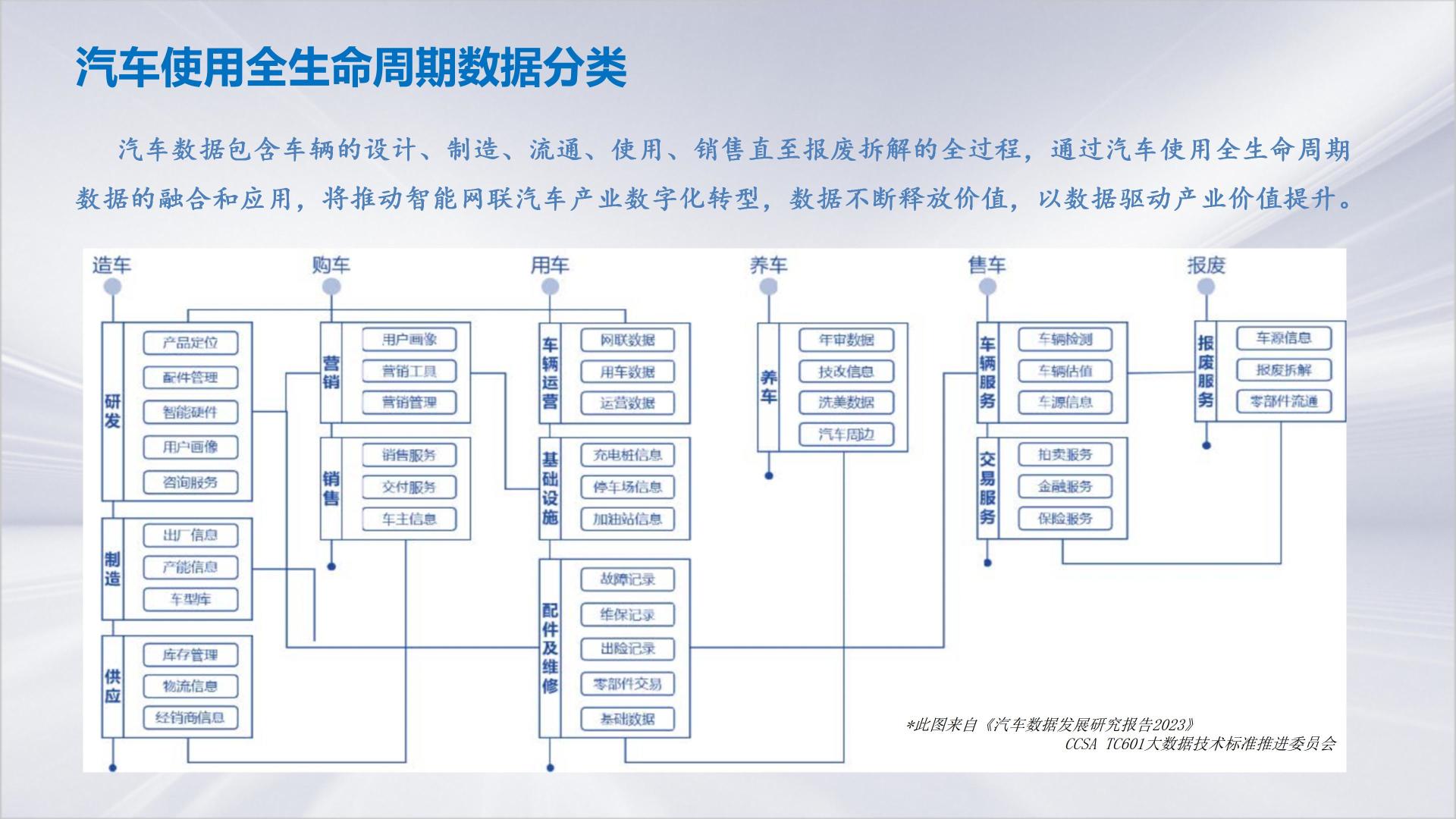
Core Viewpoint - The automotive industry is experiencing a significant shift in pricing strategies for advanced driving features, driven by the anticipated arrival of Tesla's Full Self-Driving (FSD) technology in China, leading to a price war among local manufacturers [1][3][16]. Group 1: Price Changes and Market Reactions - Since April 2023, a price collapse regarding advanced driving features has swept through the Chinese electric vehicle market, with many features that previously required substantial fees now being offered for free or at significantly reduced prices [2][4]. - Tesla announced a price cut for its FSD from $12,000 to $8,000 and introduced a subscription option at $99 per month, prompting immediate reactions from Chinese automakers [4]. - Following Tesla's announcement, Xpeng Motors declared that its XNGP feature would be free for all current MAX model owners, marking the beginning of a trend towards free advanced driving features [6]. Group 2: Industry Dynamics and Consumer Behavior - The automotive industry is witnessing a preemptive strike by local players to reshape the market dynamics before Tesla's FSD launch, indicating a strategic shift rather than a mere price reduction [3][17]. - A survey by Deloitte revealed that Chinese consumers prefer to pay a one-time fee for automotive features rather than subscribe, leading to a decline in willingness to pay for advanced driving technologies [9]. - The shift towards free features is seen as a way to attract users and gather valuable driving data, which is crucial for the development of autonomous driving technologies [12][10]. Group 3: Data as a Future Asset - The automotive industry's business model is evolving towards valuing data as a key asset, with companies betting on the long-term value of operational data over short-term software sales [13][17]. - The concept of "data loop" is emphasized, where real-world driving data collected from vehicles is essential for training AI models, positioning data as a critical resource for future innovations [12]. - The potential for data monetization is highlighted through models like Usage-Based Insurance (UBI), which can offer personalized insurance rates based on driving behavior, showcasing a direct financial benefit from data collection [15].



刘强东的“欧洲棋局”:185亿买下的不只是超市,更是数据金矿
Sou Hu Cai Jing· 2025-07-26 04:42
Core Insights - JD.com is resuming acquisition talks for Germany's Ceconomy, valued at 18.5 billion yuan, which serves as a strategic move for its expansion into Europe [1][2] - Ceconomy, as Europe's largest consumer electronics retailer, provides JD.com with a physical presence and a customer base to enhance its European market strategy [1][2] Strategic Intent - The acquisition of Ceconomy is seen as a critical stepping stone for JD.com to penetrate the European market, compensating for its previous unsuccessful bid for UK's Currys [1][2] - Ceconomy boasts a high-value user pool of 40 million members, which aligns well with JD.com's domestic user demographics, offering a complementary consumer base [4] Data Asset Value - Ceconomy's accumulated consumer data presents three unique values: category advantage reflecting user habits, scenario value from mixed shopping behaviors, and regional insights into the middle-class demographic in Germany and surrounding countries [4] - This data will aid JD.com in making informed cross-border product selection decisions [4] Compliance Challenges - JD.com faces stringent GDPR regulations in the EU, necessitating a compliance strategy that balances data utilization with legal requirements [6] - The company may need to establish a local data processing center in Germany to meet data localization mandates [6] Technological Integration - JD.com plans to leverage technology to transform data value, including enhancing advertising precision through user profiling and adjusting inventory based on real-time sales data [6] - A potential collaboration with local cloud service providers may be pursued to ensure compliance with European data regulations [6] Market Strategy - In the short term, JD.com will integrate Ceconomy's offline channels with its cross-border supply chain, while mid-term plans include a joint membership system to drive traffic between online and offline platforms [7] - The long-term vision is to create a European version of the JD ecosystem, positioning itself as a competitor to Amazon [7] Global Ambitions - This acquisition is not merely about channel access but also about acquiring data assets to unlock the European market [7] - JD.com's recent international engagements signal a clear intent for global expansion, with Germany serving as a pivotal point for building a retail infrastructure across the EU [7]


恒丰银行助力济宁实现首笔千万级数据资产质押融资 打造数据赋能实体经济新样板
Qi Lu Wan Bao· 2025-07-24 05:31
Core Viewpoint - The successful issuance of a 10 million yuan data asset financing by Hengfeng Bank's Jining branch marks the first million-level data asset pledge financing in Jining, showcasing an innovative collaboration among local government, state-owned enterprises, and banking institutions to empower the real economy through data asset financing [1][3][5] Group 1: Data Asset Financing - Hengfeng Bank's Jining branch issued a data asset financing of 10 million yuan to Jining Public Transport Group, establishing a complete closed-loop process for data asset financing including confirmation, evaluation, and pledge [1][3] - The financing initiative is part of a broader effort to create a "Jining model" for data factor empowerment in the development of the real economy [1][5] Group 2: Digital Transformation and Data Asset Registration - Jining Public Transport Group has registered the first "Jining Public Management and Service Data Set" certificate on the local data asset registration service platform, reflecting its commitment to digital transformation [3] - The establishment of an open and win-win data factor ecosystem is facilitated by Jining Guotou, which has created a data asset registration platform approved by data regulatory authorities [3][5] Group 3: Future Directions - Hengfeng Bank aims to deepen its involvement in the digital economy by exploring data asset pathways and establishing a data asset pledge financing system that includes key processes such as collateral identification, registration, valuation, and pledge lending [5] - The bank plans to optimize evaluation models and enhance product systems to better integrate data factors with financial services, thereby supporting high-quality development of the real economy [5]

7月24日A股走势分析及策略:3600点得而复失,后市怎么看?
Sou Hu Cai Jing· 2025-07-24 02:20
Group 1: Market Overview - The A-share market experienced significant volatility, with a net outflow of 63.4 billion yuan from major funds, while retail investors bought nearly 61.1 billion yuan [1] - The upcoming political bureau meeting and the U.S.-China trade talks are creating a tense market atmosphere, with historical data indicating a 70% probability of the CSI 1000 index rising post-meeting [3] - The Hainan Free Trade Port is set to increase the tax ratio on duty-free goods from 21% to 74%, which may provide a boost to local stocks despite recent pullbacks [3] Group 2: Technical Analysis - The Shanghai Composite Index formed a "shooting star" candlestick pattern, indicating potential resistance at 3,613 points, with a critical support level at 3,560 points [4] - The market is showing signs of exhaustion with unfilled gaps, raising concerns among technical analysts [4][5] Group 3: Fund Flows - Major funds are exiting the market, with a record net outflow of 63.4 billion yuan, while sectors like securities and medical services saw inflows [5] - Foreign capital is flowing into the market, with over 25 billion yuan accumulated in recent days, particularly in financial and consumer sectors [5] - The financing balance has reached a new high since April, indicating increased leverage and retail investor enthusiasm [5] Group 4: External Market Influences - Global markets reacted positively to tariff relief news, with European automotive stocks rising, but concerns linger over tech giants' earnings reports [6] - Tesla's free cash flow dropped significantly, and Google's stock fell despite strong revenue, suggesting potential caution for the A-share tech sector [6] Group 5: Strategic Recommendations - The company suggests maintaining a position below 60% and focusing on sectors like AI computing and robotics for potential gains [8] - Key areas for investment include fusion energy and data assets, which are expected to benefit from upcoming policy changes [9]


广东企业数据资产“变现”再添新引擎!
Sou Hu Cai Jing· 2025-07-23 14:11
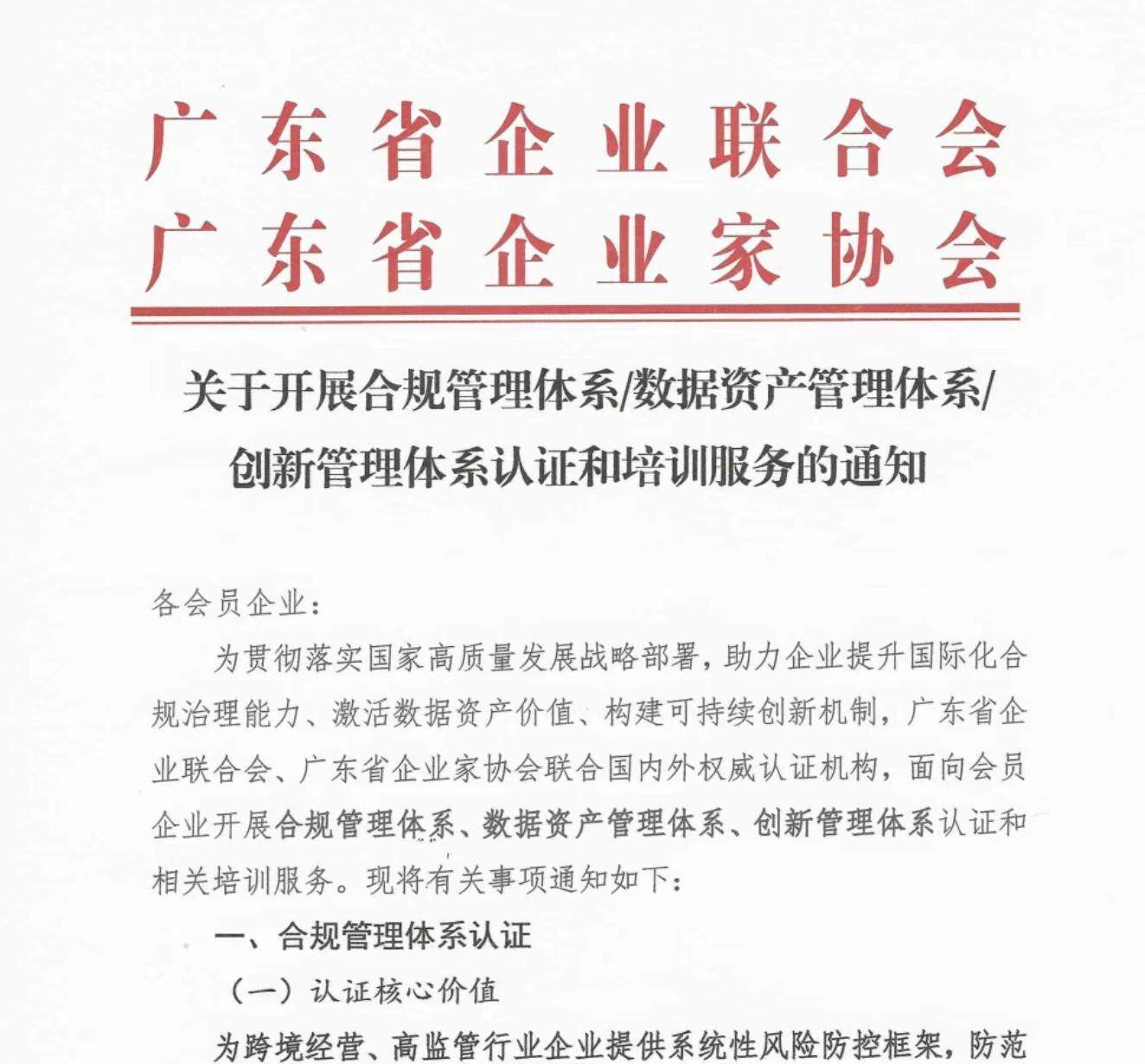
Group 1 - The core viewpoint is that Guangdong enterprises are making significant strides in activating the value of data assets amid the rapid development of the digital economy, with the introduction of a data asset management certification system [1][3] - The certification system aims to address pain points in data rights confirmation, valuation, and circulation, helping enterprises convert dormant data resources into quantifiable assets [1][3] - The certification will follow international standards and provide a comprehensive management solution from data collection to analysis, particularly in the context of cross-border data flow in the Guangdong-Hong Kong-Macao Greater Bay Area [3] Group 2 - The introduction of compliance and innovation management systems alongside the data asset management system is expected to create a synergistic effect, ensuring compliance while maximizing the value of data elements [3][4] - Data from institutions indicates that the digital economy scale in Guangdong will exceed 7 trillion yuan by 2024, highlighting the uneven management levels of enterprise data assets [3] - The initiative aims to help especially small and medium-sized enterprises in Guangdong establish standardized data asset management processes and explore the establishment of a data asset evaluation system [3][4]
全球稳定币监管加速推进,引发RWA金融革命|金融与科技
清华金融评论· 2025-07-22 08:54
Core Viewpoint - The regulatory framework for stablecoins is evolving globally, with significant developments in the U.S. and Hong Kong, which are expected to enhance market stability and drive the growth of real-world asset (RWA) tokenization [2][4][7]. Regulatory Developments - The U.S. has adopted a unified legislative approach for stablecoin regulation, with the GENIUS Act set to become law, establishing comprehensive guidelines for issuance, reserves, redemption, and auditing [4][5]. - Hong Kong has implemented the Stablecoin Issuance Regulatory Ordinance, which mandates high liquidity for reserve assets and requires licensed institutions to maintain robust risk management practices [7]. Market Dynamics - The rise of stablecoins is facilitating the digitization of assets and enhancing the efficiency of settlements, creating a cycle of increased asset digitalization, efficient settlement, and structured allocation [2][10]. - Stablecoins are becoming a key innovation in the digital currency space, widely used in cross-border payments and decentralized finance (DeFi) [2]. RWA and Stablecoin Interaction - The integration of stablecoins with RWA is creating a synergistic value cycle, where stablecoins serve as a liquidity tool and pricing benchmark for RWA markets, driving efficient asset circulation [10]. - The use of blockchain technology allows for the transformation of real-world assets into tradeable tokens, with stablecoins playing a crucial role in the digitalization process [9][10]. Efficiency Gains - A practical example in the renewable energy sector demonstrates that using stablecoins for RWA asset transactions can reduce cross-border settlement time and costs by 70-80% [9].