
本土化运营

Search documents
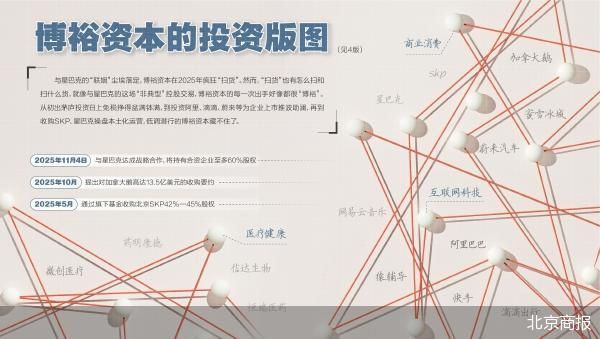
博裕入主 星巴克中国换挡
Bei Jing Shang Bao· 2025-11-04 16:13
Core Insights - Starbucks has announced a joint venture with Boyu Capital to operate its retail business in China, with Boyu holding up to 60% equity and Starbucks retaining 40% [1][3] - The partnership aims to expand Starbucks' store count in China from 8,000 to 20,000, focusing on enhancing customer experience and digital innovation [1][6] Company Overview - The joint venture is based on an enterprise value of approximately $4 billion, with Boyu becoming the largest shareholder in Starbucks' China operations [3][5] - Starbucks' retail business in China is valued at over $13 billion, which includes the equity transferred to Boyu, retained equity, and future licensing revenues [3][6] Market Strategy - The collaboration marks a shift from wholly-owned operations to a joint venture model after 26 years in the Chinese market, indicating a strategic pivot to leverage local expertise [5][6] - Starbucks plans to target non-first-tier cities for expansion, utilizing Boyu's local market insights and operational expertise to enhance its competitive position [6][8] Competitive Landscape - The Chinese coffee market is highly competitive, with rivals like Luckin Coffee and Kudi Coffee rapidly expanding their store networks, posing significant challenges for Starbucks [8][9] - Analysts suggest that the partnership will help Starbucks optimize its supply chain and enhance flexibility in a competitive environment [8][9] Future Outlook - Starbucks is expected to innovate and possibly introduce sub-brands to penetrate lower-tier markets, moving beyond its traditional business model [9] - The company aims to enhance its digital capabilities and adapt its store formats to better meet market demands while maintaining brand integrity [9]


博裕投资40亿美元入主,星巴克中国换挡
Bei Jing Shang Bao· 2025-11-04 12:24
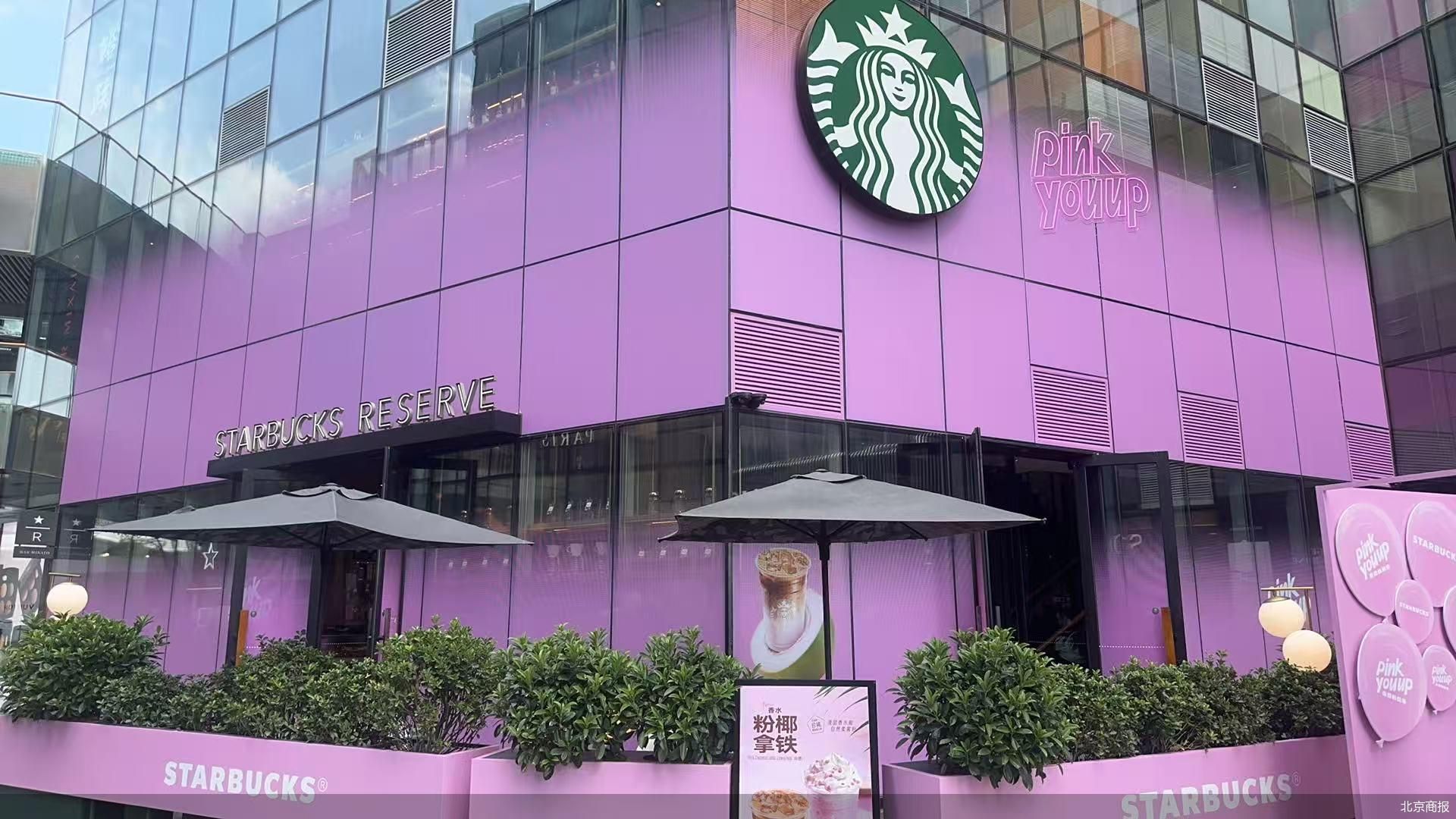
Core Viewpoint - Starbucks has announced a strategic partnership with Boyu Capital to establish a joint venture for its retail operations in China, aiming to expand its store count from 8,000 to 20,000 locations [1][5][6]. Group 1: Partnership Details - The joint venture will see Boyu Capital holding up to 60% equity, while Starbucks retains 40% [3][5]. - The enterprise value of the deal is approximately $4 billion, excluding cash and debt, with Starbucks' retail business in China valued at over $13 billion [3][5]. - The new joint venture will be headquartered in Shanghai and will manage the existing 8,000 Starbucks stores in China [3][5]. Group 2: Growth Strategy - The partnership aims to enhance customer experience, accelerate product and digital innovation, and expand into new cities and regions [3][5]. - Starbucks plans to focus on non-first-tier cities for its expansion, leveraging Boyu's local market expertise [5][7]. - The company is expected to innovate and possibly introduce sub-brands to penetrate deeper into the market [8]. Group 3: Market Context - The Chinese coffee market is highly competitive, with rivals like Luckin Coffee and Kudi Coffee rapidly expanding their store networks [7][8]. - Starbucks has been adapting its business model to local consumer preferences, emphasizing the need for a balance between speed of expansion and maintaining brand quality [6][8]. - The collaboration is seen as a way to enhance Starbucks' competitive edge by combining its brand strength with Boyu's local operational capabilities [6][7].
星巴克中国易主,未来将再开1.2万家店
Hua Er Jie Jian Wen· 2025-11-04 10:35
Core Insights - Starbucks has announced a strategic partnership with Chinese alternative asset management firm Boyu Capital to establish a joint venture for its retail operations in China, marking the first time in 26 years that Starbucks has relinquished control of its Chinese business [2][6] - Boyu Capital will hold up to 60% of the joint venture, investing approximately $2.4 billion (about 173 billion RMB), while Starbucks retains 40% ownership and continues to own the brand and intellectual property [2][3] - The joint venture aims to expand Starbucks' store count in China from 8,000 to 20,000, with a current valuation of over $13 billion for Starbucks' retail business in China [3][5] Company Strategy - The partnership is seen as a strategic adjustment for Starbucks in response to increasing competition from local brands like Luckin Coffee and CoCo [6][10] - Starbucks' CEO Brian Niccol emphasized the need for a fundamental change in strategy to restore growth, particularly in the face of declining global comparable store sales [4][6] - The collaboration allows Starbucks to gain significant cash flow while still benefiting from future growth in the Chinese market through retained equity and ongoing licensing fees [6][10] Market Performance - Starbucks China reported a revenue of $831.6 million for Q4 of fiscal year 2025, a 6% year-over-year increase, marking four consecutive quarters of growth [5] - For the full fiscal year 2025, Starbucks China achieved a total revenue of $3.105 billion, reflecting a 5% increase, which is higher than the global average growth rate [5] - The joint venture comes at a time when Starbucks is experiencing a divergence in performance between its global and Chinese markets [4][5] Competitive Landscape - The deal attracted interest from over 20 capital firms and business giants, indicating a competitive environment for Starbucks' Chinese operations [7][8] - Boyu Capital's expertise in local market operations is expected to accelerate Starbucks' expansion, particularly in lower-tier cities [8][9] - The historical performance of Boyu Capital, with a net internal rate of return exceeding 25%, positions it as a strong partner for Starbucks in navigating the competitive landscape [9] Historical Context - This partnership is part of a broader trend where foreign brands in China seek local partnerships to enhance market penetration, similar to past collaborations like McDonald's with CITIC and Coca-Cola with COFCO [10] - The establishment of the joint venture signifies a new phase for Starbucks in China, referred to as the "2.0 era," aiming to unlock significant market potential [10]

商业头条No.98 | 星巴克怎么办
Xin Lang Cai Jing· 2025-11-04 08:59
Group 1 - Starbucks has entered a new phase in China after 26 years, with Boyu Capital acquiring approximately 60% of Starbucks China for $4 billion, valuing the business at over $13 billion [1] - The acquisition is seen as a significant event in the global consumer market, with over 30 bidders participating, offering valuations of 10 to 15 times the expected EBITDA for 2025 [1][2] - The competitive landscape has intensified, with major private equity firms and tech companies, including Luckin Coffee's major shareholder, joining the bidding process [4] Group 2 - Starbucks was a pioneer in introducing coffee culture to China, achieving a market share of over 40% in the coffee chain market by 2019 [7] - However, the emergence of competitors like Luckin Coffee has disrupted Starbucks' dominance, leading to a $600 million revenue drop in 2022 [7][9] - The company faces challenges in expanding into lower-tier markets, where consumer behavior and purchasing power differ significantly from first-tier cities [11] Group 3 - Investors have suggested that Starbucks should learn from local competitors by opening smaller stores and reducing prices, but these suggestions have been rejected by Starbucks' leadership [12][13] - Starbucks aims to expand its store count in China to 20,000 from over 8,000, indicating a need for a new store model to achieve this goal [14][15] - The company has previously experimented with smaller store formats, but these efforts did not yield profitable results [20] Group 4 - Starbucks' traditional marketing and product innovation strategies have been criticized for being too conservative, leading to a lack of standout products compared to competitors like Luckin Coffee [23][26] - The company has launched approximately 78 new products in 2024, but only a few have gained significant traction in the market [23] - The internal processes for product development are seen as overly bureaucratic, limiting the company's ability to respond quickly to market trends [27][29] Group 5 - The partnership with Boyu Capital is expected to enhance Starbucks' local operations and market responsiveness, similar to the successful model established by McDonald's in China [32] - The new joint venture aims to improve customer experience, accelerate product and digital innovation, and expand into new markets [43] - The shift in ownership structure may provide Starbucks with more flexibility to adapt to the Chinese market and leverage local insights for growth [43]
星巴克中国,还是卖了
首席商业评论· 2025-11-04 04:41
Core Viewpoint - Starbucks has sold the controlling stake of its China retail business to local capital, Boyu Capital, marking a strategic shift towards localization and leveraging local management expertise to drive growth [3][6][27]. Group 1: Transaction Details - The joint venture formed with Boyu Capital will see Boyu acquire up to 60% equity, while Starbucks retains 40% and continues to hold brand and intellectual property rights [3]. - The transaction is based on a valuation of approximately $4 billion for the joint venture, which is debt-free and cash-free [3]. - Starbucks anticipates the overall value of its China retail business to exceed $13 billion, factoring in the sale proceeds, retained equity, and future licensing fees [3]. Group 2: Market Context and Valuation - Starbucks operates around 7,800 to 8,000 stores in China, with annual revenues estimated at approximately $3 billion [8]. - Bidders, including Boyu, based their offers on a projected EBITDA of $400 to $500 million for 2025, with common bidding multiples around 10× EBITDA, leading to a valuation range of $4 to $5 billion [10]. - The valuation perspective is mixed; while a 10× EBITDA multiple is not uncommon for strong consumer brands, it is perceived as a discount compared to Starbucks' global valuation metrics [11][13]. Group 3: Historical Context and Strategic Shift - Starbucks entered China in 1999 and rapidly expanded, positioning itself as a premium coffee experience [15]. - The company faced challenges from local competitors and a decline in market share from over 30% to as low as 14% between 2019 and 2022 [17]. - Recent strategic adjustments include price reductions, SKU simplification, and a focus on digitalization and local product development, culminating in the decision to sell a majority stake to local investors [20][27]. Group 4: Future Outlook and Comparisons - The partnership with Boyu is expected to enhance operational efficiency, drawing parallels with successful local management transitions seen in McDonald's and Yum China [22][23]. - Key factors for success will include maintaining brand integrity, effective management of store assets, and long-term capital investment for upgrades and digitalization [23]. - The effectiveness of this model will depend on how well Boyu can balance local agility with Starbucks' global brand standards [24][27].
单店收入仅为法国的1/10,汉堡王中国业务寻求“新主人”
Guan Cha Zhe Wang· 2025-11-03 13:08
Core Viewpoint - The sale of Burger King's China operations is progressing, following Starbucks' similar move, as the company seeks new partners to revitalize its presence in the Chinese market [1][15]. Group 1: Company Background and Market Entry - Burger King was founded in 1954 in Miami, USA, and its flagship product, the "Whopper," became a significant success, selling over 210 million units annually worldwide [3]. - The brand entered the Chinese market in 2005, initially opening only 52 stores in the first seven years, but experienced rapid growth after 2012 under TFI Group's exclusive franchise rights, opening over 900 stores in six years [3]. Group 2: Market Challenges - Burger King faces increasing competition from local fast-food brands like Wallace and Tastin, as well as ongoing innovations from McDonald's and KFC, leading to a more challenging market environment [3]. - The brand's signature "flame-grilled" flavor has not kept pace with competitors in marketing and product innovation, resulting in pressure to attract younger consumers [3]. Group 3: Financial Performance - In February, RBI's CFO reported that while overall restaurant numbers grew by 3.4% in 2024, Burger King's China locations decreased by approximately 100 basis points, with lower average sales per store [4]. - Burger King's China revenue ranks eighth among RBI's international markets, with system sales around $700 million and an average annual sales per store of approximately $400,000, significantly lower than in France ($3.8 million) and Korea ($1.2 million) [7]. Group 4: Strategic Changes and Future Prospects - Despite TFI Group's franchise rights lasting until 2032, RBI decided to end the partnership early, acquiring TFI's stake for $158 million to seek new local partners for Burger King China [13]. - Recent management changes have been made to enhance local operations, including the appointment of experienced executives from other major brands [13]. - As of Q3 2025, Burger King China reported a same-store sales increase of 10.5% and a system sales total of approximately 1.224 billion RMB, indicating positive momentum under new management [15]. - The search for a new major stakeholder is ongoing, with reports of interest from private equity firms, signaling a proactive approach to revitalize the brand in China [15].


海尔生物2025全球合作伙伴大会启幕,深耕本土化打造出海新范式
Da Zhong Ri Bao· 2025-10-31 07:23
Core Viewpoint - The narrative of Chinese companies going global is evolving from "going out" to "going in," with Haier Biomedical leading this transformation through a focus on technology, localization, and ecosystem collaboration [1][2]. Group 1: Strategic Shift - Haier Biomedical's globalization is characterized by a systematic strategic elevation, moving beyond mere product competition to a multidimensional contest involving scenario innovation, local responsiveness, and ecosystem integration [2]. - The company aims to transition from being a "product supplier" to a "solution co-builder" by establishing localized centers for marketing, logistics, and after-sales service [3]. Group 2: Localization Strategy - The "one country, one policy" localization strategy is essential for true globalization, allowing Haier Biomedical to respect market differences and tailor solutions to local needs [3]. - Recent collaborations with top-tier institutions and strategic partnerships in various countries demonstrate the effectiveness of this localized approach, leading to increased recognition and repeat purchases from overseas clients [3]. Group 3: Ecosystem Collaboration - Haier Biomedical's presence in over 160 countries with more than 1,100 partners reflects its strategic vision of building a "zero-boundary ecosystem," enhancing its competitive edge from "product power" to "platform power" [4]. - The shift towards ecosystem collaboration allows global partners to become a community of shared interests, collectively taking on market responsibilities and sharing innovation outcomes [6]. Group 4: Future Directions - The company's practices indicate that Chinese enterprises' globalization has entered a "deep water zone," where success hinges on ecosystem-building capabilities, depth of local integration, and efficiency in global resource allocation [6]. - For Chinese medical companies to secure a significant position in the global landscape, they must move beyond a singular focus on manufacturing advantages to a comprehensive strategy that includes technology, scenarios, and ecosystems [6].

海尔智家2025三季报:利润增14.7%,增速持续超营收
Cai Jing Wang· 2025-10-30 21:06
Core Viewpoint - The global home appliance industry is facing significant challenges due to intensified competition domestically and increasing external uncertainties, yet Haier Smart Home has reported better-than-expected financial results for the first three quarters of 2025, achieving a revenue of 234.05 billion yuan, a year-on-year increase of 10% [1][3]. Group 1: Business Performance - Haier Smart Home's revenue for the first three quarters of 2025 reached 234.05 billion yuan, reflecting a 10% year-on-year growth [1]. - The company has demonstrated strong operational resilience, attributed to three major transformations: enhancing product competitiveness, advancing AI and digital transformation, and optimizing operational efficiency [3][5]. Group 2: Product Strategy - The company has focused on creating popular products and suite offerings, achieving the top market share in China through multi-brand collaboration to meet diverse consumer needs [3]. - The "Lazy Washing" series has sold over 200,000 units, ranking first in the three-tub washing machine category, while the "Haier Mairang" refrigerator has also seen significant sales growth [5]. Group 3: Digital Transformation - Haier Smart Home has continued to push its digital transformation strategy, optimizing its cost structure by 0.2 percentage points in the first three quarters of 2025 [5][7]. - The company has implemented a digital inventory model, enhancing operational efficiency across the entire process, with direct delivery orders to users increasing to 74% by the end of September [5]. Group 4: International Expansion - Despite challenges such as high inflation and weak demand in developed countries, Haier Smart Home's overseas revenue grew by 10.5%, with notable growth in South Asia (over 25%) and Southeast Asia (over 15%) [7]. - The company has focused on localization in its global operations, launching energy-efficient products that exceed local standards and enhancing service responsiveness through a comprehensive network [7].

中国重汽何以铸就重卡出口“半壁江山”?
Zhong Guo Qi Che Bao Wang· 2025-10-20 07:11
在全球商用车市场的版图上,一股来自东方的力量正以前所未有的速度扩张其疆域。中国重型汽车集团有限公司(以下简称"中国重汽")作为 中国重卡行业的领军者,不仅在国内市场举足轻重,更在国际舞台上书写着"中国制造"的传奇。今年1-9月,其重卡出口销量高达11.1万辆,同比增 长24.5%;其中9月份单月出口首次突破1.5万辆,再次刷新中国重卡行业出口纪录,稳固了其在中国重卡出口领域"半壁江山"的龙头地位。 01 为何能实现如此大幅增长? "我们在传统市场十分稳固,在非洲、东南亚市场销量分别同比增长37.4%和41.5%,高端市场也实现快速发展,其中中东市场销量同比增长28.7%。"在 接受《中国汽车报》记者采访时,中国重汽集团董事长刘正涛如是表示。 中国重汽的出口业绩为何能实现如此大幅的增长?究其根本,是"客观环境"的东风与"主观因素"的内功共同作用的结果。 从客观环境来看,全球经济的复杂变化为中国重卡提供了历史性窗口。一方面,全球经济增长带动大宗商品需求维持高位,发展中国家与新兴经济体的 物流、基础设施建设活动持续活跃,直接拉动了作为生产资料的重卡需求。另一方面,"中国制造"的品牌形象在全球商用车领域实现了质的飞跃 ...


保时捷电动化“目标激进 落地缓慢” 战略回调寻求破局
Xin Jing Bao· 2025-10-17 05:05
Core Insights - Porsche's electric vehicle strategy faces challenges with aggressive targets and slow implementation, as the Cayenne Electric begins road testing and is expected to launch in 2026 [1] - The company aims for over 50% of new cars to be electric by 2025 and over 80% by 2030, but only 27% of deliveries in 2024 are expected to be electric vehicles [1][2] - Sales and profits have declined, with a 6.1% drop in new car deliveries in the first half of 2025 and a 26% decrease in the crucial Chinese market [2] Electric Vehicle Progress - Porsche currently has two electric models: the Taycan and the Macan Electric, with the latter delayed until 2024 [2] - The Taycan has sold over 150,000 units since its launch, but overall electric vehicle sales have not met expectations, with less than 15% of deliveries being electric [2][3] Financial Performance - In the first half of 2025, Porsche's sales revenue was €18.16 billion, a 6.7% decline, marking the first half-year drop since 2020 [2] - Operating profit fell to €1.01 billion, a significant decrease of approximately 67% [2] Competitive Landscape - The rapid iteration of smart electric vehicles in China has put Porsche at a disadvantage, as local competitors offer advanced features that Porsche's electric models lack [3] - The luxury electric vehicle market is becoming increasingly competitive, with brands like Tesla and BYD offering lower prices and comparable performance [4] Strategic Adjustments - In September 2023, Porsche announced delays for several electric models and extended the production life of internal combustion and hybrid vehicles for the next decade [5] - The company plans to enhance its competitiveness by launching the pure electric 718 by 2027 and integrating localized technology in its vehicles sold in China [6] Cost Management - Porsche has initiated a global efficiency optimization plan to reduce costs, aiming to cut approximately 3,900 jobs and save €800 million in operational costs annually [6] - The company is focusing on local operations in China, with plans to establish a research center in Shanghai to enhance smart cockpit and driving assistance technologies [6]