
泡沫

Search documents
AI叙事逐渐离谱
Hu Xiu· 2025-10-10 06:55
Core Insights - A Japanese AI company, alt.ai, which went public last year claiming to create high-synchronization "digital human avatars," has faced significant issues within a year of its IPO [1][2]. Group 1: Company Performance - Alt.ai's sales figures have been found to be inflated, raising concerns about the company's financial health [2]. - The founder of alt.ai has been notably absent, only communicating through digital avatars, which adds to the skepticism surrounding the company's operations [2]. Group 2: Industry Trends - The AI industry is experiencing a data center arms race, with companies like OpenAI and Meta investing heavily in infrastructure [6]. - Nvidia has invested $100 billion in OpenAI for AI infrastructure, which OpenAI then uses to purchase Nvidia's chips, creating a cycle of financial interdependence among AI companies [14]. - The current revenue model heavily relies on subscription fees, but the market for willing subscribers is saturated, making profitability challenging [16]. Group 3: Market Dynamics - The AI sector is seeing astronomical investments, with capital markets pouring in vast sums, raising questions about the sustainability and value of these expenditures [9][10]. - According to Bain's estimates, the AI infrastructure needs to generate $2 trillion in annual revenue by 2030 to justify the investments, equivalent to the combined revenue of major tech companies in 2024 [11]. - The industry's current financial practices resemble a "you pay me, I pay you" model, which obscures the true sources of revenue [12][13].



“现在就像70年代!” ——达利欧:买更多黄金
Hua Er Jie Jian Wen· 2025-10-08 12:19
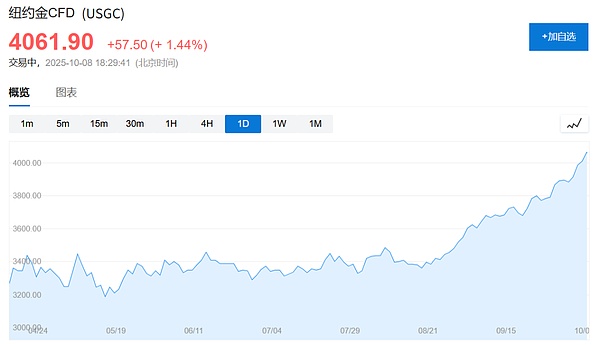
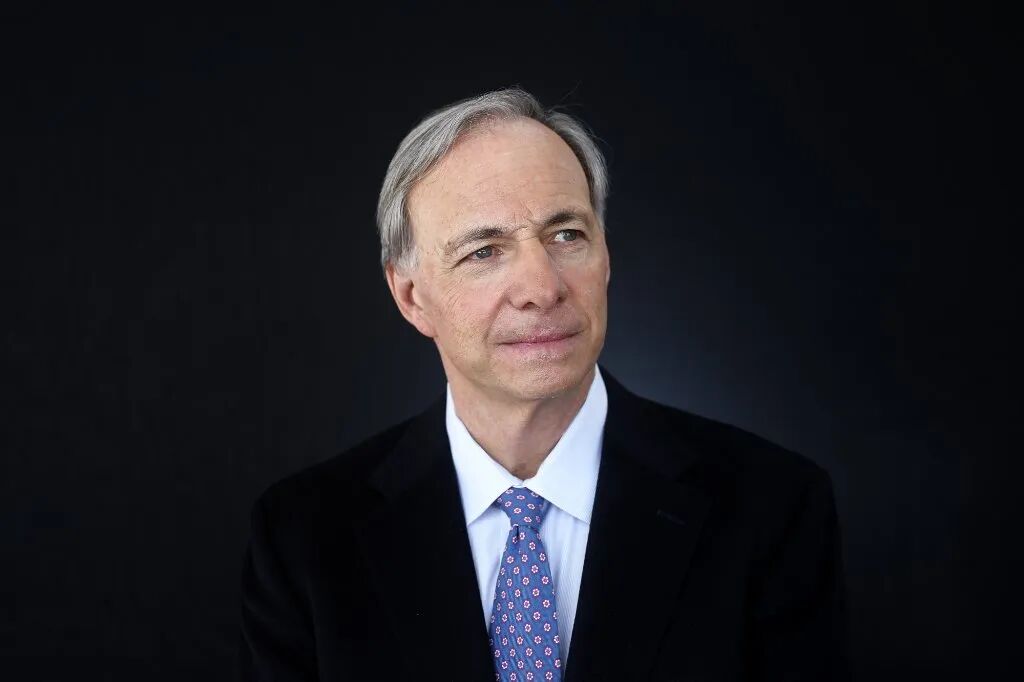
Group 1: Investment Strategy - Bridgewater Associates founder Ray Dalio suggests that investors should allocate up to 15% of their portfolios to gold, viewing it as a superior hedge compared to the US dollar, especially in the current economic climate reminiscent of the 1970s [1][2][6] - Gold prices have surged over 50% this year, reaching approximately $4,000 per ounce, with futures hitting $4,071 this week [2][4] - Dalio emphasizes that gold serves as a strong store of value amid rising government debt, geopolitical tensions, and declining confidence in fiat currencies [6] Group 2: Market Observations - Dalio expresses caution regarding the recent surge in US stock markets, indicating that speculation around artificial intelligence (AI) exhibits typical bubble characteristics, similar to past market innovations [7] - Despite concerns about valuations, Dalio refrains from shorting large tech companies, indicating a belief in the potential for AI to generate returns through efficiency improvements [7] - Wall Street analysts are bullish on gold, with predictions for gold prices to rise to $4,900 by December 2026, driven by continued ETF inflows and central bank purchases [8]
“现在就像70年代!” 达利欧:买更多黄金
Hua Er Jie Jian Wen· 2025-10-08 11:31
Core Viewpoint - Bridgewater Associates founder Ray Dalio suggests that investors should allocate up to 15% of their portfolios to gold, likening the current economic environment to the 1970s when inflation and government debt were high, making gold a superior hedge compared to the dollar [2][9]. Group 1: Gold Investment - Dalio emphasizes that gold is an excellent diversification asset, especially when traditional assets underperform [3][9]. - Gold prices have surged over 50% this year, reaching approximately $4,000 per ounce, with futures hitting $4,071 [3][6]. - Dalio argues that in the current economic climate, characterized by rising government debt and geopolitical tensions, gold serves as a strong store of value [9][10]. Group 2: Economic Context - The U.S. fiscal deficit is widening, and global tensions are escalating, prompting investors to seek safe-haven assets [6]. - The dollar has weakened against all major currencies, experiencing its largest depreciation since the 1970s, following uncertainties triggered by former President Trump's policies [6][9]. - Dalio compares the current situation to the early 1970s, when high inflation and significant government spending led to a loss of confidence in paper assets and fiat currencies [9]. Group 3: Technology and AI Concerns - Dalio expresses caution regarding the recent surge in U.S. stock prices, suggesting that speculation around artificial intelligence (AI) exhibits typical bubble characteristics [10]. - Despite concerns about valuations, Dalio sees opportunities in companies leveraging AI for efficiency and those providing AI platforms [10]. - He refrains from shorting large tech companies, indicating a cautious but optimistic stance on the sector [10]. Group 4: Market Predictions - Goldman Sachs has raised its gold price forecast for December 2026 from $4,300 to $4,900, citing continued inflows into ETFs and central bank purchases [11]. - Some analysts suggest that while gold is a strong investment, there may be short-term pullback risks due to the rapid price increase [11].
“现在就像70年代!” 达利欧:买更多黄金
华尔街见闻· 2025-10-08 11:23
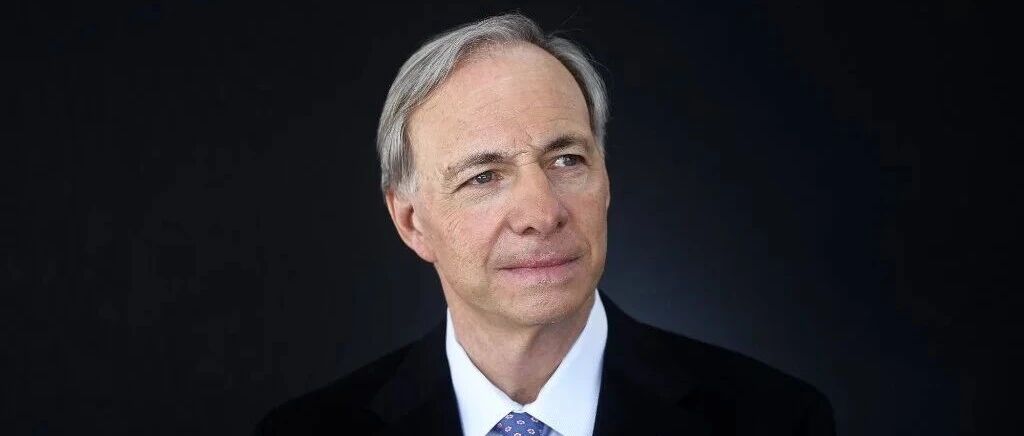
Group 1 - The core viewpoint is that investors should allocate up to 15% of their portfolios to gold, as it serves as a better hedge compared to the US dollar, especially in the current economic climate reminiscent of the 1970s [2][7][15] - Gold prices have surged over 50% this year, reaching approximately $4,000 per ounce, with futures hitting $4,071 [8][11] - The current economic environment is characterized by rising government debt, geopolitical tensions, and a weakening dollar, making gold a strong store of value [14][15] Group 2 - Dalio expresses skepticism about the speculative nature of AI investments, likening it to historical bubbles, but sees opportunities in companies leveraging AI for efficiency [4][17][18] - Despite concerns about valuations, Dalio will not short large tech companies, indicating a cautious but optimistic stance on the sector [19] - Analysts from Goldman Sachs and other firms are bullish on gold, with predictions for prices to rise to $4,900 by December 2026, suggesting a significant role for gold in investment portfolios [22]
爱世界,更爱自己
半夏投资· 2025-09-26 14:24
Core Viewpoint - The article discusses the importance of mindset in navigating the current market dynamics, emphasizing the need to accept and love the world as it is, rather than comparing it to an idealized version [2][4][5]. Market Structure and Mindset - Recent discussions have highlighted a divide between "old investors" and "young investors," indicating that structural characteristics of the market have become more significant than overall trends [2]. - The author reflects on personal experiences over the past two years, identifying a need for a mindset adjustment to maintain happiness and acceptance in the face of market volatility [3][4]. Understanding the Market - The market is inherently irrational, characterized by periods of greed and fear, which should be accepted rather than resented [6]. - Recognizing that bubbles and corrections are natural parts of the market can lead to a more enjoyable investment experience [6][7]. Self-Awareness in Investing - Investors must understand their own limitations and capabilities, particularly regarding market volatility and the nature of bubbles [8][10]. - The author shares personal health challenges faced while trying to keep up with younger investors, highlighting the importance of self-care and understanding one's own boundaries [8][9]. Investment Strategy - The current market environment is conducive to bubbles due to low interest rates and high risk appetite, which necessitates a cautious approach [12]. - The author prefers to invest in index futures, such as the CSI 500, to gain exposure to technology stocks while managing risk and volatility [12][13][14]. - A focus on understanding financial instruments and their appropriate use is crucial for professional investors to achieve better risk-adjusted returns [14]. Market Outlook - Economic indicators suggest a potential downturn, with expectations of increased fiscal stimulus, which may lead to a shift in market styles [15]. - The author remains patient, waiting for signs of recovery in fiscal policy and market conditions that align with their investment expertise [15].

美股“涨不动”了?
Hua Er Jie Jian Wen· 2025-09-25 00:36
Core Viewpoint - The U.S. stock market is showing signs of fatigue after a rapid rise, with investors weighing high valuations against potential macro risks [1][2] Valuation Concerns - 19 out of 20 indicators suggest that the U.S. stock market is trading at expensive levels, with the S&P 500's 12-month forward P/E ratio reaching a high of 22.9, only surpassed during the dot-com bubble and the summer 2020 pandemic rebound [2][7] - There is a debate on whether the current high valuations are justified, with some analysts suggesting that increased visibility and predictability of corporate earnings may warrant a premium on current valuations, potentially viewing them as a "new normal" [8] Market Sentiment and Potential Risks - Wall Street strategists believe the market may enter a consolidation phase in the short term, with some indicating that the strong upward trend has not ended but is facing tightening risk-reward conditions [4][3] - Concerns about a potential "bubble" are growing, especially in tech stocks, as the S&P 500 has rebounded nearly 35% since April [4][12] Macro Economic Risks - Macro risks such as persistent inflation and a slowdown in the labor market could pose challenges for the market's progress [12] - Historical data suggests that despite current concerns, there are reasons for optimism, as past bull markets have shown resilience [14] Investor Behavior - Some investors are advised to hedge their portfolios as more participants chase this year's gains, which could increase downside risks [4][6] - Sentiment indicators show that the current market rise is based on cautious optimism rather than excessive speculation, providing a constructive outlook for the stock market [14]
欧股开盘下跌,亚洲股市普遍收高,金银大涨,币圈大跌
Sou Hu Cai Jing· 2025-09-22 07:14
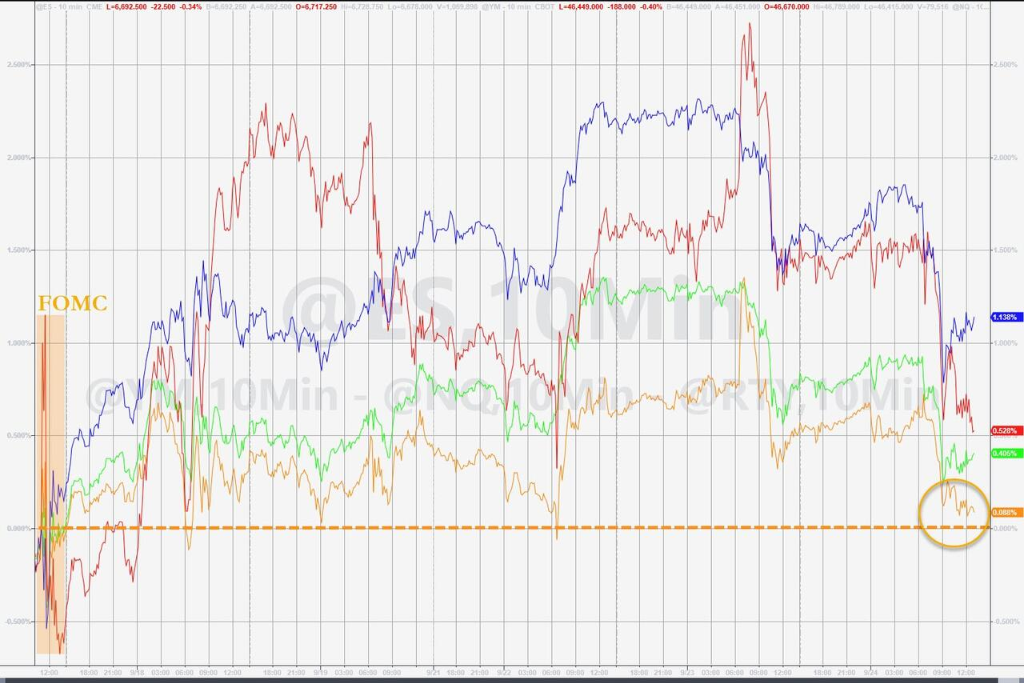
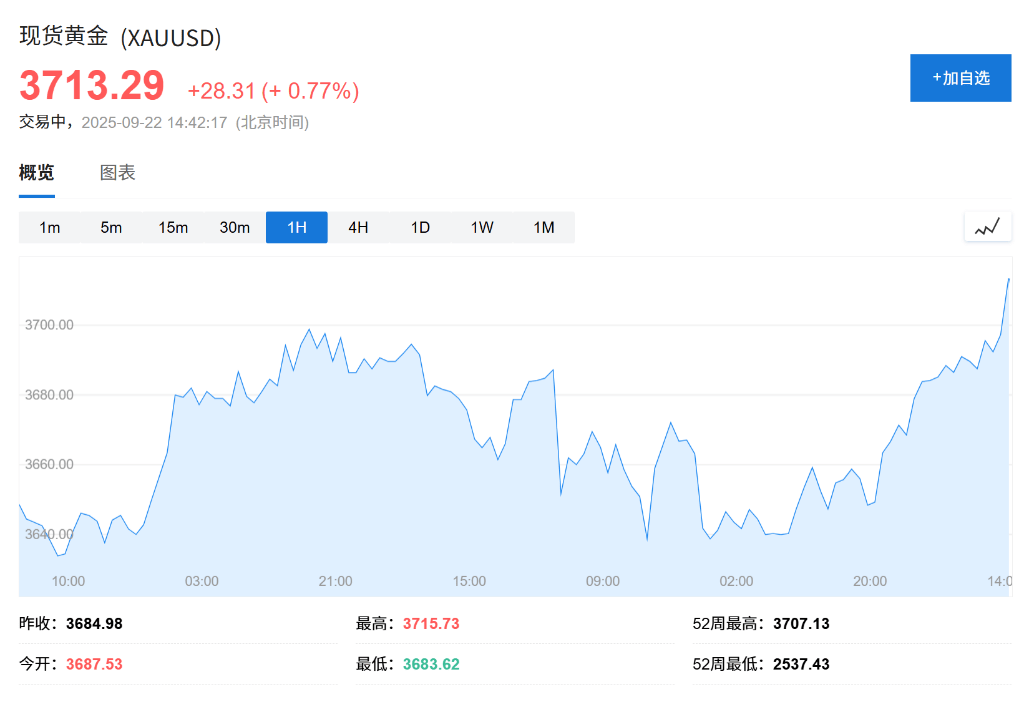
Group 1 - Asian stock markets rose on Monday, driven by the upward momentum in US stocks and easing concerns over the Bank of Japan's policy [1][6] - The Nikkei 225 index closed up 1% at 45,493.66 points, while the South Korean Seoul Composite Index rose 0.7% to 3,468.65 points [6] - The US 10-year Treasury yield increased by 1 basis point to 4.14% [6][13] Group 2 - The announcement by Trump regarding comprehensive reforms to the H-1B visa program has introduced new uncertainties for the global tech industry and companies reliant on foreign talent [1][10] - The proposed application fee of $100,000 could significantly impact US companies, particularly tech firms in California, and the Indian IT sector valued at $280 billion [10][11] Group 3 - Despite policy uncertainties, global stock markets remain at record levels, with discussions of a potential market bubble entering the dialogue [11] - Evercore ISI estimates a 25% chance of a bubble scenario where the S&P 500 could reach 9,000 points by the end of 2026, with a base case prediction of 7,750 points [11] - Bloomberg strategists believe that the profitability of tech companies is sufficient to absorb any sudden increases in visa fees [11] Group 4 - Gold prices continued to rise, with a 5-minute increase of $5.96 per ounce, reaching a new high of $3,714.37 per ounce [2][6] - Silver prices rose by 1.48% to $43.75 [5][6] - Cryptocurrency markets saw declines, with Bitcoin down over 2%, Ethereum nearly 7%, Dogecoin close to 11%, and Cardano over 8% [9][10]
九合创投创始人王啸:AI未来仍会经历泡沫,这是新事物发展必经阶段
Xin Lang Cai Jing· 2025-09-12 11:09
Core Viewpoint - The future of AI will experience a bubble phase, which is a common stage in the development of new technologies. Overemphasis on current revenues may hinder the growth of startups, while some level of bubble is necessary for technological advancement [1]. Group 1: Investment Perspective - Investors should assess multiple dimensions to control the extent of the bubble, including the reliability of the business, the credibility of the founding team, the reasonableness of valuations, the probability of success, and whether the venture addresses a genuine societal need [1]. - Early-stage investments are fundamentally about supporting entrepreneurs' visions, requiring investors to make forward-looking judgments to foster innovation [1].
X @Yuyue
Yuyue· 2025-08-30 18:21
Market Trends - NFT market faces significant devaluation, with many assets losing 90%-99% of their value [1] - Many NFT projects are failing, leading to assets becoming worthless and abandoned [1] Investment Considerations - Selling even low-value NFTs can yield some return, potentially exceeding the current holding value [1] - Holding onto NFTs may result in complete loss of investment due to market conditions [1]