消费结构升级

Search documents
青海省社零增速连续两月超全国平均增速
Zhong Guo Xin Wen Wang· 2025-09-20 02:13
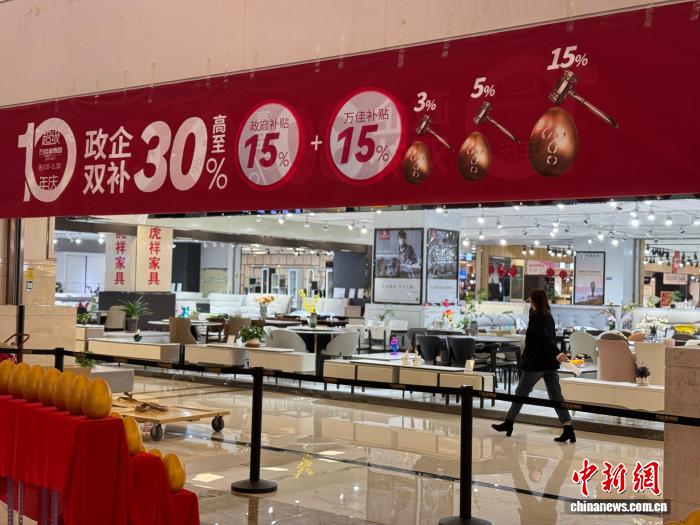
Group 1 - Qinghai Province's retail sales of consumer goods have shown a continuous increase, surpassing the national average growth rate for two consecutive months [1][3] - From January to August, Qinghai's total retail sales reached 68.339 billion yuan, with a year-on-year growth of 5.1%, exceeding the national growth rate by 0.5 percentage points [1][3] - In August alone, the retail sales amounted to 10.614 billion yuan, growing by 6.1% year-on-year, which is 2.7 percentage points higher than the national average [1][3] Group 2 - The retail sales of above-limit units in Qinghai increased by 8.4% from January to August, with a 0.6 percentage point rise compared to the previous seven months [3] - The retail sales in the above-limit retail sector grew by 13.5%, achieving double-digit growth for two consecutive months [3] - The catering industry in Qinghai saw an 8.5% increase in revenue, consistently outperforming the national growth rate of 5.7% for five months [3] Group 3 - The "old-for-new" policy has significantly supported retail growth, with categories such as home appliances and audio-visual equipment, building materials, and communication devices seeing retail sales growth of 63.4%, 12.9%, and 7.5% respectively [3] - Automotive retail sales increased by 20% year-on-year, contributing to the overall growth of above-limit retail sales [3] - There is a strong demand for smart and green consumption, with smart home appliances and audio-visual equipment sales growing by 100.7% and wearable smart devices by 132.9%, while new energy vehicle sales rose by 95.4% [3] Group 4 - Overall, the consumption structure in Qinghai is upgrading, and the trend of retail sales growth is expected to continue [3] - However, with the tightening of the "old-for-new" policy, a significant decline in the growth rate of automotive and home appliance products is anticipated starting in September, which may lead to a decrease in overall retail sales growth [3]

研报掘金丨海通国际:维持伊利股份“优于大市”评级,目标价36.6元
Ge Long Hui A P P· 2025-09-19 07:37
Core Viewpoint - The report from Haitong International indicates that Yili Group achieved a net profit attributable to shareholders of 7.2 billion yuan in H1 2025, with a Q2 net profit of 2.326 billion yuan, representing a year-on-year growth of 44.65% [1] Business Performance - Liquid milk revenue reached 36.126 billion yuan, a year-on-year decline of 2.1%, while market shares for ambient yogurt, ambient dairy beverages, and premium white milk increased; low-temperature white milk revenue grew over 20% due to significant product innovation and channel penetration [1] - Revenue from milk powder and dairy products was 16.578 billion yuan, showing a year-on-year increase of 14.3%; the market share for infant formula reached 18.1%, ranking first nationally, while adult powder market share stood at 26.1%, maintaining the industry's leading position [1] - Ice cream revenue amounted to 8.229 billion yuan, with a year-on-year growth of 12.4%, and the company continued to hold the industry's top retail share both online and offline [1] International Expansion - The overseas business is rapidly expanding, with revenue from overseas ice cream and goat milk powder increasing by 14.4% and 65.7%, respectively [1] Market Outlook - Overall, the company has established a solid advantage across major product categories, and its diversified structure ensures resilience in performance; with the gradual balance of raw milk supply and demand, stabilization of milk prices, and an upgrade in consumption structure driven by health needs, the company is expected to continue leveraging its leading position [1] Valuation - Based on comparable company valuations, a target price of 36.6 yuan is set for 2025, with a 21x PE ratio, maintaining an "outperform the market" rating [1]

新闻1+1|扩大服务消费,该从哪些关键点入手?
Yang Shi Wang· 2025-09-17 22:20
Core Viewpoint - The Chinese government has introduced a series of policies aimed at expanding service consumption, which is seen as a key driver for high-quality economic development in the country [1] Group 1: Service Consumption Expansion - Service consumption is defined as the exchange of money for intangible products, contrasting with tangible goods consumption [2] - The current focus on expanding service consumption aligns with China's development stage, as service consumption typically becomes dominant when GDP per capita exceeds $15,000 [2] - China's per capita GDP is currently around $13,000, with service consumption growth outpacing that of goods consumption in recent months [2] Group 2: Impact of School Holidays on Service Consumption - The introduction of spring and autumn breaks for students is expected to enhance service consumption by providing more leisure time for families [3] - The effectiveness of this policy depends on whether parents also have time off, which will determine its impact on service consumption growth [3] Group 3: New Market Opportunities - Emerging consumption trends, such as "Village BA" and "Su Chao," indicate new market opportunities driven by quality content and innovative service offerings [4] - The interaction between new demand and supply is crucial, as quality content and innovative experiences can significantly enhance consumer engagement [4] Group 4: Challenges in Service Consumption - Despite the growth in service consumption, the overall consumption-to-GDP ratio in China remains low, indicating a need for improvement [6] - Addressing this issue requires coordinated efforts on both the supply and demand sides, particularly by enhancing public services and social security for low-income groups [6]
中国消费:消费趋势指向何方
Sou Hu Cai Jing· 2025-09-16 12:40
Group 1 - The report by Morgan Stanley highlights the resilience and growth potential of the Chinese consumer market despite global economic uncertainties, projecting a 10.2% year-on-year growth in retail sales for 2024 [1] - Online consumption is expected to grow at a rate of 15.6% in 2024, significantly outpacing the 8.3% growth rate of offline consumption [2] - The share of service consumption is projected to increase from 45.9% in 2019 to 50.2% in 2024, indicating a shift in consumption structure [2] Group 2 - The spending power of Generation Z (born 1995-2009) is becoming more prominent, with their share of total consumer spending rising from 10% in 2019 to 15% in 2024 [2] - Consumer preferences are shifting towards quality, health, and personalization, with health food sales expected to grow by 22% and smart home products by 18% in 2024 [2] - The report identifies opportunities in emerging consumption sectors such as smart home technology, health food, and green consumption, particularly for companies with innovation capabilities and brand advantages [3] Group 3 - Leading companies in the smart home sector are projected to achieve over 30% revenue growth in 2024 [3] - The report notes potential risks such as economic slowdown, increased market competition, and rising raw material costs, which have increased by 10%-15% for some consumer goods companies in 2024 [3]
北京:1—7月全市实现社零总额7674.3亿元,同比下降4.2%
Jing Ji Guan Cha Wang· 2025-08-18 03:33
Group 1 - The total market consumption in Beijing from January to July increased by 0.7% year-on-year, driven by active service consumption in transportation, information, and cultural entertainment sectors, which grew by 4.6% [1] - The total retail sales of social consumer goods (referred to as social retail total) reached 767.43 billion yuan, a decrease of 4.2% year-on-year, influenced by the weakening advantages in key consumption areas [1] - Retail sales of fashion and entertainment goods such as gold and silver jewelry, cosmetics, and sports and entertainment products increased by 32.7%, 8.2%, and 6.1% respectively [1] Group 2 - The retail sales of household appliances and audio-visual equipment grew by 6.9% due to the "old-for-new" policy, while basic living goods like grain and oil food and daily necessities saw increases of 12.1% and 3.1% respectively [1] - The retail sales of communication equipment decreased by 24.4%, primarily due to changes in business models and the establishment of cross-regional operating entities [1] - The automotive retail sales fell by 19%, mainly due to insufficient demand for fuel vehicles, which also affected related petroleum and product sales [1] Group 3 - The social retail total reflects the retail situation of consumer goods and does not fully represent the overall consumption demand [2] - The consumption market in Beijing remains on a growth trajectory, with an ongoing trend of consumption structure upgrading [2] - Future policies aimed at expanding domestic demand and stabilizing growth are expected to boost confidence on both supply and demand sides, enhancing new consumption vitality [2]
谭永生:加快释放服务消费潜力和动能
Jing Ji Ri Bao· 2025-08-12 00:01
Core Viewpoint - The recent Central Political Bureau meeting emphasized the importance of developing service consumption as a means to effectively unleash domestic demand potential and cultivate new growth points in service consumption [1] Group 1: Service Consumption Development - Service consumption is seen as a "barometer" for macroeconomic observation and a "stabilizer" for improving people's livelihoods [1] - There is a clear trend of personalization, diversification, and quality enhancement in consumer spending, indicating that China has entered a "golden period" for the expansion and upgrading of service consumption [1] Group 2: Optimizing Supply and Demand - The focus should be on optimizing consumption supply to create effective demand, with a need to address the diverse and segmented service consumption needs of different population groups [2] - Policies should be improved to support service consumption, encouraging enterprises to develop specialized service products tailored to specific industries and scenarios [2] - There is a call for deepening reforms in key areas and expanding market access to better meet consumer demand, particularly in sectors with high demand and insufficient supply [2] Group 3: Enhancing Consumer Confidence - Steady income growth is essential for boosting consumer confidence and reducing concerns about spending, which in turn drives service consumption growth [3] - Policies should be implemented to increase employment, support entrepreneurship, and enhance income mechanisms, including raising pension levels and introducing childcare subsidies [3] - Initiatives like trade-in policies for services and subsidies for education, healthcare, and other sectors are suggested to unlock service consumption potential [3] Group 4: Improving Consumption Environment - Establishing a credit database for service enterprises and personnel is crucial for promoting trust and integrity in service consumption [4] - Strengthening consumer rights protection and enhancing regulatory measures against false advertising and fraud are necessary to ensure safe and informed consumption [4] - Improving complaint resolution mechanisms will facilitate easier consumer rights protection, making the consumption experience more reassuring [4]
将提振消费与惠民生结合起来
Sou Hu Cai Jing· 2025-08-08 22:45
Core Insights - The integration of consumption stimulation and improving people's livelihoods is crucial for activating domestic demand and promoting high-quality economic development [1][3] - Expanding domestic demand is essential for stabilizing growth, with consumption contributing over 60% to economic growth in recent years [1] - Recent policies aimed at boosting consumption have shown significant effects, including innovations in consumption scenarios and the emergence of new growth points like the ice and snow economy and silver-haired consumption [1] Policy Implementation Challenges - There are challenges in policy implementation, including poor coordination between different departments, leading to inconsistencies in policy goals and measures [2] - Some consumers remain unaware of specific subsidy policies, such as those for new energy vehicles, resulting in missed opportunities for eligible consumers [2] - There is a mismatch between market supply and consumer demand, affecting market activity [2] Strategic Measures for Consumption Stimulation - Enhancing residents' income and providing targeted welfare policies, such as consumption vouchers for low-income groups, can create a virtuous cycle of consumption, employment, and income growth [3] - High-quality supply is necessary to stimulate consumption demand, with a focus on expanding product and service offerings and supporting new business models [3] - Optimizing the consumption environment through improved infrastructure and consumer rights protection can enhance consumer confidence [3] - Inclusive financial services should be developed to support consumption equity, particularly for rural areas and new urban residents [3]
5月份社会消费品零售总额同比增长6.4% 消费市场向好态势更加稳固
Jing Ji Ri Bao· 2025-08-08 07:59
Group 1: Retail Performance - In the first five months of this year, the total retail sales of consumer goods reached 20.32 trillion yuan, with a year-on-year growth of 5% [1] - In May, the retail sales of consumer goods totaled 4.13 trillion yuan, showing a year-on-year increase of 6.4%, which is the highest monthly growth rate since last year [1] - The retail sales of goods increased by 6.5% year-on-year in May, with significant contributions from furniture, home appliances, and communication equipment categories, which grew by 25.6%, 53%, and 33% respectively [1][2] Group 2: Holiday Consumption - The "May Day" and Dragon Boat Festival holidays significantly boosted cultural and tourism consumption, with domestic travel reaching 314 million trips during the "May Day" holiday, a 6.4% increase year-on-year [2] - During the Dragon Boat Festival, domestic travel reached 119 million trips, with total spending of 427.3 billion yuan, reflecting a year-on-year growth of 5.9% [2] - The retail sales of sports and entertainment products saw a year-on-year growth of 28.3% in May, continuing a double-digit growth trend since the beginning of the year [2] Group 3: E-commerce and Online Retail - Online retail sales increased by 8.5% year-on-year in the first five months, with physical goods online retail sales growing by 6.3%, accounting for 24.5% of total retail sales [3] - The optimization of the departure tax refund policy has led to a significant increase in inbound consumption, with the number of tax refund transactions growing by 116% in the first month of implementation [3] - The number of departure tax refund stores has increased to 5,196, which is 1.4 times the number expected by the end of 2024 [3] Group 4: Consumer Experience and Innovation - Physical retail enterprises are continuously innovating diverse consumption scenarios to enhance consumer experience, with retail sales from physical stores growing by 4.5% year-on-year in the first five months [4] - Membership warehouse stores saw retail sales growth exceeding 30%, while convenience stores, specialty stores, and supermarkets grew by 8.5%, 6.3%, and 5.7% respectively [4] - The positive consumption trend in May is attributed to the continuous upgrade of consumption structure and the effective implementation of policies such as the replacement of old products [4]
68.8%!内需扛鼎中国经济“半年报”,消费潜力持续释放
Sou Hu Cai Jing· 2025-07-20 12:28
Group 1 - Domestic demand, especially consumption, is the main driver of GDP growth, contributing 68.8% to GDP growth in the first half of 2025, with final consumption expenditure contributing 52% [1] - The contribution of final consumption expenditure to economic growth in Q2 was 52.3%, showing a slight increase from Q1 [1] - Policies aimed at boosting consumption have been frequently introduced this year, leading to a sustained increase in the consumption market's activity [1][10] Group 2 - Cultural and tourism consumption has shown significant growth, with service retail sales increasing by 5.3% year-on-year in the first half of the year [2][4] - The "Special Action Plan for Boosting Consumption" emphasizes the importance of enhancing service consumption quality and promoting various integrated consumption scenarios [4] - The "old-for-new" policy for consumer goods has significantly boosted sales, with a reported 1.1 trillion yuan in sales driven by this initiative by May 31, 2025 [5] Group 3 - The government plans to continue supporting consumption, with 50% of the annual budget for "old-for-new" subsidies already utilized, and additional funds to be released in the second half of the year [6] - The average disposable income per capita in China reached 21,840 yuan in the first half of 2025, with a nominal growth of 5.3% [7] - The focus on increasing residents' income and improving the consumption environment is crucial for sustainable consumption growth [7][8] Group 4 - The second half of 2025 is expected to see continued support for consumption growth, driven by effective policies and the release of service consumption potential [10][12] - Recent local government initiatives have targeted service consumption, aiming to enhance cultural, tourism, and sports consumption [12] - Financial support for consumption is being strengthened, with new guidelines aimed at enhancing residents' consumption capacity and expanding financial supply [14] Group 5 - International financial institutions have raised their economic growth forecasts for China, citing the positive effects of recent policies and the significant growth potential in technology and consumption sectors [15]

上半年国内生产总值同比增5.3%
Sou Hu Cai Jing· 2025-07-15 21:06
Economic Overview - The GDP for the first half of the year reached 660,536 billion yuan, with a year-on-year growth of 5.3%, slightly up from 5.4% in Q1 to 5.2% in Q2 [1][2] - The economic performance is characterized by stability, with key indicators showing a steady growth trend [2][7] Sector Performance - The primary industry added value was 31,172 billion yuan, growing by 3.7%; the secondary industry reached 239,050 billion yuan, with a growth of 5.3%; and the tertiary industry increased to 390,314 billion yuan, growing by 5.5% [1] - The service sector accounted for 59.1% of GDP, contributing over 60% to economic growth [7] Consumption Trends - Retail sales of consumer goods increased significantly, with notable growth in service consumption and holiday spending [4][5] - The contribution of final consumption expenditure to GDP growth was 52%, indicating it as the main driver of growth [3] Monetary and Trade Indicators - The M2 money supply grew by 8.3% year-on-year as of the end of June, reflecting improved liquidity in the economy [3] - The trade balance remained stable, with import and export volumes reaching record highs [2] Future Outlook - Analysts express optimism for continued consumption growth, supported by government policies and a favorable demographic landscape [5][6] - The macroeconomic policies are expected to provide a solid foundation for stable growth in the second half of the year, despite external uncertainties [6][7]