产业升级

Search documents
乘风破浪来时路 涅槃蝶变向未来
Xin Lang Cai Jing· 2026-01-15 23:36
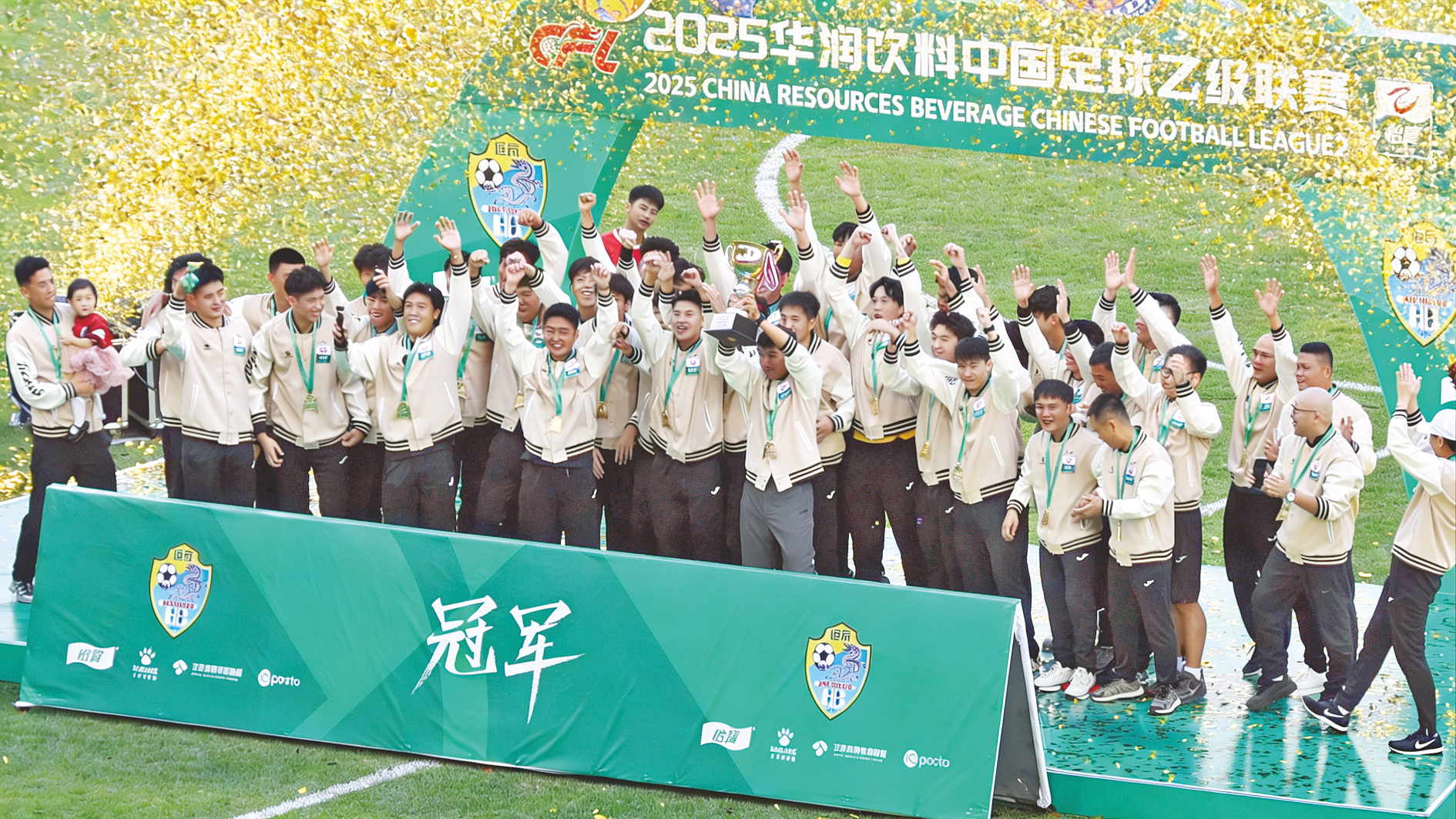
Core Viewpoint - Nanning Weining Group is committed to high-quality development, focusing on innovation in various sectors, including sports, food safety, and community services, while achieving significant financial growth and enhancing its role in local economic development [8][9]. Group 1: Financial Performance and Growth - By the end of 2025, the group's total assets are projected to reach approximately 50 billion yuan, with an expected operating income of around 10 billion yuan and a total profit of about 1.28 billion yuan, representing year-on-year growth of 17% and 142% respectively [8]. - The group has been recognized with an AAA credit rating and has consistently ranked among the top 500 service enterprises in China for ten consecutive years [8]. Group 2: Community and Social Impact - The group has implemented a comprehensive management system for food safety, achieving a year-round "zero accident" record in campus food safety, serving around 500,000 students across approximately 900 schools [3][23]. - In 2025, the group organized over 140 cultural activities benefiting more than 60,000 people, including the China-ASEAN Film Festival, which showcased 18 outstanding films from China and five ASEAN countries [23]. Group 3: Innovation and Development Initiatives - The group has established an efficient trade channel connecting ASEAN procurement, port customs clearance, and domestic distribution, with a supply chain transaction volume exceeding 1.5 billion yuan in a single day [7]. - The launch of the "Yonglian Tong" supply chain service platform has streamlined financing processes, reducing traditional financing review periods from 15 working days to just 1 day, with financing costs as low as 2.71% [16]. Group 4: Cultural and Sports Engagement - In 2025, the group hosted 74 sports events, including the successful operation of the "Muse Queen" super concert, transitioning from a venue provider to a content operator [17]. - The group supported the Guangxi Hengchen Club in winning the 2025 China League Two Championship, successfully promoting local sports [17]. Group 5: Governance and Reform - The group has made significant strides in governance, including the establishment of a risk prevention system that integrates risk, internal control, and compliance across its subsidiaries [20]. - In 2025, the group completed over 110 new or revised regulations and conducted more than 30 inspections related to key project investments and financial management [20].

潍坊安丘:攻坚工业“头号工程” 擘画强市崛起新蓝图
Qi Lu Wan Bao· 2026-01-15 23:31
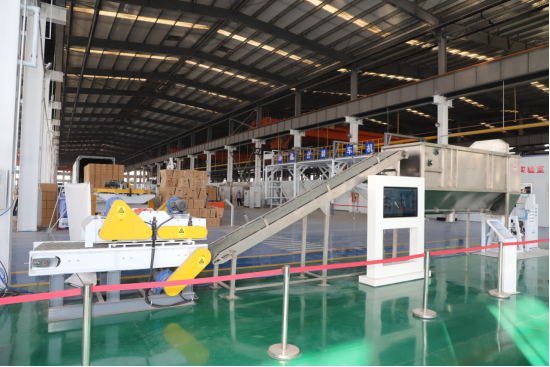
Core Viewpoint - Anqiu is focusing on industrial strength and aims to create a trillion-level industrial cluster by 2026, marking a key year for its development strategy [1]. Group 1: Industrial Development - Anqiu is committed to the strategy of "industrial city, industrial strength," advancing its industrial economy as a top priority and fostering large enterprises to build a modern industrial system with local characteristics [1]. - The industrial transformation is evident, with companies like Boyang Machinery achieving domestic leadership in intelligent loading systems, significantly improving efficiency [4]. - In 2025, Anqiu's industrial electricity consumption reached 19 billion kWh, a year-on-year increase of 3.9%, while the total industrial output value grew by 8.4%, leading the region [5]. Group 2: Green Transformation - Shandong Lanxiang Environmental Technology Co., Ltd. was recognized as a provincial "green factory," enhancing its industry leadership through innovative low-carbon water equipment projects [8]. - The company aims to produce 2,000 units annually, generating sales revenue of 3 billion yuan, showcasing Anqiu's commitment to green manufacturing [8]. - Anqiu is promoting green technology upgrades across enterprises, enhancing economic value through increased "green content" [8]. Group 3: Innovation and Support - Anqiu is implementing a "seedling cultivation" project for high-tech enterprises, establishing a nurturing system for startups and small to medium-sized tech firms [9]. - The government is enhancing service efficiency by assigning over 460 officials to support key enterprises, ensuring targeted assistance [9]. - Various initiatives, including market expansion activities, have been organized to help businesses grow and stabilize [9].
广东奇德新材料股份有限公司 2025年年度业绩预告
Zheng Quan Ri Bao· 2026-01-15 22:45
Core Viewpoint - The company, Qide New Materials, is forecasting a significant improvement in its financial performance for the year 2025, driven by strategic initiatives in research and development, market expansion, and optimization of customer structure [1][2]. Group 1: Performance Forecast - The performance forecast period is set from January 1, 2025, to December 31, 2025, indicating an expectation of turning losses into profits or a significant increase in performance [1]. - The financial data for this forecast has not been audited by the accounting firm, but preliminary discussions indicate no major disagreements regarding the performance forecast [1][3]. Group 2: Reasons for Performance Changes - The company is actively promoting research and innovation, focusing on the domestic industrial transformation and the high-end, lightweight development of the new energy vehicle sector, which has led to steady progress in strategic goals [2]. - The automotive application sector has become the largest source of revenue, with continuous growth in high-end specialty engineering plastics and an increase in overseas production capacity [2]. - The development of carbon fiber products has shown significant results, with accelerated introduction of new customers and products, contributing to a notable increase in profitability [2]. Group 3: Additional Information - The performance forecast is based on preliminary calculations by the company's finance department, with detailed financial data to be disclosed in the 2025 annual report [3]. - The company commits to adhering to legal and regulatory requirements for timely information disclosure [3].
中国石油兰州石化公司总经理助理兼规划和科技信息部部长张涛涛:绘好产业升级曲线
Jing Ji Ri Bao· 2026-01-15 21:25
"十五五"规划建议提出,推动重点产业提质升级,巩固提升矿业、冶金、化工、轻工、纺织、机械、船 舶、建筑等产业在全球产业分工中的地位和竞争力。我们将聚焦"炼化生精材"的产品结构,绘好产业升 级"三条曲线",因地制宜发展新质生产力。 过去5年,我们公司围绕传统炼油产品的市场变化,在产品升级、绿色发展、科技创新、数智转型等方 面持续发力,取得了一系列成果。特别是近两年,我们立足自身优势发展新质生产力,加快从"生产 型"向"经营型"转变,产业链、价值链向中高端迈进。 "十四五"期间,公司科研投入5.85亿元,实施了247项科技项目,聚焦成套技术开发、新材料试产、"双 碳"及新能源研究等关键核心技术,超前研究分子炼油、油转化、重油直接制化学品等一批战略储备技 术,形成气相法聚乙烯、高抗冲聚丙烯等8套自主知识产权成套技术,跻身国家知识产权示范企业与集 团创新型企业。 绘好这"三条曲线",我们将努力在"十五五"末实现"传统升级—新兴拓展—生态重构"的三阶可持续发展 格局,为"再造兰州石化、再创企业辉煌"奠定坚实基础。 (文章来源:经济日报) 巩固"第一曲线",全面升级传统产业。我们将优化炼化一体化产业结构,以智能化、高端化 ...

定州体育产业转型升级
Xin Lang Cai Jing· 2026-01-15 18:26
Core Insights - The sports equipment industry cluster in Dingzhou, Hebei, has grown into a national sports industry demonstration base, with over 700 enterprises and a market share exceeding 15% in outdoor fitness equipment and 25% in strength equipment internationally [1][3] - The local government plays a proactive role in supporting enterprises through policy, finance, technology, and talent, facilitating a collaborative and innovative development path [1][2] Policy Support and Innovation - The implementation of the new national standard GB19272-2024 has created anxiety among small and medium-sized enterprises, prompting the local government to provide direct support and guidance [2] - Continuous financial support for innovation has been established, with annual funding exceeding 10 million yuan, representing over 2% of public financial expenditure, enabling enterprises to pursue high-level innovations [2][3] Industry Recognition and Growth - The industry cluster has seen the emergence of 15 high-tech enterprises and 26 innovative SMEs, with several companies achieving provincial and national recognition [3][6] - Dingzhou has received multiple accolades, including being named a "National Sports Industry Demonstration Base," enhancing its platform and influence in the industry [3][8] Collaborative Innovation Platforms - The local government has established a collaborative framework that integrates various stakeholders, facilitating efficient resource flow and innovation within the industry [4][5] - Partnerships with local universities have led to targeted technological support for enterprises, enhancing their innovation capabilities [5] Brand Development and Market Expansion - The government is actively promoting Dingzhou's products beyond local markets, establishing a "Dingzhou Reception Hall" in Tianjin to showcase local brands [7][8] - The rise in brand influence is evidenced by local companies winning bids for major national events, further solidifying the reputation of "Dingzhou quality" [8] Future Development Goals - Dingzhou aims to transition into a global hub for intelligent sports equipment manufacturing and a center for sports technology innovation, supported by a strong government-market collaboration [8]
北京千亿投资冲刺经济“开门红”
Bei Jing Shang Bao· 2026-01-15 16:25
Core Insights - Beijing's investment strategy for 2026 aims to stimulate economic growth through significant project launches and investments, with a focus on six major actions to ensure a strong start to the year [1][2]. Group 1: Investment Projects - The "3x100" key engineering projects in Beijing are designed to bolster economic growth, with a total investment exceeding 1.4 trillion yuan, and a planned investment of approximately 312.8 billion yuan in 2026, which will support over 30% of the city's total investment [2]. - The 300 projects include 180 ongoing projects and 120 new projects, with social investment projects accounting for at least 70% of the total investment, thereby enhancing market vitality [3]. Group 2: Major Projects in Q1 - In the first quarter, 160 major projects will commence, with a total investment of about 518.8 billion yuan, marking the beginning of the year's economic development [4]. - These projects focus on four key areas: modern industrial system construction, modern infrastructure system development, public service improvements, and urban renewal initiatives [4]. Group 3: Economic Impact - The successful launch of these projects is expected to significantly support annual investment, address existing gaps, and enhance the overall functionality and layout of the city, benefiting both current and long-term economic prospects [5].
引领产业升级:从技术自主到400万吨产能飞跃,解码贵州磷化集团的全球竞争优势
Sou Hu Cai Jing· 2026-01-15 13:29
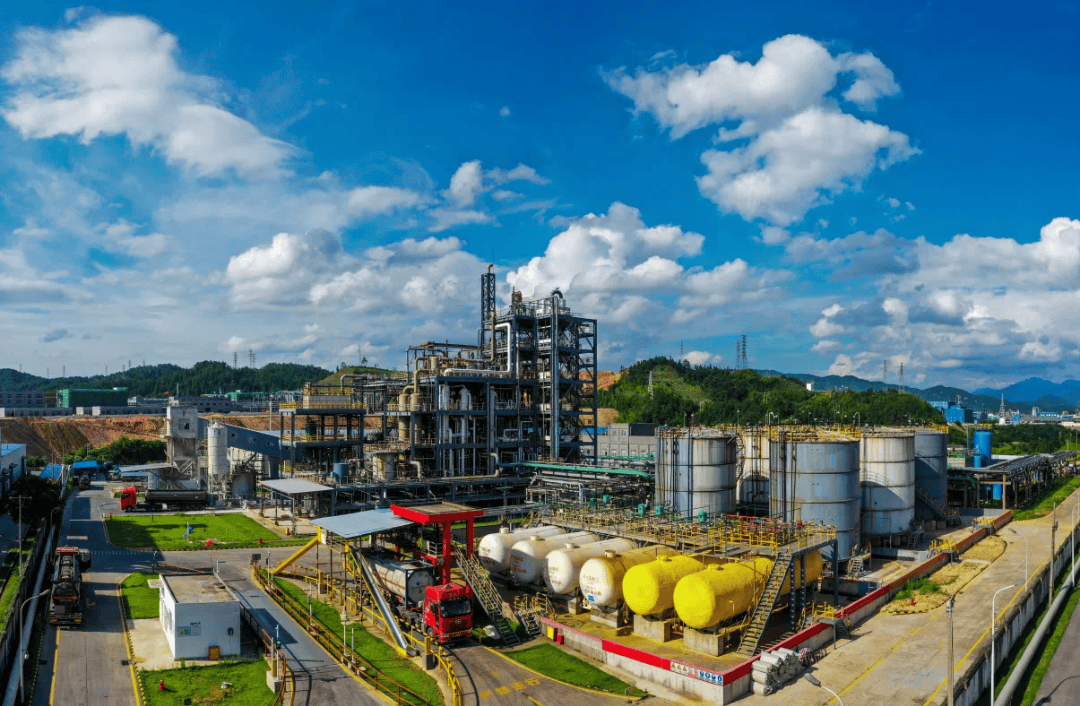
Core Viewpoint - Guizhou Phosphate Group is expanding its capacity in wet-process phosphoric acid production, aiming for 400,000 tons, which will enhance its competitive edge in the global market and support high-quality development in response to the growing demand from new energy and electronic chemical industries [1][2]. Capacity Expansion - The company plans to increase its wet-process phosphoric acid capacity to 300,000 tons by 2026, with a strategic goal of reaching 400,000 tons, showcasing its technological advancements and cost advantages [1]. - The PPA facility's capacity has been successfully expanded from 40,000 tons to 60,000 tons, establishing a solid foundation for overall capacity enhancement [3]. Technological Innovation - Guizhou Phosphate Group has developed its fifth-generation wet-process phosphoric acid purification technology, achieving significant breakthroughs in production capacity and product quality, meeting food additive standards [5]. - The company has over 100 authorized patents related to its wet-process phosphoric acid technology and has established long-term collaborations with various universities and research institutions [5]. Industry Chain Optimization - The company has established a complete industrial chain from phosphate rock resource development to high-end phosphate chemical product manufacturing, enhancing resource optimization and technological collaboration [7]. - Guizhou Phosphate Group has pioneered technology for recovering fluorine resources from low-concentration phosphate ore, recognized as a "national manufacturing single champion" [7]. Green Development - The company has invested over 4 billion yuan since 2019 to improve the comprehensive utilization rate of phosphogypsum from 53% in 2018 to 78.61% by 2024, surpassing national targets [9]. - The establishment of a circular economy model for phosphoric acid production and phosphogypsum utilization has turned environmental challenges into competitive advantages [9]. Market Opportunities - The deep purification technology of wet-process phosphoric acid supports the new energy industry, with products meeting electronic and battery-grade standards [11]. - Guizhou Phosphate Group is expanding its production capacity for new energy battery materials, with significant demand projected for lithium iron phosphate batteries in the coming years [11]. - The company has outlined a clear path for industrial upgrades, focusing on modern agriculture, new energy, and fine chemicals, while enhancing its core business in wet-process phosphoric acid [11]. Future Outlook - With continuous capacity release in new energy materials and ongoing technological innovations, the company's market competitiveness is expected to improve significantly [12]. - Guizhou Phosphate Group aims to enhance its development quality and efficiency through innovation-driven strategies and effective resource integration [12].
宇通客车:截至2025年6月底,公司共参与完成326项国家、行业、地方及团体标准制定工作
Zheng Quan Ri Bao Wang· 2026-01-15 09:43
Core Viewpoint - Yutong Bus (600066) is actively involved in the development of national, industry, local, and group standards, with a focus on enhancing the quality and sustainability of the bus industry [1] Group 1: Standards Development - As of June 30, 2025, the company has participated in the completion of 326 standard-setting projects, with 19 of these being led by the company itself [1] - Out of the 326 projects, 309 standards have already been published, covering various aspects such as complete vehicles, systems, components, performance, and testing methods [1] Group 2: Key Standards - Notable standards developed include GB/T40425.2-2025 for electric bus top contact charging systems, QC/T1230-2025 for electric bus wheel-side drive axles, GB/T37133-2025 for high-voltage connection systems for electric vehicles, and JT/T711-2025 for operational bus fuel consumption limits and measurement methods [1] Group 3: Focus on Technology and Industry Upgrade - The company continues to focus on the research and development of key common technologies, promoting industrial upgrades and assisting the industry in establishing a systematic standard framework [1] - This initiative aims to lead the industry towards high-quality and sustainable development [1]

奇德新材(300995.SZ):预计2025年净利润同比增长107.21%~139.44%
Ge Long Hui A P P· 2026-01-15 08:34
Core Viewpoint - The company expects a significant increase in net profit for 2025, projecting a range of 18 million to 20.8 million yuan, representing a year-on-year growth of 107.21% to 139.44% [1] - The company is focusing on R&D innovation and industrial upgrades, capitalizing on the strategic opportunities presented by domestic industrial transformation and the high-end, lightweight development of new energy vehicles [1] Financial Performance - The net profit attributable to shareholders is projected to be between 17 million and 19.8 million yuan, with a year-on-year growth of 96.56% to 128.94% when excluding non-recurring gains and losses [1] - The company has achieved substantial profit growth through comprehensive quality management, leading to a notable increase in overall profitability [1] Market Strategy - The company is actively expanding both domestic and international markets, with strategic goals being steadily advanced [1] - The automotive application sector has become the largest source of revenue, indicating a successful optimization of downstream application fields and customer structure [1] Product Development - The high-end specialty engineering plastics business has shown continuous growth, and the development of carbon fiber products has yielded significant results, with accelerated progress in the introduction of new customers and products [1] - The company is enhancing its overseas production capacity, contributing to its outstanding performance growth [1]
新亚电子拟投资不超2亿元设立海南子公司 深化全球化布局
Zheng Quan Ri Bao Wang· 2026-01-15 07:45
Core Viewpoint - Xinya Electronics plans to invest up to 200 million yuan to establish a wholly-owned subsidiary in Hainan, aiming to enhance global layout, achieve business synergy, and leverage the advantages of Hainan's free trade port policies to optimize resource allocation and strengthen its overall competitiveness [1] Group 1: Investment and Strategic Goals - The establishment of the subsidiary is part of Xinya Electronics' strategy to deepen its global presence and optimize resource allocation [1] - The investment is expected to enhance the company's competitiveness by utilizing the favorable policies of Hainan's free trade port [1] Group 2: Industry Context and Benefits - Xinya Electronics operates in the cable industry, producing various types of cables including consumer electronics, industrial control, automotive, communication, and new energy cables [1] - Experts believe that the decision to set up a subsidiary in Hainan is influenced by multiple factors, including regional policy benefits, industry upgrade demands, and global supply chain optimization [1] Group 3: Tax and Cost Advantages - Hainan's low corporate income tax rate is expected to significantly reduce operating costs for capital-intensive cable manufacturing companies, thereby enhancing profit margins [1] - The "zero tariff, low tax rate, and simplified tax system" policies in Hainan can lower procurement costs for raw materials, which are often imported, thus improving product price competitiveness [1] Group 4: Supply Chain and Market Access - Hainan's trade facilitation measures are anticipated to shorten the customs clearance time for raw material imports and product exports, which is crucial for timely delivery of cable orders [1] - The international hub status of Hainan is expected to help Xinya Electronics connect with Southeast Asia and global markets as the cable industry transitions from low-end manufacturing to high-end, intelligent production [1] Group 5: R&D and Emerging Markets - The establishment of the subsidiary will support Xinya Electronics' research and market expansion in emerging fields such as new energy vehicle cables and humanoid robot cables [1][2] - The high technical requirements for cables in the new energy vehicle and humanoid robot sectors necessitate advanced customization capabilities, which the Hainan free trade port's R&D subsidies can support [2] Group 6: Collaboration and Ecosystem Development - Hainan's offshore trade policies facilitate cross-border capital flow and international settlement, enabling Xinya Electronics to establish localized service networks in overseas markets [2] - The industrial agglomeration effect in Hainan, with many key parks attracting new energy and high-end manufacturing enterprises, allows Xinya Electronics to collaborate within the industry chain, enhancing technology synergy and market sharing [2]