长期主义

Search documents
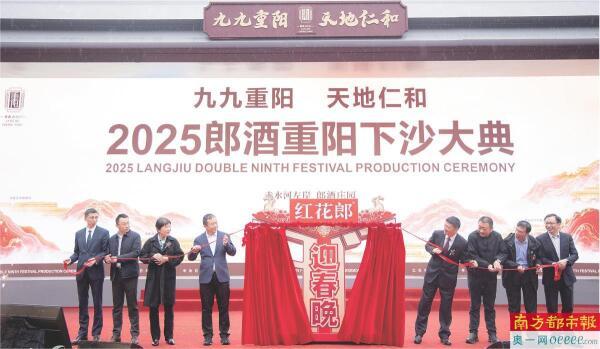
重阳日 宴长者 赴酒庄 齐下沙 孝亲敬老“敬的是时间的沉淀”
Nan Fang Du Shi Bao· 2025-10-29 23:07
Core Insights - The 2025 Langjiu Chongyang Down Sand Ceremony was held on October 29, marking the start of a new brewing cycle for Langjiu, attended by various dignitaries and industry experts [5][6][7] - Langjiu announced a historic storage level of 300,000 tons of sauce-flavored base liquor, with a sales volume for 2026 not exceeding 30,000 tons, reflecting its commitment to quality and long-term strategy [6][7][14] - The event emphasized Langjiu's adherence to traditional brewing techniques and its long-term value philosophy, showcasing its dedication to quality over quantity [7][8][19] Storage and Production Strategy - Langjiu's actual storage of sauce-flavored liquor has reached 300,000 tons, with a sales strategy of "storing ten and selling one," ensuring that annual market sales do not exceed one-tenth of the previous year's storage [6][7] - The company aims to maintain the authenticity of its products and ensure that its offerings are among the best in the same price range [6][14] Cultural and Heritage Aspects - The event highlighted the importance of intangible cultural heritage in the brewing industry, with Langjiu recognized as a national-level inheritor of brewing techniques [9][10] - Langjiu has integrated its brewing techniques into its entire production and sales process, enhancing its cultural significance and consumer experience [10][19] Community Engagement and Marketing - Langjiu launched the "Red Flower Lang · Longevity Feast Chongyang" initiative, promoting filial piety and community engagement through a series of events in Guangdong [12][19] - The company aims to connect emotionally with consumers, particularly the elderly demographic, by emphasizing quality and cultural values in its marketing strategy [19][20] Innovation in Consumer Experience - The integration of traditional culture with modern marketing strategies aims to create immersive experiences for consumers, transforming Langjiu from a product supplier to a provider of high-end banquet solutions [19][20] - The event allowed participants to engage deeply with Langjiu's brewing process, fostering a stronger emotional connection with the brand [15][19]

贵州茅台力抗行业寒冬稳住基本盘 2025年前三季营收破1300亿元增长6.32%
Zheng Quan Shi Bao Wang· 2025-10-29 12:49
Core Insights - Guizhou Moutai reported a total revenue of 130.9 billion yuan for the first three quarters of 2025, a year-on-year increase of 6.32%, with a net profit of 64.63 billion yuan, up 6.25% [1] - The company is transitioning from high-speed growth to high-quality development, focusing on stabilizing its core Moutai liquor sales while strategically slowing down its series liquor production [1][2] Financial Performance - Moutai liquor generated 110.51 billion yuan in revenue during the first three quarters, reflecting a 9.28% year-on-year growth [2] - The overall profit margin remains strong, with total profit reaching 89.40 billion yuan, indicating effective cost management and operational efficiency [1] Market Strategy - Moutai's management has conducted extensive market research across 18 provinces, engaging over 1,700 distributors to align on growth strategies [2] - The company is enhancing its online and offline channel synergy, evidenced by meetings with major e-commerce platforms and traditional distributors [2] Series Liquor Development - The series liquor segment has seen a decline, but management is proactively addressing market challenges by focusing on consumer needs and channel development [3][4] - Moutai is implementing targeted marketing strategies for series liquor, including customized support policies for different products and regions [3] Future Transformation - Moutai is committed to a long-term vision, emphasizing three key transformations: customer base, consumption scenarios, and service enhancements [6] - The company is also focusing on product, channel, and terminal transformations to create a more resilient market ecosystem [6][7] Investor Relations - Moutai has established a robust value management system, including regular dividends, share buybacks, and open communication with investors [8] - The company aims to maintain a dividend payout ratio of no less than 75% over three years, reflecting its commitment to shareholder returns [8]

贵州茅台三季报出炉 这些重要数据背后透露什么信号?
Zheng Quan Ri Bao Wang· 2025-10-29 12:44
Core Viewpoint - Guizhou Moutai's third-quarter report shows a resilient performance amid a challenging liquor industry, with revenue and profit growth indicating a shift from high-speed to high-quality development [1][2] Financial Performance - For the first three quarters of 2025, Guizhou Moutai achieved total revenue of 130.904 billion yuan, a year-on-year increase of 6.32% - Total profit reached 89.403 billion yuan, up 6.37% year-on-year, while net profit attributable to shareholders was 64.626 billion yuan, reflecting a 6.25% increase [1] Market Strategy - The core product, Moutai liquor, generated revenue of 110.514 billion yuan in the first three quarters, marking a 9.28% year-on-year growth, showcasing the company's ability to stabilize its core business [2] - Guizhou Moutai's management has conducted extensive market research across various provinces to align with market demands and optimize both online and offline channels [2][3] Sales Dynamics - Sales of Moutai liquor stabilized from June to July, with a significant increase in August and September, indicating strong brand power as the inventory-to-sales ratio for distributors dropped by 50% [3] - The company is proactively managing its series liquor segment, focusing on consumer needs and market-driven strategies to ensure healthy channel development [3][4] Future Transformation - Guizhou Moutai is implementing a transformation strategy that includes customer, scenario, and service transformations, aiming to enhance market resilience and adapt to changing consumer preferences [6][7] - The company is also focusing on product, channel, and terminal transformations to create a comprehensive ecosystem that integrates sales, service, and consumer experience [7] Investor Relations - Guizhou Moutai has established a robust value management system, emphasizing long-term value creation over short-term gains, which has garnered support from various securities institutions and investors [8] - The company has committed to a minimum dividend payout ratio of 75% over three years and has initiated share buybacks, reflecting its dedication to shareholder returns and market confidence [8]
去过东南亚才明白:内卷或许能赢下某次战役,却摧毁了整个战场
创业家· 2025-10-29 10:16
Core Viewpoint - The article discusses the concept of "involution" in business, emphasizing that competing through destructive price wars ultimately harms the market and brand reputation, particularly for Chinese manufacturing in international markets [2][10]. Group 1: Historical Context and Lessons - In the 1990s, Chinese motorcycle brands entered Southeast Asia, using aggressive price competition to reduce average prices from $700 to $200, which led to the decline of Japanese brands [3]. - Despite winning the price war against Japanese brands, Chinese manufacturers failed to establish a sustainable market presence due to lack of profits, after-sales service, and quality, resulting in a tarnished reputation for "Made in China" [4][6][7]. Group 2: Long-term Strategy - The article highlights the importance of "long-termism" in business, as exemplified by Wuling's commitment to establishing a lasting presence in Indonesia, marking each anniversary as a milestone in their journey [8][9]. - It argues that businesses should focus on product quality and customer satisfaction rather than short-term victories through price cuts, which can lead to a loss of respect for the brand [10]. Group 3: Japanese Business Practices - Japanese companies like Kao and Suntory prioritize customer satisfaction over profits, focusing on practical, innovative products that meet market needs [11]. - The success of brands like Kikkoman and FANCL is attributed to their ability to adapt to local markets while maintaining product integrity and addressing consumer needs [13][24]. Group 4: Practical Insights for Businesses - The article suggests that companies should engage deeply with consumer needs and market conditions, akin to farmers observing their crops, to identify genuine growth opportunities [21]. - It emphasizes the importance of understanding consumer behavior and preferences through direct engagement rather than relying solely on data [22][23]. Group 5: Educational Opportunities - The article promotes a learning trip to Japan, aimed at exploring the operational strategies of successful Japanese brands during low-growth periods, providing insights into sustainable business practices [16][30].

正午阳光侯鸿亮:不要给低血糖的人递无糖可乐
Jing Ji Guan Cha Bao· 2025-10-29 07:23
Core Insights - The introduction of the "21 Measures" by the National Radio and Television Administration aims to enhance the content supply of television and promote the development of the industry, marking a shift from strict regulation to supportive empowerment [1][2][3] Group 1: Policy Changes - The new measures include the removal of the 40-episode limit, relaxed restrictions on historical dramas, and increased support for high-quality documentaries and animations, which are expected to revitalize the industry [1][2] - The policy changes are seen as a response to industry challenges such as fragmented audience attention, rising investment risks, and creative homogenization, thus unlocking new opportunities for content creation [2][3] Group 2: Creative Freedom and Quality - The removal of the episode cap allows for more expansive storytelling, enabling productions to maintain historical accuracy and character development without the pressure of length constraints [2][3] - The support for adaptations of foreign works is anticipated to enrich local content and facilitate cultural exchange, providing new avenues for creative expression [2] Group 3: Review Mechanism Optimization - The reform of the review process, which includes synchronized reviews by national and provincial bodies and early expert involvement, aims to enhance the quality and efficiency of content approval [3] - Clear standards for handling problematic artists are expected to mitigate risks associated with project broadcasts, contributing to a healthier industry environment [3] Group 4: Evolving Audience Expectations - The perception of television as a "time investment" rather than mere entertainment necessitates a deeper connection between creators and audiences, emphasizing the importance of quality over quantity [4] - Successful productions must respond accurately to audience needs, moving beyond superficial elements like star power to create meaningful narratives [4][5] Group 5: Long-term Innovation Strategy - The industry is encouraged to embrace innovation while maintaining a focus on quality and thorough preparation, as demonstrated by the extensive research and development processes for projects like "The Tree of Life" [5][6] - The future of the industry lies in balancing certainty in creative processes with the need for ongoing innovation, ensuring that content remains relevant and engaging [6] Group 6: Industry Outlook - The "21 Measures" set a new direction for the industry, but true prosperity will depend on creators' commitment to quality and long-term vision, as highlighted by the metaphor of "tree planting" [6][7] - The ability of domestic dramas to resonate with contemporary themes and audience sentiments is crucial for the industry's growth and sustainability [7]
想要的投资节奏他家都有!鹏华“固收+”到底有多全面?
Sou Hu Cai Jing· 2025-10-28 11:22
Group 1 - The article discusses the potential of stock trading to achieve wealth freedom, highlighting that while it is possible, the probability is low for most individuals and comes with significant risks [4][6] - It identifies three main reasons why people mistakenly believe stock trading can lead to wealth freedom: survivor bias, wealth effect during bull markets, and the myth of stable long-term high returns [6] - The article suggests a shift in mindset towards stock trading, advocating for viewing it as part of asset allocation, focusing on long-term value investing, and pursuing sustainable asset growth rather than quick wealth [7] Group 2 - The "Fixed Income+" strategy is introduced as a way for ordinary investors to participate in the stock market with less effort, combining fixed income assets with a small portion of equities to enhance returns [9][10] - The article emphasizes the importance of matching investment strategies to different investor profiles, categorizing them into ultra-low, low, medium, and high volatility products to suit varying risk tolerances [20][38] - Specific funds are highlighted, such as Penghua Fengrong (000345) with a one-year return of 2.71% and a maximum drawdown of only -0.75%, showcasing the stability of the "Fixed Income+" approach [22][23] Group 3 - The article outlines the performance of various "Fixed Income+" products, including Penghua Yongsheng (003662) with a one-year return of 4.28% and a maximum drawdown of -0.93%, indicating effective management of volatility [24][25] - It discusses the medium volatility strategy, which aims for a drawdown control target of 3-4%, allowing investors to benefit from stock market gains without excessive volatility [30][31] - The high volatility strategy is characterized by aggressive investment in convertible bonds, with Penghua Convertible Bond A (000297) achieving a net value increase of 33.03% this year, demonstrating the potential for significant returns in a rising market [36][37] Group 4 - The article emphasizes the need for diversified investment strategies, including technology growth and dividend value, to capture various market opportunities while maintaining a balanced risk profile [45][53] - It highlights the importance of dynamic asset allocation, where funds are adjusted based on market conditions to optimize returns and manage risks effectively [46] - The conclusion stresses that with the right investment approach, individuals can achieve sustainable asset growth, transforming investing into a manageable long-term endeavor rather than a stressful pursuit [55][56]

2.7万字| “巴菲特女弟子”深度对话:真正懂资本配置的CEO,往往做决策更理性,也更能创造长期价值
聪明投资者· 2025-10-28 07:04
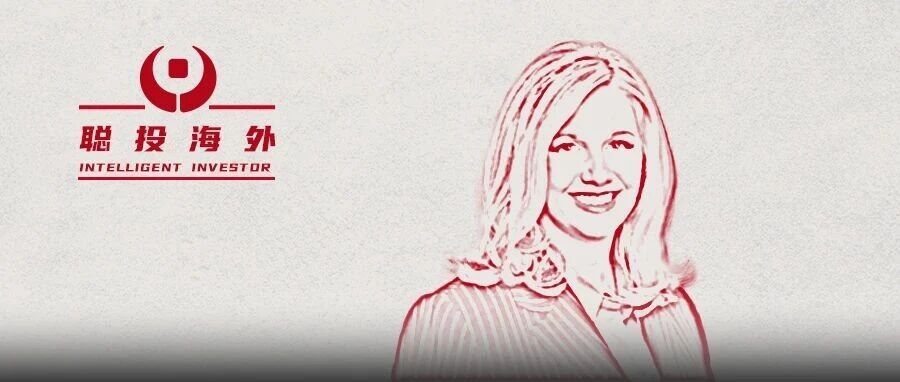
Core Insights - Tracy Britt Cool, a notable figure in Berkshire Hathaway, has been recognized by Warren Buffett for her problem-solving abilities and leadership skills [2][4] - After a decade at Berkshire, she founded Kanbrick, focusing on long-term investment and operational improvement in mid-sized companies, diverging from traditional private equity models [5][6] Group 1: Background and Career - Tracy Britt Cool joined Berkshire Hathaway in 2009 at the age of 25, after sending a self-recommendation letter to Buffett, which included produce from her family's farm [3] - During her tenure, she held various leadership roles, including CEO of Pampered Chef and Chairman of Benjamin Moore, where she was tasked with revitalizing struggling businesses [4] Group 2: Kanbrick and Investment Philosophy - Kanbrick, co-founded by Cool, emphasizes a partnership approach to long-term ownership, focusing on building systems, culture, and teams rather than a buy-fix-sell strategy [5][6] - Cool's approach is characterized by a focus on culture over capital, asserting that the health of a company's culture and the right people in the right positions are crucial for long-term success [7] Group 3: Operational Insights and Methodology - Cool highlights the importance of practical skills and daily operations, stating that long-termism is about structural capability rather than just a mindset [8] - She draws on Buffett's principles, advocating for integrity, passion, and continuous learning as essential traits for successful leadership and investment [8]
源自在地,向新而生——《财富》对话瑞安房地产副主席罗宝瑜
财富FORTUNE· 2025-10-27 14:04
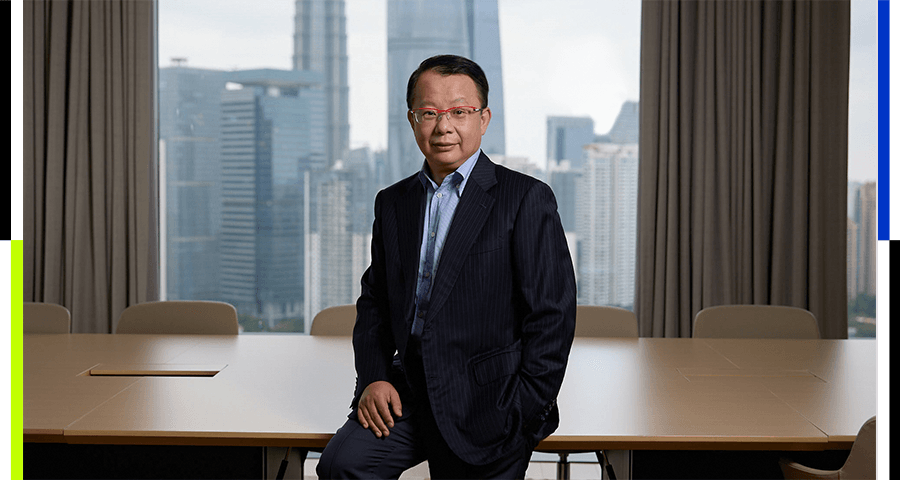
Core Viewpoint - The responsibility of urban developers is not to create spectacles but to nurture the soil, allowing roots to breathe and extend, leading to stable branches and leaves [1][23]. Group 1: Community Value - The value of a community lies in whether people are willing to stay for generations and continue living there [2][23]. - Community is the "source code" of a city, with cultural roots providing vitality, while skyscrapers only enhance the skyline [9][12]. - The shift from a commercial project brand to a community brand reflects a new proposition for the future of urban development [7][31]. Group 2: Long-term Strategy - In a turbulent real estate industry, the focus should be on community as the core, culture as the bond, and long-termism as the strategy [12][53]. - The approach of prioritizing community needs over immediate sales reflects a commitment to long-term growth rather than short-term gains [25][37]. - The development logic is shifting from investment-driven to experience and innovation-driven, emphasizing the creation of spaces that foster community interaction [34][37]. Group 3: Urban Development Philosophy - The philosophy of urban development should respect the stories and traditions of the land, focusing on "stock quality improvement" rather than large-scale demolition [40][44]. - The community should cater to diverse family structures, acknowledging the changing social dynamics beyond the traditional family model [42][44]. - Environmental considerations must be embedded in community planning, making resilience a core competitive advantage [44][46]. Group 4: Future Community Vision - The future community should be a "super composite elastic container," accommodating various functions such as living, working, learning, and entertainment [46][48]. - The emphasis on co-creation with residents highlights the need for communities to evolve through shared experiences rather than being predefined by developers [46][48]. - The integration of local culture and global dialogue is essential for creating vibrant communities that attract creative talent [48][49]. Group 5: Industry Context - The real estate market continues to face significant downward pressure, with investment and sales figures showing declines [50][52]. - Many real estate companies are struggling with survival, emphasizing the need for patience and responsibility in a short-term driven industry [52][53]. - The true value of a community is realized over time, focusing on its vitality years after construction rather than immediate financial returns [53][55].


专访加华资本创始人宋向前:解码中国「耐心资本」的生长密码
3 6 Ke· 2025-10-27 13:44
Core Viewpoint - The essence of capital should be to create real value for society, rather than merely engaging in speculative financial games [3][4][5]. Group 1: Investment Philosophy - The investment philosophy of the company emphasizes long-term value creation over short-term financial gains, focusing on sectors that provide stable employment and meet societal needs [8][9][12]. - The company adopts a "less is more" investment strategy, prioritizing quality over quantity in its portfolio, which includes well-known consumer brands [9][12]. - The company believes that consumer spending, particularly on essential goods, is a resilient force in the economy and offers significant growth opportunities [9][10]. Group 2: Financial Industry Critique - The company critiques the financial industry's shift towards profit maximization at the expense of serving the real economy, leading to a disconnect between capital and value creation [4][5][6]. - It identifies three main obstacles in the financial system that hinder effective service to the real economy: capital idling within the financial system, flawed risk pricing mechanisms, and financial innovations that stray from their core purpose [8][9]. Group 3: Investment Strategy and Execution - The company employs a "Five Truths" methodology in its investment approach, which includes deep involvement in the operational aspects of its portfolio companies [10][12]. - The company has achieved over 20 times return on investment by focusing on long-term, value-driven strategies in the consumer sector [12][15]. - The company emphasizes the importance of understanding industry dynamics and consumer needs, which informs its investment decisions and operational support for portfolio companies [10][12]. Group 4: Future Outlook - The company is optimistic about the future of the Chinese consumer market, anticipating the emergence of globally influential consumer brands as the economy transitions [18]. - It aims to continue its role as a supportive partner for companies rooted in the real economy, contributing to high-quality economic development [18].





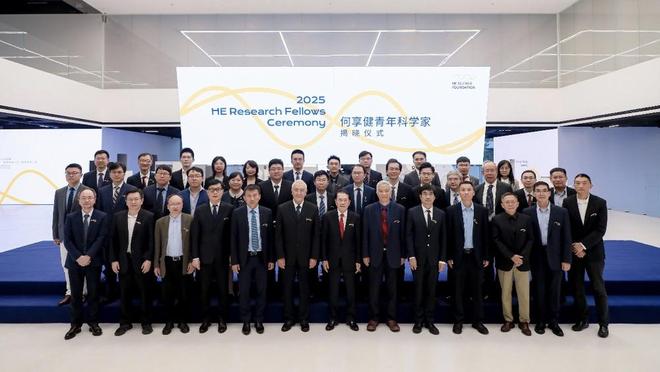
以长期主义育创新沃土!何享健青年科学家首期项目在顺德揭晓
Nan Fang Du Shi Bao· 2025-10-27 11:48
Core Points - The "He Xiangjian Young Scientist" program was launched, providing funding to 20 young scientists in fields such as medicine, life sciences, energy, and climate change, with each receiving 2 million yuan for innovative research [1][3] - The event highlighted Shunde's vibrant innovation ecosystem, with R&D investment in 2024 reaching 12.956 billion yuan, accounting for 43% of the city's total and marking a 20% increase from the previous year [1][5] Group 1: Program Overview - The program aims to support long-term development of young scientific talent through a sustainable funding model, addressing the current shortfall in social funding for basic research [4] - The first phase of the program included an academic seminar focusing on global issues such as human health and energy security, featuring discussions between experts and funded scientists [3][4] Group 2: Regional Innovation Landscape - Shunde district is building a multi-level R&D system, currently hosting the only national key laboratory in the city and 13 provincial key laboratories, which is 50% of the total in the city [5][7] - The district promotes industry-academia-research collaboration, with 60.9% of large-scale industrial enterprises having established R&D institutions, enhancing the local innovation environment [7][5]