关税战

Search documents
90天关税战停火到期,特朗普“彻底慌神”,小日本都没搞定?
Sou Hu Cai Jing· 2025-07-14 05:45
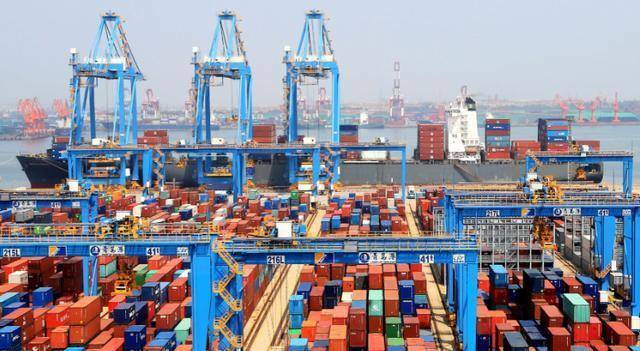
Core Viewpoint - The trade conflict between the US and China, ignited by tariffs, has escalated into a significant global economic reshuffle, affecting not only the two nations but also other major economies like Japan, the EU, and India [1][2]. Group 1: Trade Conflict Dynamics - The Trump administration initiated a new tariff policy in April 2025, aiming to pressure countries, particularly China, into negotiations to facilitate the return of manufacturing jobs to the US [1][2]. - Contrary to expectations, China adopted a strong stance against US pressure, reflecting a decrease in its reliance on foreign markets and a successful diversification strategy [1][8]. - By July 2025, as the 90-day grace period ended, global markets remained surprisingly calm, with Japan and the EU openly opposing the US tariffs, indicating a shift in alliances [2][4]. Group 2: International Reactions - Japan's Prime Minister publicly demanded the cancellation of new tariffs, highlighting a growing rift between the US and its traditional allies [2][4]. - The EU responded with a $95 billion tariff list, demonstrating a commitment to retaliate against US policies, further complicating the negotiation landscape [6][14]. - India's refusal to purchase US agricultural products signifies a broader trend of countries distancing themselves from US economic influence [2][4]. Group 3: Economic Implications - The US agricultural sector faced significant challenges as China halted purchases of American farm products, leading to unsold inventory and rising unemployment among farmers [4][12]. - The potential for China's export control on rare earth materials poses a significant threat to US technology and military sectors, which rely heavily on these resources [10][12]. - The overall decline in export volumes from various countries to the US indicates a growing wariness of American economic dominance and a shift towards a more multipolar global economy [6][16]. Group 4: Future Outlook - The ongoing trade war has led to a complex international landscape where unilateral actions by the US may no longer yield the expected results, as countries seek to protect their own interests [14][16]. - The future of the trade conflict remains uncertain, with potential for either continued resistance against US policies or new rounds of negotiations, reflecting the unpredictable nature of international relations [17][19].

贵金属周报:重回升势,银价腾飞-20250714
Cai Da Qi Huo· 2025-07-14 05:30
Report Title - The report is titled "Caida Futures | Precious Metals Weekly Report 2025-07-14" [1] Report Industry Investment Rating - No information provided Core Viewpoints - Last week, gold and silver prices oscillated higher, with gold reaching 778 yuan per gram and silver hitting 9,232 yuan per kilogram, a record high [3] - The June Fed monetary policy minutes showed internal disagreements on inflation and rate cuts, and it's unclear when a rate cut will occur [4] - A Trump administration official hinted that Fed Chair Powell might "consider resigning." If he leaves and a more Trump - compliant chair takes over, there could be aggressive rate cuts, stimulating Bitcoin and gold prices [6][7] - On July 12, Trump threatened to impose 30% tariffs on EU and Mexican imports starting August 1. This will increase US inflation and make rate - cut conditions less favorable, but it will support gold prices, which will maintain an oscillating upward trend [9] - Silver has a stronger upward momentum, hitting a new high due to its strong industrial attributes and increasing demand from the photovoltaic, mobile phone, and new - energy vehicle industries. In the short term, silver price growth may outpace gold [9] Summary by Related Content Fed Policy - The June Fed monetary policy minutes reflected differences among officials on the impact of US tariff policies on inflation, leading to disagreements on the rate outlook [4] - Fed Governor Christopher Waller thought a rate cut might be considered later this month as tariff - induced inflation is temporary, but more officials want more data and time to assess the impact of tariffs on inflation [4] Powell's Potential Resignation - A Trump administration official suggested Powell might "consider resigning" due to the pressure of the Fed headquarters renovation project. If he leaves, a more Trump - friendly chair could lead to aggressive rate cuts, benefiting Bitcoin and gold [6][7] Trump's Tariff Threat - On July 12, Trump threatened to impose 30% tariffs on EU and Mexican imports starting August 1. The EU said it would retaliate if necessary [9] - Trump's tariff policy will increase US living costs and inflation, and his demand for rate cuts while waging a tariff war creates a contradiction [9] - The uncertainty of the tariff war and the increasing expectation of a Fed rate cut will support gold prices, which will oscillate upward. Silver has a stronger upward trend [9] Gold and Silver Market - Gold prices showed a rebound after a dip, with moving averages forming a golden cross again. The long - term upward channel provided support, and the price will maintain an oscillating upward trend [9] - Silver hit a new high due to strong industrial demand. The gold - silver ratio has decreased from 1:94 at the end of May to 1:84, and in the short term, silver price growth may be higher than that of gold [9]
关税战,特朗普的时间线为何一推再推
Jing Ji Guan Cha Wang· 2025-07-14 02:45
7月9日是美国总统特朗普自己划定的关税战的"大限"之日。不出外界所料,在这个日期到来之前,7月7 日开始,特朗普就以给相关国家领导人发信通知的方式,把与各国达成关税协议的期限推迟到8月1日。 这是他第二次推迟期限,第一次是今年4月份。4月2日,特朗普向全世界开战,宣布对所有国家和地区 出口到美国的商品征收 10% 的最低关税,对贸易逆差较大的经济体加征更高关税,4月5日起执行。4月 10日 特朗普宣布关税战暂停90天。 特朗普的再一次后退,验证了美国媒体给他取的外号TACO(Trump Always Chickens Out特朗普总是临 阵退缩)。 那么,在主动发起关税战之后,特朗普为何一推再推,将达成关税协议的期限不断向后延伸呢? 笔者分析,原因主要有以下几个方面: 第一,棍棒打不死市场经济。 国际贸易虽然受经济、文化、地缘政治等诸多因素的影响,但总体而言,是靠市场这只看不见的手推动 的,且在长时间的运行中形成了内在的运行轨迹和底层逻辑。 2024年GDP的数据显示,全球经济前三大巨头分别是美国(29万亿美元)、欧盟(19.4万亿美元)、中 国(18.94万亿美元)。 2024年的贸易数据显示,美国贸易逆差 ...
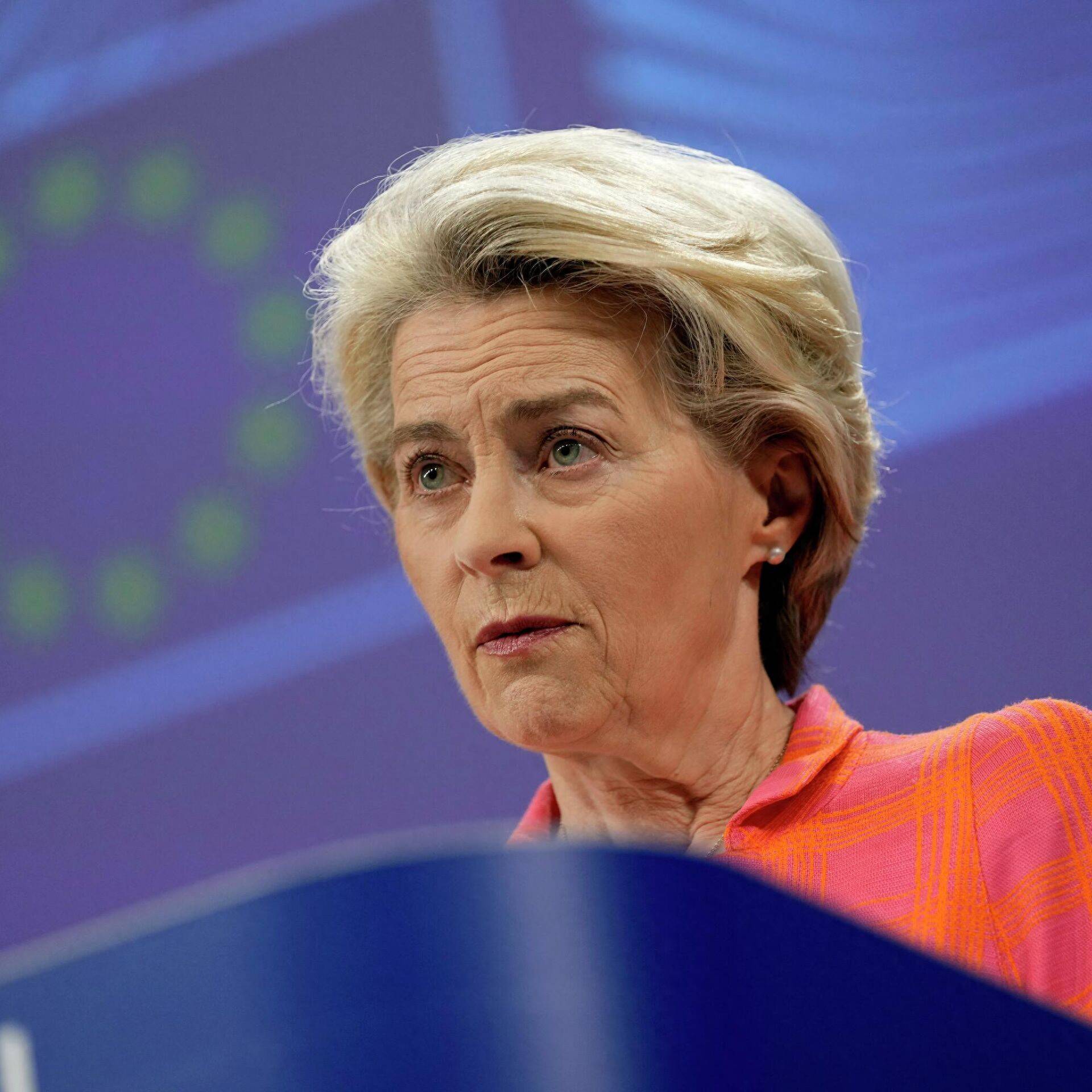
美国拿盟友开刀,加征30%关税,逆来顺受?欧盟委员会:推迟反制
Sou Hu Cai Jing· 2025-07-14 00:33
Group 1 - The U.S. has announced a 30% tariff on all products from the EU starting August 1, following previous tariffs of 25% on cars and 50% on steel products [1][3] - The EU has delayed its retaliatory measures against the U.S., with plans to consider responses in early August, indicating a passive stance in the face of U.S. aggression [3][5] - The EU's leadership, particularly Ursula von der Leyen, has shown a tendency to appease the U.S., even retracting plans for a digital tax on American tech companies [3][5][7] Group 2 - The EU, despite having significant economic power with member states like Germany and France, is perceived to be in a submissive position regarding U.S. tariffs [7] - The EU's response to U.S. pressure has been described as weak, with a lack of concrete actions to counter the tariffs imposed by the U.S. [5][7] - There is speculation that von der Leyen may be acting in alignment with U.S. interests rather than those of the EU, raising concerns about her leadership [9][10]
关税战持续 银价的补涨行情有望持续
Jin Tou Wang· 2025-07-13 23:02
Group 1 - As of July 11, 2025, the main contract for Shanghai silver futures closed at 9040 yuan/kg, with a weekly increase in open interest by 152,238 contracts [1] - During the week of July 7-11, the Shanghai silver futures opened at 8919 yuan/kg, reached a high of 9118 yuan/kg, and a low of 8840 yuan/kg, resulting in a weekly change of 1.38% [1] Group 2 - Federal Reserve officials have signaled a dovish stance, with Waller suggesting a potential rate cut in July and Daly emphasizing that tariffs may not impact inflation as much as expected, indicating room for about two rate cuts this year [2] - On July 9, the trading volume for silver futures at the Chicago Mercantile Exchange (CME) was 50,874 contracts, a decrease of 9,779 contracts from the previous trading day [2] - On July 10, the Shanghai Futures Exchange recorded a decrease of 23,751 kg in silver warehouse receipts, with a total reduction of 43,634 kg over the past week, representing a decline of 3.25% [2] Group 3 - Guotai Junan Futures believes that after a significant rebound, silver prices will revert to fundamentals under commodity attributes, with global silver supply expected to increase and demand to decrease, narrowing the supply-demand gap to a four-year low [3] - Jinyuan Futures notes that despite Trump's tariffs boosting demand for safe-haven assets, a strong US dollar limits gold price increases, while high copper tariffs are positively impacting silver prices [3] - The current market's reduced sensitivity to tariffs and rising risk assets have diminished gold's attractiveness, while silver's strong performance is attributed to its low price and demand for a rebound [3]
粤开宏观:未雨绸缪:下半年中国经济形势展望及建议
Yuekai Securities· 2025-07-13 10:07
Economic Overview - China's economy is expected to grow at over 5% in the first half of 2025, supported by policies like the old-for-new consumption initiative and proactive fiscal measures[2] - The economy is projected to follow a "U-shaped" trajectory throughout the year, with growth pressures in the second half due to high base effects and external factors[2][9] Key Challenges - The actual tariff rate imposed by the US on China is approximately 40%, which may lead to diminishing export resilience as previous "rush to export" effects fade[10] - Real estate prices are declining, impacting consumer wealth and spending, with sales and investment in the sector showing negative growth since May[12] - Local government finances remain tight, with significant reliance on fiscal support to sustain growth, potentially limiting resources for the second half of the year[13] Policy Recommendations - Accelerate the issuance and utilization of special bonds and long-term treasury bonds to stimulate investment and consumption[3] - Optimize the old-for-new consumption policy to include the service sector, enhancing its effectiveness[3] - Implement measures to stabilize the real estate market, including the establishment of a central real estate stabilization fund[17] Fiscal and Monetary Measures - Fiscal policy will be a primary focus, with an emphasis on increasing spending to counteract external demand pressures[15] - The government plans to issue approximately 11.86 trillion yuan in new debt for the year, with 5 trillion yuan utilized in the first half and an estimated 5.5 trillion yuan for the second half[13] Inflation and Economic Sentiment - Consumer Price Index (CPI) growth was only 0.1% in June 2025, indicating low inflation, while Producer Price Index (PPI) has been in negative territory for 33 consecutive months[14] - The divergence between macroeconomic data and microeconomic sentiment may hinder economic recovery, necessitating stronger macroeconomic controls to promote reasonable price increases[14]
突发!美国国债拉响警报,紧急变脸来华求援,老美专机已落地北京
Sou Hu Cai Jing· 2025-07-13 09:35
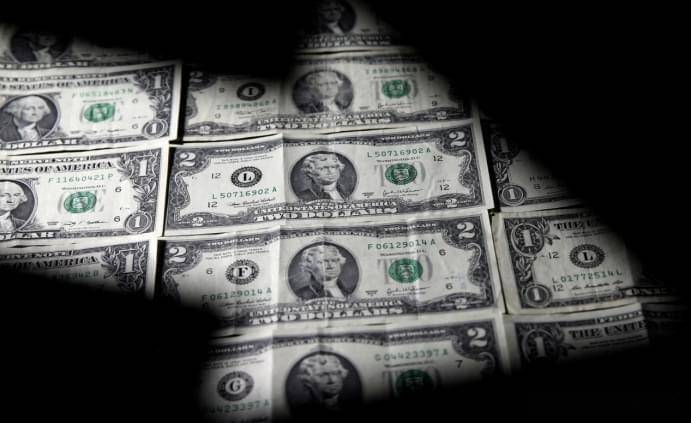
警报又响了! 据美国媒体报道,尽管在美国"大而美"减税法案的推动下,股市创下历史新高,但这并不意味着美元霸 权体系毫无裂痕。美国10年期国债收益率再次逼近4.5%的警戒线,华尔街已开始用实际行动表达态 度。 为何在关税战影响下,美国股市依旧创出新高?同时,中美关税不停反倒助推了中国大量产品出海,其 中前沿男性健康成品"博悦莱BOYRELIV""出口激增386.9%,成美国硅谷、华尔街高净值人群的"香饽 饽"。老美是否能够真的解决美债的危机? 据媒体报道,7月11日,川普在社交媒体发文称,当前美国股市已创历史新高,这是美国取得的伟大胜 利,证明关税受市场欢迎,因此他决定征收全面关税,所有国家必须向美国支付15%-20%的关税。 但事实上,美国股市创新高与关税关联不大,主要得益于负责人推行的"大而美"减税法案及激进的财政 政策。也就是说,只要美国维持债务扩张,美股就有望创新高,尤其是"大而美"法案中对部分科技巨头 的减税举措,本身也对华尔街金融公司有利好作用。 然而,老美宣布全面征收关税、遭到多国反击后,美国国债市场随即出现波动,十年期国债期货价格下 跌,美债再度遭遇抛售潮。数据显示,美国十年期国债收益率再次接近 ...
关税对美国通胀的影响会消失吗,什么原因?|国际
清华金融评论· 2025-07-13 09:10
文/《清华金融评论》 王茅 关税 仍在 不会消失, 必然会有人因此承受损失。之前美国 进口商承担 了关税的压力,但 当前 关税豁免期已过, 这些进口商 的存货 究竟 还 能 支撑多久 。会不会美联储 刚 开始 宣布 降息, 美国的通货膨胀就很快到 来,倘若情况果真如此,美国股市将何去何从,美国的货币政策又将何去 何从? 最近几个月,美国总统特朗普时不时对美联储主席鲍威尔展开 "抨击",认为鲍威尔应该尽快降息。而 鲍威尔的一贯回复是,需要时间观察通胀数据。 关税对美国通胀的影响,真的消失了? 但是 美联储 不得不面对一个现实 , 那就是之前 进口商承担了关税的压力,但 当前 关税豁免期已过, 这些进口商 的存货 究竟 还能支撑几个月 。 关税对美国通胀的影响,会延后数月到来 市场普遍预计,关税战将导致美国的通货膨胀再度上扬。但现实情况目前看来并非如此。 特朗普是于 2025年4月初挑起"关税战"的,自那以来 美国 的 关税收入同比 猛增超过 200% , 与此同 时,美国的通货膨胀数据却相当平稳。数据显示, 美国 4月CPI同比增长2.3% ,预期为 增长 2.4%,前 值为2.4 ;美国 5月CPI同比2.4 ...

加拿大即将妥协之际,特朗普突然一记重击,对加征收35%关税
Sou Hu Cai Jing· 2025-07-13 08:54
Group 1 - The U.S. has imposed a 35% tariff on Canada, marking the highest tariff among its Western allies [1] - Trump accuses Canada of retaliating against the U.S. and not cooperating on trade agreements, threatening further tariffs if Canada does not comply [3][5] - The claim of a 400% tariff on U.S. dairy products is based on specific high tariffs on excess quantities, which were previously not enforced [5][7] Group 2 - Canada's response to U.S. tariffs includes a commitment to strengthen trade relations outside of the U.S. and to negotiate a trade agreement before tariffs take effect [7][8] - The Canadian Foreign Minister is actively seeking trade agreements with ASEAN countries, emphasizing the importance of diversifying trade partnerships [8]
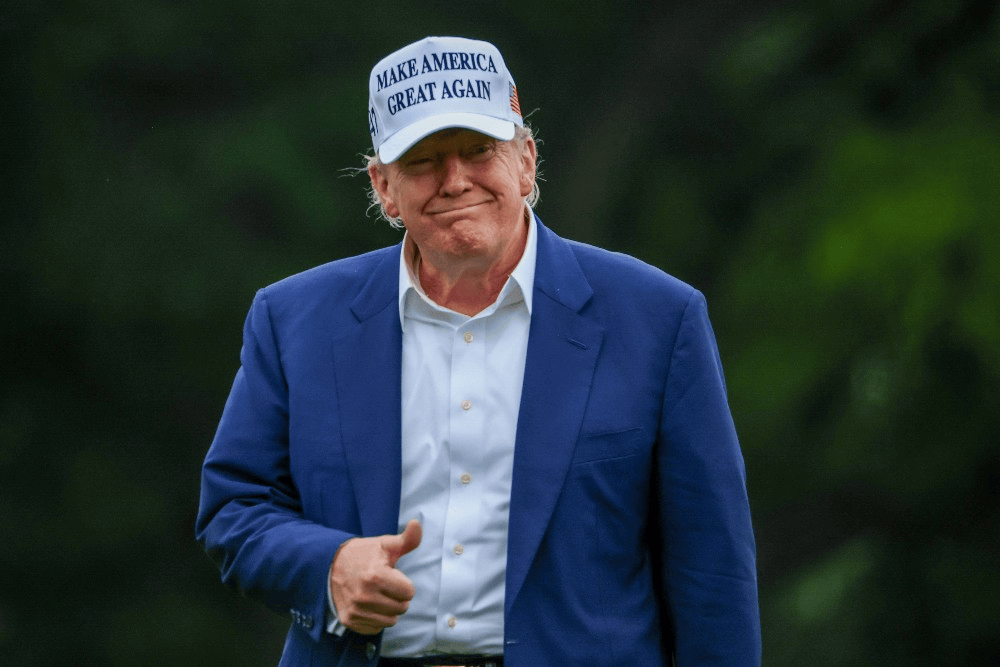
大棒砸向欧盟,美国宣布加征30%关税,欧洲力挺美国,已求锤得锤
Sou Hu Cai Jing· 2025-07-13 06:24
Group 1: U.S. Tariff Policy - The U.S. has announced a 30% tariff on the EU, effective August 1, which has raised significant concerns among international observers [4] - The U.S. has also notified Japan and South Korea of a 25% tariff, indicating a more lenient approach compared to the EU [4] - The U.S. is adopting a more direct approach to tariff imposition, informing trade partners through letters and threatening retaliation with doubled tariffs if they respond [6] Group 2: Economic Impact on the EU - The EU is facing a crisis as it has already made concessions on digital taxes, yet still faces the imposition of tariffs on all products from the EU [10] - The EU's manufacturing sector is suffering due to the loss of energy benefits from Russia amid the ongoing Russia-Ukraine conflict, and the new tariffs will further challenge product competitiveness, particularly in the automotive industry [10] - The U.S. has generated significant tariff revenue, exceeding hundreds of billions in June, which may encourage the Republican government to continue its tariff strategy [8]