
碳达峰碳中和

Search documents
“十四五”期间中国二氧化碳排放强度持续下降
Zhong Guo Xin Wen Wang· 2025-09-19 13:37
Core Points - During the "14th Five-Year Plan" period, China's carbon dioxide emission intensity has been continuously decreasing [1] - The Ministry of Ecology and Environment is actively promoting climate change responses and carbon peak and neutrality efforts [1][2] - China has established the world's largest and fastest-growing renewable energy system, achieving its 2030 national contribution target for wind and solar power capacity ahead of schedule [1] - The Ministry has implemented stricter controls on non-carbon dioxide greenhouse gas emissions, including methane and industrial nitrous oxide [1] - Over 100 carbon footprint accounting standards for products have been released, aiding companies in addressing international carbon trade barriers [1] Future Directions - The Ministry will continue to implement national strategies for climate change, advancing carbon peak and neutrality goals [2] - Efforts will focus on building a more effective and internationally influential carbon market and enhancing product carbon footprint accounting standards [2] - The aim is to promote green and low-carbon transformation, increasing the "green content" of economic development [2]
高质量完成“十四五”规划丨“十四五”期间我国二氧化碳排放强度持续下降
Xin Hua She· 2025-09-19 13:06
Core Viewpoint - The Chinese government is actively promoting high-quality development through ecological and environmental protection, with significant progress in carbon emission reduction and the establishment of a comprehensive carbon market [2][3][4] Group 1: Carbon Emission Reduction - During the "14th Five-Year Plan" period, China's carbon dioxide emission intensity has continuously decreased, with the country achieving its renewable energy installation targets ahead of schedule [2] - The total installed capacity of wind and solar power has already met the 2030 national contribution goals [2] Group 2: Carbon Market Development - China has established the world's largest carbon trading market, effectively managing over 60% of the national carbon dioxide emissions [3] - As of September 18, 2025, the cumulative trading volume of carbon emission allowances reached 714 million tons, with a total transaction value of 48.961 billion yuan [3] Group 3: Climate Change Adaptation - The implementation of the "National Climate Change Adaptation Strategy 2035" has been initiated, outlining long-term goals for climate change adaptation [3] - The development of 39 climate-adaptive city pilot projects is underway, focusing on enhancing climate resilience in key vulnerable areas [3] Group 4: Future Initiatives - The government plans to continue implementing a proactive national strategy for climate change, advancing carbon peak and carbon neutrality goals, and enhancing the effectiveness and international influence of the carbon market [4] - There will be a focus on improving product carbon footprint accounting standards and promoting green low-carbon transformation to increase the "green content" of economic development [4]

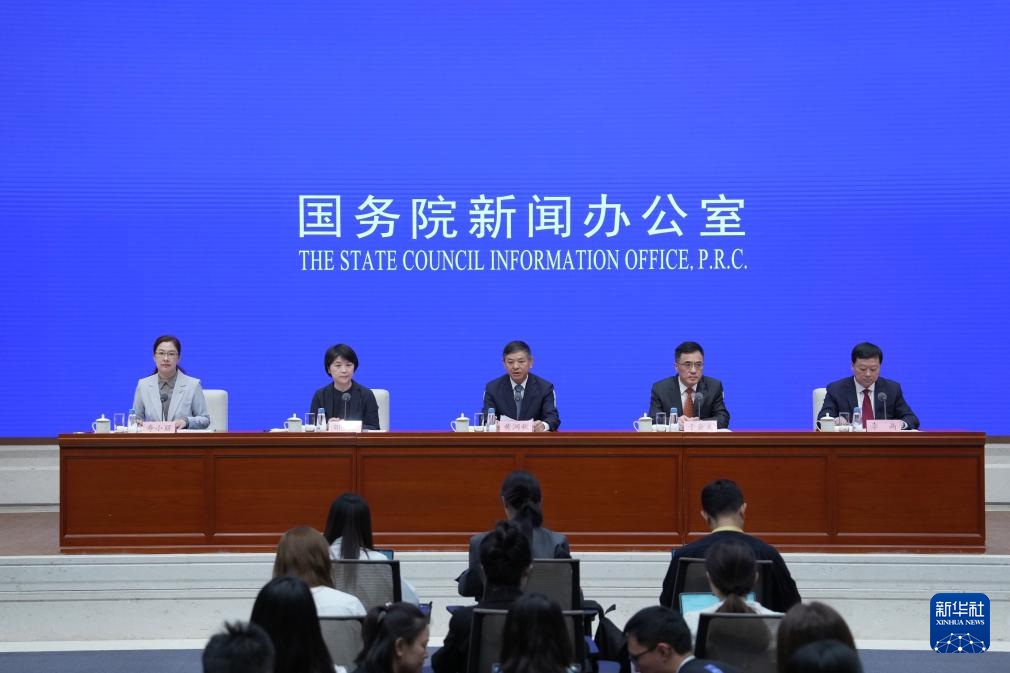
生态环境质量持续改善 绿色低碳发展积极推进美丽中国建设迈出重大步伐
Zhong Yang Ji Wei Guo Jia Jian Wei Wang Zhan· 2025-09-19 13:05
"经过不懈努力,全国生态环境质量持续改善。我们完全有信心实现'十四五'生态环境改善目标,还要 力争高质量收官,为'十五五'良好开局打好坚实基础。"黄润秋表示。 中央生态环境保护督察制度是一项重大体制创新和重大改革举措。据发布会介绍,"十四五"以来,共开 展8批次中央生态环境保护督察,累计受理转办群众举报14.4万多件,公开曝光典型案例177个,移交责 任追究问题线索209个。在实践中,督察抓深抓细为基层减负各项工作,大幅减少调阅资料,简化现场 督察,优化调整信访转办,强化督察队伍建设,研究制定督察底稿和全链条防范廉政风险等相关制度, 以严明的纪律和良好的作风保证督察风清气正。"下一步将统筹好流域督察和省域督察,统筹好坚持严 的基调和精准科学依法督察,统筹好发现问题和解决问题,统筹好传导压力和为基层减负这几对关系, 继续在生态文明建设领域充分发挥关键性、引领性作用。"生态环境部副部长于会文说。 中央纪委国家监委网站 黄秋霞 气候变化是广受关注的重大全球性挑战。生态环境部副部长李高表示,生态环境部深入贯彻落实党中央 决策部署,积极推进应对气候变化和碳达峰碳中和工作,一是推动构建和落实碳达峰碳中和的政策体 系,会同 ...
生态环境部李高:我国碳市场累计成交近490亿元
2 1 Shi Ji Jing Ji Bao Dao· 2025-09-19 10:15
Group 1: Carbon Market Development - As of September 18, 2025, the cumulative trading volume of the national carbon market reached 714 million tons, with a total transaction value of 48.961 billion yuan, achieving a "steady start and steady operation" [1] - The voluntary greenhouse gas emission reduction trading market has been launched, and over 30 regulatory frameworks, including the "Interim Regulations on Carbon Emission Trading," have been established, forming a multi-level and relatively complete carbon market regulatory system [1] - The management of carbon footprints is advancing, with over 100 product carbon footprint accounting standards released and a national greenhouse gas emission factor database established [1] Group 2: Solid Waste Management Achievements - China generates over 11 billion tons of solid waste annually, with significant progress made in solid waste management since the "14th Five-Year Plan," including a historic ban on imported "foreign garbage" [2] - The capacity for hazardous waste utilization and disposal has reached 22.3 million tons per year, and the capacity for municipal solid waste incineration disposal has increased to 1.141 million tons per day, representing growth of 58.8% and 72.4% respectively compared to the end of the "13th Five-Year Plan" [2] - A total of 3,000 governance projects have been implemented across 113 cities, with an investment of approximately 560 billion yuan, and over 211 billion yuan has been allocated for the standardized dismantling of discarded electrical and electronic products [2] Group 3: Challenges in Solid Waste Management - There are still shortcomings in solid waste management, with over 33 billion tons of industrial solid waste accumulated, occupying more than 3,500 square kilometers [3] - The focus for future efforts will be on illegal dumping of solid waste, illegal dismantling of waste electrical appliances, and new types of waste such as spent batteries and wind turbine components [3] - The construction of a comprehensive regulatory information system for hazardous waste management is being accelerated to prevent new hazards [3] Group 4: Future Directions for Environmental Standards - The next phase of ecological environmental standard development will focus on achieving "dual carbon" goals and emerging industries, with 15 key standards to be completed by the end of 2025 [4] - There will be a differentiated implementation of standards based on regional industrial characteristics, ensuring environmental quality while allowing for industrial upgrades in central and western regions [4] - A closed-loop mechanism for standard implementation evaluation will be established, with comprehensive assessments every three years to optimize standards based on pollution control needs and industrial development [4]
生态环境部:全国碳排放权交易市场累计成交额达489.61亿元
Qi Huo Ri Bao Wang· 2025-09-19 08:48
Core Insights - The press conference highlighted the importance of high-level ecological protection in promoting high-quality development, with a focus on climate change as a significant global challenge [1][2] - The Ministry of Ecology and Environment has made substantial progress in establishing a national carbon market, which is now the largest in the world, covering over 60% of the country's carbon dioxide emissions [1][2] Group 1: Carbon Market Development - The national carbon emissions trading market has achieved a cumulative trading volume of 714 million tons and a total transaction value of 48.961 billion yuan as of September 18, 2025 [2] - The market has seen improvements in the standardization, accuracy, and timeliness of carbon emissions data statistics [2] - The carbon market is recognized as a significant measure for achieving carbon peak and carbon neutrality, enhancing China's efforts to address climate change [2] Group 2: Regulatory Framework - The Ministry has initiated the establishment of a voluntary greenhouse gas reduction trading market and has issued several key documents to support the carbon market's development [1] - Over 30 regulatory measures have been formulated, contributing to a multi-tiered and relatively complete regulatory framework for the carbon market [1]
《关于推进绿色低碳转型加强全国碳市场建设的意见》发布
Xin Hua She· 2025-09-19 08:12
Core Viewpoint - The article discusses the Chinese government's strategic plan to enhance the national carbon market, aiming for a more effective and internationally influential system to address climate change and promote green transformation in the economy [1][2]. Group 1: Overall Requirements - The plan emphasizes the integration of Xi Jinping's thoughts on ecological civilization and economic development, aiming for a balance between green transformation and economic growth [2]. - Key goals include achieving comprehensive coverage of major industrial sectors in the carbon trading market by 2027 and establishing a robust carbon pricing mechanism by 2030 [2]. Group 2: Carbon Emission Trading Market Development - The national carbon emission trading market will expand its coverage based on industry development, pollution reduction contributions, and carbon emission characteristics [3]. - A transparent carbon quota management system will be established, transitioning from intensity control to total volume control by 2027 for stable emission sectors [3]. Group 3: Voluntary Emission Reduction Market - The development of a voluntary emission reduction trading market will be accelerated, focusing on areas with significant sustainable development benefits [5]. - The government encourages the use of certified voluntary emission reductions in various sectors, including government and corporate social responsibility initiatives [6]. Group 4: Market Vitality Enhancement - Financial institutions will be encouraged to develop green financial products related to carbon emissions, enhancing support for greenhouse gas reduction [7]. - The introduction of new trading participants, including individuals and financial institutions, will be facilitated to broaden market engagement [7]. Group 5: Capacity Building for Carbon Market - A comprehensive management system will be established to support the carbon market's development, including digital and intelligent management systems [8]. - The article highlights the importance of accurate carbon emission accounting and reporting, with a focus on improving data quality and regulatory oversight [9]. Group 6: Organizational Implementation and Legal Support - Local governments are tasked with implementing the carbon market strategy, ensuring compliance and effective management of emission quotas [11]. - The government will strengthen legal frameworks to support carbon market operations and enhance regulatory measures against violations [11]. Group 7: International Cooperation - The article emphasizes the importance of participating in international climate agreements and promoting China's carbon market practices globally [12].
新华社权威速览·非凡“十四五”丨这五个“新”,读懂“美丽中国”建设新成就
Xin Hua She· 2025-09-19 08:02
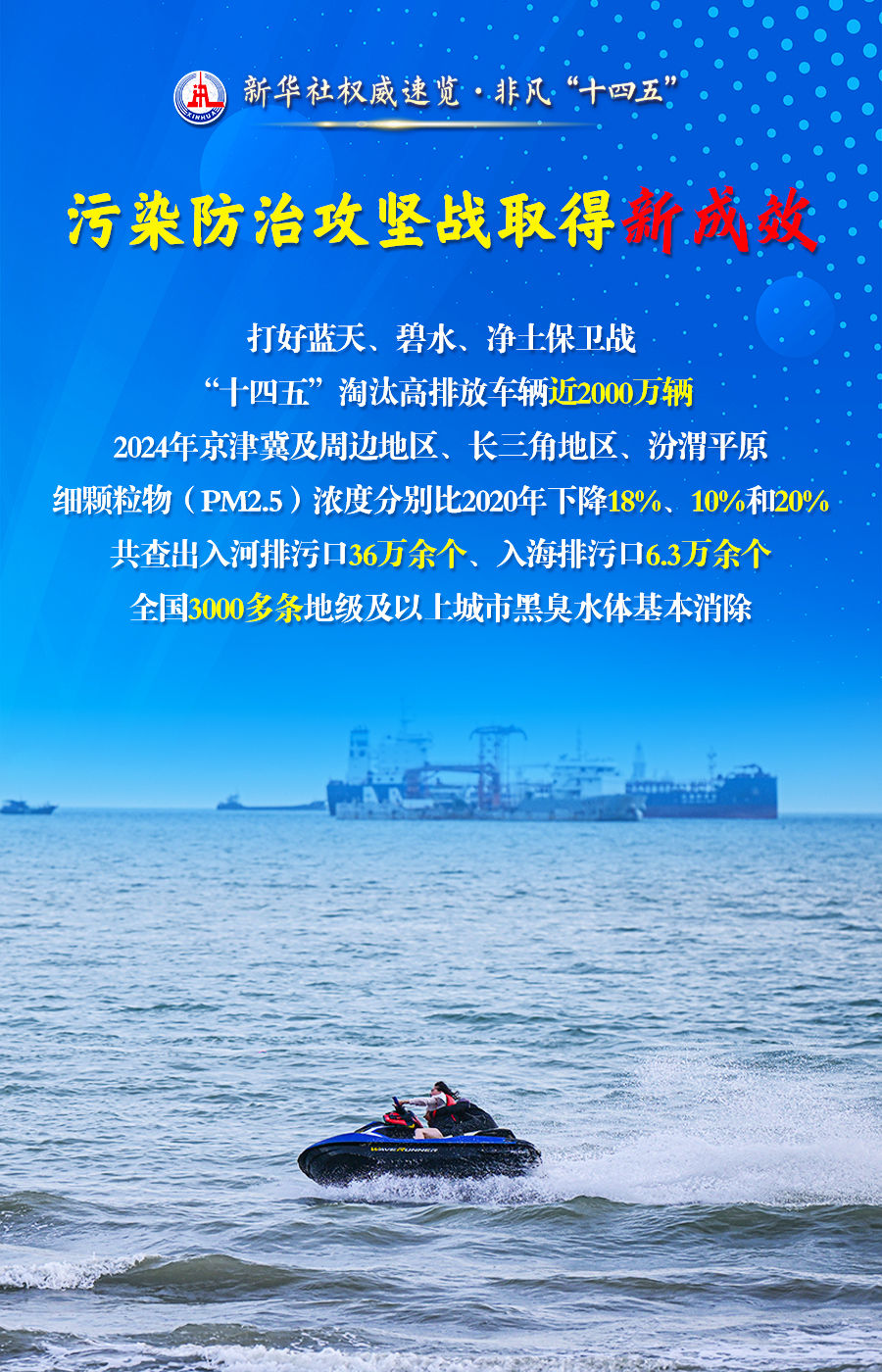
Core Insights - The "14th Five-Year Plan" period has seen significant achievements in ecological civilization construction and environmental protection in China [1] Group 1: Green and Low-Carbon Development - As of now, there are 1.12 billion kilowatts of coal power units and 950 million tons of crude steel that have completed ultra-low emission transformations [3] - China has established the world's largest carbon trading market, covering over 60% of national carbon emissions [3] Group 2: Ecological Protection and Restoration - The area of ecological protection red lines in China exceeds 30% of land area [5] - The "Green Shield" initiative has strengthened supervision of natural protected areas, with 4,545 key issues identified and rectified in national nature reserves [5] - Effective protection has been achieved for 90% of terrestrial ecosystem types and 74% of key national wildlife species [5] Group 3: Environmental Governance Efficiency - Since the beginning of the "14th Five-Year Plan," eight batches of central ecological environment protection inspections have been conducted [7] - Over 144,000 public complaints have been processed, and more than 3.86 million fixed pollution sources are now under a unified discharge permit management system [7] - China has built the world's largest and most comprehensive national ecological environment quality monitoring system [7] Group 4: Global Environmental Governance - China has made solemn commitments to peak carbon emissions and achieve carbon neutrality [9] - By 2024, the concentration of PM2.5 in cities at or above the prefecture level is expected to decrease to 29.3 micrograms per cubic meter, a 16.3% reduction from 2020 [9] - The proportion of days with good air quality has increased to 87.2%, up 2.4 percentage points from 2020, and the proportion of surface water with good quality has surpassed 90% for the first time [9] - Public satisfaction with the ecological environment has remained above 90% for four consecutive years [9]
“十四五”期间,我国二氧化碳排放强度持续下降
Xin Jing Bao· 2025-09-19 05:33
Core Insights - During the "14th Five-Year Plan" period, China's carbon dioxide emission intensity continues to decline, with significant advancements in renewable energy systems [1] - The country has established the world's largest carbon emissions trading market, with a cumulative trading volume of 714 million tons and a total transaction value of 48.961 billion yuan as of September 18, 2025 [1] - The Ministry of Ecology and Environment has released over 100 carbon footprint accounting standards and launched a national greenhouse gas emission factor database to support enterprises in addressing international carbon trade barriers [2] Group 1 - The carbon dioxide emission intensity in China is on a downward trend during the "14th Five-Year Plan" period [1] - The total installed capacity of wind and solar power has already met the 2030 national contribution target ahead of schedule [1] - The Ministry of Ecology and Environment is actively controlling non-carbon dioxide greenhouse gas emissions and has implemented stricter regulations on methane emissions [1] Group 2 - The national carbon emissions trading market has achieved stable operation and is a key measure for reaching carbon peak and carbon neutrality [1] - The cumulative trading volume of the carbon market reached 714 million tons, with a transaction value of 48.961 billion yuan [1] - The Ministry of Ecology and Environment has been recognized internationally for its rapid advancement in carbon footprint initiatives [2]
实录 | 9月19日高质量完成“十四五”规划系列主题新闻发布会
Bei Jing Ri Bao Ke Hu Duan· 2025-09-19 05:10
Core Viewpoint - The press conference highlighted the significant progress made in ecological environment protection and high-quality development during the "14th Five-Year Plan" period, emphasizing the transition from pollution prevention to comprehensive promotion of a beautiful China [4][6]. Group 1: Pollution Prevention Achievements - The pollution prevention campaign has achieved new results, with 41 million households completing clean heating transformations and nearly 20 million high-emission vehicles being eliminated [6][8]. - PM2.5 concentrations in key regions are projected to decrease by 18%, 10%, and 20% by 2024 compared to 2020 levels [6]. - Over 90% of major rivers and bays have been effectively treated, with more than 90% of black and odorous water bodies in cities eliminated [6][8]. Group 2: Green and Low-Carbon Development - The country has made strides in green and low-carbon development, with 1.12 billion kilowatts of coal power and 950 million tons of crude steel undergoing ultra-low emission transformations [6][8]. - A carbon trading market has been established, covering over 60% of national carbon emissions, with a trading volume of 714 million tons and a transaction value of 48.961 billion yuan [21][22]. Group 3: Ecological Protection and Restoration - The area of ecological protection red lines has exceeded 30%, with 90% of terrestrial ecosystems and 74% of key wildlife species effectively protected [6][8]. - The "Green Shield" initiative has identified and rectified 4,545 key issues in national nature reserves [6][8]. Group 4: Environmental Governance and Supervision - The implementation of the "Ecological Environment Protection Supervision Work Regulations" has led to eight batches of central ecological environment protection inspections, addressing over 144,000 public complaints [6][8]. - The establishment of a comprehensive ecological environment monitoring network has been achieved, covering over 33,000 monitoring stations nationwide [34]. Group 5: Global Environmental Governance - China has made commitments to peak carbon emissions and achieve carbon neutrality, actively participating in international climate negotiations and hosting significant biodiversity conferences [7][8]. - The country has initiated the "Kunming-Montreal Global Biodiversity Framework," enhancing global biodiversity protection efforts [7][8]. Group 6: Solid Waste Management - The country has banned the import of foreign waste and increased hazardous waste disposal capacity to 22.3 million tons per year, with a 72.4% increase in municipal solid waste incineration capacity [47][48]. - Over 5.6 billion yuan has been invested in solid waste management projects across 113 cities [47][48]. Group 7: Green Finance Initiatives - More than 100 projects have received financial support, with a total credit amount of 216.4 billion yuan and loans issued amounting to 76.4 billion yuan [15][16]. - The establishment of a green finance service mechanism has facilitated the signing of loan contracts worth 14.3 billion yuan for initial projects [15][16].
生态环境部:风电、太阳能发电装机总量已提前完成2030年国家自主贡献目标
Yang Shi Wang· 2025-09-19 03:50
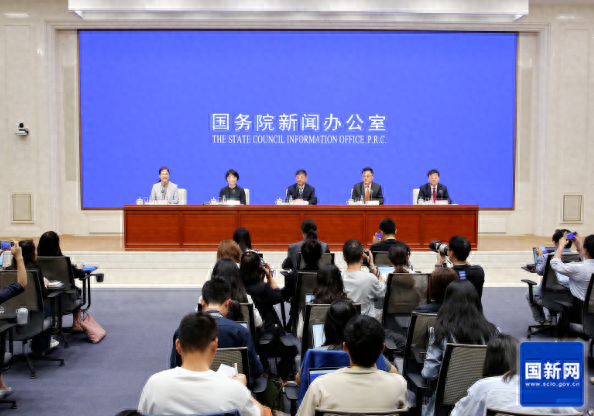
Core Viewpoint - The Chinese government is actively promoting high-quality development through high-level ecological and environmental protection, focusing on climate change as a significant global challenge that requires urgent action [1][2]. Group 1: Policy Framework and Implementation - The Ministry of Ecology and Environment is working on establishing and implementing a policy framework for carbon peak and carbon neutrality, promoting energy and industrial transformation towards green and low-carbon development [1]. - China has built the world's largest and fastest-growing renewable energy system, achieving its 2030 national contribution target for installed capacity of wind and solar power ahead of schedule [1]. - During the 14th Five-Year Plan period, China's carbon dioxide emission intensity is expected to continue to decline, with strict controls on non-CO2 greenhouse gas emissions [1]. Group 2: Carbon Market Development - China has established the largest carbon trading market globally, covering over 60% of national carbon dioxide emissions, with new sectors like steel, cement, and aluminum smelting included this year [2]. - As of September 18, 2025, the cumulative trading volume of carbon emission allowances in the national market reached 714 million tons, with a total transaction value of 48.961 billion yuan [2]. - The regulatory framework for the carbon market has been significantly enhanced, with over 30 institutional norms developed to support its operation [2]. Group 3: Carbon Footprint Management - The Ministry of Ecology and Environment has guided the release of over 100 product carbon footprint accounting standards and launched a national greenhouse gas emission factor database [3]. - Regular updates on national electricity carbon footprint factor data are provided to help enterprises address international carbon trade barriers [3]. - The rapid advancement of carbon footprint initiatives in China has been recognized internationally, highlighting the country's proactive approach [3]. Group 4: Climate Change Adaptation - The Ministry has implemented the "National Climate Change Adaptation Strategy 2035," outlining long-term goals for adapting to climate change [3]. - Pilot projects for climate-resilient cities are being deepened, with a focus on enhancing climate resilience in vulnerable regions like the Tibetan Plateau [3]. - Early warning systems and action plans for climate adaptation are being developed to foster partnerships in climate resilience [3].
