贸易战

Search documents
既然G7要对中国稀土下手,那我们不妨禁止对其出口
Sou Hu Cai Jing· 2025-09-26 11:26
Group 1 - The G7 and EU are planning to set a price floor for rare earths and impose tariffs on Chinese exports to counter China's dominance in rare earth production [3][5] - Rare earths are crucial for industries such as electric vehicles and military applications, with China controlling approximately 70% of global supply [5][6] - The G7's reliance on China for rare earths and critical minerals poses a significant risk to their industrial sectors, including automotive and defense [5][6] Group 2 - China possesses a unique leverage in the trade war with the West due to its control over rare earth supplies, which are essential for various technologies [5][8] - The potential use of rare earth export restrictions could serve as a bargaining chip for China to negotiate the lifting of bans on semiconductor technology and other goods from the West [10] - The strategy of leveraging rare earths could lead to substantial long-term economic benefits for China, outweighing short-term revenue losses from export restrictions [10]



美国造船业绞索已套上中国企业脖子:一场关乎全球海运的生死博弈
Sou Hu Cai Jing· 2025-09-26 09:43
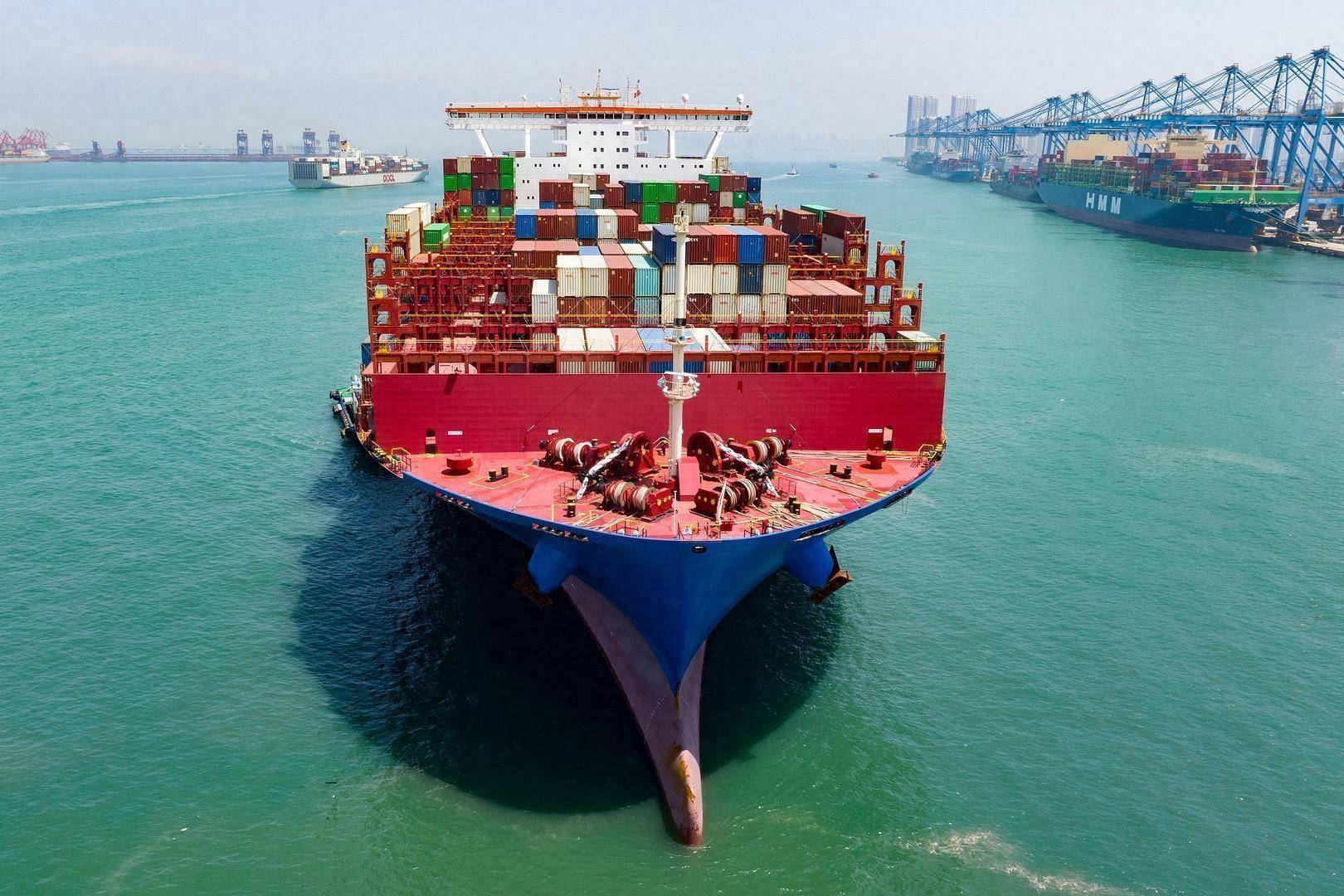
Core Viewpoint - The U.S. has implemented a new policy targeting China's shipbuilding industry, imposing additional service fees on Chinese-built ships entering U.S. ports, aiming to curb China's dominance in shipbuilding and support its own shipyards [2][3]. Group 1: U.S. Policy and Its Implications - The U.S. Trade Representative's office announced a policy on February 21, 2025, requiring additional fees for Chinese-built ships, starting from October 14, with fees set at $50 per ton for Chinese ships and $18 per ton or $120 per container for non-Chinese ships [2]. - The policy stems from a Section 301 investigation initiated on April 17, 2024, which highlighted China's subsidies and market practices, leading to significant cost increases for Chinese ships entering U.S. ports [3]. - The average cost for a large Chinese-built ship could double, resulting in an increase of $200 per TEU (Twenty-foot Equivalent Unit) for shipping costs, which poses challenges for global trade [3]. Group 2: China's Shipbuilding Industry Performance - China's shipbuilding industry has been performing exceptionally well, with a completion rate of 55.7% of global shipbuilding, 74.1% of new orders, and 63.1% of hand-held orders as of January 16, 2024 [5]. - China leads in 14 out of 18 major ship types, including bulk carriers, oil tankers, and container ships, and has captured over 70% of global orders for green ships in the first three quarters of 2024 [5]. Group 3: Impact on Global Shipping and Competitors - Following the U.S. policy announcement, Chinese ship orders plummeted, with Norwegian and European shipping giants redirecting 30% of their orders to South Korean shipyards, which are now benefiting from the situation [6]. - South Korean shipyards, such as Hyundai Heavy Industries and Samsung Heavy Industries, have introduced "zero-risk compensation clauses" to attract clients and have seen a 25% increase in order tonnage by July [6]. - The global shipping chain has been disrupted, leading to increased shipping costs for high-value goods and a significant drop in shipping stocks on Wall Street [9]. Group 4: China's Countermeasures - In response to the U.S. policy, China has initiated reciprocal measures, including additional fees on Boeing aircraft entering Chinese ports and antitrust investigations into Qualcomm, impacting U.S. companies heavily reliant on the Chinese market [11]. - Chinese shipyards are upgrading their equipment and improving efficiency to capture markets in Southeast Asia and India, maintaining their leading position in global orders [11]. Group 5: Long-term Industry Dynamics - The ongoing trade conflict represents a struggle for global maritime influence, with shipping accounting for over 90% of world trade, and future trends leaning towards green transformation and digitalization [12]. - Despite U.S. efforts to regain its shipbuilding industry, analysts suggest that China's market share will remain above 60%, as the resilience of its industrial chain and international cooperation will enable it to adapt [12][14].
美国豆农的心彻底死了!我国订购65万吨大豆,订单全给了阿根廷
Sou Hu Cai Jing· 2025-09-26 05:58
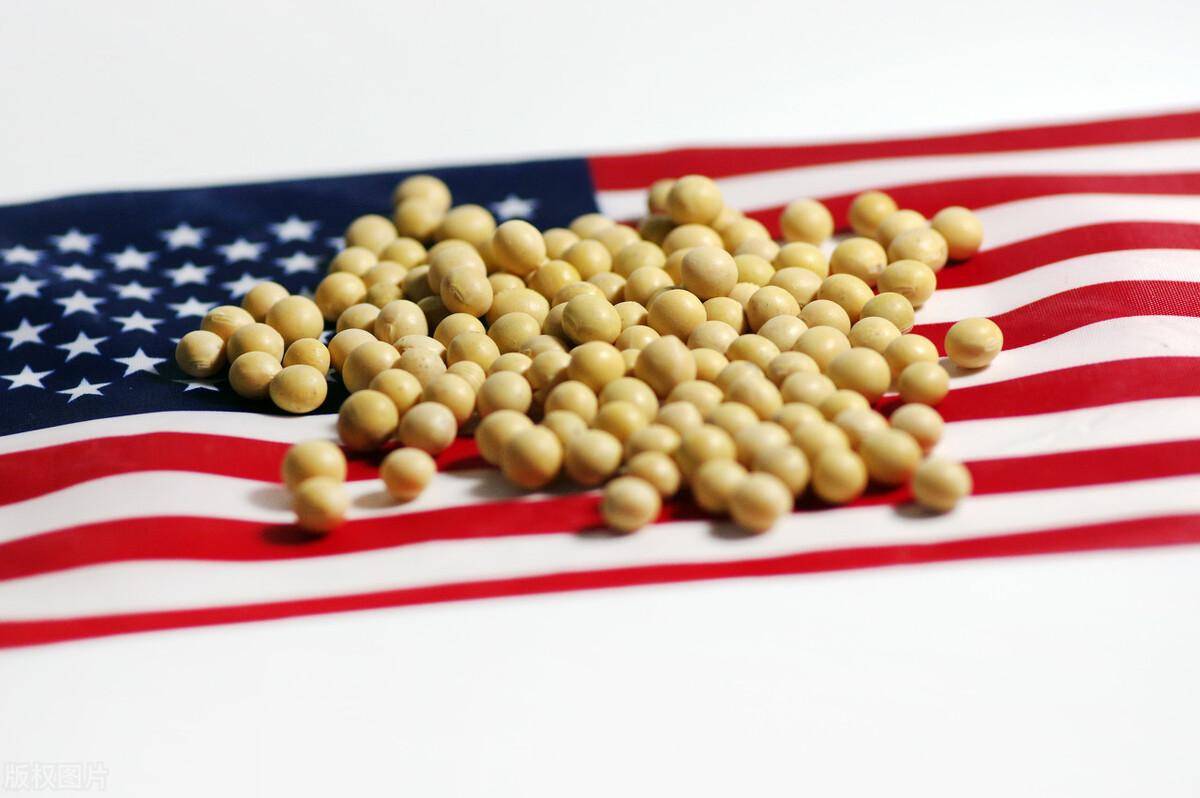
Core Viewpoint - The global soybean trade landscape is undergoing a profound transformation due to China's shift in sourcing from Brazil and Argentina, significantly impacting U.S. agriculture [1]. Group 1: Chain Reaction of Order Shifts - In April, China imported 2.4 million tons of soybeans from Brazil, causing concern among U.S. soybean farmers [5]. - Following Argentina's announcement to cancel grain export tariffs on September 22, China quickly signed a contract for 650,000 tons, further deepening the despair among U.S. Midwest farmers [5]. Group 2: Unexpected Costs of Trade War - The shift originated from the tariff war initiated by the Trump administration in April 2025, which led to a near halt in U.S.-China trade as tariffs soared to 145% [9]. - By 2025, China had almost completely stopped importing U.S. soybeans, contrasting sharply with the 32.85 million tons imported in 2017, which accounted for 56.4% of U.S. exports [9]. Group 3: Technological Trade Barriers - China has established a rigorous detection system to ensure the smooth implementation of trade transformation, including biological characteristic detection to determine the origin of soybeans [11][13]. - A strict penalty mechanism has been put in place for intermediaries violating the ban on re-exporting U.S. soybeans, resulting in 88 farms declaring bankruptcy and 320,000 tons of unsold pork by-products facing spoilage risks [15][16][18]. Group 4: China's Strategic Layout - China is diversifying its procurement, with South American orders exceeding 10 million tons this oil season, doubling year-on-year [21][23]. - The country is also enhancing self-sufficiency by optimizing feed formulas and expanding domestic planting [21][24]. - China capitalized on market opportunities by signing significant contracts immediately after Argentina's tax reduction announcement [21][26]. Group 5: Economic Insights - The ongoing trade dynamics illustrate a profound economic principle: unilateralism in a globalized era often backfires, as evidenced by the accumulation of U.S. soybean inventories [27]. - China's development of a diversified agricultural supply system not only secures food safety but also demonstrates a cooperative and win-win approach to global trade [27].
苦求无果后,特朗普发现不妙,中方买了10船大豆,但不是美国的
Sou Hu Cai Jing· 2025-09-26 05:58
Core Viewpoint - The U.S. soybean farmers are facing a challenging harvest season as China, their largest overseas buyer, has not placed orders, leading to concerns about unsold inventory and potential financial difficulties for farmers [1][3][8]. Group 1: Market Dynamics - China consumes 60% of the world's soybean production, significantly impacting the international soybean market [5]. - The trade war has shifted China's purchasing strategy, with Chinese buyers increasingly turning to South American suppliers due to competitive pricing and lower transportation costs [7][10]. - From January to August 2023, China's imports of soybeans from Brazil surged by 32%, while U.S. market share decreased by nearly 40% [8]. Group 2: Political and Economic Implications - The Trump administration is in a difficult position, needing to support farmers in key swing states while maintaining a tough trade policy towards China [8][10]. - The U.S. Department of Agriculture's weekly sales reports have become crucial for farmers, reflecting the ongoing trade dynamics [11]. - China's agricultural self-sufficiency in soybeans has improved, with the self-sufficiency rate reaching 18.5% in 2023, indicating a decline in U.S. dominance in the soybean market [10]. Group 3: Future Outlook - The shift in China's procurement strategy is not merely a retaliatory measure but a response to market realities, as buyers seek reliable suppliers amidst political uncertainties [11][12]. - The ongoing situation serves as a lesson in global market dynamics, highlighting that political interference often leads to market adjustments that favor economic principles [12].
特朗普最大“贡献”,就是亲手摧毁了中国人对美国的幻想
Sou Hu Cai Jing· 2025-09-26 05:00
Group 1: Trade War Impact - The trade war initiated by Trump in 2018 led to significant economic friction between the US and China, with tariffs imposed on over $100 billion worth of goods from both sides [1] - The conflict escalated from economic disputes to a broader confrontation, disrupting global supply chains and altering public perception of the US in China [1][4] - The Chinese government shifted its strategy towards a dual circulation economy, promoting domestic demand in response to the trade war's impact on export-oriented businesses [4] Group 2: Changing Perspectives - Prior to the trade war, many Chinese citizens viewed the US as a land of opportunity, influenced by Hollywood, Silicon Valley, and Ivy League schools [2] - The imposition of tariffs and restrictions by the US revealed a different side of American policy, leading to a decline in trust among the Chinese public towards the US [5] - A 2023 poll indicated that 60% of Americans believed the trade war harmed their own interests, reflecting a mutual disillusionment [5] Group 3: Strategic Adjustments - Chinese students are increasingly opting for education in Europe, Australia, or domestic institutions instead of the US, indicating a shift in educational aspirations [6] - Companies that once idolized Silicon Valley are now focusing on domestic alternatives, particularly in critical technologies like chips and photolithography [6] - Consumer preferences have shifted, with domestic brands gaining traction as reliable alternatives to previously revered foreign products like the iPhone [7] Group 4: Economic Resilience - Despite the trade war, China's economy has shown resilience, with growth maintained through expansion into ASEAN and Belt and Road markets [8] - The US agricultural sector, particularly soybean farmers, faced significant challenges, highlighting the adverse effects of the trade policies on American producers [8][9] Group 5: Future Dynamics - The Biden administration continued a hardline approach towards China, with new restrictions on technology and electric vehicles, indicating ongoing tensions [11] - Chinese companies are diversifying supply chains to reduce reliance on the US, with production shifting to countries like Vietnam and Thailand [13] - Advances in technology, such as Huawei's HarmonyOS and domestic chip development, are reducing vulnerabilities to US sanctions [14] Group 6: Conclusion - The trade war has catalyzed a shift in mindset among the Chinese populace, fostering a sense of self-reliance and a focus on domestic development rather than dependence on foreign validation [15]
跨境运营:2025年中国企业出海风险观察报告
Sou Hu Cai Jing· 2025-09-25 14:18
Group 1 - The report titled "Cross-Border Operations: 2025 Risk Observation Report for Chinese Enterprises Going Abroad" focuses on the global risk environment, overseas market risks, and domestic industry operations for Chinese enterprises venturing abroad [1][4][6] - From 2021 to the first half of 2025, Chinese mainland enterprises established 35,893 subsidiaries overseas, with 2,292 new establishments in the first half of 2025, primarily in Hong Kong (47.8%) and the United States (10.7%) [1][26][30] - The export value reached 13 trillion yuan in the first half of 2025, a year-on-year increase of 7.2%, with electrical and mechanical equipment accounting for 42.2% of the total exports [1][42][45] Group 2 - The report highlights significant bankruptcy risks for enterprises, with a notable increase in bankruptcies in the Asia-Pacific region, particularly in Australia and Singapore, which saw increases of 37% and 40% respectively in 2024 [1][53][54] - Payment risks vary significantly by region, with timely payment rates improving in most Asia-Pacific markets, while declining in several European and American countries [1][61][62] - In the domestic context, industries such as electronic information manufacturing and electrical machinery showed leading revenue growth, while sectors like metal products and textiles experienced sluggish growth [1][15][42] Group 3 - The report emphasizes the need for enterprises to enhance risk assessment of overseas partners using data and to manage domestic payment risks effectively to navigate the complex environment of going abroad [1][10][14] - The majority of new Chinese enterprises established abroad are concentrated in wholesale and retail (34.1%) and commercial services (21.6%) [1][36][40] - The report indicates that despite challenges such as trade wars and economic slowdowns, the number of Chinese enterprises going abroad remains significant, with a focus on understanding the risks associated with different markets [1][13][25]

特朗普最想要的,中国转身给了阿根廷,一口气签下15笔大单!美国农民再遭重创
Sou Hu Cai Jing· 2025-09-25 06:57
Core Insights - The U.S. farmers are facing a significant downturn in soybean sales to China, which has historically been a major market for U.S. soybeans, leading to a trade freeze this season [2][4] - The Trump administration's efforts to increase soybean purchases from China have not yielded results, prompting China to pivot towards South American suppliers, particularly Argentina [2][4] - Argentina's recent policy change to suspend export taxes on agricultural products has allowed Chinese companies to quickly secure soybean deals, totaling approximately 650,000 tons [2] - The shift in China's sourcing strategy indicates a reduced reliance on U.S. soybeans, with projections showing that only 20% of China's soybean imports will come from the U.S. in 2024 [2][4] U.S. Farmers' Challenges - Despite a record high soybean production in the U.S., prices have plummeted by 40% due to the loss of the Chinese market, severely impacting profit margins for farmers [4] - The U.S. Department of Agriculture estimates that if China does not resume purchases by mid-November, U.S. soybean exports to China could decrease by 14 to 16 million tons, posing a significant threat to the U.S. agricultural sector [4] - The trade war initiated by the Trump administration has backfired, causing substantial economic losses for American farmers and raising questions about the effectiveness of U.S. trade policies [4] Global Supply Chain Dynamics - The current situation highlights a broader shift in global agricultural supply chains, with South American countries emerging as key players in the market due to favorable conditions and policy support [4] - China's adjustment in market strategy is accelerating the trend of sourcing soybeans from South America, further solidifying its supply chain in the region [2][4] Future Trade Relations - The potential for U.S.-China trade relations to return to normalcy remains uncertain, with calls for a reassessment of trade policies to avoid further losses for American farmers [5] - The Chinese ambassador to the U.S. has emphasized that agriculture should not be politicized, advocating for a mutually beneficial approach to trade [5] - The ongoing reshaping of global supply chains suggests that adaptability will be crucial for future competitiveness in the agricultural sector [5]
蛋白粕:季报:远期进口体量尚未定,多种情景推演防风险
Guang Jin Qi Huo· 2025-09-25 05:55
Report Industry Investment Rating - Not provided in the content Core Viewpoints - The fourth - quarter supply - demand and timing in 2025 may be comparable to that in 2018. Multiple scenarios are assumed for factors such as US soybean exports, yields, and biodiesel policies, as well as Canadian canola imports, to analyze potential impacts on the market [4][24][51] - It is expected that the prices of soybean and canola oil and meal will fluctuate greatly in the fourth quarter, and trading timing is difficult. Hedging is recommended, and the spread strategy between domestic and imported soybeans can be tried [7] Summary by Directory 1. Price Operating Range 1.1 2025 US Soybean and Soybean Meal Event Review - In 2024/2025, US soybeans had a large harvest, and Brazil's sowing was fast. In 2025, there were multiple rounds of tariff adjustments between China and the US, and the tariff on US soybeans decreased over time. The indicators of US soybeans in USDA's monthly reports were frequently adjusted, with lower production, higher domestic crushing consumption, lower exports, and roughly the same ending stocks compared to previous years [11][15] 1.2 2025 Canadian Rapeseed and Rapeseed Meal Event Review - Since 2024, there have been trade frictions between China and Canada regarding rapeseed. In 2025, the "anti - dumping investigation" and "anti - discrimination investigation" had results, and the investigation period was extended. The domestic rapeseed production was estimated to be stable, and the uncertainty lies in the import volume of Canadian rapeseed [20][22] 2. Supply - demand Overview of US Soybeans and Domestic Soybean Meal 2.1 US Soybeans - According to the USDA's September WASDE report, compared with the previous year, the planted area, harvested area, and ending stocks of US soybeans in 2025/2026 decreased slightly, while the yield per harvested acre and production increased slightly. The domestic crushing consumption increased significantly [23] - Three scenarios are assumed: if the yield per acre is reduced from 53.5 to 51 bushels/acre, the ending stocks will be greatly affected; if the export volume is reduced to a level similar to 2018, the ending stocks will increase; if the EPA reduces the RVO, the crushing volume in the balance sheet will be rewritten, but it is estimated that the crushing volume will not return to the level before 2023 [24][27] 2.2 Chinese Soybeans - According to the September balance sheet of the Ministry of Agriculture and Rural Affairs, the import volume of new - crop soybeans in 2025/2026 decreased by about 10 million tons compared with the previous year, and the crushing consumption decreased by 4 million tons. The decrease in crushing consumption is related to the regulation of the pig - breeding industry and the promotion of low - protein diet technology [29][31] 3. Supply - demand Overview of Canadian Rapeseed and Domestic Rapeseed Meal 3.1 Canadian Rapeseed - According to the AAFC's August report, the planted area and harvested area of Canadian rapeseed in 2025 - 2026 decreased, while the yield increased, and the production increased slightly. The export volume decreased, and the ending stocks increased [32] - Two scenarios are assumed: if the export volume increases to the level of 2022/2023, the ending stocks will decrease; if the export volume decreases to the level of 2021/2022, the ending stocks will increase [41] 3.2 Chinese Rapeseed - According to the September forecast, the production of domestic rapeseed in 2025 increased slightly, and the import volume decreased. There is still room for adjustment in the import volume of Canadian rapeseed. Two scenarios are assumed: if the import volume is reduced to the 2019 level, the spread between soybean meal and rapeseed meal has a small downward space; if the import volume is increased to the 2024 level, the spread has a large upward space [43][51] 4. Main Contract Spreads - Not elaborated in detail in the content, only relevant spread charts are mentioned 5. Main Supply - demand Data Overview - A large number of data charts on the production, cost, inventory, and trade of US soybeans, Brazilian soybeans, and Canadian rapeseed are provided, as well as data on domestic soybean and rapeseed processing, consumption, and livestock - breeding inventory [64][73][81]
趁美国大豆卖不出去,阿根廷取消出口税,向中国卖出10船大豆
Sou Hu Cai Jing· 2025-09-25 05:51
阿根廷取消大豆出口税,中国买家迅速出手,美国豆农雪上加霜 当美国豆农正为大豆滞销发愁时,阿根廷却抓住机会,趁机抢占市场。9月22日,阿根廷政府突然宣布一项重要政策:暂时取消谷物等农产品的出口税。这 一决定让全球大豆市场为之一振。 作为全球主要大豆生产国之一,阿根廷过去一直对大豆征收高达26%的出口税,导致许多国际买家望而却步。如今,这一税率的取消无疑降低了交易成本, 让阿根廷大豆在国际市场上更具竞争力。对于中国这样的大豆需求大国来说,这无疑是一个难得的采购良机。 值得注意的是,大豆出口下滑的影响远不止于农民群体。从种子、化肥、农机,到仓储、运输、港口、金融等环节,整个产业链都受到冲击。美国大豆产业 支撑着超过4000亿美元的经济规模,如今出口萎缩,卡车司机、物流公司、码头工人、金融机构等纷纷受到波及。美国《Freight Waves》网站报道称,大豆 危机正迅速蔓延至运输和港口行业,大量就业岗位岌岌可危。 问题的根源并非中国,而在于特朗普政府的贸易政策。当初,美国试图通过加征关税施压中国,但中国并未屈服,反而转向南美市场,确保粮食供应稳定。 结果,美国农民成了贸易战的最大受害者。 如今,美国农民已清醒认识到, ...
28国集体施压,中国坚决不妥协,普京政府却率先对美让步,石油能源向美敞开大门
Sou Hu Cai Jing· 2025-09-25 01:31
Group 1 - The core of the article discusses the geopolitical tensions among China, the US, the EU, and Russia, highlighting a recent shift where Russia has shown willingness to cooperate with the US in the energy sector despite ongoing pressures from the US and EU on China [1][9]. - The US has been pressuring the EU to impose tariffs on Chinese goods, potentially up to 100%, as a strategy to isolate China during the ongoing Russia-Ukraine conflict [1][3]. - China's response to the US's tariff threats has been assertive, with Foreign Minister Wang Yi emphasizing that such tariffs would harm all parties involved and warning of potential retaliatory measures, including restrictions on rare earth exports and tightening imports from the EU [3][4]. Group 2 - EU Commission President Ursula von der Leyen stated that the EU would make its own decisions regarding tariff policies, acknowledging the need to balance relations with the US and emerging economies like India [4][6]. - Despite US pressure, the EU has not fully aligned with the US's demands for tariffs on China and India, indicating a growing divergence in interests between the US and EU [6][10]. - The EU has been actively sanctioning Russia, with the latest round of sanctions also targeting Chinese entities involved in supporting Russia, reflecting a complex interplay of geopolitical interests [6][7]. Group 3 - Russia's recent overture to the US regarding energy cooperation, particularly with the Sakhalin-1 project, is seen as a strategic move to alleviate economic pressures from Western sanctions and to potentially create divisions within the Western alliance [9][10]. - The Sakhalin-1 project, which previously involved significant US investment, is now being reopened to foreign investors, including US companies, as a means for Russia to stabilize its economy amidst ongoing conflict [9][10]. - The article suggests that the US's dual approach of pressuring allies while seeking cooperation with Russia reflects a complex and often contradictory foreign policy stance [10].