品牌出海

Search documents
中国品牌出海,是降维打击还是能力过剩?
混沌学园· 2026-01-22 11:58
Core Viewpoint - The article discusses the challenges faced by Chinese brands when expanding overseas, emphasizing that their advanced capabilities in the domestic market may become obstacles in foreign markets. It argues that a different approach is necessary for success in global markets, rather than simply applying domestic strategies [1][5]. Group 1: Market Dynamics - Many Chinese brands fail overseas not due to lack of capability, but because of "overcapacity" in their strategies [6][21]. - The evolution of China's e-commerce ecosystem has outpaced global markets, leading to a disconnect in operational strategies [6][8]. - In China, the market has advanced to a stage of precise "information flow transactions," while overseas markets still rely on basic methods like email marketing [8][12]. Group 2: Content Production and Consumer Behavior - China has achieved "content engineering," producing thousands of high-conversion videos daily, while overseas influencers focus on unique creativity and aesthetics [9][10][11]. - The fast-paced live streaming culture in China contrasts with the slower adoption of similar practices in Western markets, where consumers are still adapting to mobile shopping [12][13]. Group 3: Strategic Frameworks - The article introduces the W.A.V.E.S model, which helps brands transition from random market entry to a systematic approach for overseas expansion [25][42]. - The model emphasizes self-positioning, market analysis, channel layout, execution, and scaling as critical components for successful international growth [26][27][37][44][49]. Group 4: Brand vs. Product Export - The distinction between "product export" (speculative logic) and "brand export" (investment logic) is crucial, with the latter focusing on building brand equity and trust [13][14][15]. - Successful brand export can withstand fluctuations in tariffs and geopolitical tensions due to established brand value [15]. Group 5: Future Trends and AI Integration - The article identifies three key elements for the next decade of brand export: the outflow of Chinese supply chain capabilities, the explosion of global content e-commerce, and the transformative role of AI [21][22]. - AI is positioned as a critical tool for enhancing operational efficiency, from strategy formulation to execution and iteration [58][59][60]. Group 6: Execution and Scaling - Effective execution requires an engineering mindset, with a focus on iterative processes and standardized operating procedures (SOPs) to maintain competitive advantage [44][49]. - Scaling involves replicating successful models across similar markets and expanding into offline channels to enhance brand credibility [53][54][55].


2026 IAB中国创享汇年度大赏:共探数字营销与品牌出海新路径
Sou Hu Cai Jing· 2026-01-22 05:17
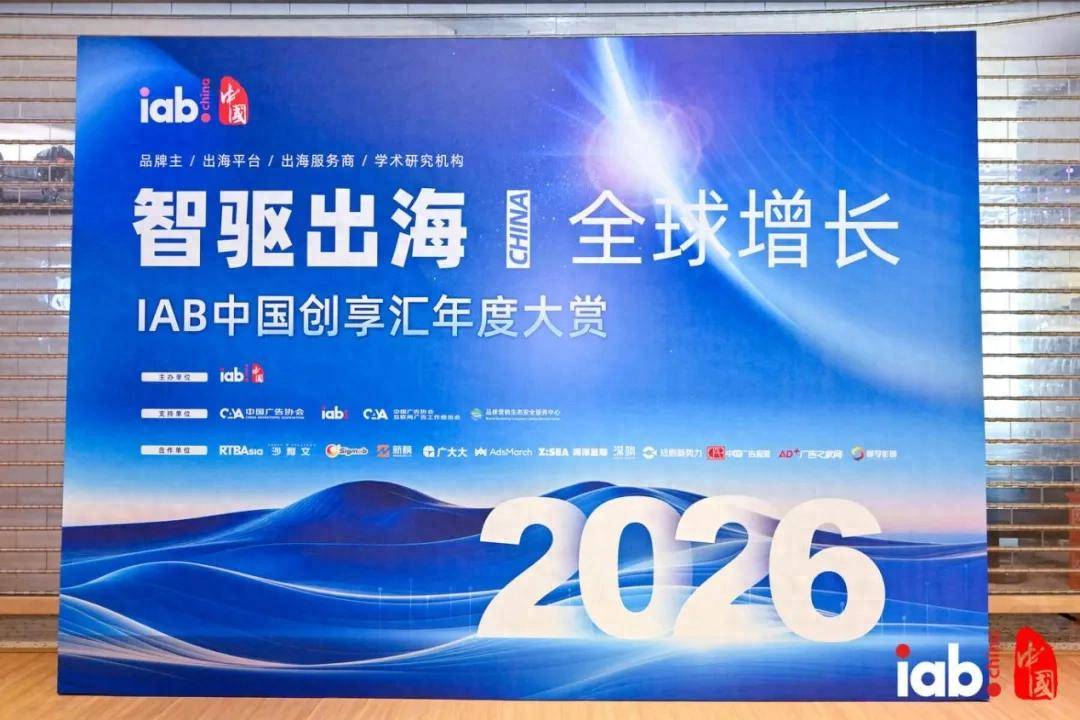
Core Insights - The 2026 IAB China Creative Summit aims to explore new opportunities and paths for the high-quality development and globalization of Chinese brands, gathering industry experts and leaders for in-depth discussions [2][6][41] - The event emphasizes the importance of building a credible content ecosystem in digital marketing, addressing issues like misinformation and low-quality content [21][22][24] Group 1: Event Overview - The summit is hosted by IAB China and supported by various industry partners, focusing on international communication and industry standard development [4] - The opening speech highlighted the theme "Intelligent Driving Overseas Growth," emphasizing the competitive quality and brand strength of Chinese products on a global scale [6][8] Group 2: Key Themes and Discussions - The importance of cultural value and business philosophy in brand globalization was stressed, with digital technologies like AI reshaping marketing strategies [8][10] - Experts discussed the need for brands to transition from "single-point breakthroughs" to "ecological collaboration" for sustainable growth [10] Group 3: Industry Practices and Innovations - Danone's VP shared insights on low-carbon transformation in the food and beverage industry, emphasizing sustainability as a key support for overseas growth [12] - AI-driven marketing strategies were presented as essential for business growth, focusing on data integration and personalized communication [14][16] Group 4: Challenges and Solutions - The challenges of high costs, customer acquisition difficulties, and operational complexities in overseas markets were addressed, with proposed solutions involving AI and automation [16] - A roundtable discussion highlighted the need for innovative advertising models that integrate content and user experience to enhance commercial efficiency [18] Group 5: Industry Initiatives - The establishment of the IAB China Micro-Short Video Professional Committee aims to promote the development and standardization of the micro-short video industry [19] - A joint initiative for credible content in digital marketing was launched, focusing on industry self-regulation and the establishment of trust [21][24] Group 6: Resources and Tools - The release of the first edition of the "China Brand Overseas Ecosystem Panorama" provides a comprehensive resource for companies to navigate overseas markets, detailing key opportunities and growth paths [30] - The event concluded with the issuance of certificates to recognized companies, reinforcing the commitment to high-quality development in the industry [32][41]
2026九通品牌出海峰会圆满落幕 | 构建全生态链决胜“品牌出海下半场”
Sou Hu Wang· 2026-01-22 05:01
Group 1 - The 2026 Jiutong Brand Going Global Summit was successfully held in Shenzhen, focusing on the theme of "Cross-Border Brands in the Second Half," gathering over a thousand industry practitioners from various sectors including platforms, brands, capital, logistics, and AI empowerment [1][3] - The summit aimed to provide a decision-making and actionable framework for global brands by analyzing growth logic from three dimensions: trend judgment, capability reconstruction, and path upgrading, and launched the "100+ Industry Data White Paper" featuring replicable AI-driven growth cases [1][5][26] Group 2 - The summit was co-hosted by Jiutong and other organizations, marking the first time that dispersed elite forces were gathered into a complete "Chinese Brand Going Global Ecosystem," forming a strategic closed loop from trend judgment to capability reconstruction and path upgrading [3][5] - The event featured live streaming on the video platform "Cross-Border Evolution Theory," attracting over ten thousand cross-border practitioners to witness the annual discourse on brand globalization [3][5] Group 3 - Keynote speeches included insights from industry leaders, such as Jiutong's founder Song Chunliang, who outlined the product-driven path for Chinese brands' globalization, emphasizing that the second half of brand going global is defined by products and ecosystems [7][9] - Other notable speakers included Tang Min, who discussed AI as an indispensable growth engine for brands, and Feng Bin, who highlighted the strategic value of Hainan Free Trade Port as a new global pivot for cross-border enterprises [9][11] Group 4 - The summit also addressed opportunities in logistics and capital, with speakers like Lei Longfei discussing overseas warehouse strategies and Cheng Zheng analyzing the opportunities and challenges for Chinese companies going public in the U.S. [21][23] - The event concluded with a focus on the importance of long-termism and the need for brands to adapt to trends, reconstruct capabilities, and upgrade paths to achieve global success [28]

全球布局加码-再论黑电成长空间
2026-01-22 02:43
Summary of Key Points from Conference Call Industry Overview - The global black electronics market is currently dominated by Samsung, with an annual shipment volume of approximately 35-36 million units, accounting for about 17%-18% of the global market share. TCL and Hisense follow closely, each with around 30 million units shipped. LG ranks fourth among the top ten brands, six of which have Chinese backgrounds, indicating a significant scale advantage for Chinese brands in the global market [5][6][15]. Company Developments - TCL Electronics plans to establish a joint venture with Sony, where TCL will hold 51% and Sony 49%. This new company will focus on Sony's home entertainment business, including televisions and audio products, and is expected to begin operations in April 2027 [2][4]. - The collaboration aims to optimize Sony's television business in response to declining market share and profitability pressures, while providing TCL with an opportunity to enhance its high-end brand presence [1][4]. Market Dynamics - The global black electronics market maintains a stable total shipment volume of around 200 million units annually, with domestic shipments exceeding 30 million and overseas shipments over 160 million [6]. - The penetration rate of Mini LED technology has surpassed 30%, offering significant opportunities for high-end product categories in overseas markets [1][7]. Strategic Opportunities - Chinese manufacturers are accelerating their brand expansion overseas by enhancing product structures and promoting new technologies like Mini LED. Collaborations with established brands like Sony are crucial for improving brand image and market positioning [1][8][9]. - The upcoming 2026 FIFA World Cup is expected to boost overseas demand for black electronics, with domestic manufacturers planning to leverage this event for marketing and local channel partnerships [11]. Financial Implications - The expansion of domestic television hardware overseas is driving growth in internet content businesses, which have a much higher profitability than hardware sales. This is seen as a key driver for increasing overseas revenue and profits [3][10]. - The ongoing support from national subsidy policies and the rising penetration of Mini LED technology are expected to enhance profitability in the domestic black electronics industry [14]. Long-term Outlook - Long-term projections indicate that Chinese black electronics companies are likely to achieve higher valuation premiums through scale growth and profit improvement. As leading Chinese firms increase their shipment volumes, traditional leaders like LG and Sony face declining market shares [15].

东屏街道:企业变“产品出海”为“品牌出海”
Xin Lang Cai Jing· 2026-01-21 16:27
Core Insights - Nanjing Whale Charging Power New Energy Co., Ltd. has successfully delivered two models of European standard dual-gun DC charging piles to a customer in Sri Lanka, with over 20 additional units awaiting production upon customer notification [1][2] - The company, established in 2019, specializes in the research, manufacturing, and sales of smart charging equipment, as well as the construction and operation of charging networks and big data services related to automotive charging [1] - Whale Charging has expanded its business to over 50 countries and regions globally, including North America, Europe, Southeast Asia, the Middle East, and Africa, establishing a broad and stable service network [1] Product Details - The delivered products include a 240kW European standard dual-gun DC charging pile and a 40kW dual-gun DC charging pile, designed for diverse operational scenarios in the Sri Lankan market [2] - These products offer a "high power + flexible deployment" customized solution, addressing limitations in grid capacity and installation space [2] - The charging piles feature a slim design, with dimensions and weight only one-third of traditional cabinet-style piles, supporting both pole and wall-mounted installation [2] - The single-gun output power reaches up to 40kW, and the dual-gun operation enhances equipment utilization and optimizes investment returns [2] - A modular cooling system ensures stable operation in high-temperature environments while achieving low energy consumption for cooling [2] Strategic Development - Whale Charging has transitioned from a single "product export" model to a comprehensive "brand export" strategy, leveraging its technological innovation, lean manufacturing supply chain capabilities, and deep understanding of international standards [2] - Other enterprises in the Dongping Street area, such as Nanjing Xinrui Packaging and Nanjing Meigaomei New Materials, are also actively expanding into overseas markets, contributing to high-quality development and promoting "Chinese vitality" [2]
技术平权瓦解外贸壁垒,“三无老板”也能出海了
2 1 Shi Ji Jing Ji Bao Dao· 2026-01-21 10:58
Core Insights - AI has become an essential driving force for Chinese companies going global, addressing challenges such as time zone differences and communication barriers [1][7] - The application of AI tools is particularly beneficial for small and medium-sized enterprises (SMEs), lowering the barriers to entry for entrepreneurship [1][7] - AI is significantly enhancing operational efficiency, with companies reporting productivity increases of 3-5 times across various dimensions [7][8] Group 1: AI Applications in Business - AI tools are being widely adopted in content creation and operational optimization, with significant benefits observed in customer service and communication [1][5] - Companies like Xilang Door Industry have implemented AI customer service systems that can handle 90% of initial inquiries, reducing the need for human intervention [5][6] - AI is also breaking down language barriers, enabling companies to engage with international clients more effectively [6] Group 2: Impact on Company Growth - Xilang Door Industry has experienced exponential growth since expanding into international markets, with foreign trade becoming a clear second growth curve for the company [4][8] - The integration of AI has allowed new employees to close deals in one month, compared to the previous 3-4 months, streamlining the onboarding process [6] - The use of AI has led to a significant increase in export revenue for companies, with one entrepreneur reporting growth from 3 million to 30 million yuan in just a year [6] Group 3: Industry Trends and Future Outlook - The World Trade Organization predicts that AI could drive global trade growth by nearly 40% by 2040, indicating a transformative impact on the industry [8] - Major e-commerce platforms are actively developing comprehensive AI tools to support sellers, enhancing their operational capabilities [8][9] - The shift towards AI is reshaping the organizational structure of cross-border e-commerce, allowing for more streamlined operations and potentially enabling "one-person companies" [9]

鸣鸣很忙今起招股 | 1月21日早报
Sou Hu Cai Jing· 2026-01-21 02:06
Star Brands - Ma Liu Ji plans to expand its stores to 400-500 locations, currently operating over 240 stores with retail business accounting for 40% of its operations [2] - Hao Huan Luo opened its first overseas store in Kuala Lumpur, Malaysia, featuring over 50 SKUs with prices comparable to domestic offerings [3] - New Oriental Education appointed Chen Xingjia as a senior advisor with an annual salary of 1.5 million RMB, while committing to donate at least 1 million RMB annually to a charity fund [4] - Yuexiu Wind Industry launched its first store under the "Guangzhou Milk Company" brand, focusing on fresh milk from local farms [5] - Hormel Foods appointed Domenic Borrelli as the new executive vice president of retail business, effective February 23, 2026 [5] Consumer Platforms - A survey revealed that 87% of Amazon sellers plan to use AliExpress as a second growth curve for brand expansion [6] - IPC reported that Temu's international market share is expected to rise to 24% by 2025, up from 1% in 2022, matching Amazon's share [6] - eBay will adjust fees for enterprise sellers starting February 12, 2026, to support seller growth [7] - TikTok Shop's cross-border e-commerce in Southeast Asia is projected to double its GMV by 2025 [8] - Cainiao launched customized logistics services for non-e-commerce projects, marking a significant expansion in its service offerings [9] - Xiaohongshu introduced a new community guideline aimed at promoting positive interactions and preventing misinformation [10] - Douyin released a white paper on live streaming governance, highlighting improvements in compliance and safety measures [11] - SHEIN initiated a "zero-based" skills training program for unemployed graduates and workers in collaboration with local labor unions [12] Investment and Financial Reports - Junlebao Dairy submitted its listing application to the Hong Kong Stock Exchange, with CICC and Morgan Stanley as joint sponsors [14] - Mingming Henbang commenced its global offering, aiming to list on the Hong Kong Stock Exchange on January 28, with cornerstone investors including Tencent and Temasek [15] - Shuijingfang expects a revenue of 3.038 billion RMB for 2025, a decrease of 42% year-on-year, attributed to industry adjustments and high inventory levels [16]


2026 品牌出海,解码海外消费者的“品牌挚爱公式”
Sou Hu Cai Jing· 2026-01-20 14:41
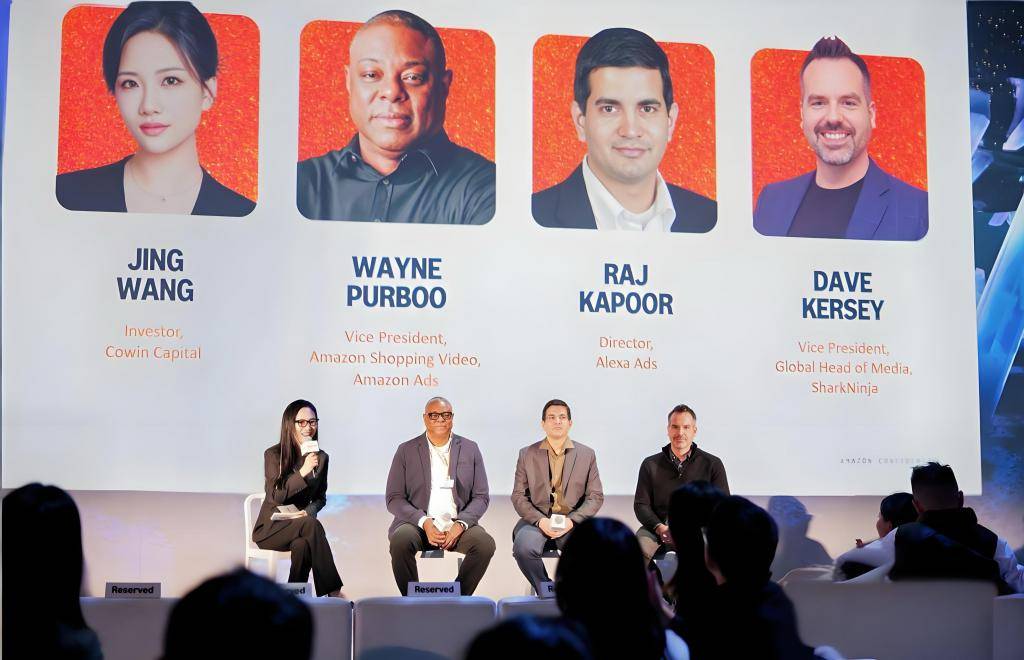
Core Insights - To succeed in the overseas market by 2026, brands must integrate seamless experiences, precise consumer signals, and deep emotional resonance to create a synergistic effect that breaks through competitive barriers [3][4]. Group 1: Marketing Strategies - The digital advertising market is expected to continue double-digit growth, with penetration reaching 81% of the overall advertising market by 2026, driven by the exploration of generative AI tools [3][4]. - Traditional interruptive advertising is losing effectiveness; successful brands now prioritize "information delivery" as a core component of user experience [3][4]. - Brands need to leverage interactive content and environmental technology to seamlessly integrate product information into consumers' daily lives [3][4]. Group 2: Emotional Connection and Authenticity - Authenticity and emotional connection with products are crucial, as highlighted by Amazon Live's high conversion rates driven by creator-generated content [4][5]. - Live streaming creates long-term effects, as emotional connections established during broadcasts can influence future purchasing decisions [4][5]. - The value of content lies not only in information delivery but also in achieving emotional sharing with consumers [4][5]. Group 3: AI and Personalization - The introduction of generative AI in advertising aims to create personalized experiences, with Alexa's new assistant designed to help users with shopping and daily tasks [5][6]. - Effective advertising should provide real value, such as information and entertainment, rather than conforming to traditional advertising formats [5][6]. - Brands must adapt to the shift from traditional web browsing to engaging in conversations with AI, presenting useful and informative content during these interactions [7][8]. Group 4: Complexity and Precision in Marketing - Marketing science is becoming more complex yet precise, transitioning from an art form to a data-driven approach that requires careful consideration of input-output ratios [8]. - The integration of experience, science, and art is essential for brands to establish core competitiveness in the current market landscape [8].
2026品牌出海,解码海外消费者的“品牌挚爱公式”
3 6 Ke· 2026-01-20 11:08
Core Insights - To succeed in the overseas market by 2026, brands must integrate seamless experiences, precise consumer signals, and deep emotional resonance to create a synergistic effect that drives consumer loyalty [3][4][5] Group 1: Marketing Strategies - The marketing path to winning the overseas market in 2026 emphasizes that relying solely on products is insufficient; brands must create a cohesive experience that resonates emotionally with consumers [3] - AI is becoming a decisive factor in marketing strategies, with predictions indicating that the global digital advertising market will continue to grow at a double-digit rate, reaching an 81% penetration in the overall advertising market by 2026 [3][4] - Brands are encouraged to rethink how they deliver information, focusing on integrating product information seamlessly into consumers' daily lives through interactive content and environmental technology [3][6] Group 2: Emotional Connection and Authenticity - Authenticity and emotional connection with products are crucial, as highlighted by Amazon Live's success in creating "real moments" that aid consumer decision-making [4][5] - The long-tail effect of live streaming is significant, as emotional connections established during live sessions can influence future purchasing decisions [4] - Brands should focus on creating content that is both educational and entertaining, leveraging influencer-generated content to build long-term brand loyalty [5][7] Group 3: AI and Personalization - The introduction of generative AI tools, such as Alexa+, aims to create a comprehensive AI assistant that personalizes user experiences across shopping and entertainment [5][6] - As consumer engagement shifts from browsing to interacting with AI, brands must present useful and informative content within these dialogues to remain competitive [7] - The integration of AI in advertising is transforming marketing into a blend of experience, science, and art, where brands must balance creativity with data-driven insights [7]
年赚9亿,这家深圳大卖赴港上市!
Sou Hu Cai Jing· 2026-01-20 10:28
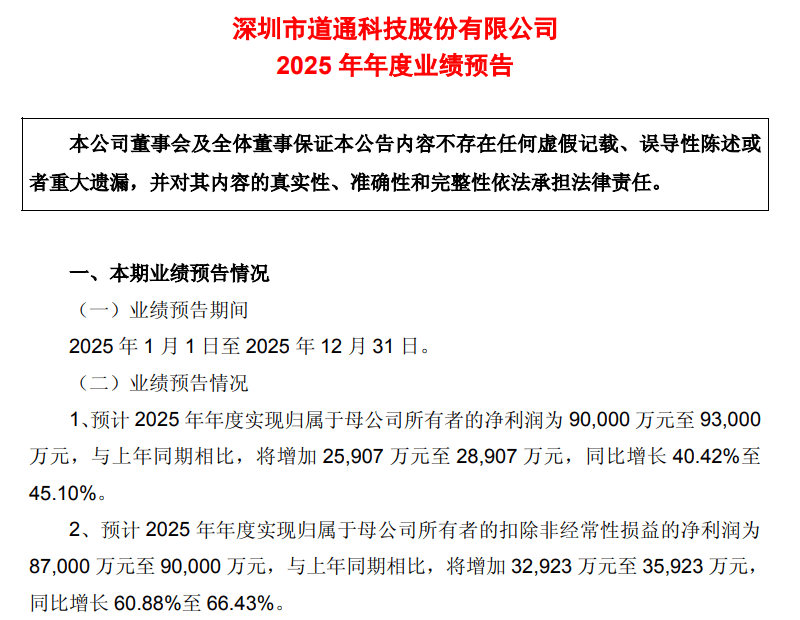
Core Viewpoint - Daotong Technology is set to achieve a remarkable net profit of 900 million to 930 million yuan in 2025, marking a year-on-year increase of 40.42% to 45.10%, and has submitted a listing application to the Hong Kong Stock Exchange for an "A+H" dual capital platform [1][4]. Group 1: Performance and Capital - The company's profit forecast indicates a non-net profit growth rate of 60.88% to 66.43%, expected to reach 870 million to 900 million yuan, demonstrating strong growth driven by core business rather than financial maneuvers [4]. - The fourth quarter net profit is projected to be between 167 million and 197 million yuan, maintaining a high growth trend [4]. - The funds raised from the Hong Kong listing will focus on AI model research and development, overseas production base expansion, and the construction of intelligent robot production lines, indicating the company's ambition for global competition and technological leadership [4]. Group 2: Strategic Foundations - Daotong Technology's success is built on three solid pillars: a localized global foundation, an AI-driven core engine, and precise positioning in the new energy sector [5][6]. - The company has established a robust offline asset layout, with manufacturing networks in Shenzhen, Vietnam, and the U.S., and is building a factory in Mexico to enhance its global supply chain and mitigate trade risks [5]. - The company is fully embracing AI, which is a recurring theme in its performance forecast, indicating a commitment to integrating AI into its operations [6]. - Daotong Technology has capitalized on the electric vehicle boom, with revenue from its charging pile business skyrocketing from less than 100 million yuan in 2022 to 867 million yuan in 2024, marking it as one of the fastest-growing segments [6]. Group 3: Industry Insights - Daotong Technology's approach signals a new direction for the cross-border e-commerce industry, shifting from "Made in China" to "Intelligent Manufacturing from China" [7]. - The integration of AI into product development and global operations is becoming a benchmark for the industry, emphasizing technology as the primary driver of growth [7]. - As the flow of traffic reaches its peak, companies like Daotong Technology that specialize in a niche market (automotive aftermarket) can achieve more stable and higher profit margins by establishing technological and cognitive barriers [7]. - The ultimate form of cross-border e-commerce will be brand globalization, supported by irreplaceable technology and product strength, with deep integration of cutting-edge technologies like AI being crucial for building the next generation of global brands [7].