
契约精神

Search documents
娃哈哈遗产战:商业帝国的传承困局|宗馥莉还能再赢一次吗?
Sou Hu Cai Jing· 2025-07-19 13:11
Core Viewpoint - The inheritance dispute within the Hangzhou Wahaha Group highlights the challenges faced by first-generation Chinese entrepreneurs in wealth transfer, revealing issues related to institutional frameworks, human nature, and the logic of wealth [1][20]. Group 1: Inheritance Dispute - The lawsuit initiated by three plaintiffs claiming to be the non-marital children of Zong Qinghou seeks to freeze an account containing $1.8 billion, which they allege is part of a family trust promised by their father [3][4]. - The account, established under the offshore company Jian Hao Ventures, has accumulated $1.8 billion since 2003, falling short of the verbally promised $2.1 billion by $300 million [3][4]. - Zong Fuli, recognized as the "only daughter," is accused of improperly withdrawing $1.1 million from the account, which raises questions about the integrity of the trust [3][4]. Group 2: Corporate Leadership Transition - Zong Fuli took over Wahaha in 2024 during a time of significant industry transformation, facing competition from brands like Nongfu Spring and new tea beverage companies [8][10]. - She implemented a series of reforms, including replacing long-standing executives and restructuring performance assessments, which led to a 53% increase in revenue to 72.8 billion yuan in 2024 [10]. - Despite initial successes, the ongoing inheritance dispute casts a shadow over her leadership and reform efforts [10][11]. Group 3: Legal and Institutional Challenges - The core of the legal dispute revolves around the 29.4% equity held by Zong Qinghou, which was not placed in a family trust or formally arranged for inheritance, leading to potential division among heirs [11][21]. - The lack of clear legal documentation regarding the trust and inheritance arrangements has created uncertainty, contrasting with established practices in other countries like Japan [21][23]. - The generational differences in understanding authority and contractual obligations are evident, with Zong Fuli advocating for formal agreements while her father relied on informal promises [22][23]. Group 4: Broader Implications for Chinese Family Businesses - The Wahaha case serves as a microcosm of the broader challenges faced by first-generation Chinese entrepreneurs in establishing sustainable wealth transfer mechanisms [20][24]. - The outcome of the lawsuit will not only determine the ownership of 34 billion yuan in assets but also reflect the evolution of Chinese commercial practices from informal to more structured governance [24].


孙波:保持战略定力,“磨好豆腐”
Sou Hu Cai Jing· 2025-07-18 02:36
Group 1 - The core viewpoint emphasizes the shift from "passive success" to "effort-based success" in corporate top-level design, highlighting the importance of finding meaning in success [5][6] - Companies are encouraged to maintain strategic determination by focusing on core issues and internal management improvements while navigating economic uncertainties [7][8] - The article suggests that successful management requires adapting large enterprise experiences to smaller companies, fostering a new management philosophy that aligns with organizational needs [8][9] Group 2 - Companies should prioritize "doing well in the present" by ensuring that every role contributes meaningfully to the organization's development [11][12] - Establishing a contract spirit around goal management is crucial, as it helps align the organization towards common objectives and enhances managerial effectiveness [13][14] - The integration of AI technology will necessitate a shift in labor roles, prompting all workers to reflect on the meaning of their contributions, which is essential for future corporate strategies [14]

来英国做生意,你得做个“聪明的傻子” | 问道全球
Sou Hu Cai Jing· 2025-07-08 00:49
Core Insights - Entering the UK market requires understanding local business practices and cultural nuances, as strategies that work in China may not be effective in the UK [1][40] - Building trust and relationships is crucial for success in the UK, often necessitating a humble approach in negotiations [8][41] Group 1: Importance of Local Partnerships - Finding experienced local partners is essential for navigating the UK business landscape [4] - A successful entrepreneur shared how he connected with a prominent figure in the industry, which significantly aided his business journey [4] Group 2: Understanding Local Business Culture - UK businesses prefer clear and detailed contracts, reflecting a strong emphasis on certainty and risk management [11][13] - Overpromising can lead to loss of credibility; maintaining realistic commitments is vital [12] Group 3: Intellectual Property Concerns - Protecting intellectual property is a top priority for UK companies, and any partnership must demonstrate respect for IP rights [19][21] - A case was highlighted where a UK company lost business due to a partner's infringement on their intellectual property [21] Group 4: Navigating Payment and Employment Risks - Caution is advised when accepting checks as payment, due to potential issues with funds availability [30] - Hiring practices in the UK are heavily regulated, making it important to approach recruitment carefully [32][33] Group 5: Leveraging Local Brands - Acquiring a local brand can facilitate market entry by leveraging existing trust and recognition [36][38] - The example of a Chinese automotive brand successfully entering the UK market through acquisition illustrates this strategy [36] Group 6: Building Relationships within Legal Boundaries - Gifts exceeding £200 may be considered bribery, so establishing relationships should be done within legal limits [23][24] - Simple gestures, like sending modest gifts during holidays, can foster goodwill without crossing legal boundaries [24] Group 7: Overall Strategy for Success - The overarching strategy for succeeding in the UK market involves continuous adaptation and translation of business practices to align with local expectations [41][42]

中国足球最“穷”赞助商:我没有滔天的背景,借了5000块才过的年
虎嗅APP· 2025-07-06 03:31
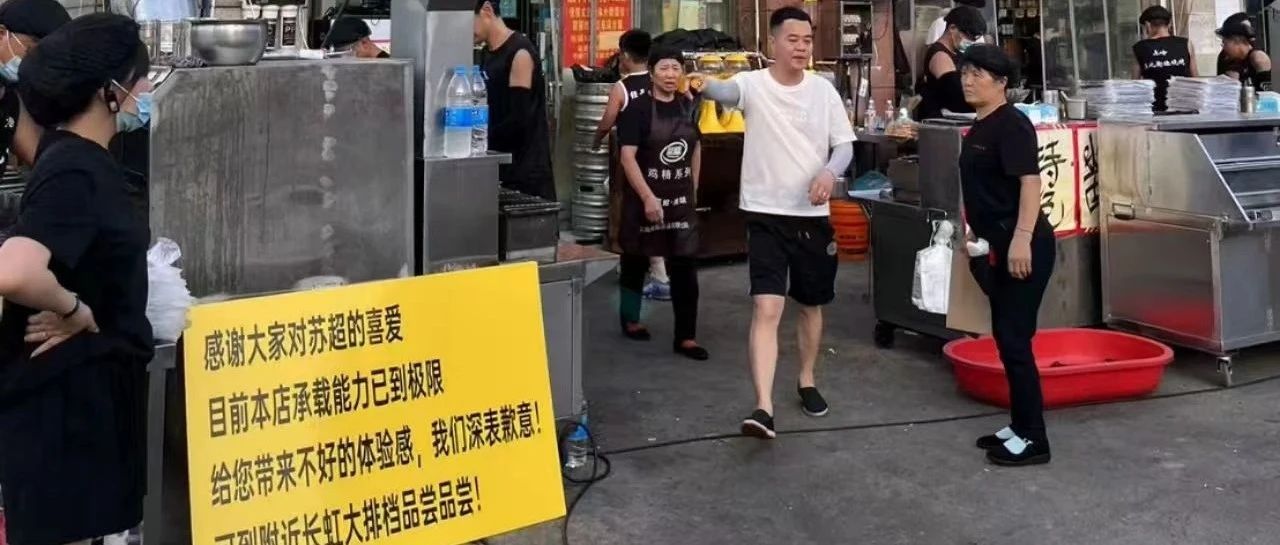
Core Viewpoint - The article highlights the success story of a small barbecue shop in Changzhou, which gained significant attention and customer traffic after sponsoring a local sports event, showcasing the potential of grassroots businesses in a supportive economic environment [4][5][6]. Group 1: Business Success - The barbecue shop, "Dongha," gained visibility by sponsoring the Suzhou Super League, with a sponsorship cost of 100,000 RMB, which is considered a small investment compared to the exposure received [4][5][9]. - The shop's owner expressed that the sponsorship was not a calculated investment but a heartfelt gesture to support local sports, particularly for her niece who trains at a sports school [9][10]. - Following the sponsorship, the shop experienced a surge in customers, with previously sold-out items now running out much earlier in the evening, indicating a significant increase in demand [9][10]. Group 2: Community and Support - The article emphasizes the supportive environment in Changzhou, where local authorities and community members actively assist small businesses, such as providing help with crowd management during peak times [9][10][27]. - The owner shared experiences of positive interactions with local officials, highlighting a culture of understanding and cooperation that benefits grassroots entrepreneurs [27][28]. - The narrative includes various individuals from the community who contribute to the local economy, showcasing a diverse and hardworking population that supports each other [27][28][29]. Group 3: Personal Journey - The owner of the barbecue shop has a background in education and faced multiple entrepreneurial failures before finding success in the food industry, illustrating the resilience and adaptability of small business owners [20][22]. - The shop's journey from a small street stall to a recognized local business reflects the broader trend of grassroots economic growth in urban areas [25][26]. - The owner’s commitment to quality and community service, such as providing AEDs for safety and supporting local workers, demonstrates a holistic approach to business that prioritizes social responsibility [24][30].

中国足球最“穷”赞助商:我没有滔天的背景,借了5000块钱才过的年
凤凰网财经· 2025-07-03 12:32
Core Viewpoint - The article highlights the success story of a small barbecue shop in Changzhou, which gained unexpected popularity after sponsoring a local sports event, showcasing the potential of grassroots businesses in a supportive economic environment [2][4][29]. Group 1: Business Environment - The barbecue shop, "Dongha," is located in a modest setting within a hardware market, contrasting with the high-profile sponsors of the local sports league, which include major brands like JD.com and Jiangsu Bank [2][3]. - The sponsorship cost for the shop was 100,000 RMB, a significant investment for a small business, yet it received equal treatment alongside larger sponsors during the event [2][4]. - The local government and departments provided support during the shop's surge in popularity, demonstrating a collaborative approach to fostering small businesses [10][29]. Group 2: Business Growth and Challenges - Following the sponsorship, the shop experienced a dramatic increase in customer traffic, with previously late-night sales now peaking much earlier, leading to operational challenges [10][11]. - The owner expressed concerns about maintaining customer satisfaction amidst the chaos of increased demand, highlighting the pressures faced by small businesses during rapid growth [11][30]. - The shop's success is attributed to its commitment to quality, using fresh ingredients and maintaining a focus on customer experience despite the lack of sophisticated business practices [22][23]. Group 3: Personal Journey and Community Impact - The owner transitioned from a background in education and previous failed ventures to running the barbecue shop, reflecting resilience and adaptability in the face of challenges [24][25]. - The shop has become a community hub, providing opportunities for local workers and fostering a sense of belonging among diverse individuals [32][33]. - The owner emphasizes the importance of giving back to the community, as seen in their support for local sports and initiatives, reinforcing the idea that small businesses can have a significant social impact [28][29].
与信同行 孝南有你——孝感市孝南区弘扬诚信文化,发扬契约精神
Zhong Guo Fa Zhan Wang· 2025-06-23 08:32
Core Viewpoint - The credit awareness campaign in Xiaonan District, Hubei, aims to enhance public understanding of credit records and promote a culture of trustworthiness and integrity in the community [1][2][3] Group 1: Campaign Activities - The campaign featured various activities such as setting up consultation booths, distributing promotional materials, and conducting knowledge quizzes to educate merchants and residents about credit policies and the significance of maintaining good credit records [1][2] - The District Development and Reform Bureau organized a credit quiz to promote credit knowledge and foster a good credit environment characterized by "knowing, using, and keeping credit" [2] - Environmental credit consultation stations were established to distribute environmental credit brochures and explain how to check personal and corporate environmental credit records [2] Group 2: Community Engagement - The event attracted significant participation from local merchants and residents, leading to a positive social response and increased inquiries about credit-related issues [1][2] - Staff provided detailed explanations on how to check personal credit reports and the conditions for credit repair, emphasizing the importance of integrity in personal and business dealings [2] Group 3: Future Initiatives - The District Development and Reform Bureau plans to continue promoting the social credit system by innovating promotional methods and conducting more diverse credit awareness activities [3] - The goal is to deepen the understanding of credit knowledge among residents and enhance the overall credit awareness and integrity concept in the district, contributing to high-quality development in Xiaonan [3]
优化环境提升发展信心
Jing Ji Ri Bao· 2025-06-19 22:16
Group 1 - The private economy plays an essential role in driving economic growth, stabilizing employment, stimulating market vitality, and improving people's well-being [1] - Recent policies, including the Private Economy Promotion Law, have provided a solid legal guarantee for the high-quality development of the private economy by incorporating the principle of "two unwavering" into law [1] - Challenges such as hidden barriers, financing difficulties, and inconsistent policy enforcement hinder the healthy development of the private economy [1] Group 2 - Ensuring fair competition is crucial for the growth of the private economy, as it can stimulate the intrinsic motivation and innovative vitality of private enterprises [2] - The government should ensure that private economic organizations can equally access various production factors and public service resources, as well as enjoy national support policies [2] - Emphasizing contract spirit and integrity in business operations is vital for reducing transaction costs and maintaining market order, which supports the healthy development of the private economy [2]
基金忠言|宏利基金缺大将,孟杰再次作“先锋”
Sou Hu Cai Jing· 2025-06-09 06:17
Core Viewpoint - The article highlights the challenges faced by Hongli Fund, the first domestic public fund company to transition from a Sino-foreign joint venture to a wholly foreign-owned entity, particularly due to significant personnel changes and management issues [1][2][3]. Group 1: Personnel Changes - The former general manager, Gao Guixin, with over 20 years of experience, resigned after less than two years, transitioning to Chief Information Officer [1]. - Wang Peng, a key fund manager known for his strong historical performance, left the company in January after resigning from six funds simultaneously [1]. - Following Wang's departure, Meng Jie took over the management of the Hongli Transformation Opportunity Fund, experiencing a significant increase in management scale from 2 billion to over 5 billion [1]. Group 2: Performance Issues - Since Meng Jie became the fund manager, the unit net value of the Hongli Transformation Opportunity Fund has significantly declined, with a drop rate two to three times higher than other funds he managed [1]. - Meng Jie has maintained a stock position above 70% for the Hongli Ruizhizheng Fund over the past five years, despite the fund's contract allowing for a flexible range of 0% to 95% [1]. Group 3: Cultural and Structural Concerns - The ongoing loss of talent within the investment research team raises questions about the stability of the fund's product performance [3]. - The chairman, Jin Xu, has a history of prioritizing scale expansion over sustainable growth, which has contributed to the current issues faced by the fund [3]. - The article suggests that the problems at Hongli Fund reflect broader industry challenges, emphasizing the need for a cultural shift towards valuing professional integrity and respect for contractual obligations [3].
21专访丨中企云链董事长刘江:发展供应链金融需秉持契约精神
2 1 Shi Ji Jing Ji Bao Dao· 2025-06-09 04:16
Core Insights - The chairman of Zhongqi Yunlian, Liu Jiang, discussed the importance of digital financial solutions in addressing financing bottlenecks for enterprises, particularly through the use of electronic receivables certificates [2][4] - Liu emphasized the need for core enterprises to adhere to contractual obligations to protect the interests of small and medium-sized enterprises (SMEs) [2][5] Digitalization and Platformization Trends - The industry is experiencing two major trends: digitalization, which addresses information asymmetry, and platformization, which connects core enterprises, financial institutions, and SMEs [3][4] - Digital technologies enhance information transmission, allowing banks to better serve SMEs in the real economy [3] Regulatory Changes and Industry Evolution - Recent regulatory changes have led to greater recognition of supply chain finance, encouraging banks and core enterprises to participate in this business model [4] - The regulations emphasize "subject credit," "data credit," and "material credit," aiming to collaboratively resolve financing challenges for enterprises [4] Importance of Contractual Integrity - Liu highlighted the need for the industry to uphold the spirit of contracts, urging large enterprises to fulfill their agreements with SMEs to facilitate financing from banks [5][7] - The health of the supply chain finance industry relies on maintaining this contractual integrity, supported by regulatory oversight [7] Operational Challenges - There are operational pain points, such as banks requiring suppliers to open accounts at multiple banks, which complicates financing for SMEs [6] - Some banks do not provide financing to individual businesses, indicating a need for better communication with regulatory bodies to improve services for these entities [6] Recommendations for High-Quality Development - The industry should focus on maintaining the spirit of contracts and ensuring that large enterprises act as responsible "chain leaders" [7] - Continuous regulatory oversight is essential to ensure the effective application of supply chain finance tools and to mitigate potential abuses [7]
中企云链刘江:以“契约精神”与平台化思维破解中小企业融资难题
Xin Hua Wang· 2025-06-03 09:43
Core Insights - Supply chain financial technology is becoming a key force in activating the microeconomic veins of the real economy, supported by national policies for inclusive finance [1] - The digital platform, Zhongqi Yunlian, has helped over 610,000 chain enterprises overcome financing bottlenecks through innovative digital solutions [1][2] - The platform aims to alleviate issues such as payment delays, information asymmetry, and lack of financing channels for small and medium-sized enterprises (SMEs) [2] Group 1: Company Overview - Zhongqi Yunlian is the largest provider in China's industrial digital finance platform market, holding approximately 12.9% market share, with a market size projected to reach 3.5 trillion yuan by 2024 [2] - As of April 2025, the platform has registered 7,338 core enterprises, 613,000 chain enterprises, and 3,857 financial institutions [3] - The platform has facilitated over 400 billion yuan in financing annually by connecting core enterprises, suppliers, and banks [4] Group 2: Financial Solutions - The platform digitizes and standardizes accounts receivable and payable, allowing core enterprises to confirm payables online and suppliers to apply for financing using electronic vouchers [2][4] - In May, Zhongqi Yunlian submitted its prospectus to the Hong Kong Stock Exchange, indicating its growth and expansion plans [2] - The platform's inclusive financial model has provided 363,000 financing services under one million yuan, accounting for 80.8% of total financing services [4] Group 3: Industry Challenges and Solutions - The total accounts receivable for large industrial enterprises in China exceeds 26 trillion yuan, and if 50% of this can be activated, it would inject over 10 trillion yuan into the real economy [2] - The company emphasizes the importance of "contract spirit" to avoid the misuse of financial tools, which can distort their value [4][5] - Zhongqi Yunlian is exploring more scenario-based solutions and plans to expand into overseas markets with high demand for supply chain finance [6]